


Fulford Place: A tribute to ambition
This magnificent 1,858-square-metre (20,000-square-foot) mansion was built in 1899-1901 for self-made millionaire and senator George Taylor Fulford I (1852-1905) and his family. The house was designed by noted American architect Albert W. Fuller, with landscaping design by the prestigious Olmsted Brothers firm.
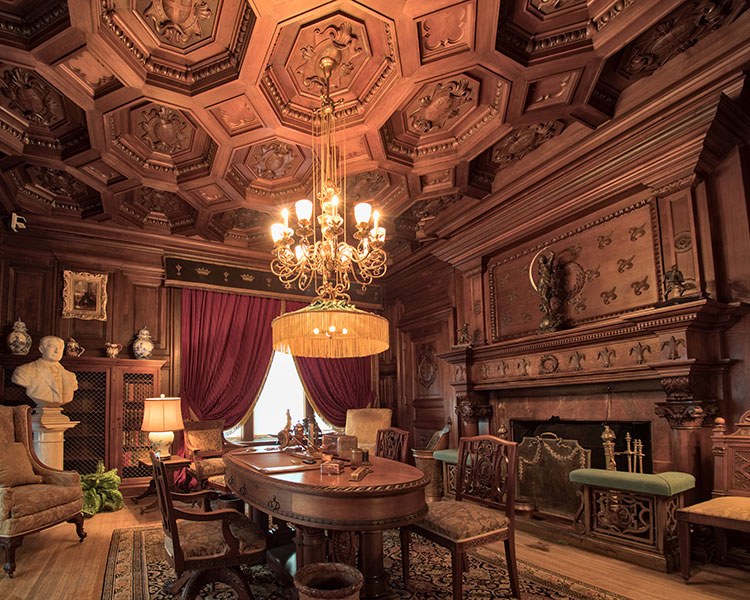
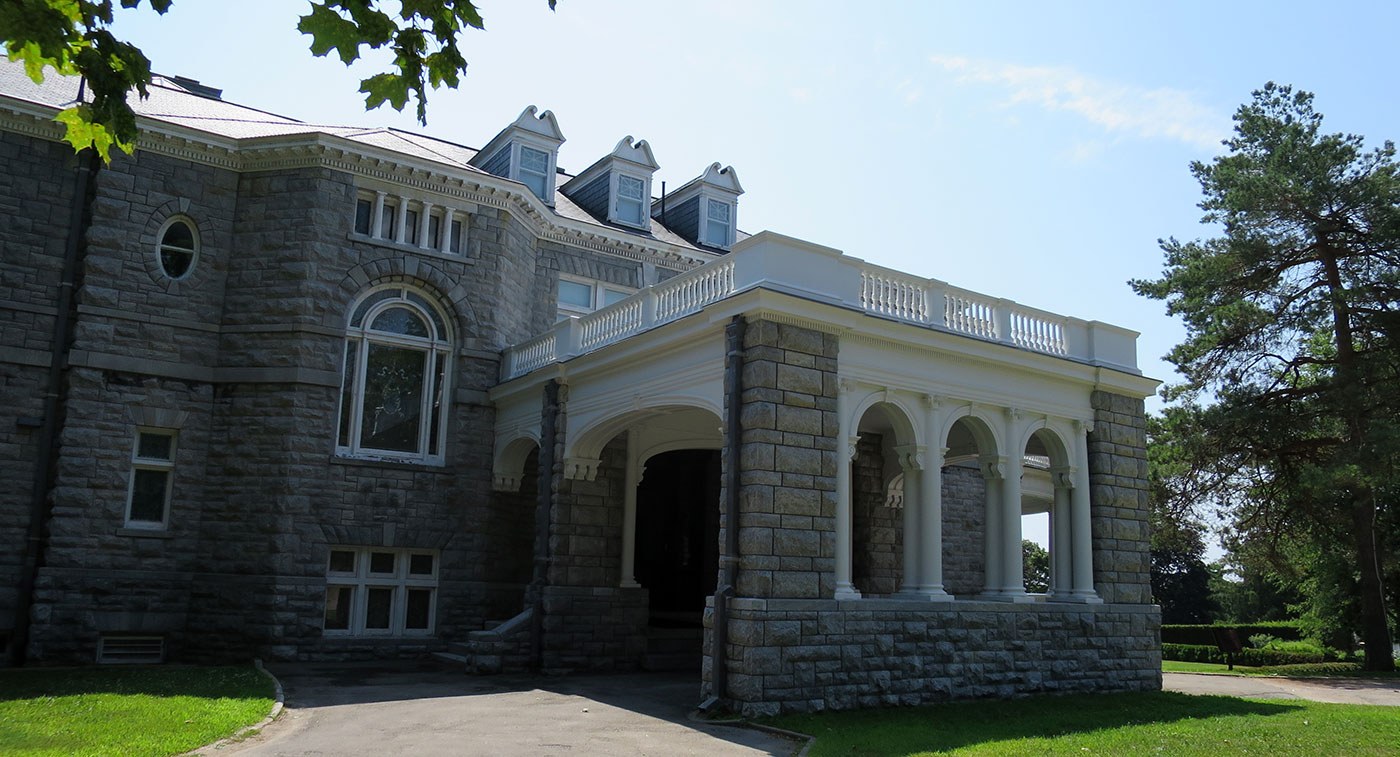
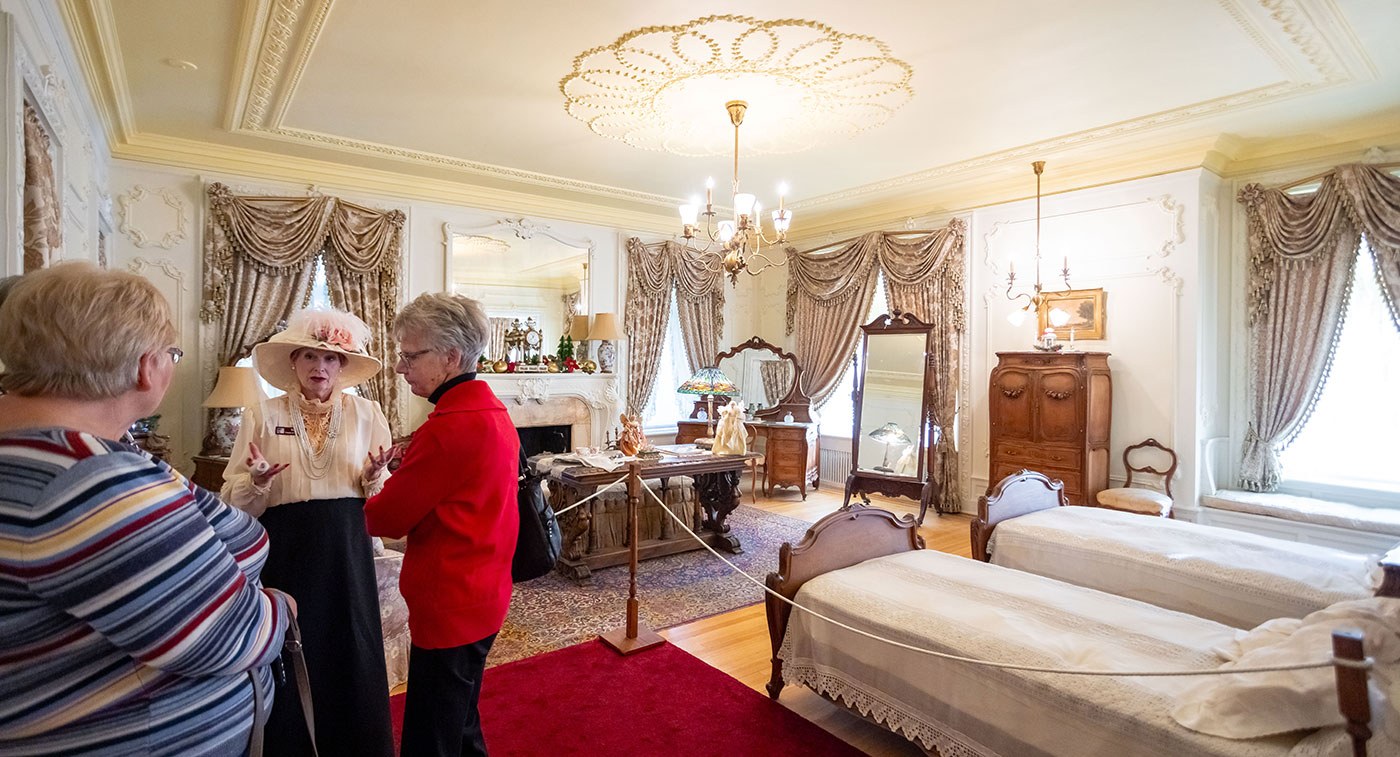
The Fulford family donated Fulford Place and its collection to the Ontario Heritage Trust in 1991. You will see many items from the family’s collection throughout the house as they were over 100 years ago. The Trust’s extensive restoration of Fulford Place brings to life the glamorous lifestyle of the early 20th century’s new aristocracy: the business tycoon.
Meet the Fulford family!
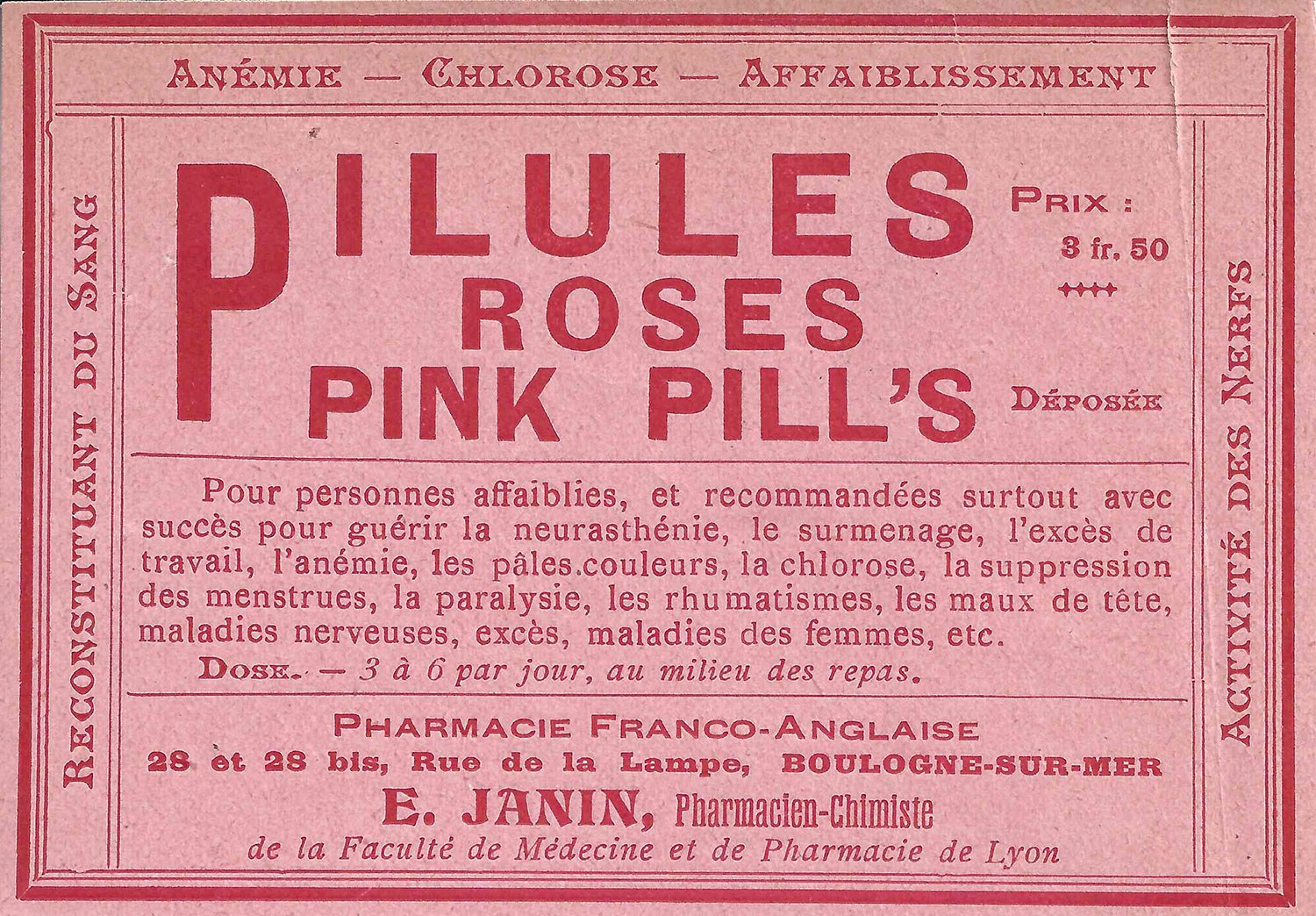
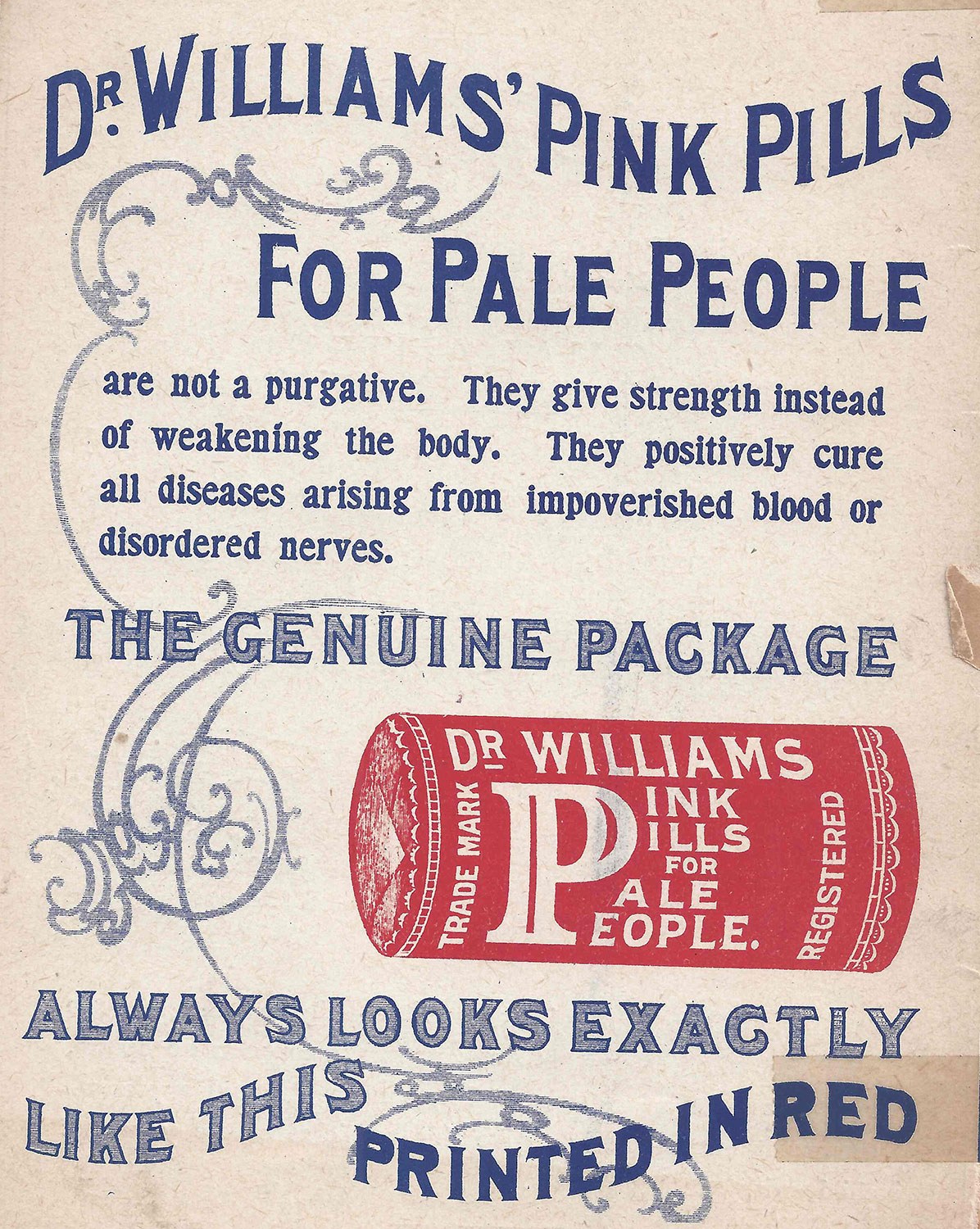
George Taylor Fulford I (1852-1905) came from modest beginnings. But, in 1890, his fortunes began to change. Fulford purchased the patent for Dr. William’s Pink Pills for Pale People for $53.01. And it only took a few years before Fulford became a millionaire.
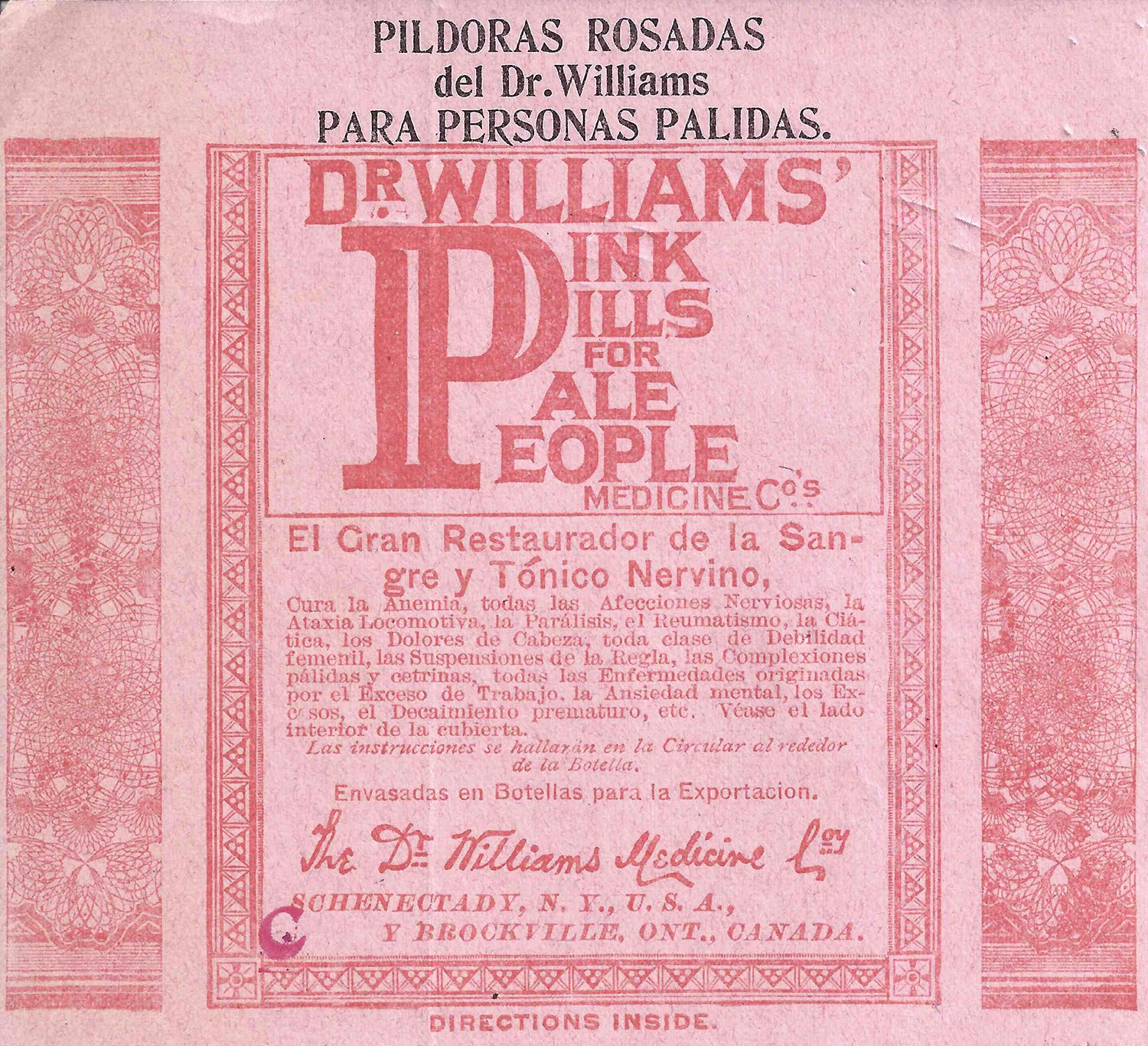
Fulford’s creative and innovative marketing techniques catapulted his business into one of the most successful in North America. At their peak, Pink Pills were sold in over 80 countries around the world.
Fulford understood the medium of advertising and spent a lot of money buying up ad space in newspapers around the world. By 1899, his advertising budget exceeded $1 million, with ads in over 30,000 newspapers worldwide.

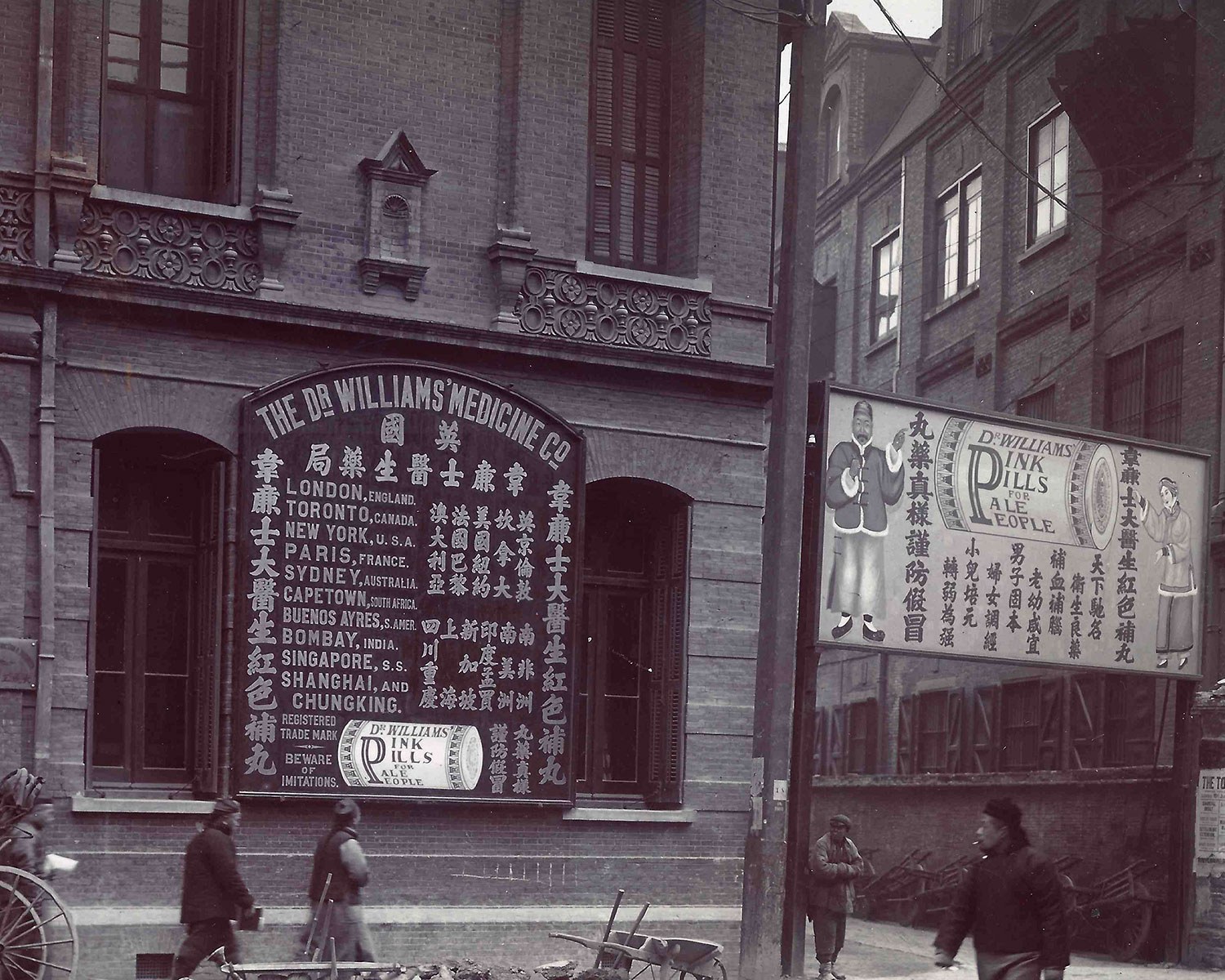
Check out some of the ads for Pink Pills for Pale People
Swipe


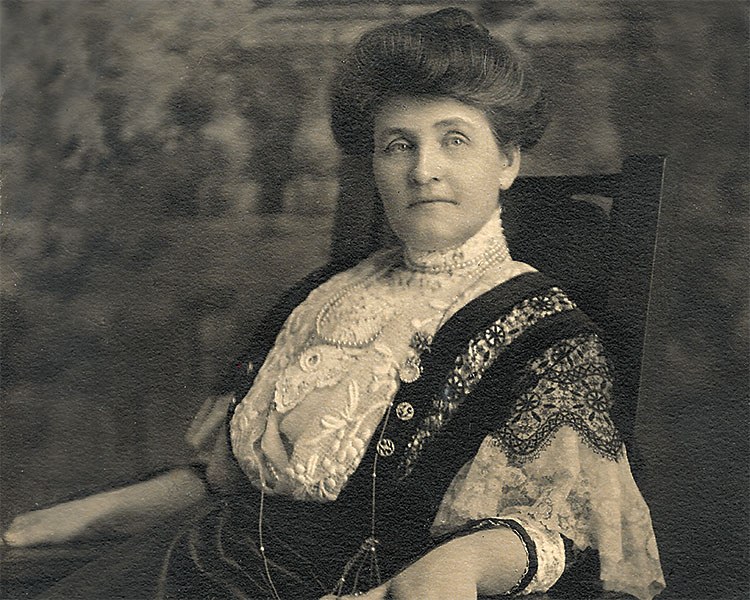
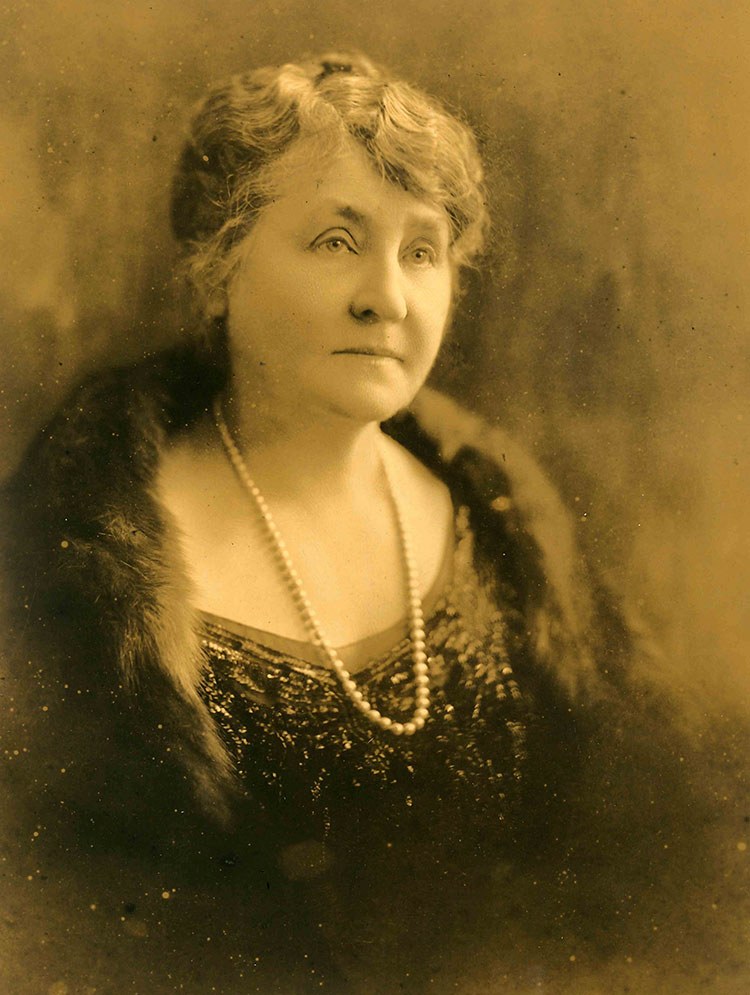
Mary Wilder Fulford (August 22, 1856 to June 24, 1946)
Fulford’s wife Mary (1856-1946) was a Wisconsin socialite who, on meeting George while visiting her grandmother’s summer home in Brockville, fell immediately in love with him. Despite being of different classes, Mary’s strong will and determination enabled her to exchange letters with George until her parents finally agreed to let them marry in 1880.
Together, they had three children — Dorothy (1881-1949), Martha (1883-1910) and George II (1902-1987). George II took over the business after his father died. George T. Fulford & Company expanded its product lines over the decades, remaining a viable business until George II’s death in 1987.
The house
Fulford purchased Edgar Place in Brockville in 1895 and the 4 hectares (10 acres) of land on which it stood as the site for his new mansion. Construction began in 1899. It was one of the first homes in the area to have plumbing and electricity, and to use steel in its structure.
Noted for its architectural value and innovative building techniques, Fulford Place is also the story of prosperity, political influence, philanthropy and personal tragedies.
The 35-room mansion was designed by American architect Albert W. Fuller. The Richardson Romanesque architecture is characterized by the rounded arches, heavy masonry with smooth brickwork and ornately carved stone ornaments.
The interior furnishings were done by J. Hoodless & Sons of Hamilton. Each room was given its own unique type of wood to suit the varied styles of its owners. Mary Fulford worked closely with an interior decorator to design each room in a different style.
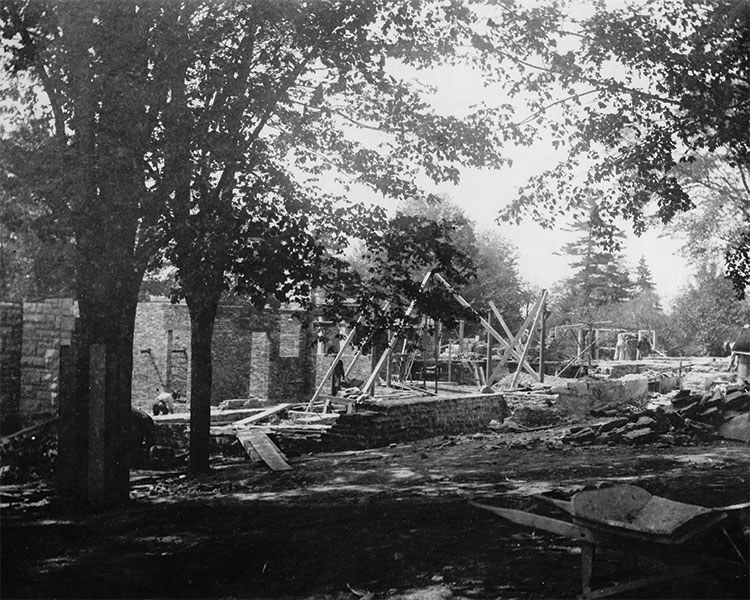
Fulford Place under construction
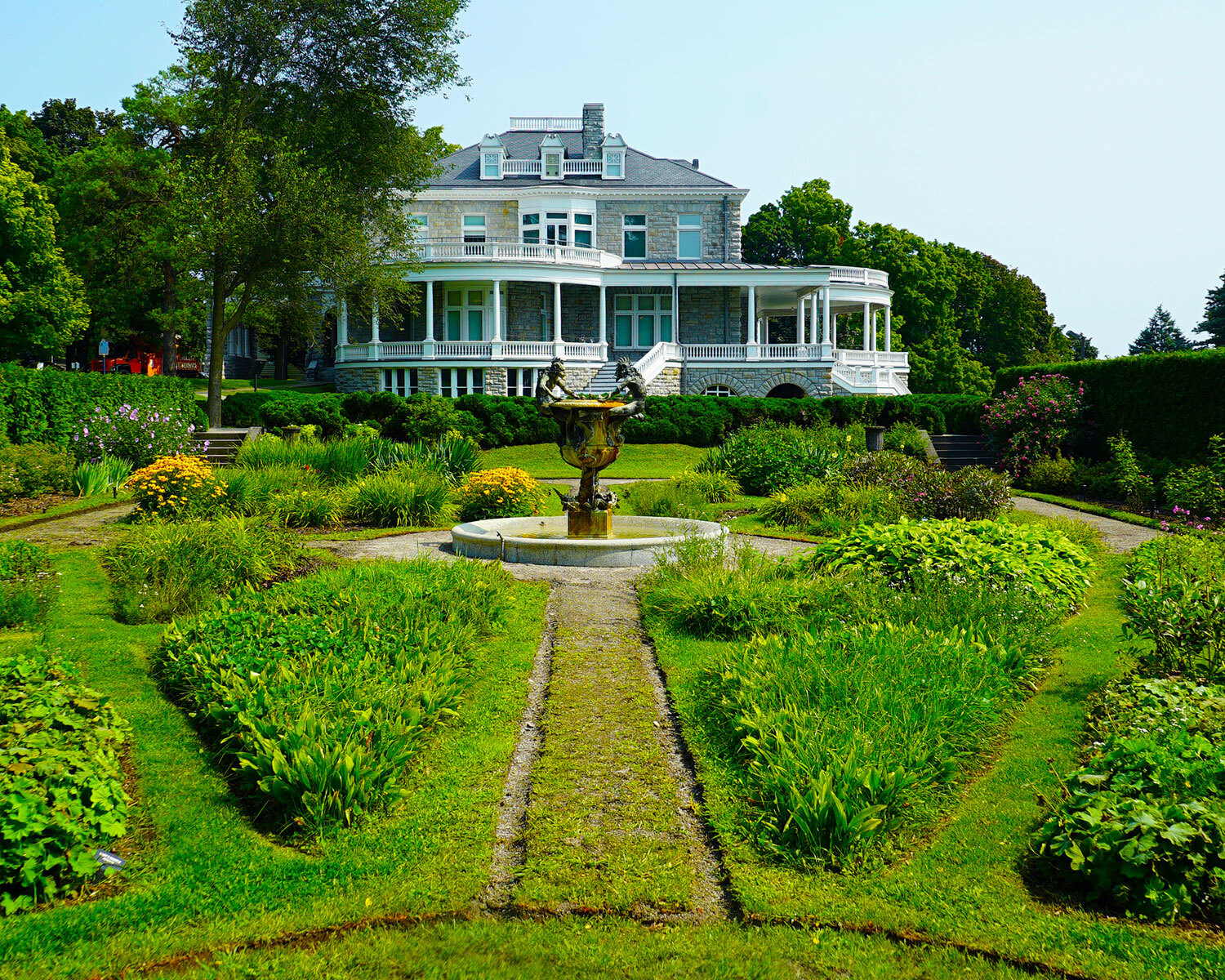
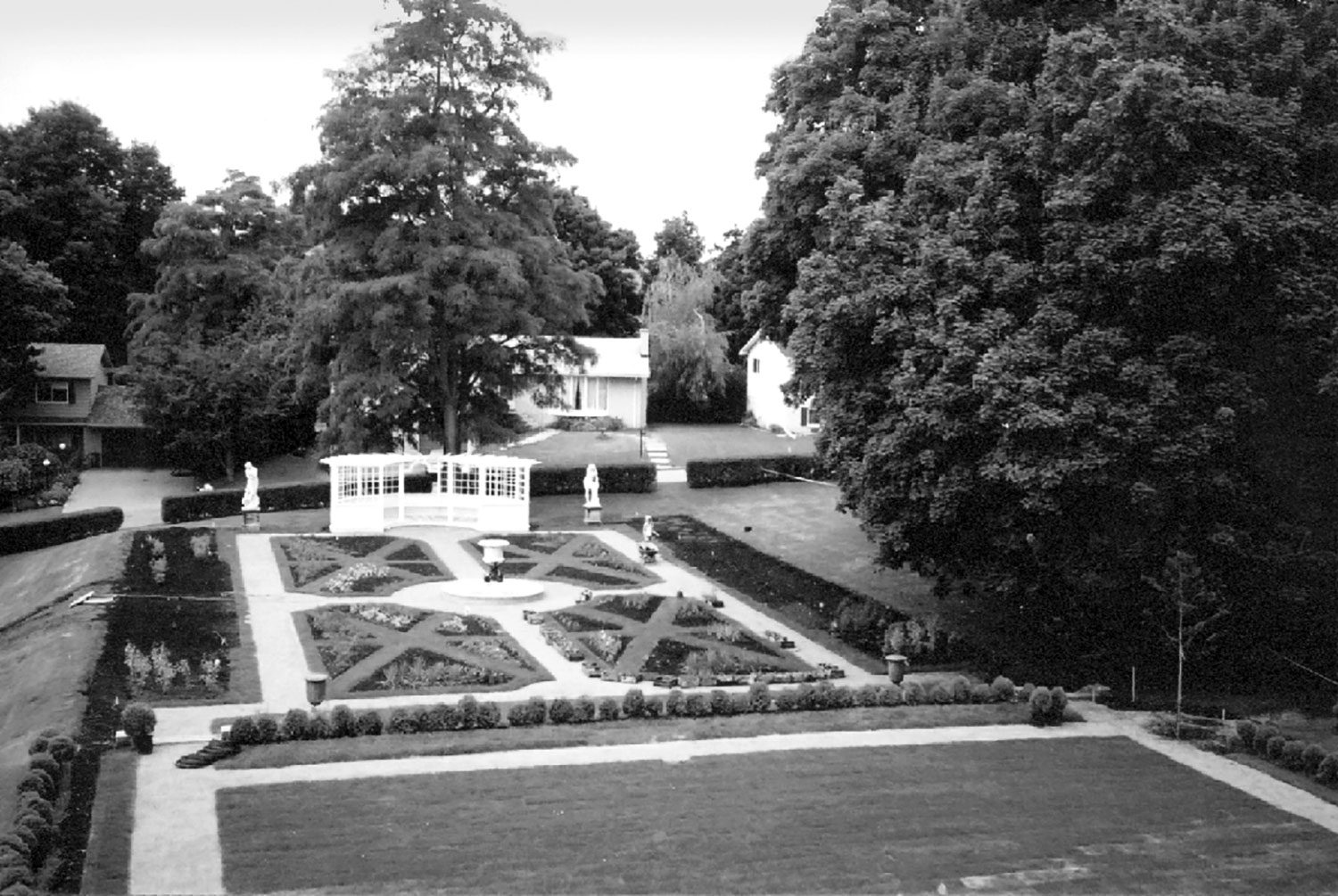
The Olmsted gardens at Fulford Place
The gardens
The original gardens at Fulford Place were designed by the most prestigious architects of the time: the Olmsted Brothers. The Olmsteds were famous for designing Central Park in New York City, Mount Royal in Montreal and the Biltmore Estate (for the Vanderbilt family) in North Carolina.
George Fulford was fond of the formal Italian-style garden, whereas Mary Fulford was more partial to wild English gardens. To please them both, the Olmsteds added both types of garden to the estate. In the early 1960s, however, the property was subdivided and only about one hectare (2.5 acres) remained with the mansion. While the rose garden was lost, the outlines of the Italianate garden survived. This garden — with its original architectural features — were restored in 2002.
The Magedoma
In 1904, Fulford bought a ship that he renamed the Magedoma (to represent the names of his family members: MAry, GEorge, DOrothy and MArtha). This yacht had a drawing room, two verandas, three observation decks, four staterooms, a full kitchen and a full bathroom with hot and cold running water.
The Fulfords entertained many notable guests aboard the Magedoma — including Prime Ministers Sir Robert Borden and William Lyon Mackenzie King, the Duke and Duchess of Devonshire, the then-Prince of Wales and Sir Wilfrid Laurier. Laurier also attended Martha Fulford’s wedding in 1908 aboard the yacht and walked her down the aisle in the absence of her father, who had died from injuries received in a car accident in 1905.
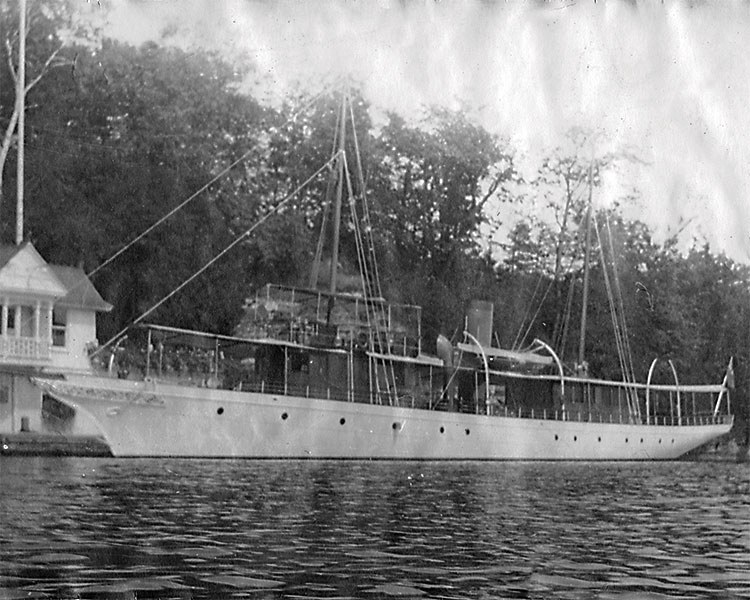
The Magedoma at the Fulfords' boathouse on the St. Lawrence River

Did you know!
George Fulford was the first known Canadian to die because of an automobile accident.
Mary was only 49 years old when her husband died. She never remarried. She lived out her days between Fulford Place and her winter home in California. Mary Fulford died in 1946 in the primary bedroom of Fulford Place at the age of 90.
George II ran the business until his own death in 1987. In 1991, his family donated the house and its collection to the Ontario Heritage Trust. The house remains open for public tours.
You might also be interested in
Worth exploring
Fulford Place
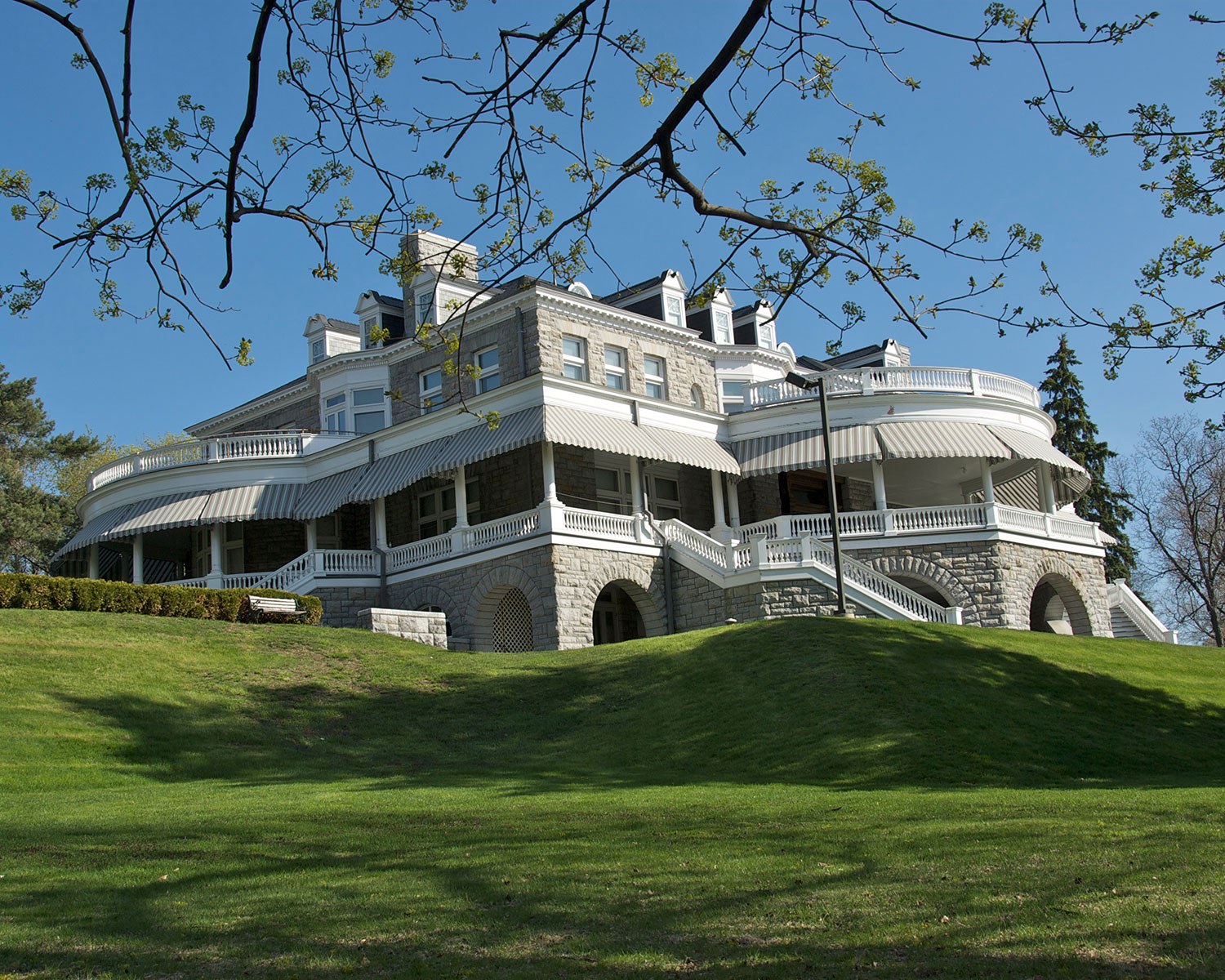
Discover the story of Senator George T. Fulford, explore the grand Fulford mansion and marvel at the many original family furnishings.
Visit Fulford Place