


Ontario's military heritage —
1. War of 1812 (Resources)
Explore the following resources to learn more about the War of 1812.
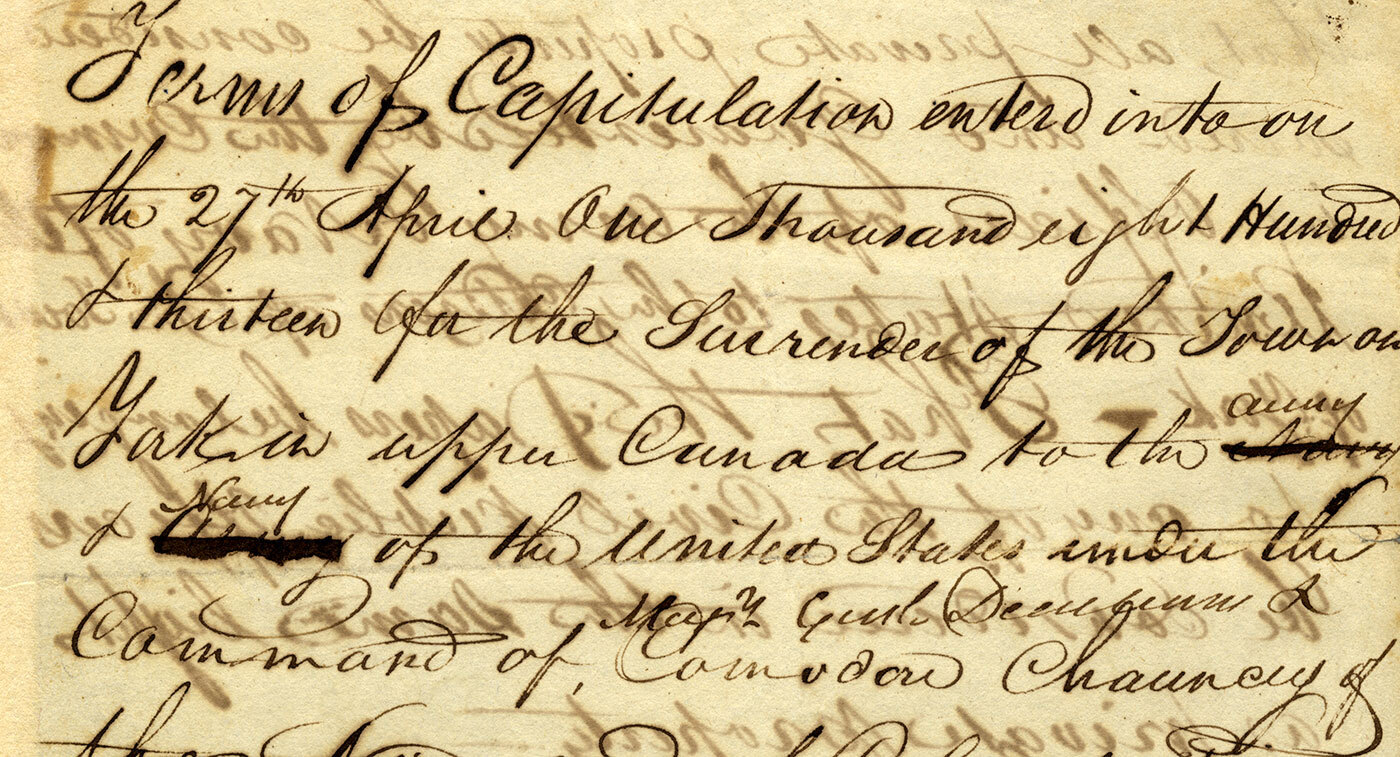
Heritage Matters
Explore the Trust’s Heritage Matters e-magazine to learn more about Ontario’s past. Specifically, check out the following articles related to the War of 1812:
- Battlefield House Museum and Park — A pioneer in the history of preservation
- Choosing sides: French presence on the Detroit frontier during the War of 1812
- Fighting for freedom
- Finding our place
- Forgotten by her country
- Keeping the peace: Quakers and the War of 1812 in Upper Canada
- Perspectives on the War of 1812
- Postcards from the battlefield
- Resources: Perspectives on the War of 1812
- The heritage of Ontario’s forts
- Upper Canada’s first parliament buildings: A place of hopes and dreams
Explore the Trust’s collections database for artifacts connected to the War of 1812.
External resources:
Here are several other sources that you could explore to learn more about the War of 1812 and the people who lived — and fought — through it:
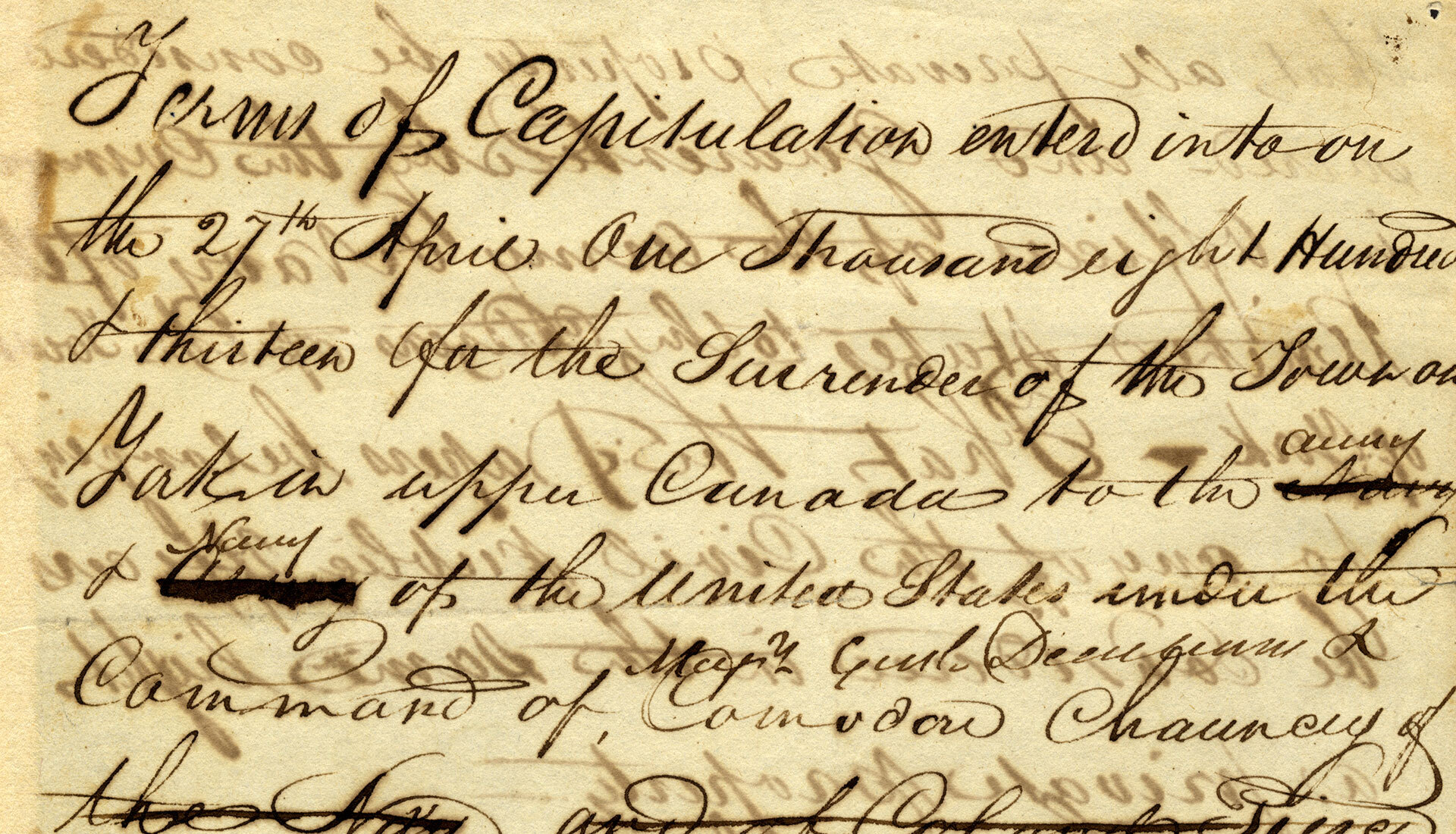
You might also be interested in
Check out these other exhibits about the War of 1812
Ontario's military heritage — 1. War of 1812 (Upper Canada's soldiers)
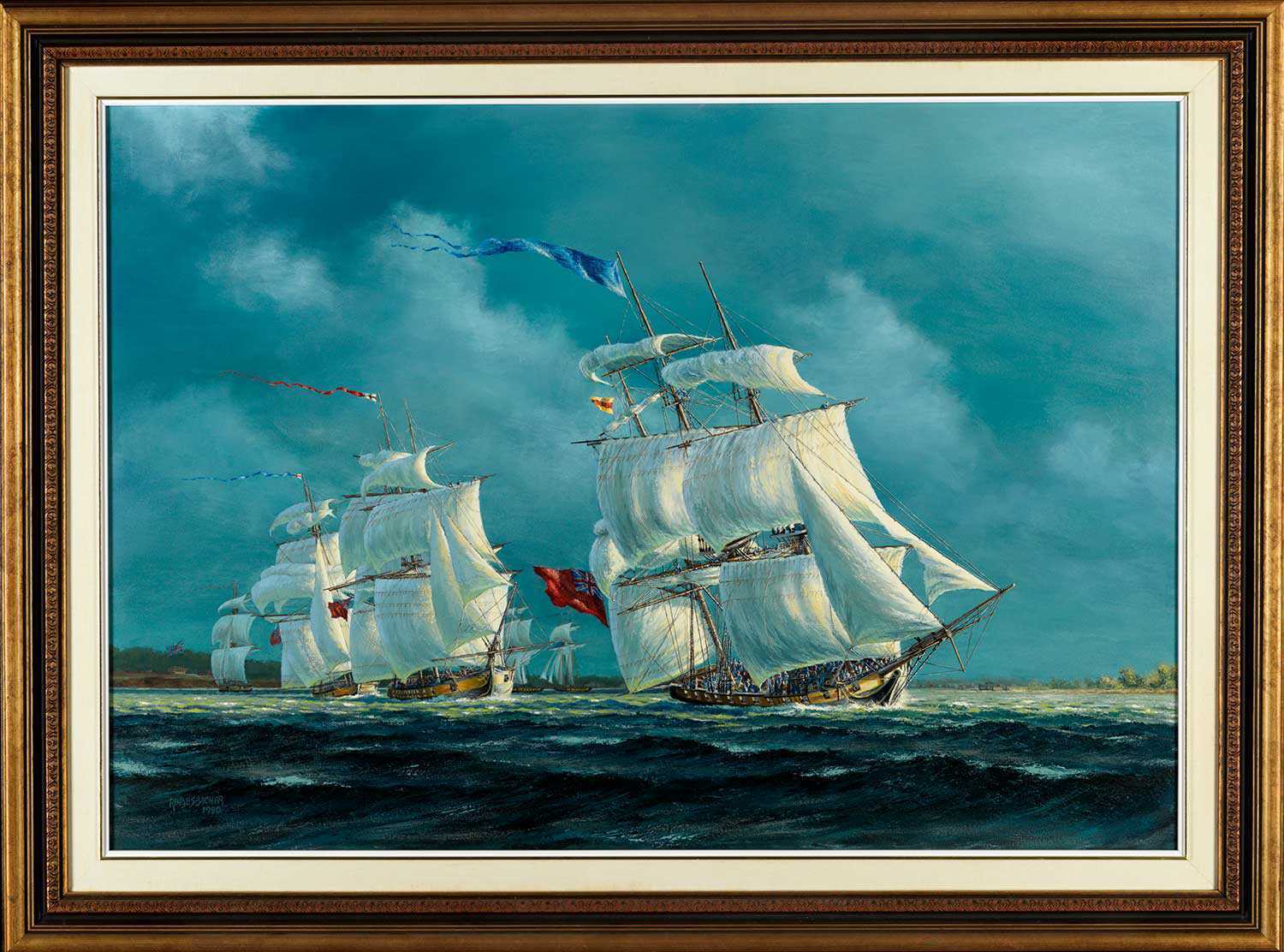
In 1811, Major-General Isaac Brock was appointed as the senior military commander and senior member of Upper Canada’s executive council. It was Brock’s responsibility to manage the defences of Upper Canada. On taking office, Brock quickly recognized the province’s vulnerability.
Visit Ontario's military heritage — 1. War of 1812 (Upper Canada's soldiers)Ontario's military heritage — 1. War of 1812 (Battles in Upper Canada and the Great Lakes)
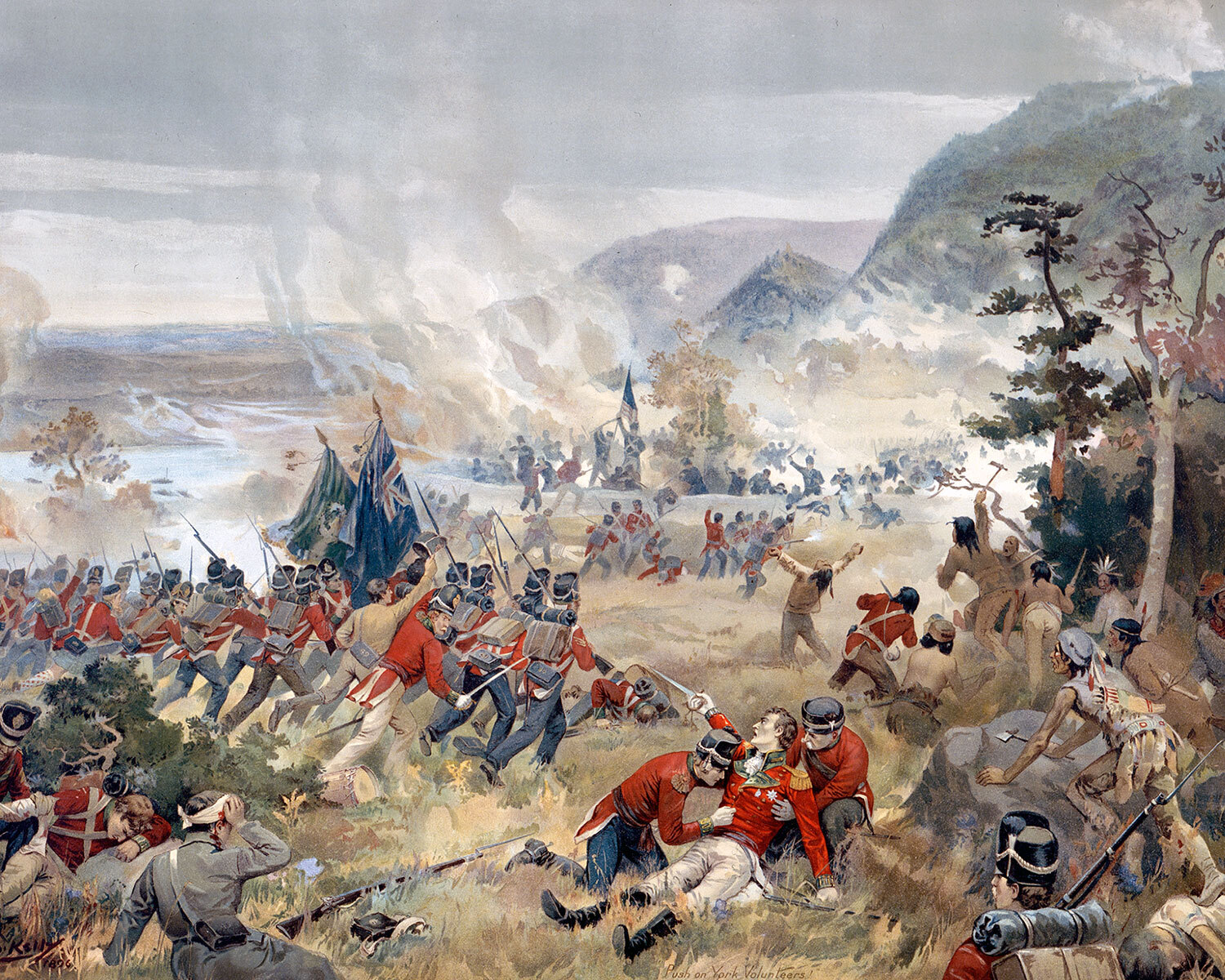
The British regulars, Canadian militia and Indigenous warriors won several battles in the summer of 1812. Their victories proved to the Americans that if they wanted to conquer Upper Canada, it would require a long and bitter struggle. The sections below explore the key battles in Upper Canada and the surrounding Great Lakes.
Visit Ontario's military heritage — 1. War of 1812 (Battles in Upper Canada and the Great Lakes)Ontario's military heritage — 1. War of 1812 (Life in a war zone)
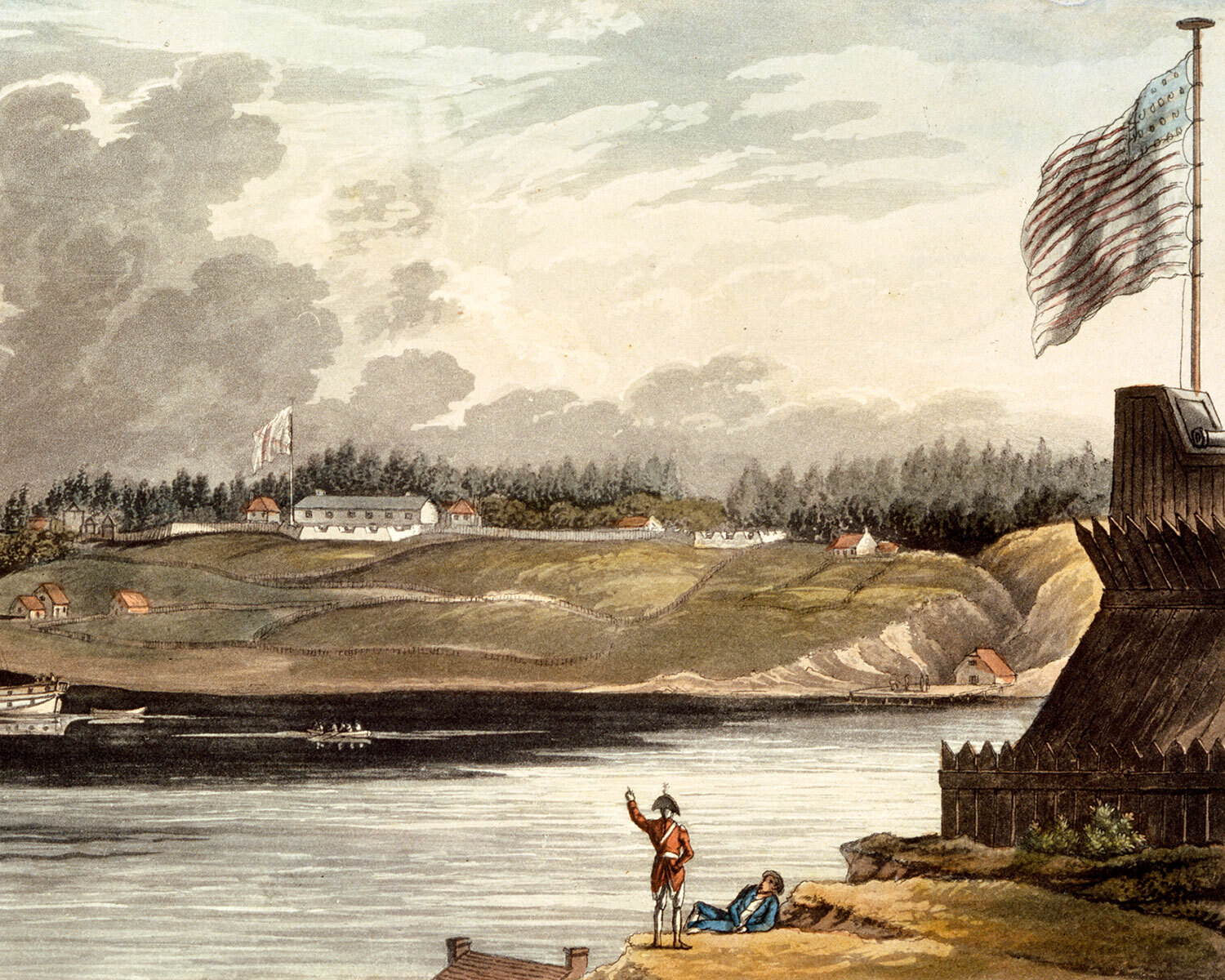
Before the War of 1812, the lives of most of Upper Canada’s inhabitants involved hard work and offered few comforts. Even for the most skilled homesteaders, subsistence was precarious; bad harvests could bring a family to the brink of starvation. Unfortunately for these residents, life would become even more difficult with the onset of the War of 1812.
Visit Ontario's military heritage — 1. War of 1812 (Life in a war zone)