


Find content throughout the website that has been tagged:
War and conflict
Clear all
War and conflict (46)
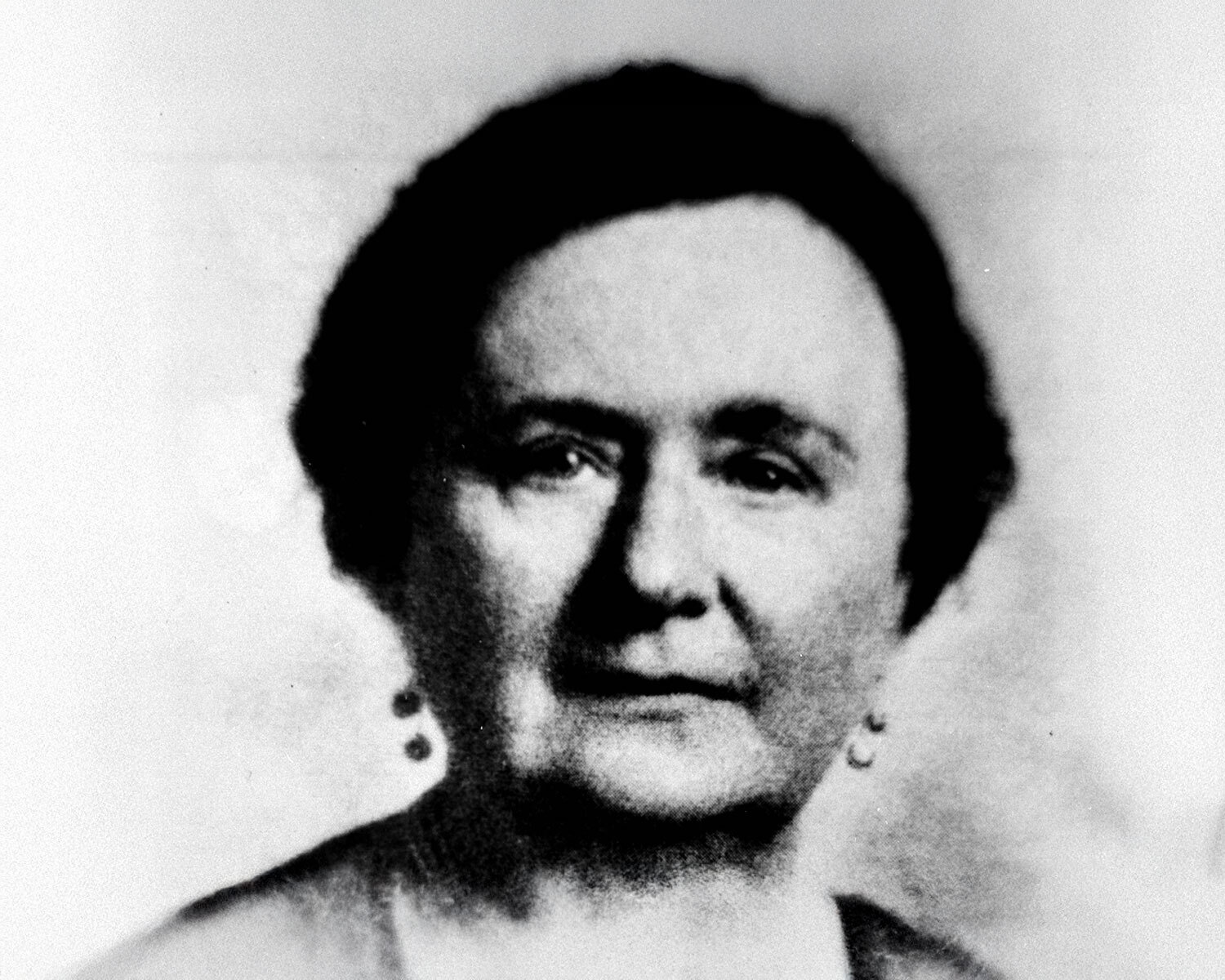
Almanda Walker-Marchand and the Fédération des femmes canadiennes-françaises
Walker-Marchand moved to Ottawa where she established this organization dedicated to helping French-Canadian soldiers and their families during and after the First World War. The organization expanded beyond Ottawa to form chapters in Francophone communities across Canada.
Learn more
About
Plaque
Almanda Walker-Marchand and the Fédération des femmes canadiennes-françaises in War and conflict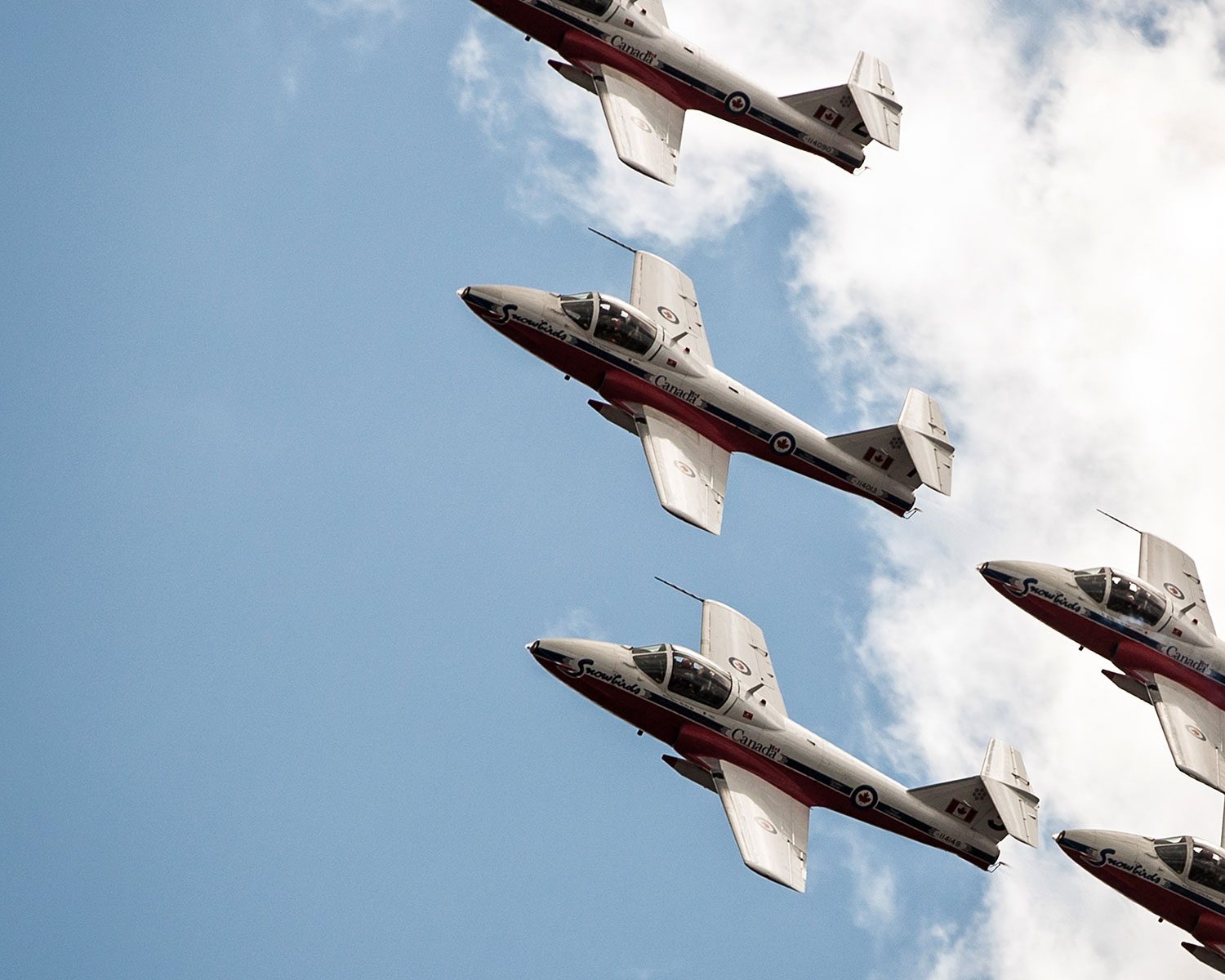
Canadian International Air Show
Begun in 1946, this renowned air show has fascinated audiences and forced people to look up into the skies above Toronto ever since.
Learn more
About
Plaque
Canadian International Air Show in War and conflict
Col. Elizabeth Smellie 1884-1968
This celebrated Canadian army nurse and public health authority served during the First and Second World Wars. She was the first woman to attain the rank of colonel in Canada’s Armed Forces.
Learn more
About
Plaque
Col. Elizabeth Smellie 1884-1968 in War and conflict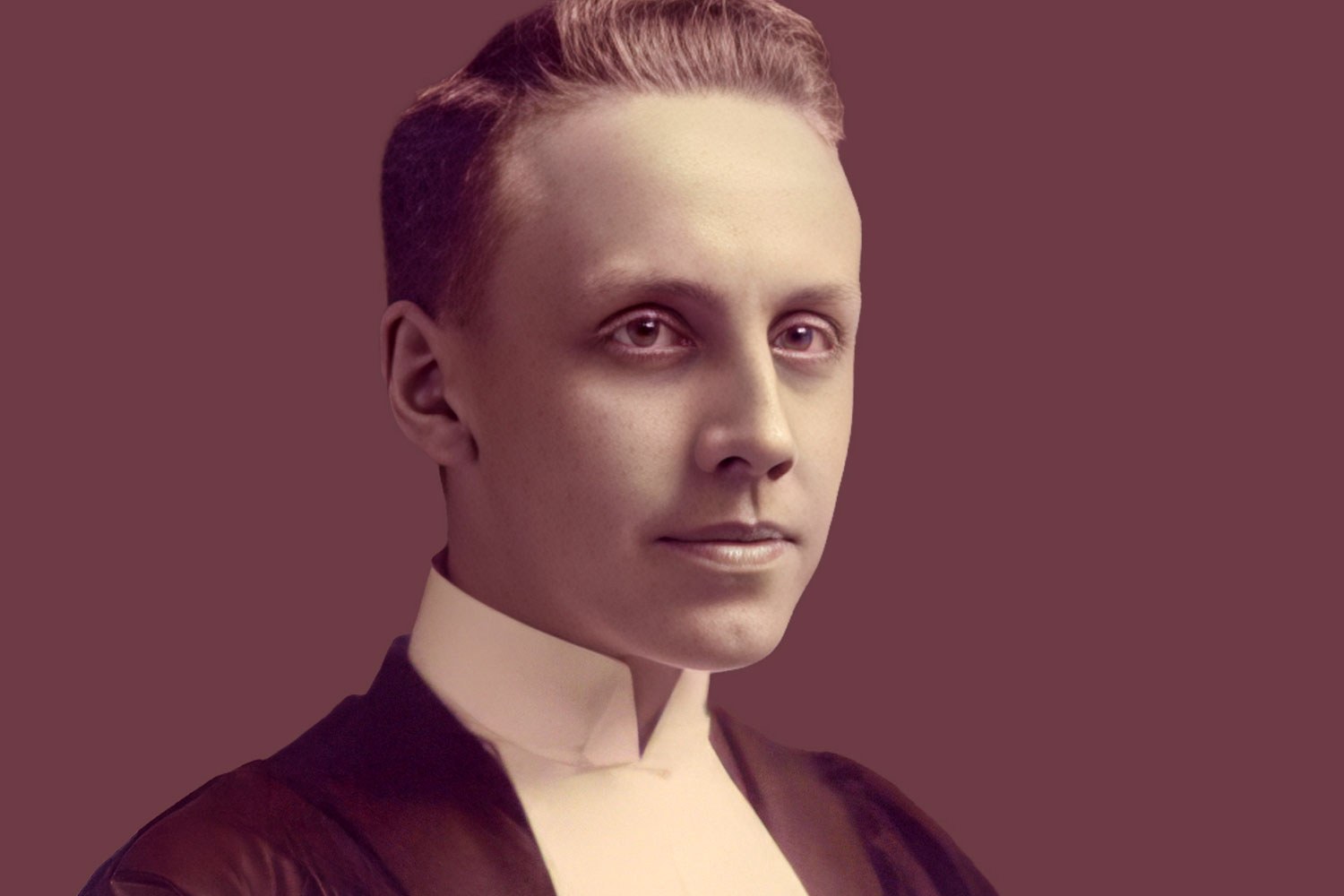
Colonel the Honourable Justice John Andrew Hope (1890‒1954)
Learn more About Plaque Colonel the Honourable Justice John Andrew Hope (1890‒1954) in War and conflict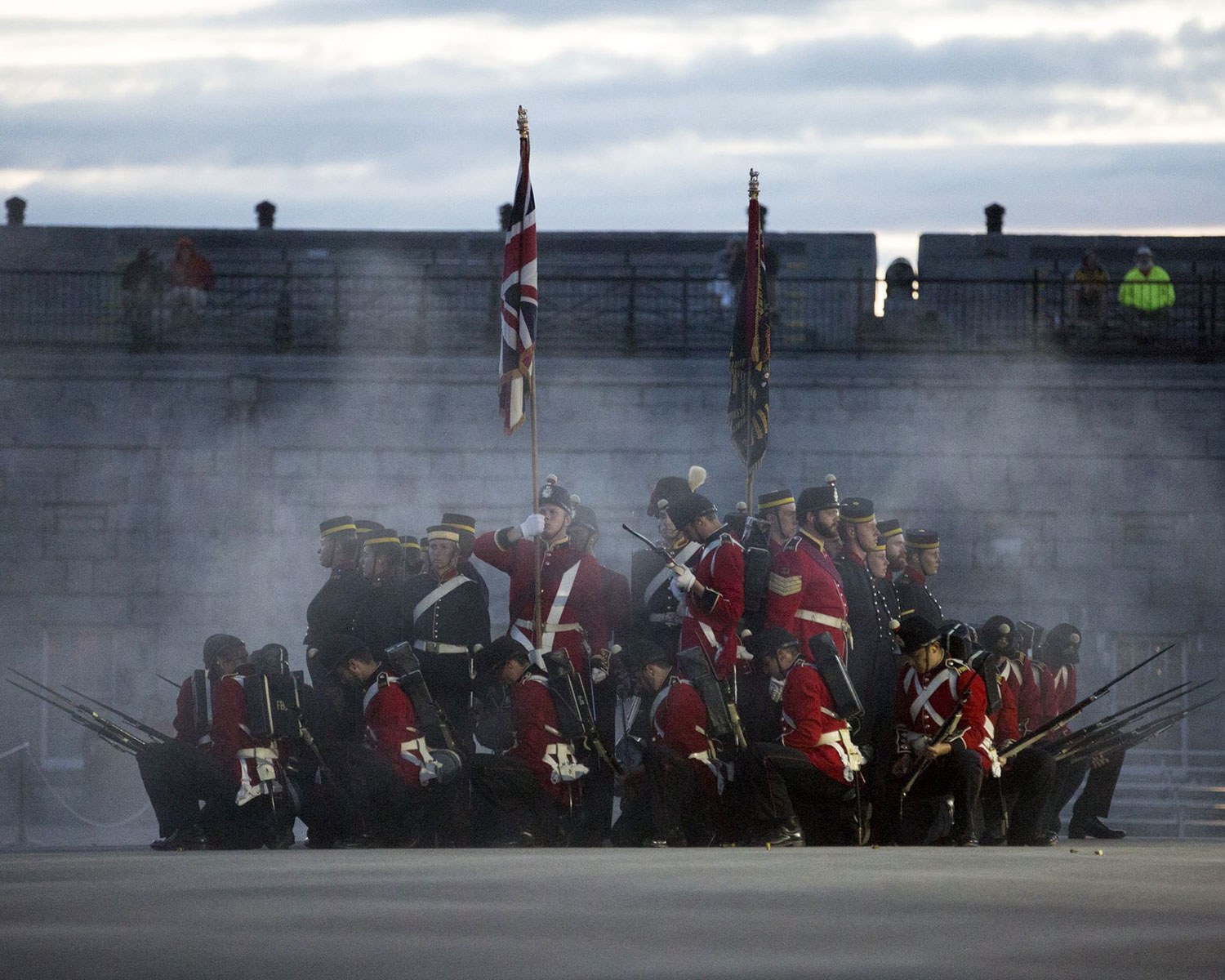
Fort Henry
The first fort was built during the War of 1812. The present structures were built between 1832-37. Today, the site is a museum.
Learn more
About
Plaque
Fort Henry in War and conflict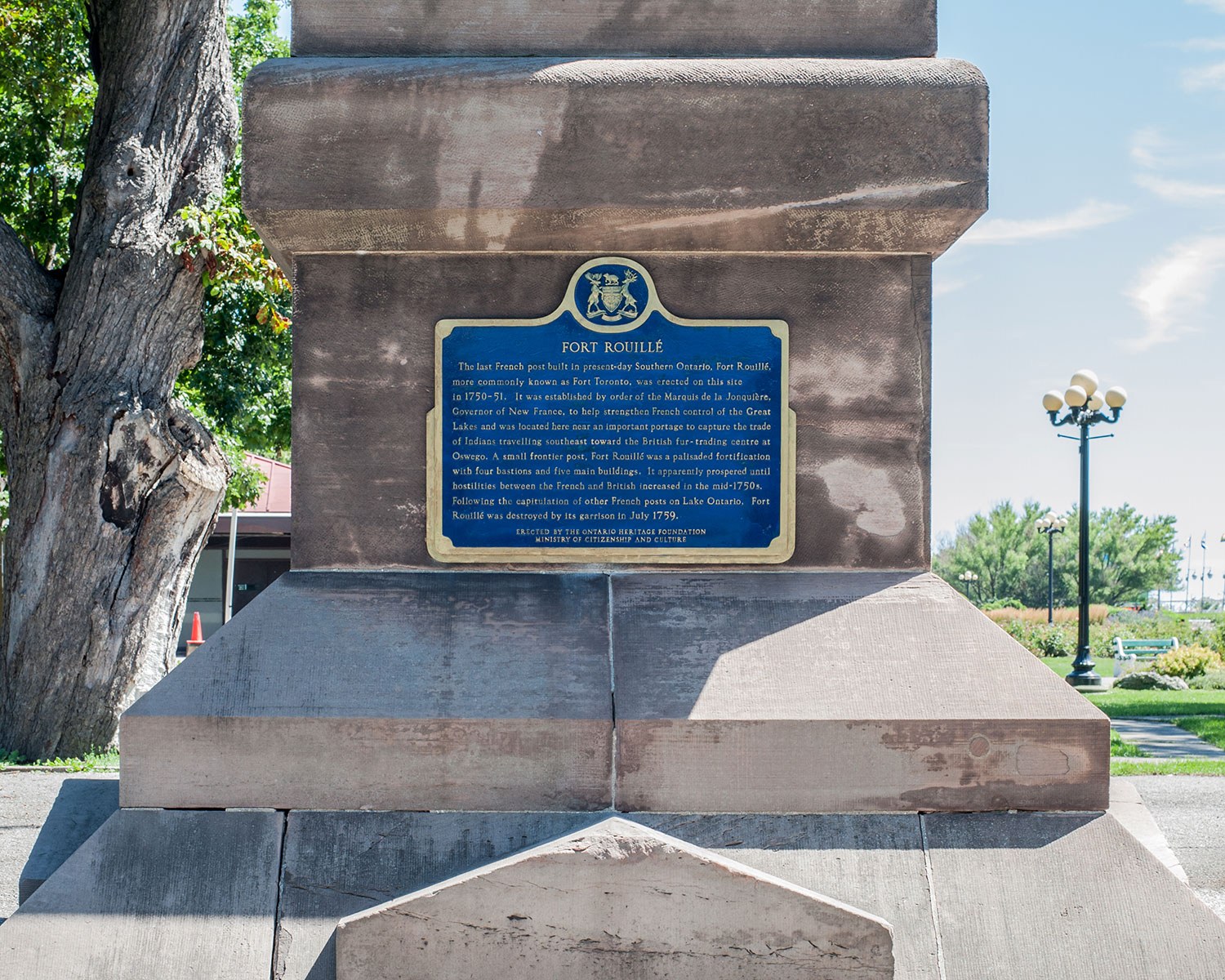
Fort Rouillé
This plaque commemorates the last French post built in present-day Southern Ontario.
Learn more
About
Plaque
Fort Rouillé in War and conflict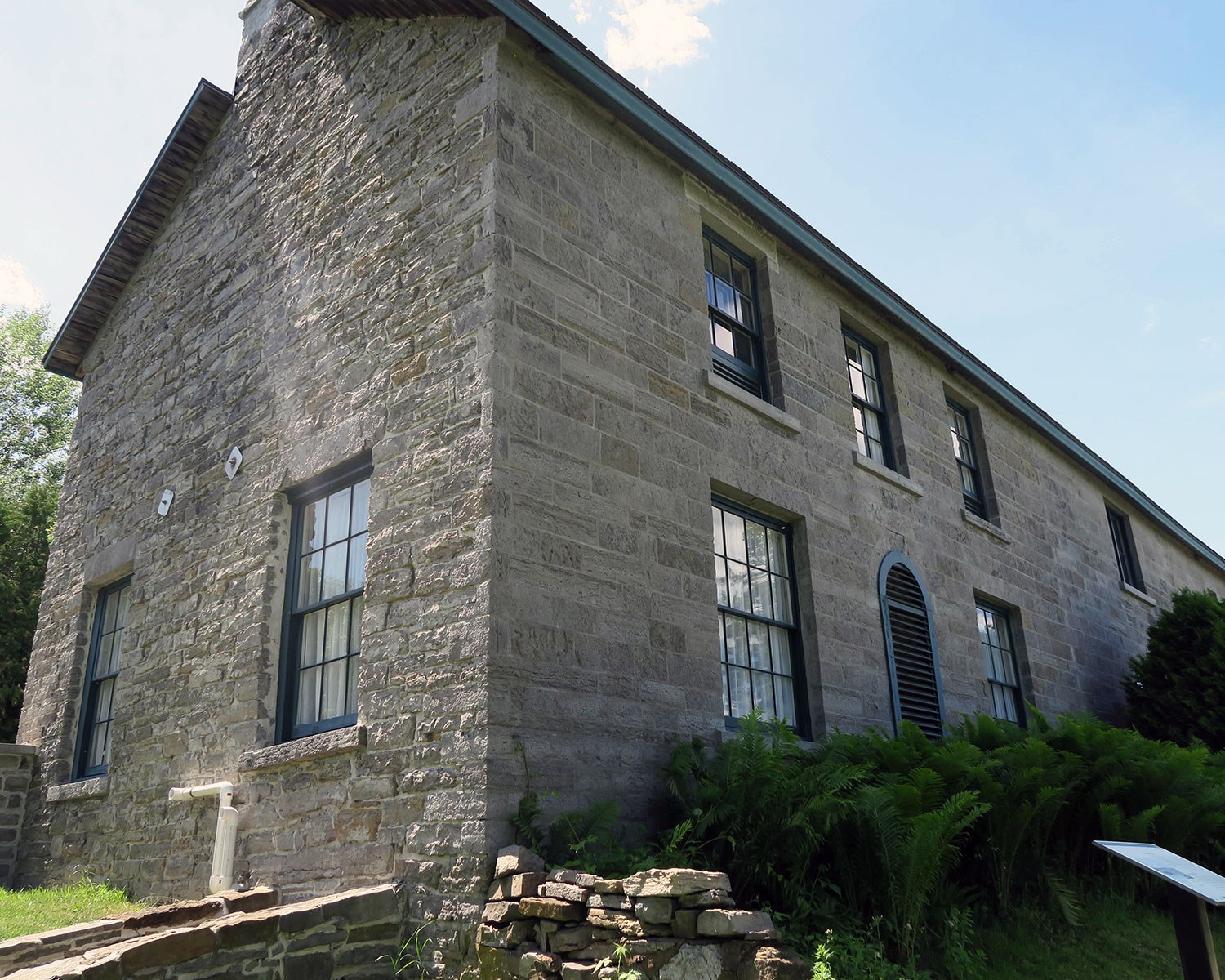
Honourable Hamnet Kirks Pinhey, The
Learn more About Plaque Honourable Hamnet Kirks Pinhey, The in War and conflict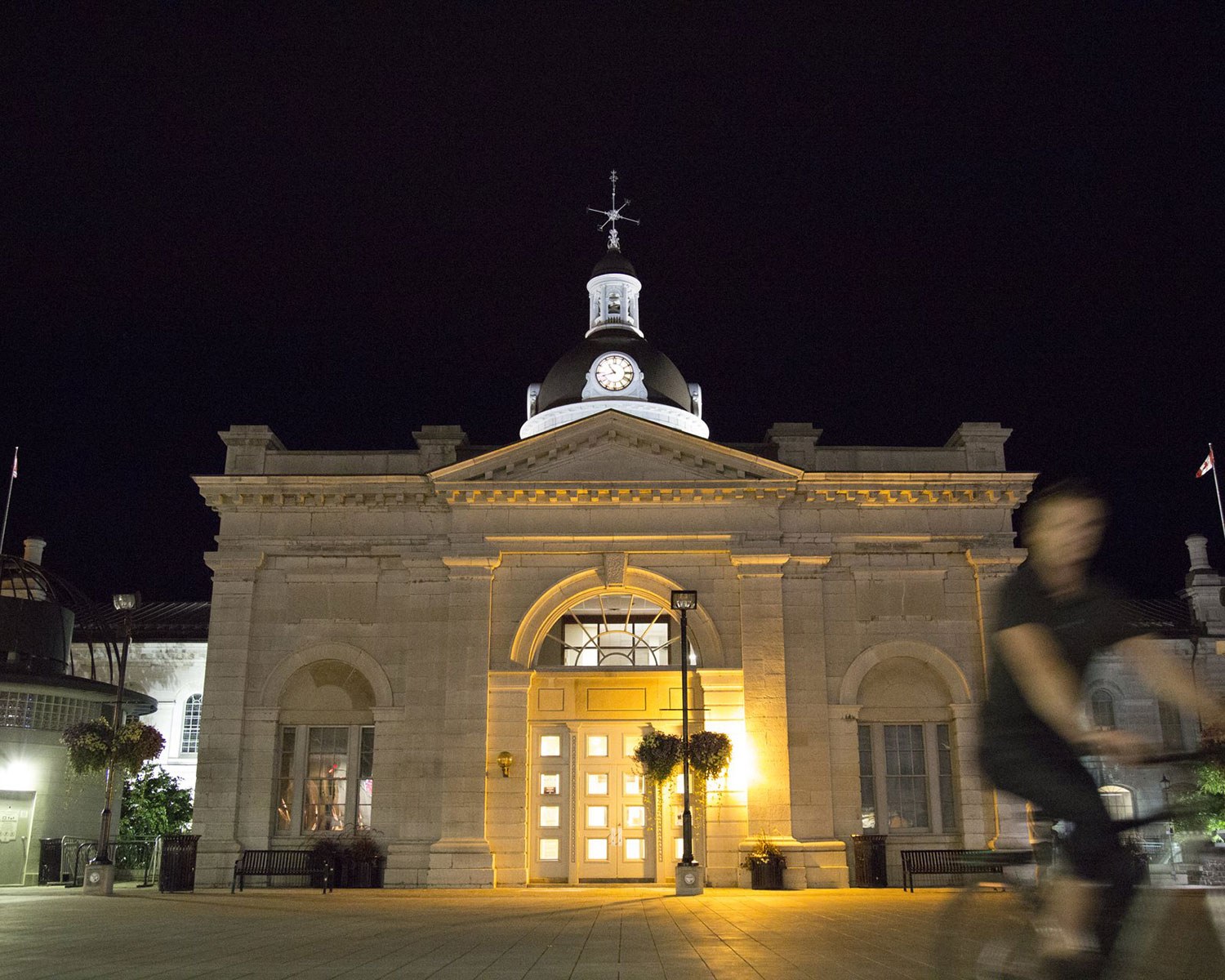
King's Royal Regiment of New York, The
This plaque commemorates the largest Loyalist corps raised during the American Revolution. And it was right here in Kingston.
Learn more
About
Plaque
King's Royal Regiment of New York, The in War and conflict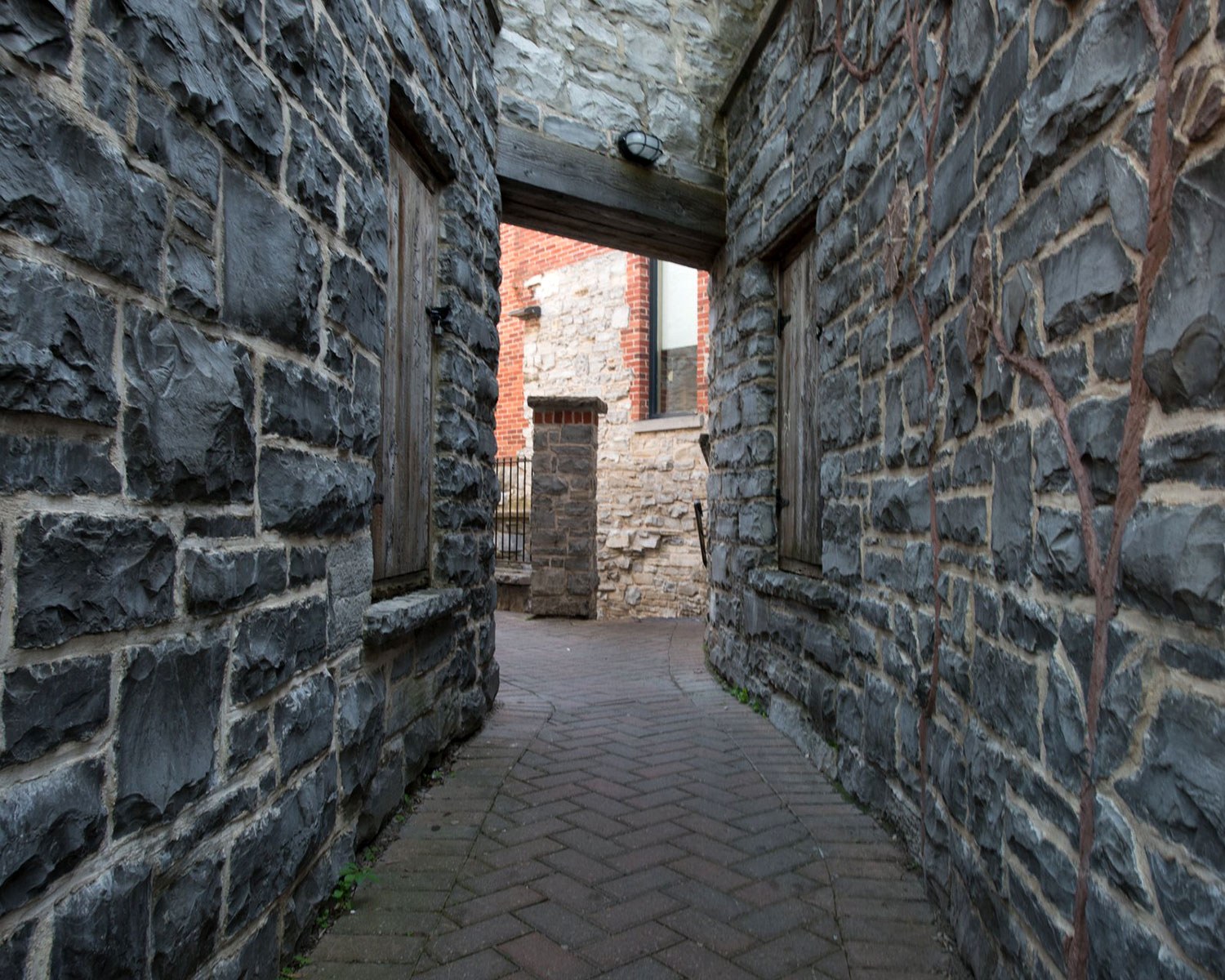
Loyalist Landing at Cataraqui 1784, The
After the end of the American Revolution, loyalist refugees came to Canada. One group came from New York State and landed near here at Cataraqui, now known as Kingston.
Learn more
About
Plaque
Loyalist Landing at Cataraqui 1784, The in War and conflict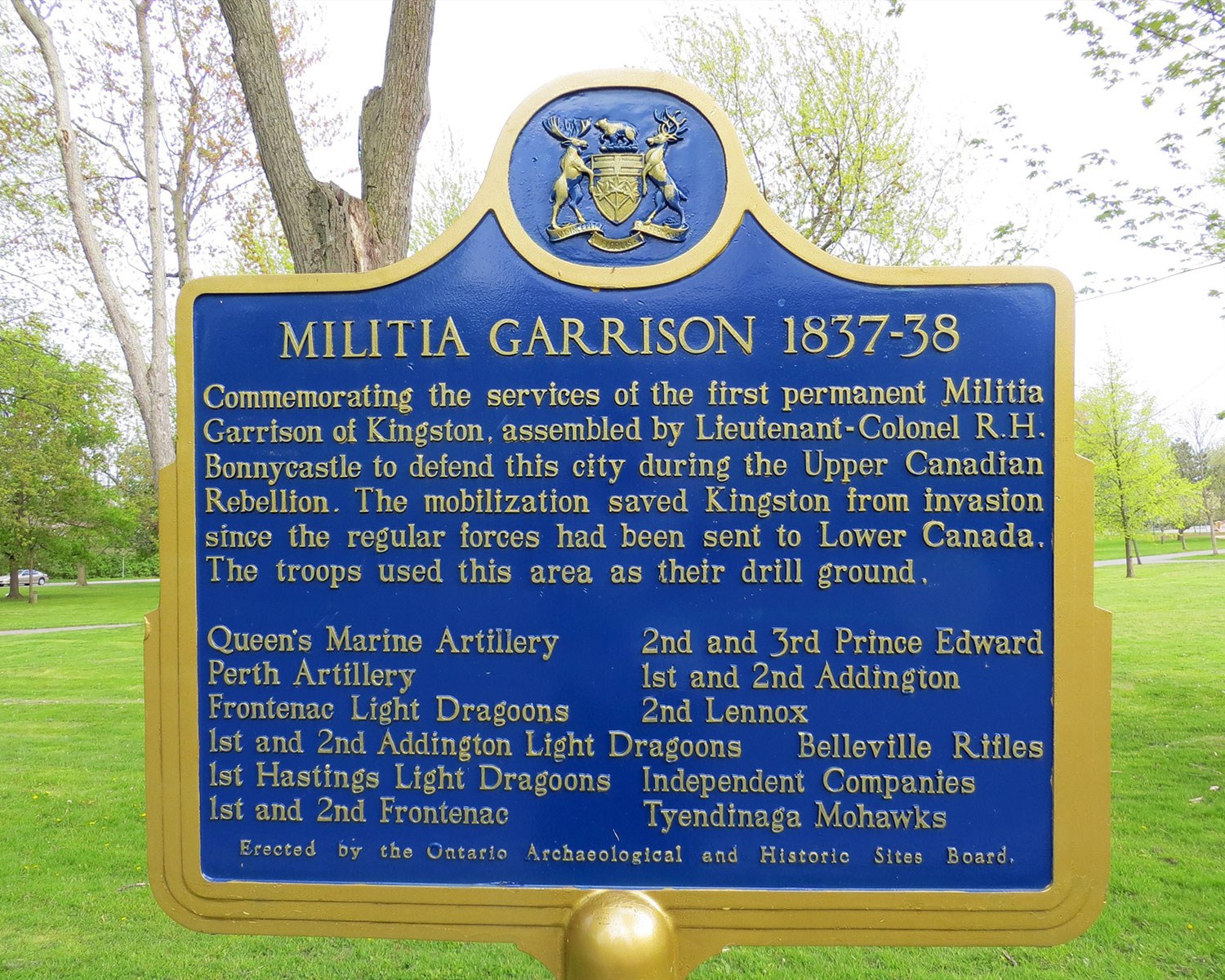
Militia Garrison 1837-38
This plaque commemorates the services of the first permanent garrison in Kingston, assembled to defend the city during the Upper Canada Rebellion.
Learn more
About
Plaque
Militia Garrison 1837-38 in War and conflict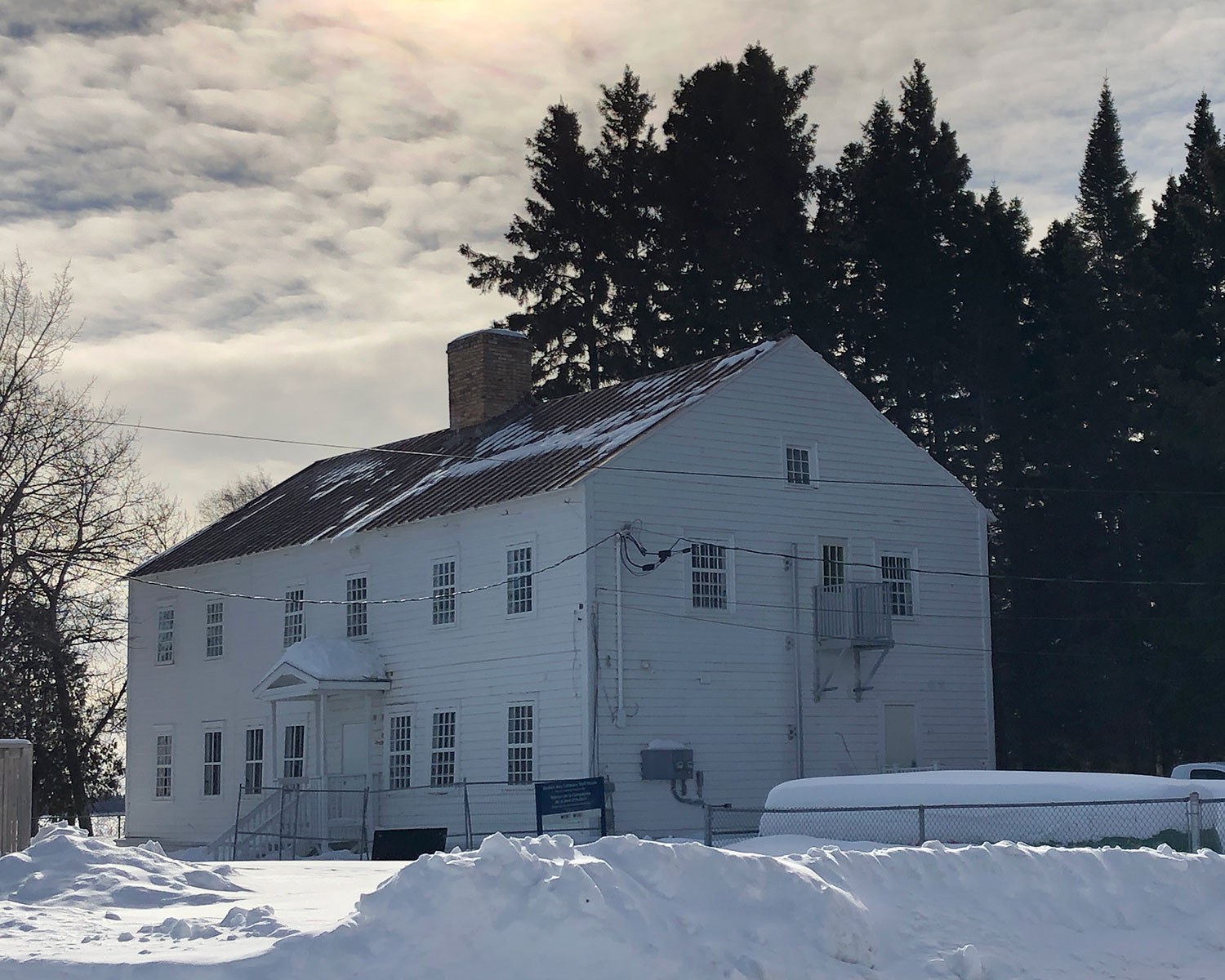
Moose Factory — Môsonîwi-Miništik
Learn more About Plaque Moose Factory — Môsonîwi-Miništik in War and conflict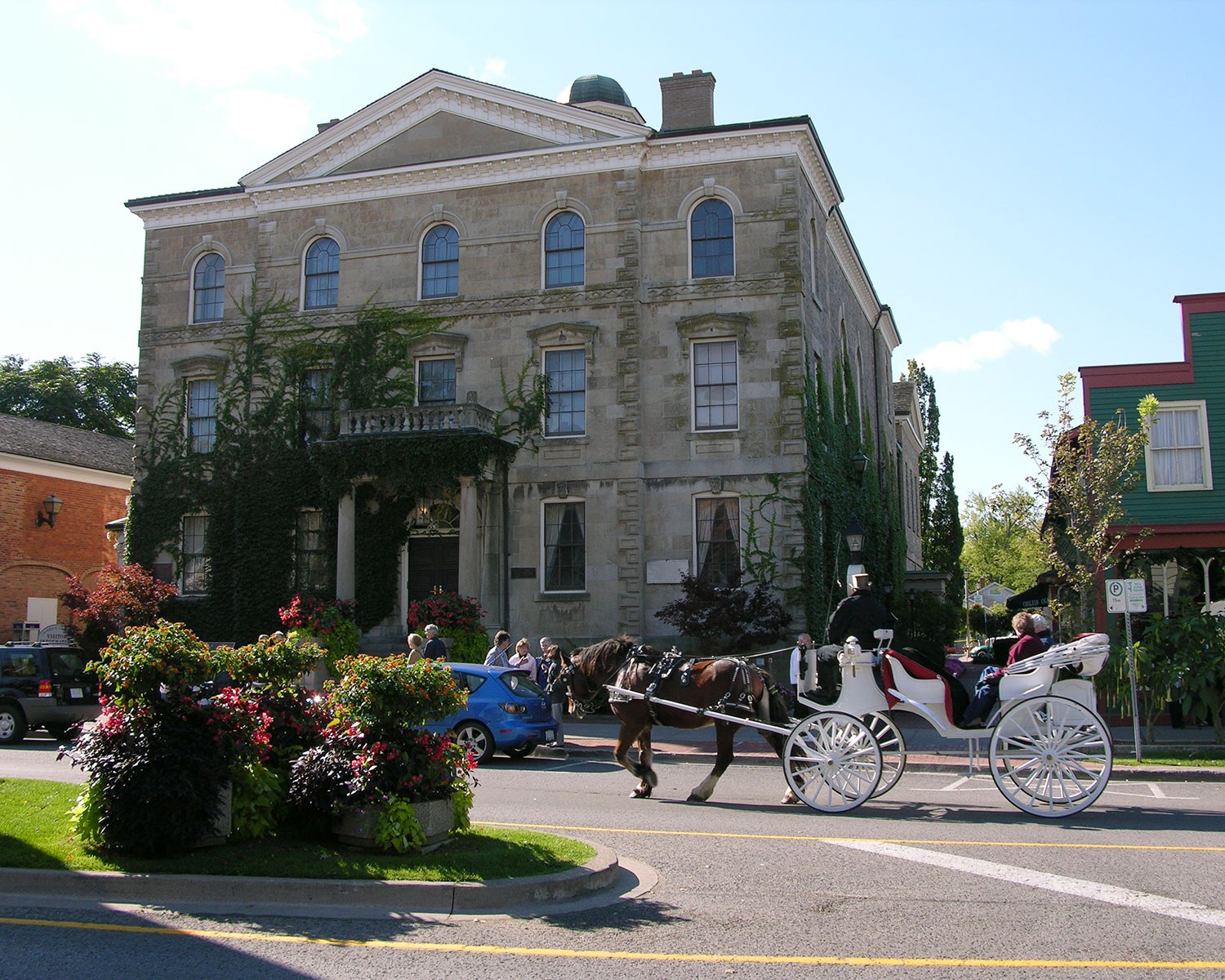
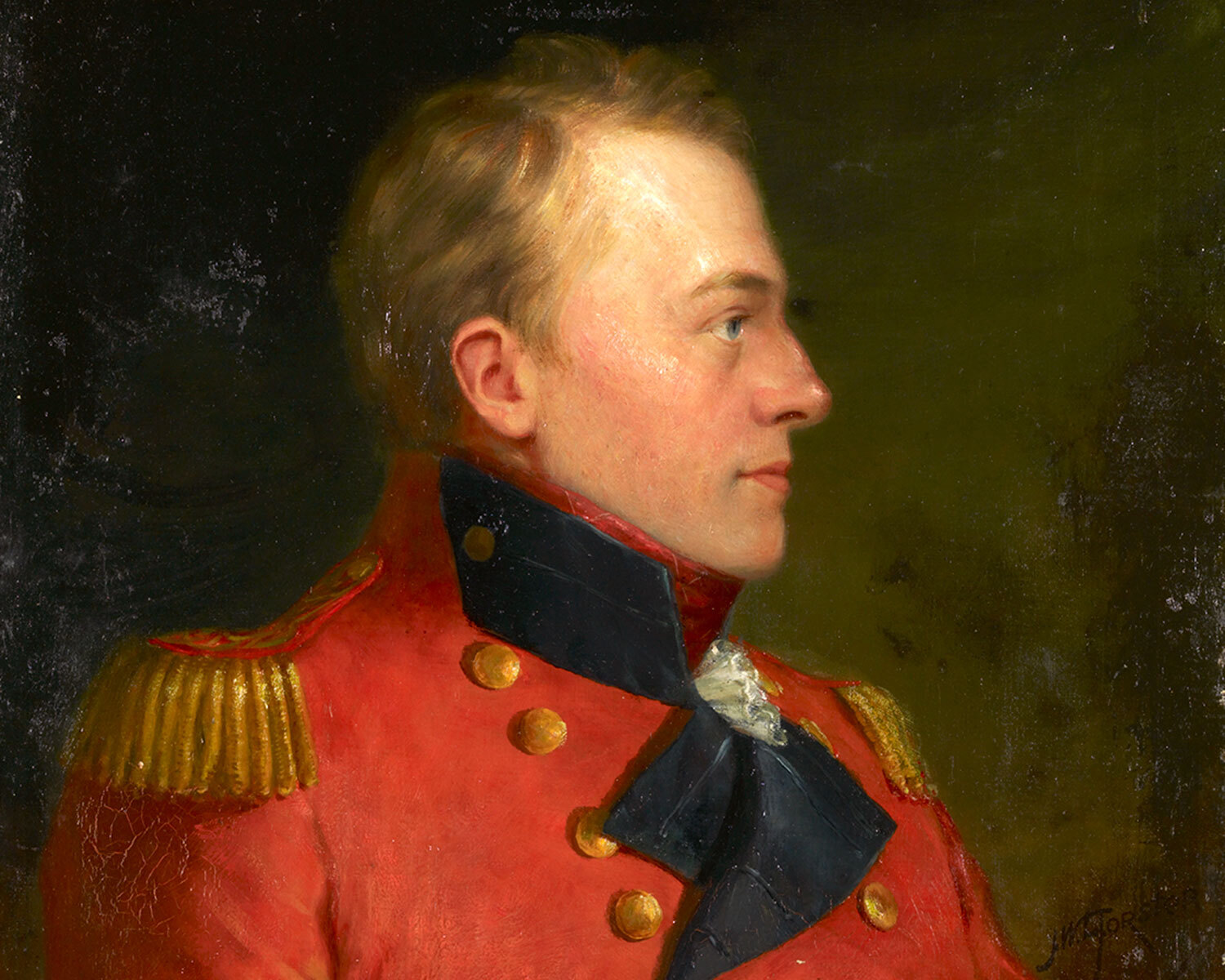
Ontario's military heritage — 1. War of 1812
On June 1, 1812, American President James Madison requested authorization from the United States Congress to declare war on the United Kingdom. Accompanying his request, Madison issued a war message outlining why he and his political supporters, known as the War Hawks, believed that war was necessary.
Learn more
About
online exhibit
Ontario's military heritage — 1. War of 1812 in War and conflict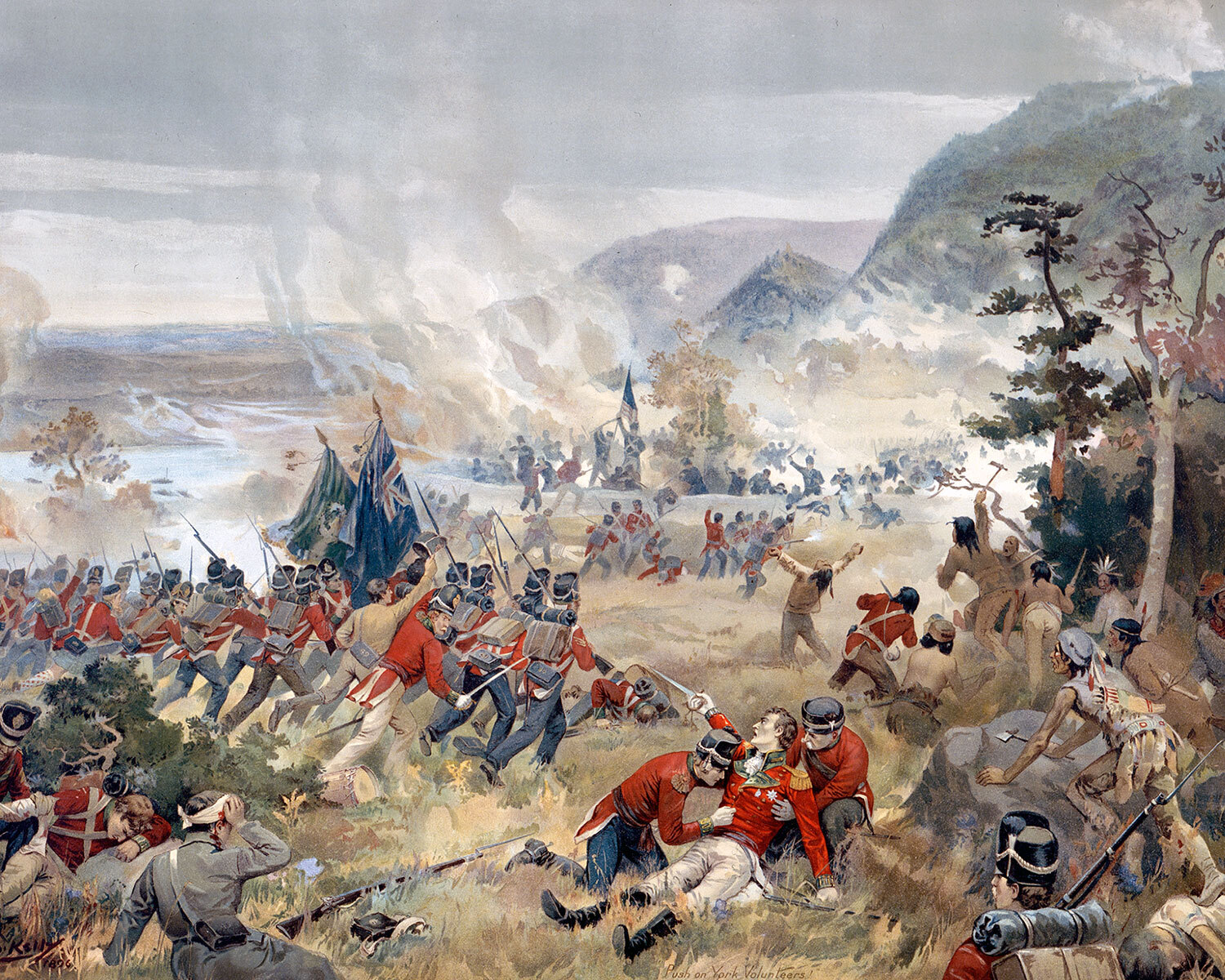
Ontario's military heritage — 1. War of 1812 (Battles in Upper Canada and the Great Lakes)
The British regulars, Canadian militia and Indigenous warriors won several battles in the summer of 1812. Their victories proved to the Americans that if they wanted to conquer Upper Canada, it would require a long and bitter struggle. The sections below explore the key battles in Upper Canada and the surrounding Great Lakes.
Learn more
About
online exhibit
Ontario's military heritage — 1. War of 1812 (Battles in Upper Canada and the Great Lakes) in War and conflict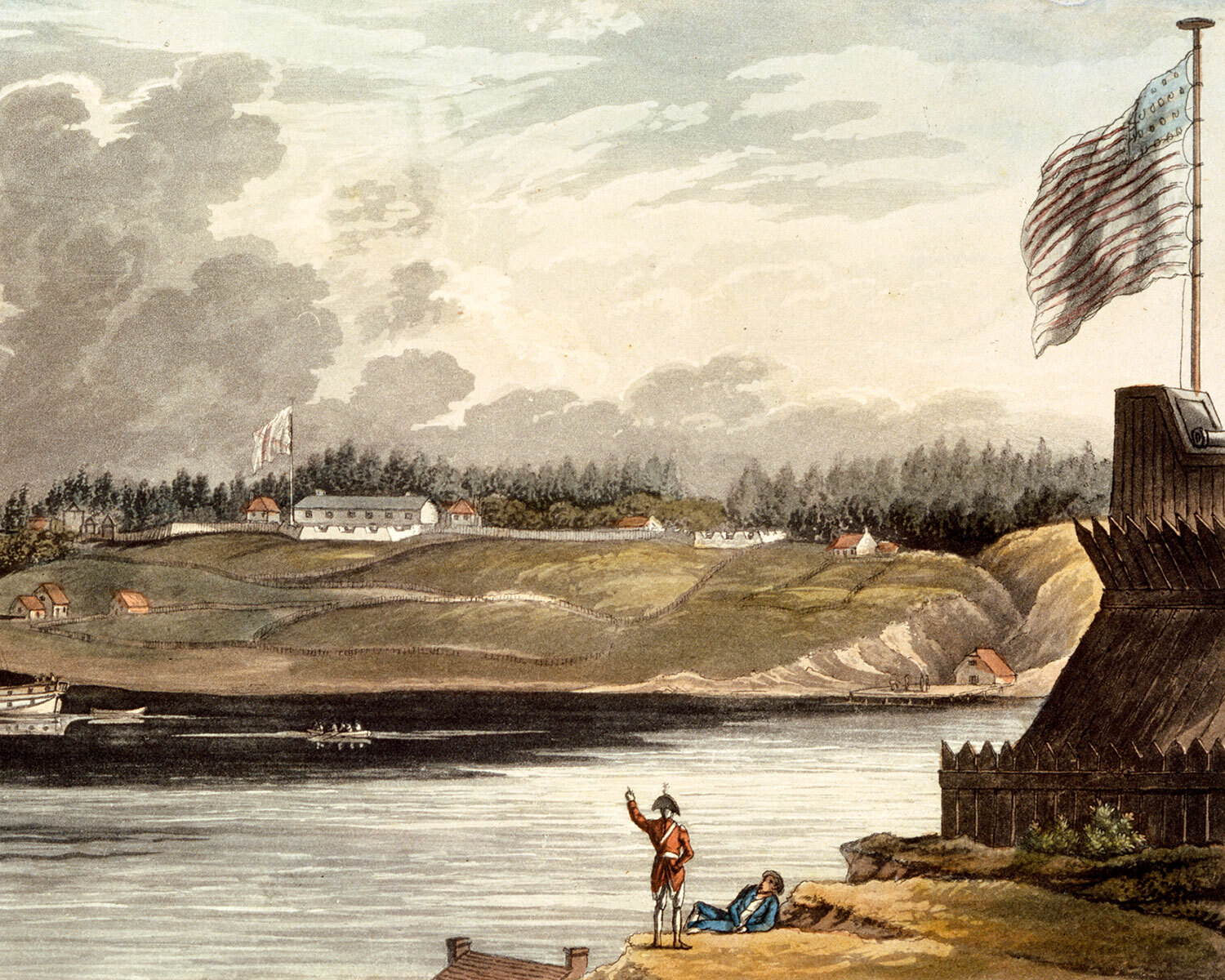
Ontario's military heritage — 1. War of 1812 (Life in a war zone)
Before the War of 1812, the lives of most of Upper Canada’s inhabitants involved hard work and offered few comforts. Even for the most skilled homesteaders, subsistence was precarious; bad harvests could bring a family to the brink of starvation. Unfortunately for these residents, life would become even more difficult with the onset of the War of 1812.
Learn more
About
online exhibit
Ontario's military heritage — 1. War of 1812 (Life in a war zone) in War and conflict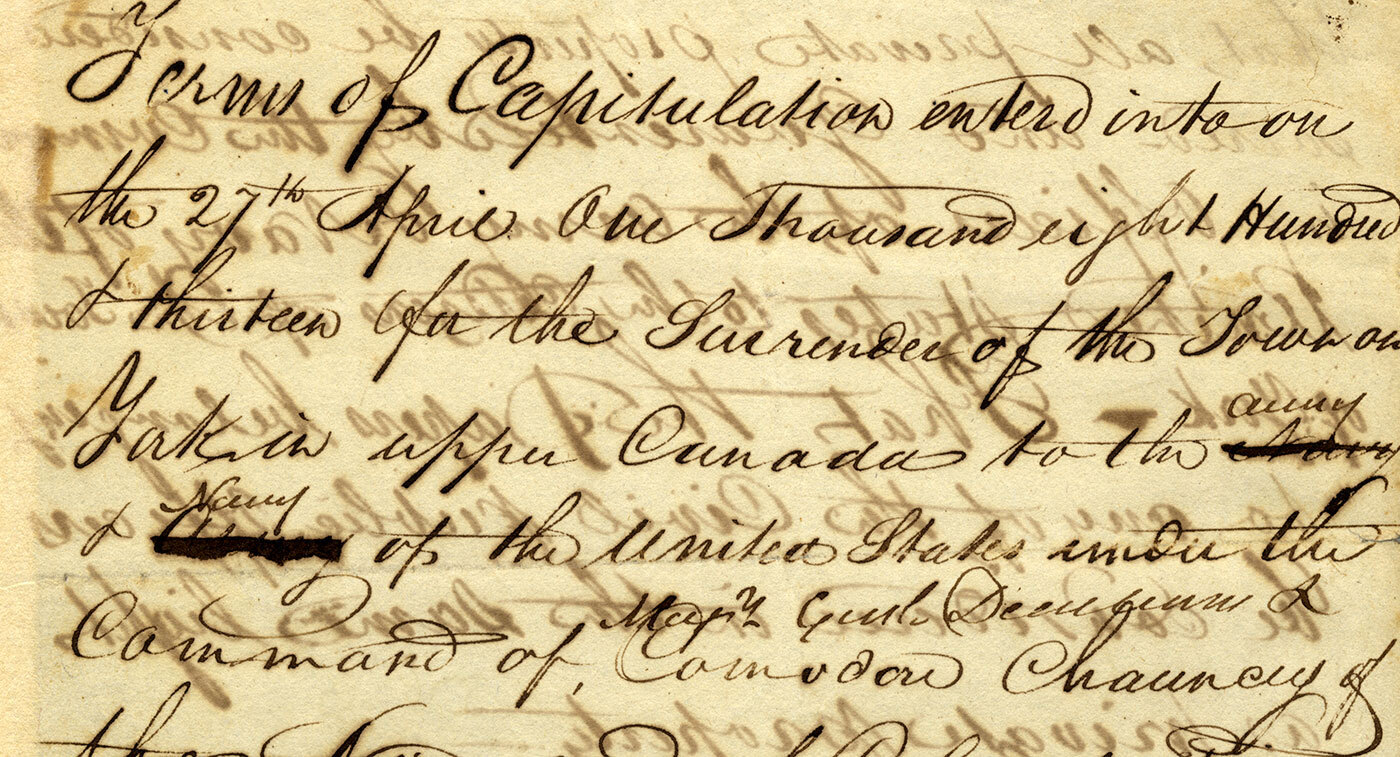
Ontario's military heritage — 1. War of 1812 (Resources)
On June 1, 1812, American President James Madison requested authorization from the United States Congress to declare war on the United Kingdom. Accompanying his request, Madison issued a war message outlining why he and his political supporters, known as the War Hawks, believed that war was necessary.
Learn more
About
online exhibit
Ontario's military heritage — 1. War of 1812 (Resources) in War and conflict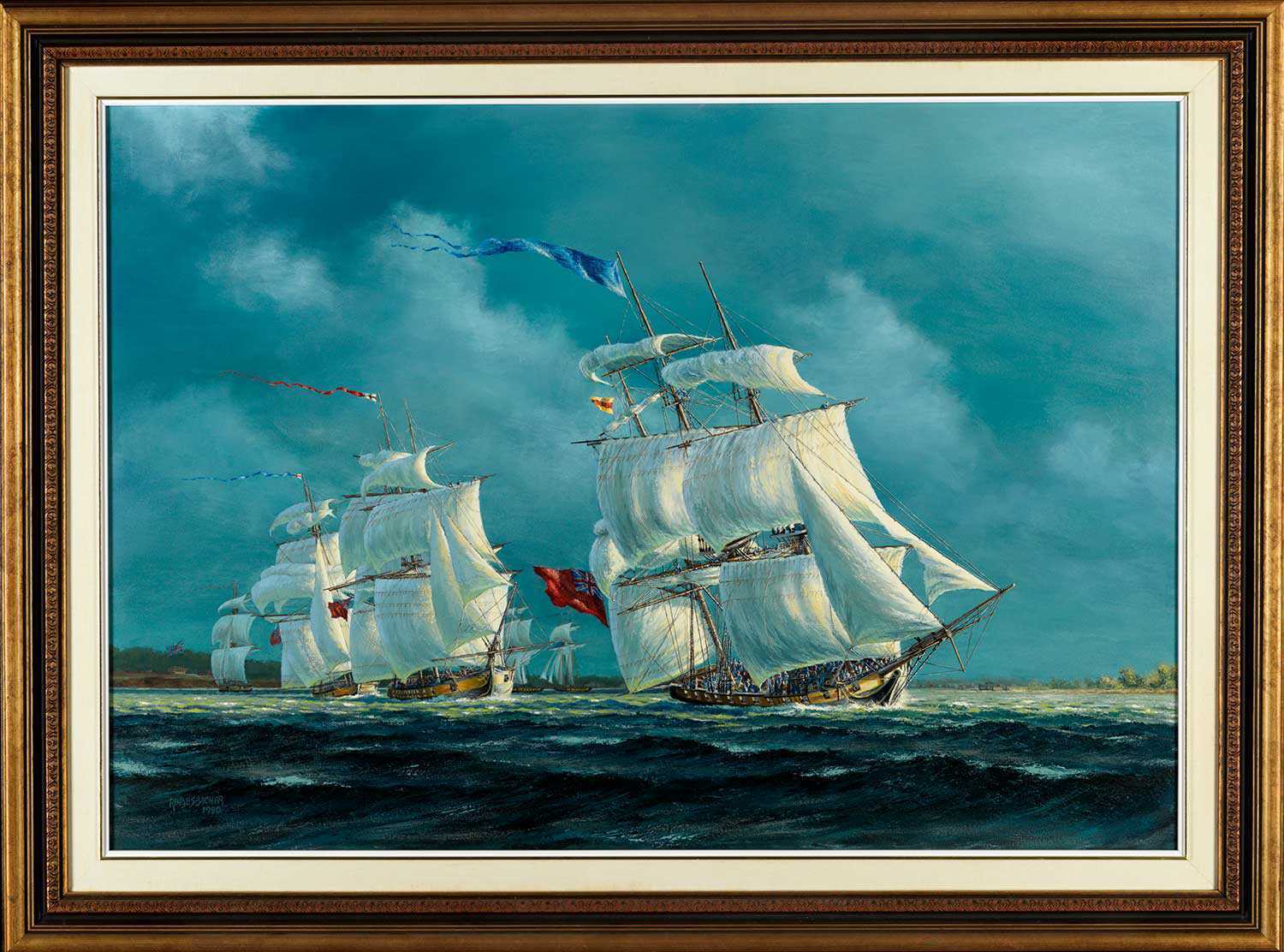
Ontario's military heritage — 1. War of 1812 (Upper Canada's soldiers)
In 1811, Major-General Isaac Brock was appointed as the senior military commander and senior member of Upper Canada’s executive council. It was Brock’s responsibility to manage the defences of Upper Canada. On taking office, Brock quickly recognized the province’s vulnerability.
Learn more
About
online exhibit
Ontario's military heritage — 1. War of 1812 (Upper Canada's soldiers) in War and conflict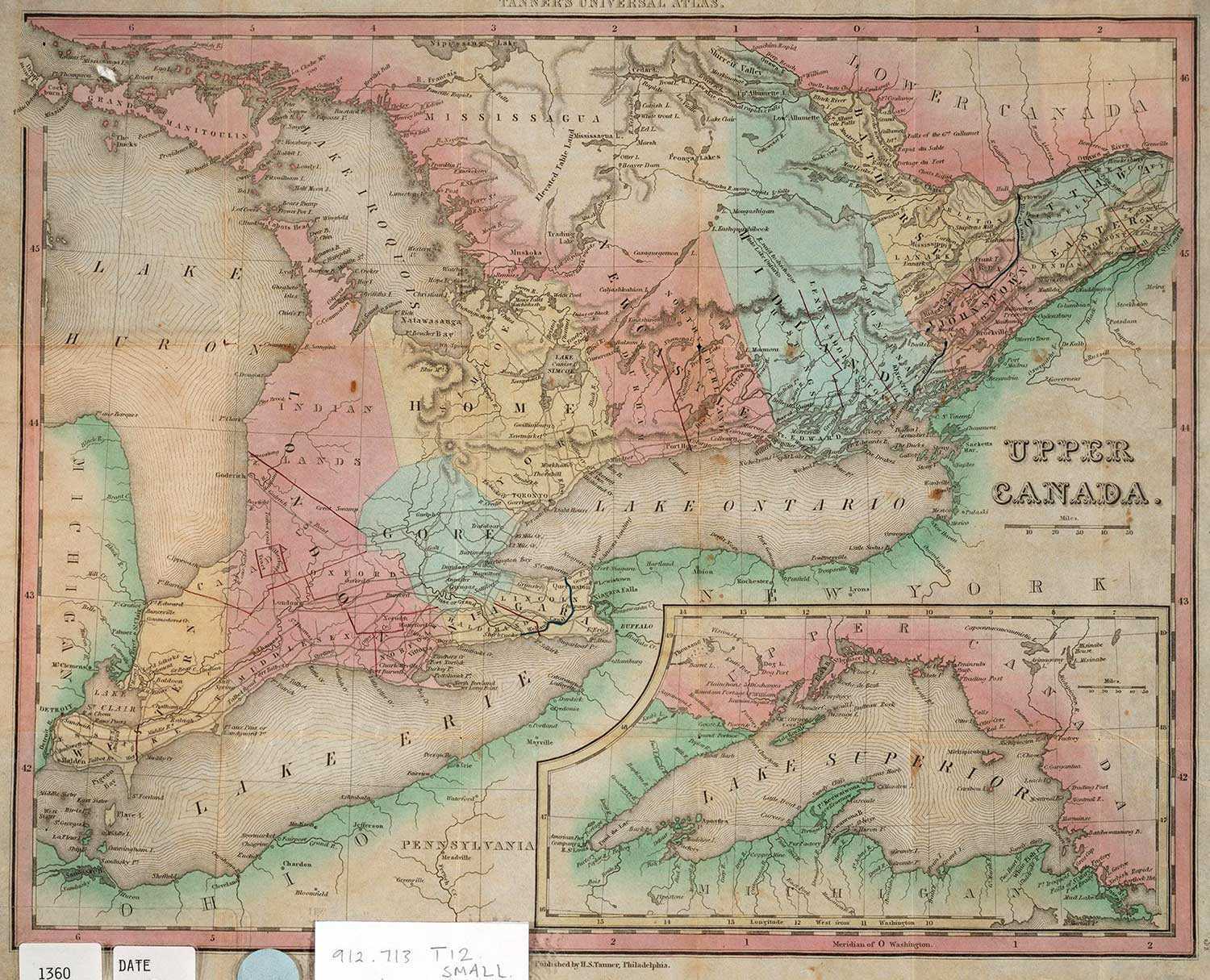
Ontario's military heritage — 2. Rebellions and incursions
During the War of 1812, the inhabitants of Upper Canada and its neighbouring Indigenous territories witnessed large-scale battles, sieges of towns and forts, raiding and pillaging, and naval warfare on the Great Lakes. Upper Canada survived the American invasion, but the colony continued to face military threats throughout the early to mid-19th century.
Learn more
About
online exhibit
Ontario's military heritage — 2. Rebellions and incursions in War and conflict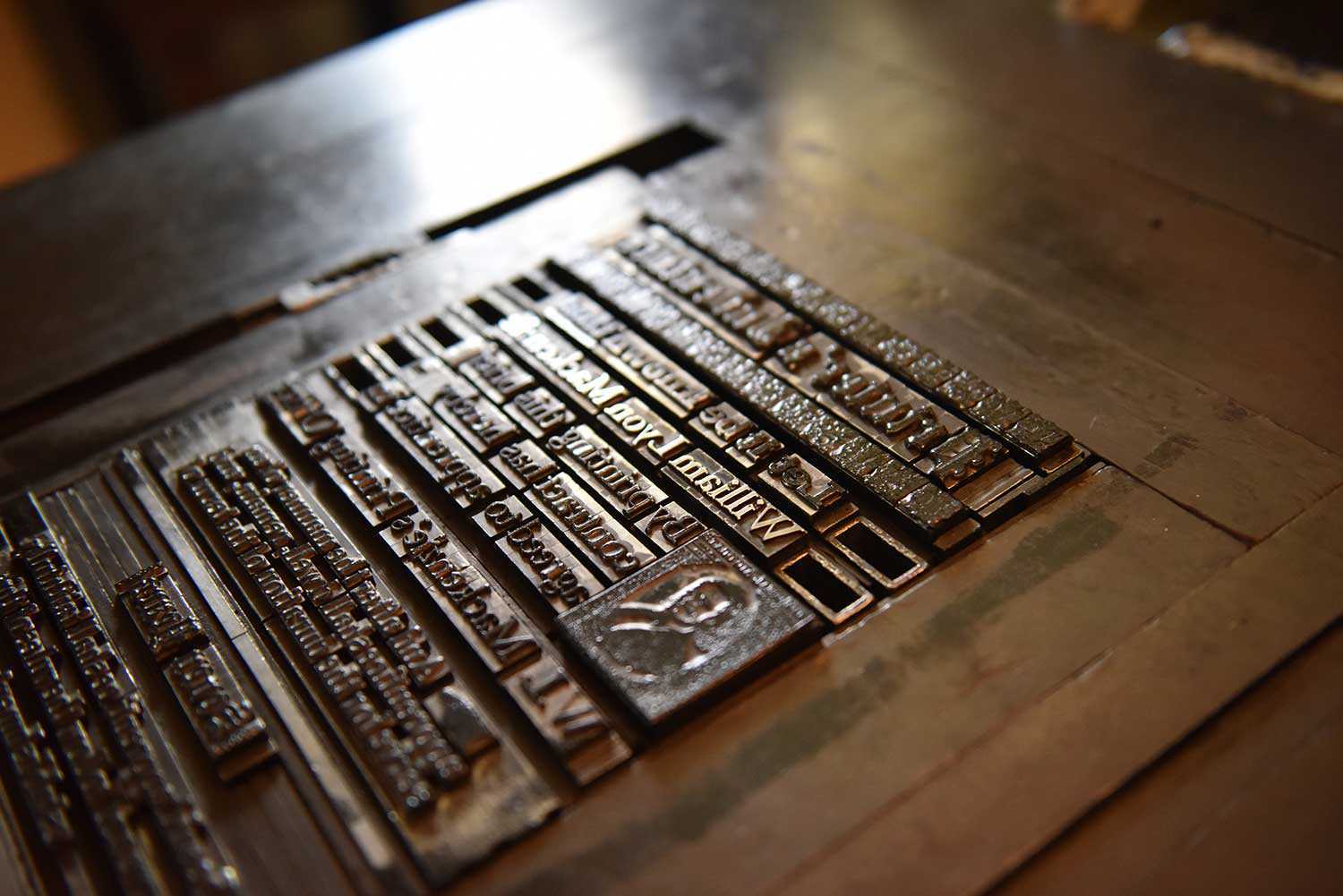
Ontario's military heritage — 2. Rebellions and incursions (Resources)
Explore these resources to learn more about this fascinating part of Canada’s and Ontario’s history.
Learn more
About
online exhibit
Ontario's military heritage — 2. Rebellions and incursions (Resources) in War and conflict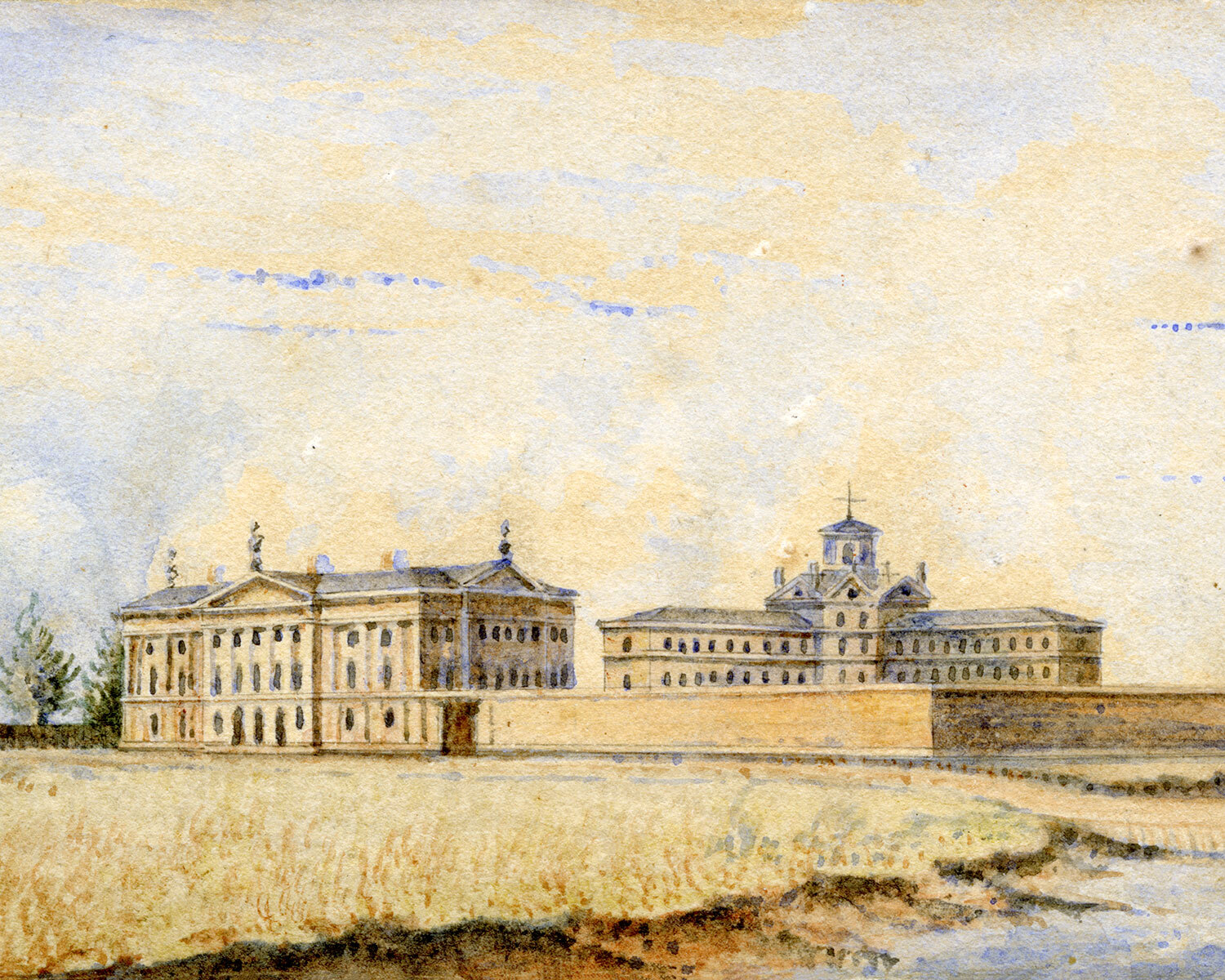
Ontario's military heritage — 2. Rebellions and incursions (The Fenian Raids in Canada West)
The Fenian threat heightened public support for the Canadian militia as the British Colonial Office sought to reduce its military commitments in the colonies. It also reinforced support for Canadian Confederation in 1867. In these and other ways, the Fenian raids were significant in Ontario’s military and political development.
Learn more
About
online exhibit
Ontario's military heritage — 2. Rebellions and incursions (The Fenian Raids in Canada West) in War and conflict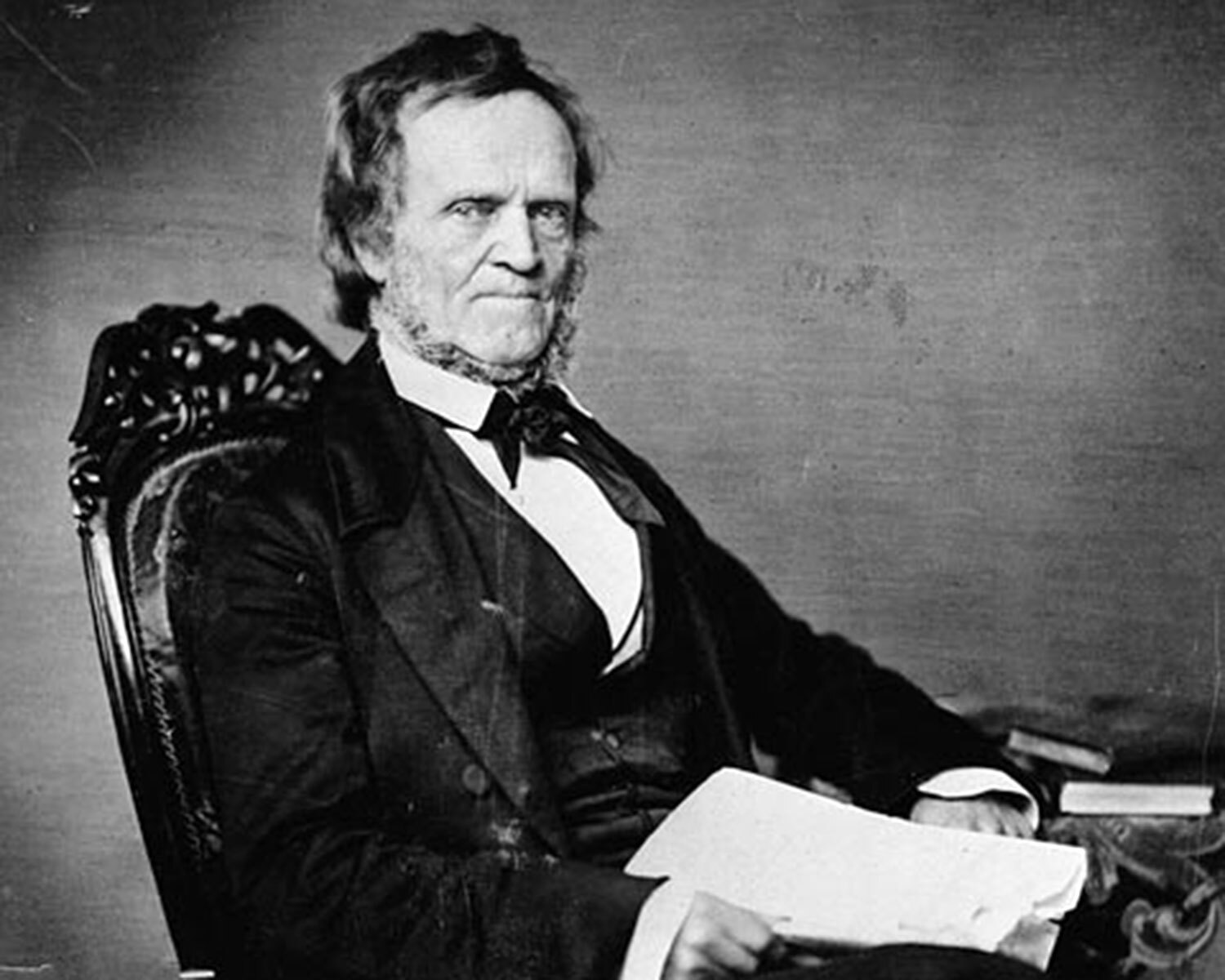
Ontario's military heritage — 2. Rebellions and incursions (The Upper Canada Rebellion of 1837-38)
Few anticipated that demands for political reform in Upper Canada would culminate in an armed rebellion. And yet, contextual factors, combined with the fateful decisions of those who represented the Crown and the Reform movement, made a rebellion possible.
Learn more
About
online exhibit
Ontario's military heritage — 2. Rebellions and incursions (The Upper Canada Rebellion of 1837-38) in War and conflict![Norman James holds the first shell manufactured in Toronto. (Photo: City of Toronto Archives, Fonds 1244, Item 852 Date: [1914?])](https://www.heritagetrust.on.ca/uploads/Exhibits/WW1-Munitions-factory-1500px.jpg)
Ontario's military heritage — 3. The Great War
With the war against Germany now a reality, Canada’s federal parliamentarians assembled for an emergency session. Politicians on both sides of the House rallied to the cause and professed their wholehearted commitment to the Allied war effort. As they proclaimed in their speeches, the war was a noble struggle to defend peace and democracy against German autocracy and militaristic culture.
Learn more
About
online exhibit
Ontario's military heritage — 3. The Great War in War and conflict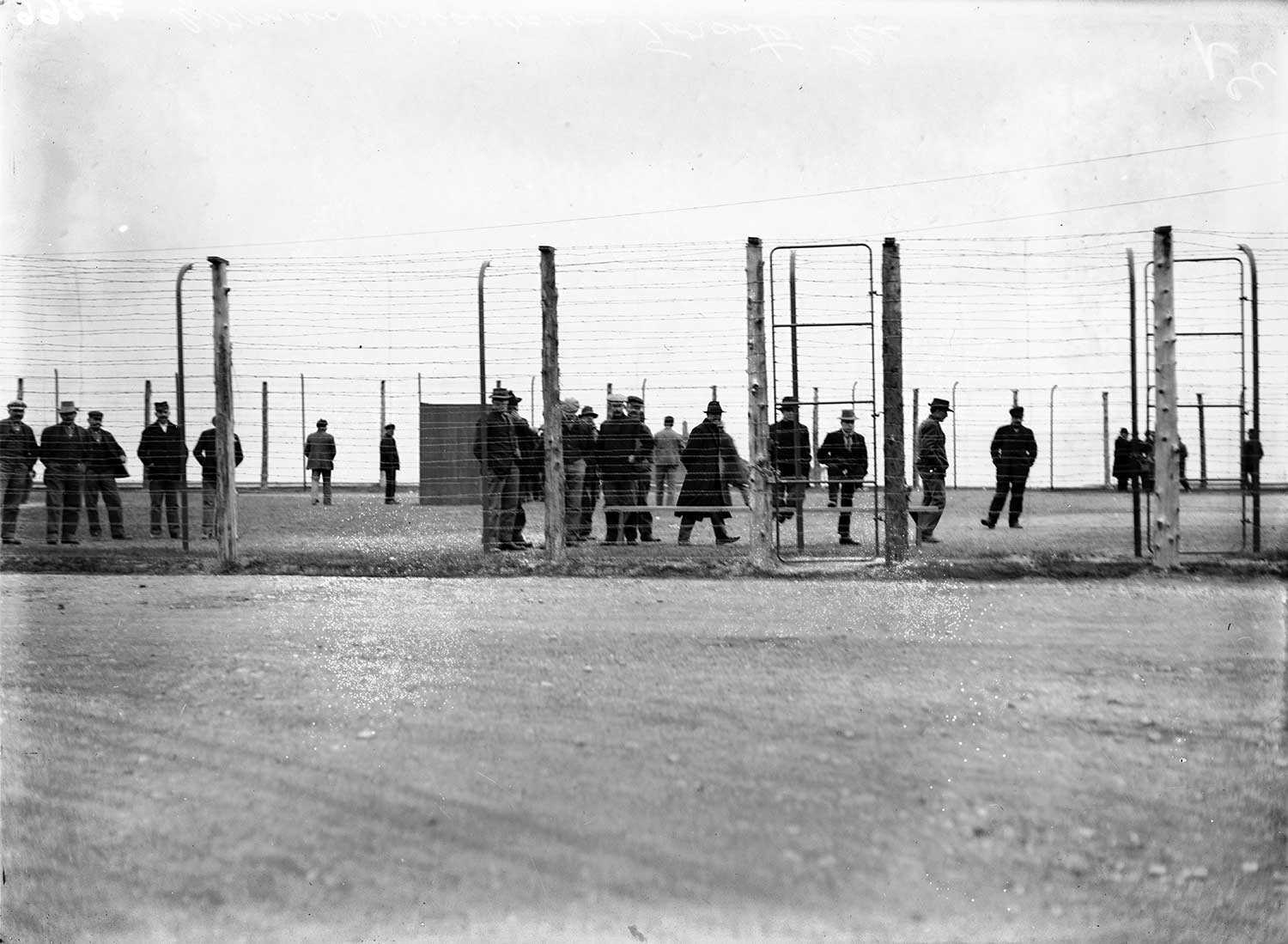
Ontario's military heritage — 3. The Great War (Anti-alien hostility)
During the war, the term “enemy aliens” was used to draw attention to the threat posed by these non-naturalized residents of so-called enemy origin. Often the use of this designation ignored ethnic particularities, such as how Ukrainian immigrants refuted association with the Austro-Hungarian empire.
Learn more
About
online exhibit
Ontario's military heritage — 3. The Great War (Anti-alien hostility) in War and conflict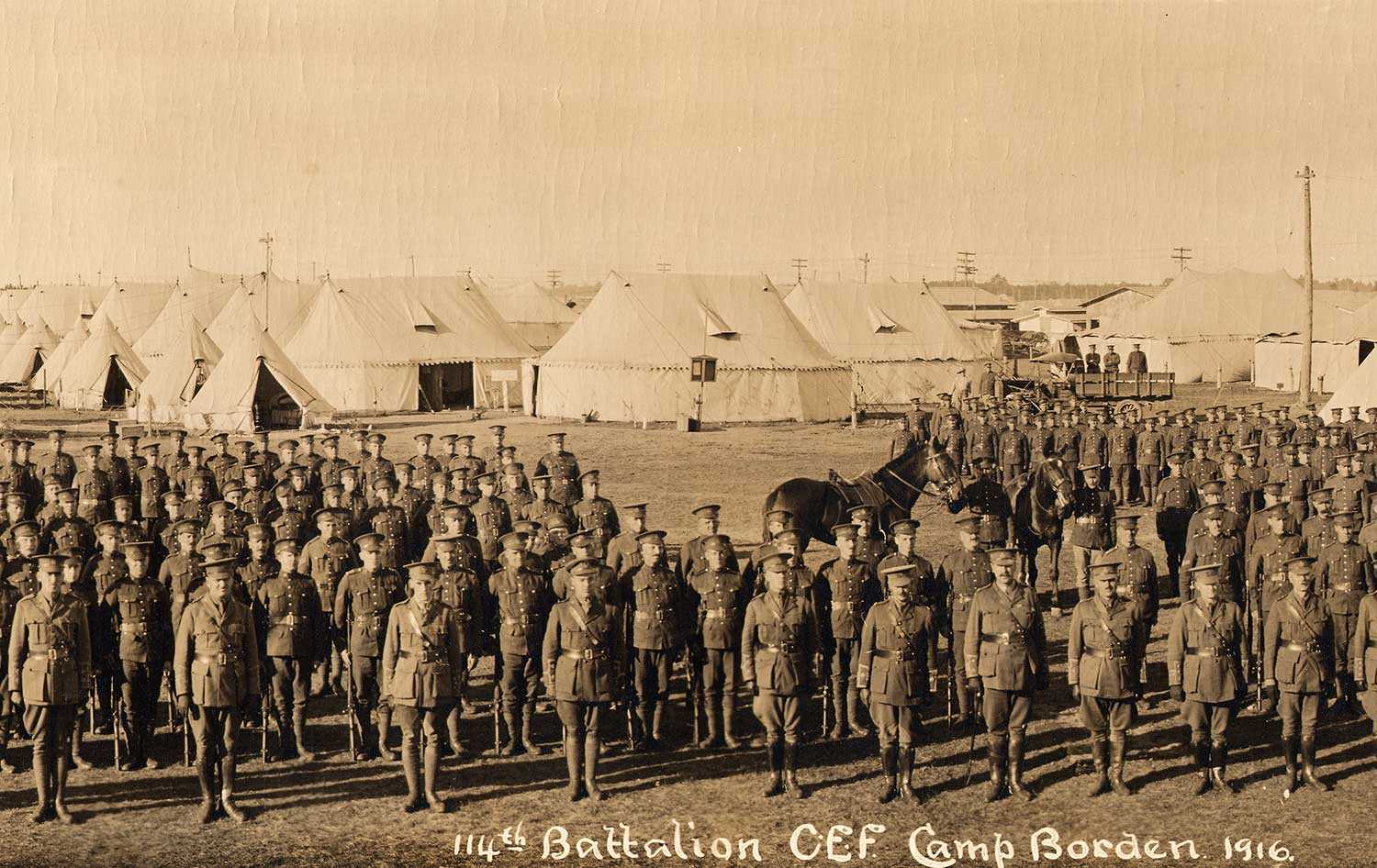
Ontario's military heritage — 3. The Great War (Donning the khaki)
The soldiers who fought overseas in the Canadian Expeditionary Force (CEF) experienced a war like no other before it. The ingenuity of the modern industrial age was used to construct international war machines designed for efficient and brutal destruction. And yet, all the sophisticated machinery, tools and weaponry still required flesh and blood to operate.
Learn more
About
online exhibit
Ontario's military heritage — 3. The Great War (Donning the khaki) in War and conflictOntario's military heritage — 3. The Great War (Ontario's wartime economy)
In August 1914, the people of Ontario were coping with a major recession. The onset of the Great War further compounded pre-existing hardships because access to British credit was suspended, stock exchanges closed, Atlantic shipping ceased and public fears led to a rush of gold withdrawals. Gradually, international and national efforts restored economic stability, and the financial shock of going to war dissipated.
Learn more
About
online exhibit
Ontario's military heritage — 3. The Great War (Ontario's wartime economy) in War and conflict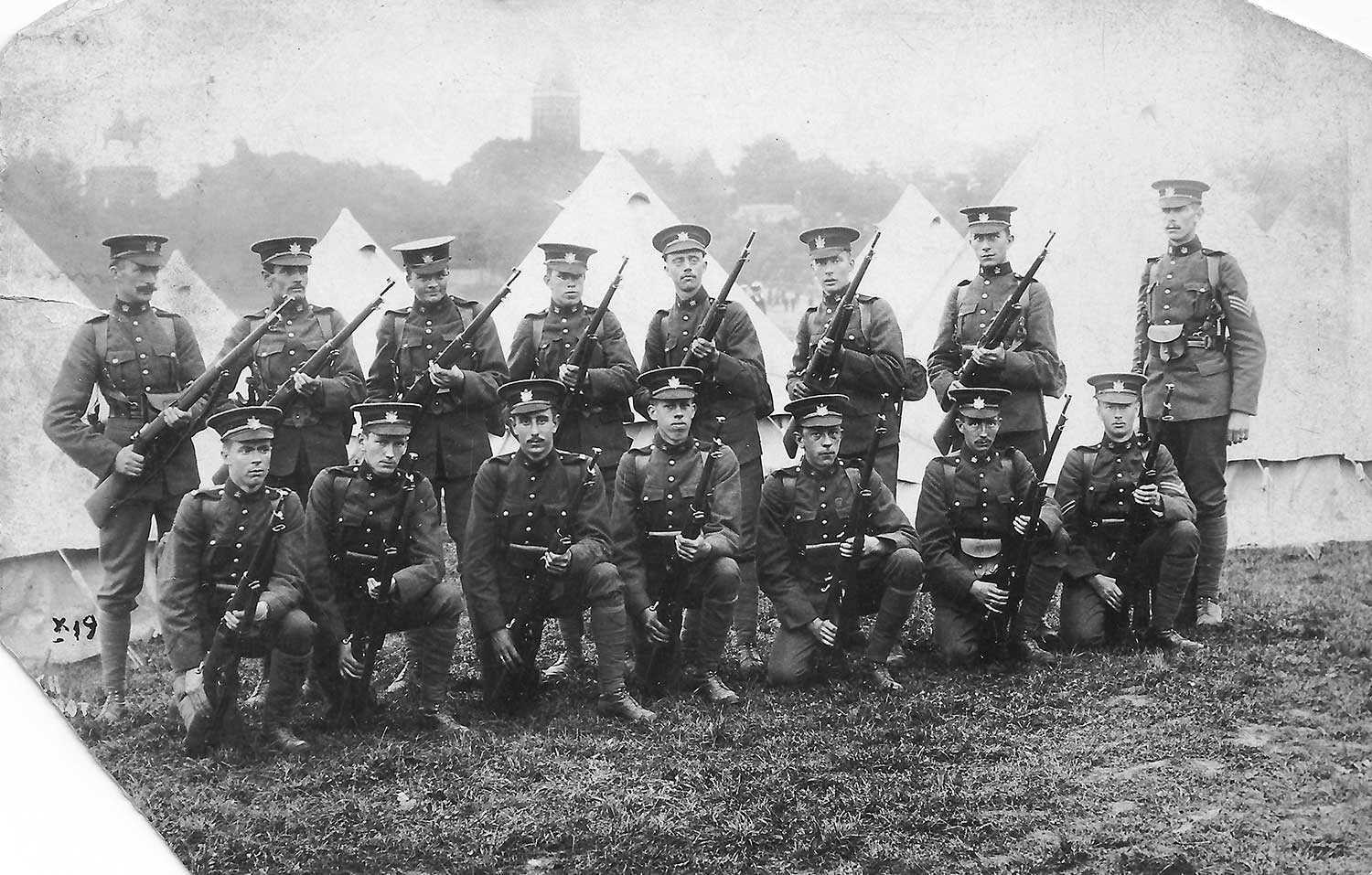
Ontario's military heritage — 3. The Great War (Resources)
Learn more about the Great War through these additional sources.
Learn more
About
online exhibit
Ontario's military heritage — 3. The Great War (Resources) in War and conflict![University of Toronto recruits drill on campus. (Photo: City of Toronto Archives, Fonds 1244, Item 763 Date(s) of creation of record(s) [1918?])](https://www.heritagetrust.on.ca/uploads/Exhibits/GW-military-recruits-U-of-T-1500px.jpg)
Ontario's military heritage — 3. The Great War (Schools and students at war)
Public schools, colleges and universities are widely recognized as establishments of learning and accreditation. During the Great War, however, schools in Ontario were mobilized for the war effort. School grounds were repurposed as sites for drills, military experiments and rehabilitation centres for returned soldiers. Some schools also incentivized their students to enlist and allowed their campuses to become recruitment grounds.
Learn more
About
online exhibit
Ontario's military heritage — 3. The Great War (Schools and students at war) in War and conflict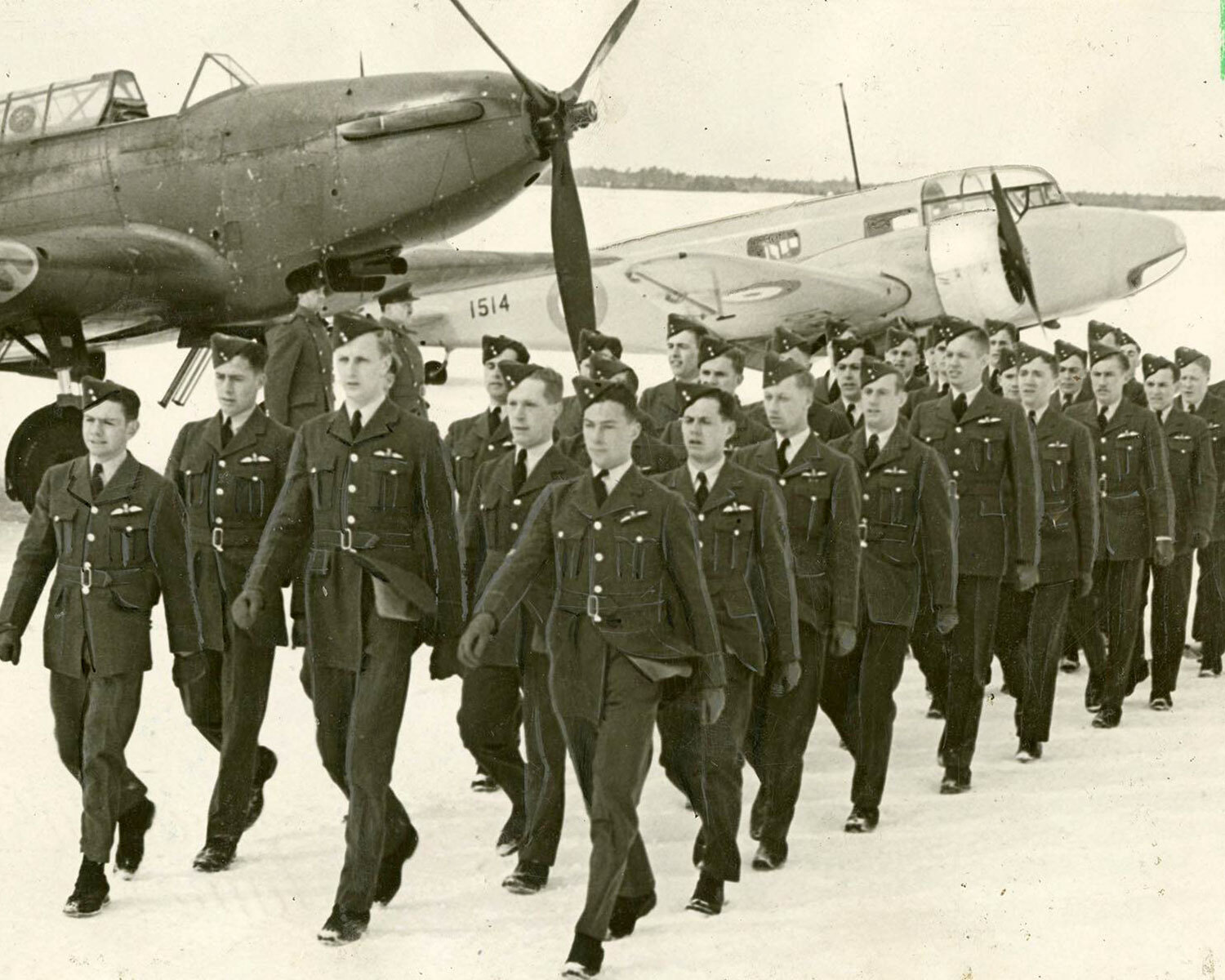
Ontario's military heritage — 4. Second World War
On September 1, 1939, Adolf Hitler invaded Poland and demonstrated to Western leaders that their policy of appeasement would not deter large-scale conflict. Drawing on their diplomatic guarantees of Polish independence, the United Kingdom and France declared war against Nazi Germany on September 3. Canada, which was a self-governing colony under the Statute of Westminster, made its own declaration of war a week later.
Learn more
About
online exhibit
Ontario's military heritage — 4. Second World War in War and conflict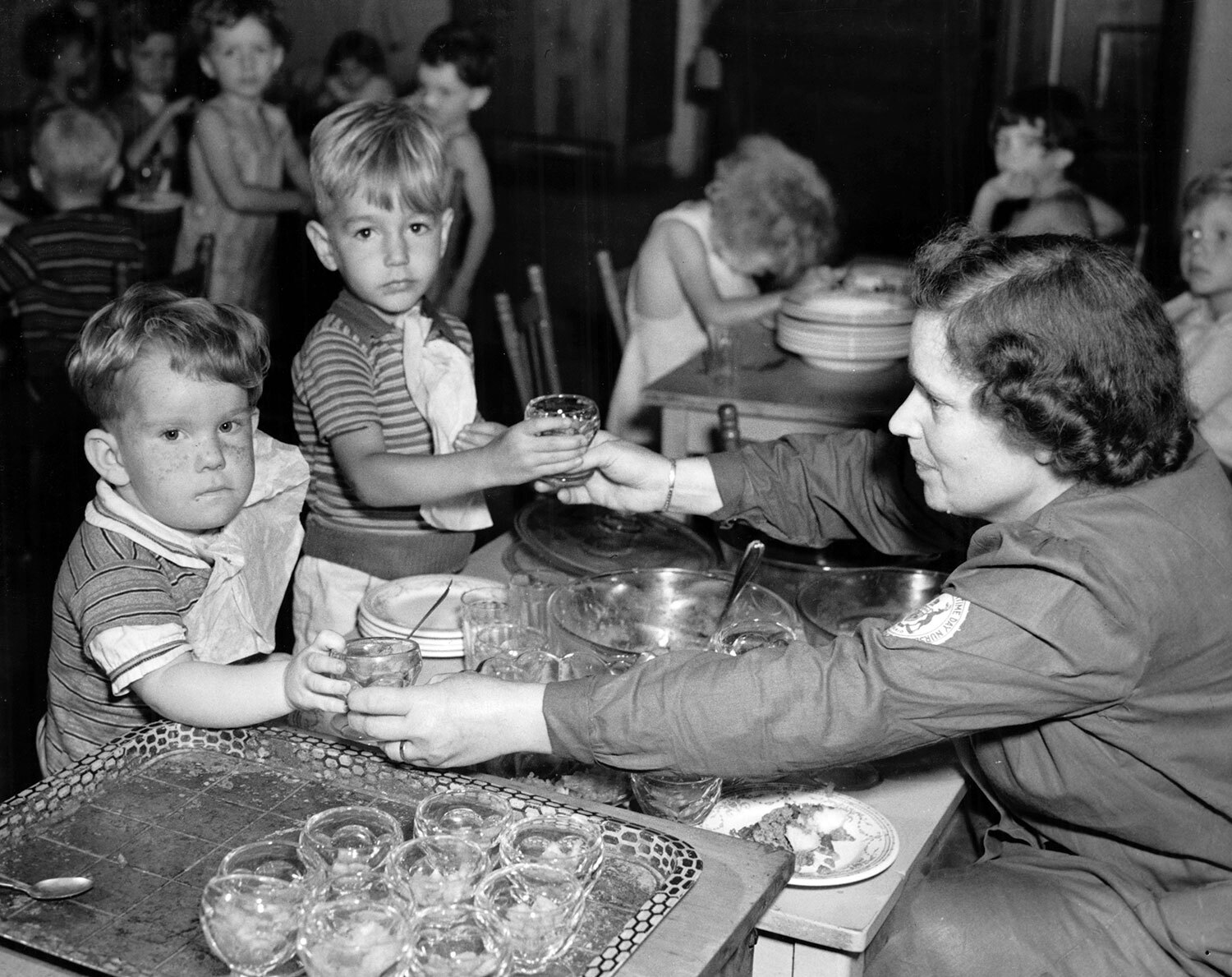
Ontario's military heritage — 4. Second World War (Civilian victims of war)
Throughout the war, thousands of so-called “guest children” from the United Kingdom were brought to Ontario and other provinces until they could be reunited with their families under more stable and peaceful circumstances. Ontario, however, was not a refuge for everyone. The selection and screening of guest children were marked by racial and religious barriers. Social discrimination was also evident in Ontario’s internment camps.
Learn more
About
online exhibit
Ontario's military heritage — 4. Second World War (Civilian victims of war) in War and conflict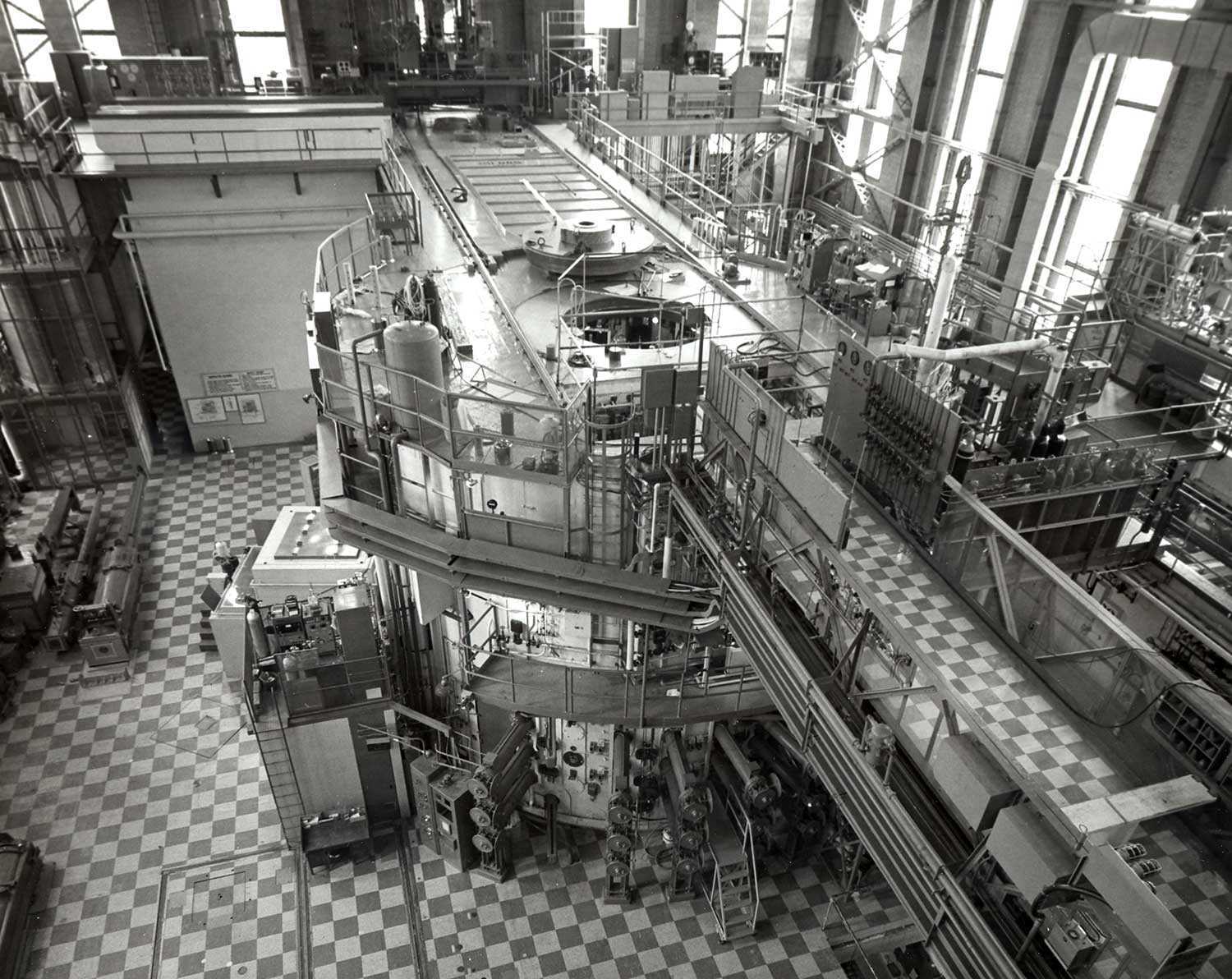
Ontario's military heritage — 4. Second World War (Industry and research)
Ontario was a mineral-rich province that offered many strategic resources for military production. It also had a large population. According to the 1941 census, Ontario had 3.8 million residents, of which 62 per cent lived in urban areas. The combination of Ontario’s large population and mineral-rich land made it an ideal industrial hub for war production.
Learn more
About
online exhibit
Ontario's military heritage — 4. Second World War (Industry and research) in War and conflictOntario's military heritage — 4. Second World War (Military operations and experiences)
By the summer of 1940, Nazi Germany had conquered most of continental Europe, and the United Kingdom was defending itself against the German Luftwaffe during the Battle of Britain. During these trying times, Canada became the United Kingdom’s most important ally. To make a meaningful difference in the war, Canada’s military would require expansion and modernization.
Learn more
About
online exhibit
Ontario's military heritage — 4. Second World War (Military operations and experiences) in War and conflict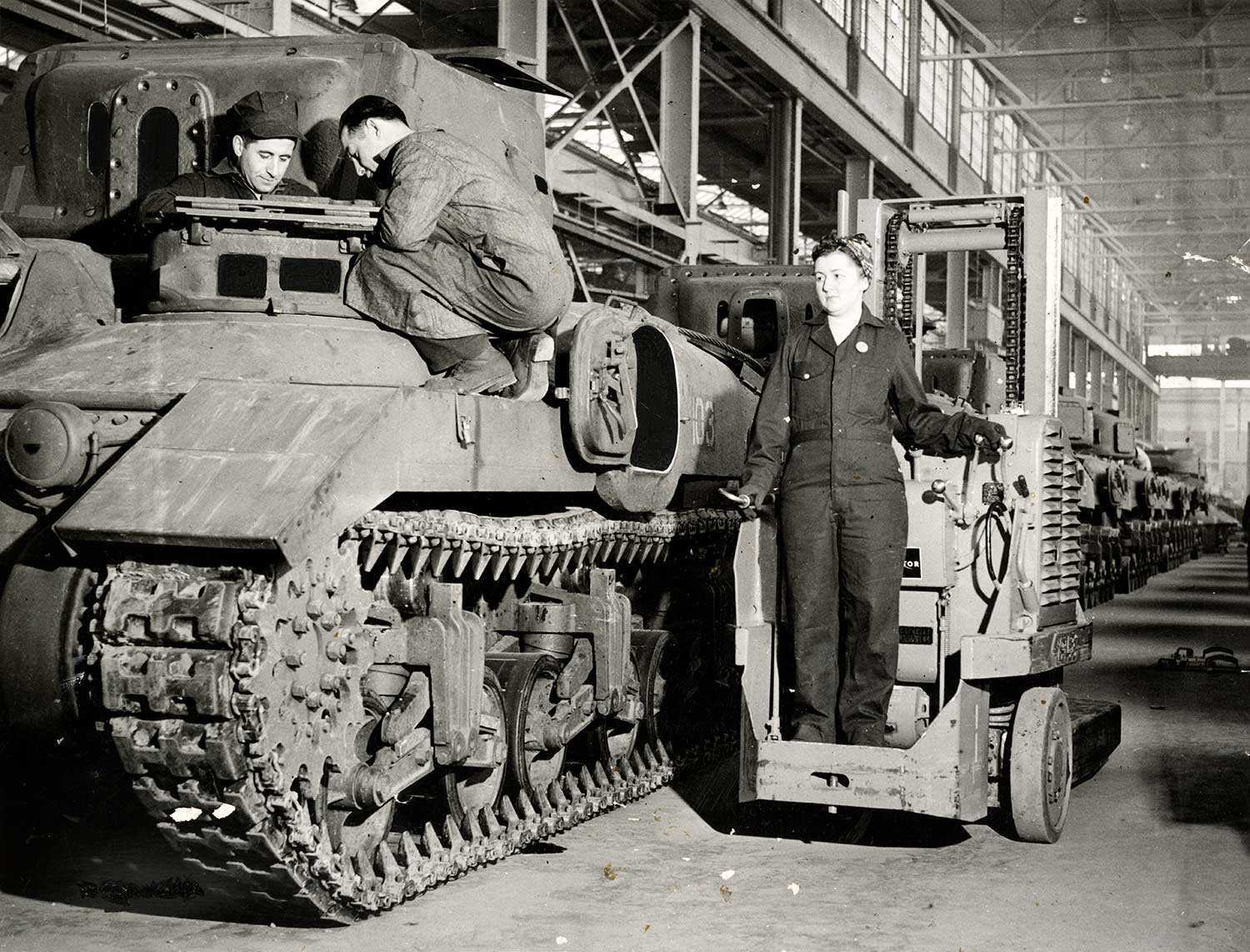
Ontario's military heritage — 4. Second World War (Resources)
This narrative cannot possibly tell every story about the Second World War. Explore these resources for more information.
Learn more
About
online exhibit
Ontario's military heritage — 4. Second World War (Resources) in War and conflict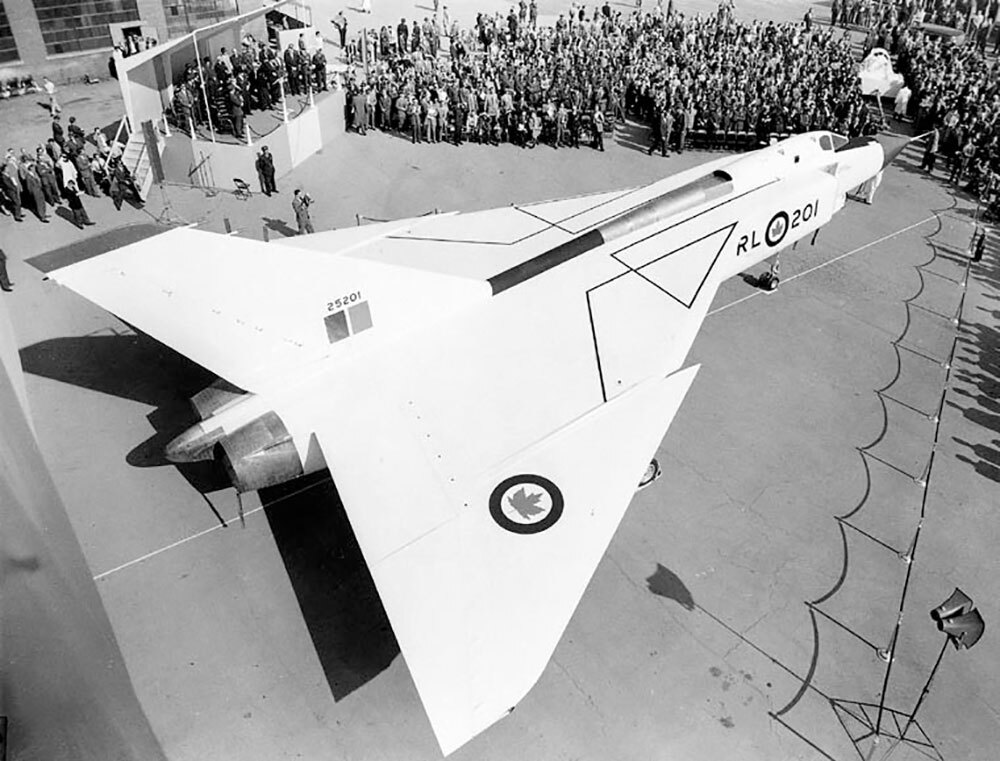
Ontario's military heritage — 5. Cold War and military restructuring (Cold War air defence)
On July 27, 1953, an armistice brought an uneasy end to three years of fighting on the Korean peninsula. Among the 26,000 Canadians who served, 312 were killed in combat. The end of the Korean War was an important turning point in Canadian military history because it was followed by a shift away from conventional warfare. Instead, Canadian military strategy focused on addressing the threat of nuclear war with the Soviet Union.
Learn more
About
online exhibit
Ontario's military heritage — 5. Cold War and military restructuring (Cold War air defence) in War and conflict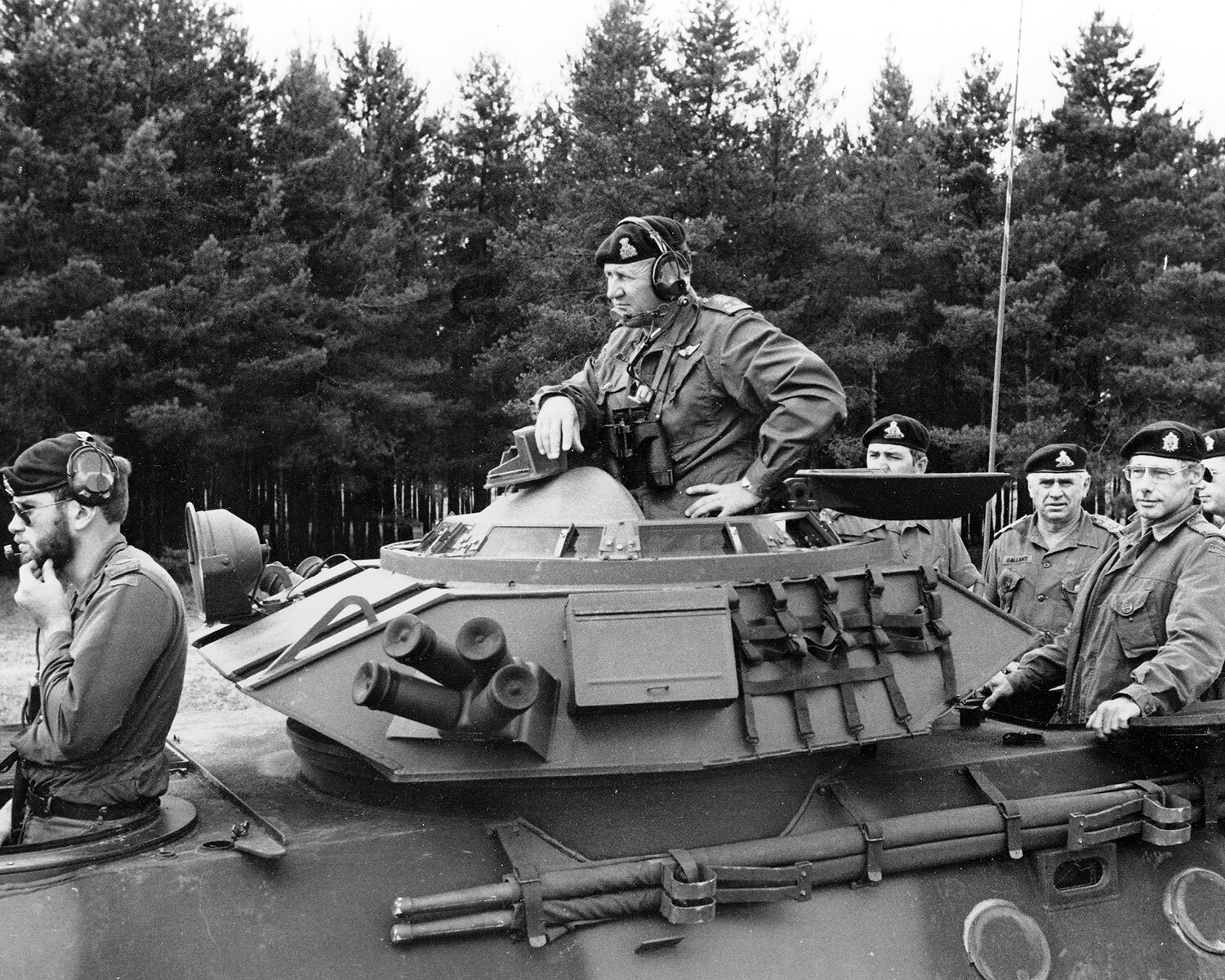
Ontario's military heritage — 5. Cold War and military restructuring (Modernizing the Canadian Forces)
Since the end of the Second World War, the Canadian military has developed new capabilities, structures and roles for its domestic and international operations. Some of these dynamics have been discussed in the section on Cold War air defence, which examines the development of Ontario’s aviation industry and Ontario’s integration into NORAD.
Learn more
About
online exhibit
Ontario's military heritage — 5. Cold War and military restructuring (Modernizing the Canadian Forces) in War and conflict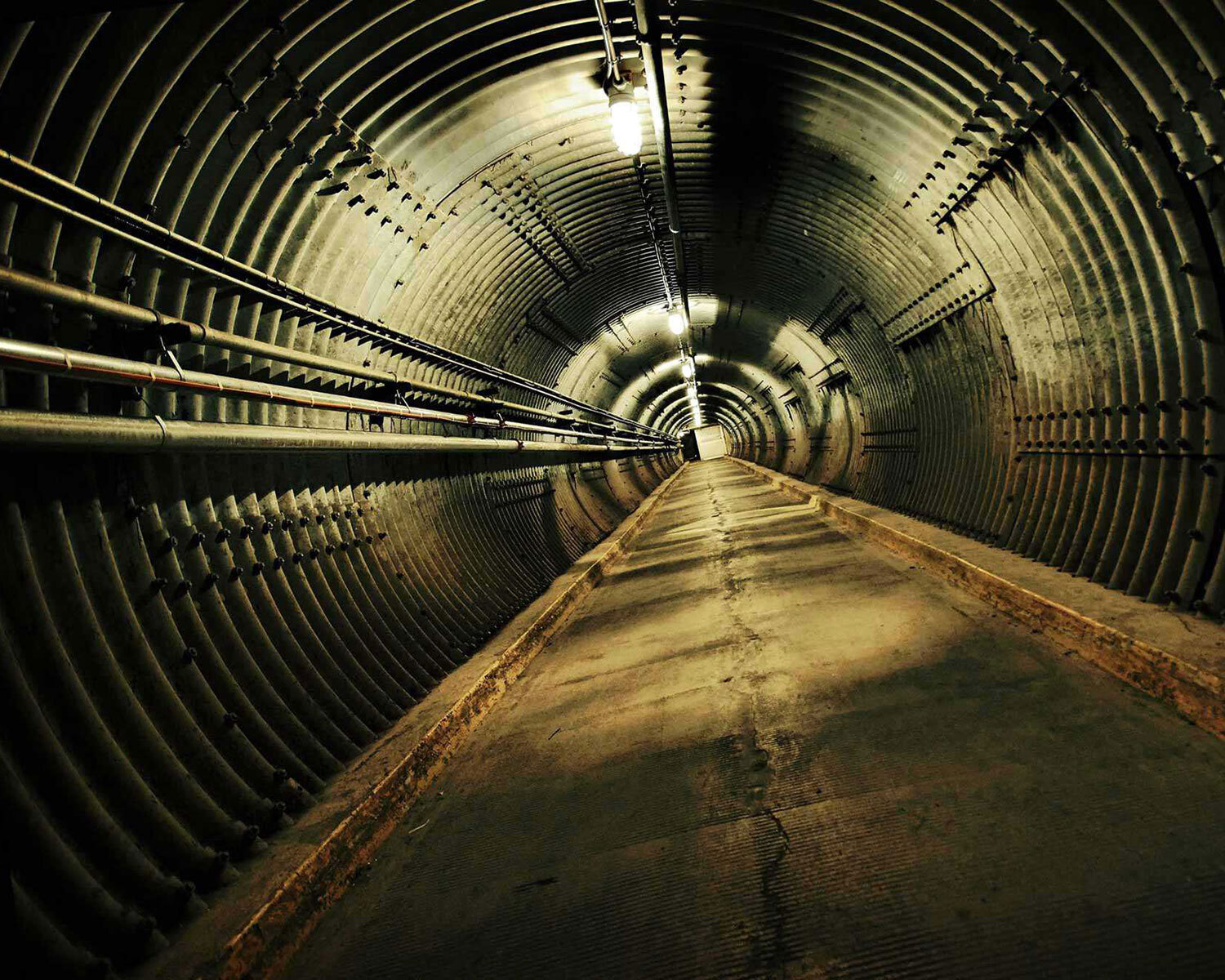
Ontario's military heritage — 5. Cold War defence and military restructuring
Many historians trace the origin of the Cold War to one of the most unlikely places — Ontario. Three days after the surrender of Japan, a cipher clerk named Igor Gouzenko defected from the Soviet Embassy in Ottawa. He brought with him documents revealing the existence of a Soviet espionage network in Canada.
Learn more
About
online exhibit
Ontario's military heritage — 5. Cold War defence and military restructuring in War and conflict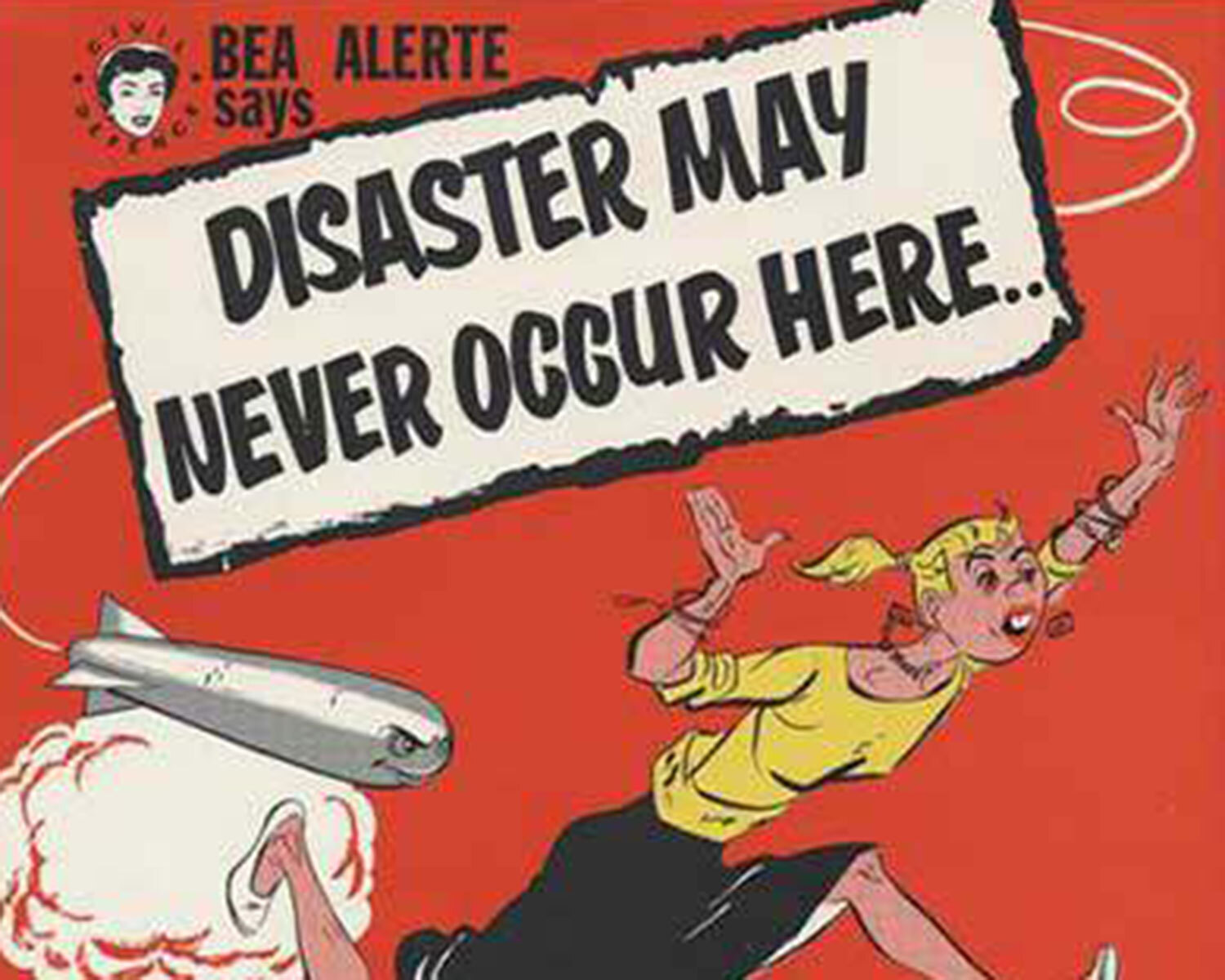
Ontario's military heritage — 5. Cold War defence and military restructuring (Resources)
Explore these resources about the Cold War to learn more about this fascinating time in our history.
Learn more
About
online exhibit
Ontario's military heritage — 5. Cold War defence and military restructuring (Resources) in War and conflict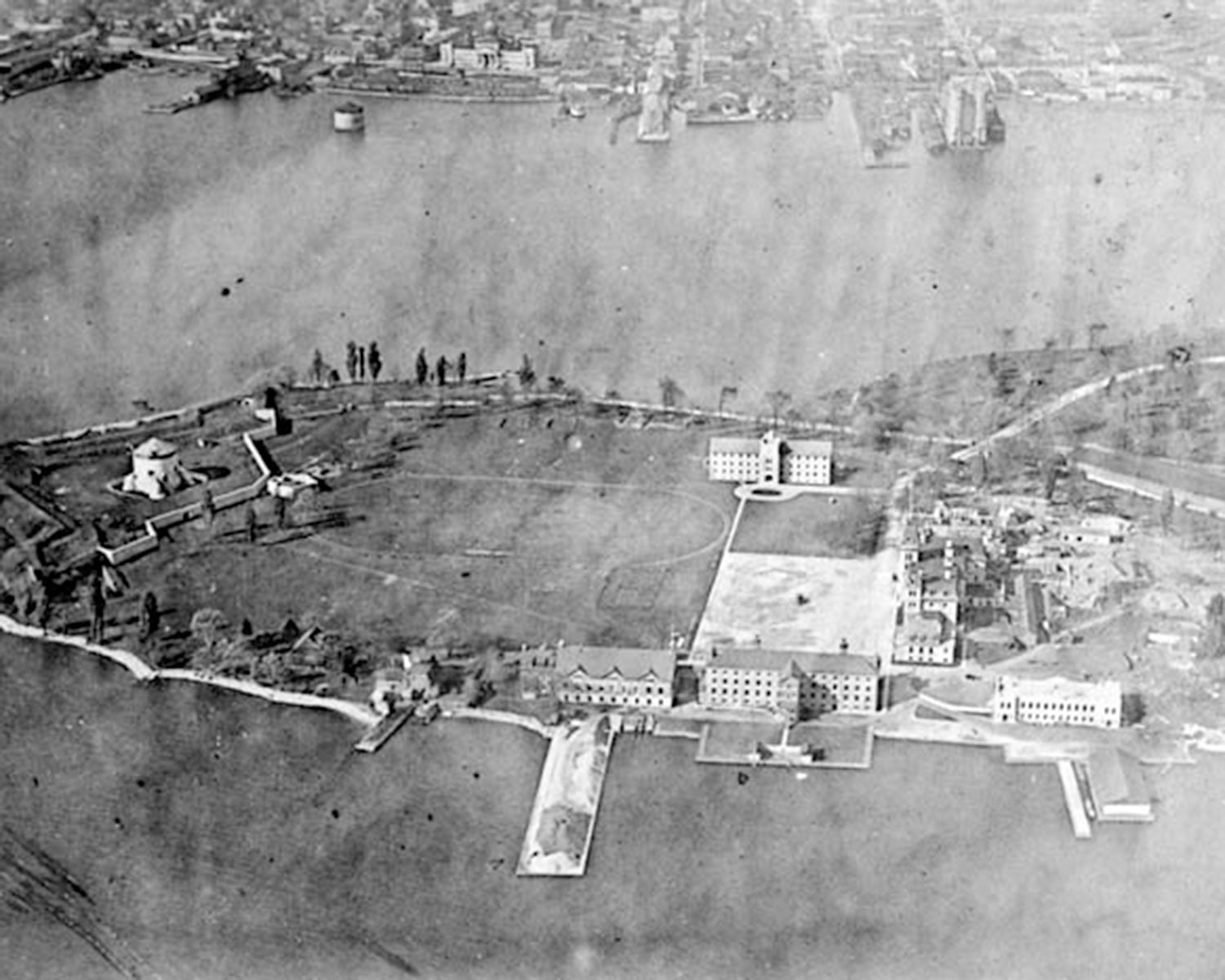
Point Frederick
This strategic location was established for the defence of the loyalist settlement at Cataraqui (now Kingston).
Learn more
About
Plaque
Point Frederick in War and conflict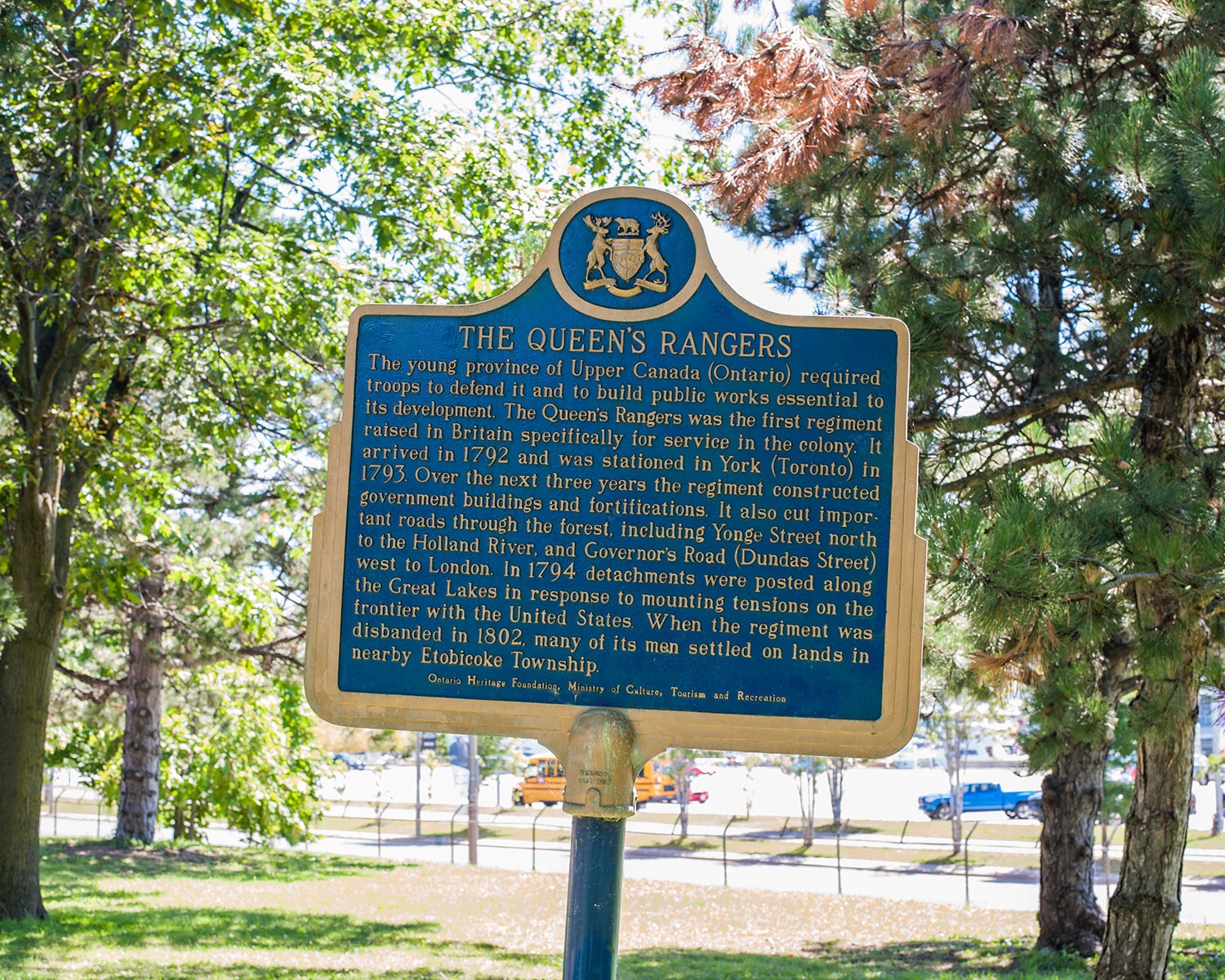
Queen's Rangers, The
This plaque honours the first British regiment raised specifically for service in Upper Canada (now Ontario).
Learn more
About
Plaque
Queen's Rangers, The in War and conflict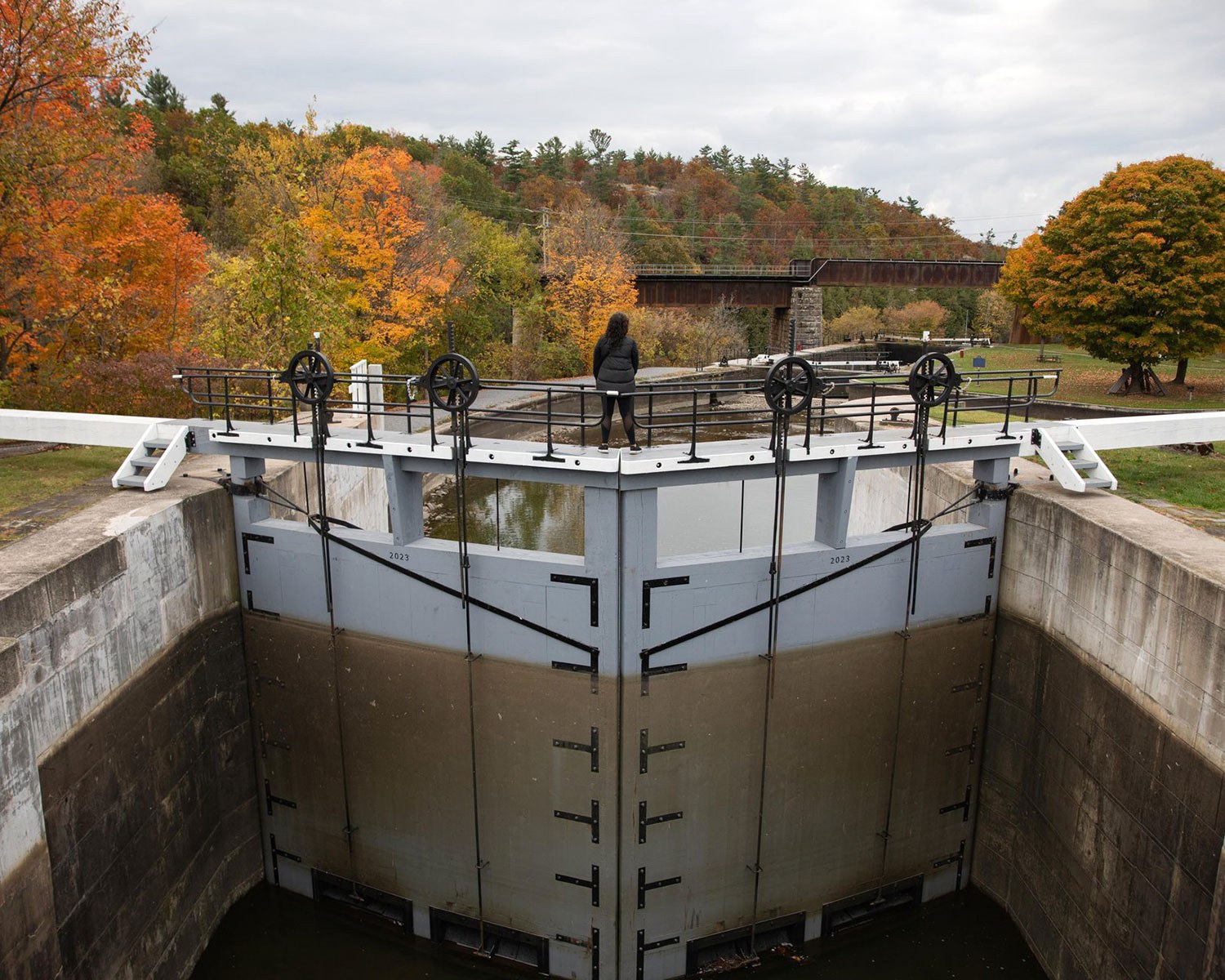
Rideau Canal 1826-1832, The
This UNESCO World Heritage Site opened on May 24, 1832 to provide a secure military route between Upper and Lower Canada.
Learn more
About
Plaque
Rideau Canal 1826-1832, The in War and conflict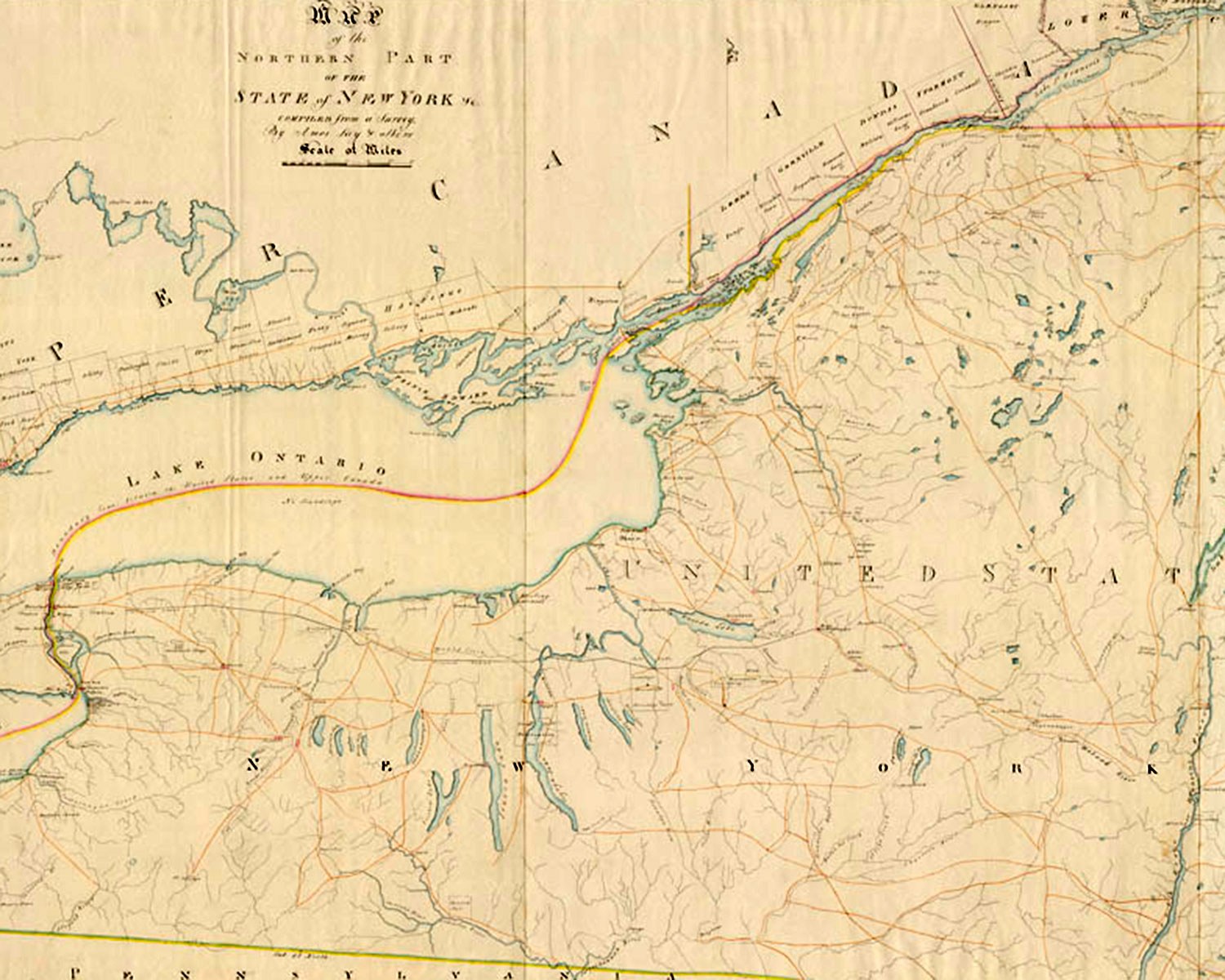
Rush-Bagot Agreement, The
This plaque commemorates the agreement that officially ended the War of 1812. It is still technically in force today.
Learn more
About
Plaque
Rush-Bagot Agreement, The in War and conflict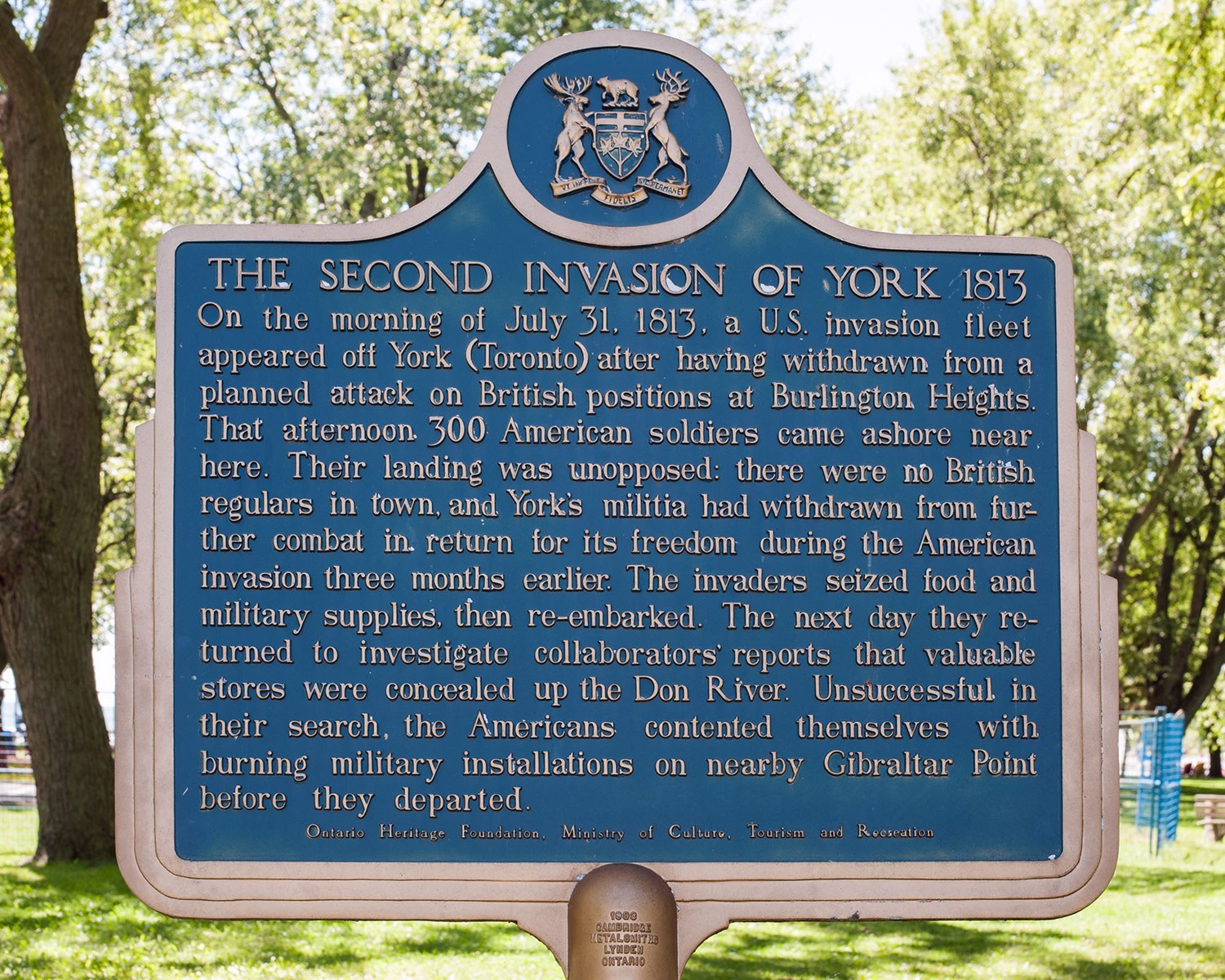
Second Invasion of York 1813, The
This plaque in Coronation Park commemorates a key battle in the War of 1812 on the shores of Toronto (then York).
Learn more
About
Plaque
Second Invasion of York 1813, The in War and conflict
Sir Richard Bonnycastle 1791-1847
While at Fort Henry, check out the plaque to Bonnycastle, who played a significant role in the defence and economic development of the province.
Learn more
About
Plaque
Sir Richard Bonnycastle 1791-1847 in War and conflict
Stanley Barracks
Named in honour of Governor General Lord Stanley (also of hockey fame), the Stanley Barracks have been here since the 1840s. Today, all that remains is this building, the Officers’ Quarters.
Learn more
About
Plaque
Stanley Barracks in War and conflict
Stone Frigate, The
This building was constructed as a naval warehouse. By 1876, it was refitted to house the newly established Royal Military College of Canada.
Learn more
About
Plaque
Stone Frigate, The in War and conflict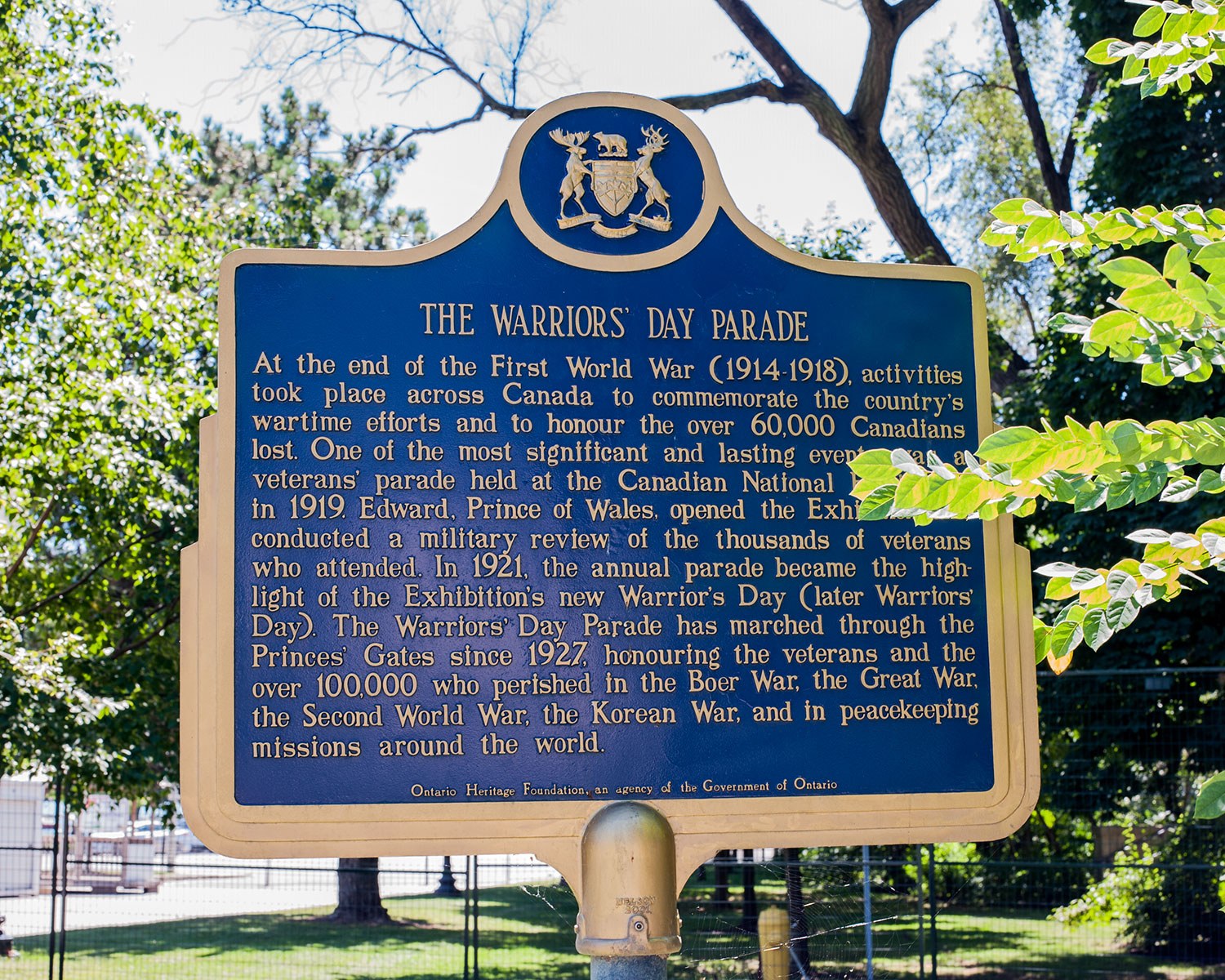
Warriors' Day Parade, The
Near the entrance to the Exhibition grounds is this plaque that honours war veterans.
Learn more
About
Plaque
Warriors' Day Parade, The in War and conflict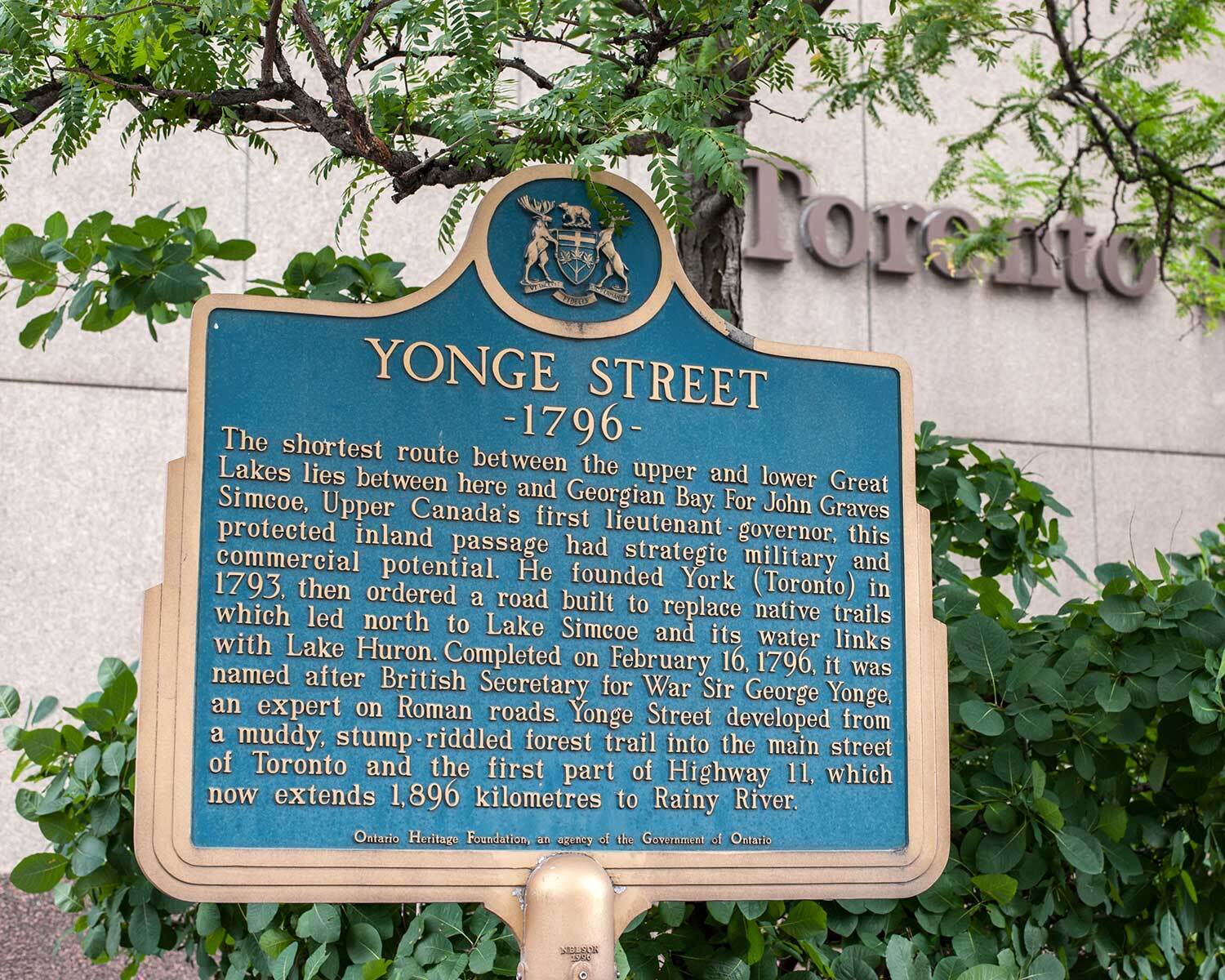
Yonge Street 1796
The longest street in the world was built by Ontario’s first lieutenant governor, John Graves Simcoe, to connect his recently founded Town of York with the naval base at Penetanguishene on Georgian Bay.
Learn more
About
Plaque
Yonge Street 1796 in War and conflict