
Military heritage

Ontario's military heritage —
2. Rebellions and incursions (Resources)

War and conflict

Explore these resources to learn more about this fascinating part of Canada’s and Ontario’s history.
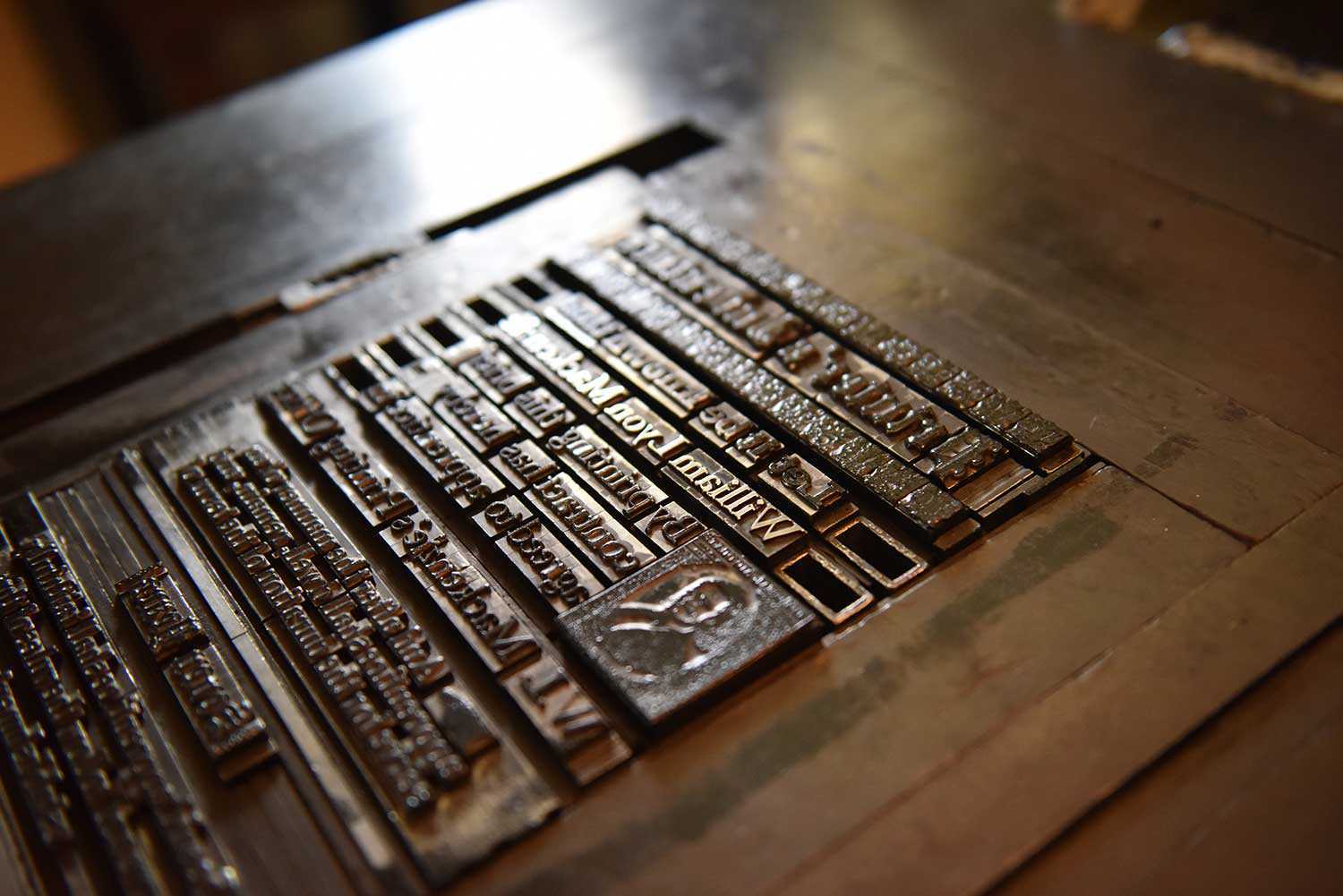
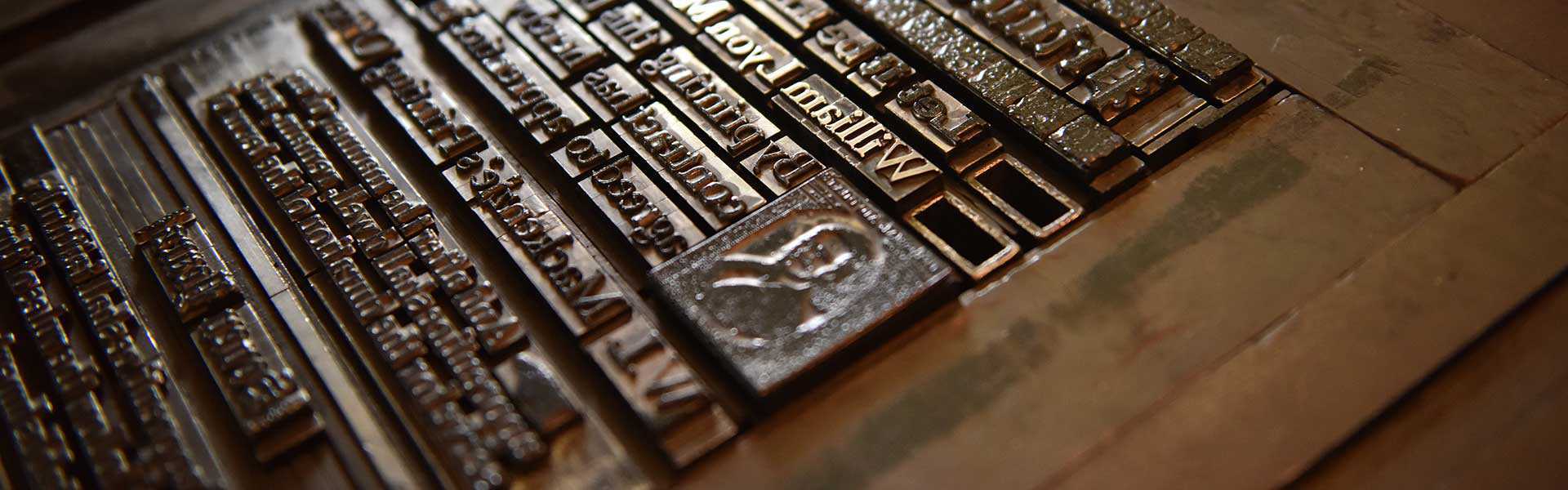
The Mackenzie Printery: home and office of William Lyon Mackenzie before he moved to York. His newspaper, The Colonial Advocate, (later, The Advocate) discussed government corruption and promoted change within the system. (Photo: Niagara Parks Commission)
The Mackenzie Printery: home and office of William Lyon Mackenzie before he moved to York. His newspaper, The Colonial Advocate, (later, The Advocate) discussed government corruption and promoted change within the system.
Photo: Niagara Parks Commission
The Mackenzie Printery: home and office of William Lyon Mackenzie before he moved to York. His newspaper, The Colonial Advocate, (later, The Advocate) discussed government corruption and promoted change within the system. Mackenzie stopped printing his newspaper in 1836 while he was organizing the rebellion. (Photo: Niagara Parks Commission)
The Mackenzie Printery: home and office of William Lyon Mackenzie. (Photo: Niagara Parks Commission)

You might also be interested in

Check out these exhibits about other rebellions.

Ontario's military heritage — 2. Rebellions and incursions (The Upper Canada Rebellion of 1837-38)
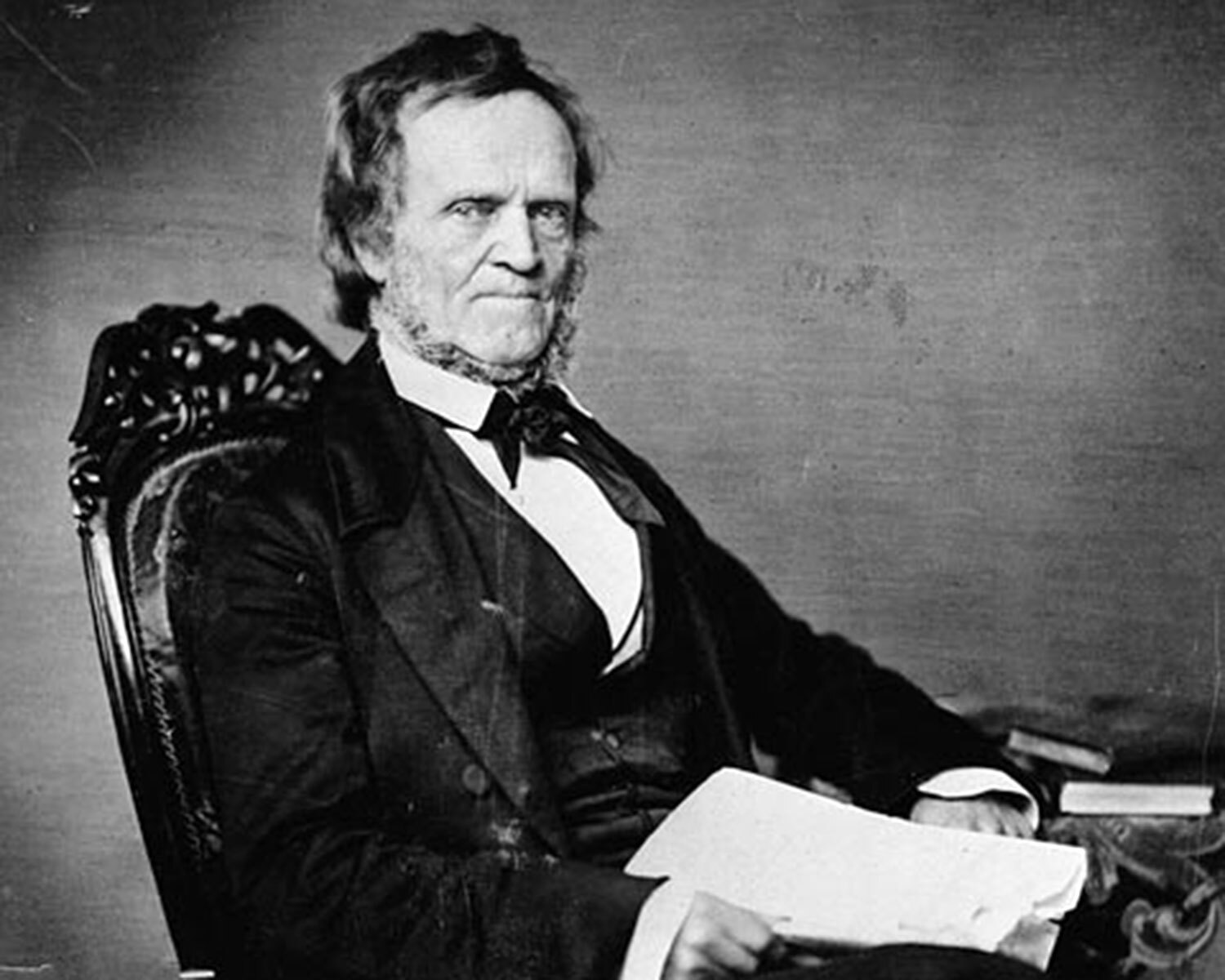
William Lyon Mackenzie. (Photo: C-001993, Library and Archives Canada)

Few anticipated that demands for political reform in Upper Canada would culminate in an armed rebellion. And yet, contextual factors, combined with the fateful decisions of those who represented the Crown and the Reform movement, made a rebellion possible.

Visit Ontario's military heritage — 2. Rebellions and incursions (The Upper Canada Rebellion of 1837-38)

Ontario's military heritage — 2. Rebellions and incursions (The Fenian Raids in Canada West)
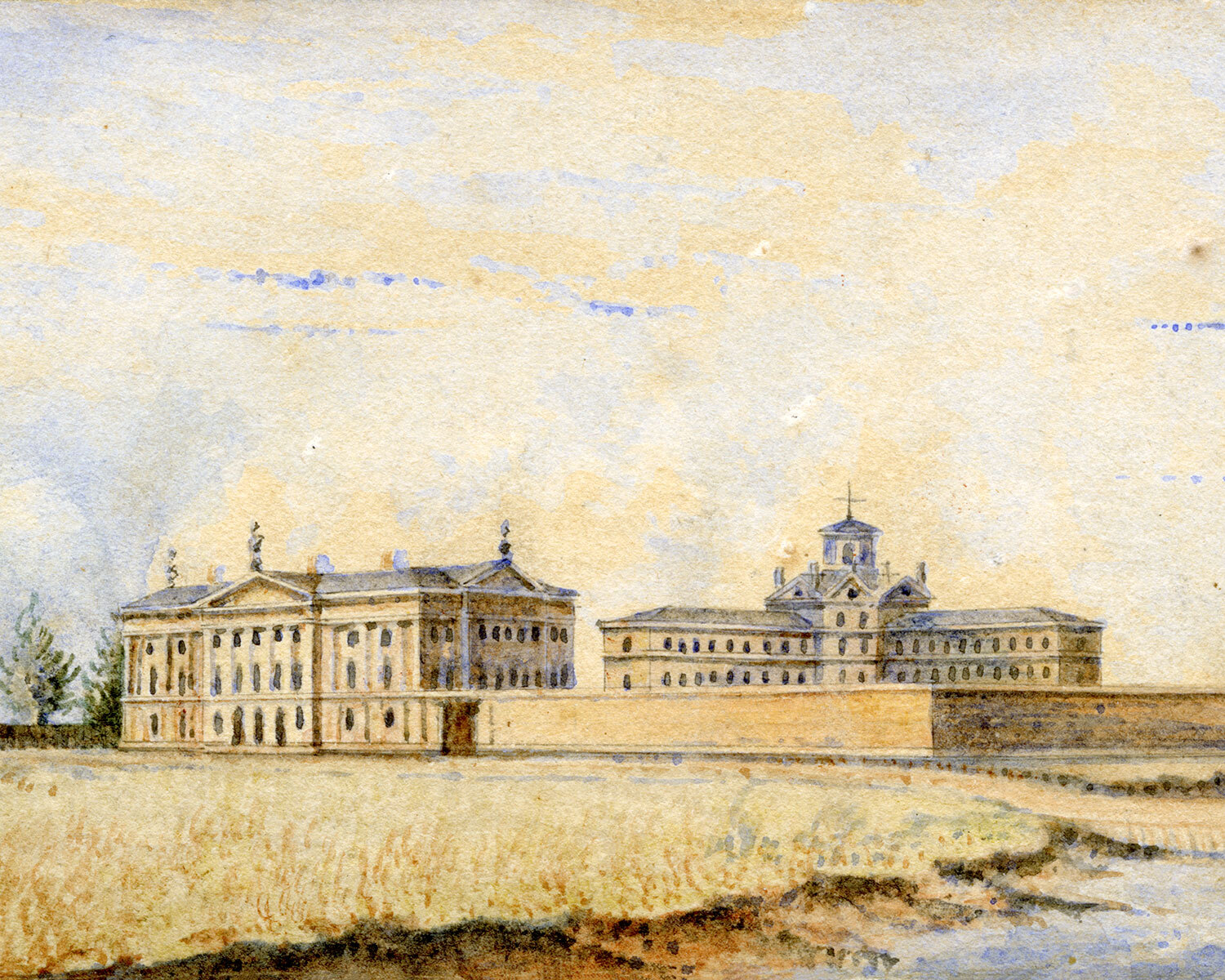
The prison at the southeast corner of Front and Berkeley streets was replaced by the Don Jail in the 1860s but used briefly between 1866-67 to house prisoners taken during the Fenian Raid. Painting by John Howard, 1837. 938-1-2. (Photo: Toronto Reference Library)

The Fenian threat heightened public support for the Canadian militia as the British Colonial Office sought to reduce its military commitments in the colonies. It also reinforced support for Canadian Confederation in 1867. In these and other ways, the Fenian raids were significant in Ontario’s military and political development.

Visit Ontario's military heritage — 2. Rebellions and incursions (The Fenian Raids in Canada West)