During the War of 1812, the inhabitants of Upper Canada and its neighbouring Indigenous territories witnessed large-scale battles, sieges of towns and forts, raiding and pillaging, and naval warfare on the Great Lakes. Upper Canada survived the American invasion, but the colony continued to face military threats throughout the early to mid-19th century.
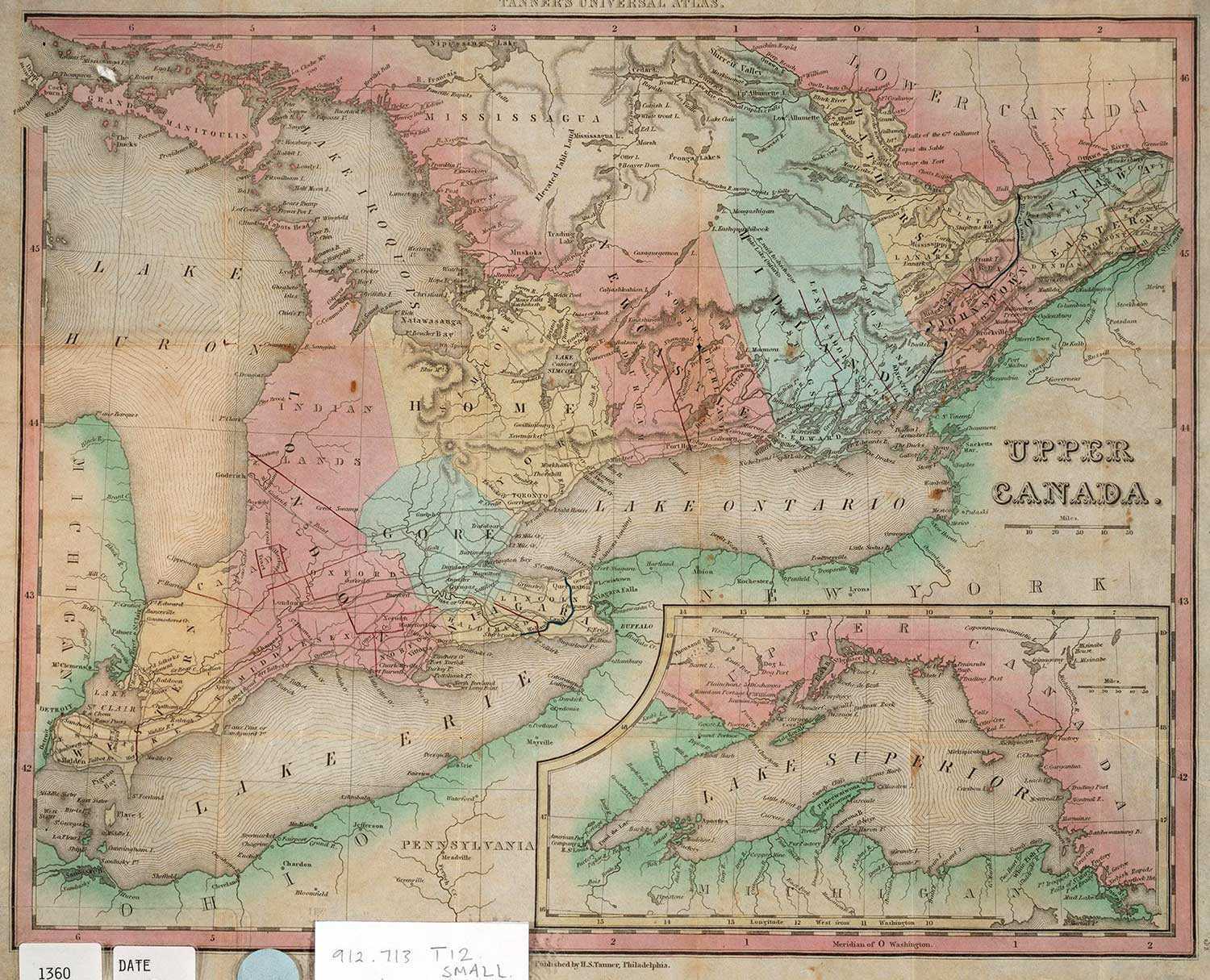
Map of Upper Canada, 1836, 912-713-T12
Photo: Toronto Reference Library
In 1837, William Lyon Mackenzie led a rebellion against Upper Canada’s appointed governing elite. Loyalist militia defeated Mackenzie’s initial uprising, but he and other rebels fled to the United States where they received generous support and recruits to continue the so-called “Patriot War.” During the ensuing struggle that lasted until late 1838, Patriot forces occupied islands in British territory, hijacked and destroyed ships, raided settlements and attempted to capture provincial strongholds.
In 1866, war returned to the province. Irish republican revolutionaries associated with the Fenian Brotherhood assembled an invasion force in Buffalo, New York, then crossed into Canada West on the Niagara Peninsula. The invasion was part of a far-reaching plan to pressure the United Kingdom into conceding Irish Independence. While achieving some success at the Battle of Ridgeway, the Fenian invasion and subsequent raids were defeated.
As outlined in the following sections, the early to mid-19th century was a turbulent period in Ontario’s history. British rule was repeatedly challenged, and the outcome of these armed conflicts played significant roles in shaping the province now called Ontario. More specifically, these conflicts bolstered support for Canadian Confederation and the development of the military. They also had profound impacts on the lives of the province’s inhabitants. The Fenian Raids marked the last invasion of Ontario, but the province’s military continued to be an important institution for socio-political functions and securing British and Canadian interests beyond the province’s borders.
The Upper Canada Rebellion of 1837-38
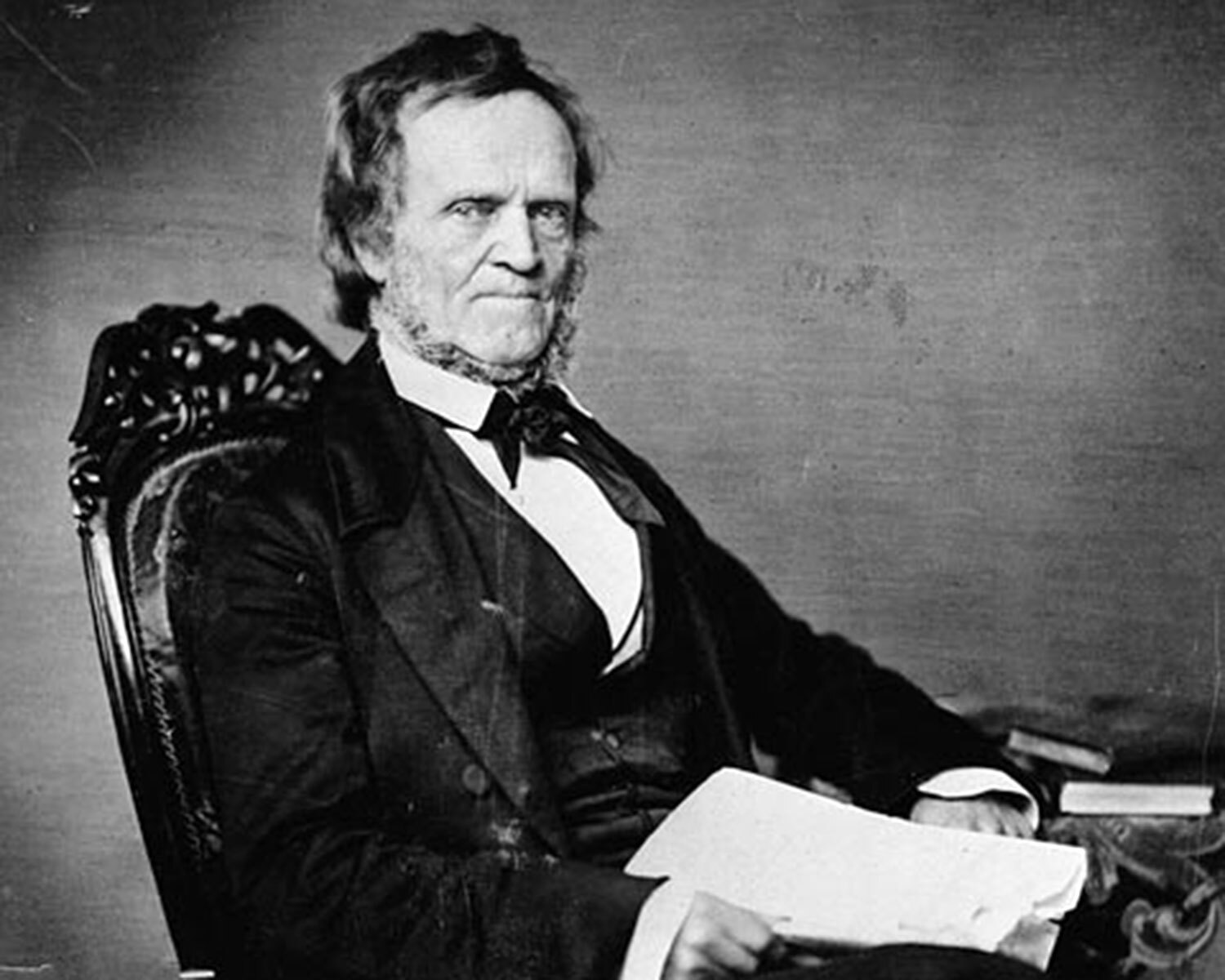
William Lyon Mackenzie.
Photo: C-001993, Library and Archives Canada
Few anticipated that demands for political reform in Upper Canada would culminate in an armed rebellion. And yet, contextual factors, combined with the fateful decisions of those who represented the Crown and the Reform movement, made a rebellion possible.
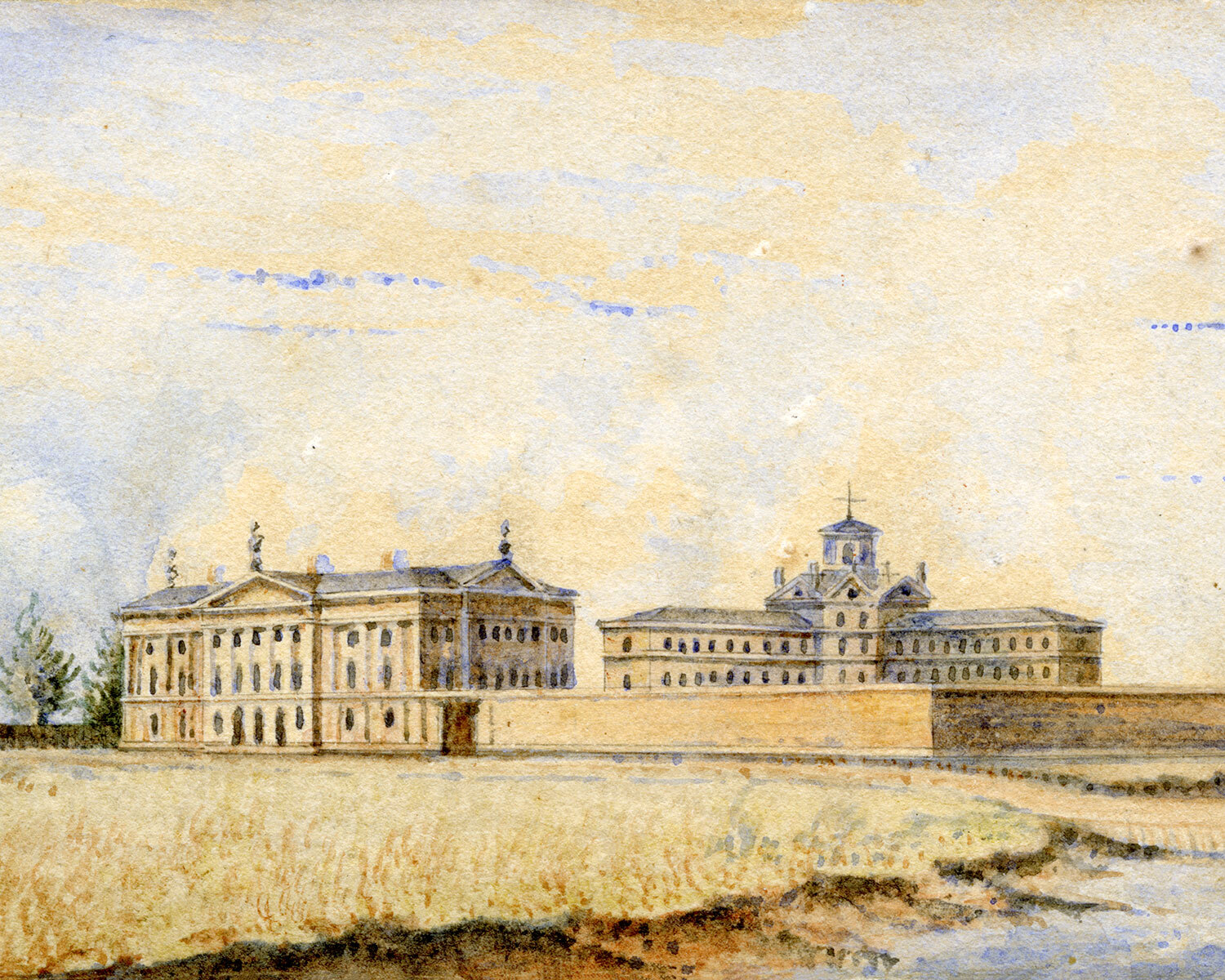
The prison at the southeast corner of Front and Berkeley streets was replaced by the Don Jail in the 1860s but used briefly between 1866-67 to house prisoners taken during the Fenian Raid. Painting by John Howard, 1837. 938-1-2.
Photo: Toronto Reference Library
In 1866, John O’Neill led between 700 and 800 armed Irish-American republicans and supporters of the Fenian Brotherhood into Canada West. The invasion was part of a larger Fenian campaign to score military victories in British North America and use them as political leverage to liberate Ireland from British rule.
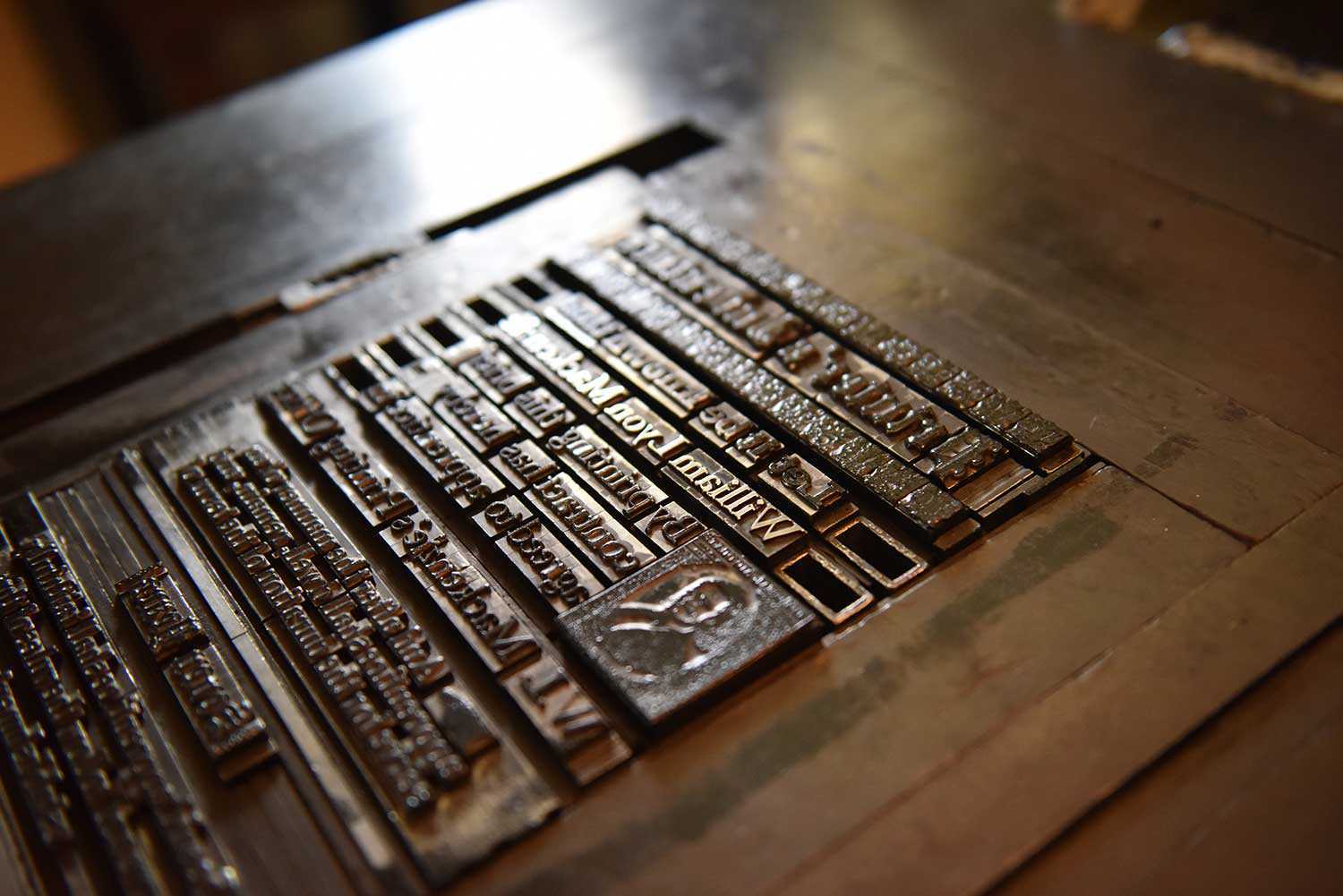
The Mackenzie Printery: home and office of William Lyon Mackenzie before he moved to York. His newspaper, The Colonial Advocate, (later, The Advocate) discussed government corruption and promoted change within the system.
Photo: Niagara Parks Commission
Explore these resources to learn more about this fascinating part of Canada’s and Ontario’s history.