


Find content throughout the website that has been tagged:
Communities
Clear all
Communities (19)
Founding of Cobourg, The
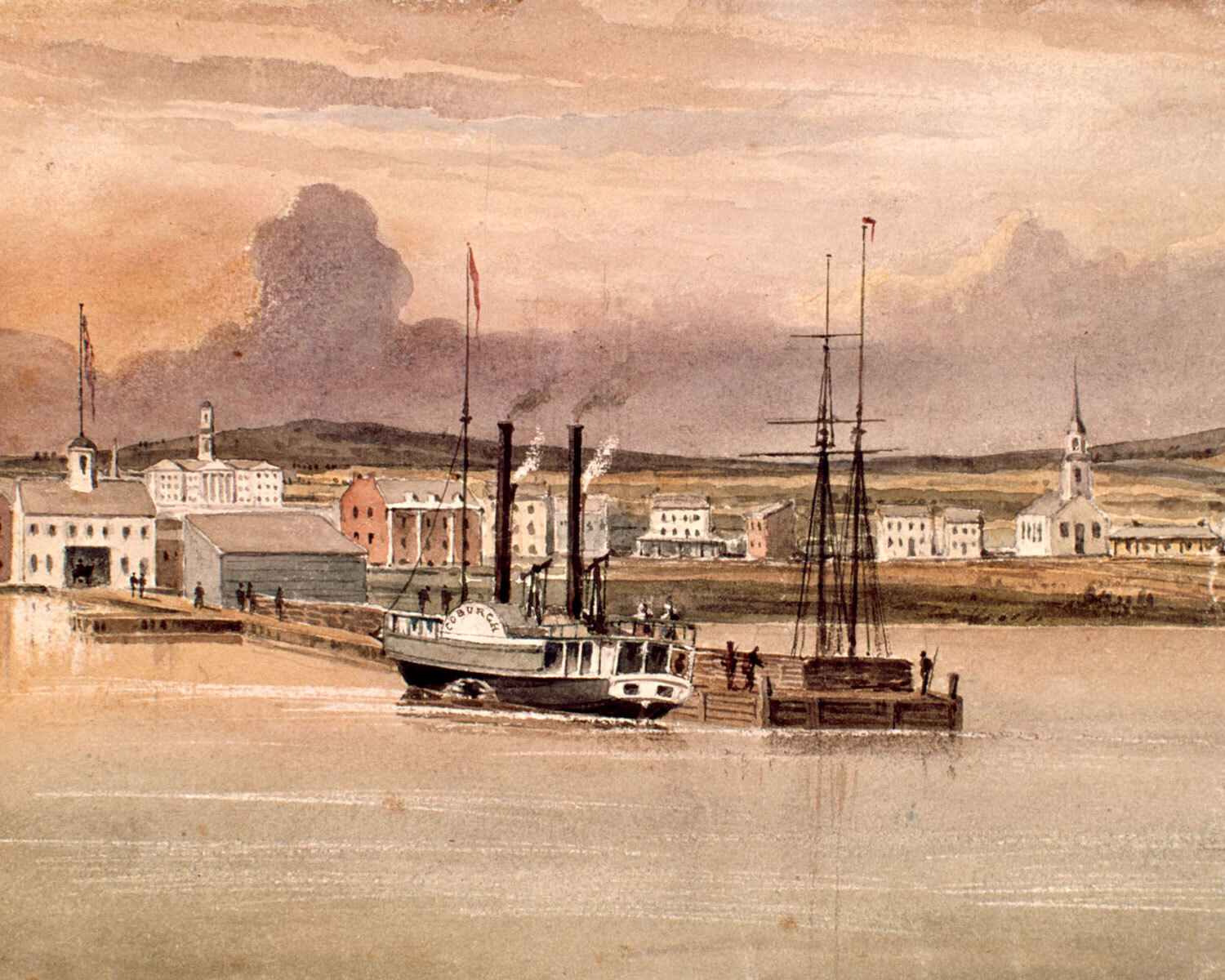
In the first years of the 19th century, mills helped to establish a settlement here. Then came the completion of Kingston Road and harbour improvements. Known originally as Hamilton, Cobourg was incorporated as a town in 1850.
Learn more
About
Plaque
Founding of Cobourg, The in Communities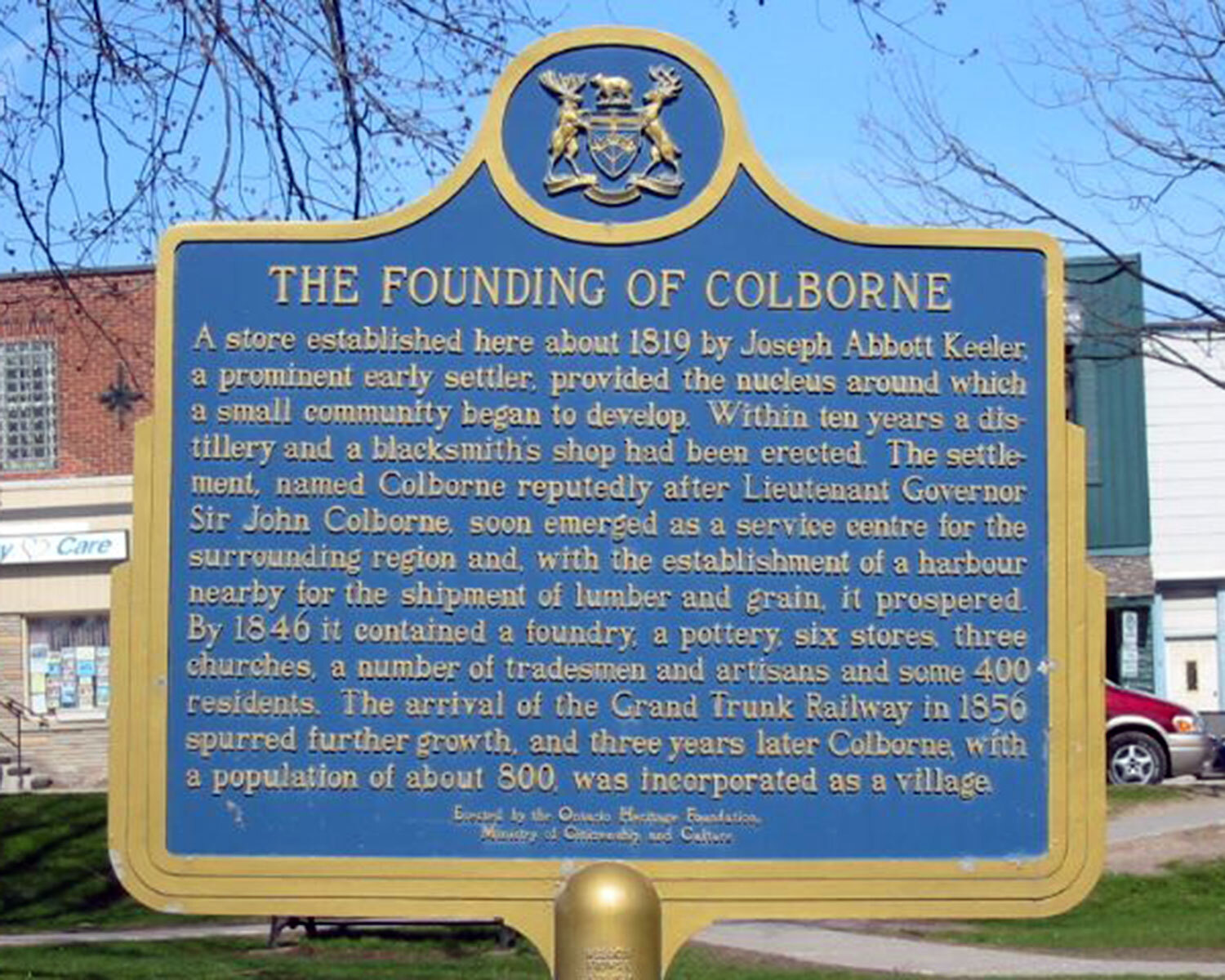
Founding of Colborne, The
A store established here around 1819 by Joseph Keeler, a prominent local merchant and early settler, provided the nucleus around which the community of Colborne began. The settlement thrived as more businesses started. The arrival of the Grand Trunk Railway in 1856 spurred further growth and, three years later, Colborne was incorporated as a village.
Learn more
About
Plaque
Founding of Colborne, The in Communities
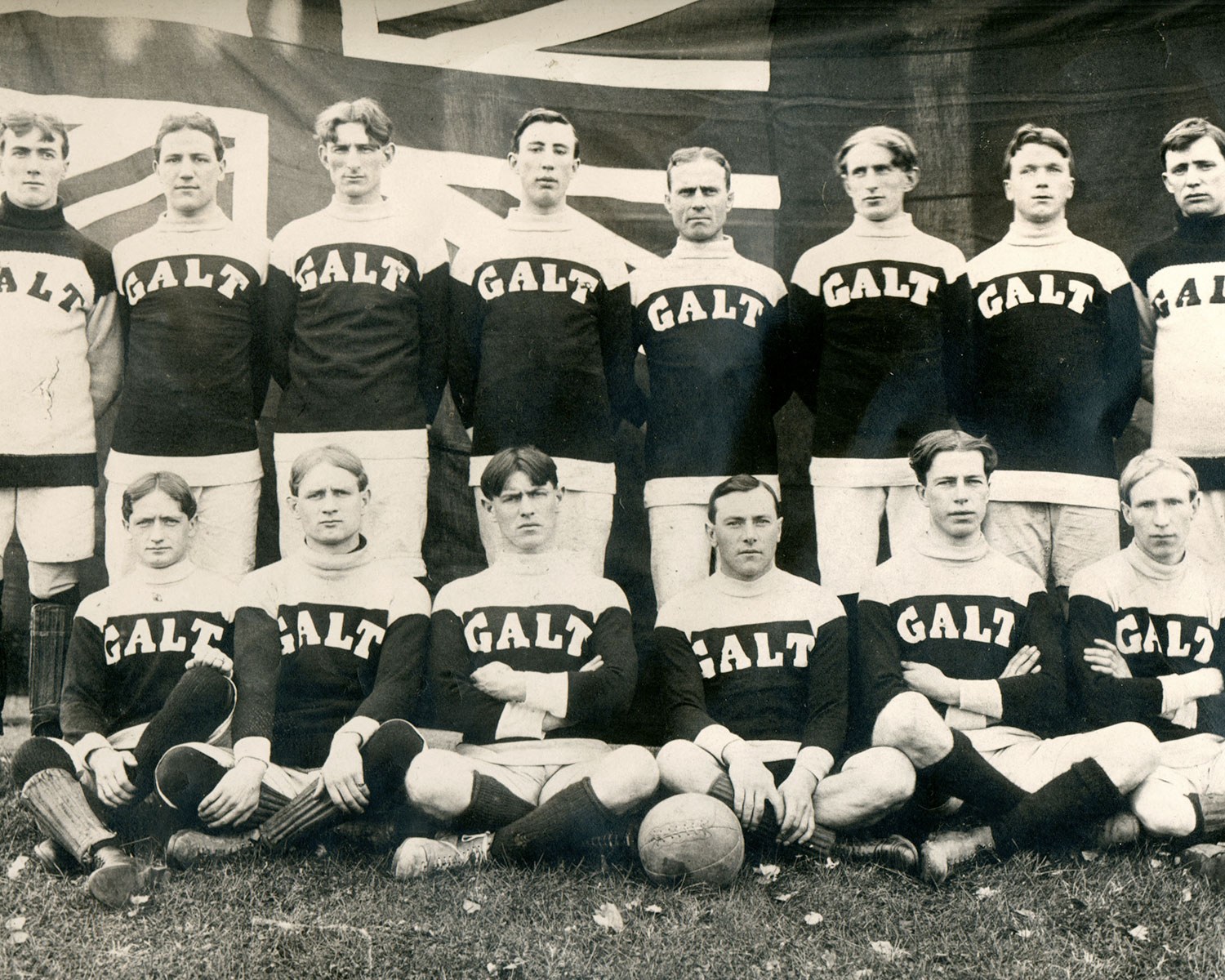
Galt Football Club
Galt Football Club was founded in 1880 with players drawn from Galt Collegiate Institute and the town ...
Learn more
About
Plaque
Galt Football Club in Communities
Loyalist Landing at Cataraqui 1784, The
After the end of the American Revolution, loyalist refugees came to Canada. One group came from New York State and landed near here at Cataraqui, now known as Kingston.
Learn more
About
Plaque
Loyalist Landing at Cataraqui 1784, The in Communities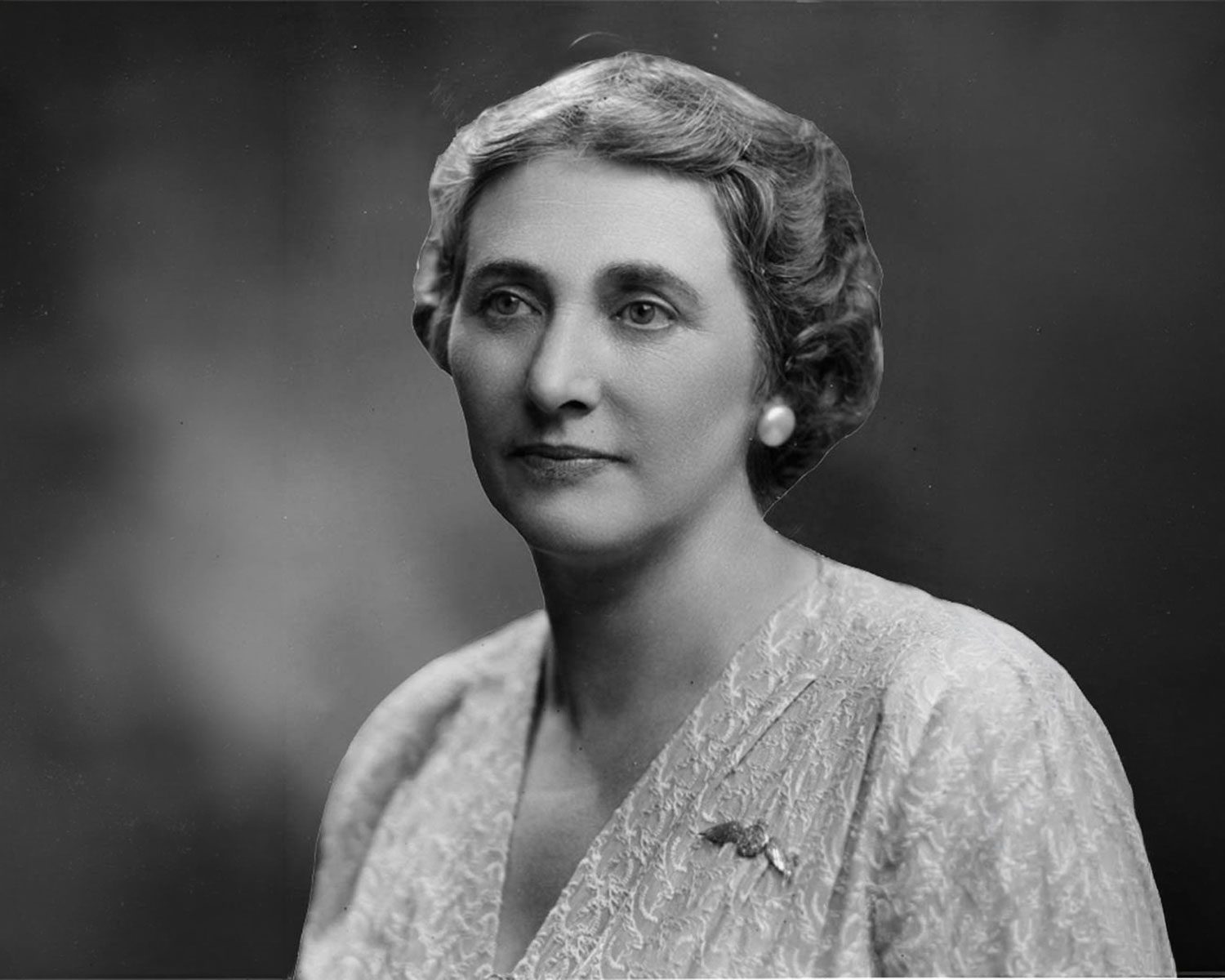
Margarette Rae Morrison Luckock 1893-1972
Raised in Arthur, Ontario, and commonly known as Rae Luckock, she was instrumental in transforming the social and political landscape of the province in the 1940s and 1950s. She paved the way for a more equal Ontario, expanding opportunities for women and working-class families.
Learn more
About
Plaque
Margarette Rae Morrison Luckock 1893-1972 in Communities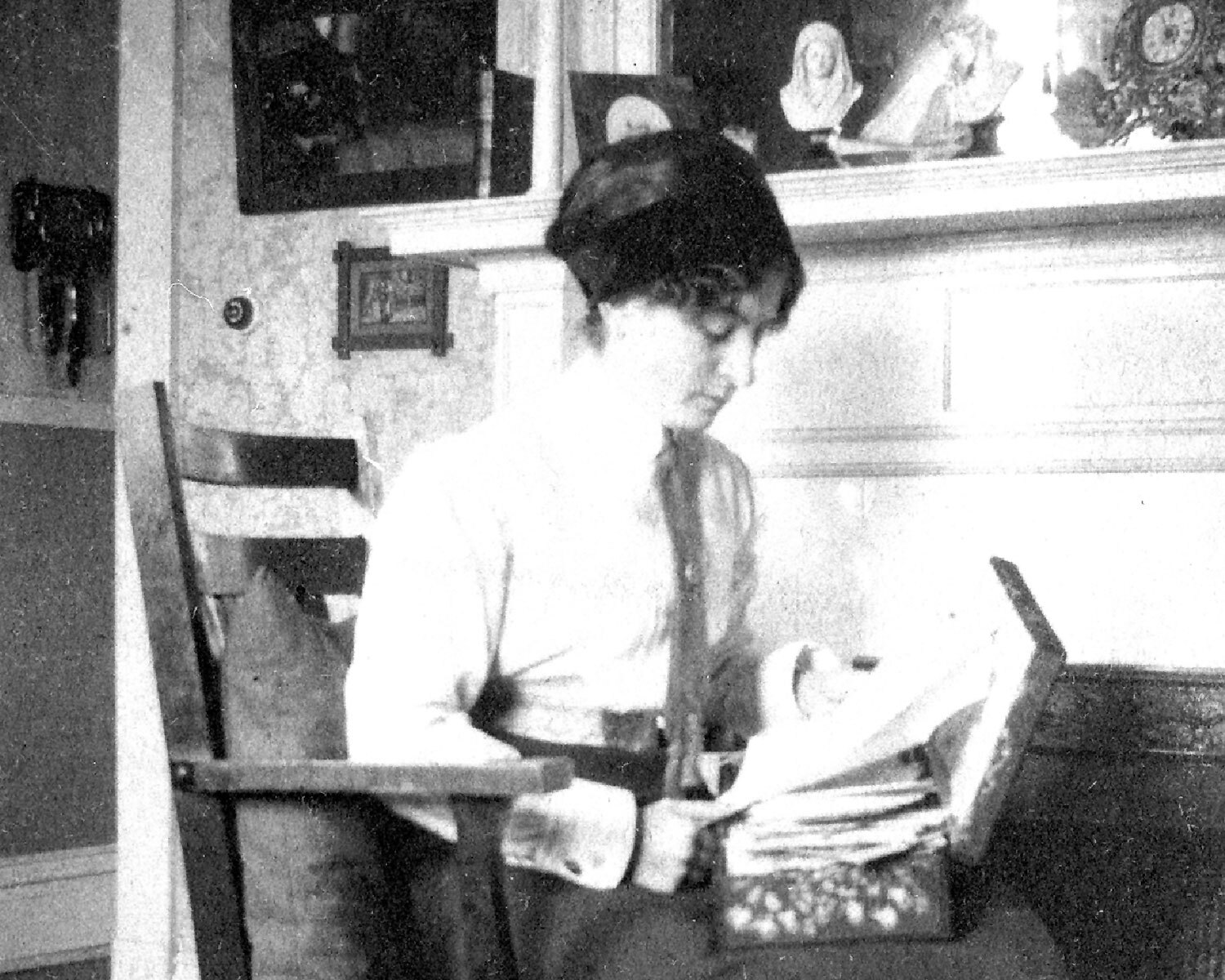
Marie-Rose Turcot 1887-1977
Turcot moved to Ottawa at the age of 20 to take a job in the civil service. Later, she became a journalist and writer, and also worked in broadcast journalism. She was active in several French-Canadian cultural organizations as well as a collector of Franco-Ontarian folk tales.
Learn more
About
Plaque
Marie-Rose Turcot 1887-1977 in Communities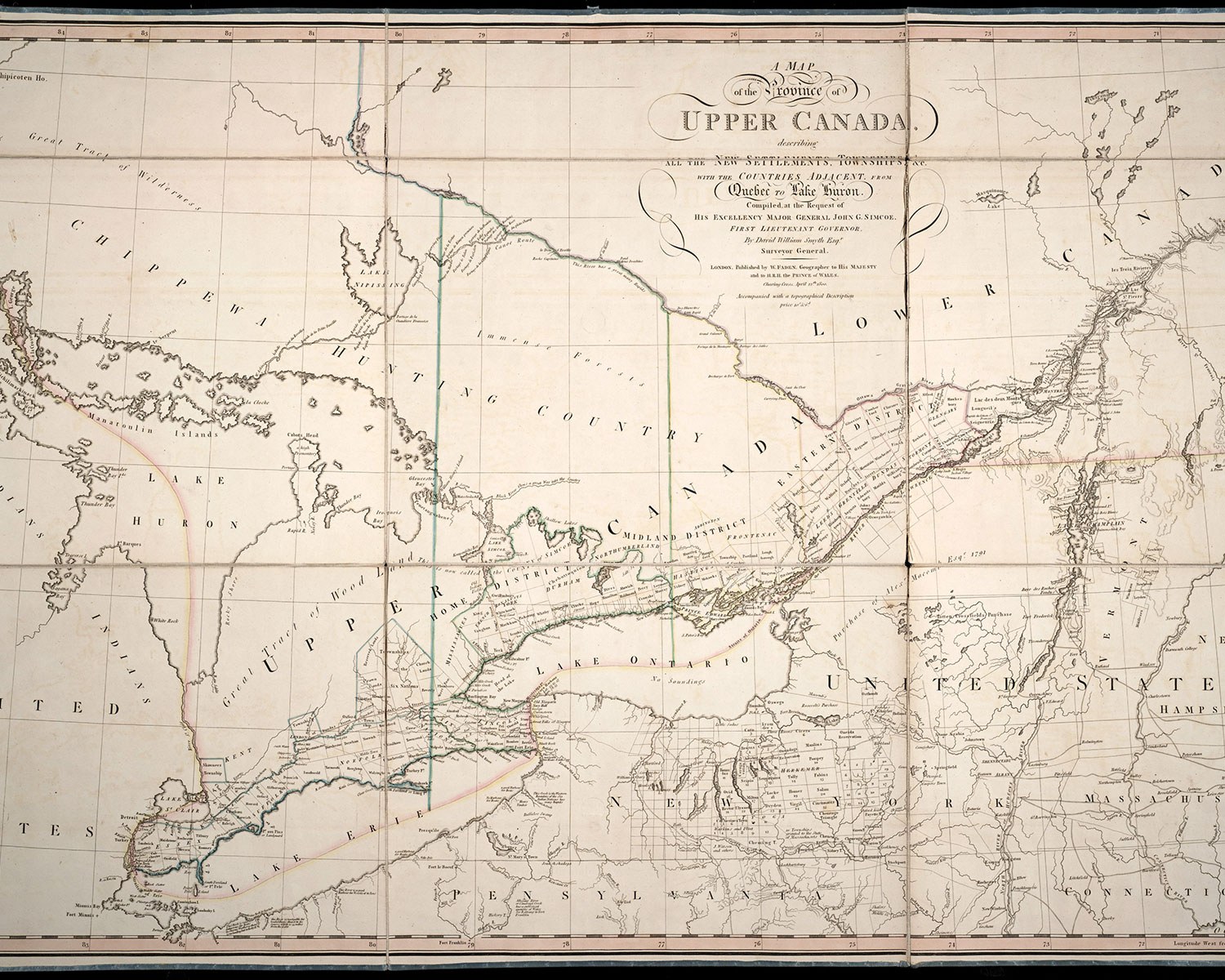
Milestones in Ontario’s history
Ontario’s history is made up of countless little stories passed down through many generations of people. Over time, Ontario has become more prosperous, innovative and equitable, but change has not been linear or universal to all people.
Learn more
About
online exhibit
Milestones in Ontario’s history in Communities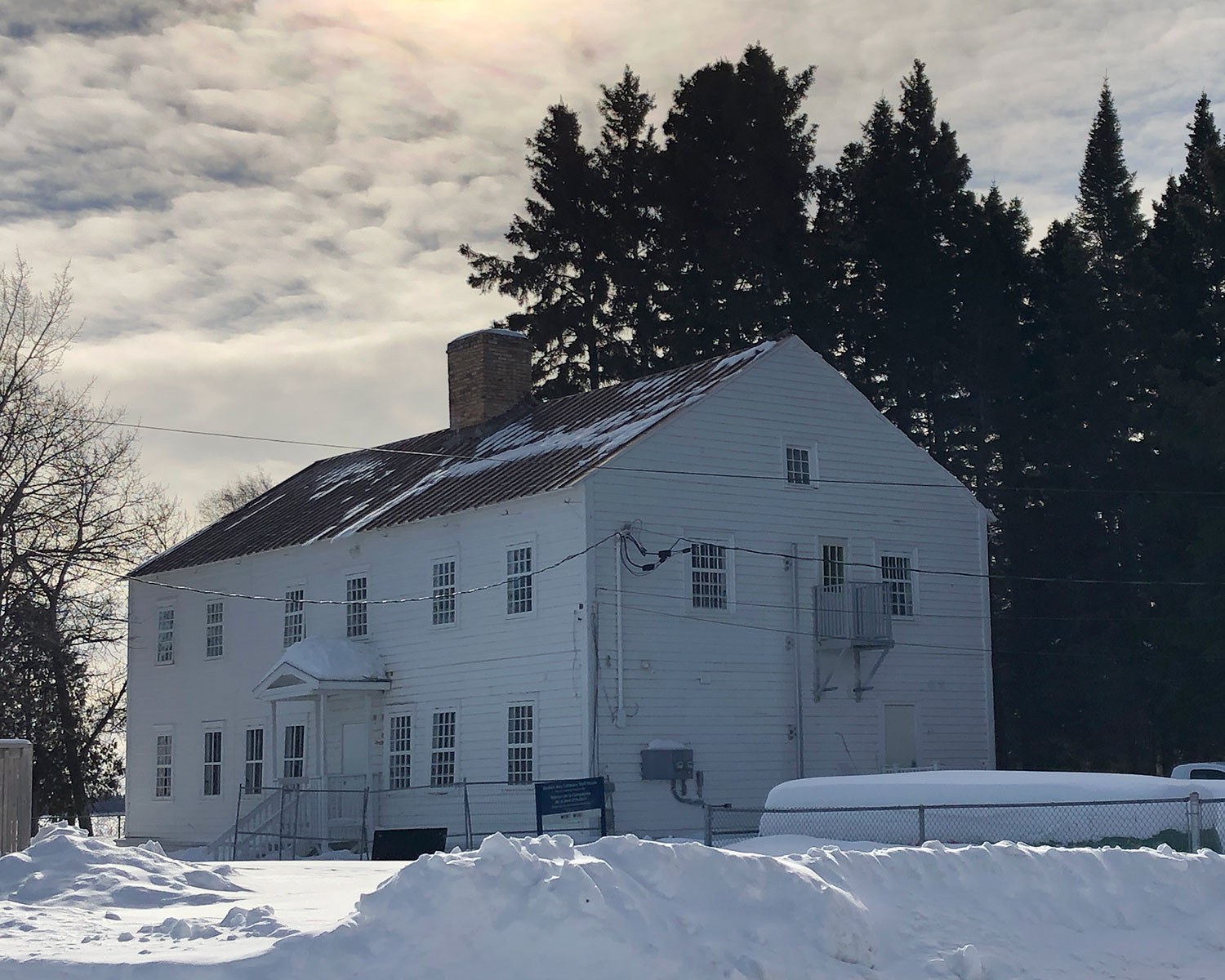
Moose Factory — Môsonîwi-Miništik
Learn more About Plaque Moose Factory — Môsonîwi-Miništik in Communities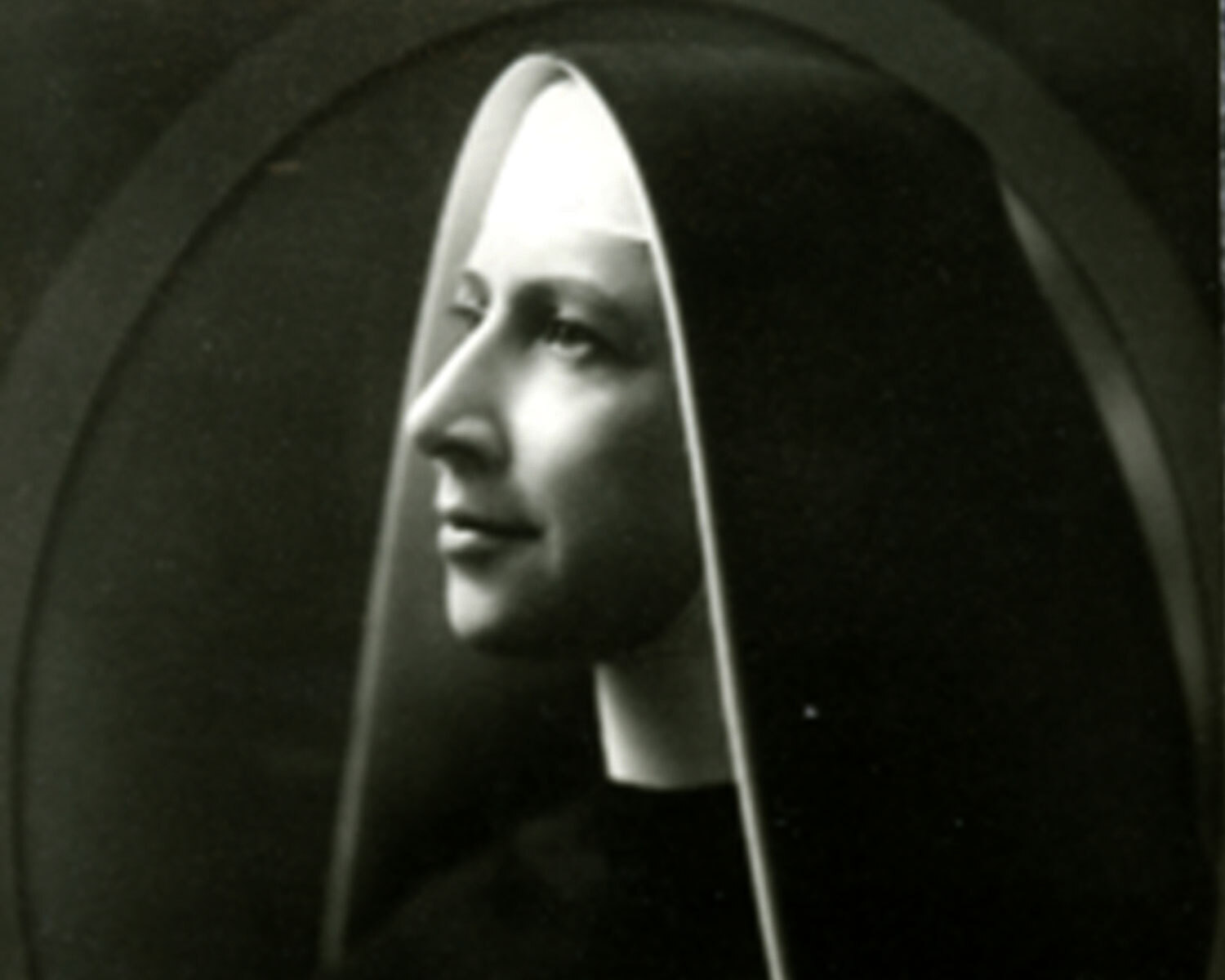
Mother Marie Thomas d’Aquin 1877-1963
Originally from near Bordeaux, France, Jeanne Branda felt a calling to become a nun and a teacher. In 1899, she joined the Dominican Sisters of Nancy, where she took on the name Sister Marie Thomas d’Aquin. She moved to the United States and then, while visiting Ottawa in 1914, agreed to head the Jeanne d’Arc Institute.
Learn more
About
Plaque
Mother Marie Thomas d’Aquin 1877-1963 in Communities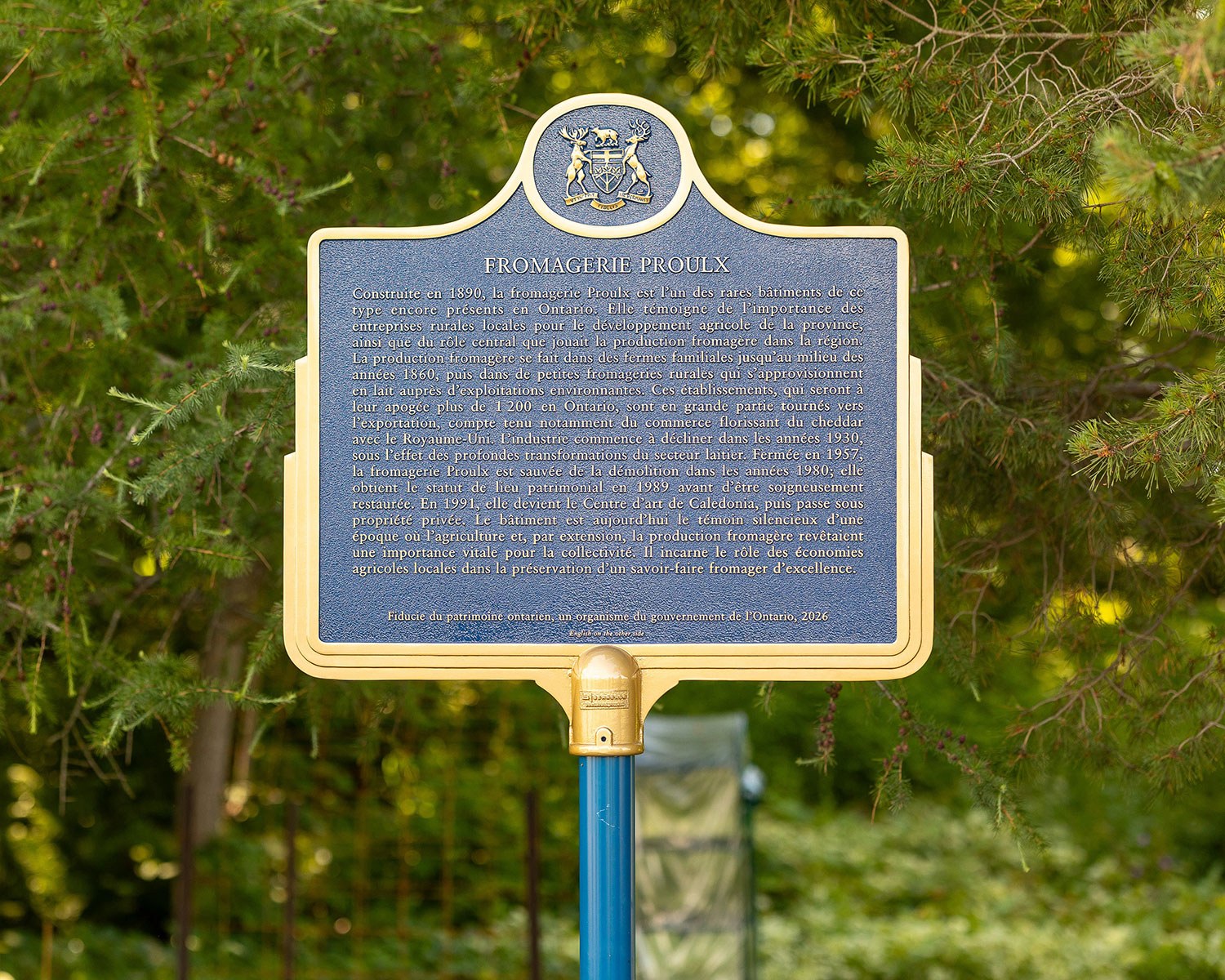
Proulx Cheese Factory
Built in 1890, the Proulx Cheese Factory is one of the few remaining buildings of its kind in Ontario. It reflects the importance of locally run rural enterprises to the province’s agricultural development and the central role that cheesemaking had in the region ...
Learn more
About
Plaque
Proulx Cheese Factory in Communities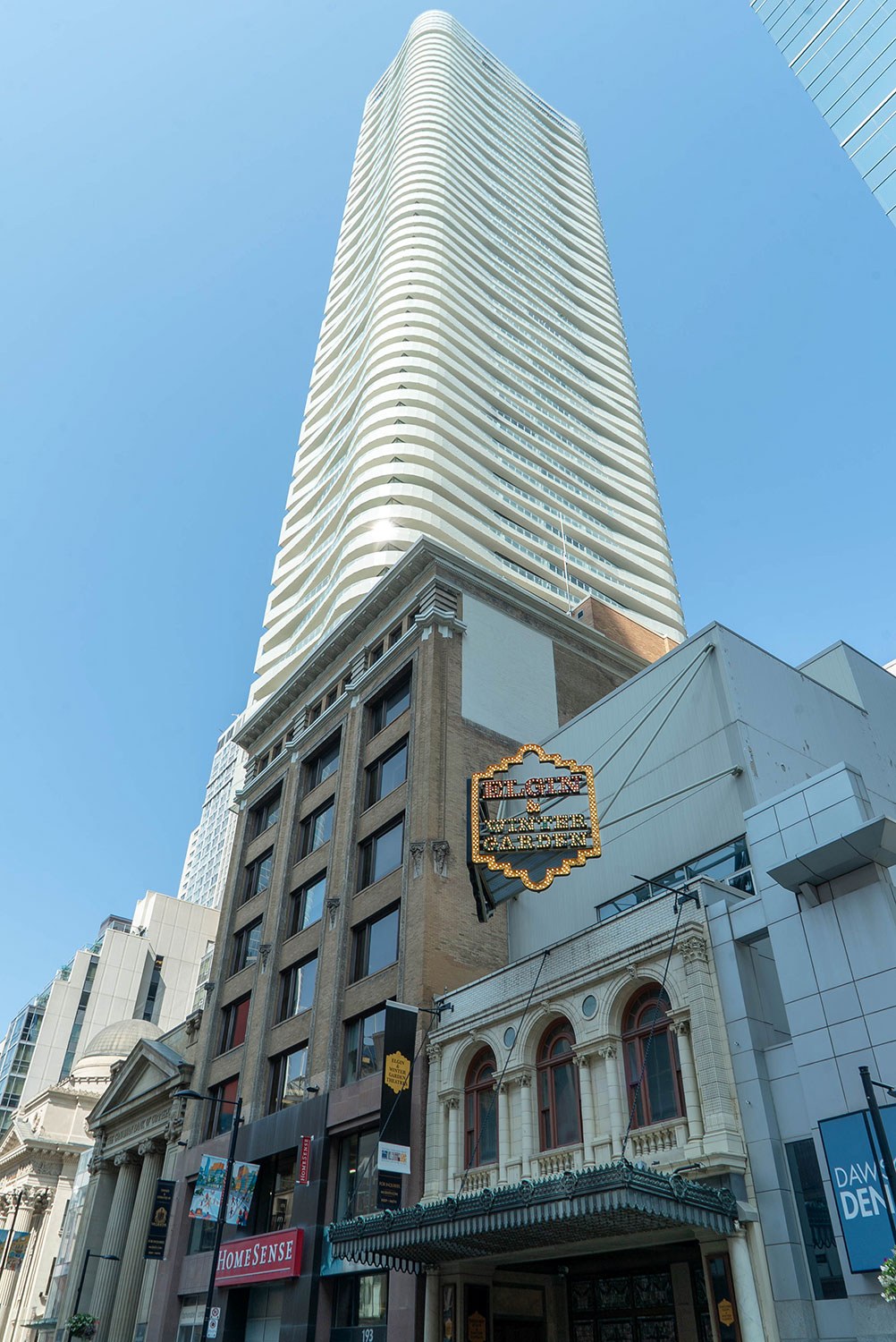
The complexity of collaboration
Learn more About article The complexity of collaboration in Communities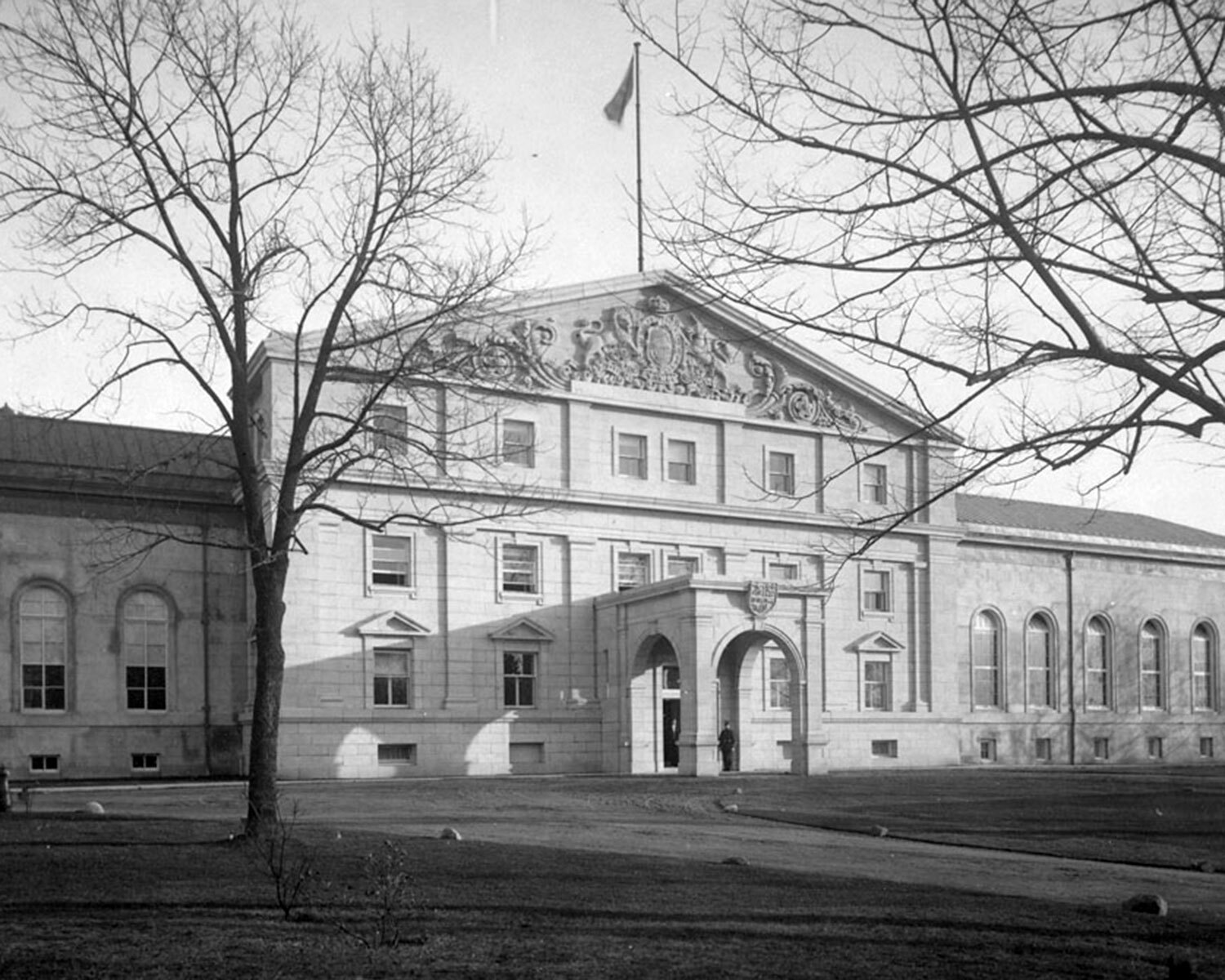
Thomas McKay 1792-1855
This Scottish-born master mason came to Ottawa to work on the entrance locks of the Rideau Canal and the first bridge that spanned the Ottawa River to connect Ottawa and Hull (now Gatineau). McKay built his residence, Rideau Hall, in 1838 — which was purchased by the Government of Canada to become the official residence of the Governor General.
Learn more
About
Plaque
Thomas McKay 1792-1855 in Communities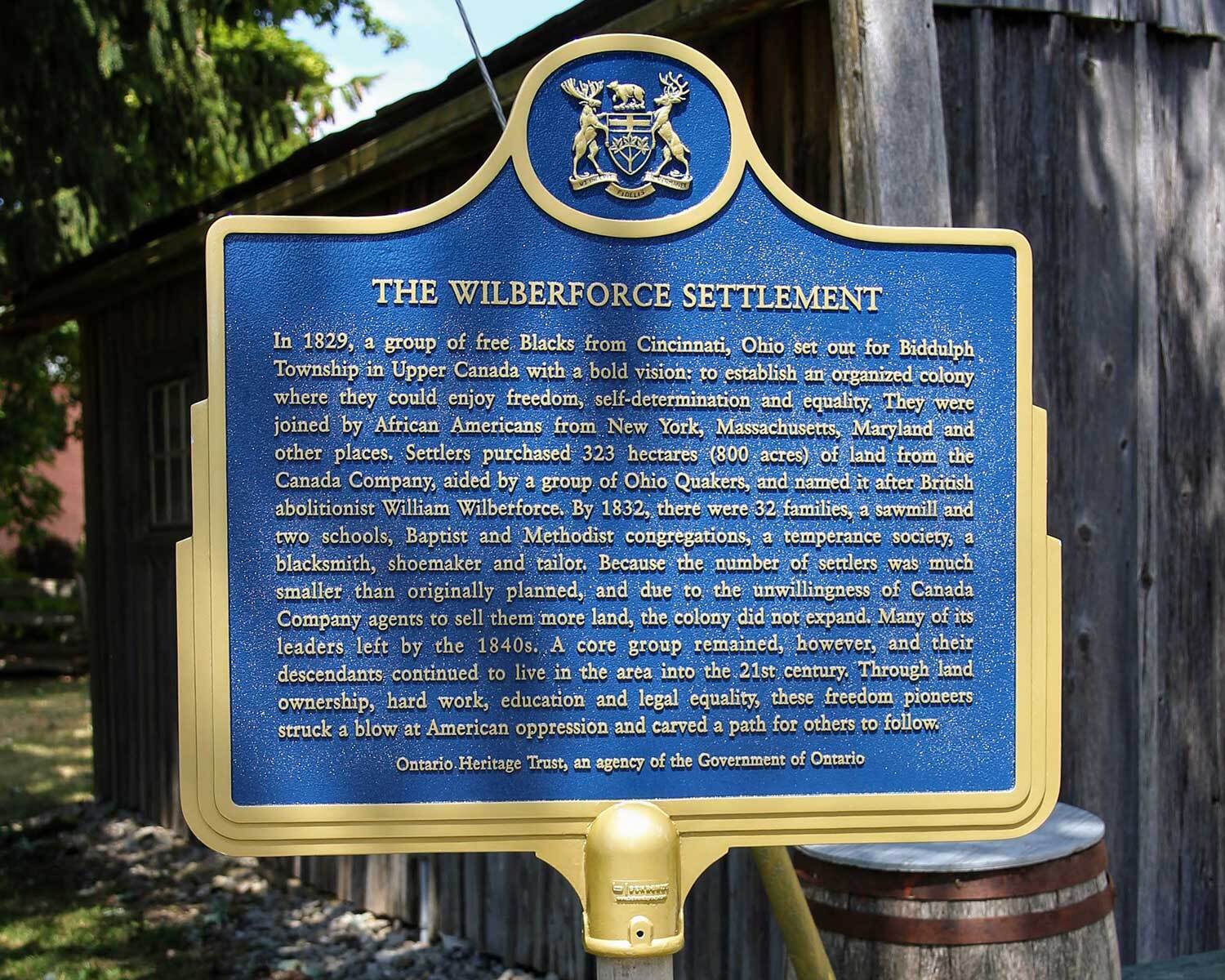
Wilberforce Settlement, The
Learn more About Plaque Wilberforce Settlement, The in Communities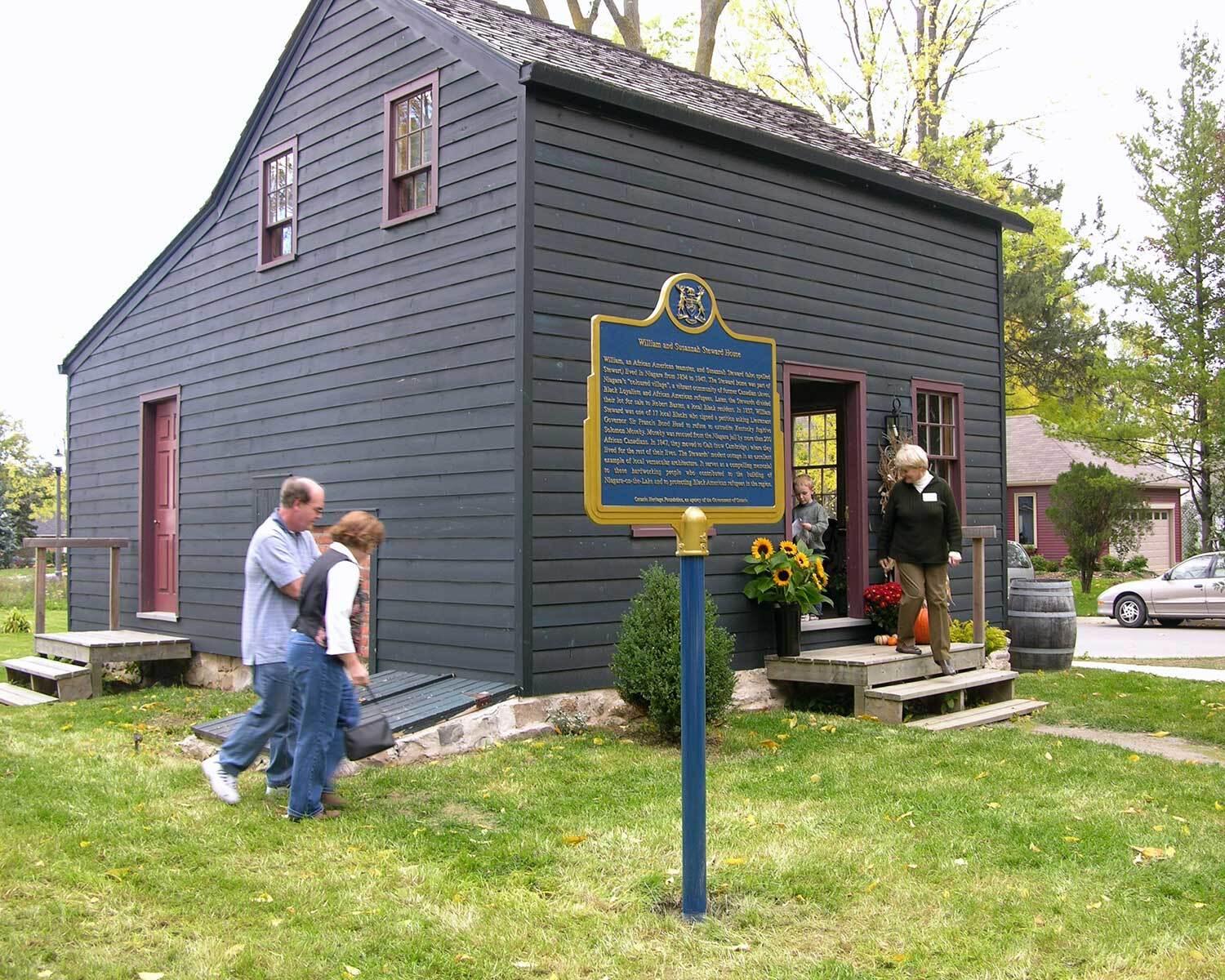
William and Susannah Steward House
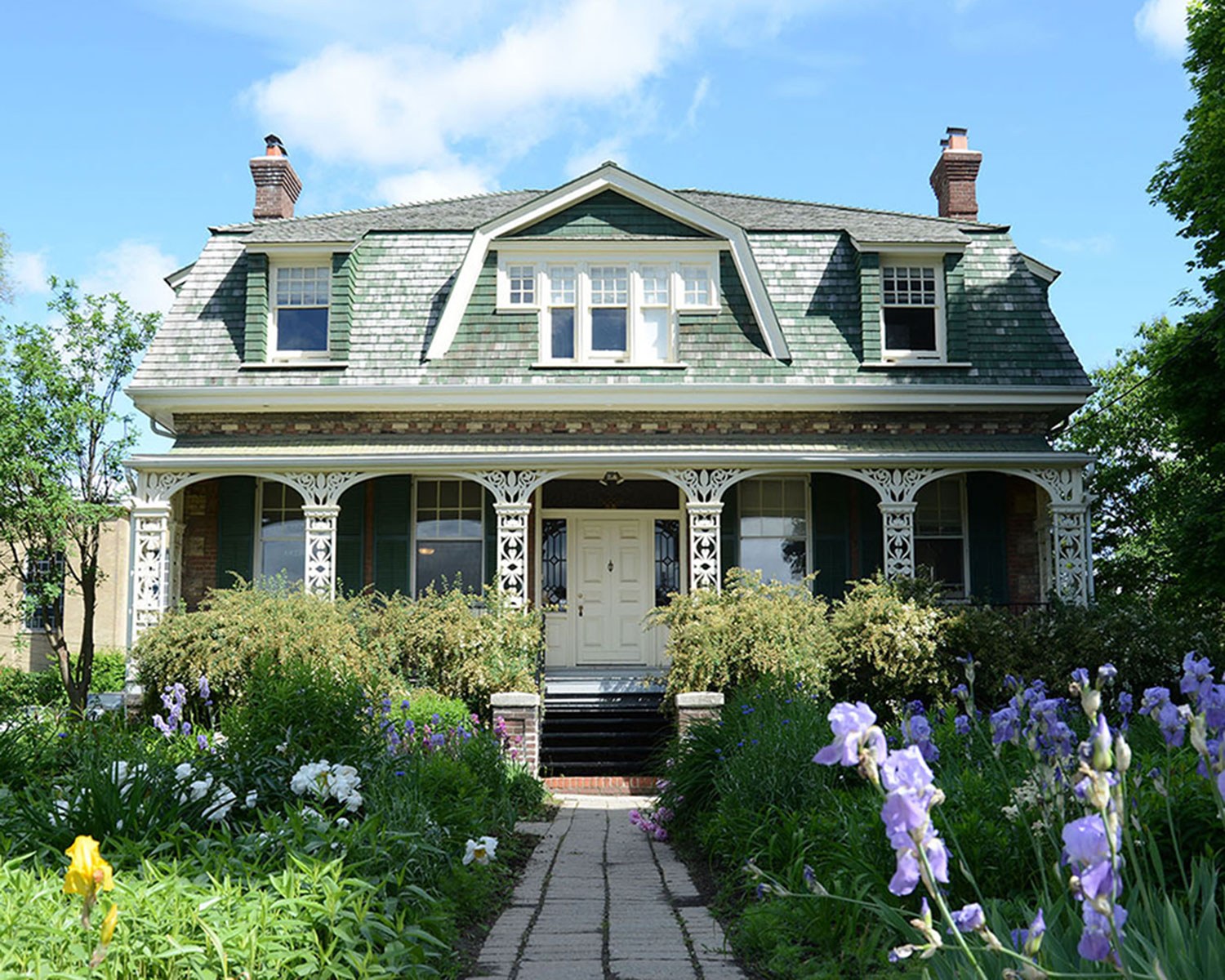
Learn more About Plaque William and Susannah Steward House in Communities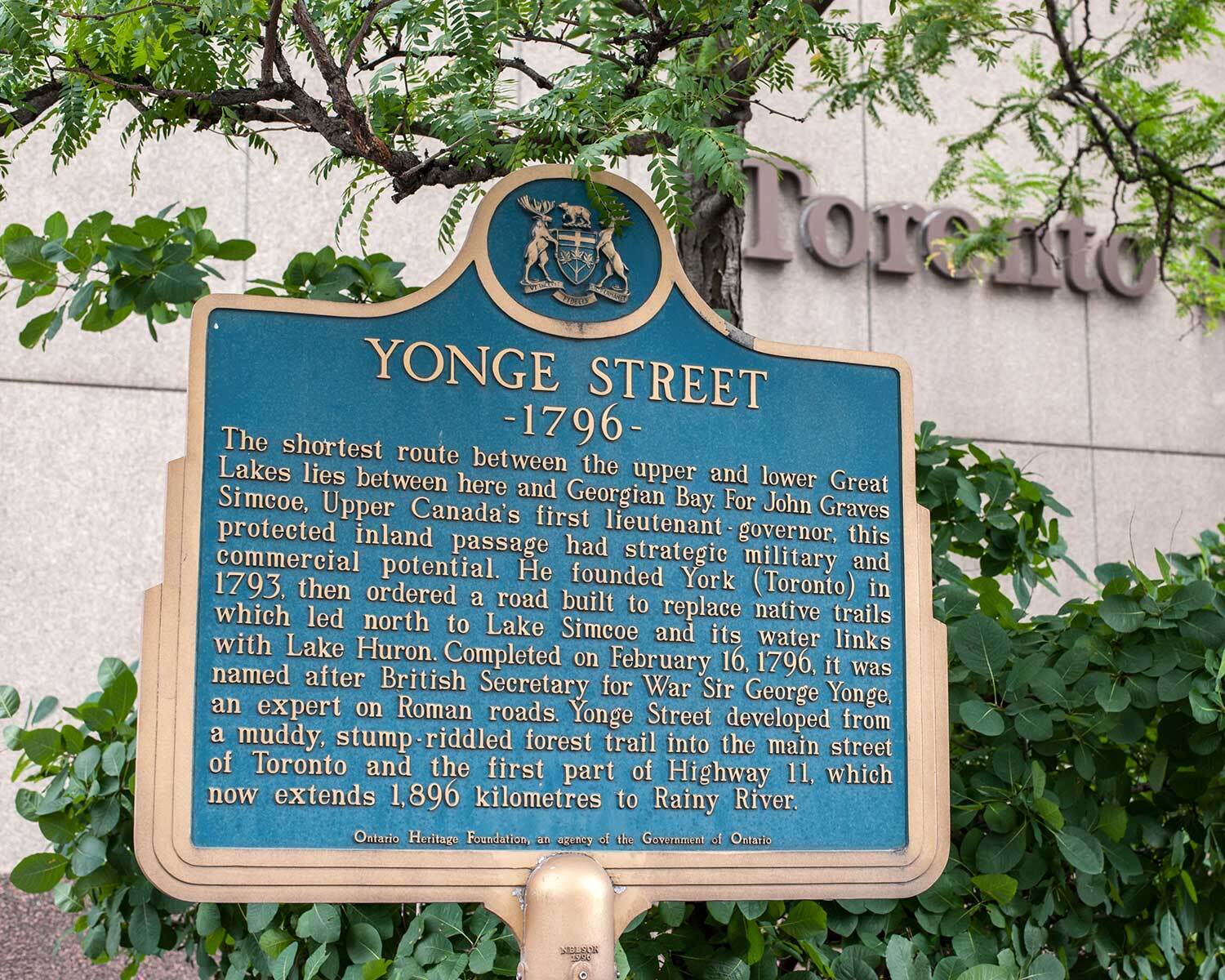
Yonge Street 1796
The longest street in the world was built by Ontario’s first lieutenant governor, John Graves Simcoe, to connect his recently founded Town of York with the naval base at Penetanguishene on Georgian Bay.
Learn more
About
Plaque
Yonge Street 1796 in Communities