


Layer by layer — 1. Introduction
With centuries of buildup above, archaeologists were not hopeful that anything from the First Parliament buildings survived below. In 2000, they dug down, layer by layer, until they passed the remains of the jail. Then, to everyone’s surprise, they found what they were looking for: evidence of Ontario’s cradle of democracy. Two decades later, after a long break, archaeologists returned to the site of the first purpose-built parliament buildings.

This site has evolved over time to fulfill the changing needs of the city and the people who call it home. Through archaeology, we learn more about the site's history and discover the role that the First Parliament played in Toronto’s development.
These exhibits were created by Kara Annett, Laura Ludlow and Anton Strachan in partnership with the Ontario Heritage Trust and the University of Toronto. This project wouldn’t be possible without Dena Doroszenko at the Ontario Heritage Trust and Cara Krmpotich with the University of Toronto’s Master of Museum Studies program.
Ron Williamson, Patrick Hoskins, Eva MacDonald and Heather Kerr shared their knowledge and expertise in their video interviews. They provided valuable first-person insights into the history and process behind the First Parliament archaeological excavations.
The Trust acknowledges the valuable partnership with Metrolinx, Stantec Inc., Archaeological Services Inc. and Cleansheet Productions for their support and services related to the archaeology and these virtual exhibits.
Land acknowledgement
Credits:
The Ontario Heritage Trust has a provincewide mandate to conserve, interpret and share Ontario’s heritage. As part of its role, the Trust acquired and held in trust a portion of the First Parliament archaeological site. The Trust also holds the archaeological collections from the 2000 and 2011 investigations by Archaeological Services Inc. When this property moved to Metrolinx to support the Ontario Line project — including future transit-oriented community development at the area of the First Parliament site — additional archaeology took place between 2022 and 2024, which was led by Stantec Inc., and additional archaeological consulting firms for Metrolinx. The Trust participated in developing these online interpretive exhibits as well as assisting Metrolinx with the Interpretation and Commemoration Plan for the new station design, incorporating archaeology and the history of the area.




You might also be interested in
Check out these other exhibits on the First Parliament Site
Layer by layer — 2. First Parliament throughout the ages
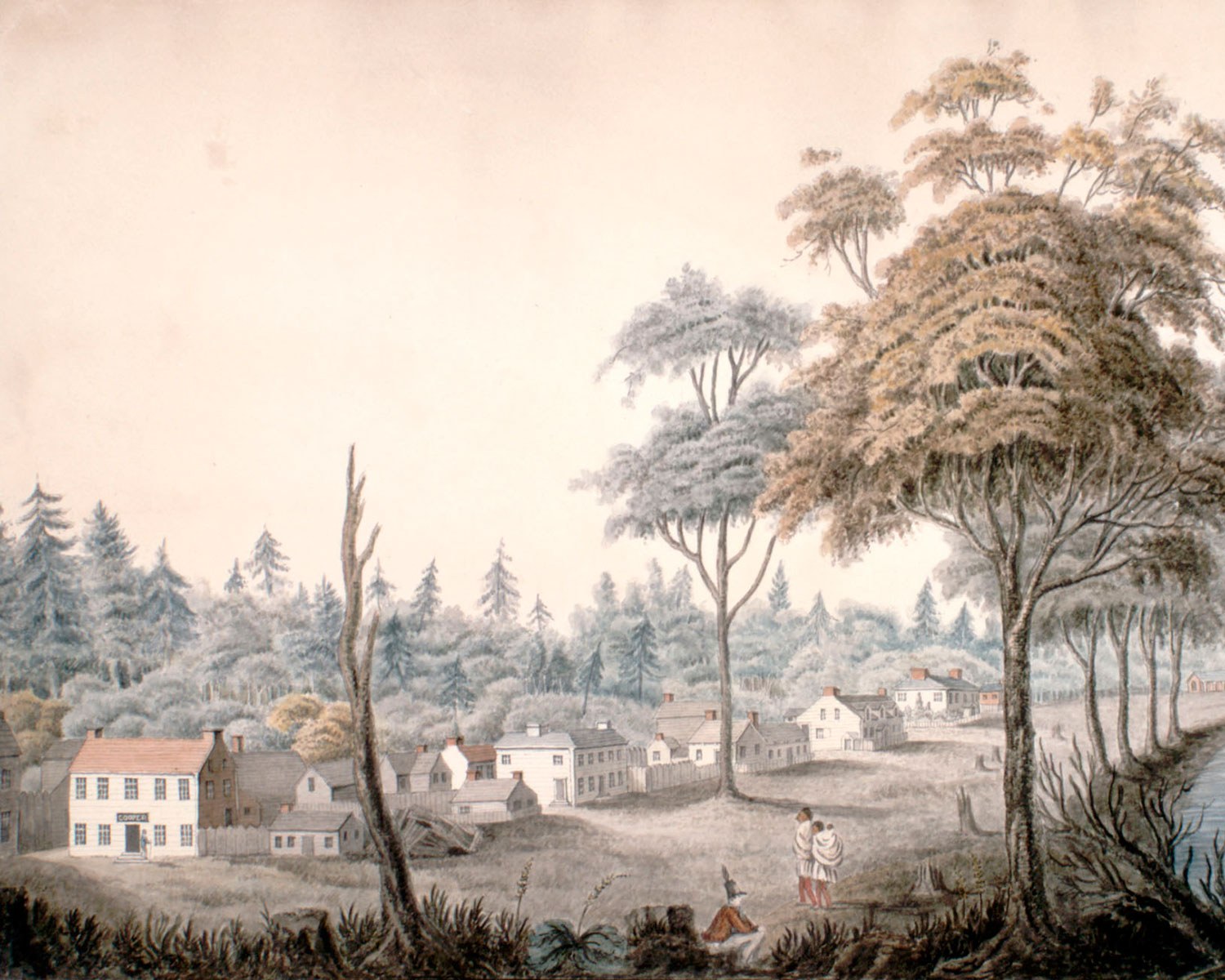
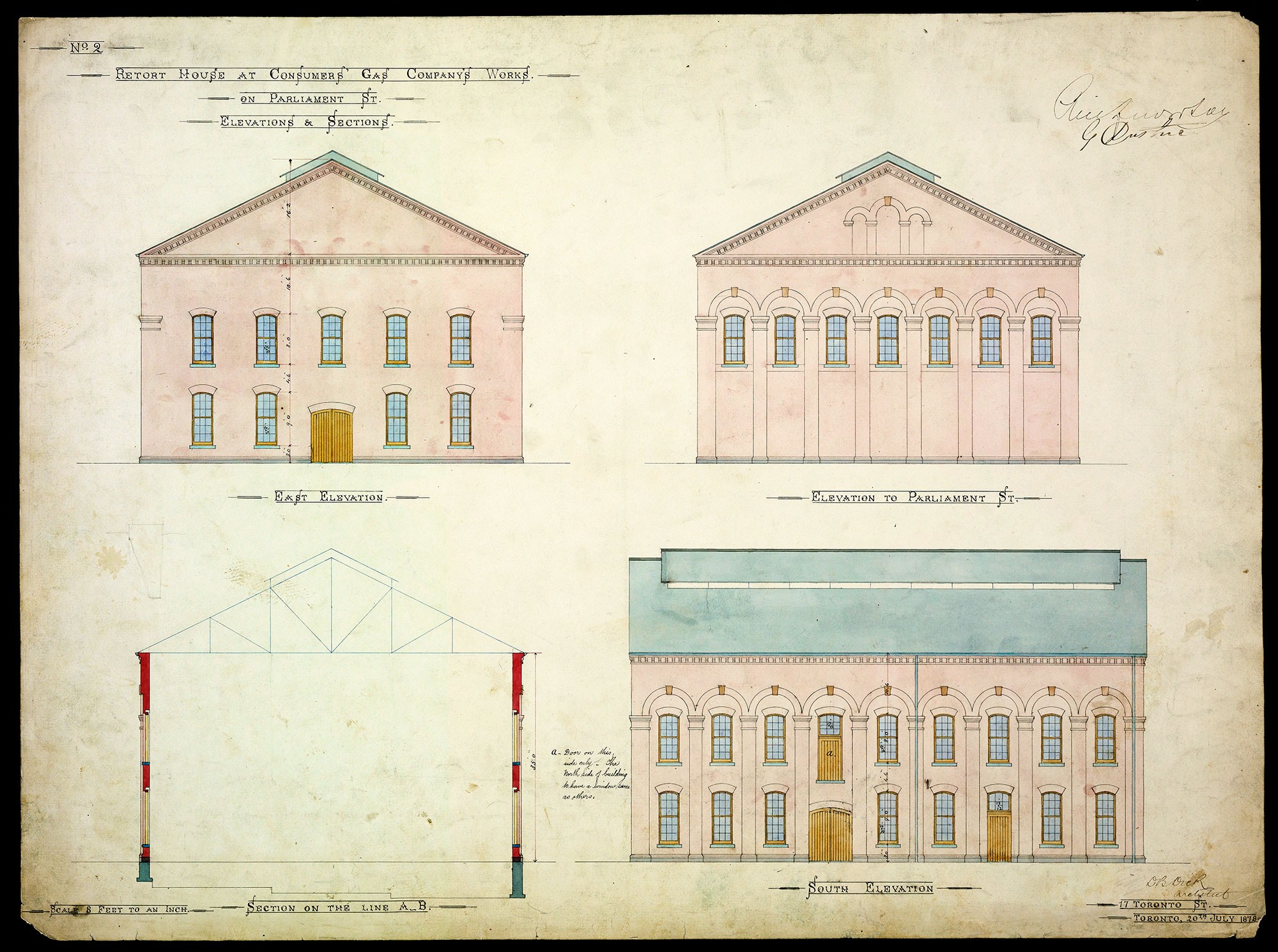
Indigenous people have lived on this land for over 13,000 years. Today, this land continues to be home to these communities and many other diverse Indigenous Peoples.
Visit Layer by layer — 2. First Parliament throughout the agesLayer by layer — 3. Layers of history
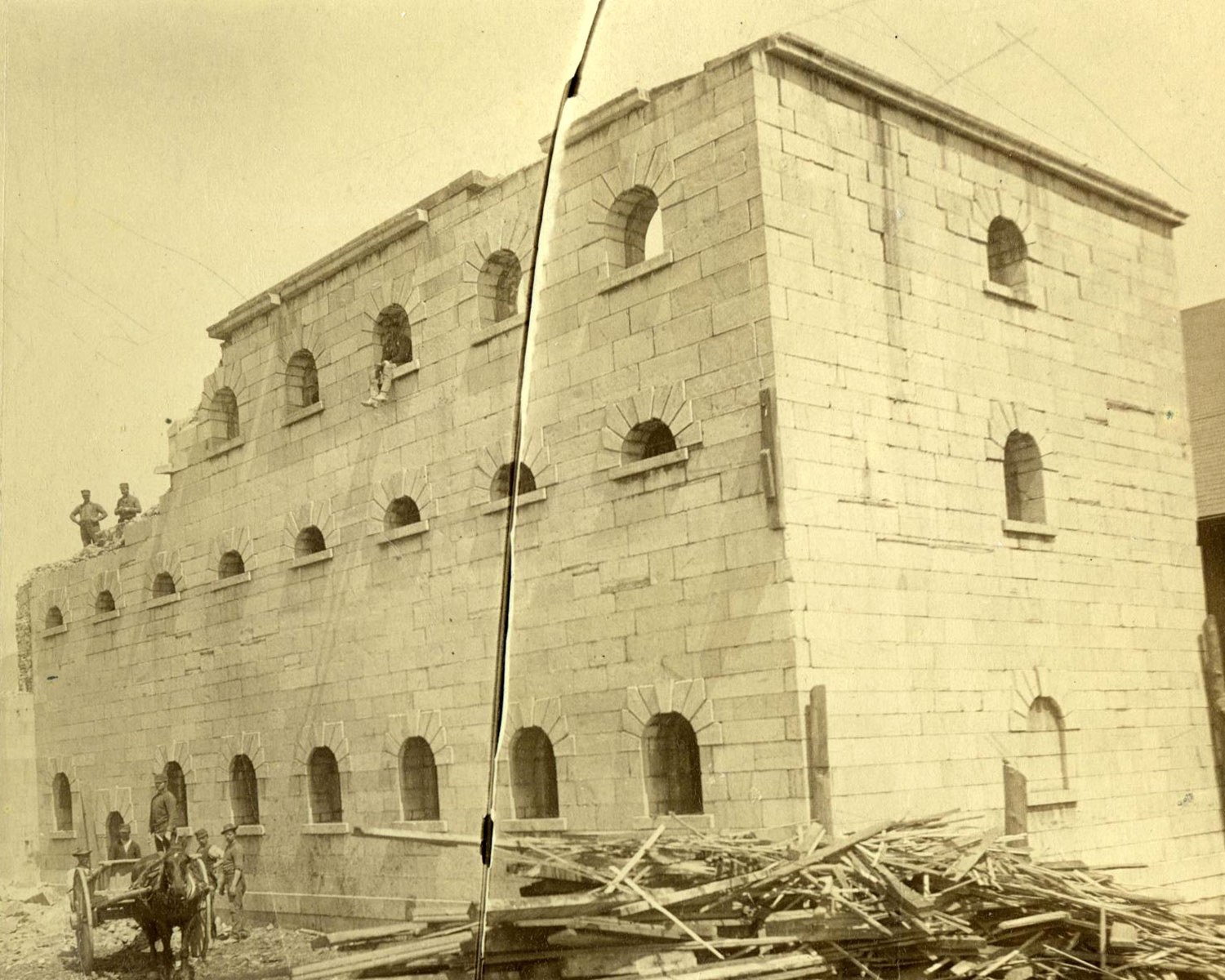
Archaeologists began their excavations at the First Parliament site in the fall of 2000. The project was focused on finding the remains of the First Parliament buildings. In the 200 years since the buildings were constructed, the city has changed dramatically. With centuries of urban buildup, the archaeologists were not sure there would be anything left.
Visit Layer by layer — 3. Layers of historyLayer by layer — 4. What is archaeology?
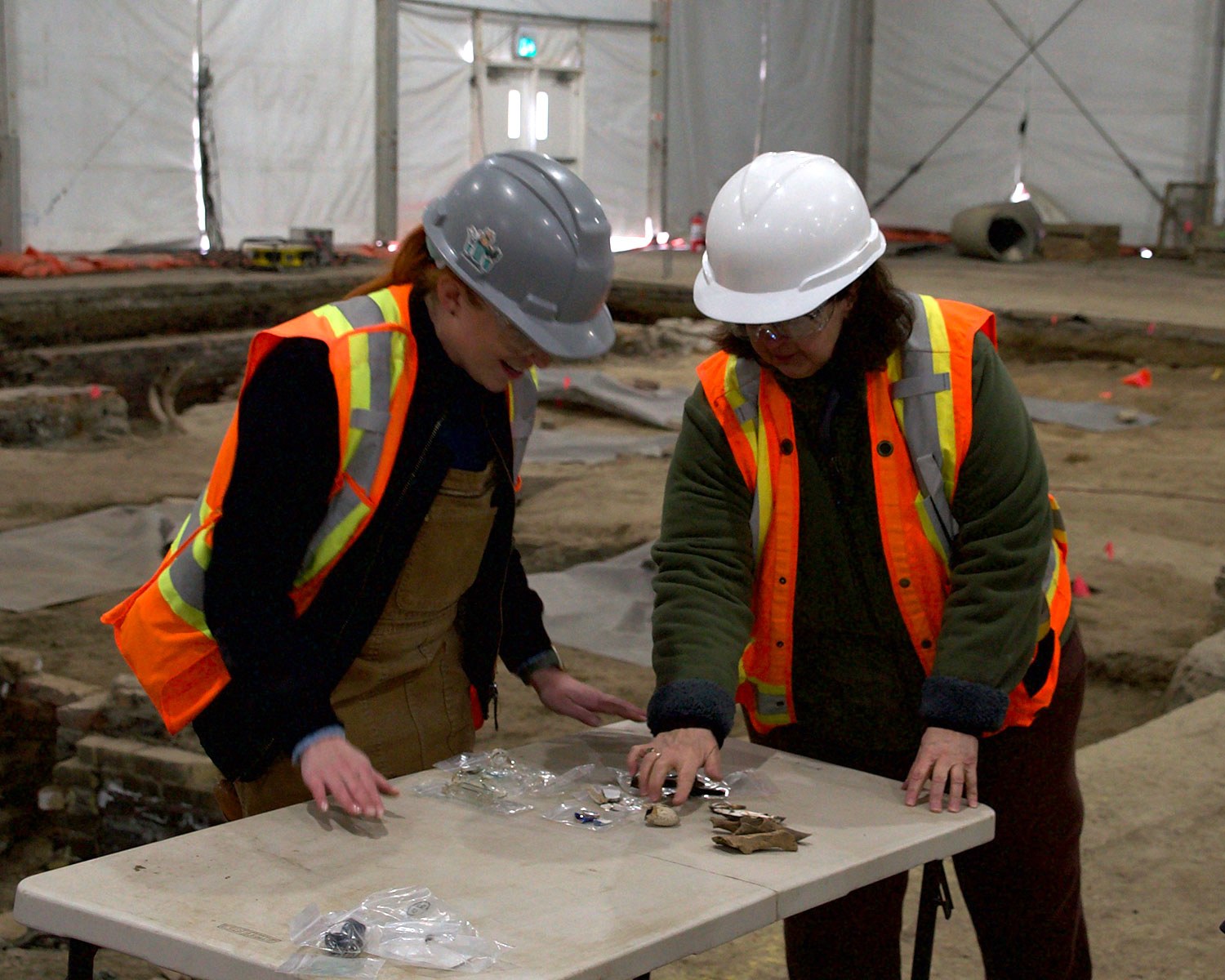
Artifacts and structures together form the physical history of past and present societies. By examining it all, we can better understand where and how people from the past lived. Excavations can tell us many things that books and records simply cannot.
Visit Layer by layer — 4. What is archaeology?Layer by layer — 5. Learning from artifacts
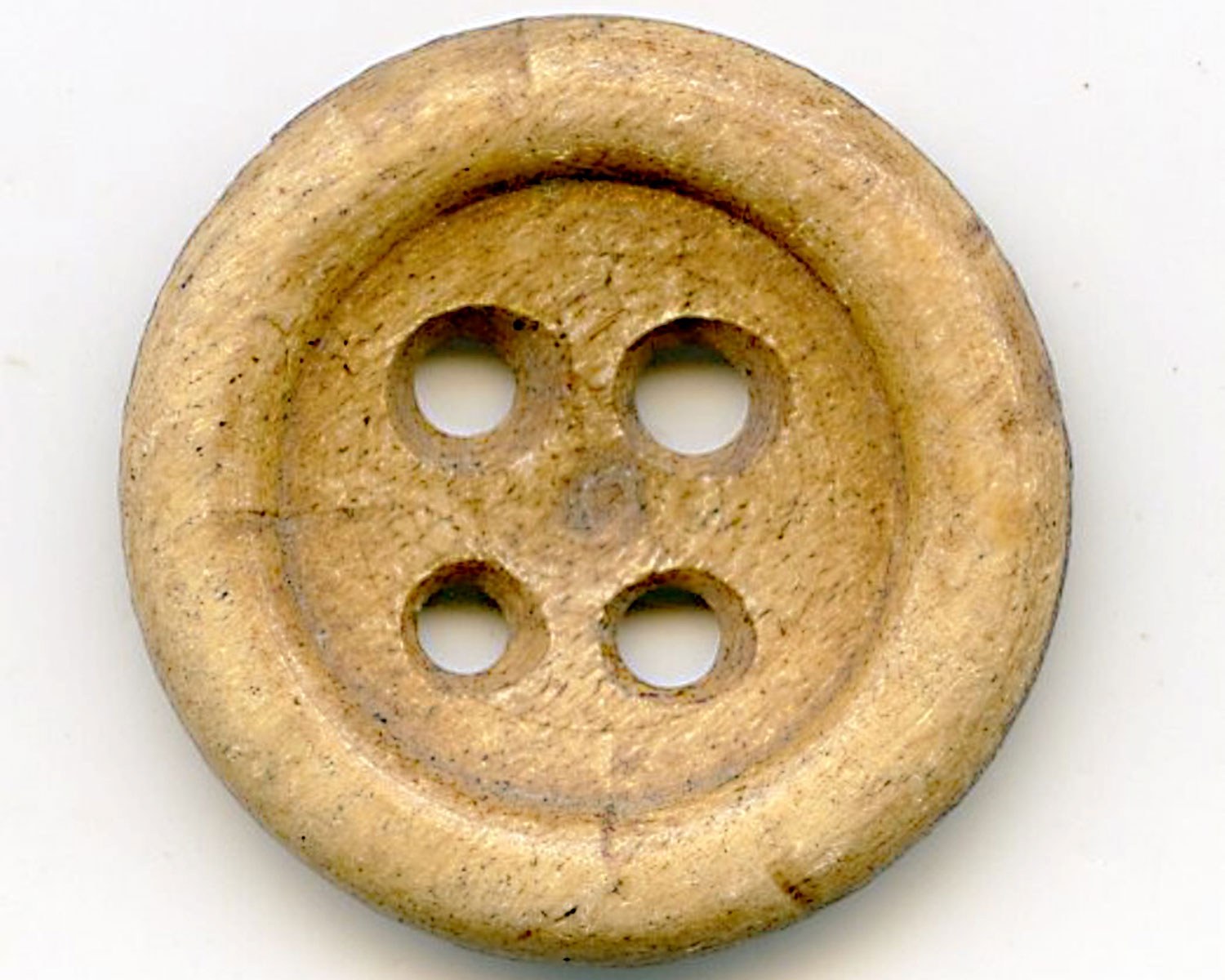
One of the most exciting parts of working on an excavation site is uncovering artifacts. Archaeologists rarely find objects intact. But even fragments of the past can be thrilling discoveries. The smallest sherds can tell us a lot about how people used the site and give us a glimpse into their lives.
Visit Layer by layer — 5. Learning from artifactsLayer by layer — 6. The legacy of First Parliament
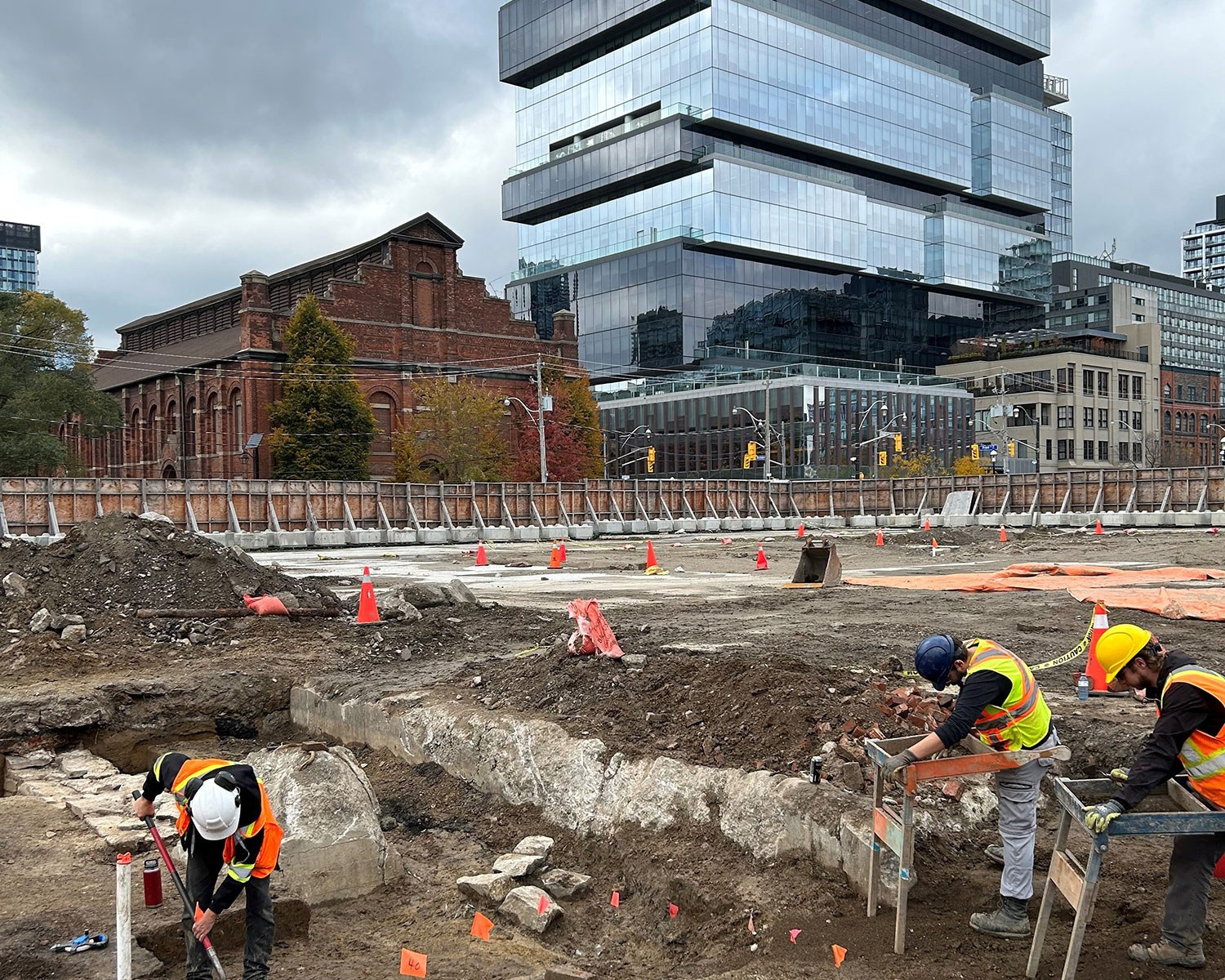
The site of First Parliament played an important role in the history of Toronto and the province of Ontario. Fort York and First Parliament bookend the early city. These were the first two centres of colonial activity: military and administrative. It was a key part of the settlement’s foundation, establishing York as a political centre.
Visit Layer by layer — 6. The legacy of First Parliament