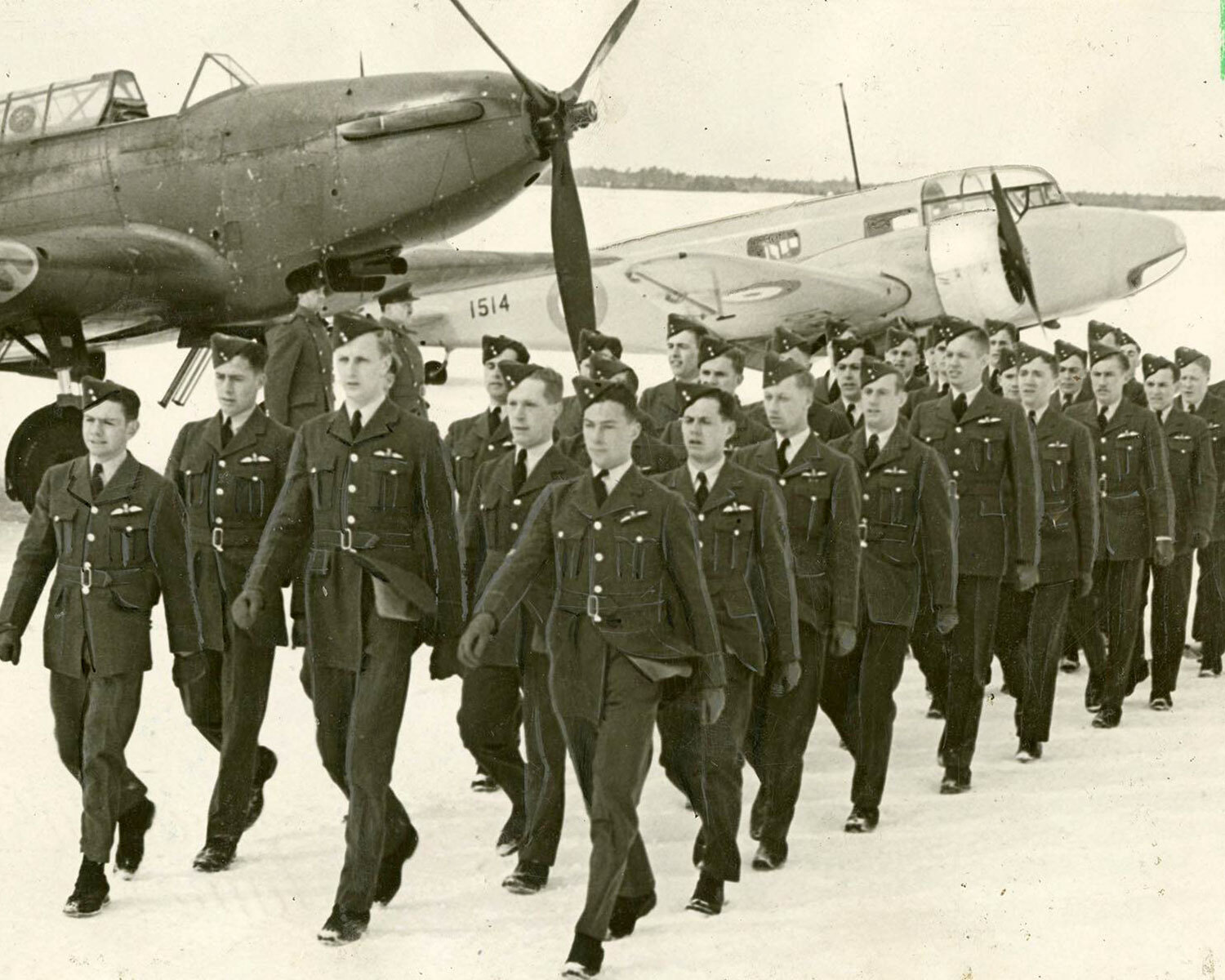
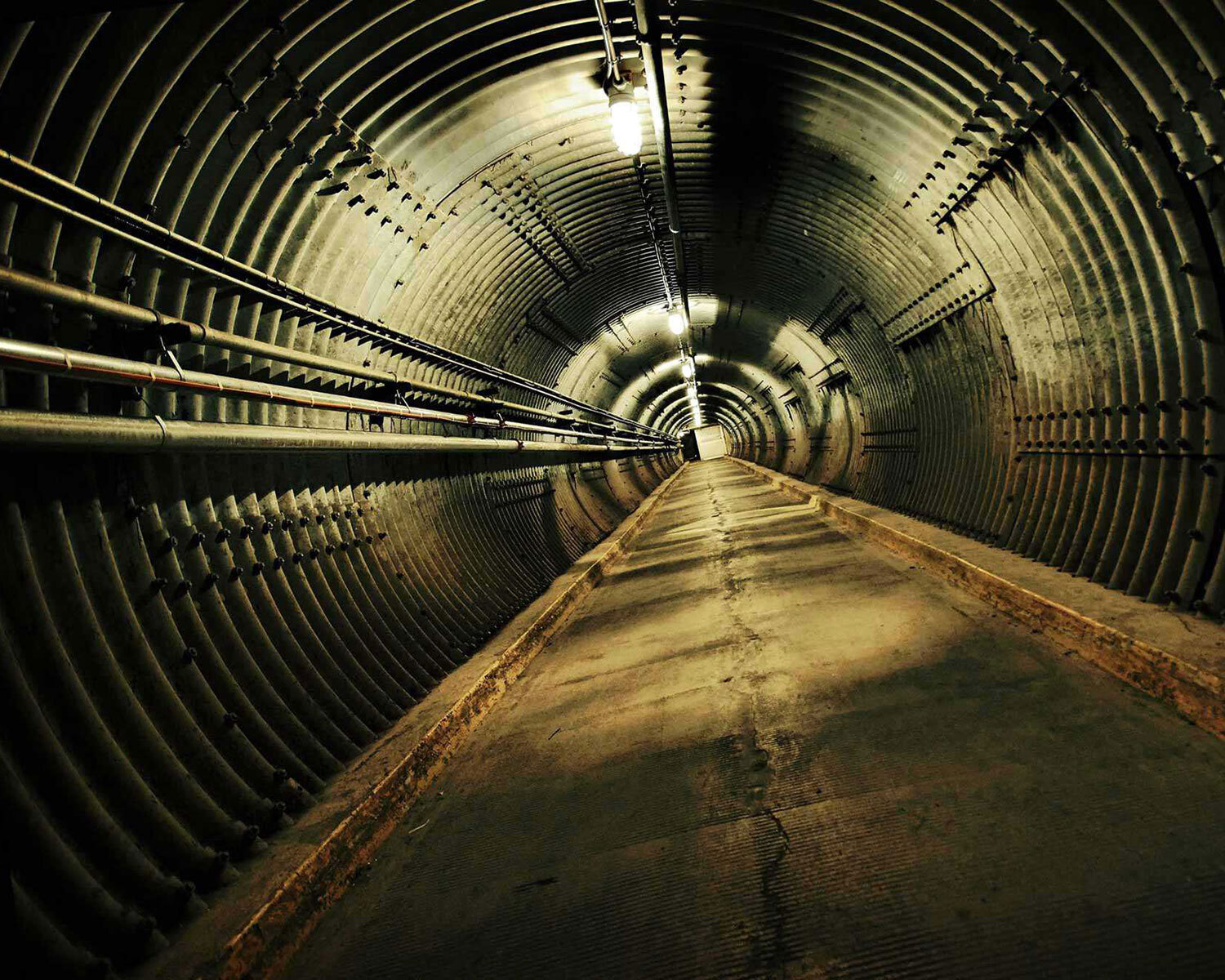
The military history of what is now the province of Ontario is complex. It is a history of both war and peace, of service and sacrifice, and of the different ways in which this has touched the lives of those living in Ontario over time. It reveals the ways in which individual lives have been lived, saved and lost. It further provides an avenue to understand Ontario’s social relations, politics, economies and cultures. To explore these intersections, this resource contains a series of unique perspectives and voices describing Ontario’s involvement in wars and conflicts. In addition, it focuses on the historical development of the military in Ontario.
Although this resource does not aim to be exhaustive, it does strive to expand the narrative and share additional perspectives on Ontario’s military heritage.
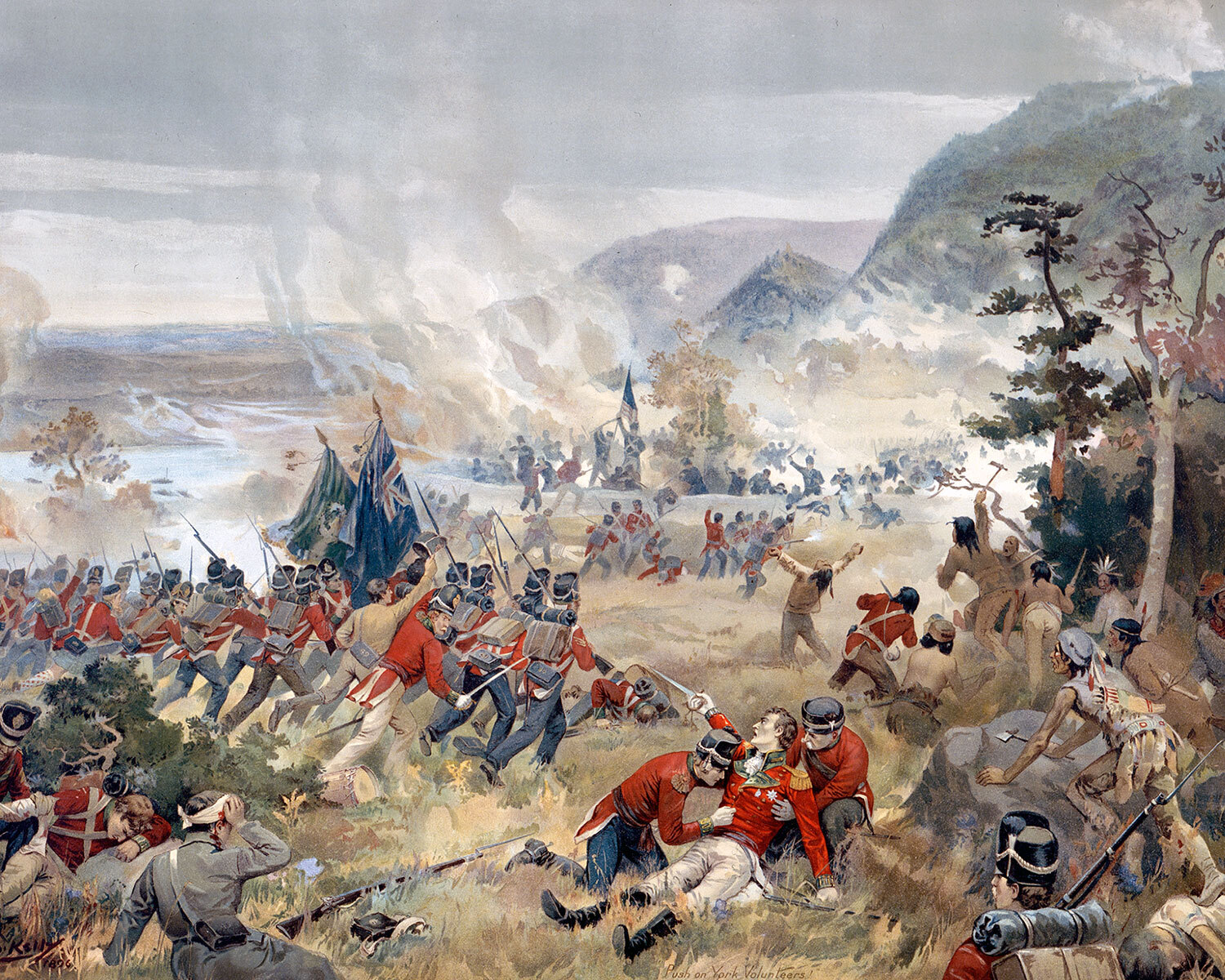
This painting, depicting General Brock’s death on 13 October 1812 at the Battle of Queenston Heights, has become an iconic Canadian image of the War of 1812.
Photo: John David Kelly, 1896 | Library and Archives Canada, Acc. No. 1954-153-1
This work draws on secondary-source literature as well as the Ontario Heritage Trust’s own collections, properties, plaques and publications. In addition, each section provides links to connect visitors to external web resources for further engagement.
As this resource shows, Ontario’s people and Indigenous allies were mobilized in times of crisis to contribute to the military, either as civilians or as military personnel. These experiences were shaped by gender as well as racial and ethnic discrimination. And yet, those who faced social barriers to serve repeatedly demonstrated their bravery and willingness to sacrifice for the broader community. Understanding these experiences is an important part of Ontario’s military heritage, which serves to remind us of our past, and furthermore, continues to inform our public policies.
Another important theme is to illustrate how Ontario’s military history is connected to a diverse range of places, including Indigenous land, towns and cities, battlefields, military bases, industrial and research facilities, and internment camps. These places highlight how wartime mobilization and the military led to divergent experiences, ranging from stories of heroism and sacrifice to repression and social injustice.
1. War of 1812
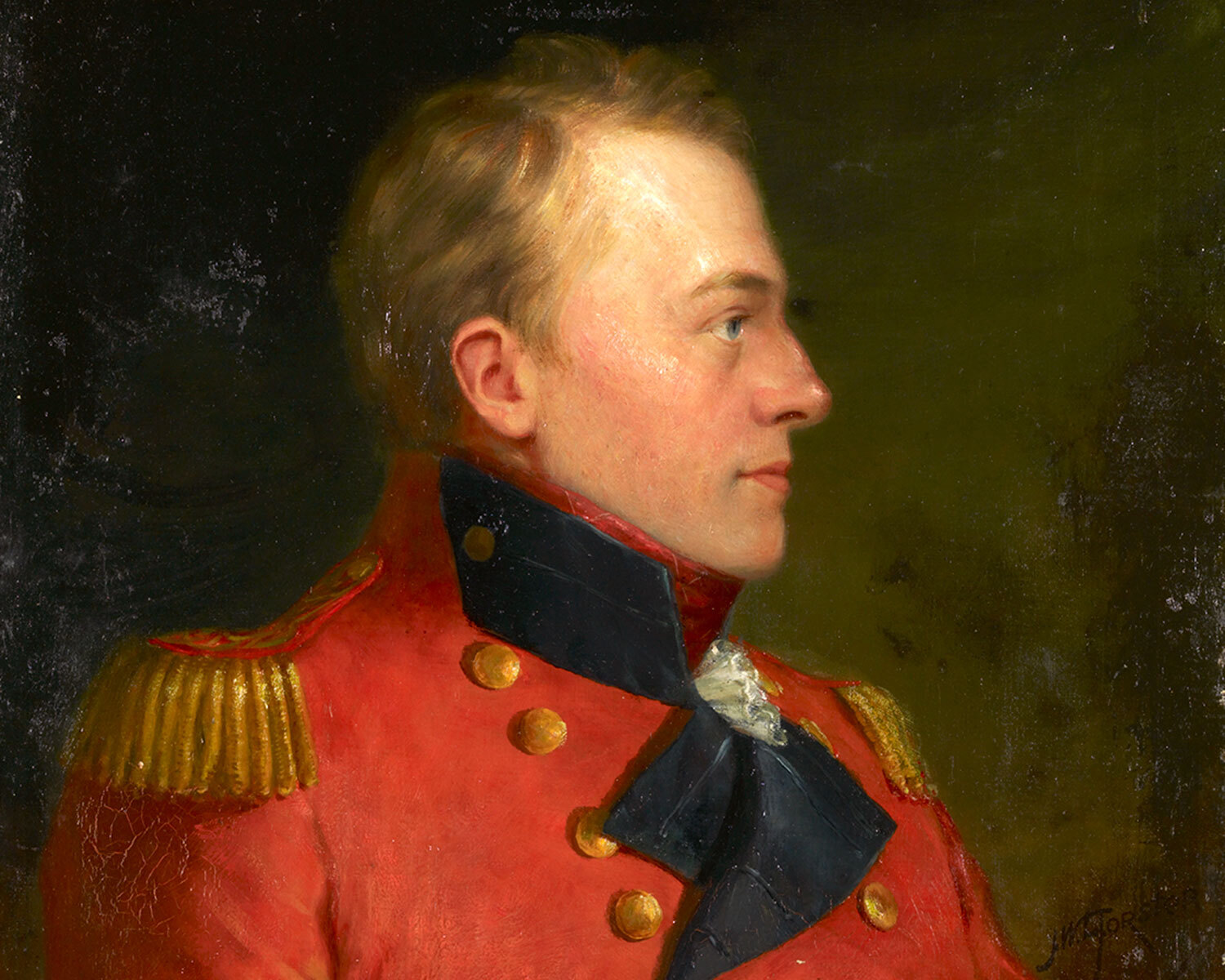
Sir Isaac Brock. This painting is copied from a portrait that was in the possession of John Savery Carey in 1897.
Photo: Library and Archives Canada, Acc. No. 1991-30-1
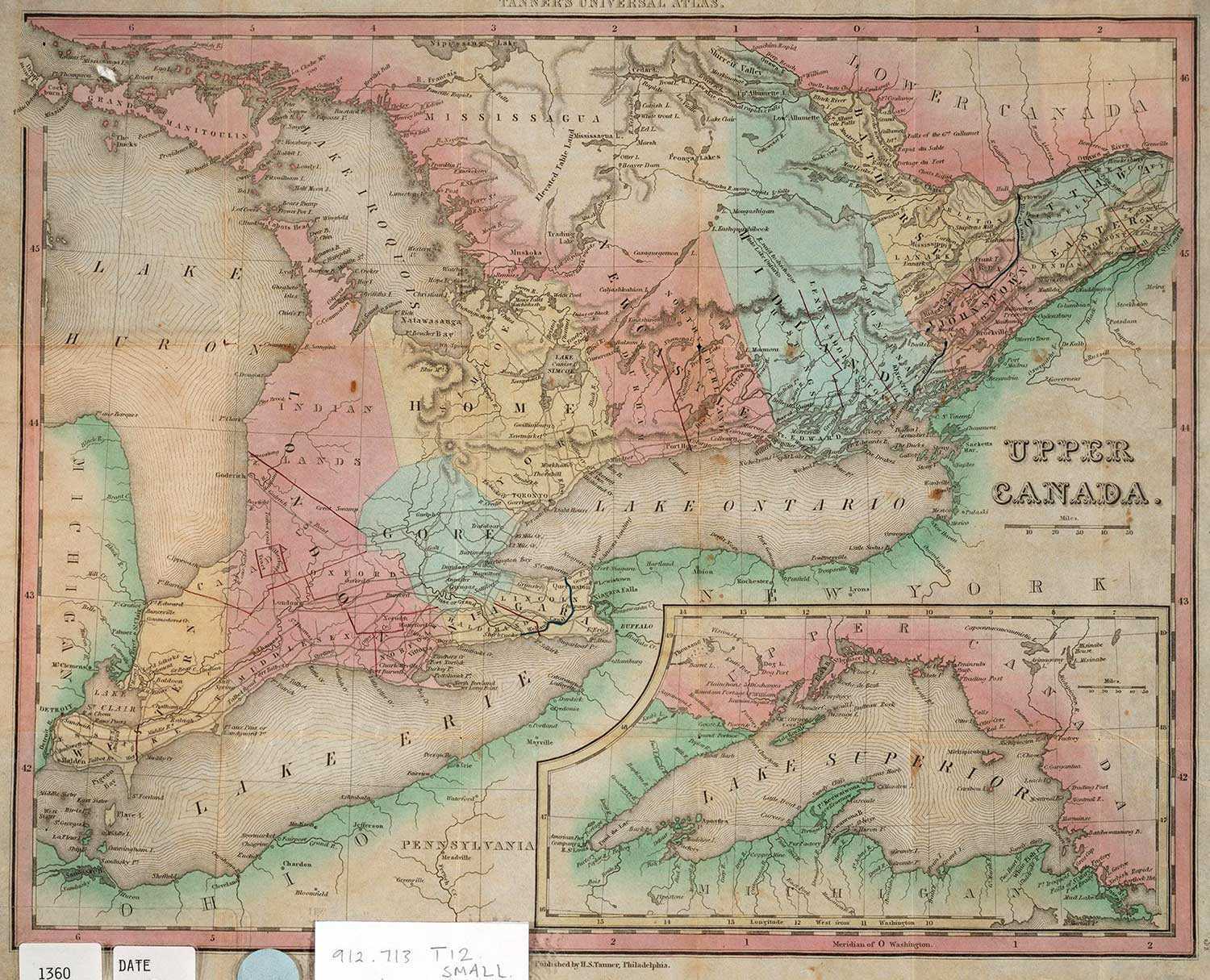
Explore the story of how Upper Canada became an outlet for American aggression and expansionism.



![Norman James holds the first shell manufactured in Toronto. (Photo: City of Toronto Archives, Fonds 1244, Item 852 Date: [1914?])](https://www.heritagetrust.on.ca/uploads/Exhibits/WW1-Munitions-factory-1500px.jpg)