


Find content throughout the website that has been tagged:
Franco-ontarian heritage
Clear all
Franco-ontarian heritage (13)
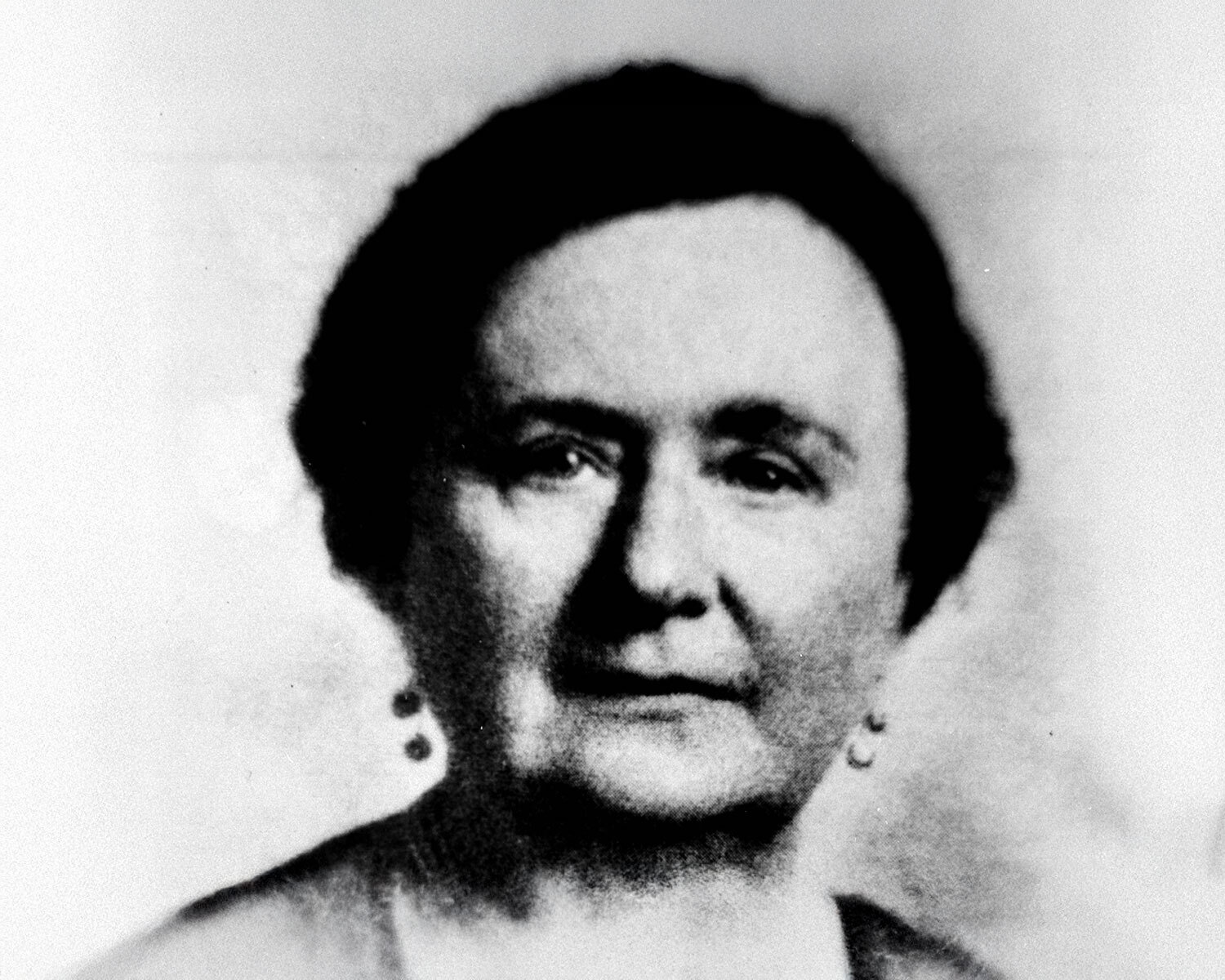
Almanda Walker-Marchand and the Fédération des femmes canadiennes-françaises
Walker-Marchand moved to Ottawa where she established this organization dedicated to helping French-Canadian soldiers and their families during and after the First World War. The organization expanded beyond Ottawa to form chapters in Francophone communities across Canada.
Learn more
About
Plaque
Almanda Walker-Marchand and the Fédération des femmes canadiennes-françaises in Franco-ontarian heritage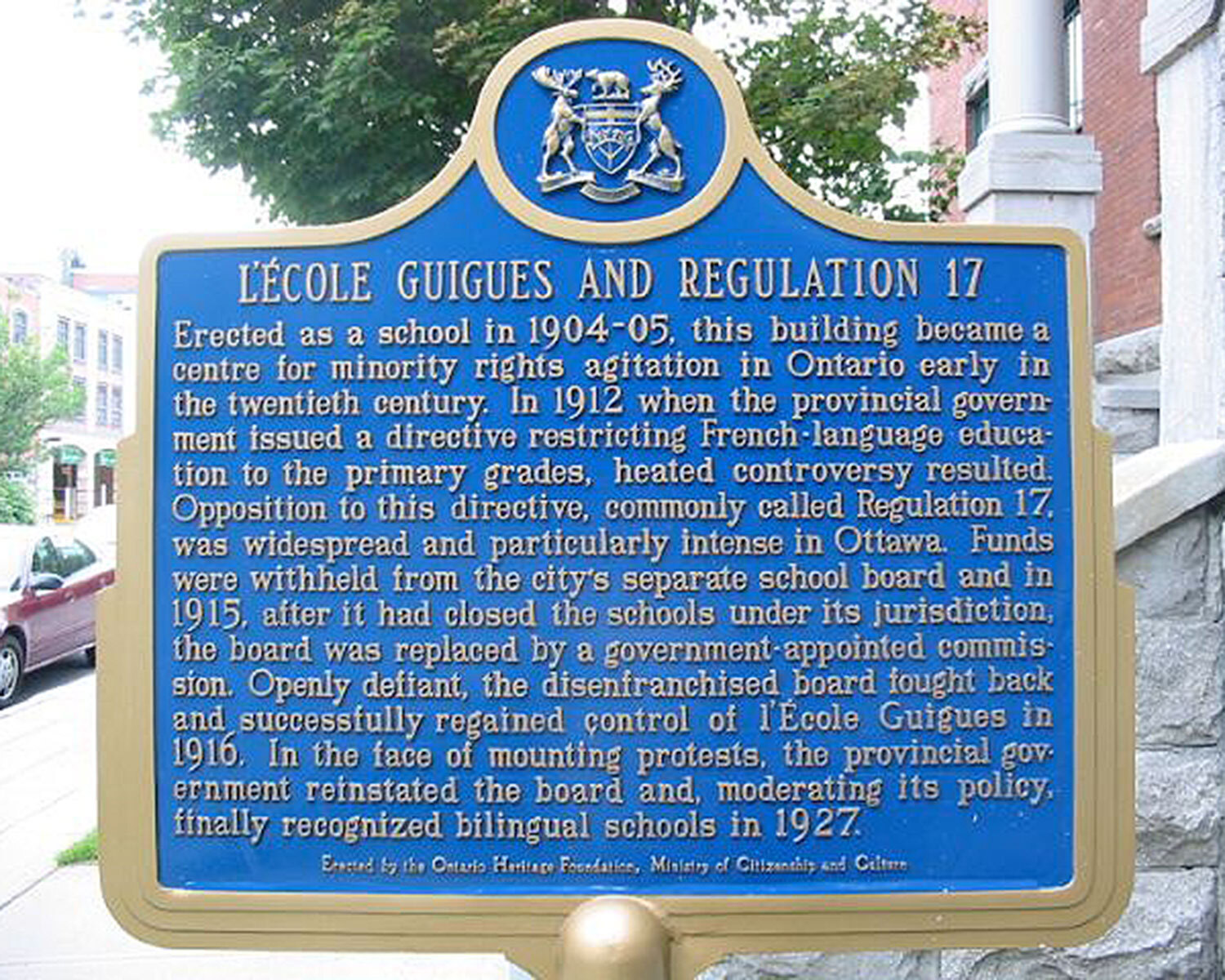
École Guigues and Regulation 17, l'
Begun as a school, this building became a centre for minority rights agitation in Ontario in the early 20th century. When the provincial government issued a directive (known as Regulation 17) in 1912, it meant restricting French-language education. Opposition was widespread but particularly intense in Ottawa.
Learn more
About
Plaque
École Guigues and Regulation 17, l' in Franco-ontarian heritage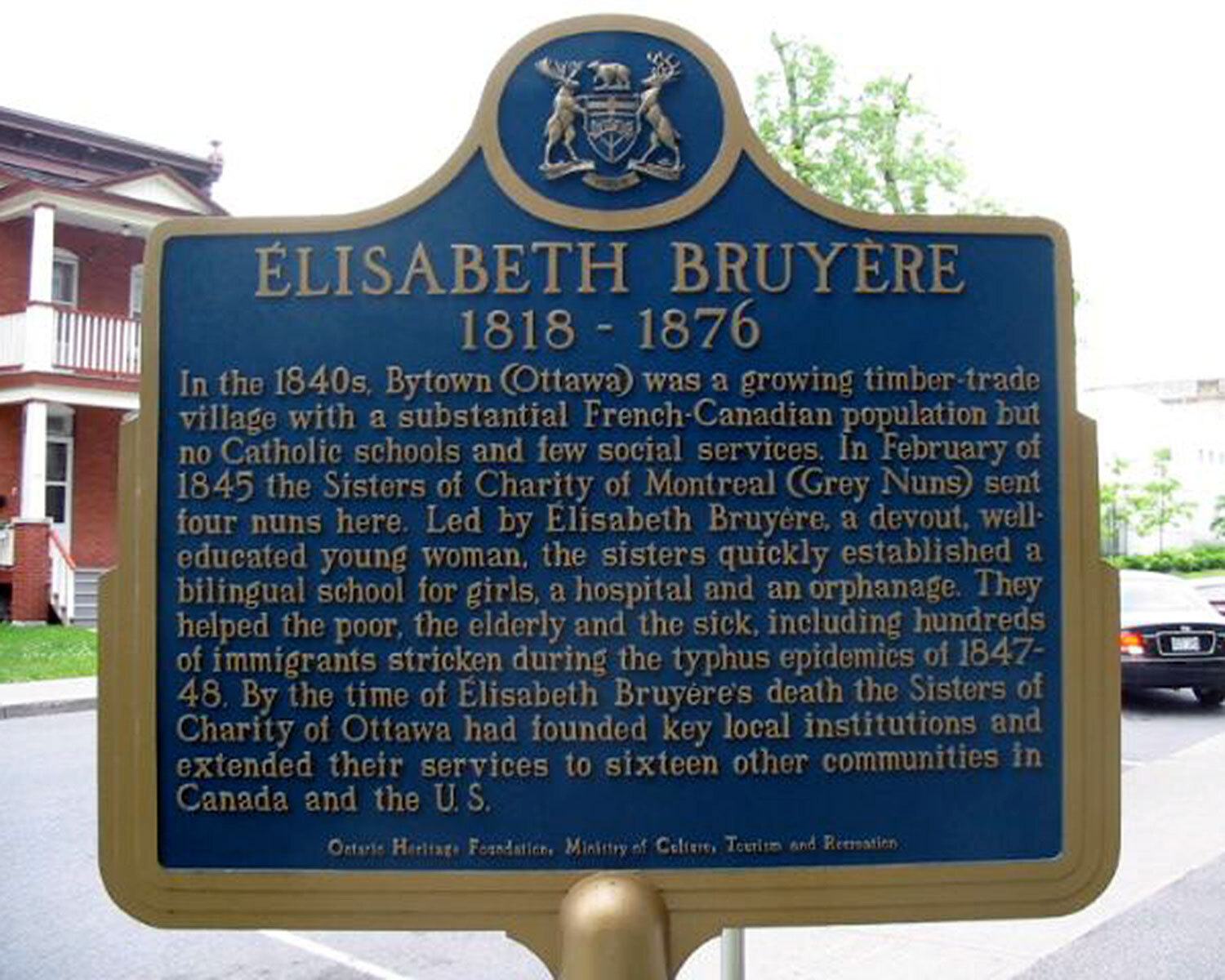
Elisabeth Bruyère 1818-1876
Ottawa in the 1840s (still Bytown then) was a growing timber-trade village with a substantial French-Canadian population but no Catholic schools and few social services. In 1845, four nuns, led by Bruyère, arrived and establish a school, hospital and orphanage, as well as established many social services.
Learn more
About
Plaque
Elisabeth Bruyère 1818-1876 in Franco-ontarian heritage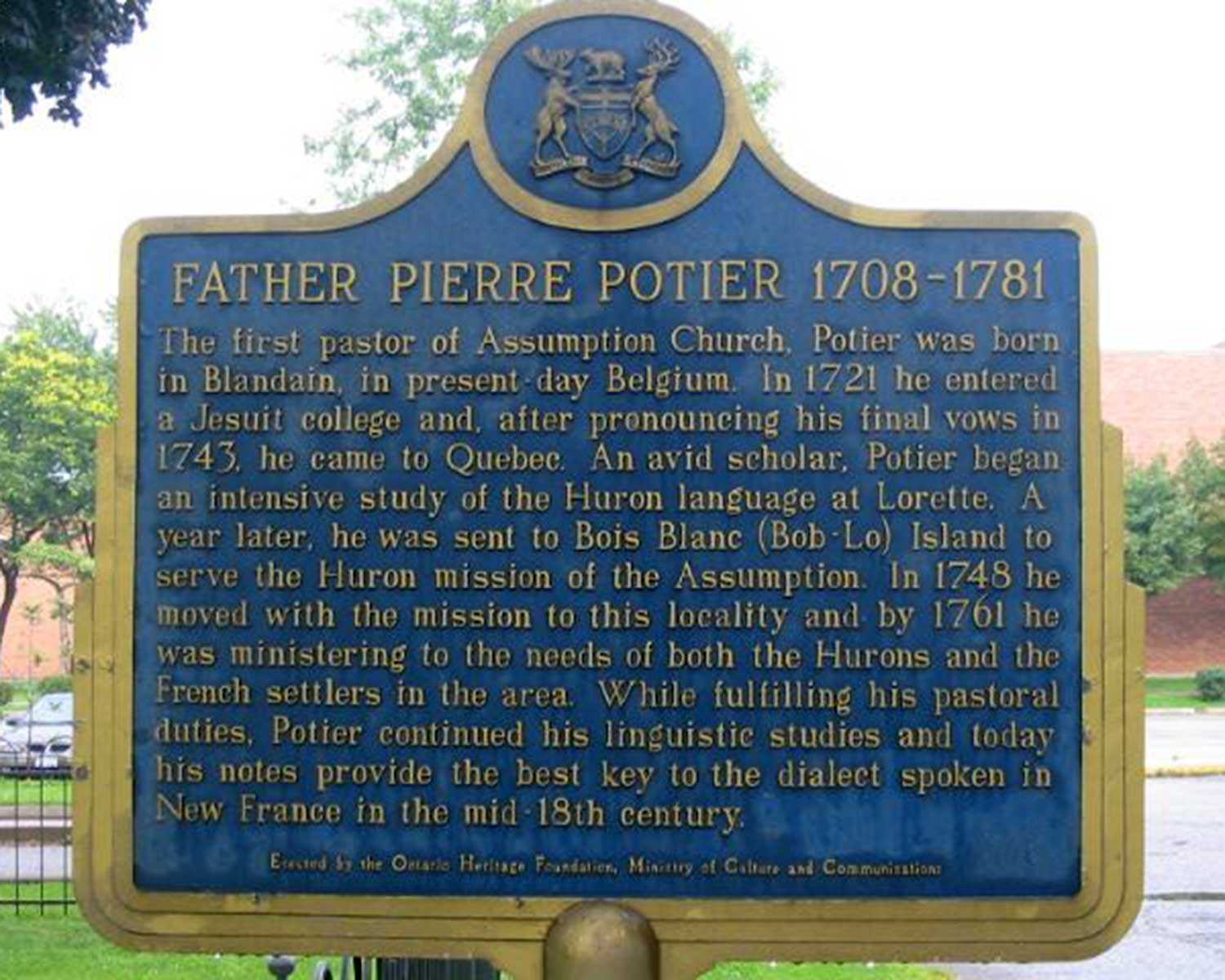
Father Pierre Potier 1708-1781
Learn more About Plaque Father Pierre Potier 1708-1781 in Franco-ontarian heritage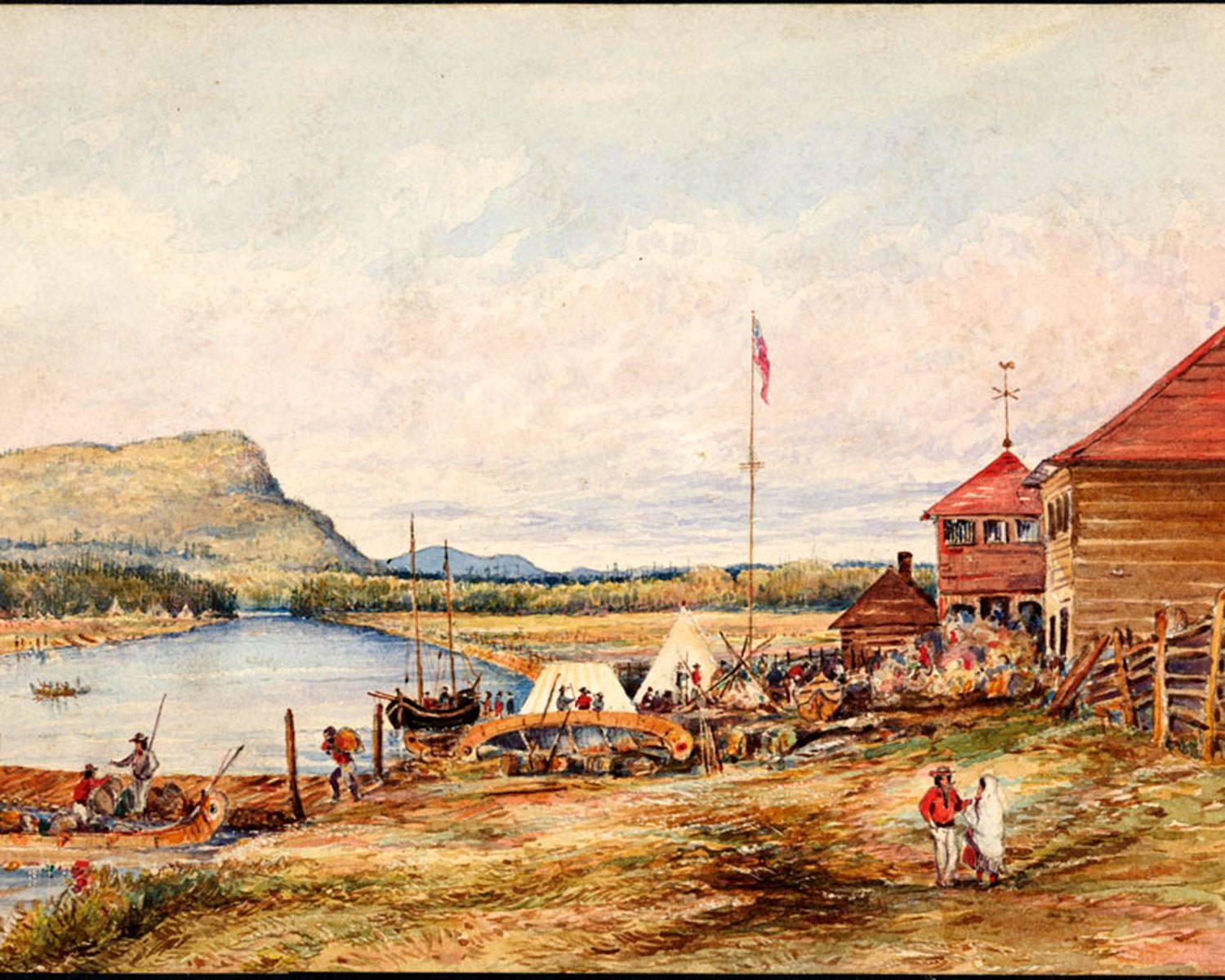
Fort Kaministiquia 1717
A small fort was established near here in 1717 by a French officer, replacing an earlier structure. It served as the base of operations for la Vérendrye, the famous explorer. A later fort of the same name was built downriver and renamed Fort William in 1807. It became the nucleus of the city.
Learn more
About
Plaque
Fort Kaministiquia 1717 in Franco-ontarian heritage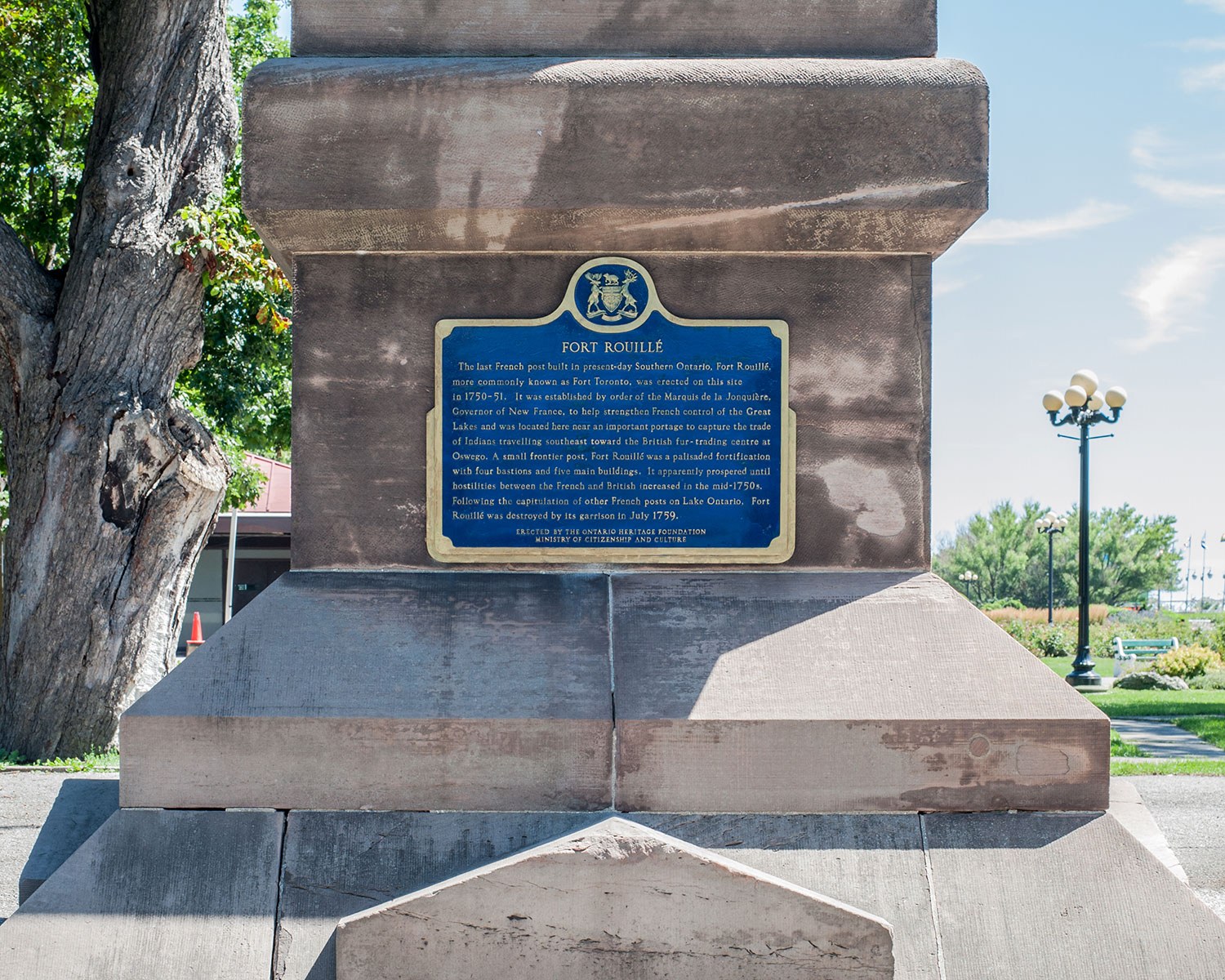
Fort Rouillé
This plaque commemorates the last French post built in present-day Southern Ontario.
Learn more
About
Plaque
Fort Rouillé in Franco-ontarian heritage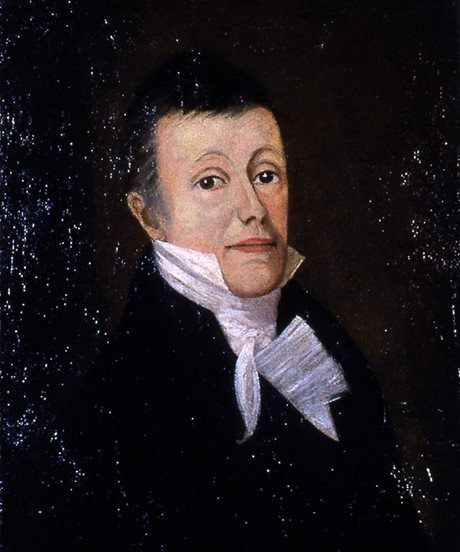
James Baby 1763-1833
Learn more About Plaque James Baby 1763-1833 in Franco-ontarian heritage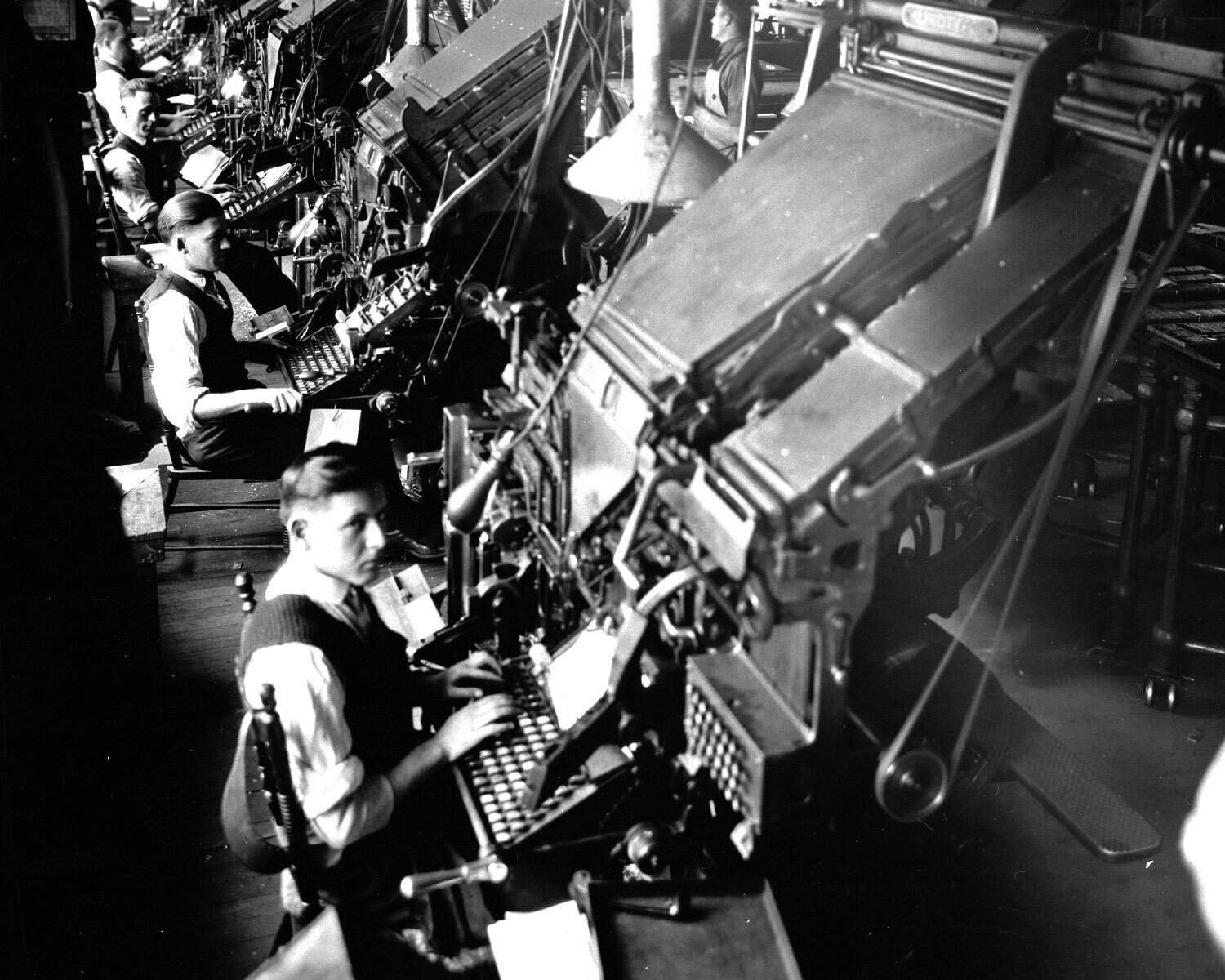
Le Droit
In 1912, French-Canadian educational and religious groups came together to discuss the founding of a newspaper that could be used to protest Regulation 17, which severely restricted the teaching of French in Ontario schools. From this, Le Droit was born — a French-language daily newspaper. Le Droit continues to support and defend Franco-Ontarian rights.
Learn more
About
Plaque
Le Droit in Franco-ontarian heritage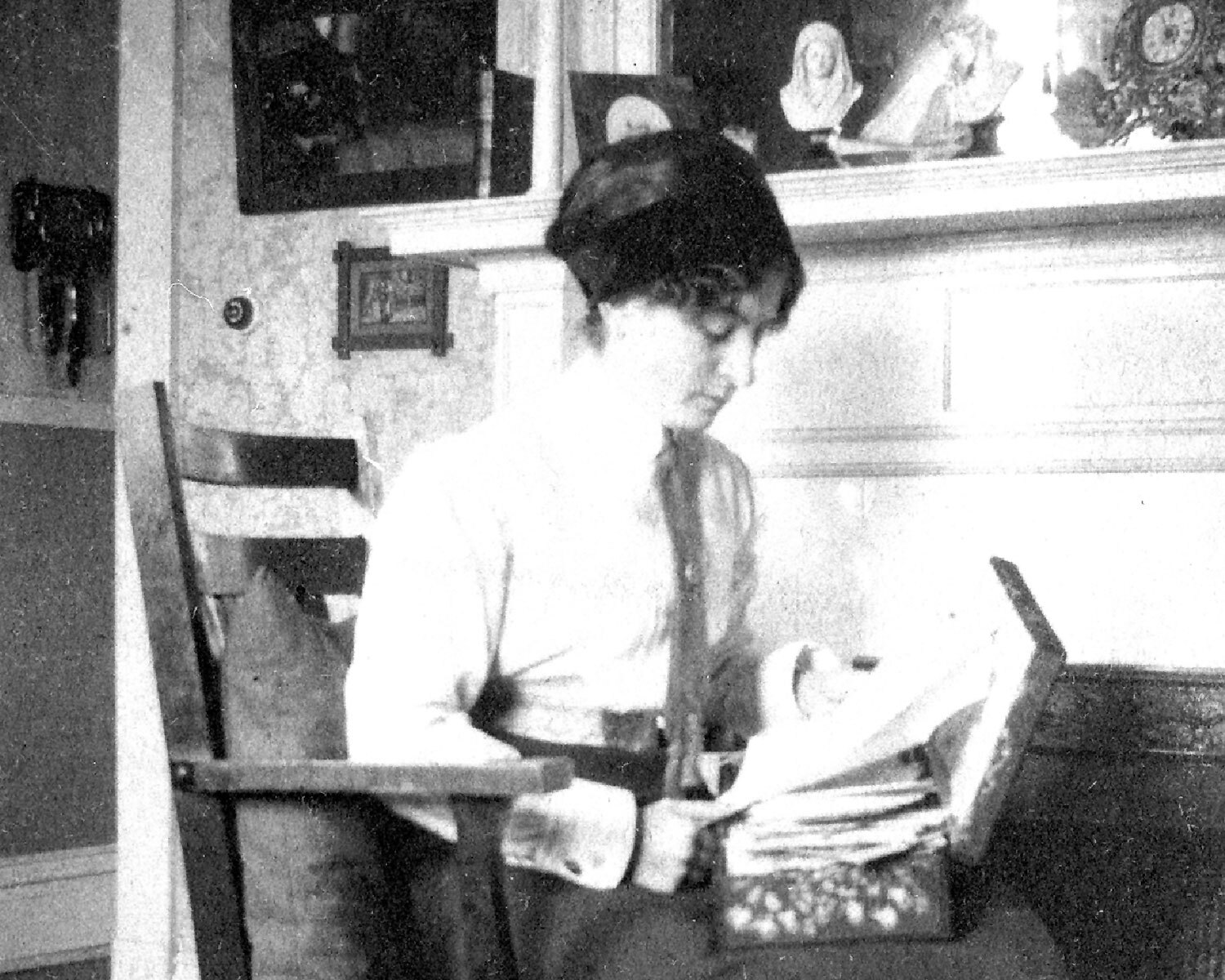
Marie-Rose Turcot 1887-1977
Turcot moved to Ottawa at the age of 20 to take a job in the civil service. Later, she became a journalist and writer, and also worked in broadcast journalism. She was active in several French-Canadian cultural organizations as well as a collector of Franco-Ontarian folk tales.
Learn more
About
Plaque
Marie-Rose Turcot 1887-1977 in Franco-ontarian heritage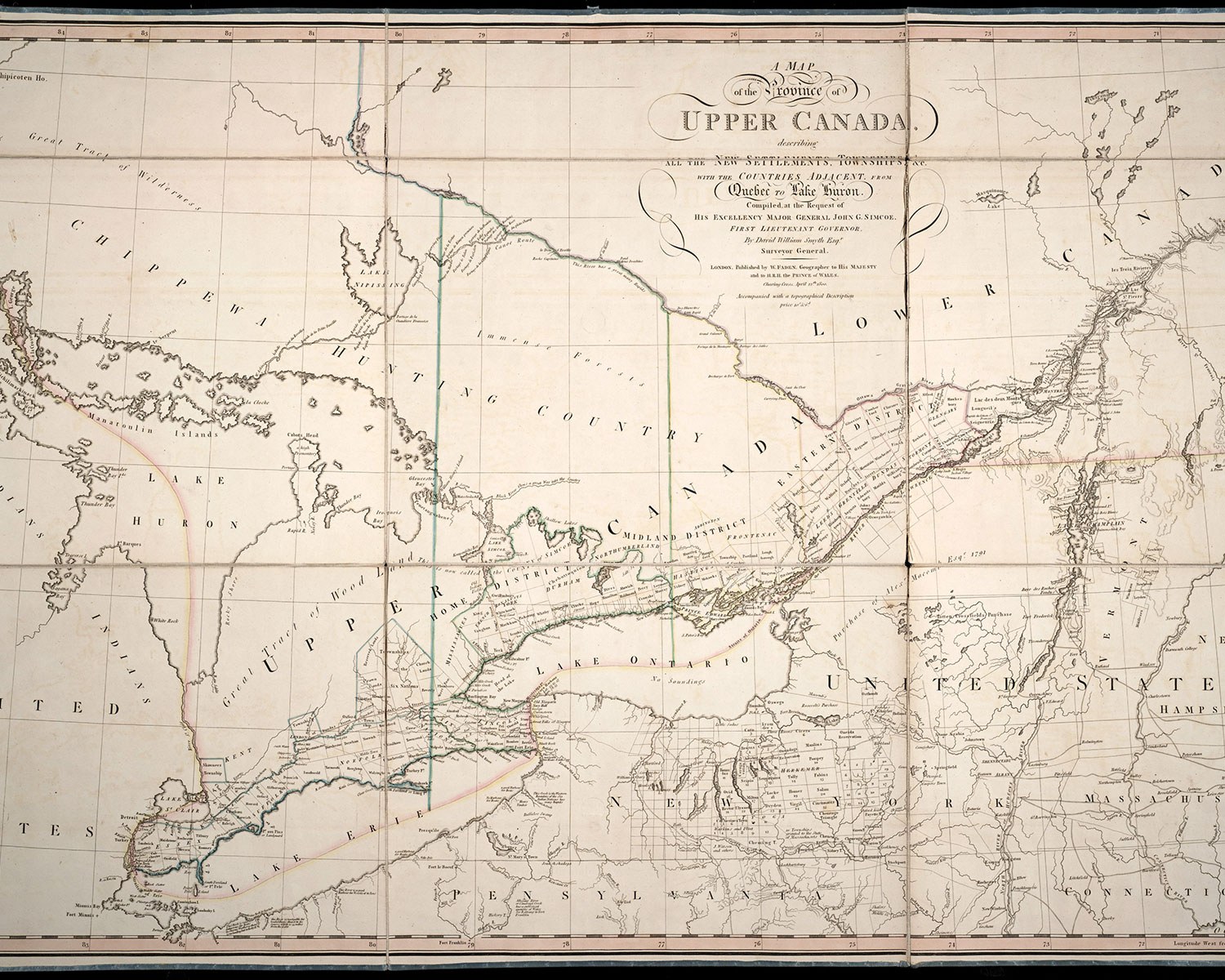
Milestones in Ontario’s history
Ontario’s history is made up of countless little stories passed down through many generations of people. Over time, Ontario has become more prosperous, innovative and equitable, but change has not been linear or universal to all people.
Learn more
About
online exhibit
Milestones in Ontario’s history in Franco-ontarian heritage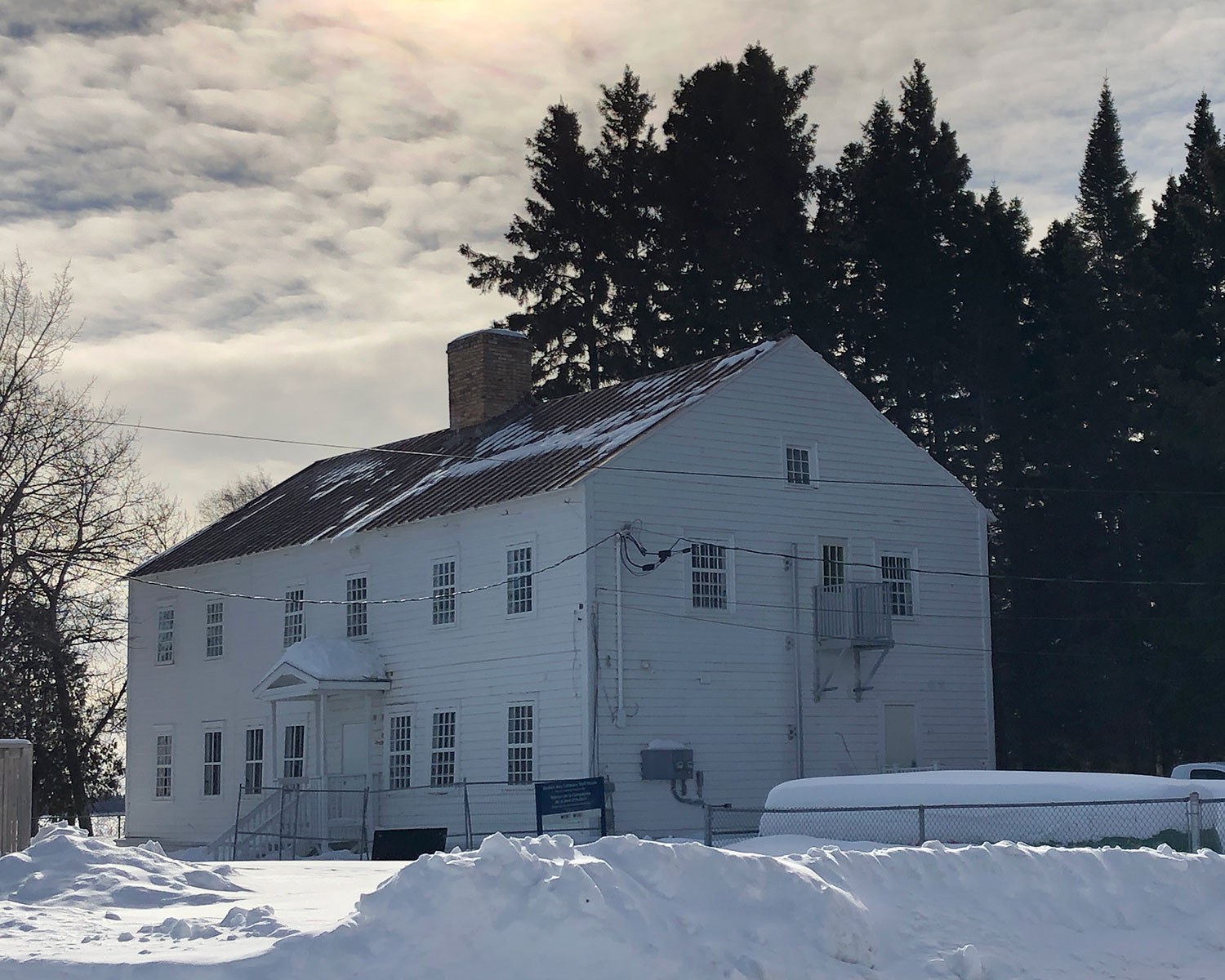
Moose Factory — Môsonîwi-Miništik
Learn more About Plaque Moose Factory — Môsonîwi-Miništik in Franco-ontarian heritage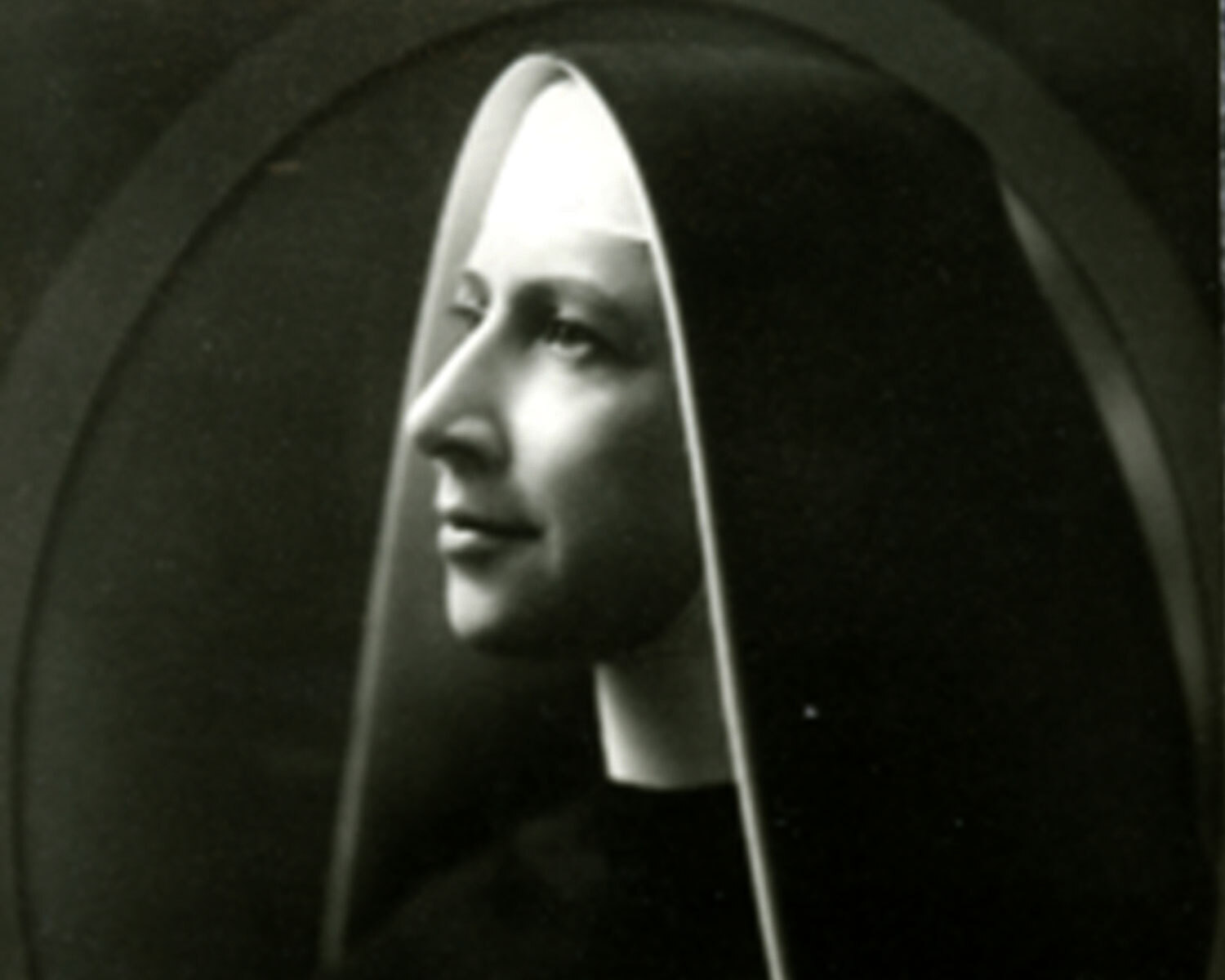
Mother Marie Thomas d’Aquin 1877-1963
Originally from near Bordeaux, France, Jeanne Branda felt a calling to become a nun and a teacher. In 1899, she joined the Dominican Sisters of Nancy, where she took on the name Sister Marie Thomas d’Aquin. She moved to the United States and then, while visiting Ottawa in 1914, agreed to head the Jeanne d’Arc Institute.
Learn more
About
Plaque
Mother Marie Thomas d’Aquin 1877-1963 in Franco-ontarian heritage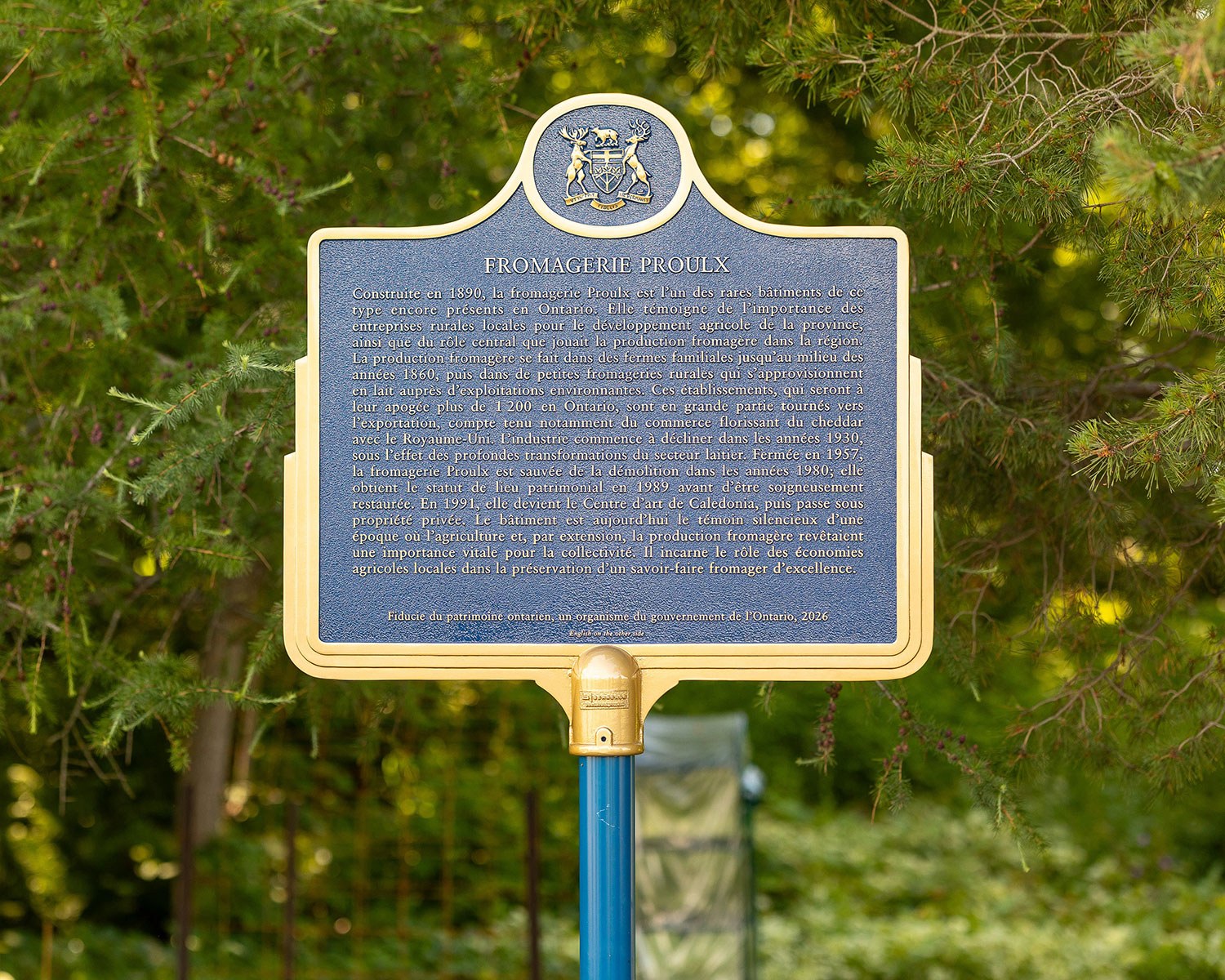
Proulx Cheese Factory
Built in 1890, the Proulx Cheese Factory is one of the few remaining buildings of its kind in Ontario. It reflects the importance of locally run rural enterprises to the province’s agricultural development and the central role that cheesemaking had in the region ...
Learn more
About
Plaque
Proulx Cheese Factory in Franco-ontarian heritage