


Find content throughout the website that has been tagged:
Women's history
Clear all
Women's history (18)
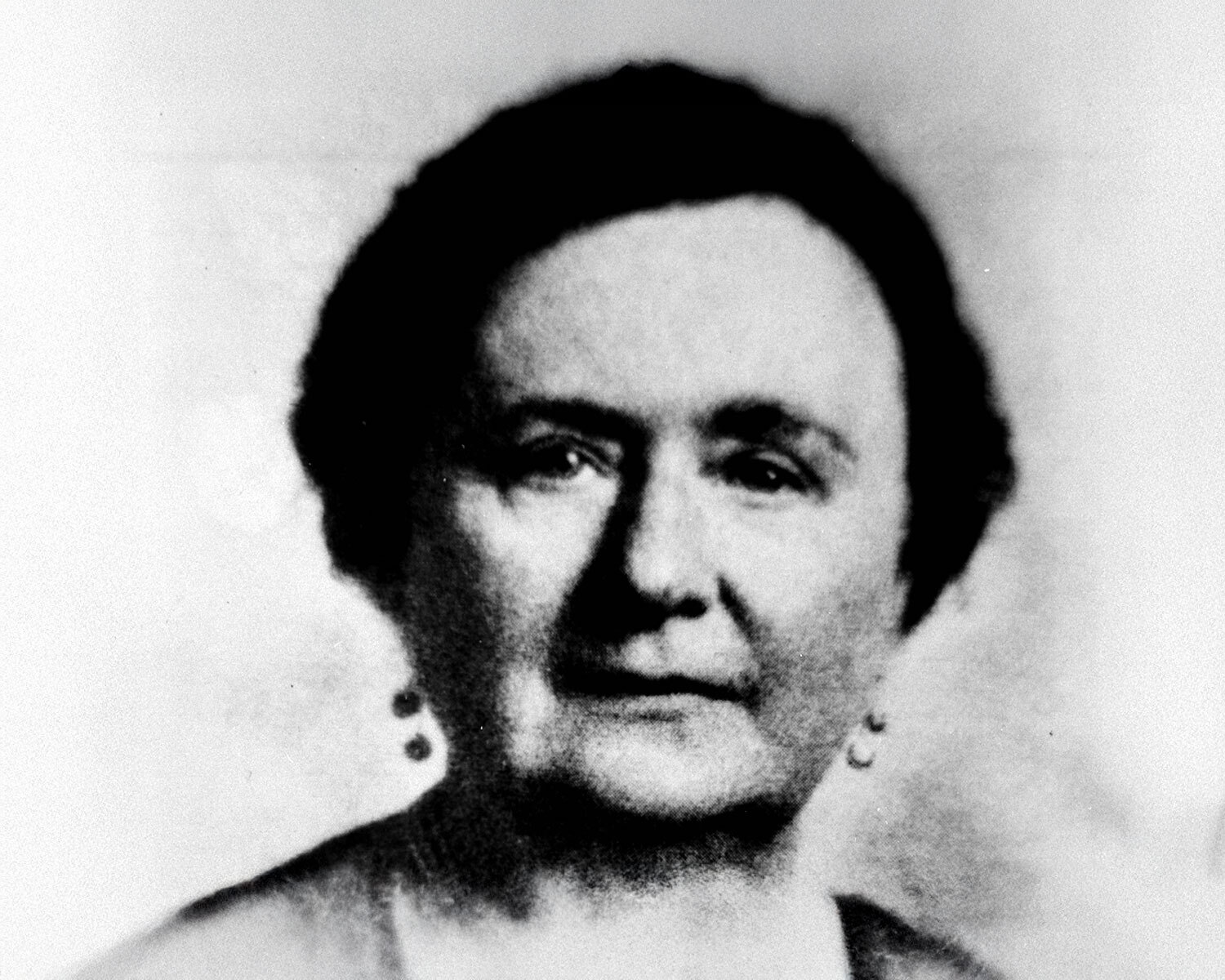
Almanda Walker-Marchand and the Fédération des femmes canadiennes-françaises
Walker-Marchand moved to Ottawa where she established this organization dedicated to helping French-Canadian soldiers and their families during and after the First World War. The organization expanded beyond Ottawa to form chapters in Francophone communities across Canada.
Learn more
About
Plaque
Almanda Walker-Marchand and the Fédération des femmes canadiennes-françaises in Women's history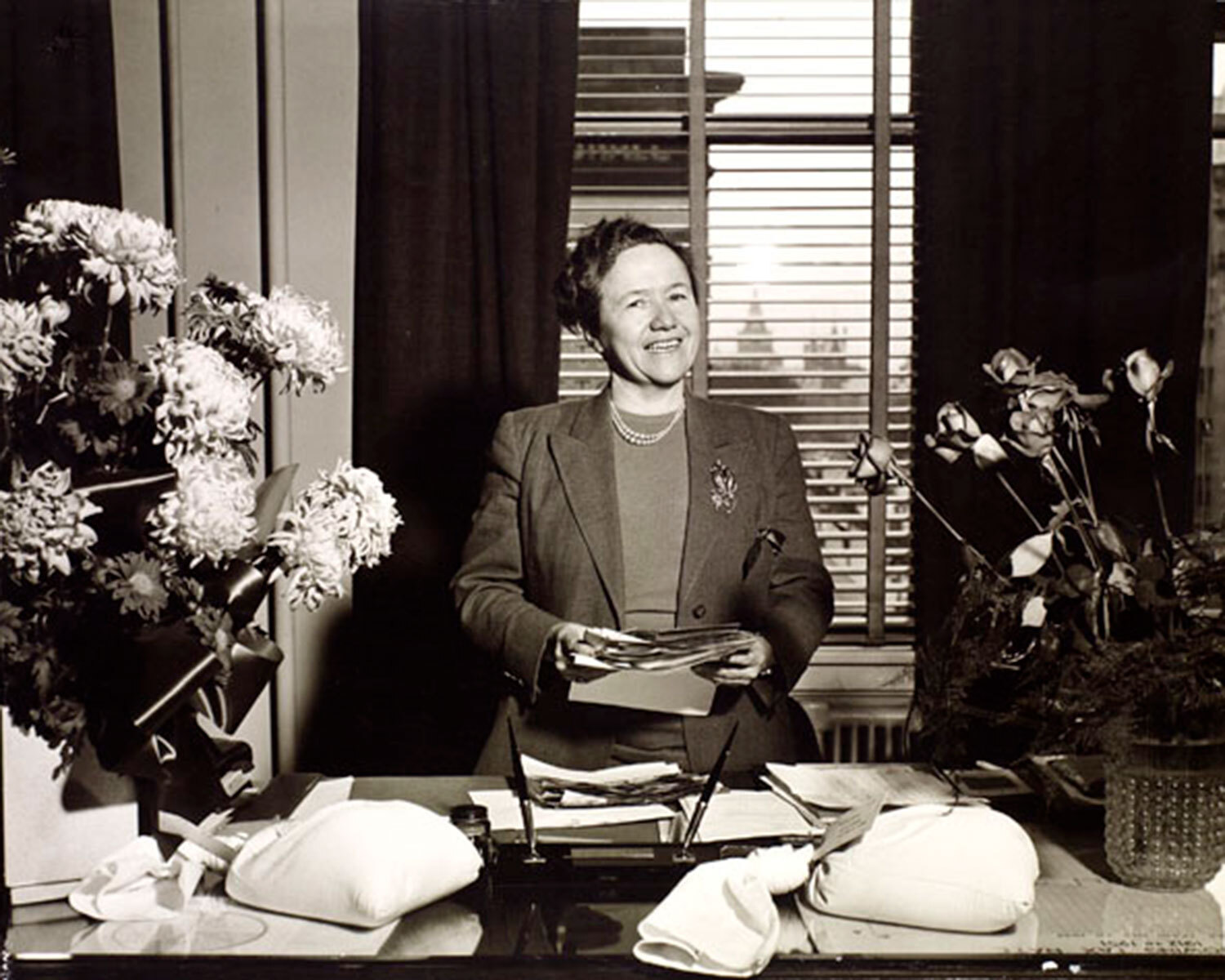
Charlotte Elizabeth Whitton, O.C., C.B.E. 1896-1975
Whitton was the first woman mayor of Ottawa. Throughout her lifetime, she worked fiercely and energetically to improve social conditions.
Learn more
About
Plaque
Charlotte Elizabeth Whitton, O.C., C.B.E. 1896-1975 in Women's history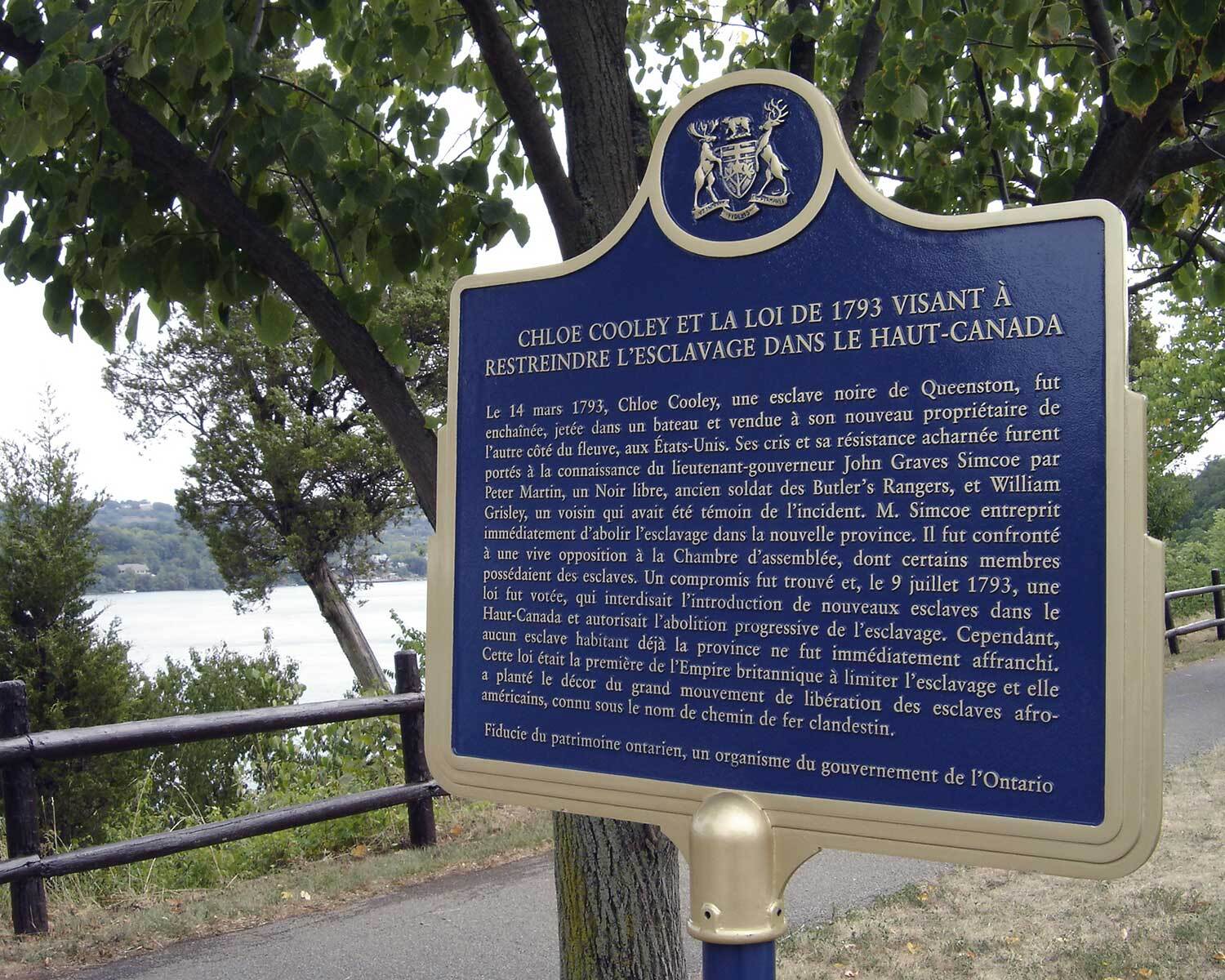
Chloe Cooley and the 1793 Act to Limit Slavery in Upper Canada
Learn more About Plaque Chloe Cooley and the 1793 Act to Limit Slavery in Upper Canada in Women's history
Col. Elizabeth Smellie 1884-1968
This celebrated Canadian army nurse and public health authority served during the First and Second World Wars. She was the first woman to attain the rank of colonel in Canada’s Armed Forces.
Learn more
About
Plaque
Col. Elizabeth Smellie 1884-1968 in Women's history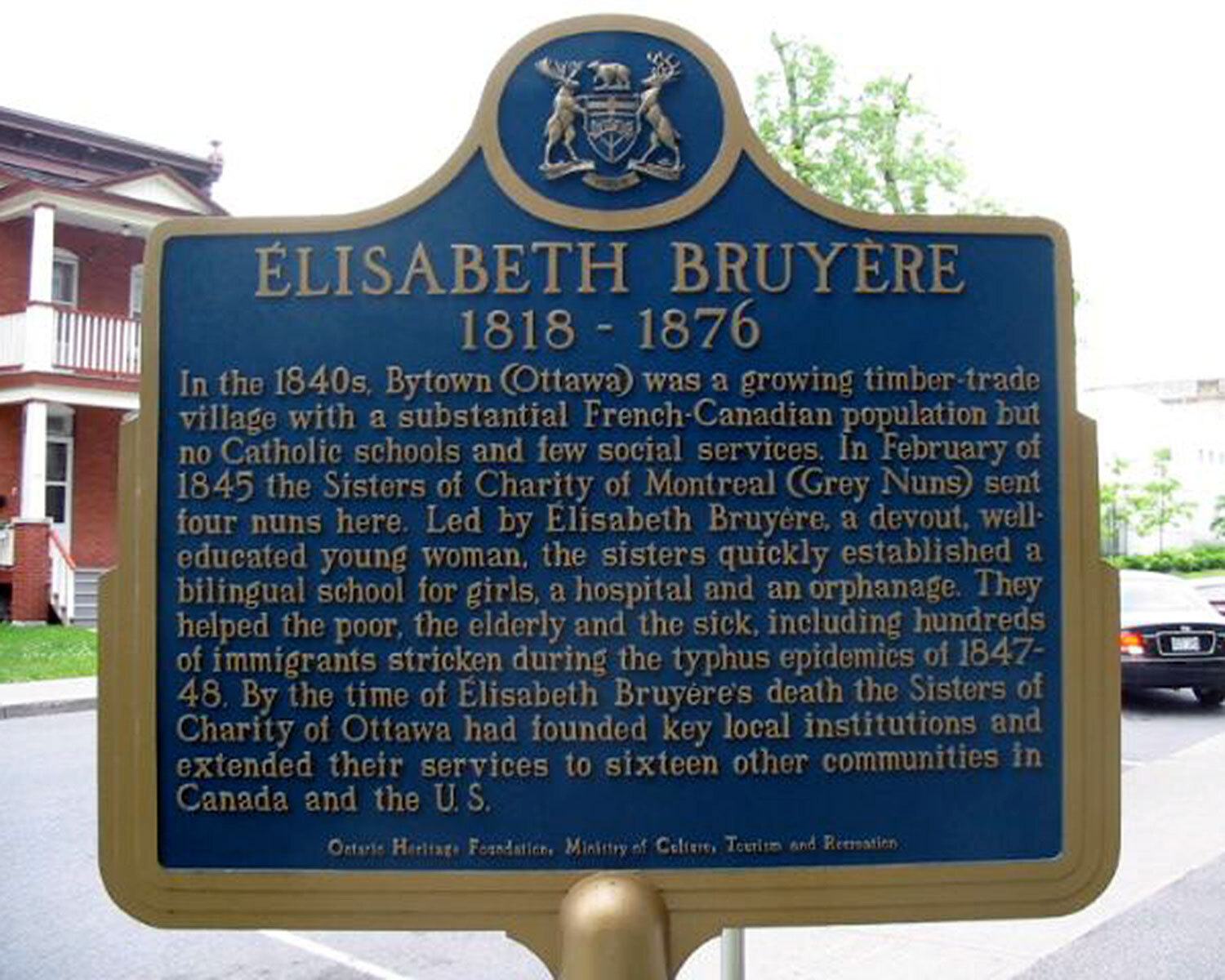
Elisabeth Bruyère 1818-1876
Ottawa in the 1840s (still Bytown then) was a growing timber-trade village with a substantial French-Canadian population but no Catholic schools and few social services. In 1845, four nuns, led by Bruyère, arrived and establish a school, hospital and orphanage, as well as established many social services.
Learn more
About
Plaque
Elisabeth Bruyère 1818-1876 in Women's history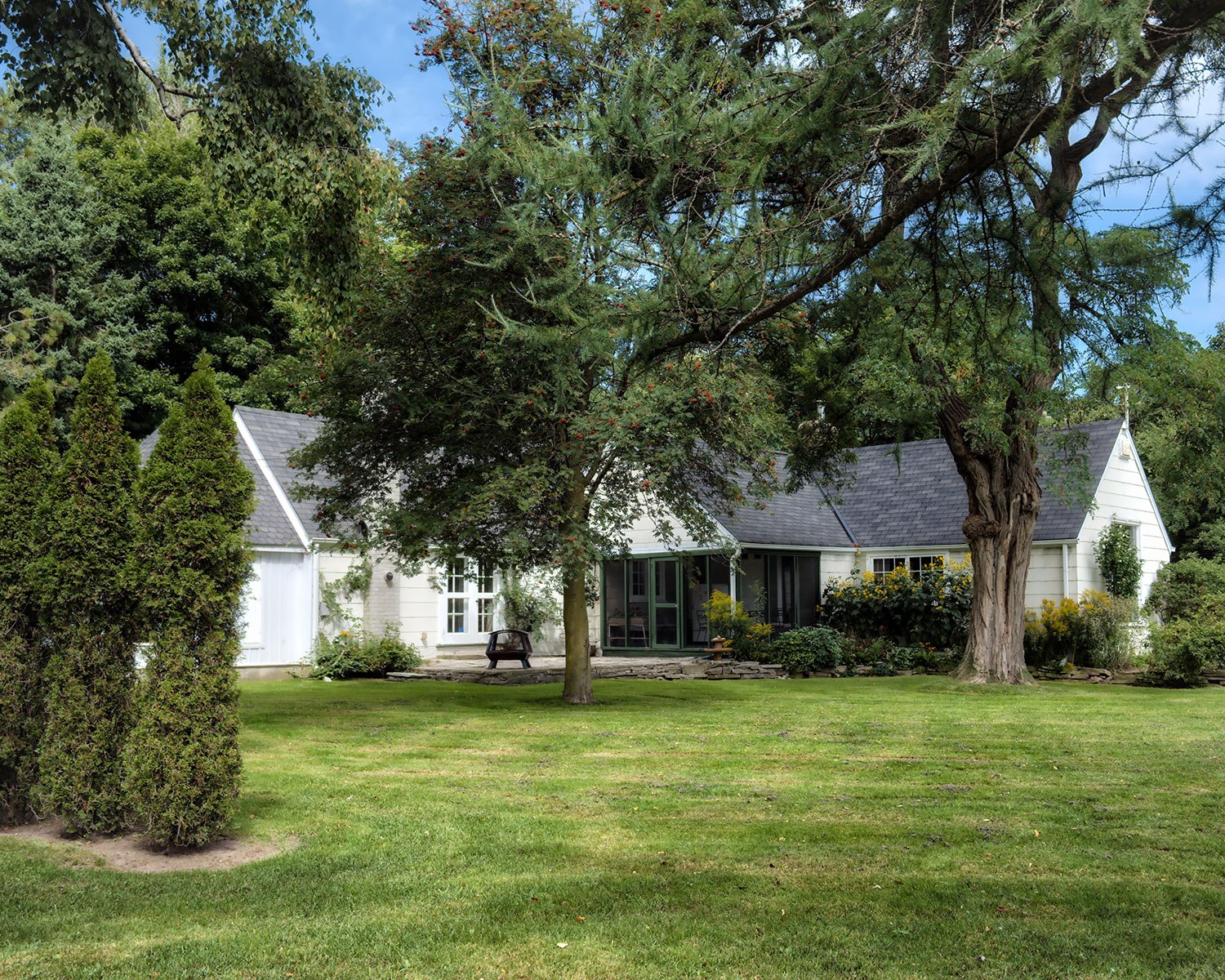
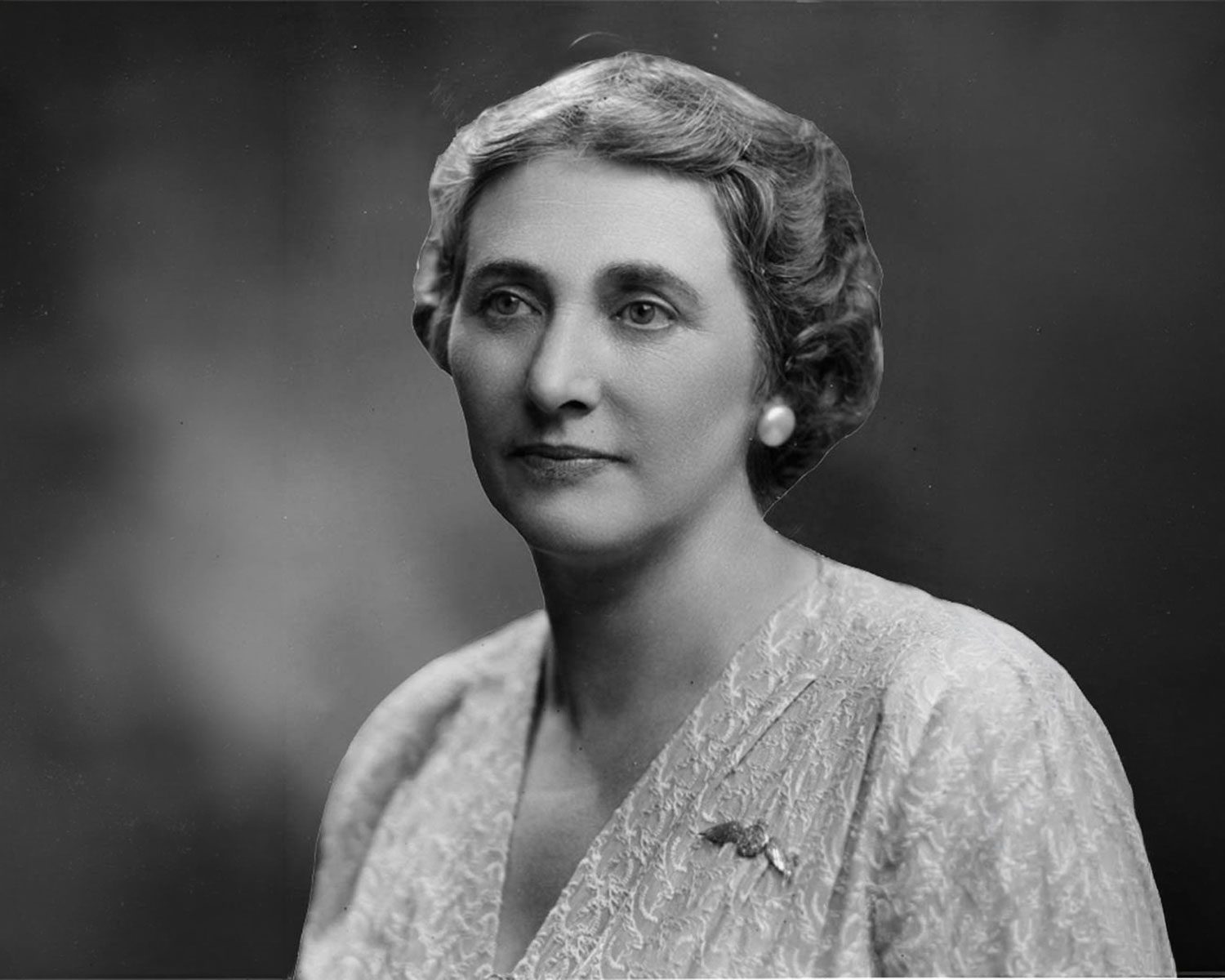
Margarette Rae Morrison Luckock 1893-1972
Raised in Arthur, Ontario, and commonly known as Rae Luckock, she was instrumental in transforming the social and political landscape of the province in the 1940s and 1950s. She paved the way for a more equal Ontario, expanding opportunities for women and working-class families.
Learn more
About
Plaque
Margarette Rae Morrison Luckock 1893-1972 in Women's history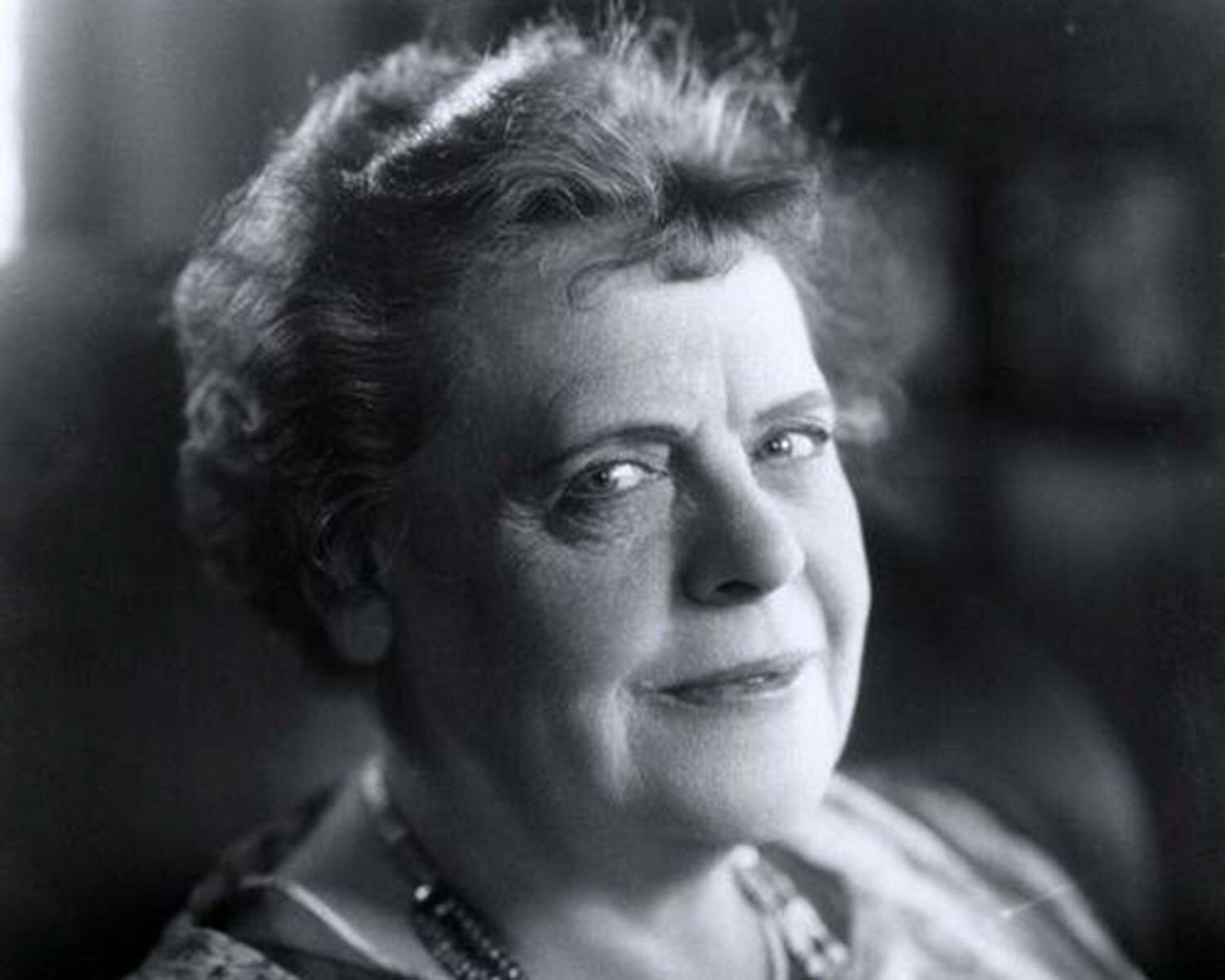
Marie Dressler 1868-1934
Born in this house as Leila Maria Koerber, Marie Dressler became the stage name of this actress who became successful in silent and talking films — including alongside Charlie Chaplin and Greta Garbo. Dressler won an Academy Award in 1931.
Learn more
About
Plaque
Marie Dressler 1868-1934 in Women's history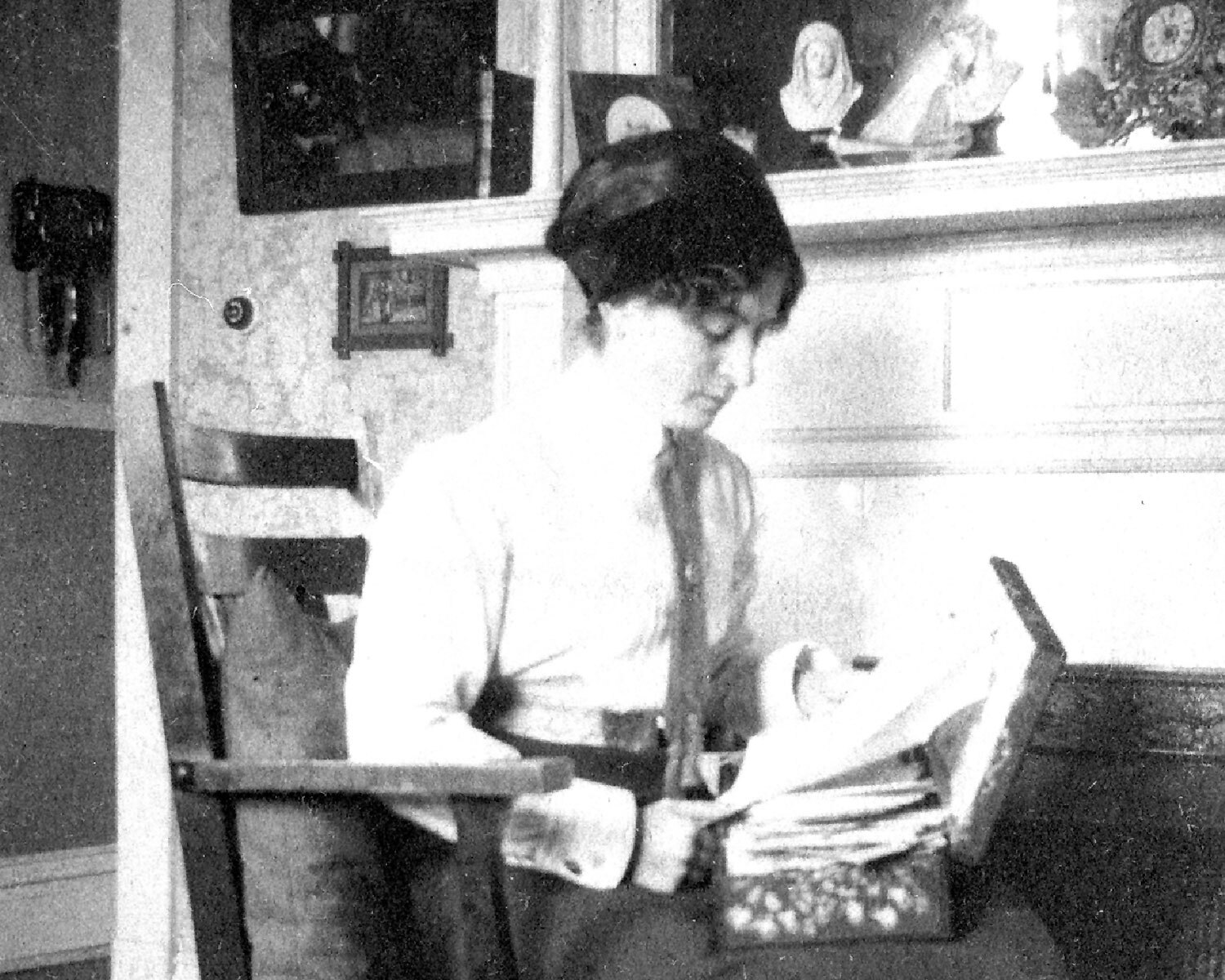
Marie-Rose Turcot 1887-1977
Turcot moved to Ottawa at the age of 20 to take a job in the civil service. Later, she became a journalist and writer, and also worked in broadcast journalism. She was active in several French-Canadian cultural organizations as well as a collector of Franco-Ontarian folk tales.
Learn more
About
Plaque
Marie-Rose Turcot 1887-1977 in Women's history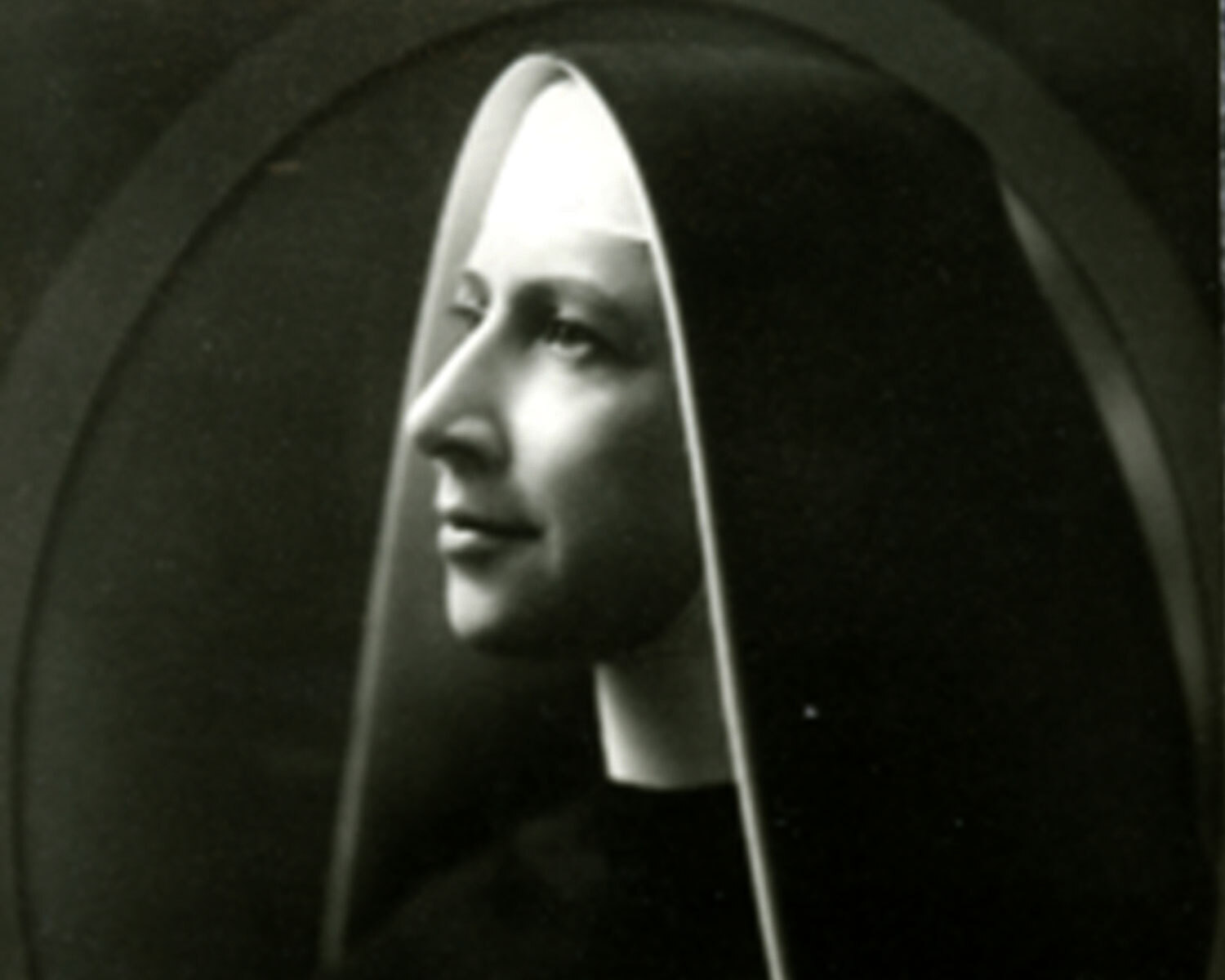
Mother Marie Thomas d’Aquin 1877-1963
Originally from near Bordeaux, France, Jeanne Branda felt a calling to become a nun and a teacher. In 1899, she joined the Dominican Sisters of Nancy, where she took on the name Sister Marie Thomas d’Aquin. She moved to the United States and then, while visiting Ottawa in 1914, agreed to head the Jeanne d’Arc Institute.
Learn more
About
Plaque
Mother Marie Thomas d’Aquin 1877-1963 in Women's history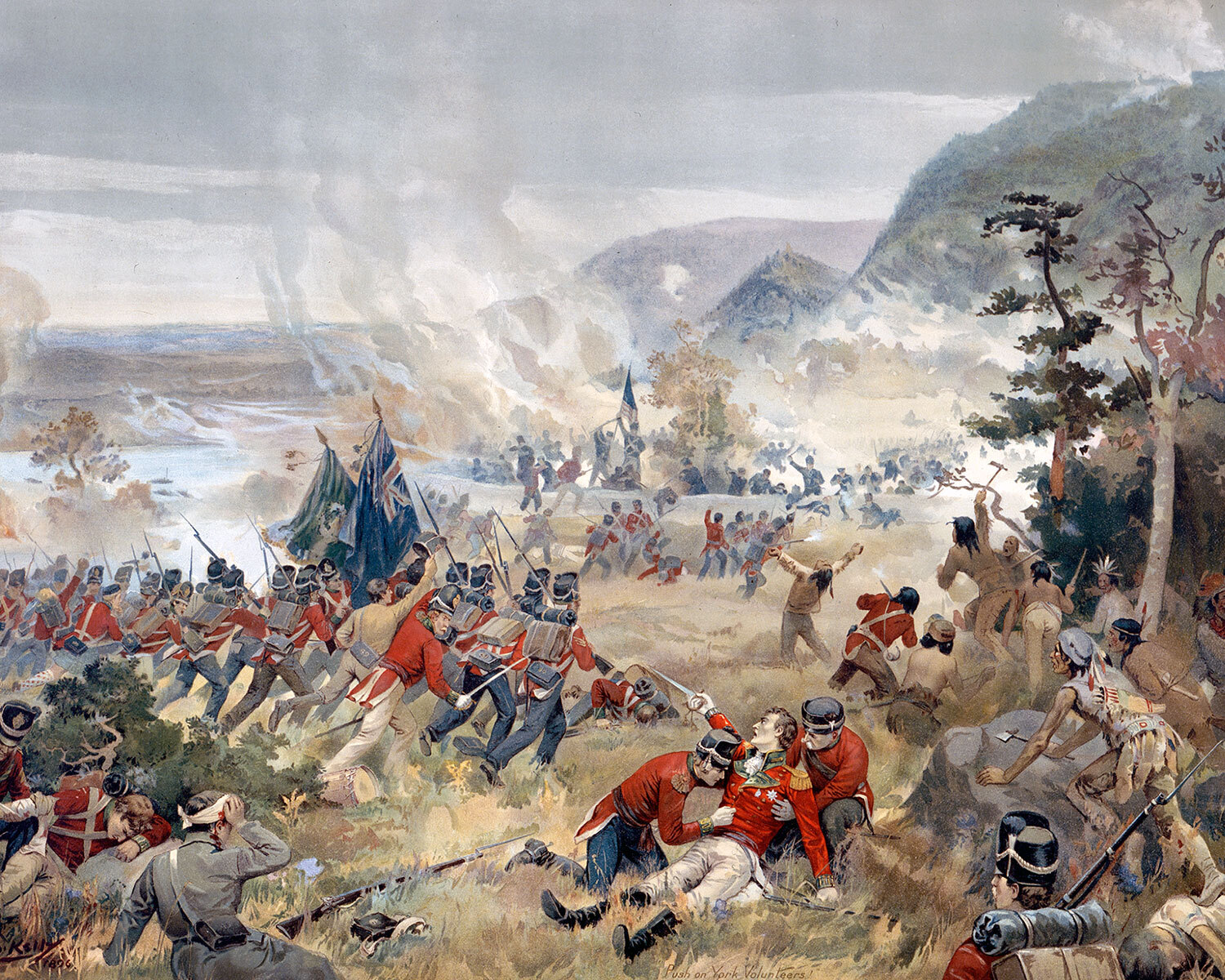
Ontario's military heritage — 1. War of 1812 (Battles in Upper Canada and the Great Lakes)
The British regulars, Canadian militia and Indigenous warriors won several battles in the summer of 1812. Their victories proved to the Americans that if they wanted to conquer Upper Canada, it would require a long and bitter struggle. The sections below explore the key battles in Upper Canada and the surrounding Great Lakes.
Learn more
About
online exhibit
Ontario's military heritage — 1. War of 1812 (Battles in Upper Canada and the Great Lakes) in Women's history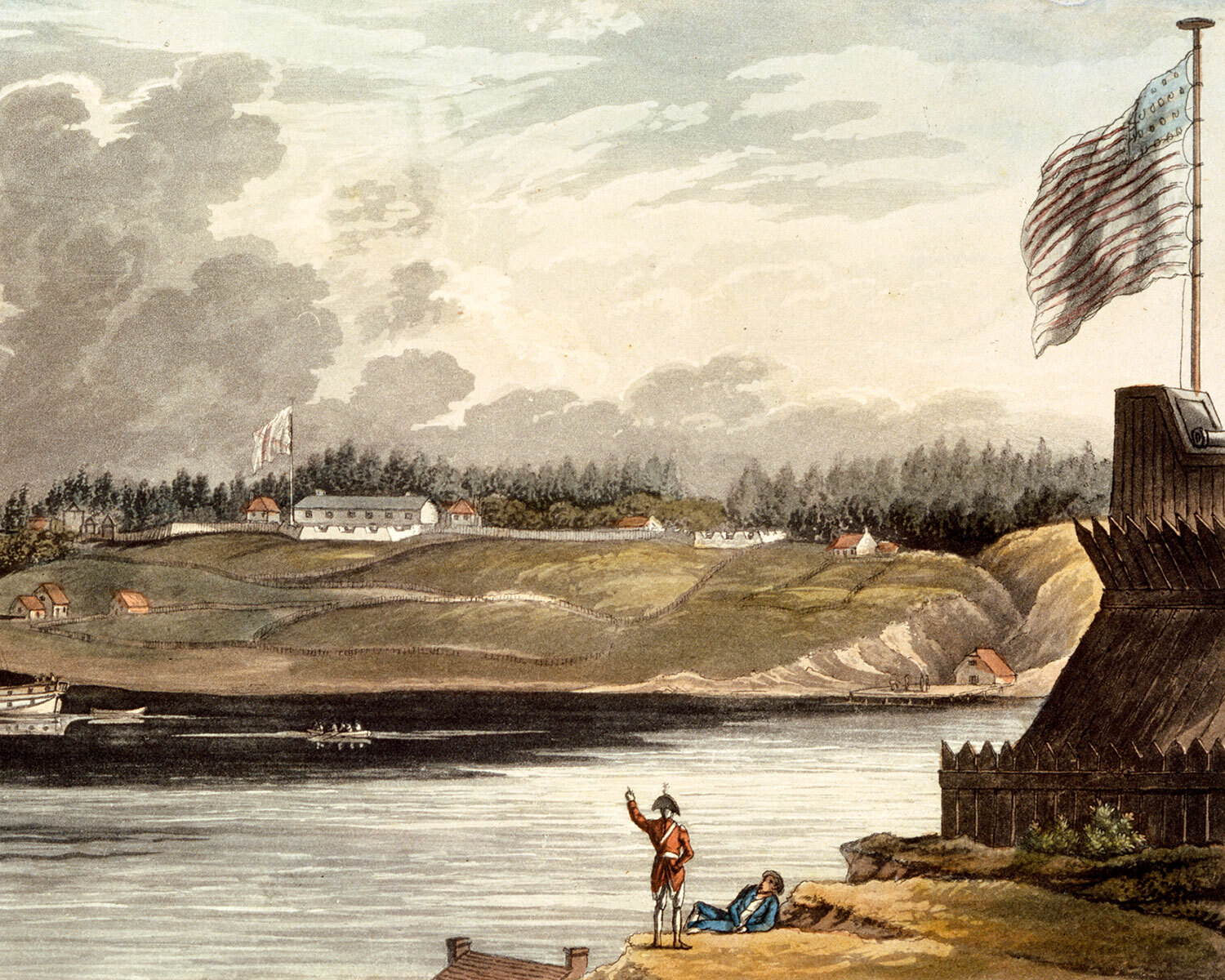
Ontario's military heritage — 1. War of 1812 (Life in a war zone)
Before the War of 1812, the lives of most of Upper Canada’s inhabitants involved hard work and offered few comforts. Even for the most skilled homesteaders, subsistence was precarious; bad harvests could bring a family to the brink of starvation. Unfortunately for these residents, life would become even more difficult with the onset of the War of 1812.
Learn more
About
online exhibit
Ontario's military heritage — 1. War of 1812 (Life in a war zone) in Women's history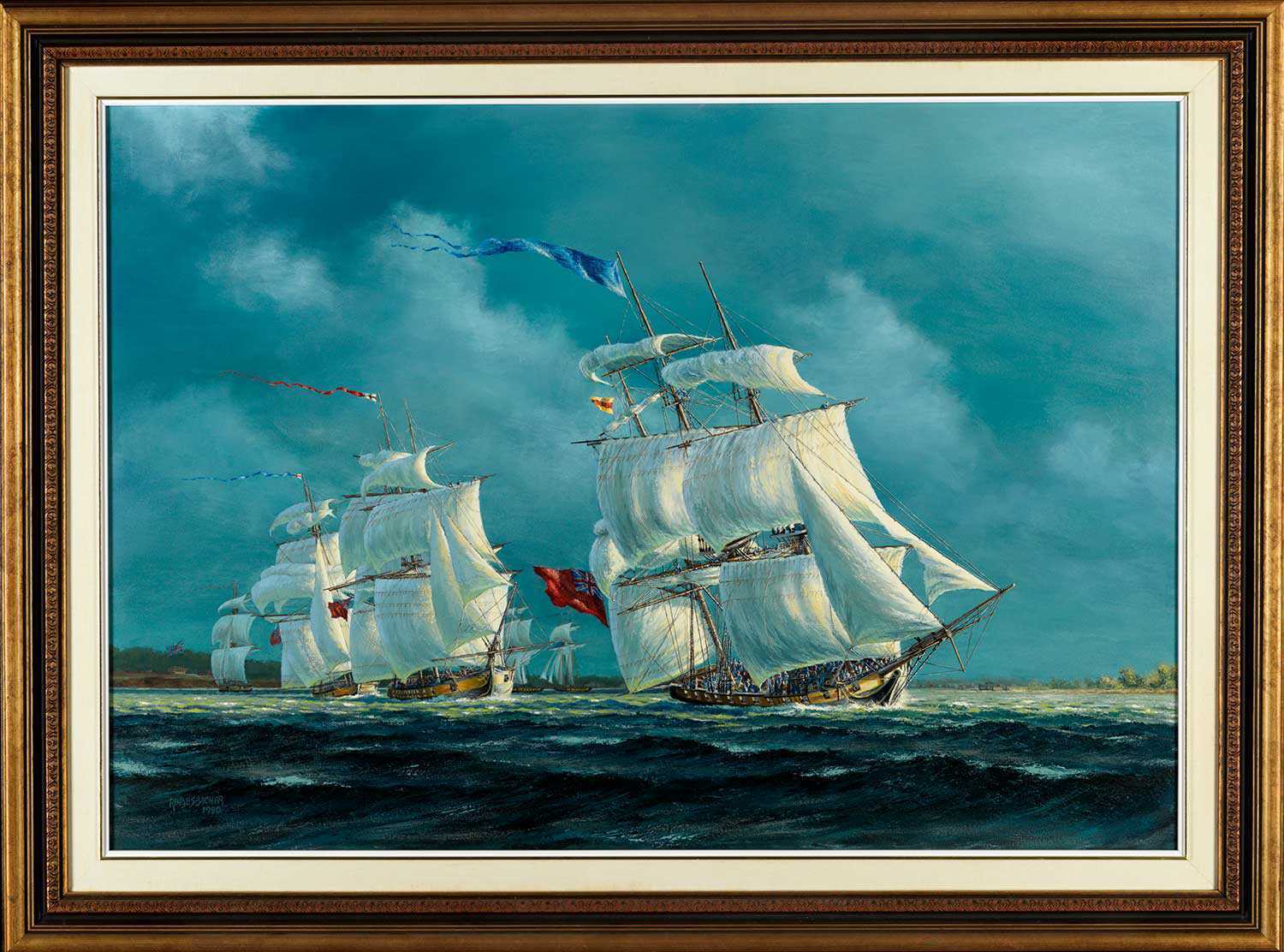
Ontario's military heritage — 1. War of 1812 (Upper Canada's soldiers)
In 1811, Major-General Isaac Brock was appointed as the senior military commander and senior member of Upper Canada’s executive council. It was Brock’s responsibility to manage the defences of Upper Canada. On taking office, Brock quickly recognized the province’s vulnerability.
Learn more
About
online exhibit
Ontario's military heritage — 1. War of 1812 (Upper Canada's soldiers) in Women's history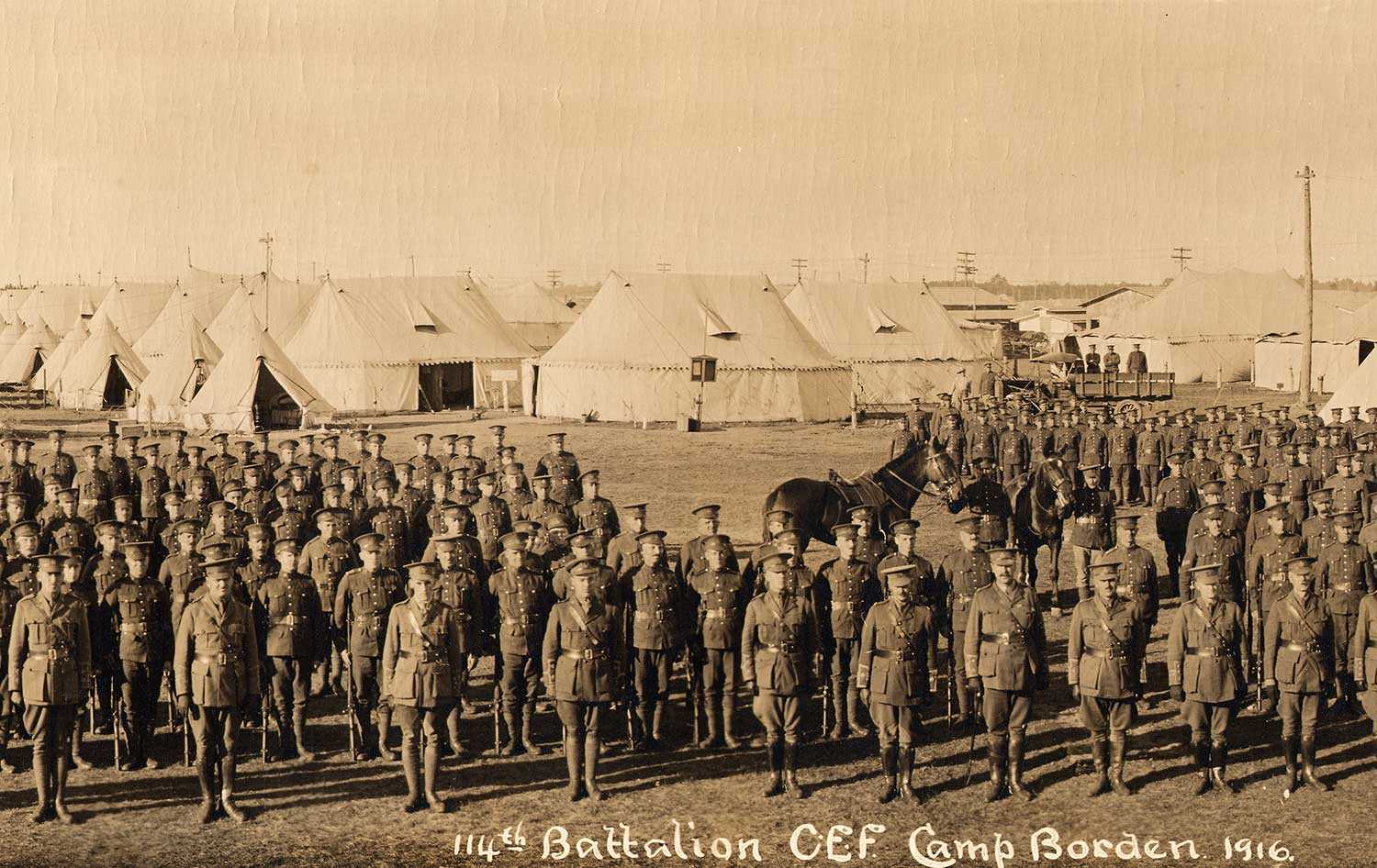
Ontario's military heritage — 3. The Great War (Donning the khaki)
The soldiers who fought overseas in the Canadian Expeditionary Force (CEF) experienced a war like no other before it. The ingenuity of the modern industrial age was used to construct international war machines designed for efficient and brutal destruction. And yet, all the sophisticated machinery, tools and weaponry still required flesh and blood to operate.
Learn more
About
online exhibit
Ontario's military heritage — 3. The Great War (Donning the khaki) in Women's history![Norman James holds the first shell manufactured in Toronto. (Photo: City of Toronto Archives, Fonds 1244, Item 852 Date: [1914?])](https://www.heritagetrust.on.ca/uploads/Exhibits/WW1-Munitions-factory-1500px.jpg)
Ontario's military heritage — 3. The Great War (Ontario's wartime economy)
In August 1914, the people of Ontario were coping with a major recession. The onset of the Great War further compounded pre-existing hardships because access to British credit was suspended, stock exchanges closed, Atlantic shipping ceased and public fears led to a rush of gold withdrawals. Gradually, international and national efforts restored economic stability, and the financial shock of going to war dissipated.
Learn more
About
online exhibit
Ontario's military heritage — 3. The Great War (Ontario's wartime economy) in Women's history![University of Toronto recruits drill on campus. (Photo: City of Toronto Archives, Fonds 1244, Item 763 Date(s) of creation of record(s) [1918?])](https://www.heritagetrust.on.ca/uploads/Exhibits/GW-military-recruits-U-of-T-1500px.jpg)
Ontario's military heritage — 3. The Great War (Schools and students at war)
Public schools, colleges and universities are widely recognized as establishments of learning and accreditation. During the Great War, however, schools in Ontario were mobilized for the war effort. School grounds were repurposed as sites for drills, military experiments and rehabilitation centres for returned soldiers. Some schools also incentivized their students to enlist and allowed their campuses to become recruitment grounds.
Learn more
About
online exhibit
Ontario's military heritage — 3. The Great War (Schools and students at war) in Women's history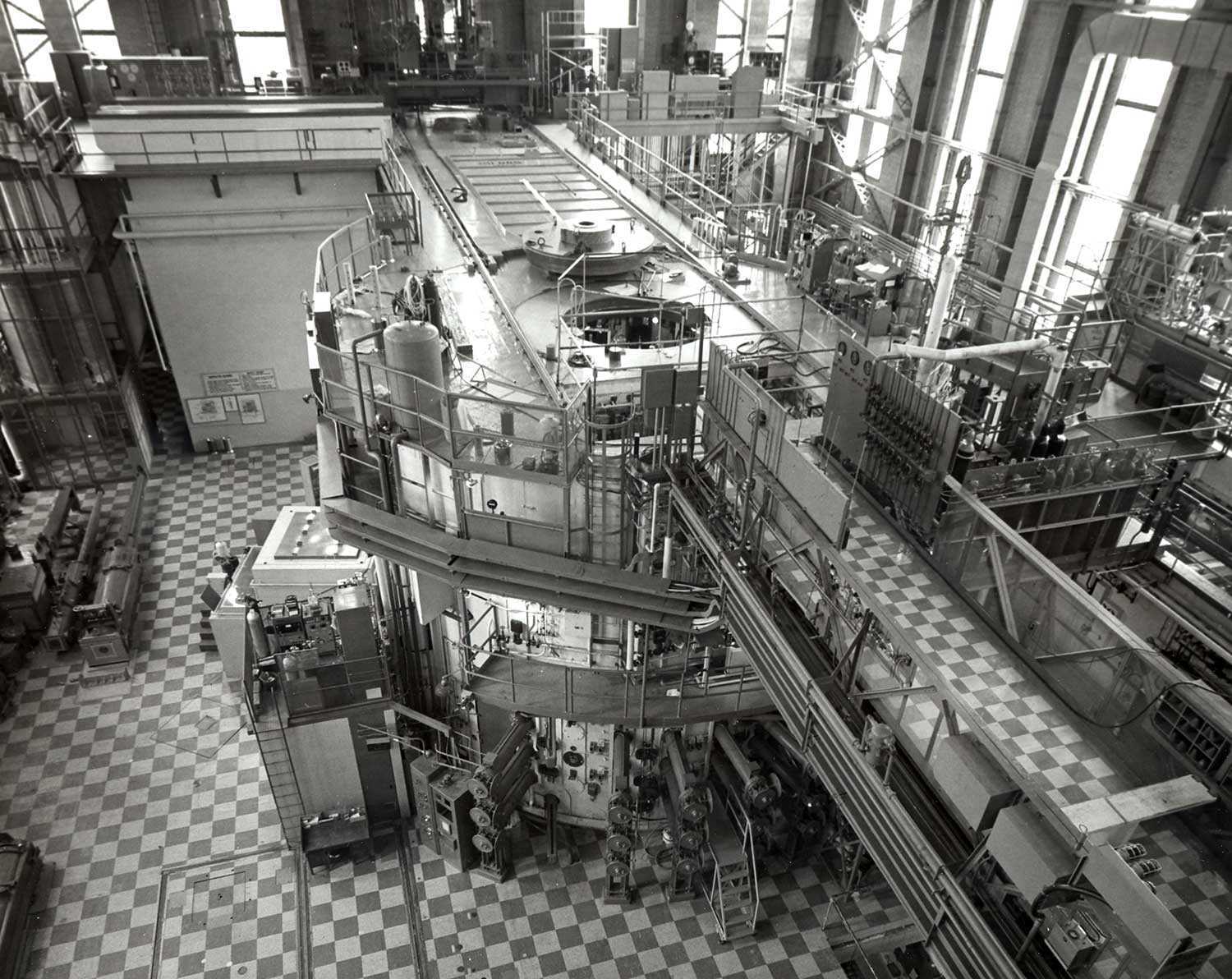
Ontario's military heritage — 4. Second World War (Industry and research)
Ontario was a mineral-rich province that offered many strategic resources for military production. It also had a large population. According to the 1941 census, Ontario had 3.8 million residents, of which 62 per cent lived in urban areas. The combination of Ontario’s large population and mineral-rich land made it an ideal industrial hub for war production.
Learn more
About
online exhibit
Ontario's military heritage — 4. Second World War (Industry and research) in Women's history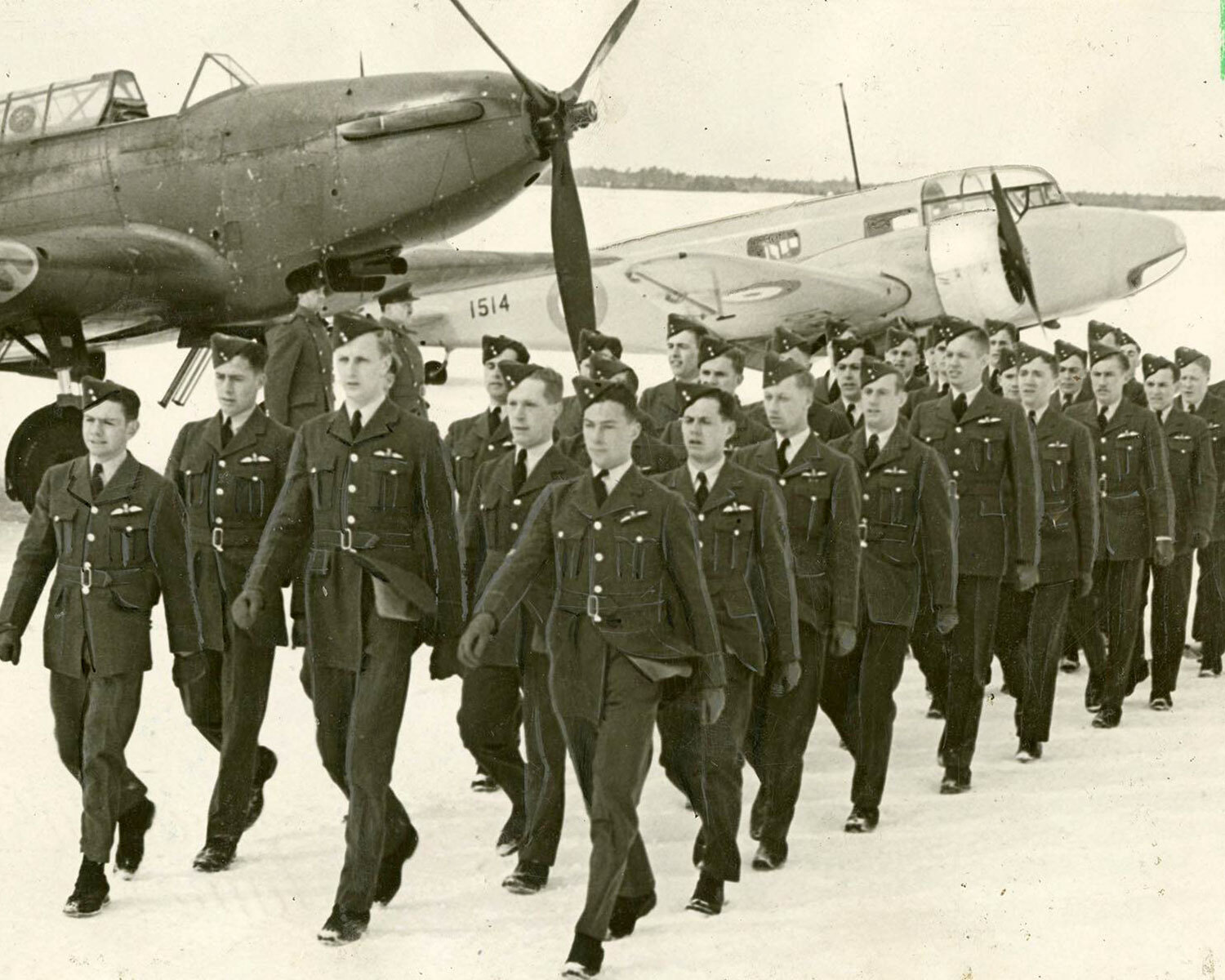
Ontario's military heritage — 4. Second World War (Military operations and experiences)
By the summer of 1940, Nazi Germany had conquered most of continental Europe, and the United Kingdom was defending itself against the German Luftwaffe during the Battle of Britain. During these trying times, Canada became the United Kingdom’s most important ally. To make a meaningful difference in the war, Canada’s military would require expansion and modernization.
Learn more
About
online exhibit
Ontario's military heritage — 4. Second World War (Military operations and experiences) in Women's history