


Driving tour
Military tour of downtown Kingston
This 45-minute drive takes you to some of the key military spots in and around Kingston. From the landing place of loyalists to the start of the Rideau Canal to the splendour of Fort Henry and the Royal Military College, this tour is perfect for those interested in Ontario’s military history.
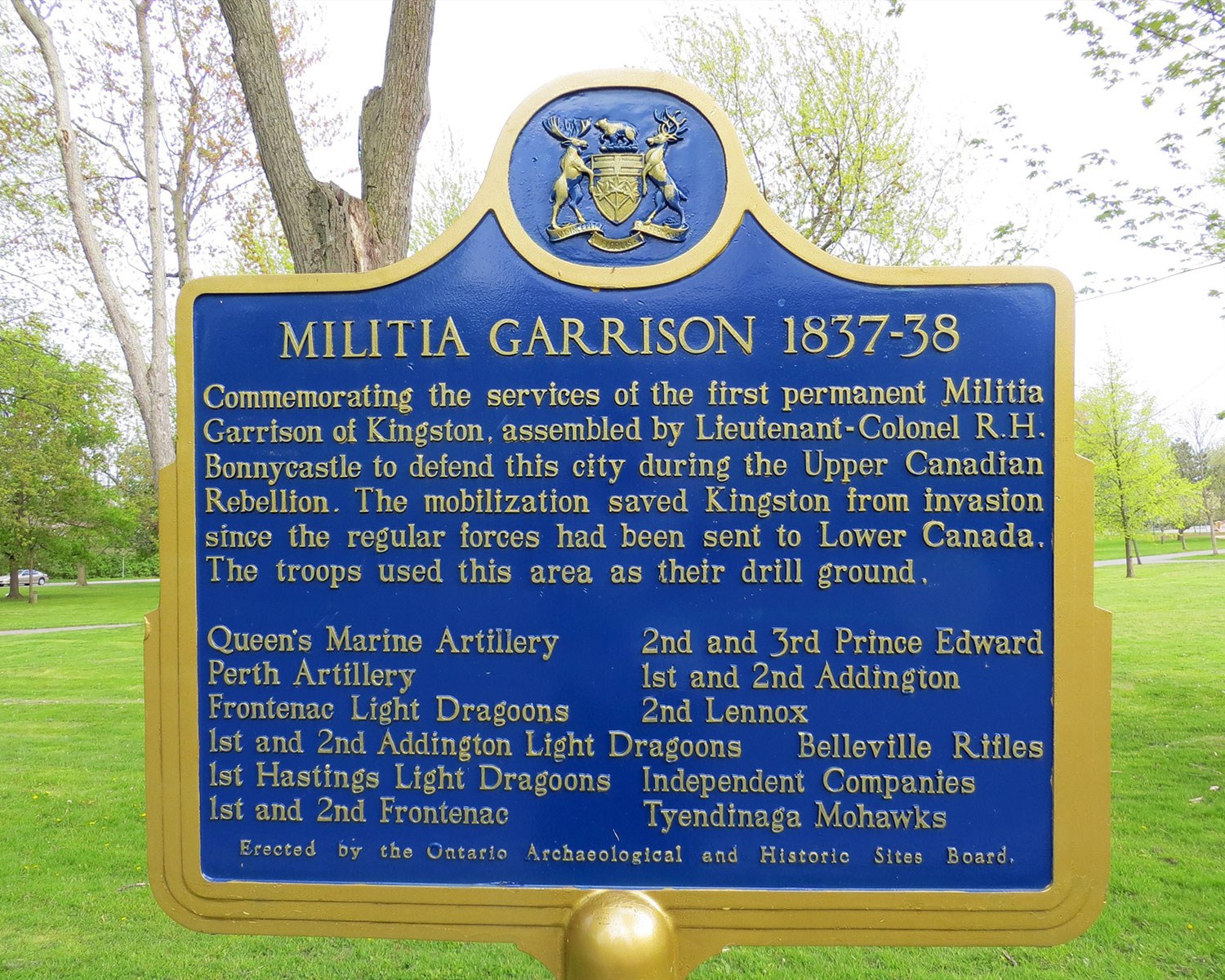
Provincial plaque commemorating the Militia Garrison 1837-38
Photo: www.waymarking.com
Militia Garrison 1837-38
This plaque commemorates the services of the first permanent garrison in Kingston, assembled to defend the city during the Upper Canada Rebellion.
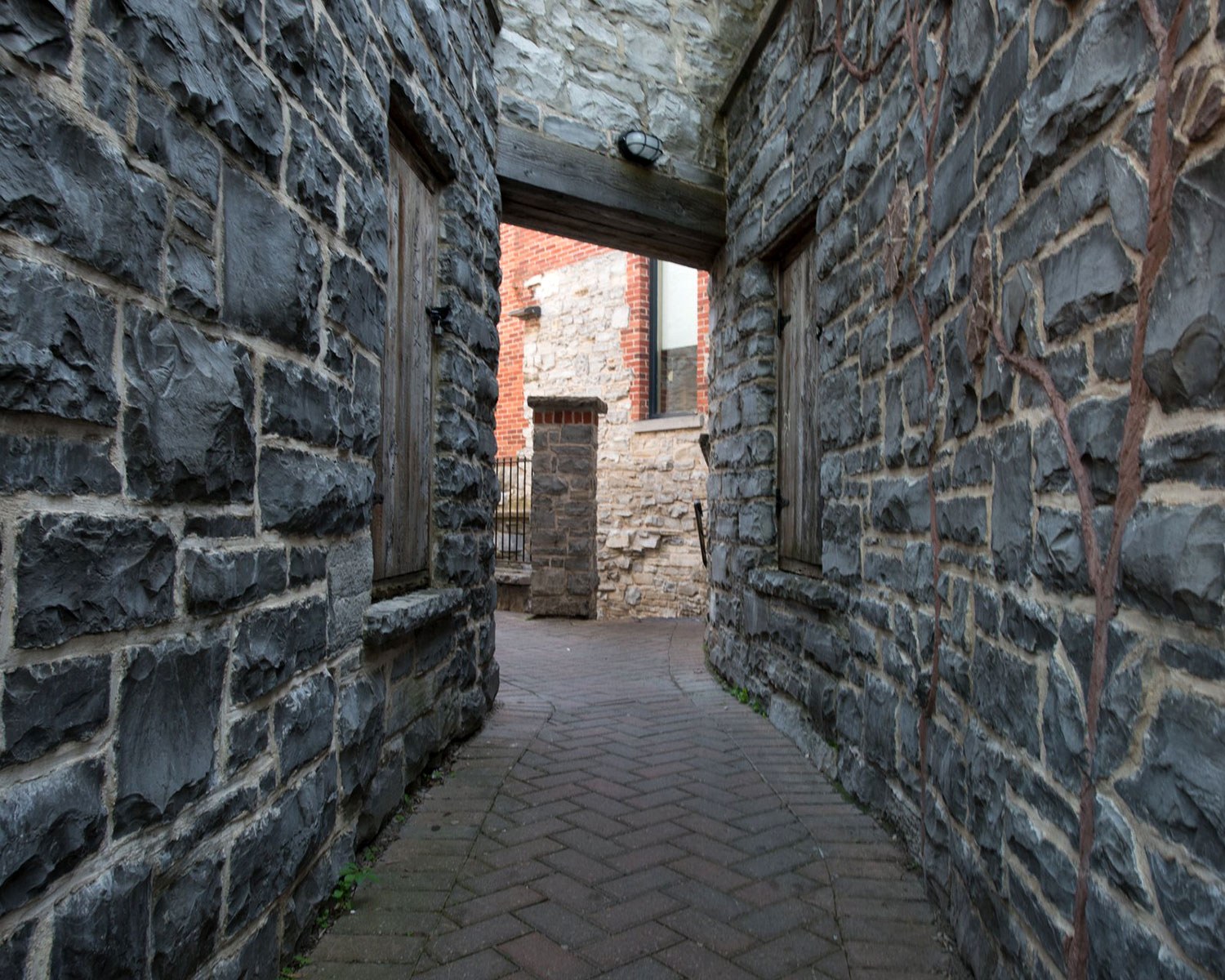
Stone walls in Kingston
Photo: Destination Ontario
Loyalist Landing at Cataraqui 1784, The
After the end of the American Revolution, loyalist refugees came to Canada. One group came from New York State and landed near here at Cataraqui, now known as Kingston.
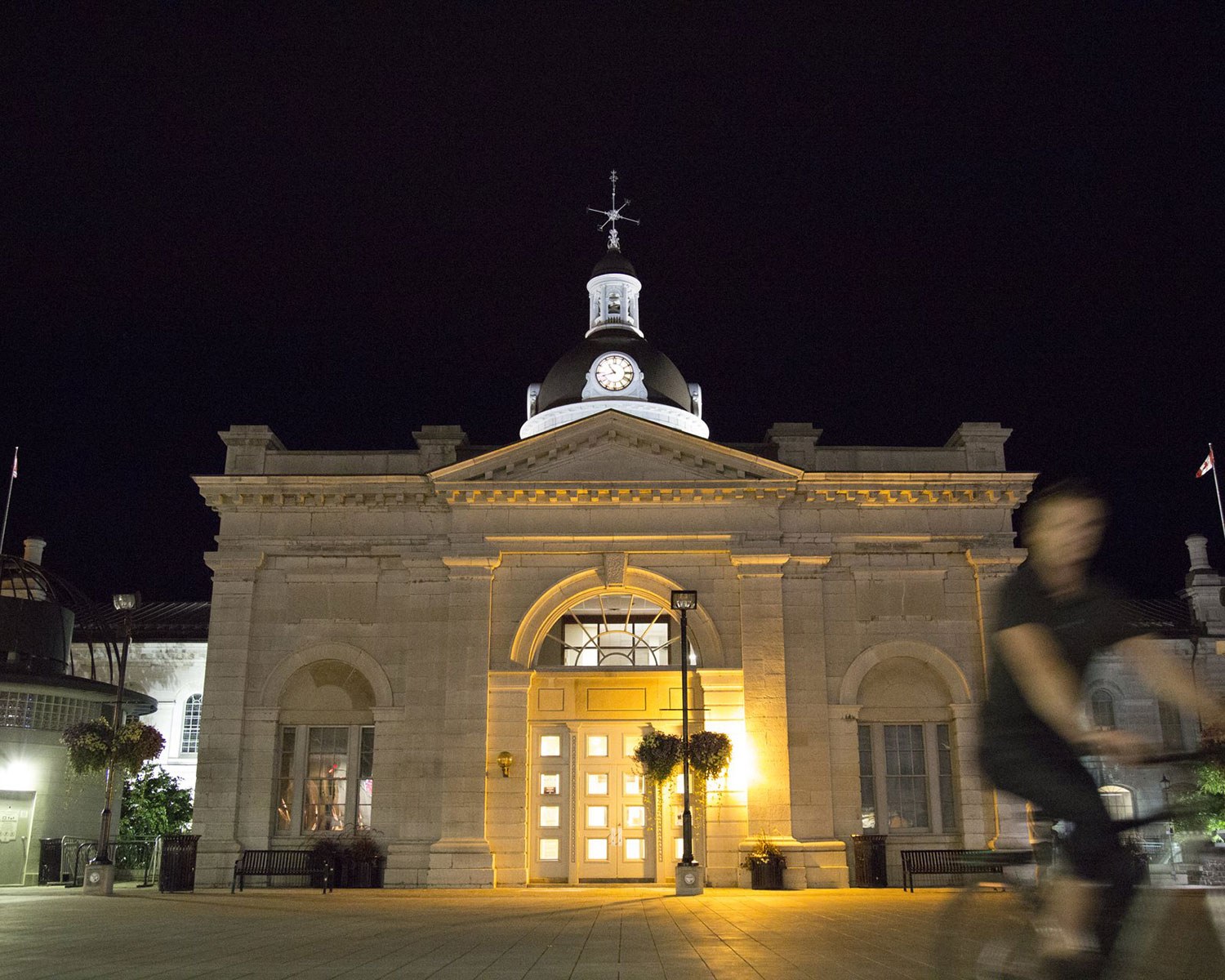
Kingston City Hall at night
Photo: Destination Ontario
King's Royal Regiment of New York, The
This plaque commemorates the largest Loyalist corps raised during the American Revolution. And it was right here in Kingston.
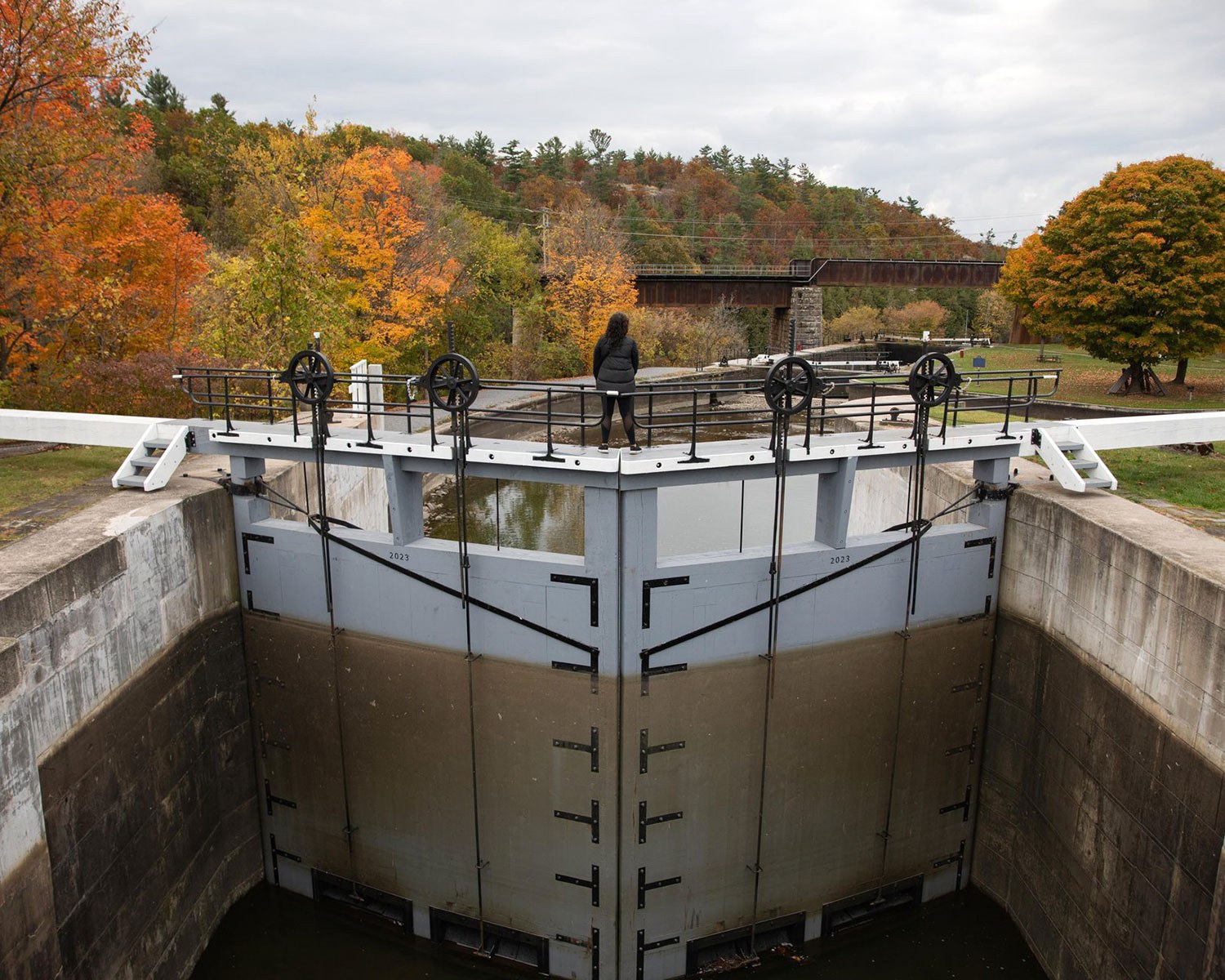
The Rideau Canal at Kingston Mills
Photo: Humyn/Rami Accoumeh, Destination Ontario
Rideau Canal 1826-1832, The
This UNESCO World Heritage Site opened on May 24, 1832 to provide a secure military route between Upper and Lower Canada.
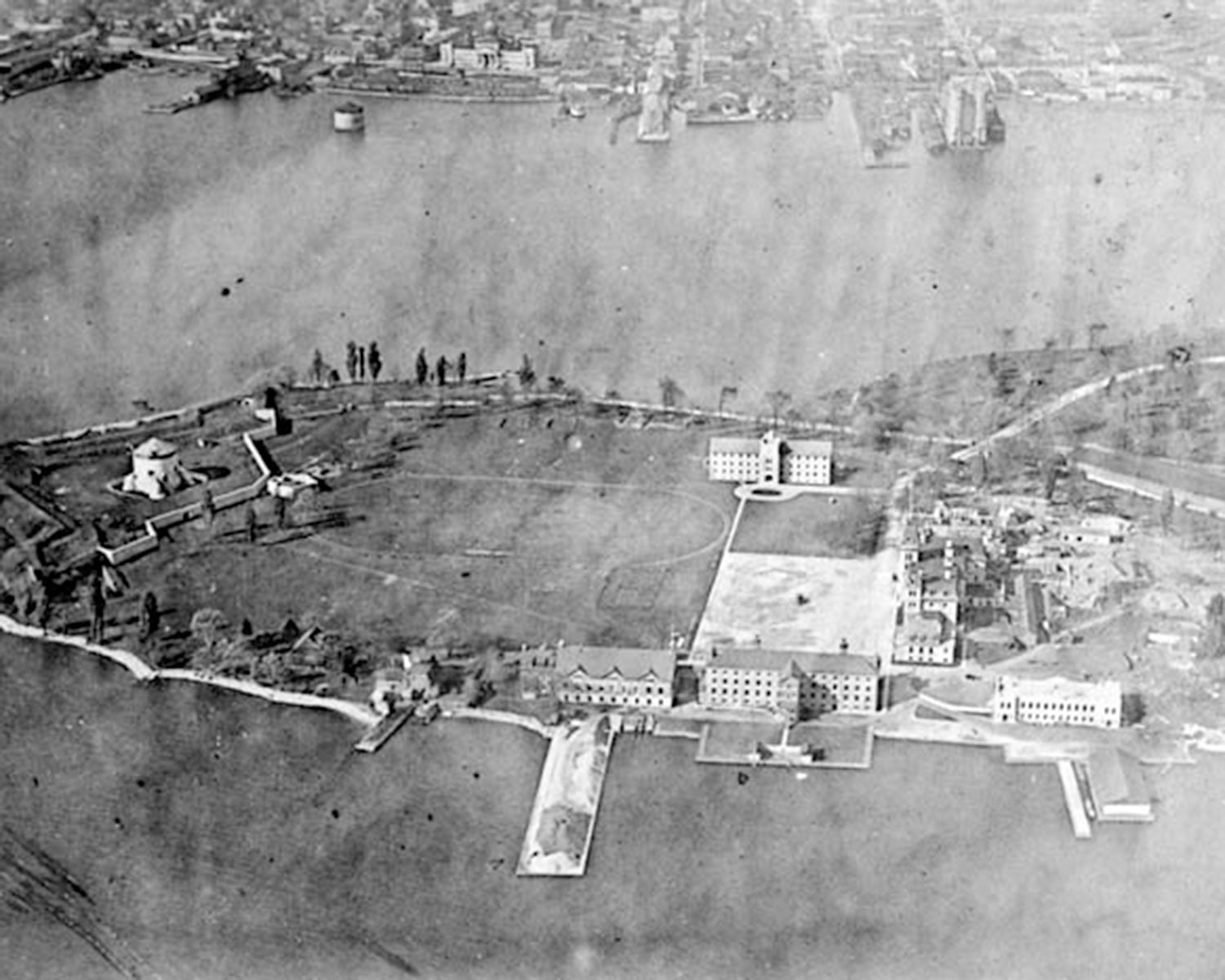
Aerial shot of Point Frederick, Kingston, in 1919
Photo: Canadian Post Card Co./Library and Archives Canada
Point Frederick
This strategic location was established for the defence of the loyalist settlement at Cataraqui (now Kingston).
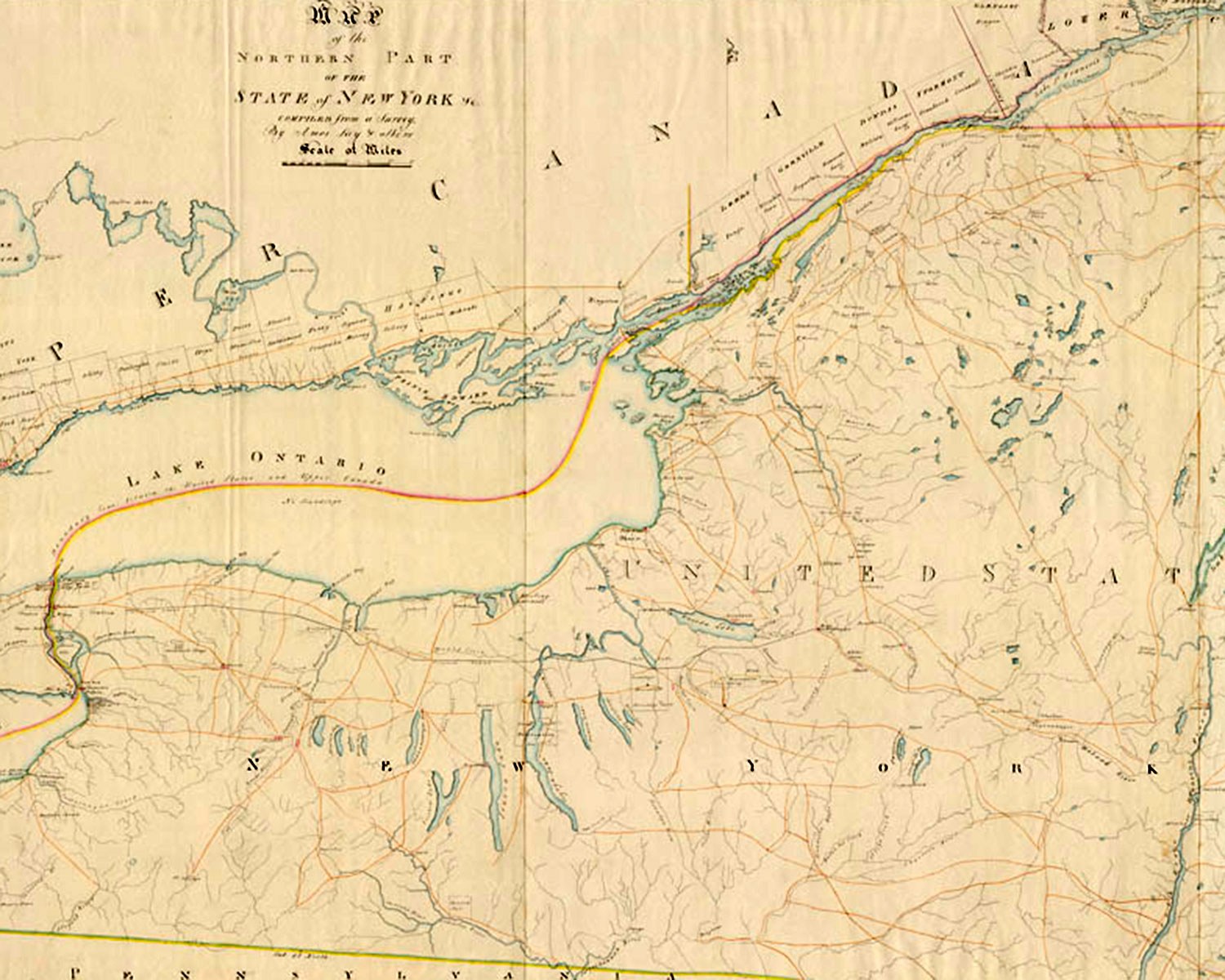
Map of the northern part of New York State and parts of Upper Canada, 1814
Photo: Library and Archives Canada
Rush-Bagot Agreement, The
This plaque commemorates the agreement that officially ended the War of 1812. It is still technically in force today.

Royal Military College, Kingston
Photo: J.-F. Bergeron/ENVIRO FOTO, Destination Ontario
Stone Frigate, The
This building was constructed as a naval warehouse. By 1876, it was refitted to house the newly established Royal Military College of Canada.
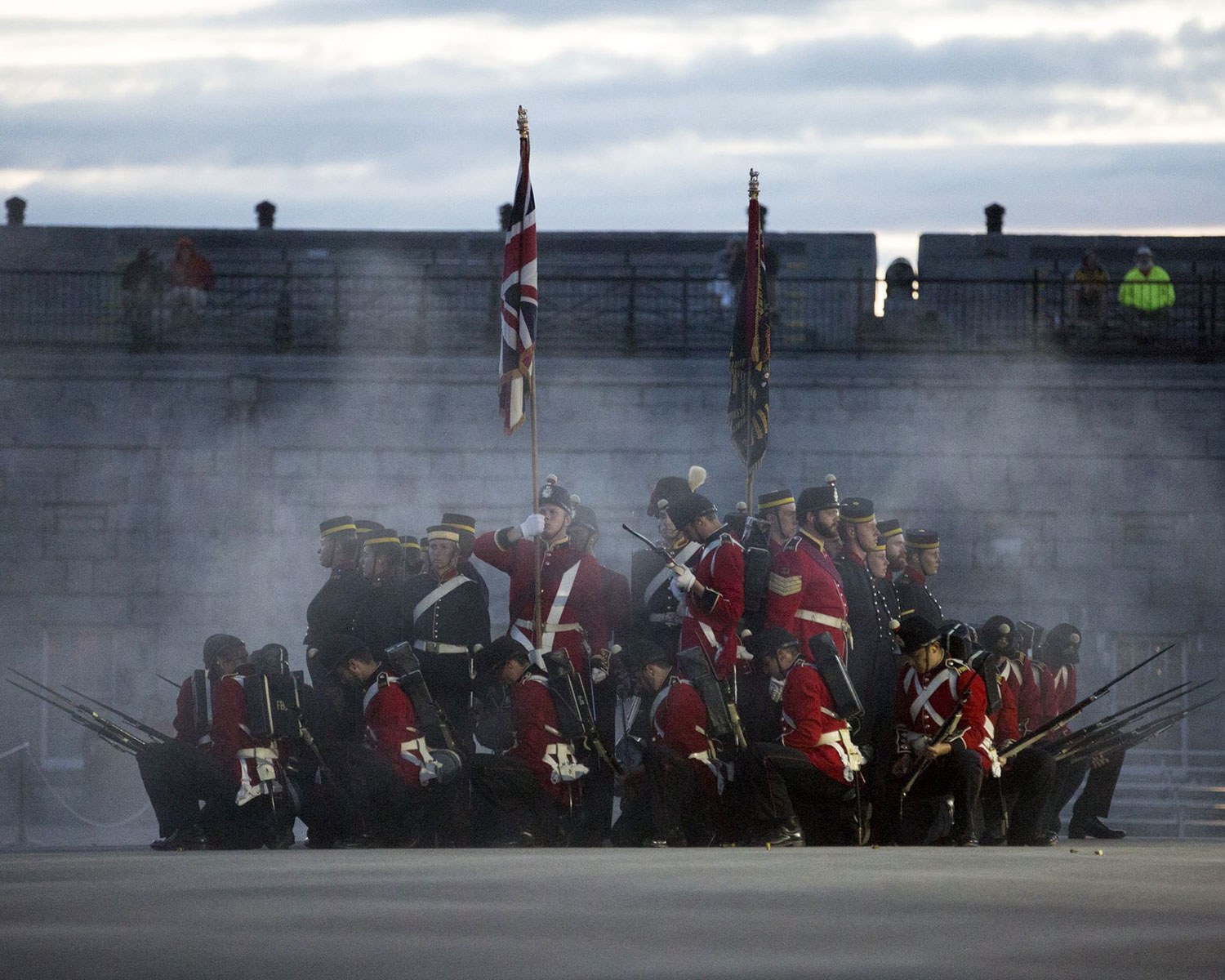
Guard drill at Fort Henry, Kingston
Photo: Destination Ontario
Fort Henry
The first fort was built during the War of 1812. The present structures were built between 1832-37. Today, the site is a museum.

Sir Richard Bonnycastle
Photo: Hastings County Archives via Wikimedia Commons
Sir Richard Bonnycastle 1791-1847
While at Fort Henry, check out the plaque to Bonnycastle, who played a significant role in the defence and economic development of the province.