


Baseline Documentation Reports
A cultural Baseline Documentation Report (BDR) is the document used by the Ontario Heritage Trust and the owner of a Trust heritage easement property that identifies the specific heritage character and condition of a property at the time the heritage conservation easement is established, or at an agreed-upon time thereafter.

The BDR provides the Trust and the owner with a permanent record of the built heritage resources located on an easement property. It is a separate document, completed after the easement agreement is executed, which forms a legal reference under the agreement. Its main purpose is to establish the initial benchmark against which future monitoring of the property is conducted by the Trust. It is the datum against which the maintenance requirement of the easement is measured and is the mechanism by which pre-existing alterations or acknowledged property conditions can be authenticated.
There are a number of internationally accepted formatting and archival standards for architectural documentation including: The Library of Congress, HABS/HAER Field Book (United States Parks Service), Public Works Government Services Canada – Heritage Conservation Program, and several others. These organizations standardize information for a number of reasons, such as accessibility, conservation, completeness of recording and archival stability. By incorporating the best features of these standards with the legal requirements of the easement agreement, the Trust has developed the following BDR outline for cultural heritage easement agreements.
A. Preface
The purpose of the BDR as well as the legal context, author/contributors, summary of property data is included here.
B. Statement of cultural heritage value
This section is a narrative explaining the historical, architectural and contextual significance and heritage value of the property. The character-defining features embody this
significance and are described in greater detail. This section will also include sources and property evolution/history of alterations.
C. Site plan/aerial photograph
This plan/image should identify the physical boundaries of the property, the adjacent streets, access to the property and the urban or natural context of the property. It should also be a scaled plan based on a survey for greatest accuracy.
D. Condition report
This component of the BDR clarifies the various architectural systems and physical condition of the property, with textual descriptions of the materials and construction. This report should identify any major pre-existing deficiencies and cross-reference them to the plans and/or photos.
E. Photographic key plan
The location and orientation of the cameras — including the angle relative to the horizon — is useful information that is included on the photographic key plan. The BDR establishes views for subsequent monitoring, allowing the changing condition of the property to be documented over time by taking photos from these same locations. All images in the BDR should be referenced on the photo key plan(s).
F. Photographs
Two types of photographs are used to document the heritage resource.
Black and white photography
This film type is relatively stable if stored properly. It captures the texture and form of a property better than colour film. Where necessary, large- or medium-format photography may be the preferred method of capturing a space or architectural feature. All photography should be as free as possible from optical distortion (i.e., perspective).
Colour photography
This film captures patina, materials and subtleties of hue that may not be seen in black and white photography. If images are colour corrected, this medium can provide excellent reference for true colour. Otherwise, the same issues apply as for black and white photography.
G. Architectural drawings
These drawings may include plans, elevations, sections and other architectural drawings available and relevant to the heritage character-defining features.
H. Acknowledgement page
This form is signed and dated by the owner and the Trust. It indicates that both parties agree that the contents of the BDR are accurate at a given date.
I. Legal context
A copy of the entire registered easement agreement is included as an appendix at the back of the BDR.
J. Copies
All of the material is then recorded onto an archival quality CD/DVD and included in the BDR as well. It is recognized that this is not a particularly stable format even when kept in the best archival quality CD/DVD sleeve. But it is better than not being included at all. As stipulated in the easement agreement, a hard copy of the BDR is deposited with the provincial archives.
Baseline Documentation Reports must be prepared by heritage professionals who have expertise in documenting and assessing heritage resources, their condition and their significance.
Revised September 2012
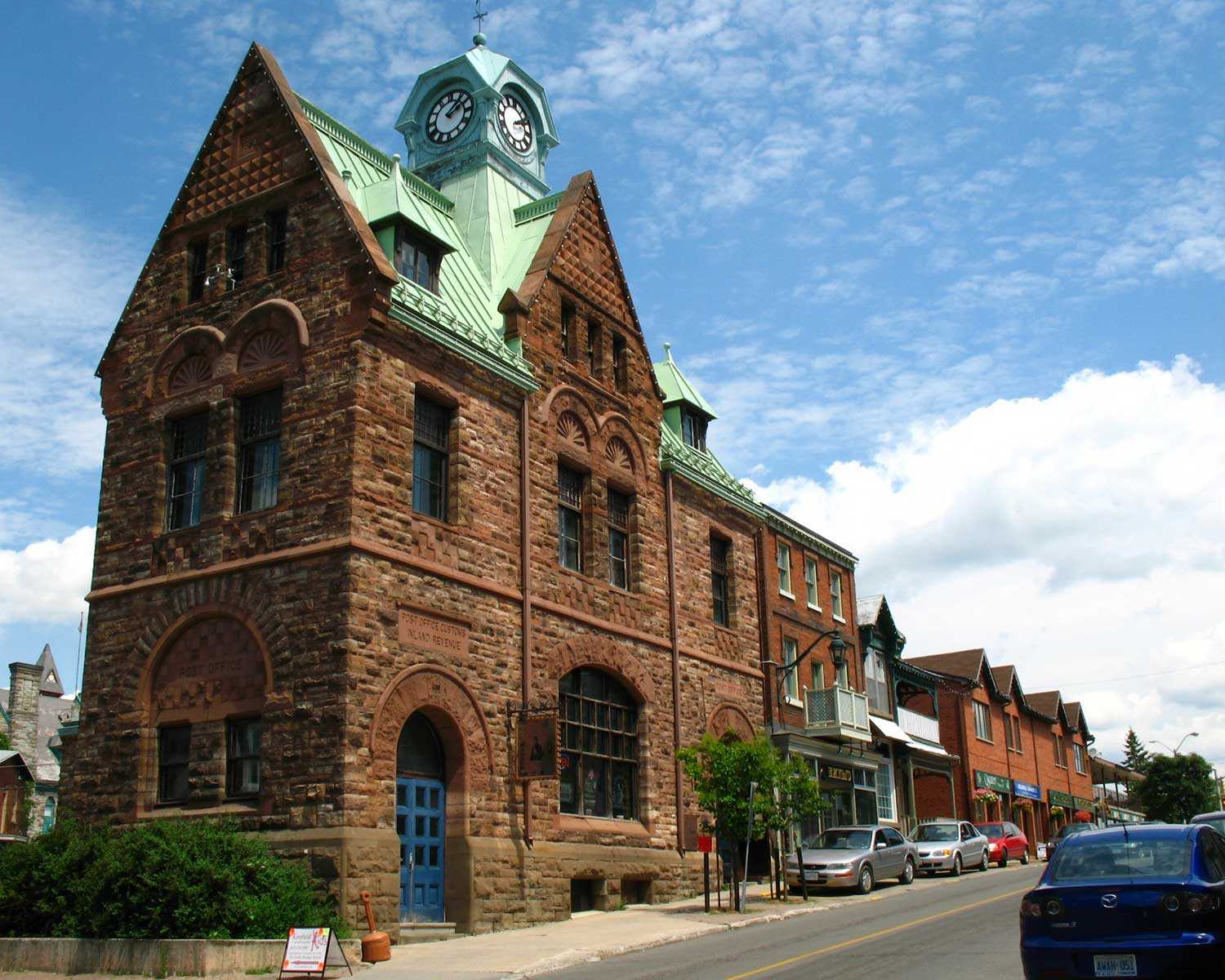
Almonte Post Office
Related pages
The Ontario Heritage Trust: Who we are
As the province’s lead heritage agency, the Ontario Heritage Trust is entrusted with keeping Ontario’s heritage alive and meaningful.
ExploreArchaeology — Frequently asked questions
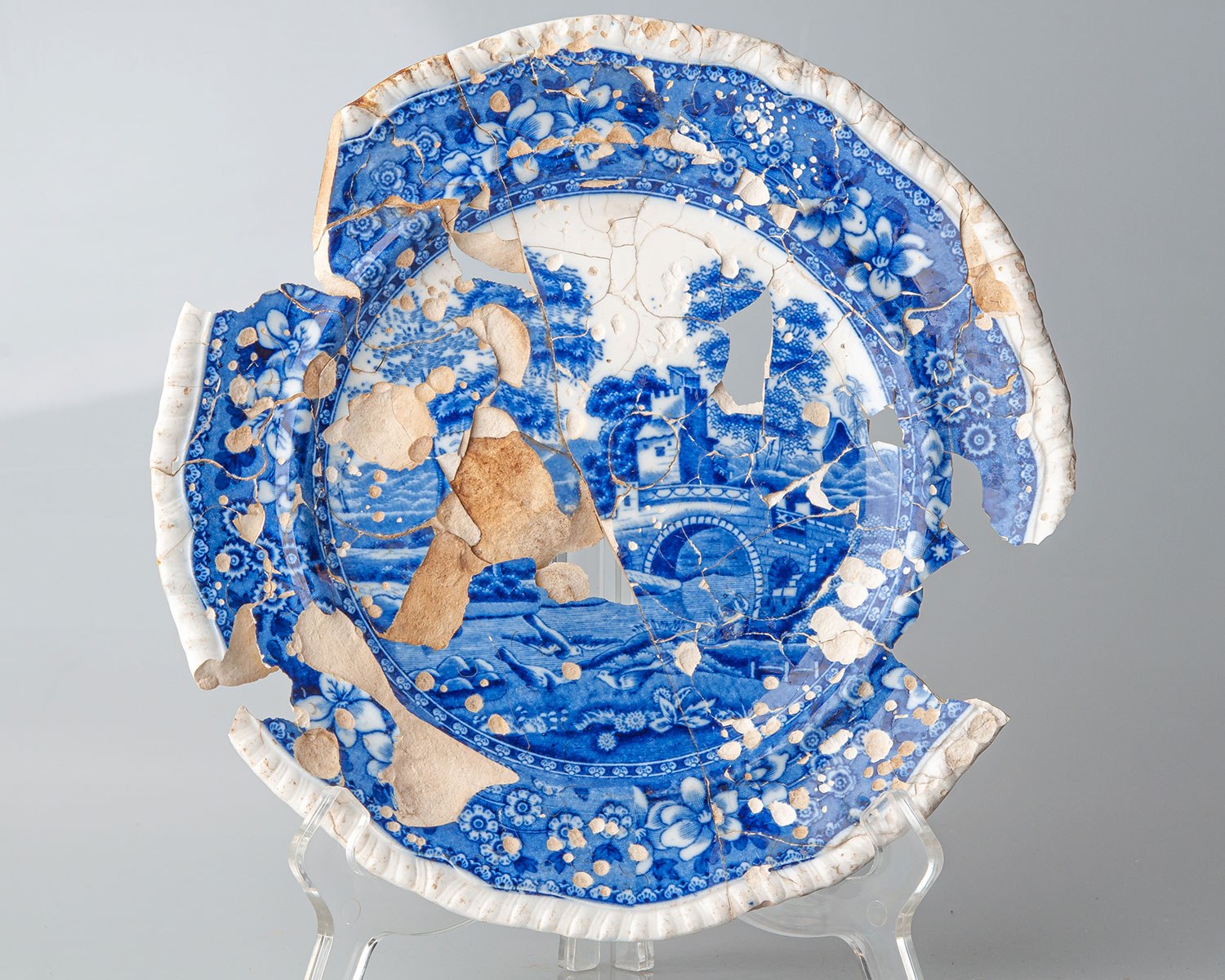
A plate recovered from Inge-Va, Perth
Archaeology is the scientific study of the human past through investigations of physical remains and material cultural (for example, artifacts, fragments, features and structures).
ExploreEight guiding principles in the conservation of historical properties
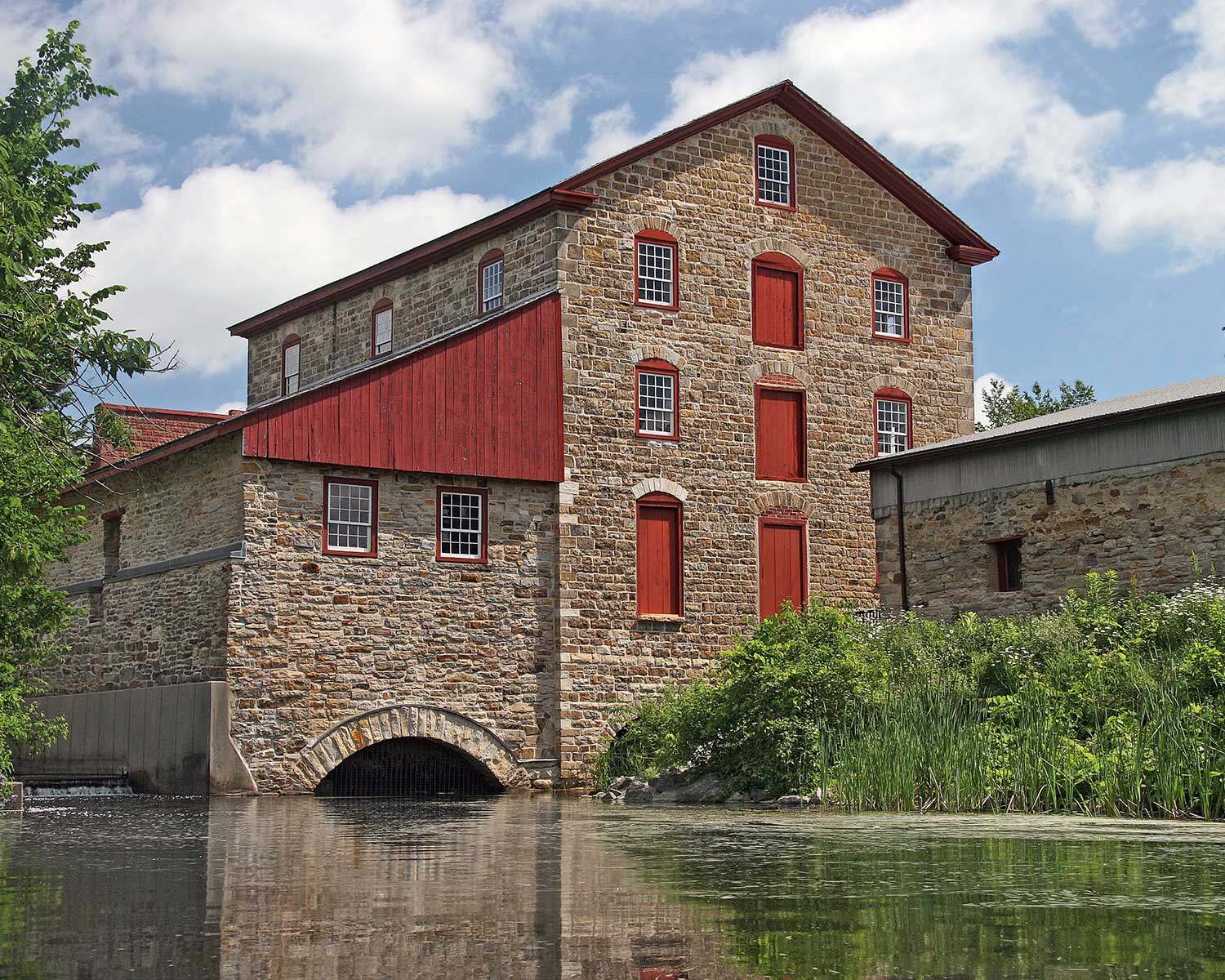
Old Stone Mill, Delta
Photo: Ken Watson, courtesy of Doors Open Rideau Lakes
The following guiding principles are statements in the conservation of historical properties and are based on international charters that have been established over the past century.
ExploreGuidelines for signs on cultural heritage easement properties

Peel County Courthouse and Jail, Brampton
Photo: Doors Open Brampton
Signs have always played a key role on commercial streets and on public and private buildings.
ExploreConservation plans for heritage properties
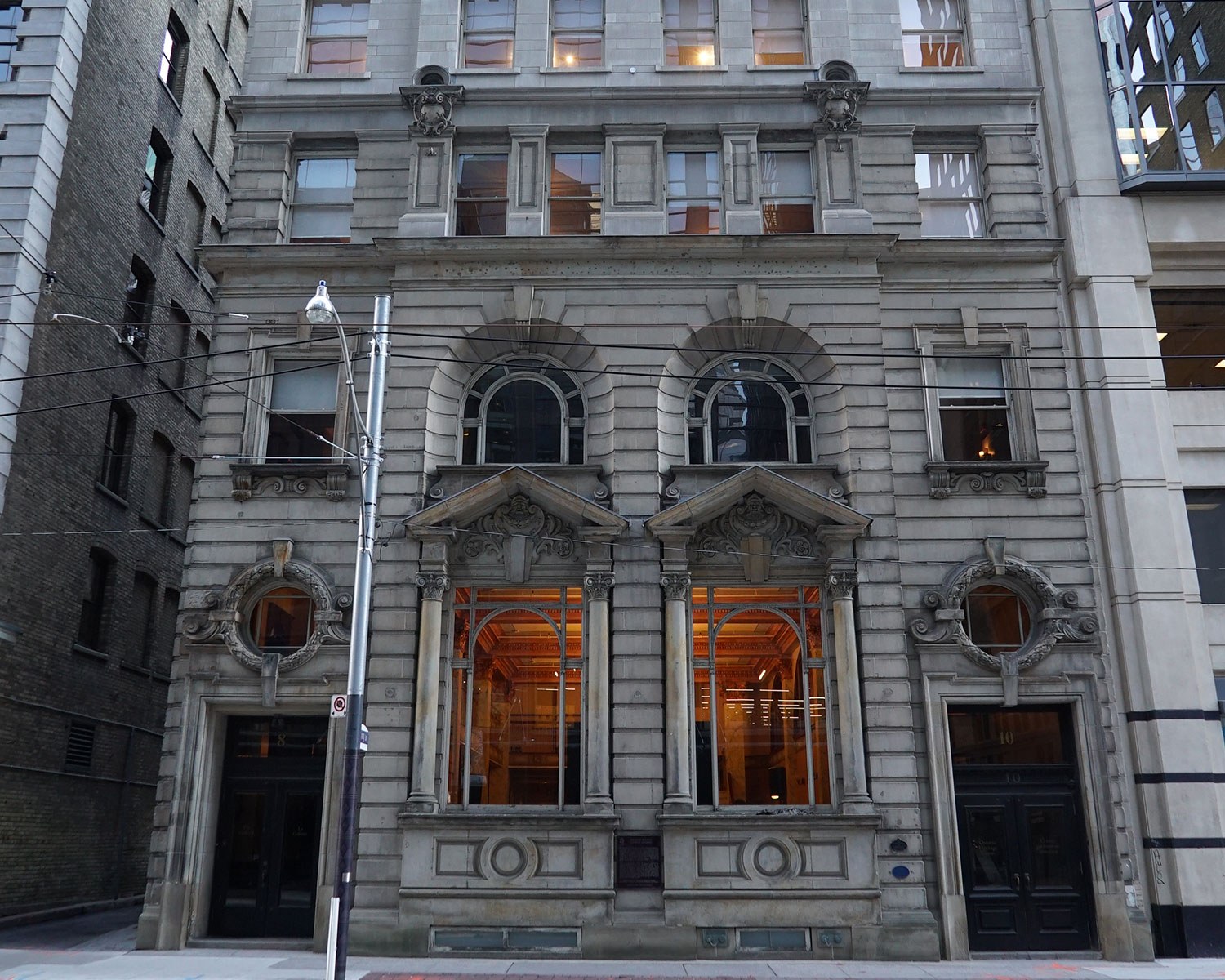
Exterior of the Ontario Heritage Centre, Toronto
Photo: Mark Wolfson
The objectives of a conservation plan are to identify the cultural and historic significance of a site and to set out a policy and strategy for the management and conservation of the heritage values, attributes and integrity of that site.
ExploreHow to research a heritage property
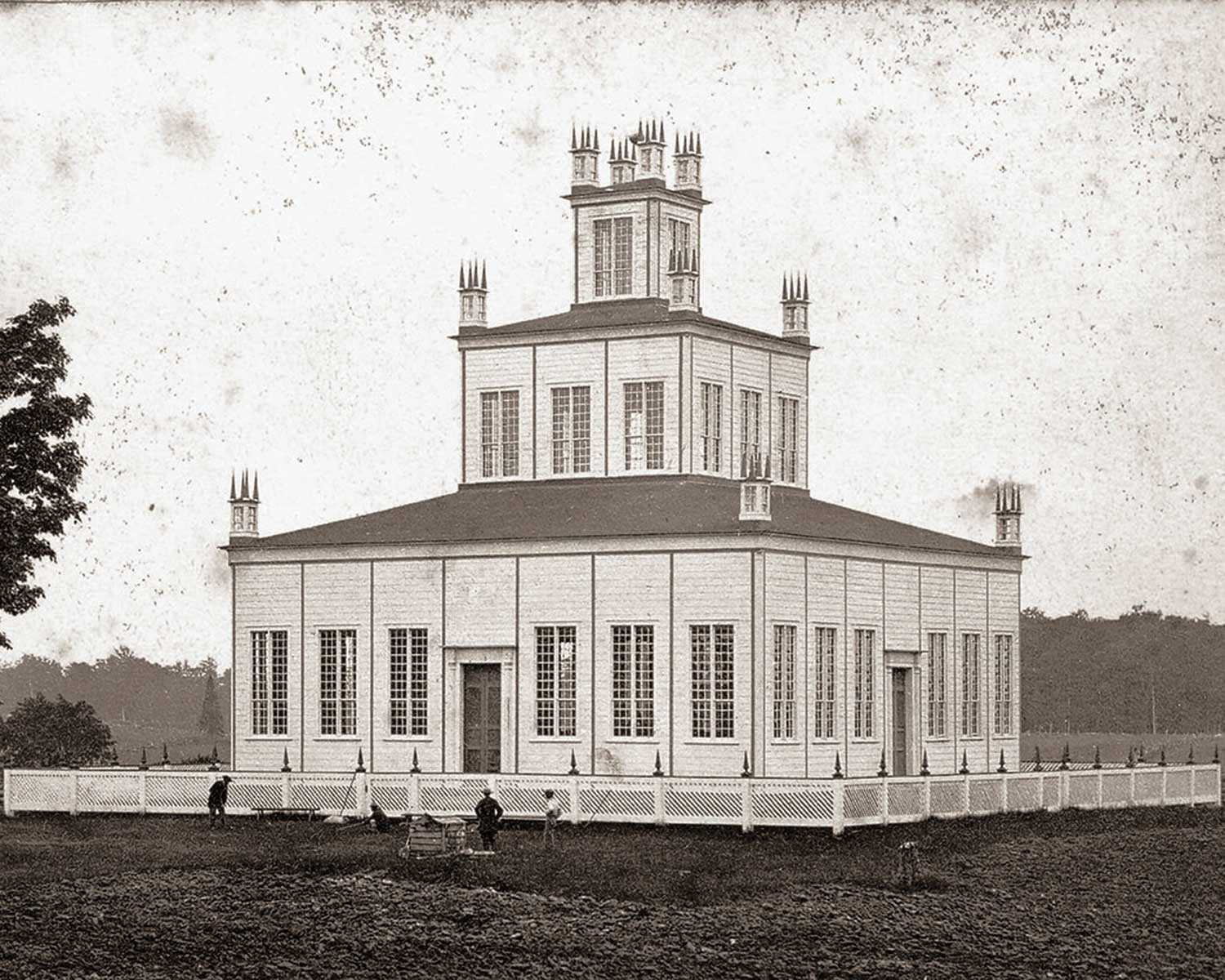
Sharon Temple, c. 1861, East Gwillimbury
Researching a property can seem like a daunting task, but by exploring the holdings of your local library, archives or museum, you might be able to discover important information.
ExploreBenefits of heritage designation under the Ontario Heritage Act
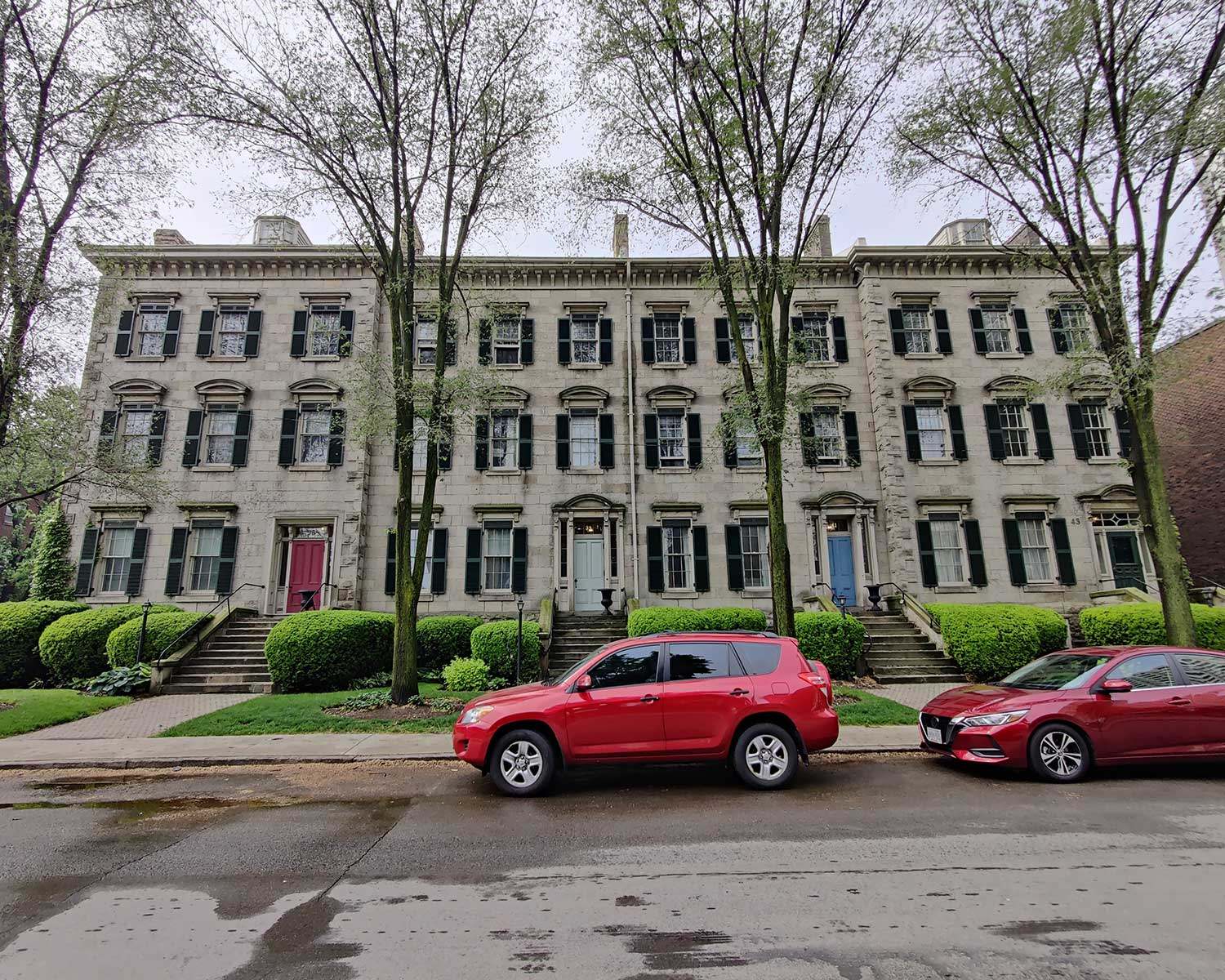
Sandyford Place, Hamilton
Check out the benefits of designation under the Ontario Heritage Act.
ExploreCultural heritage landscapes — An introduction
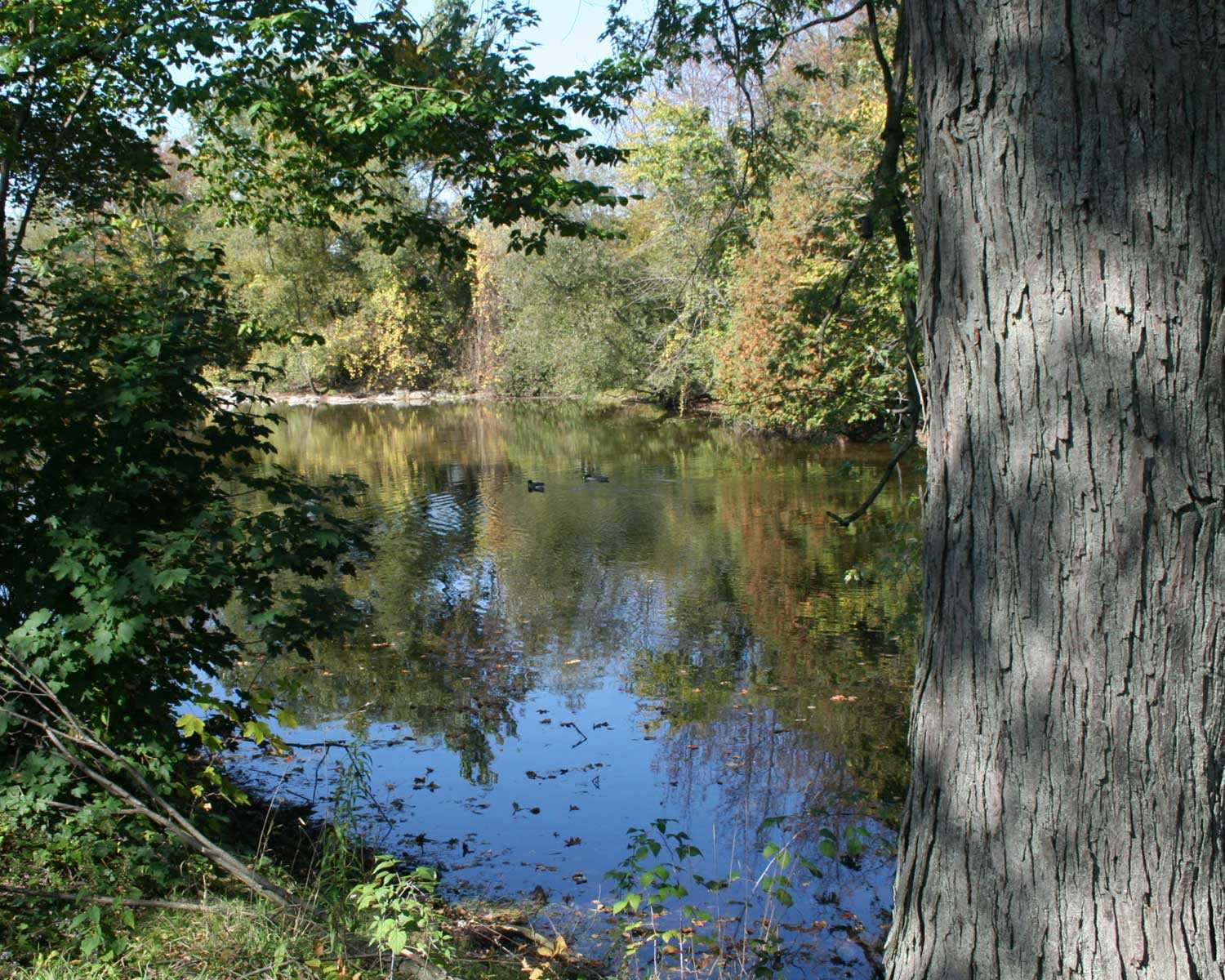
Evolved cultural landscape, Scotsdale Farm, Halton Hills
Cultural heritage landscapes, or cultural landscapes, have been used as a term for several decades.
ExploreSteps to saving a heritage site at risk in your community
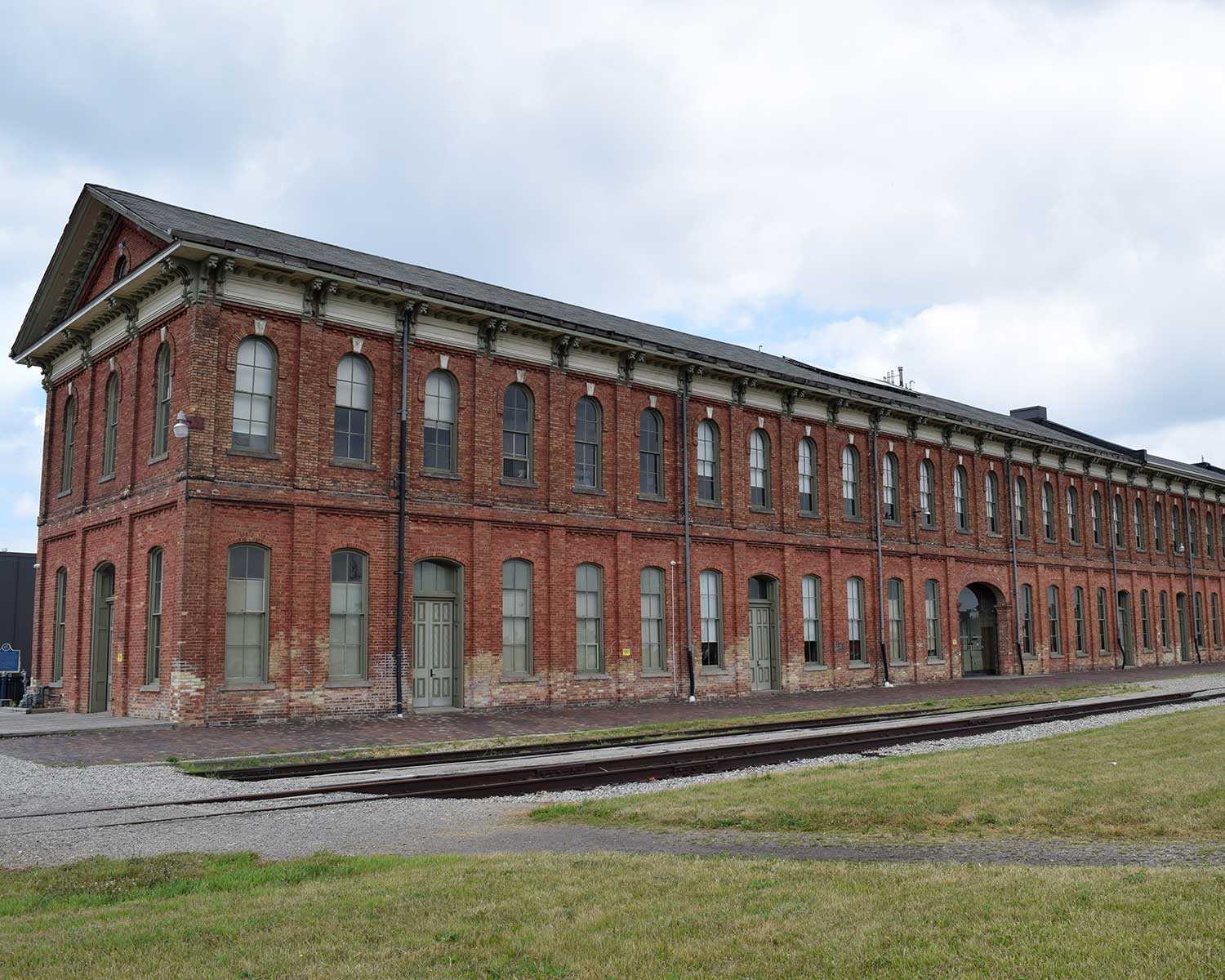
St. Thomas CASO Station
Steps to saving a heritage site at risk in your community.
ExploreComponents of a Trust cultural heritage easement agreement

St. Brigid’s Church, Ottawa
Components of a Trust cultural heritage easement agreement
Explore