


Steps to saving a heritage site at risk in your community
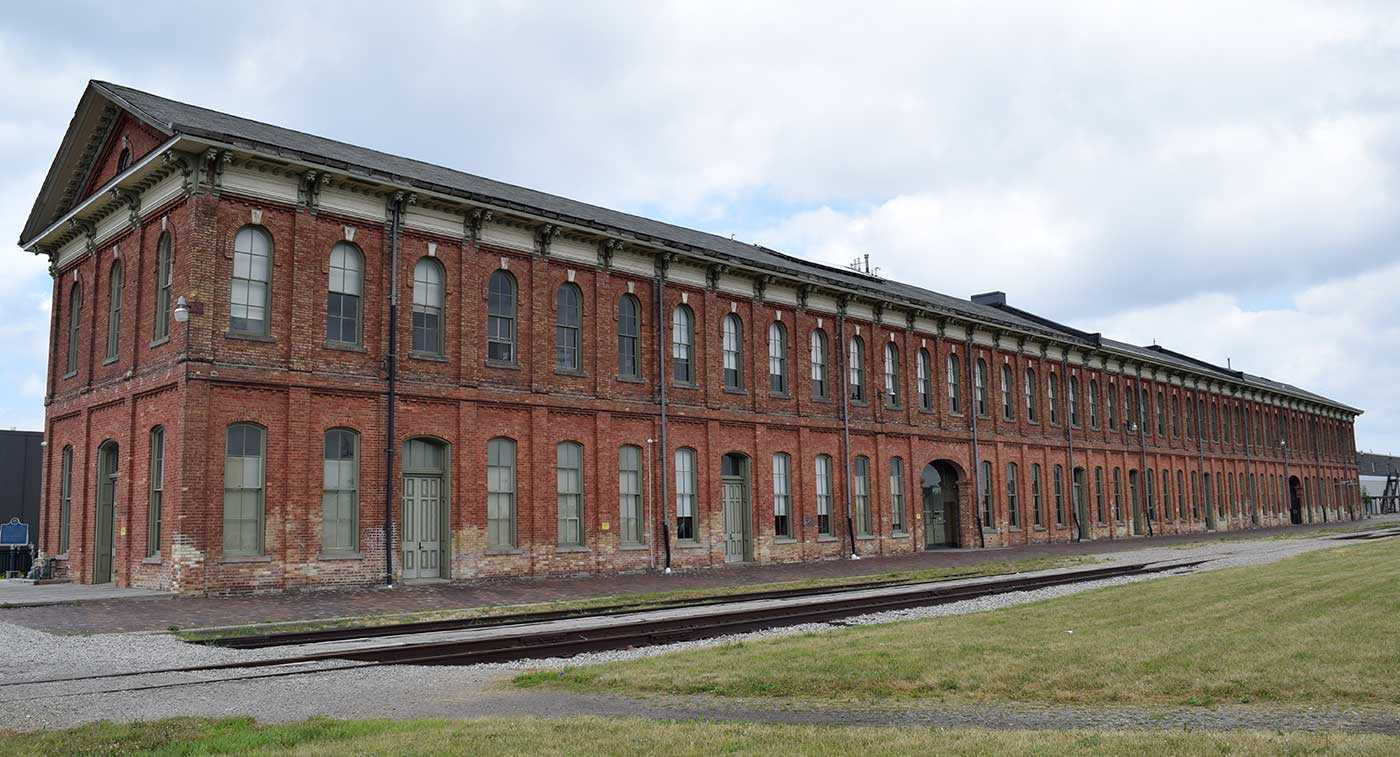
1. Confirm basic information about the property/properties:
- In what municipality is the property located?
- What is the municipal address and legal description? You can visit the land registry office to obtain this information.
- Confirm zoning and land-use designation. You can find this information in the official plan or through your local planning department.
- What is the heritage feature that is at risk (building, structure, landscape, archaeology)?
- What is the threat or perceived threat to the property? Is the property part of a development application or an alteration? Has a demolition permit been issued? Is it for sale? Is the property vacant or in poor condition? Municipal planning or building staff may have some of this information if it is part of the public record.
2. What is the nature of ownership?
- Is the property owned privately by an individual or by a corporation? Is it owned by the municipality or by the regional, provincial or federal governments?
- If it is owned privately or corporately, or by a regional or municipal government, a not-for-profit agency, or a religious organization, then it may be designated under the Ontario Heritage Act (OHA).
- f the property is owned by the Government of Canada, or if it is owned by an entity regulated by the federal government (for example, a railway company), then neither the municipality nor the province has heritage jurisdiction. Only the federal government can intervene.
- If a site is owned by the Province of Ontario or a proscribed public body, it is subject to the Standards and Guidelines for the Conservation Provincial Heritage Properties.
3. Find out if the property is protected by the municipality.
- The municipal clerk maintains the list of the designated and listed properties within a municipality.
- You may also contact the Ontario Heritage Act Registrar at the Ontario Heritage Trust. The Registrar can be reached at registrar@heritagetrust.on.ca.
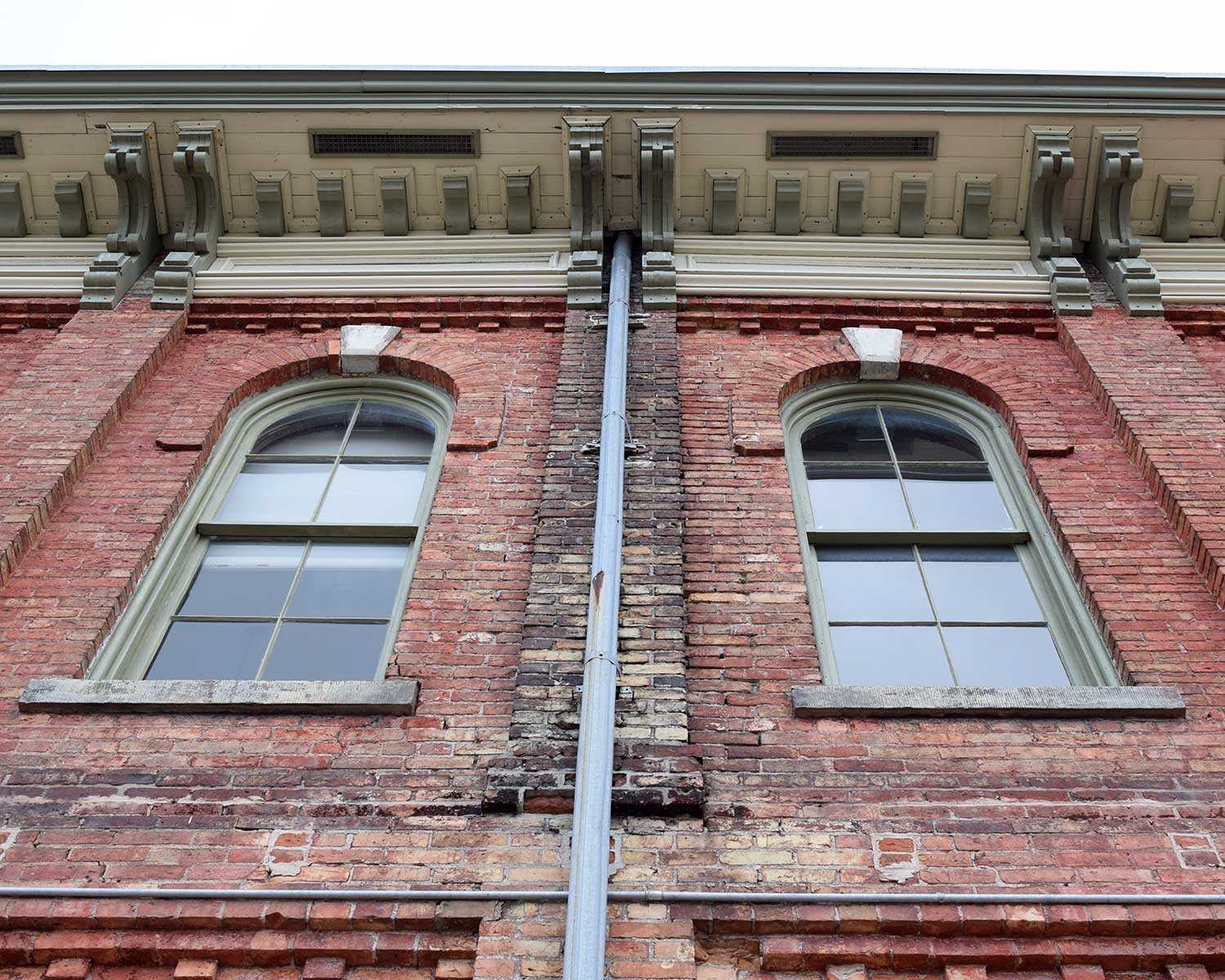
St. Thomas CASO Station, north elevation
4. If the property is protected under the OHA, here is what can be done:
Determine the level of protection. Levels of municipal protection under the OHA include:
- Listed on the municipal register
- Designated under Section 29 (individual property) or Section 41 (part of a heritage conservation district), or protected with a municipal heritage easement agreement. For more information about protection of heritage properties in Ontario, see the Ontario Heritage Tool Kit — Designating Heritage Properties.
- If the property at risk is listed or designated, the municipality has already recognized that the property has heritage significance. Attempt to pursue a dialogue with your Municipal Heritage Committee (MHC), planning staff or a member of council and, if possible, the current owners, to see if a solution can be found that ensures that the property is protected.
- Listing a property offers limited legal protection. It does, however, prohibit the owner from demolishing or removing a building or structure unless the owner gives the council at least 60 days’ notice in writing. This delay provides time for the MHC, planning staff and council to consider whether the property should be designated under the OHA.
- Listing and designation also gives a municipality the ability to call for a Heritage Impact Assessment (HIA) and other due diligence studies (such as a Condition Assessment or Conservation Plan) prior to making decisions on demolition. The 60-day period does not begin until the applicant has filed a complete application or any additional information that council may require (that is, the HIA has been submitted).
- With a property that is designated under Section 29 of the OHA, a decision regarding the demolition or alteration of a designated property lies with council. A request to demolish a building that is refused by a municipality may be appealed to the Ontario Municipal Board.
- Under Section 35.3 of the OHA, a municipality can set out minimum standards to ensure that the owner maintains the heritage attributes of the designated property.
5. If the property is not protected, here are some steps you could take:
- For property that is not designated, the basic property standards bylaw under the Ontario Building Code Act applies and can be an effective tool. Also applicable is the fire code, which has sections that ensure that a property must be secured and boarded if vacant.
- Speak to your municipal heritage planner, municipal planner or MHC about initiating the designation process or listing the property on the municipal register.
- If you live in a municipality without a heritage planner or MHC, speak with a member of council about the property to determine if there may be interest in initiating designation under the OHA.
- Designation can prevent demolition. It can be implemented with or without the consent of the property owner. The full power of designation comes into effect when council passes a motion stating its intention to designate.
- Delegate before the MHC (or planning committee/council if a MHC does not exist) to bring issues and concerns to their attention and to raise the profile of the heritage site at risk.
- Encourage the MHC to pass a motion recommending that council call for appropriate prior due diligence (i.e., heritage designation, documentation, security plan, etc.), as required, before making key decisions on the fate of the property at risk.
- If there is no municipal heritage staff or MHC in your community, you may have to complete the research and significance evaluation of the property at risk in order for council to consider it for designation. For more information about the criteria to evaluate the significance of properties, see the Ontario Heritage Tool Kit – Designating Heritage Properties.
If the above is the case, then:
6. Research the significance and find out as much as you can about the property.
- If the property has been commemorated with a plaque from a local historical society, the municipality, the Ontario Heritage Trust or the Historic Sites and Monuments Board of Canada, it is implied that the property has heritage significance and value to the community. It is important to note, however, that a plaque does not confer legal protection for that property, or that necessarily any physical features that remain should or can be protected.
- Check if the property is referenced in any publications in the local history section of your library or community museum.
- Work with staff/volunteers at the local historical society, a community museum or the local chapter of the Architectural Conservancy of Ontario (ACO).
- Recording the site can be a helpful step in understanding the significance of the property, but note that you need the owner’s permission to enter any property.
- Documentation can also be undertaken through the municipality (especially if it has heritage staff). Coordinate your research with others.
- Once you have researched the significance of the site, articulate the value of the property and communicate this information to the municipality. For tips on researching and writing a statement of significance, visit the Canadian Register of Historic Places website.
7. Raise awareness about the property at risk.
- Assemble and liaise with like-minded individuals and groups (for example, many friends groups begin this way).
- Speak to the local media. They might be able to help raise awareness about the property at risk by writing an article for the local newspaper or highlighting it on a radio show. Ideally, public statements and dialogue should be carefully crafted — avoid confrontational or inflammatory language. Coordinate your messages with other groups, including the MHC.
- Consult with the ACO, who may have a chapter in your community. They can assist with raising awareness about a threatened property and offer advice.
- Attend public meetings and information sessions applicable to the property or related planning applications. Stay informed and engaged with the process.
- Encourage people to become familiar generally with the planning review process and related planning tools that are available to them — including the roles and responsibilities of various groups and stakeholders. Knowing who does what and how can be enormously helpful. A heritage site may include structures, buildings, landscape features, archaeological sites or cultural landscapes. The OHA provides municipalities with the legal power to protect and designate properties and their heritage attributes.
A heritage site may include structures, buildings, landscape features, archaeological sites or cultural landscapes. The OHA provides municipalities with the legal power to protect and designate properties and their heritage attributes.
More information about the Ontario Heritage Act
More information about the Ontario Heritage Act
: Learn moreRelated pages
The Ontario Heritage Trust: Who we are

As the province’s lead heritage agency, the Ontario Heritage Trust is entrusted with keeping Ontario’s heritage alive and meaningful.
ExploreArchaeology — Frequently asked questions
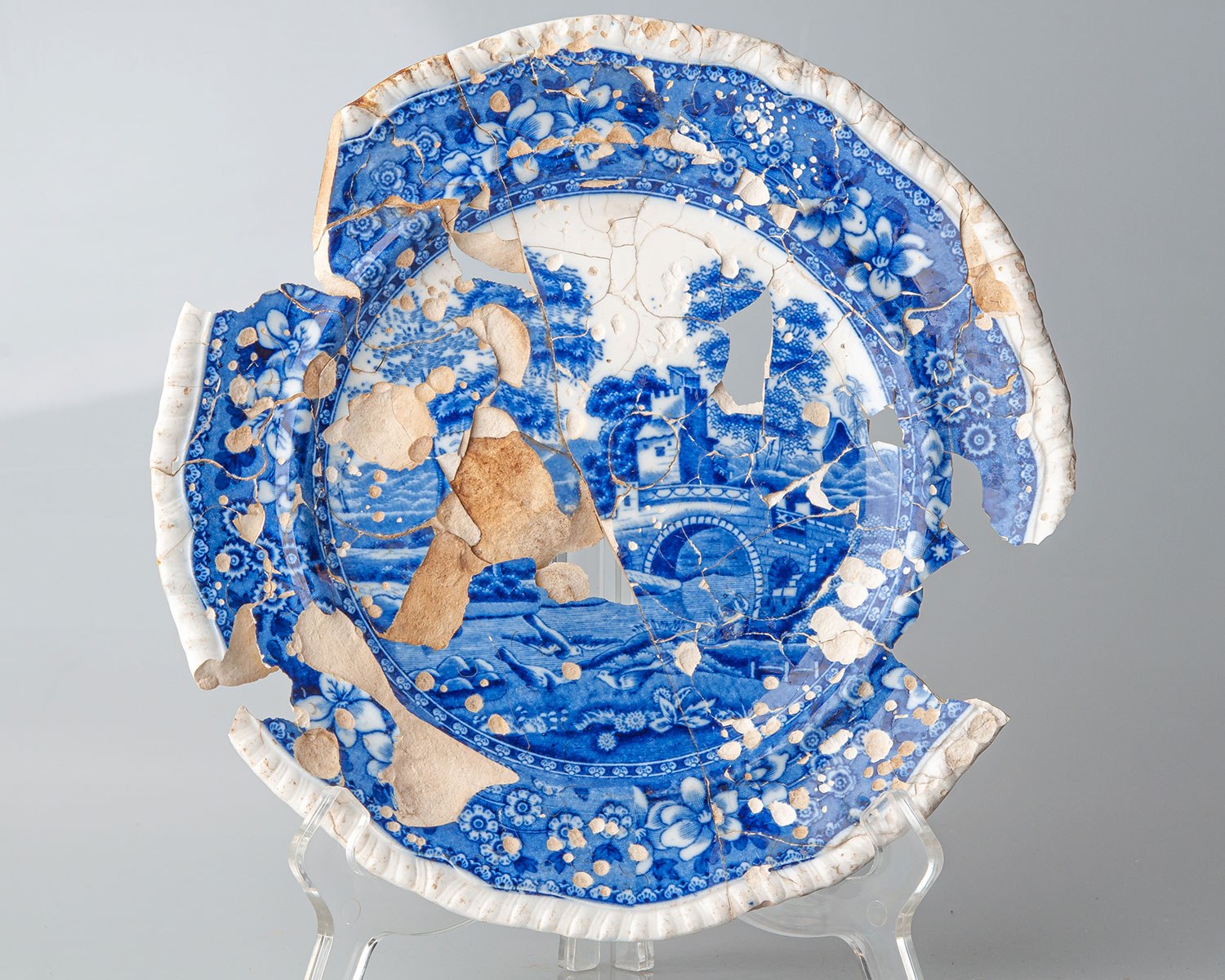
A plate recovered from Inge-Va, Perth
Archaeology is the scientific study of the human past through investigations of physical remains and material cultural (for example, artifacts, fragments, features and structures).
ExploreEight guiding principles in the conservation of historical properties
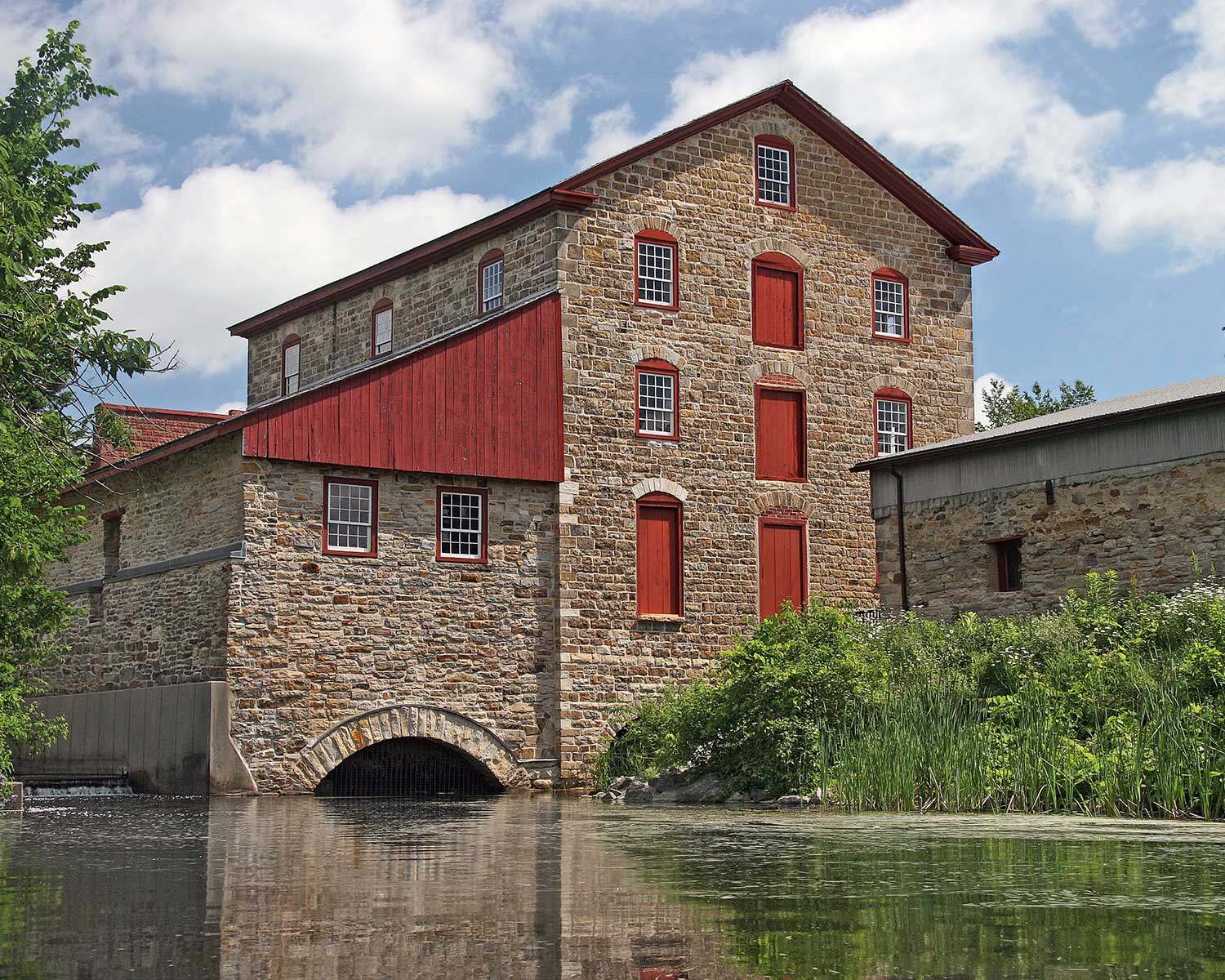
Old Stone Mill, Delta
Photo: Ken Watson, courtesy of Doors Open Rideau Lakes
The following guiding principles are statements in the conservation of historical properties and are based on international charters that have been established over the past century.
ExploreGuidelines for signs on cultural heritage easement properties
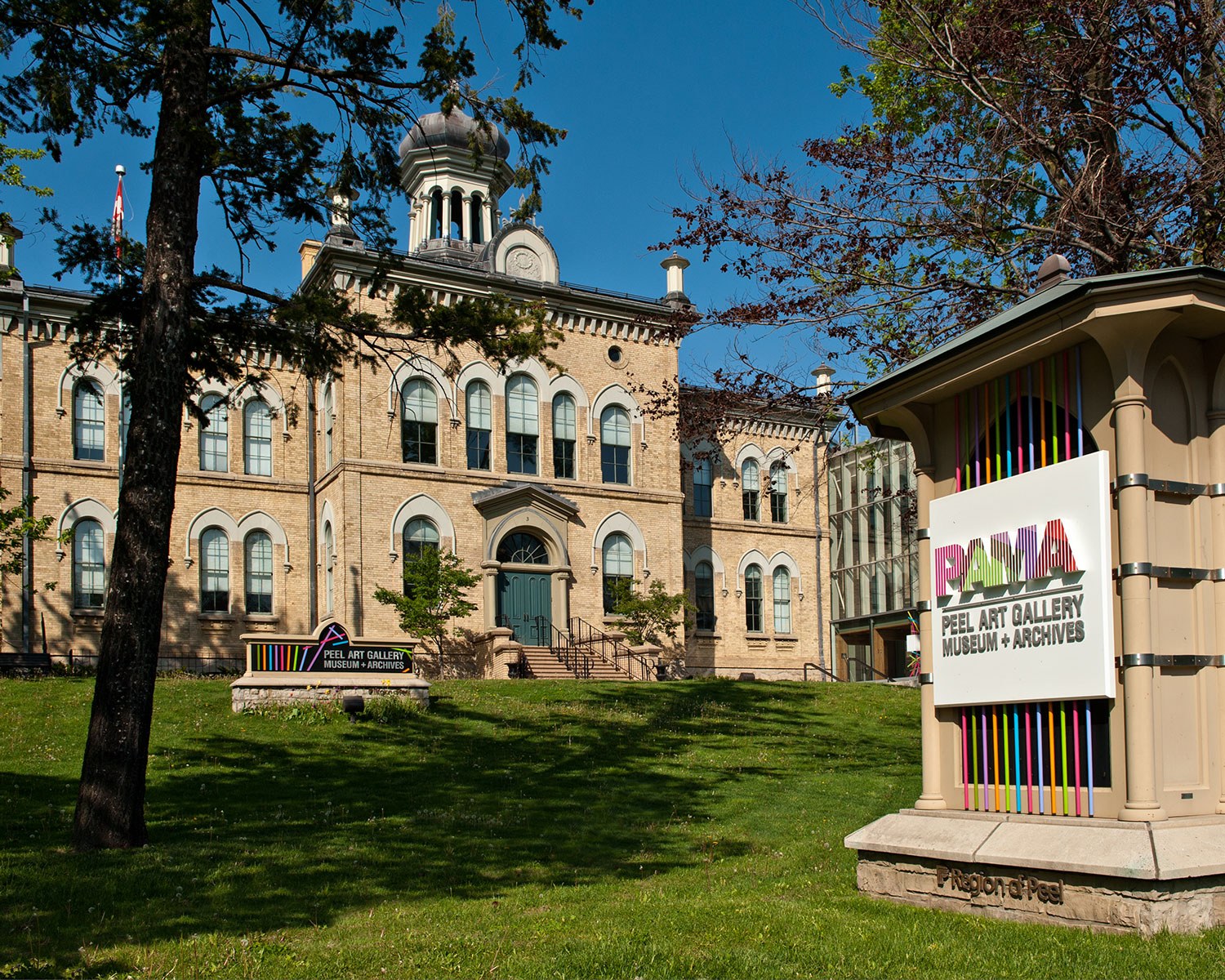
Peel County Courthouse and Jail, Brampton
Photo: Doors Open Brampton
Signs have always played a key role on commercial streets and on public and private buildings.
ExploreConservation plans for heritage properties
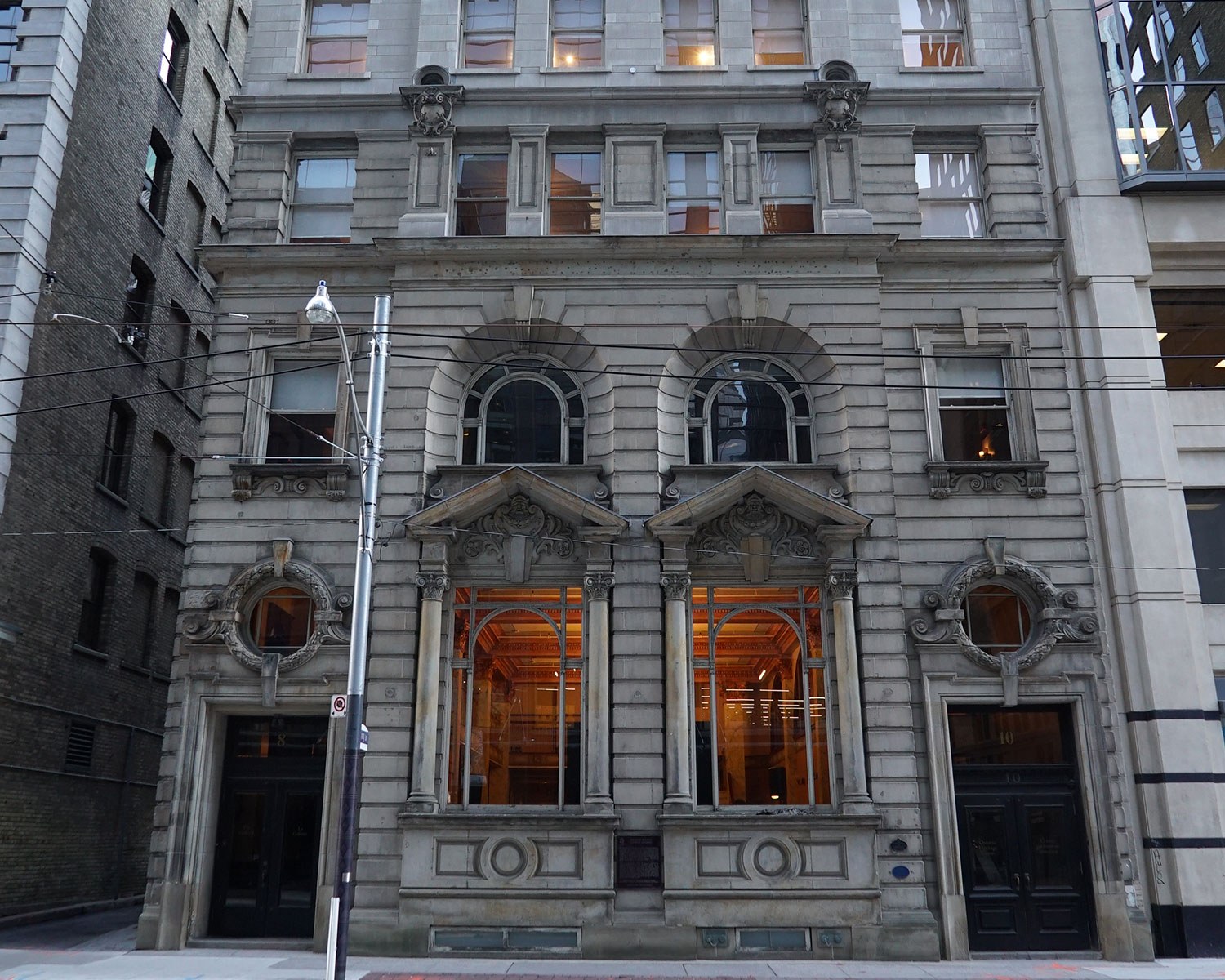
Exterior of the Ontario Heritage Centre, Toronto
Photo: Mark Wolfson
The objectives of a conservation plan are to identify the cultural and historic significance of a site and to set out a policy and strategy for the management and conservation of the heritage values, attributes and integrity of that site.
ExploreHow to research a heritage property
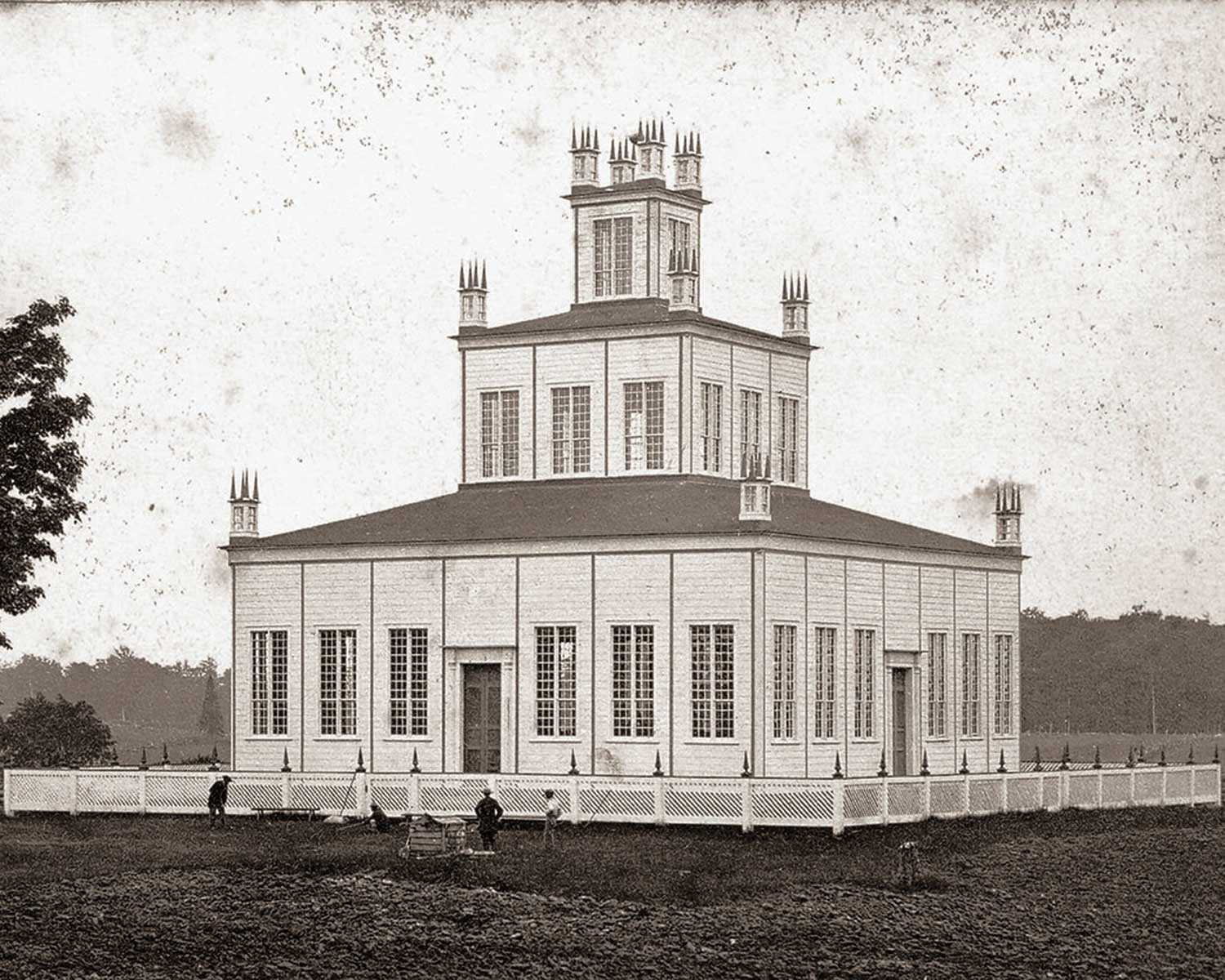
Sharon Temple, c. 1861, East Gwillimbury
Researching a property can seem like a daunting task, but by exploring the holdings of your local library, archives or museum, you might be able to discover important information.
ExploreBenefits of heritage designation under the Ontario Heritage Act
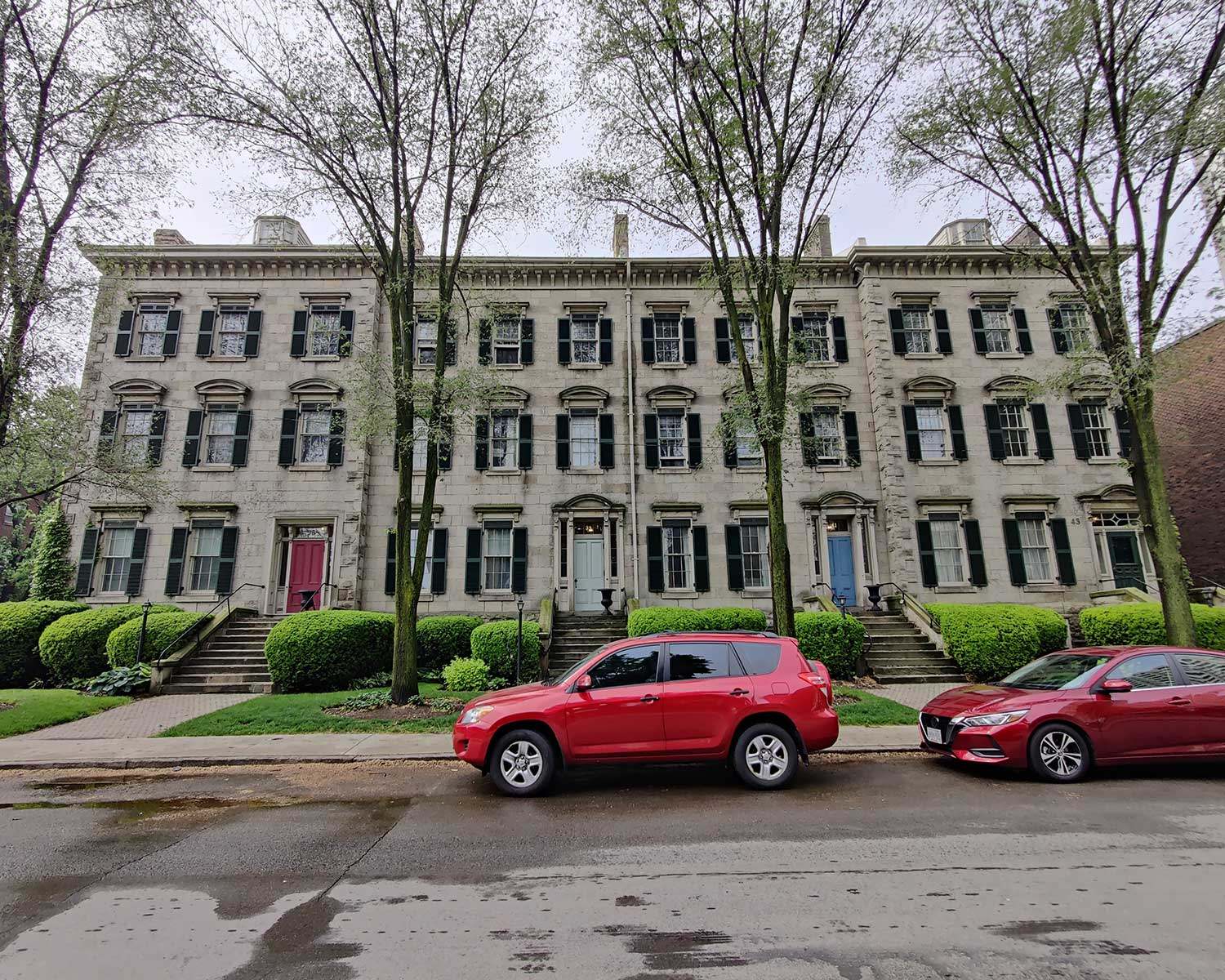
Sandyford Place, Hamilton
Check out the benefits of designation under the Ontario Heritage Act.
ExploreCultural heritage landscapes — An introduction
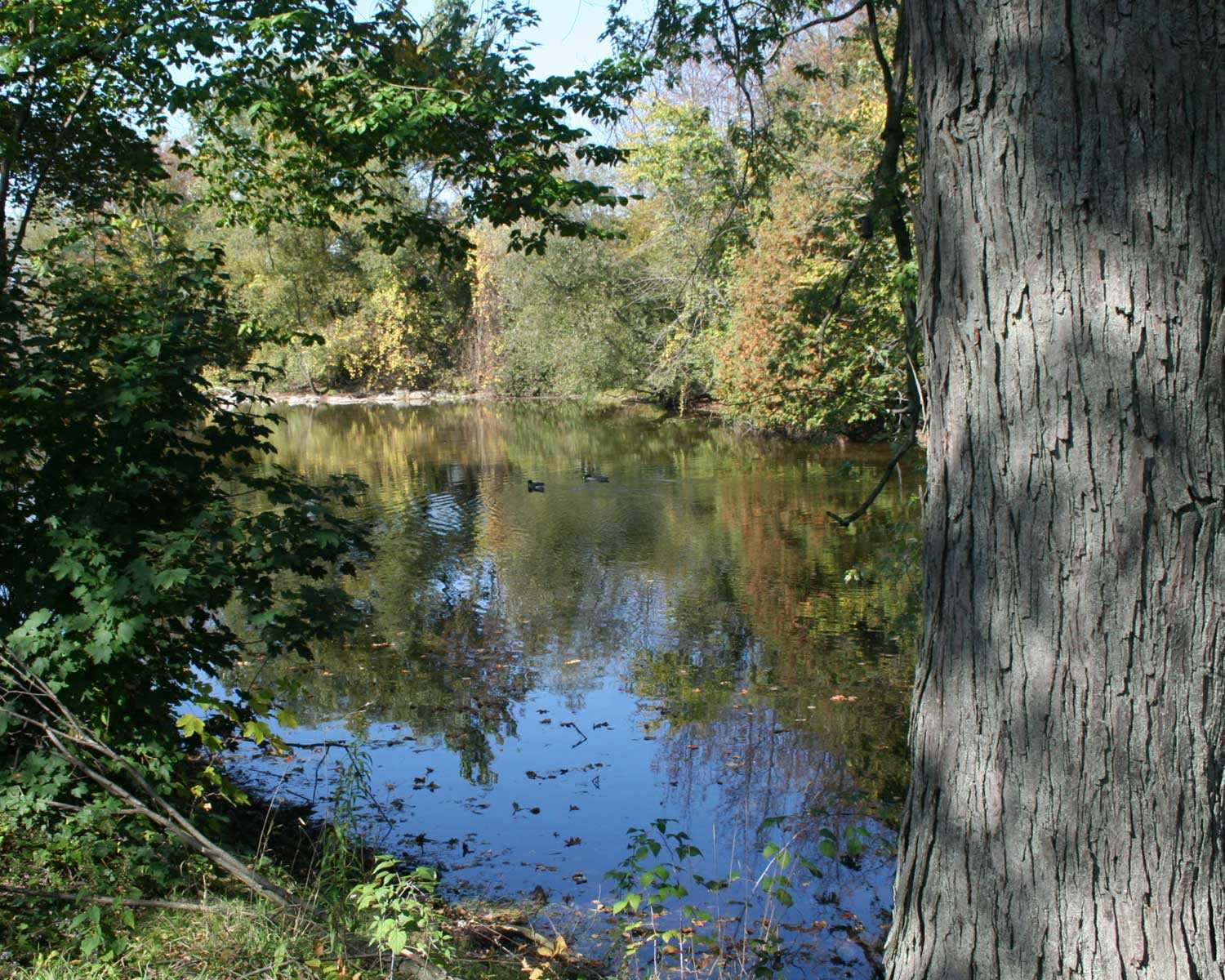
Evolved cultural landscape, Scotsdale Farm, Halton Hills
Cultural heritage landscapes, or cultural landscapes, have been used as a term for several decades.
ExploreComponents of a Trust cultural heritage easement agreement
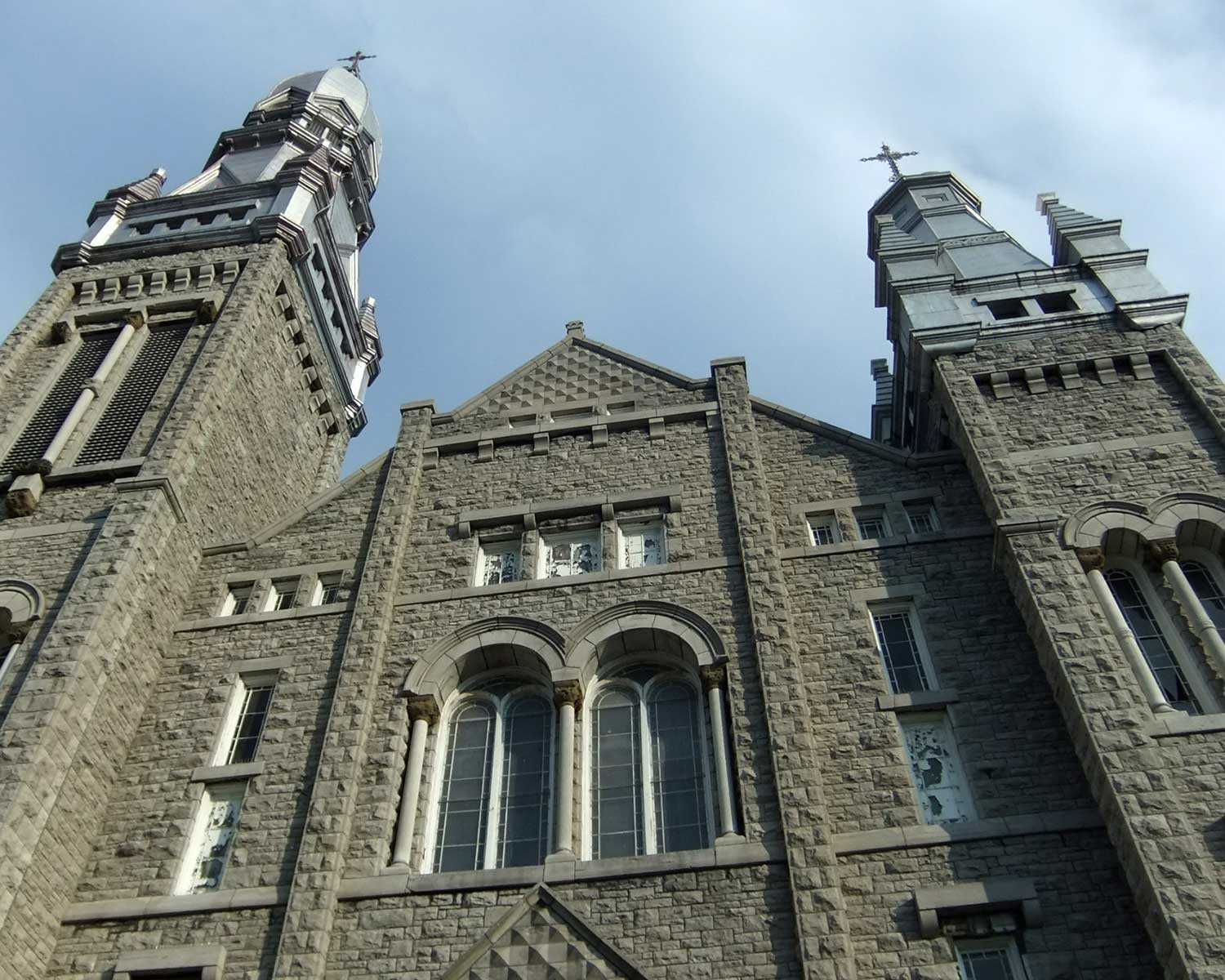
St. Brigid’s Church, Ottawa
Components of a Trust cultural heritage easement agreement
ExploreBaseline Documentation Reports
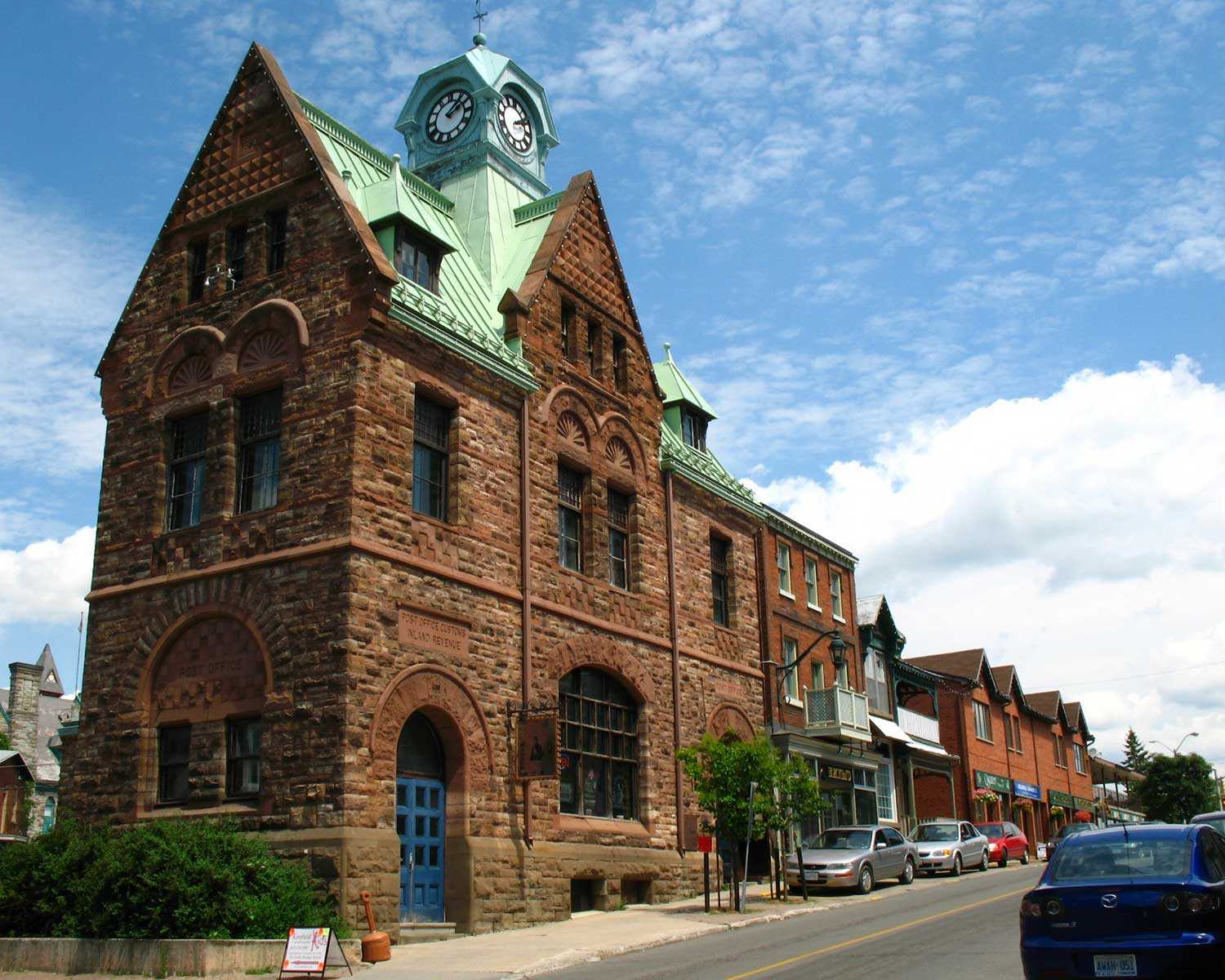
Almonte Post Office
A cultural Baseline Documentation Report (BDR) is the document used by the Ontario Heritage Trust and the owner of a Trust heritage easement property that identifies the specific heritage character and condition of a property at the time the heritage conservation easement is established, or at an agreed-upon time thereafter.
Explore