


Components of a Trust cultural heritage easement agreement
Heritage conservation easement agreements are flexible conservation tools authorized for use by the Ontario Heritage Trust under the Ontario Heritage Act, section 10. (1)(c) to protect properties of historical, architectural, archaeological, recreational, esthetic, natural and scenic interest.

Every agreement is customized to the needs, circumstances and heritage values that are unique to each property. Easement agreements are negotiated between the owner and Trust staff and are entered into voluntarily by both parties.
Parties
There are always at least two parties to an easement agreement:
- The Trust — the holder of the easement
- The owner — also known as the donor of the easement agreement
In order for the Trust to enter into an easement agreement, the owner must submit a request in writing to the Trust. The Trust’s Board of Directors must subsequently pass a motion supporting this request.
Legal description
An easement agreement must relate to a specific property, portion of a property or a set of properties. The agreement is registered on title in priority and binds current and future owners of the property. Any legal description must be registerable. Typically, this means that there is a survey or reference plan/R-Plan (a graphical representation of descriptions of land, deposited in the local Land Registry Office) that defines the geographical boundaries and dimensions of the property.
Purpose
The purpose of a Trust conservation easement is to protect and conserve the natural and/or cultural heritage values and features identified in the agreement and located on the property.
Definitions and terms
All of the key terms used in the document are defined in order to bring maximum clarity on use and interpretation.
Description of heritage value and features
In order for the Trust to authorize the establishment of an easement, it must be demonstrated that there is a provincial heritage interest in doing so. Typically, this means that there are cultural or natural heritage values or interest of provincial significance as defined by Ontario Regulation 10/06.
Covenants and approvals
An easement agreement establishes an approval process between the owner and the Trust. In order to safeguard a heritage property against the destruction of heritage value and/or features, the easement includes a series of covenants that require the owner to obtain the written approval of the Trust in order to undertake a range of actions and activities. These may include: site alteration, severance/subdivision, excavation, planting/removal of trees or other vegetation, the use of pesticides, construction and demolition. An easement agreement also includes positive obligations to safeguard proactively and care for the heritage features. This may include building maintenance, prudent stewardship and requirements for insurance. The covenants included in an easement will vary depending on the nature of the heritage features.
Standards and guidelines
All decisions made by the Trust under the easement agreement are made based on sound internationally recognized conservation principles. With respect to easements protecting cultural heritage properties, these are the Parks Canada Standards and Guidelines for the Conservation of Historic Places in Canada.
Use and other reserved rights
Typically, an owner may use a property as they see fit, provided that the use is consistent with the obligations under the easement. Moreover, the owner may preapprove major projects or plans as part of the agreement, provided that these are deemed to be consistent with good conservation practices and the heritage value of the property.
Inspection and access
In order to uphold and administer an easement agreement, the Trust requires legal access to a property and, more specifically, the heritage features for the purpose of inspection. Trust staff communicates with the owners and will inspect easement properties on a regularly scheduled basis. Access is also required for the purpose of onsite remediation, should this ever become necessary.
Remedies of the Trust
Should the owner default on his/her easement obligations — including undertaking activities and alterations without the approval of the Trust or failing to meet obligations such as maintenance, insurance or access — the Trust may use its remedies to rectify the default. These remedies include: injunctive relief, the right to enter on the property and undertake repairs, alterations and maintenance, and the right to recover the costs of remediation from the owner in a court of law.
Authorization
An easement agreement is executed by the parties. This includes, at a minimum, the registered owner of a property and the Ontario Heritage Trust.
Baseline Documentation Report (BDR)
The condition of the easement property at, or shortly after, execution of the agreement is recorded in a detailed report known as a Baseline Documentation Report or BDR. This report is prepared by the Trust and the veracity of its content is approved by the Trust and the owner.
Revised September 2012
Related pages
The Ontario Heritage Trust: Who we are

As the province’s lead heritage agency, the Ontario Heritage Trust is entrusted with keeping Ontario’s heritage alive and meaningful.
ExploreArchaeology — Frequently asked questions
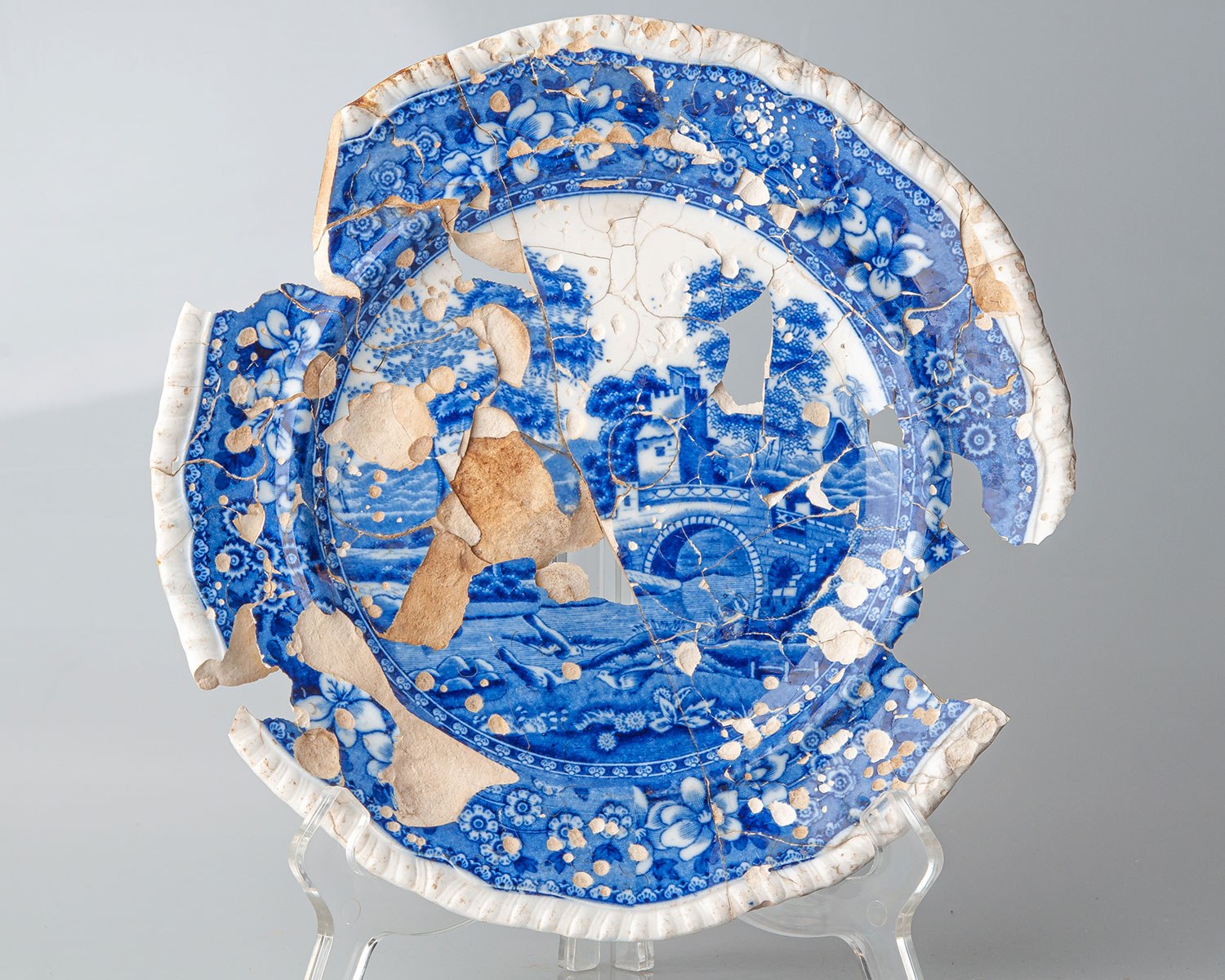
A plate recovered from Inge-Va, Perth
Archaeology is the scientific study of the human past through investigations of physical remains and material cultural (for example, artifacts, fragments, features and structures).
ExploreEight guiding principles in the conservation of historical properties
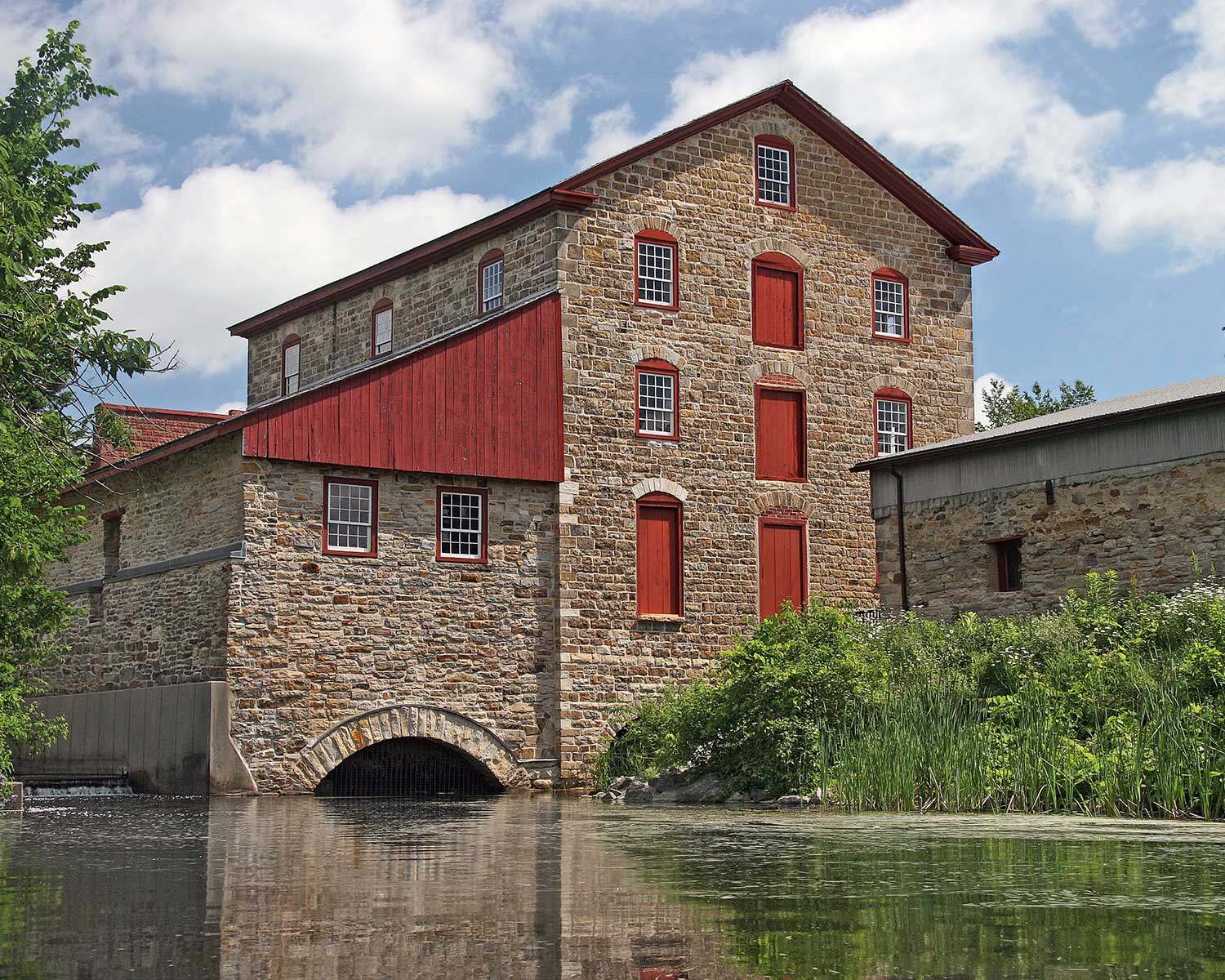
Old Stone Mill, Delta
Photo: Ken Watson, courtesy of Doors Open Rideau Lakes
The following guiding principles are statements in the conservation of historical properties and are based on international charters that have been established over the past century.
ExploreGuidelines for signs on cultural heritage easement properties
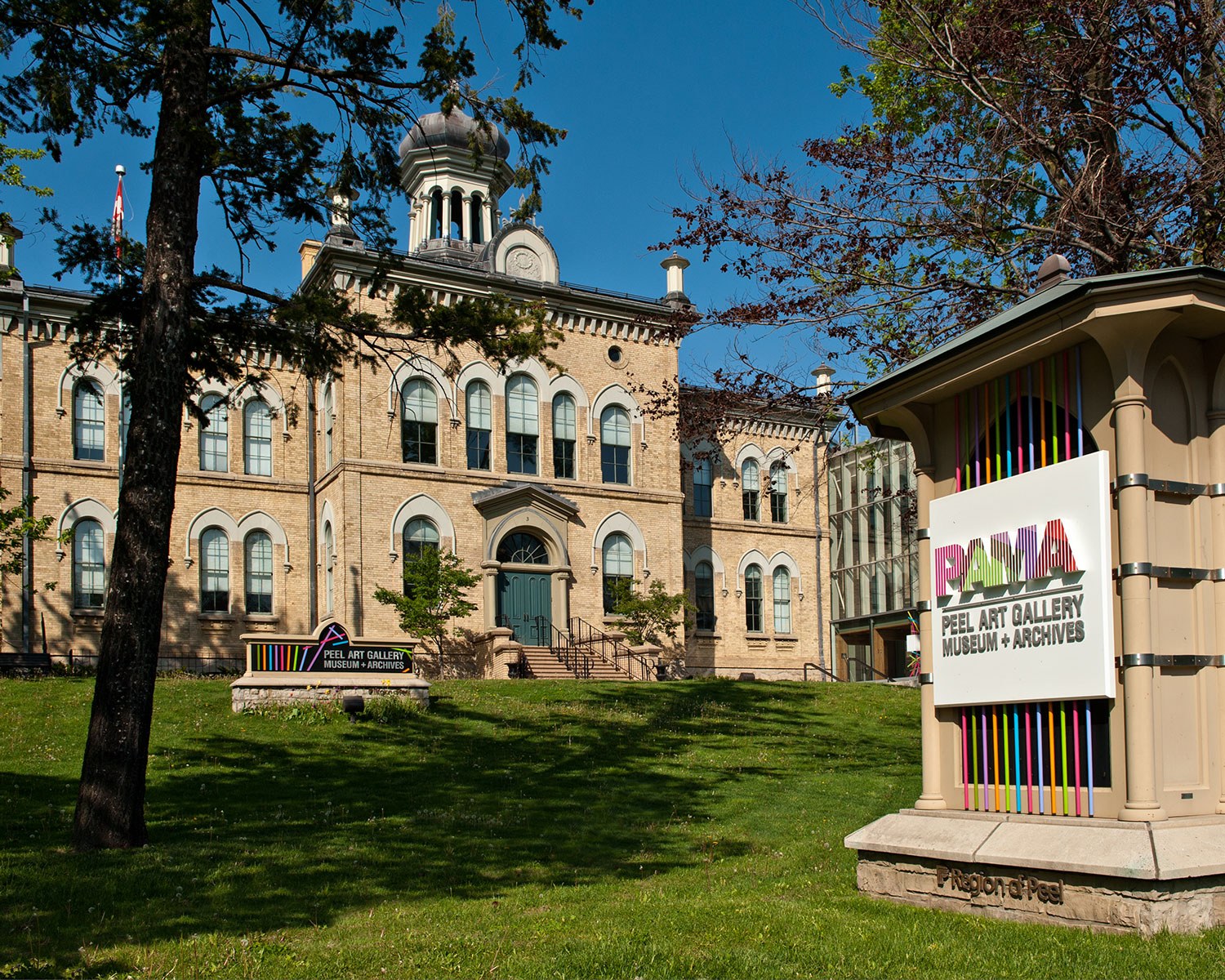
Peel County Courthouse and Jail, Brampton
Photo: Doors Open Brampton
Signs have always played a key role on commercial streets and on public and private buildings.
ExploreConservation plans for heritage properties
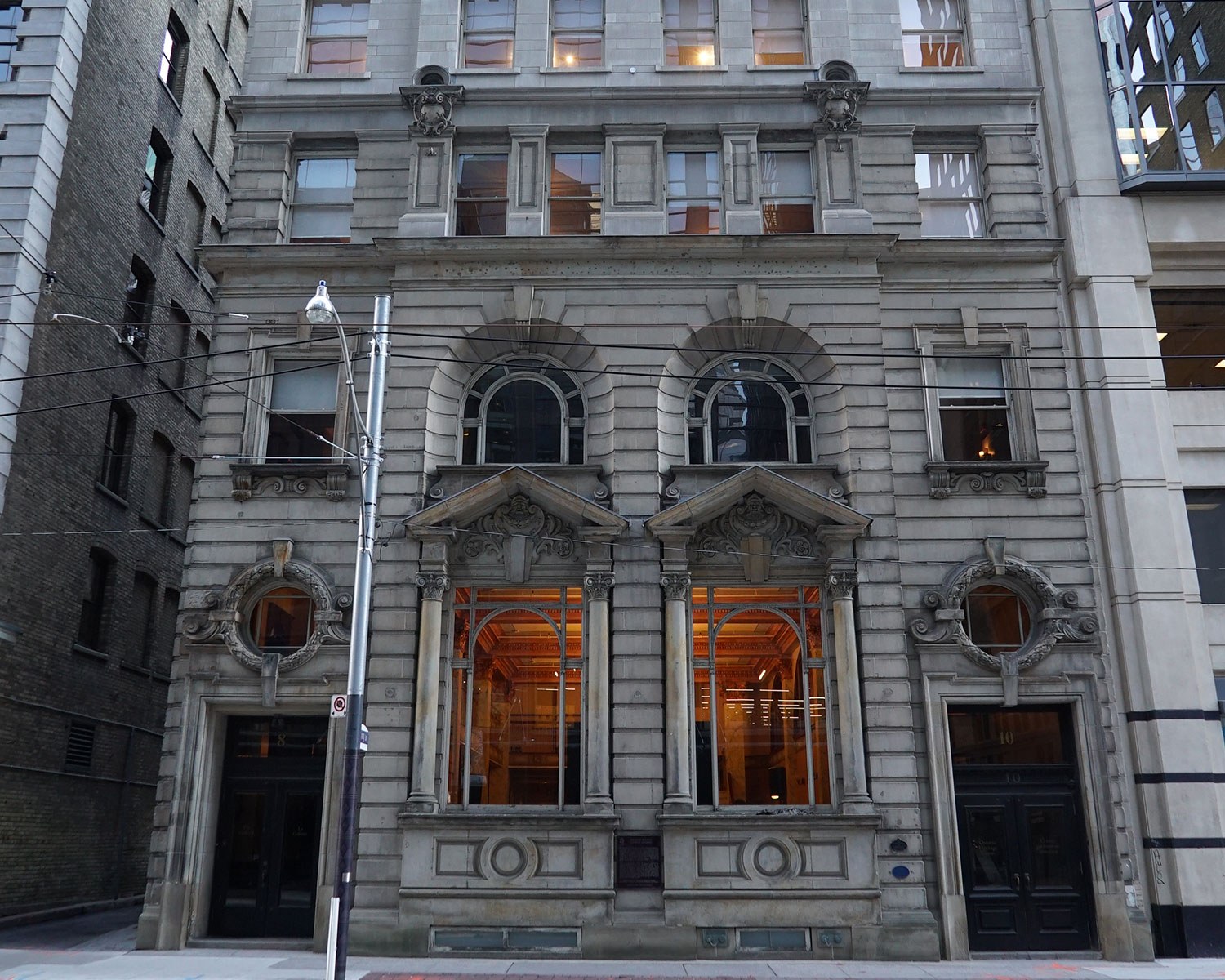
Exterior of the Ontario Heritage Centre, Toronto
Photo: Mark Wolfson
The objectives of a conservation plan are to identify the cultural and historic significance of a site and to set out a policy and strategy for the management and conservation of the heritage values, attributes and integrity of that site.
ExploreHow to research a heritage property
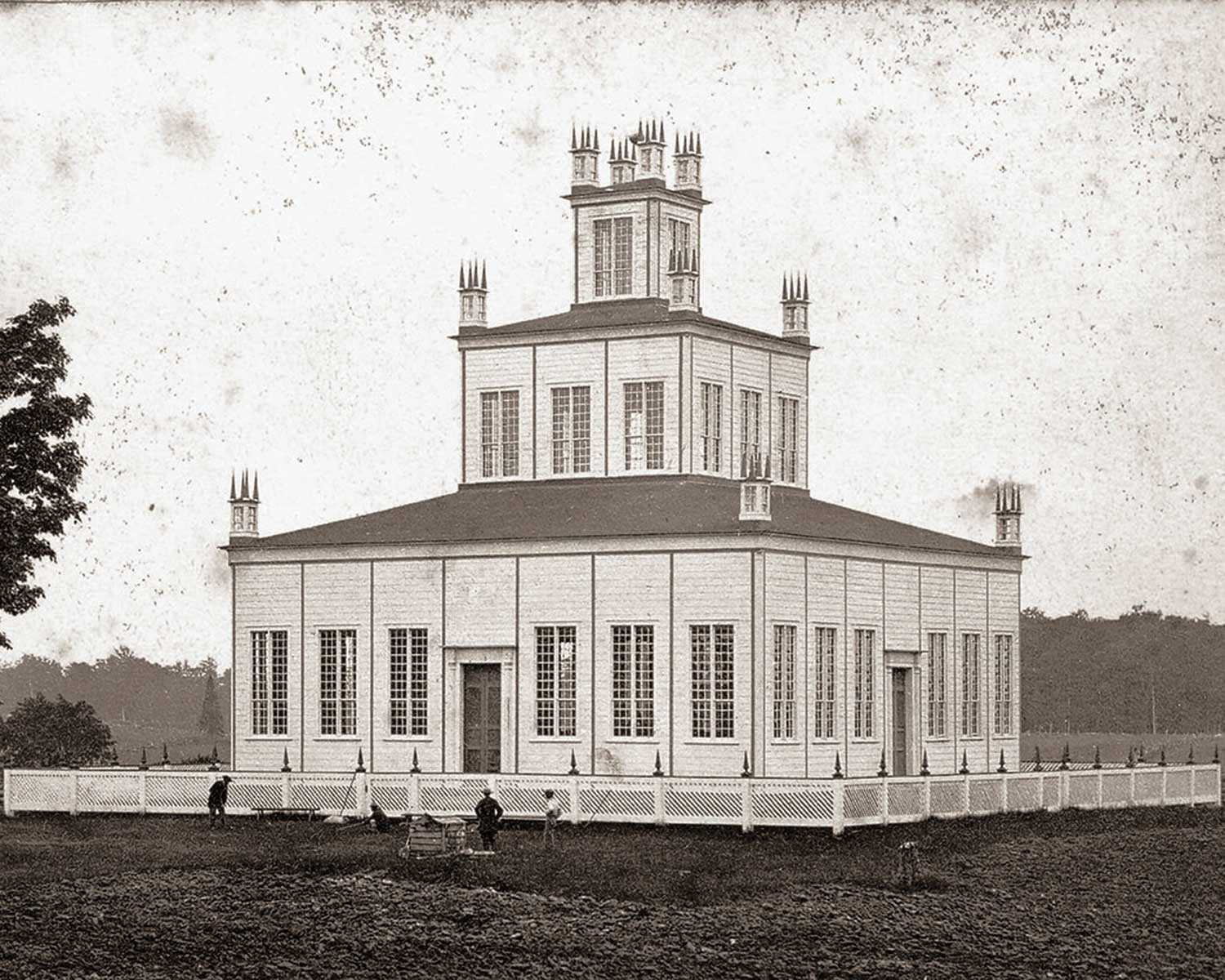
Sharon Temple, c. 1861, East Gwillimbury
Researching a property can seem like a daunting task, but by exploring the holdings of your local library, archives or museum, you might be able to discover important information.
ExploreBenefits of heritage designation under the Ontario Heritage Act
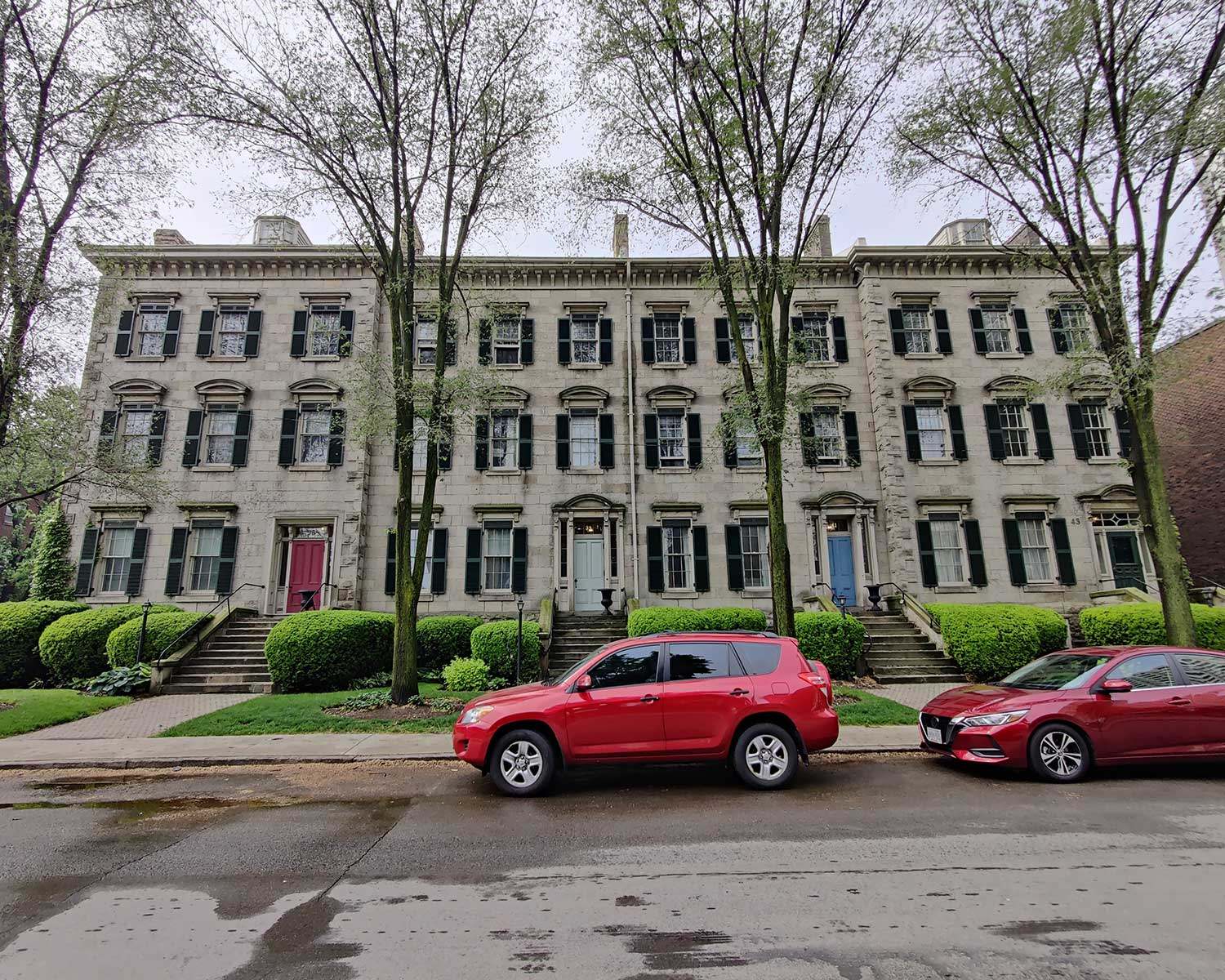
Sandyford Place, Hamilton
Check out the benefits of designation under the Ontario Heritage Act.
ExploreCultural heritage landscapes — An introduction
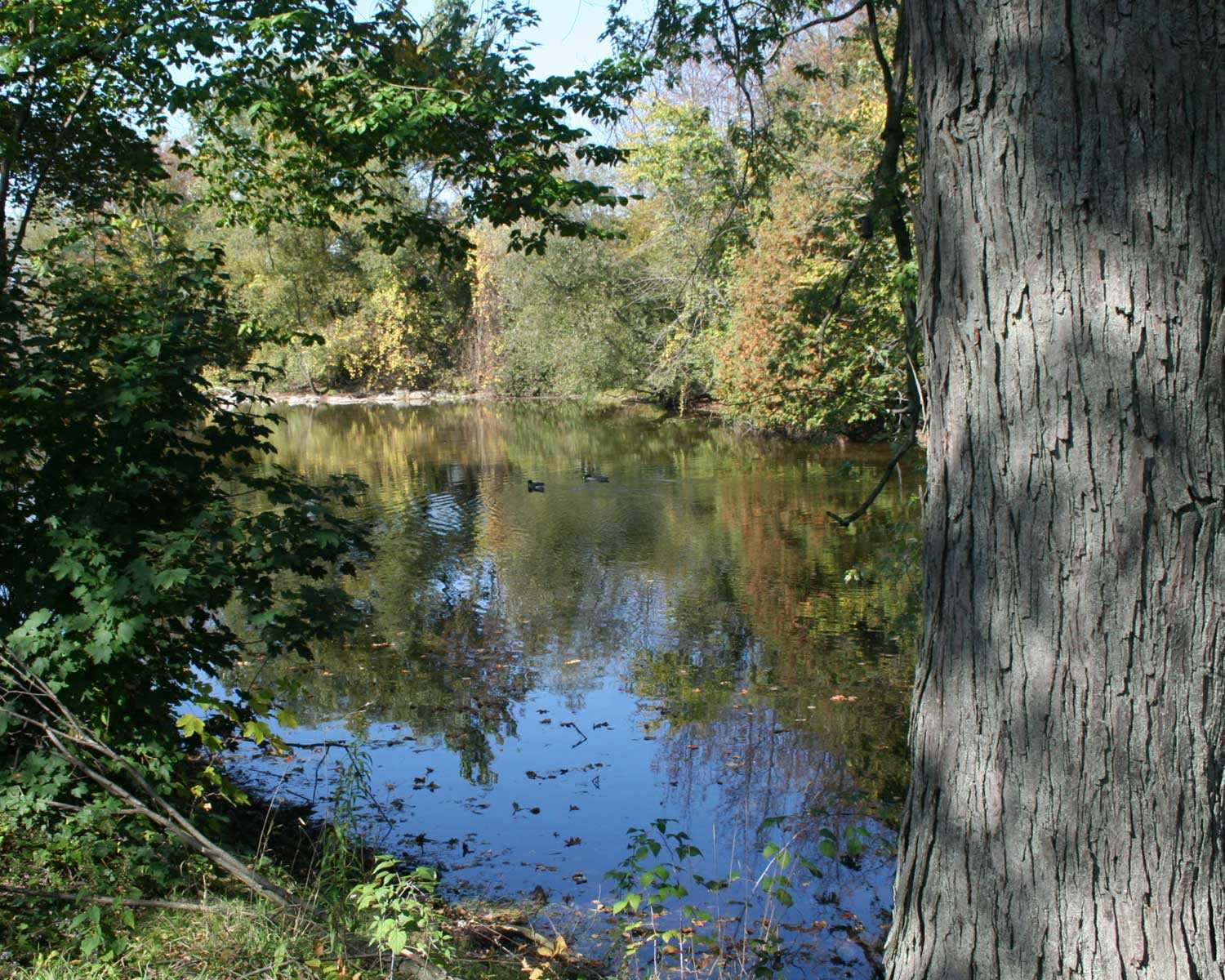
Evolved cultural landscape, Scotsdale Farm, Halton Hills
Cultural heritage landscapes, or cultural landscapes, have been used as a term for several decades.
ExploreSteps to saving a heritage site at risk in your community
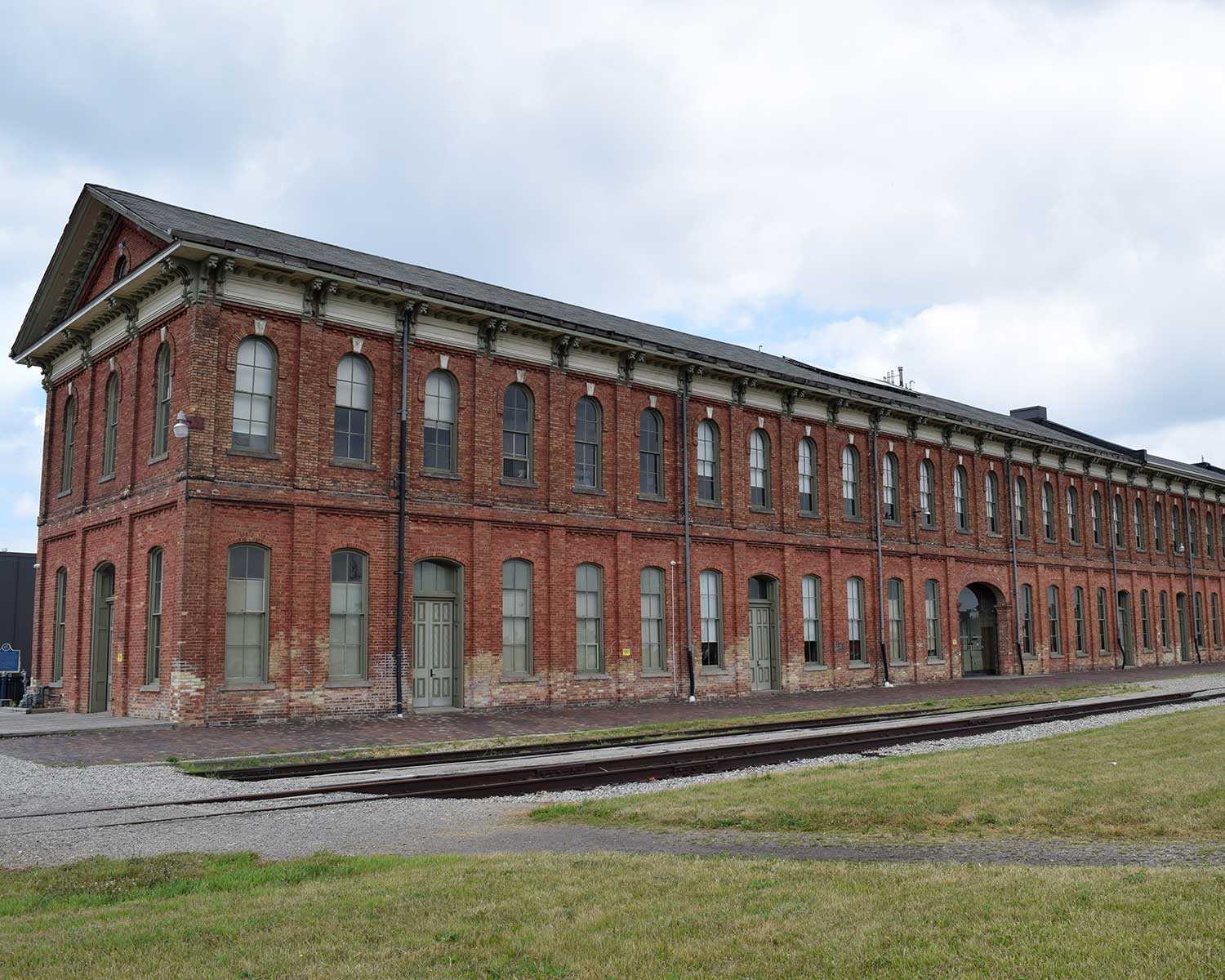
St. Thomas CASO Station
Steps to saving a heritage site at risk in your community.
ExploreBaseline Documentation Reports
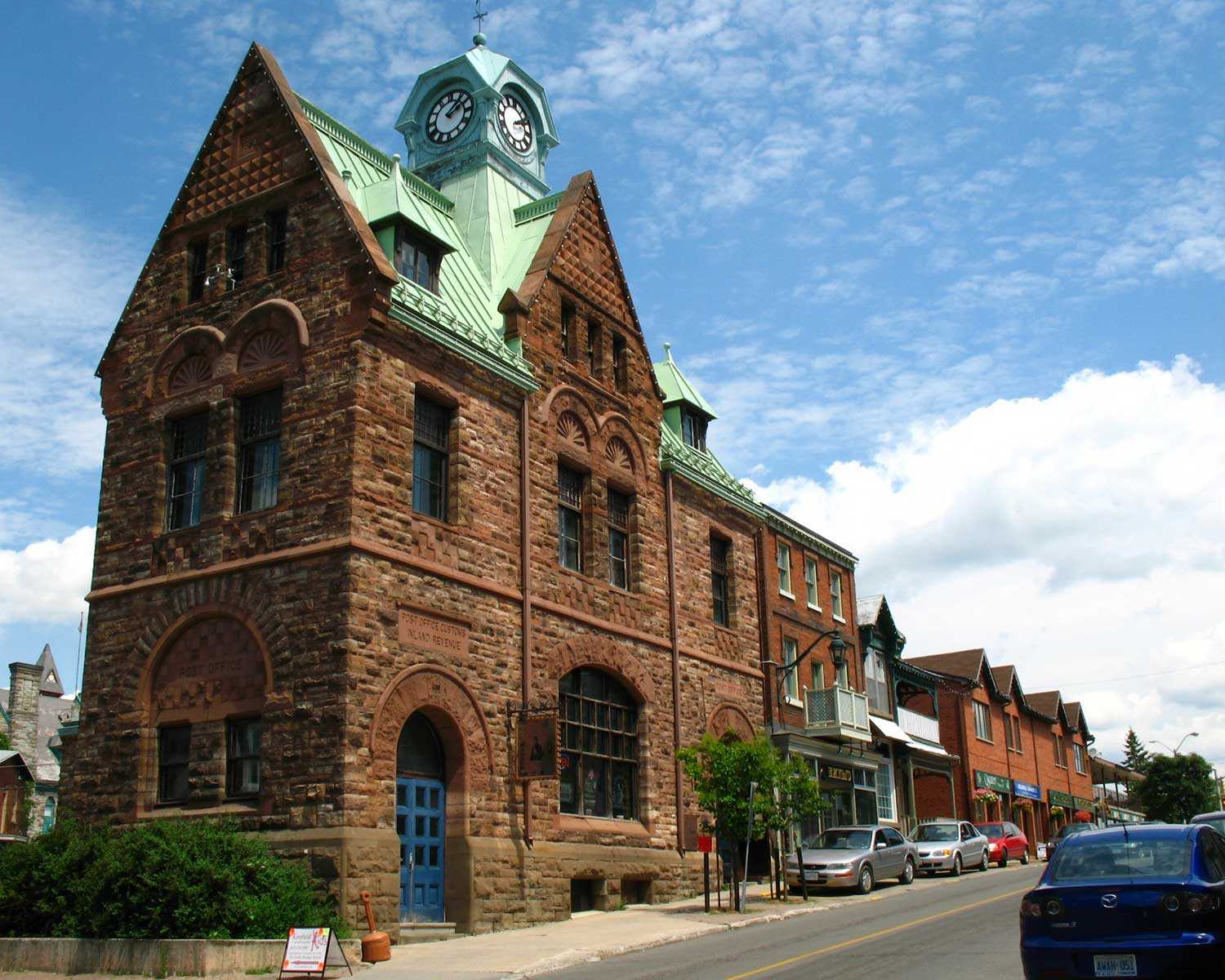
Almonte Post Office
A cultural Baseline Documentation Report (BDR) is the document used by the Ontario Heritage Trust and the owner of a Trust heritage easement property that identifies the specific heritage character and condition of a property at the time the heritage conservation easement is established, or at an agreed-upon time thereafter.
Explore