


Layer by layer — 6. The legacy of First Parliament
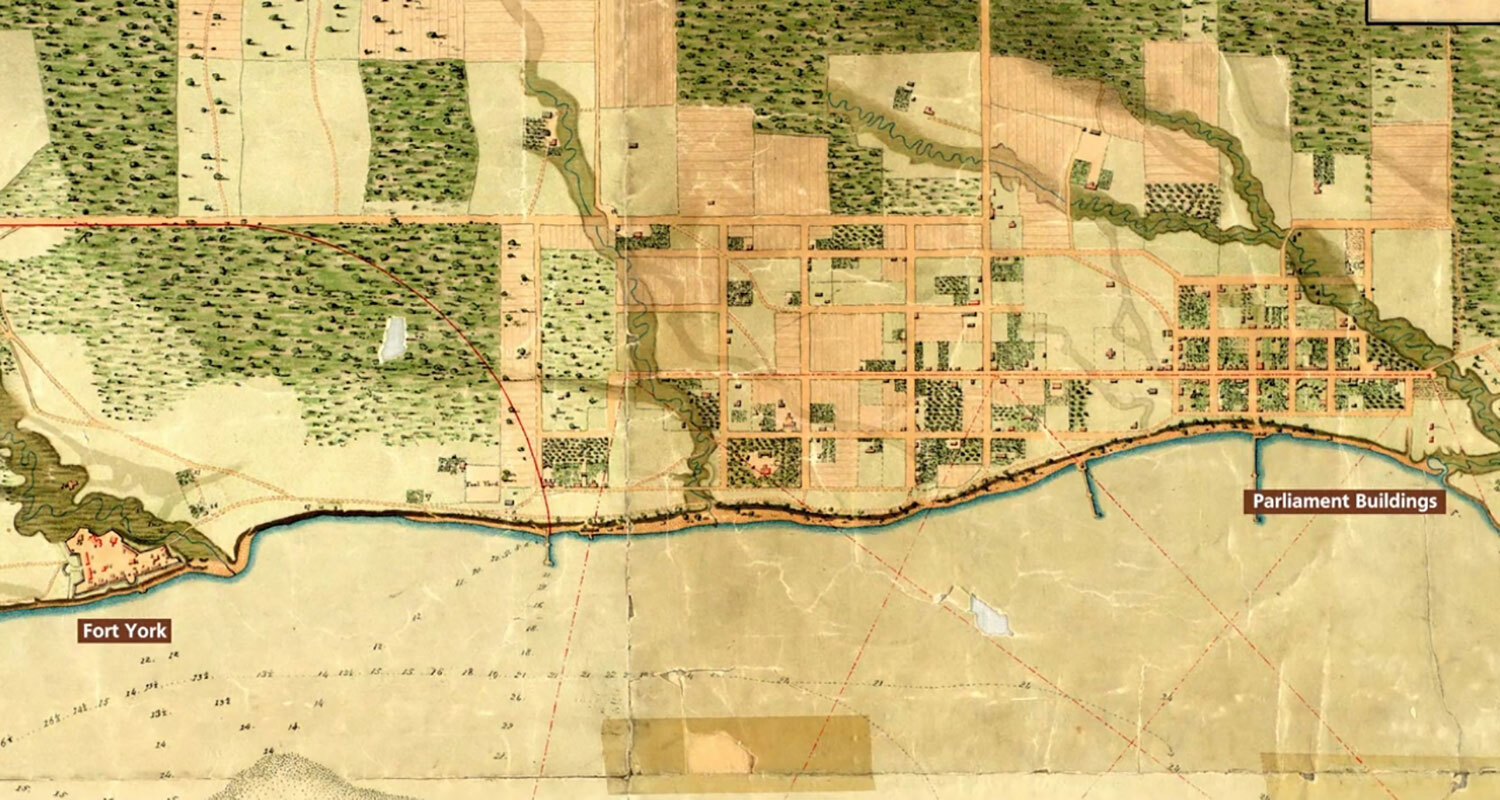
The site of First Parliament played an important role in the history of Toronto and the province of Ontario. Fort York and First Parliament bookend the early city. These were the first two centres of colonial activity: military and administrative. It was a key part of the settlement’s foundation, establishing York as a political centre.
For roughly 20 years, the legislation written at this site shaped Upper Canada. York’s designation as the capital of Upper Canada contributed to its growth. It became a hub for commercial and industrial activity. First Parliament's destruction in the War of 1812 further marks it as a site of military history and international importance. The attack on York and the burning of the Parliament buildings partly motivated the British to burn the White House in Washington, D.C., the following year.
The nature of this site transformed over the years, but it continued to contribute to the growth of the city. When no longer a space for politics and administration, as a jail it continued to be used by local government. Then the gasworks fueled the city for nearly a century. The space underwent an unceremonious transformation into a parking lot during the late 20th century.
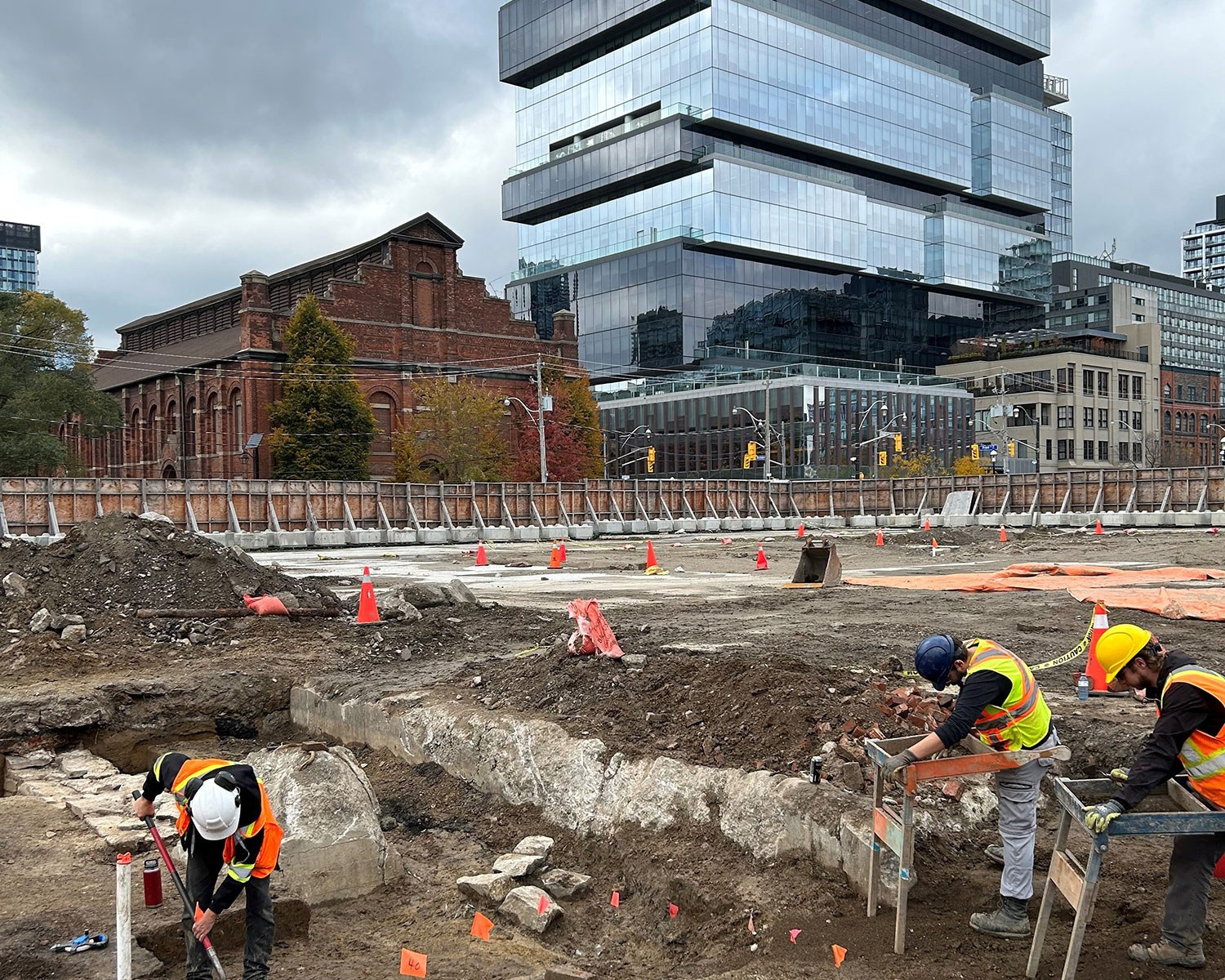
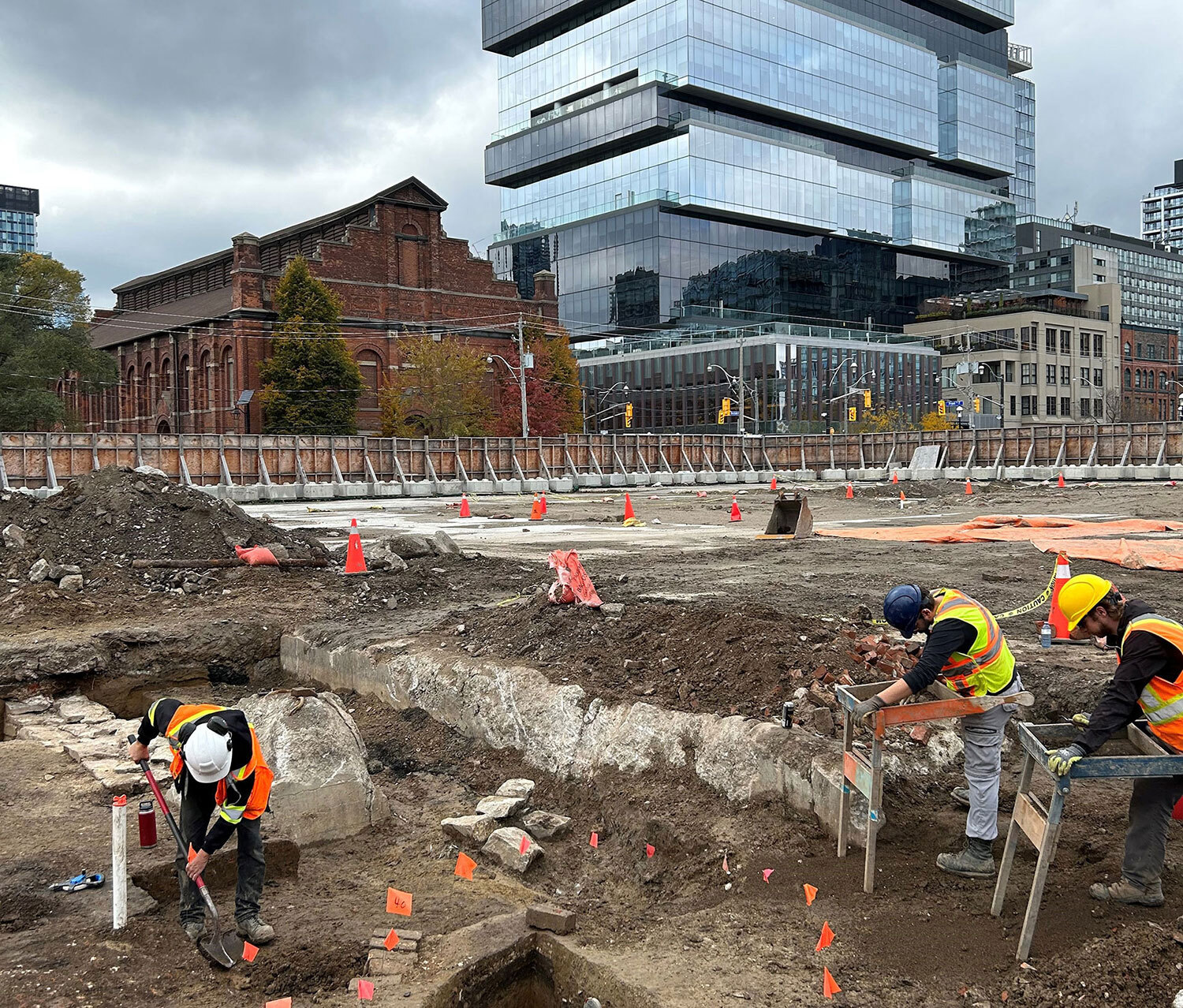
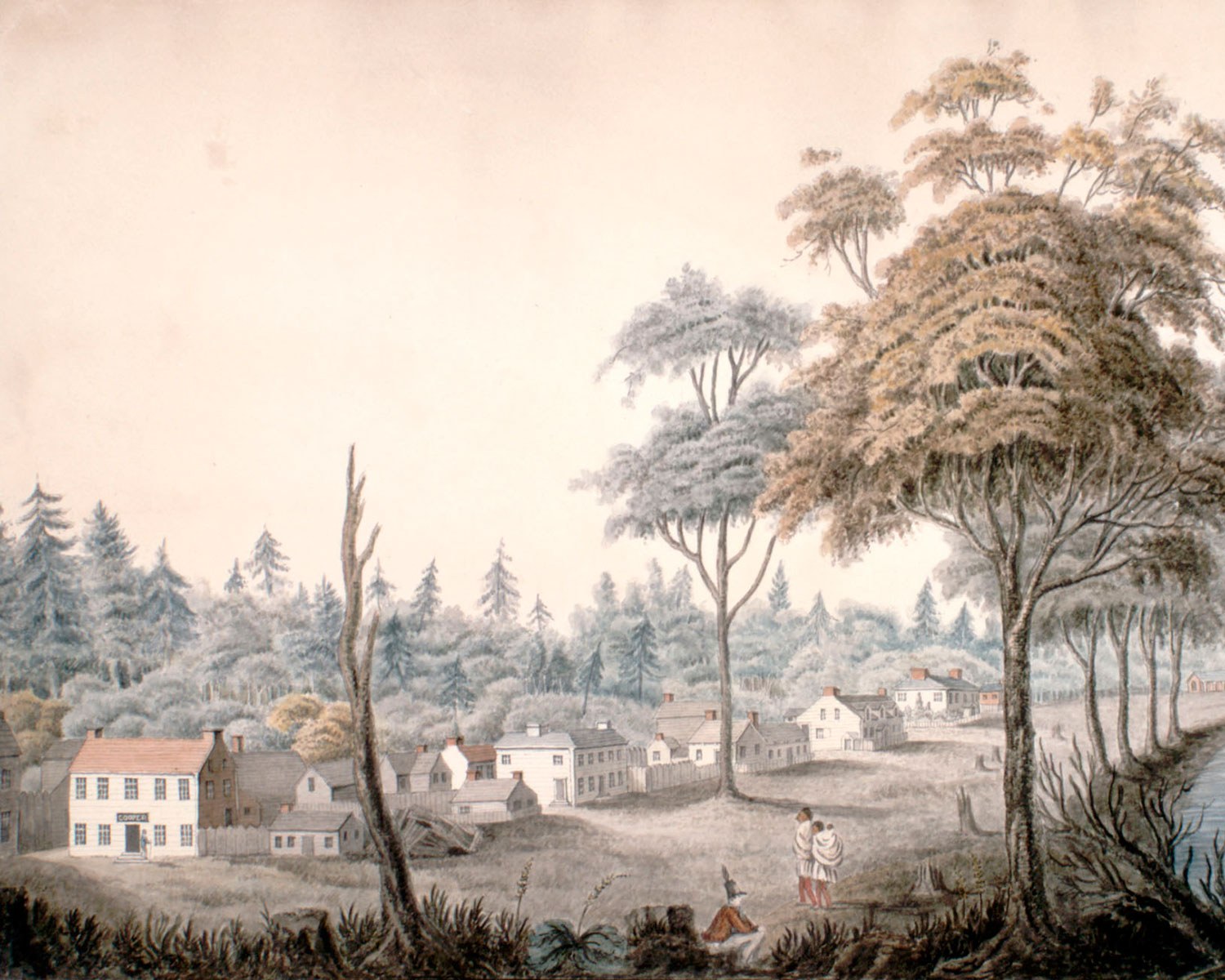
Now, the site looks very different than it did when First Parliament was constructed. The rivers have been buried, the shoreline moved, the forests have been replaced with 200 years of brick and concrete. The effects of colonial settlement have drastically changed the landscape. Once again, the area is a hub of development. New condominiums are sprouting up and a Metrolinx Ontario Line station is under construction across the street. But the site sits at an intersection of old and new. The area is still remembered as Old Town. Surrounding buildings serve as monuments to this history. The neighbouring Canadian Opera Company and Toronto Police Division occupy surviving Consumers’ Gas buildings. Just east is the Distillery District. As the site continues to transform and redevelop as part of the city’s growth into the future, this community’s heritage will be part of its expansion.
First Parliament’s legacy is also remembered in subtle ways. The site has lent its name to Parliament Street, and just south is Parliament Square Park where a provincial plaque commemorating the site may be found. The foundations uncovered in 2023 and 2024 were carefully removed and catalogued. The history of the site will not be forgotten as redevelopment progresses and future interpretive opportunities come.
Video: Archaeologist Ron Williamson reflects on the importance of First Parliament
More collections
Explore the Trust’s collections database to see more artifacts from First Parliament and other sites across Ontario.
More collections
: ExploreResources
Heritage Matters
Explore the Trust’s Heritage Matters e-magazine to learn more about Ontario’s past. Specifically, check out the following articles related to First Parliament:
- Breaking news: Saving our First Parliament
- The roots of democracy: Ontario’s first parliament buildings
- Upper Canada’s first parliament buildings: A place of hopes and dreams
Partner organizations on First Parliament:
Here are several other sources that you could explore by some of the organizations that have been involved in the excavations of the First Parliament archaeological site:
Archaeology links
The Government of Ontario’s page on archaeology includes information on what archaeologists do in the province and what is required to become one. This page also includes information on the Ontario Heritage Act, an act that determines priorities, policies and programs for the conservation of archaeological sites, making it illegal for anyone who isn't an archaeologist to interact with archaeological sites.
The Ontario Archaeological Society shares in Ontario’s archaeological heritage with information on archaeology and resources for archaeologists.
The Museum of Ontario Archaeology helps both archaeologists and regular civilians alike to learn about history via virtual and in-person exhibits, while also aiding archaeologists in novel discoveries. They host many events where you can learn about archaeology in a hands-on approach.
Further reading
Explore these publications about First Parliament, the history of Toronto and archaeology and heritage work in the city:
- Arthur, Eric Ross. 1979. From Front Street to Queen’s Park: The Story of Ontario’s Parliament Buildings. Toronto: McClelland and Stewart.
- Arthur, Eric. 2019. Toronto, No Mean City: Third Edition, Revised. Edited by Stephen Otto. Third edition. Toronto: University of Toronto Press.
- Dieterman, Frank A., and Ronald F. Williamson. 2001. Government on Fire: The History and Archaeology of Upper Canada’s First Parliament Buildings. Toronto: East End Books.
- Ferris, Neal. 2009. The Archaeology of Native-Lived Colonialism: Challenging History in the Great Lakes. Tucson: University of Arizona Press.
- Firth, Edith G., ed. 1962. The Town of York, 1793-1815 a Collection of Documents of Early Toronto. Toronto: University of Toronto Press.
- Goddard, John. 2014. Inside the Museums: Toronto’s Heritage Sites and Their Most Prized Objects. Toronto: Dundurn Press.
- Howard, Heather A., and A. Rodney Bobiwash. 2012. “Toronto’s Native History.” FNH Magazine 1: 8-9.
- Jamieson, Susan M., and Marit K. Munson, eds. 2013. Before Ontario: The Archaeology of a Province. Montreal: McGill-Queen’s University Press.
- Malcomson, Robert. 2008. Capital in Flames: The American Attack on York, 1813. Montreal: Robin Brass Studio.
- Sandberg, L. Anders, and Rajiv Rawat, eds. 2013. Urban Explorations: Environmental Histories of the Toronto Region. First edition. Hamilton, ON: L.R. Wilson Institute for Canadian History, McMaster University.
Glossary
BP: Before present.
Blockhouse: A small fort.
Coal gas: A fuel made by burning coal in an air-free space.
Consumers’ Gas period: The site between 1884-1964.
Footing: The lower part of a building foundation.
Gaol period: The site between 1838-64.
Gaol: An old spelling of jail.
Gasworks: An industrial area where gas was made.
In situ: In its original location.
Material culture: The objects and structures created by a society.
Parliamentary period: The site between 1797-1824.
Projectile point: A triangular-shaped tool, attached to a spear or arrow, that was used for hunting game as well as in warfare.
Rail spur: A rail line that branches off the main line and has a dead end.
Retort house: A retort is an oven in which coal is baked to release coal gas.
Sherd: Comes from the word “potsherd,” which refers to broken pieces of pottery found at archaeological sites.
Stratigraphy: The study of natural and cultural layers of soil and rock.
Turntable: A spinning part of a railway track used to rotate rail cars.
Upper Canada: The British province between 1791 and 1841 in what is today Southern Ontario.
Water gas: A fuel made from burning coal and mixing it with steam.
You might also be interested in
Check out these other exhibits on the First Parliament Site
Layer by layer — 1. Introduction
With centuries of buildup above, archaeologists were not hopeful that anything from the First Parliament buildings survived below. In 2000, they dug down, layer by layer, until they passed the remains of the jail. Then, to everyone’s surprise, they found what they were looking for: evidence of Ontario’s cradle of democracy.
Visit Layer by layer — 1. IntroductionLayer by layer — 2. First Parliament throughout the ages
Indigenous people have lived on this land for over 13,000 years. Today, this land continues to be home to these communities and many other diverse Indigenous Peoples.
Visit Layer by layer — 2. First Parliament throughout the agesLayer by layer — 3. Layers of history
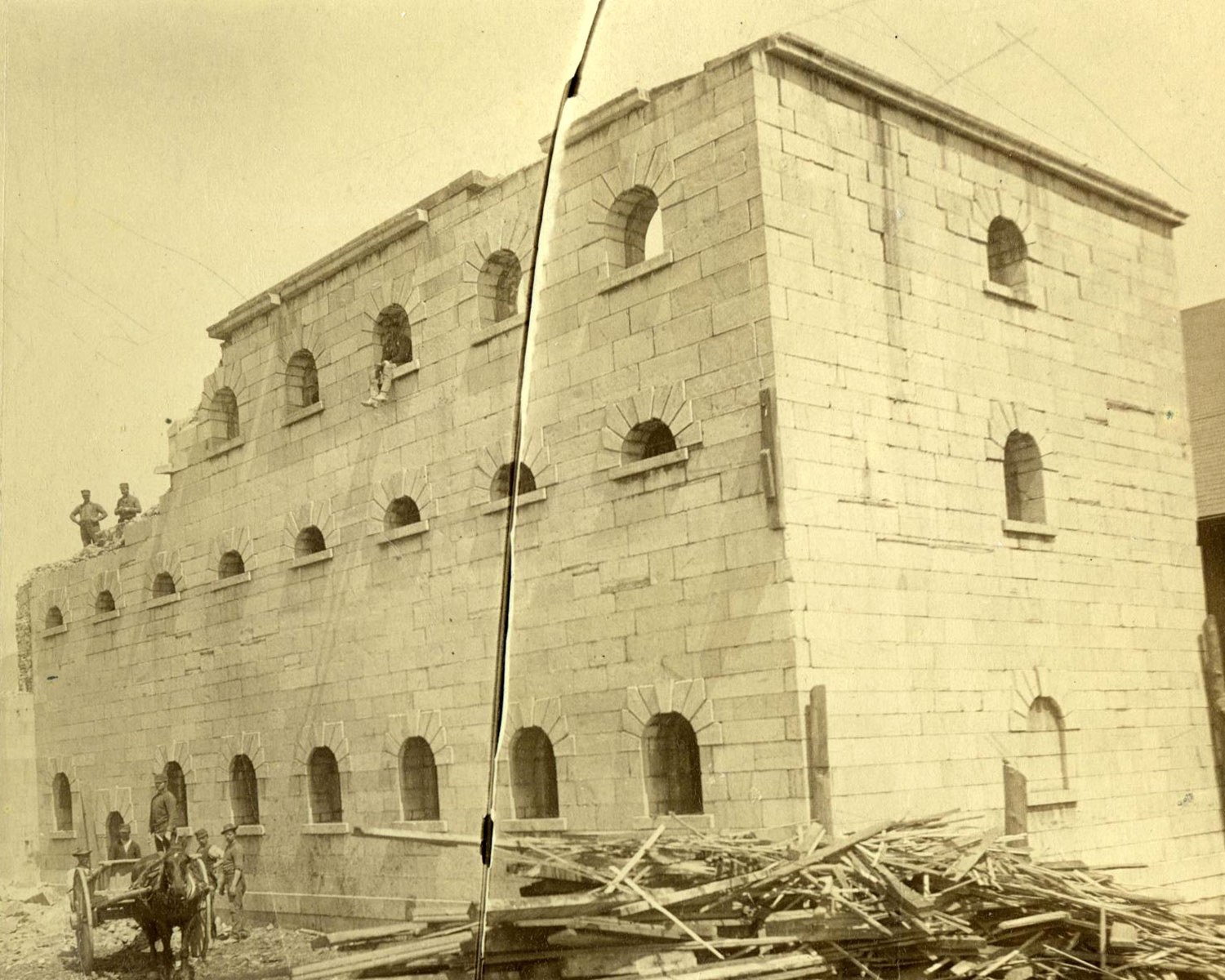
Archaeologists began their excavations at the First Parliament site in the fall of 2000. The project was focused on finding the remains of the First Parliament buildings. In the 200 years since the buildings were constructed, the city has changed dramatically. With centuries of urban buildup, the archaeologists were not sure there would be anything left.
Visit Layer by layer — 3. Layers of historyLayer by layer — 4. What is archaeology?
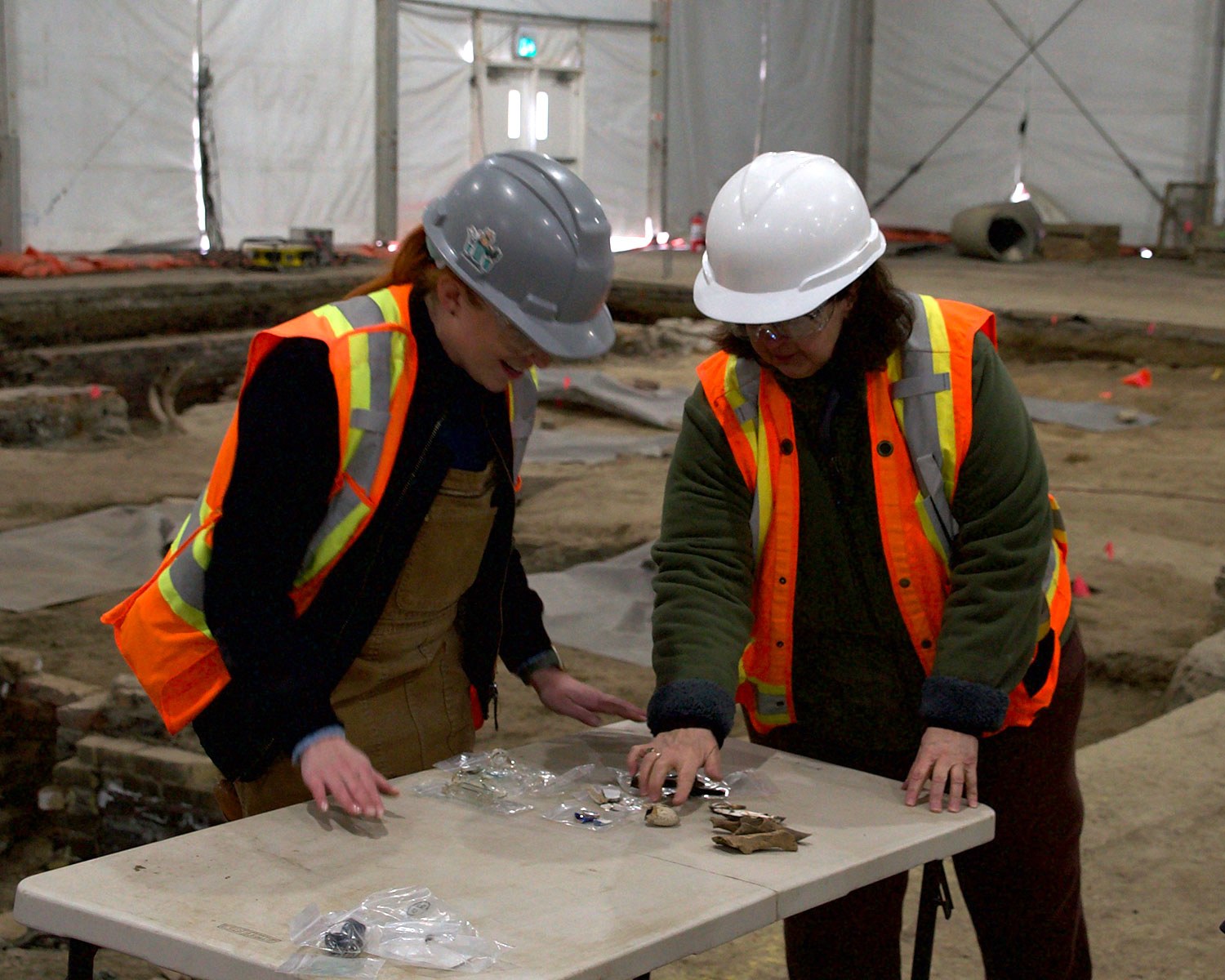
Artifacts and structures together form the physical history of past and present societies. By examining it all, we can better understand where and how people from the past lived. Excavations can tell us many things that books and records simply cannot.
Visit Layer by layer — 4. What is archaeology?Layer by layer — 5. Learning from artifacts
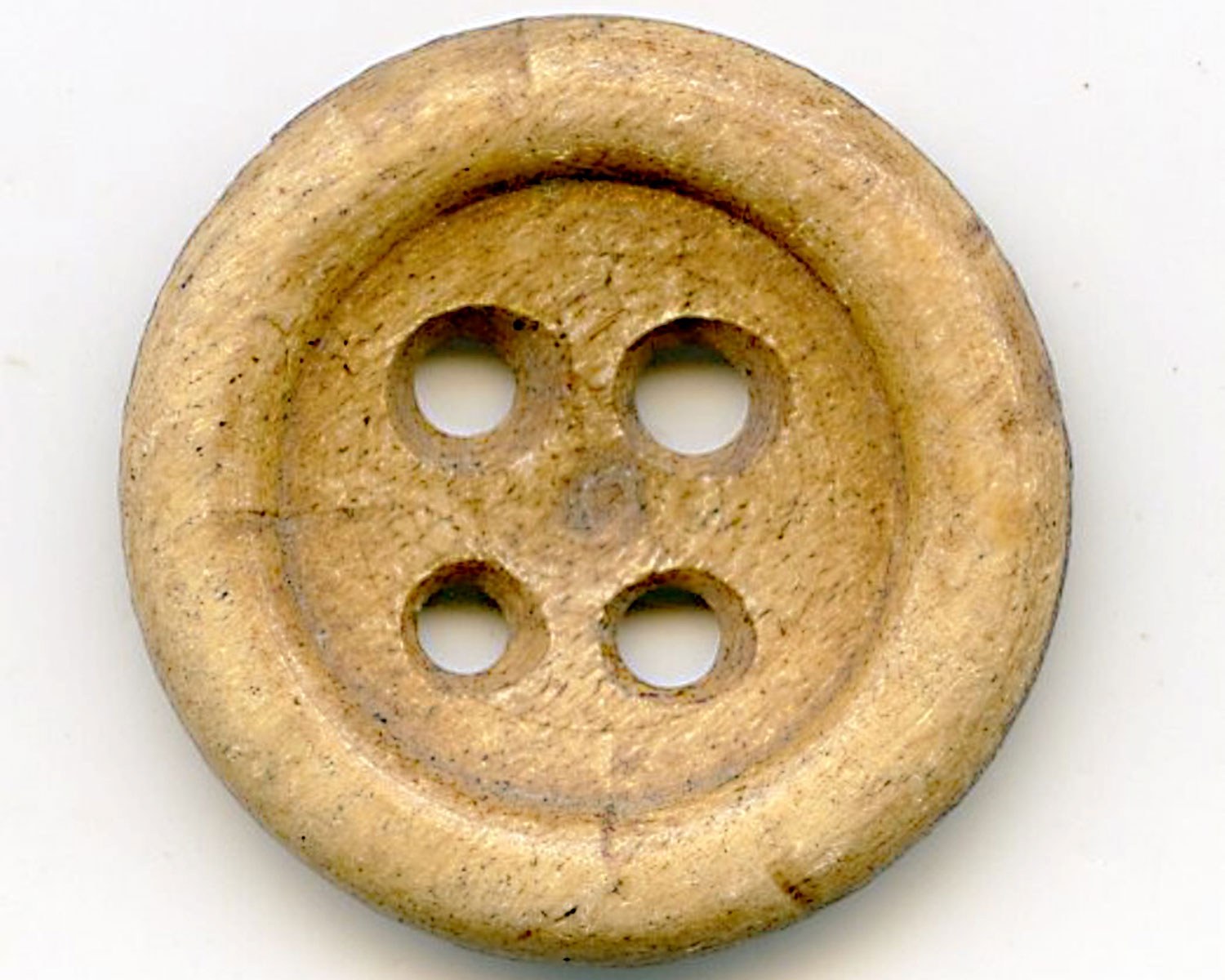
One of the most exciting parts of working on an excavation site is uncovering artifacts. Archaeologists rarely find objects intact. But even fragments of the past can be thrilling discoveries. The smallest sherds can tell us a lot about how people used the site and give us a glimpse into their lives.
Visit Layer by layer — 5. Learning from artifacts