A circle unbroken: Honouring the history of Indigenous military service

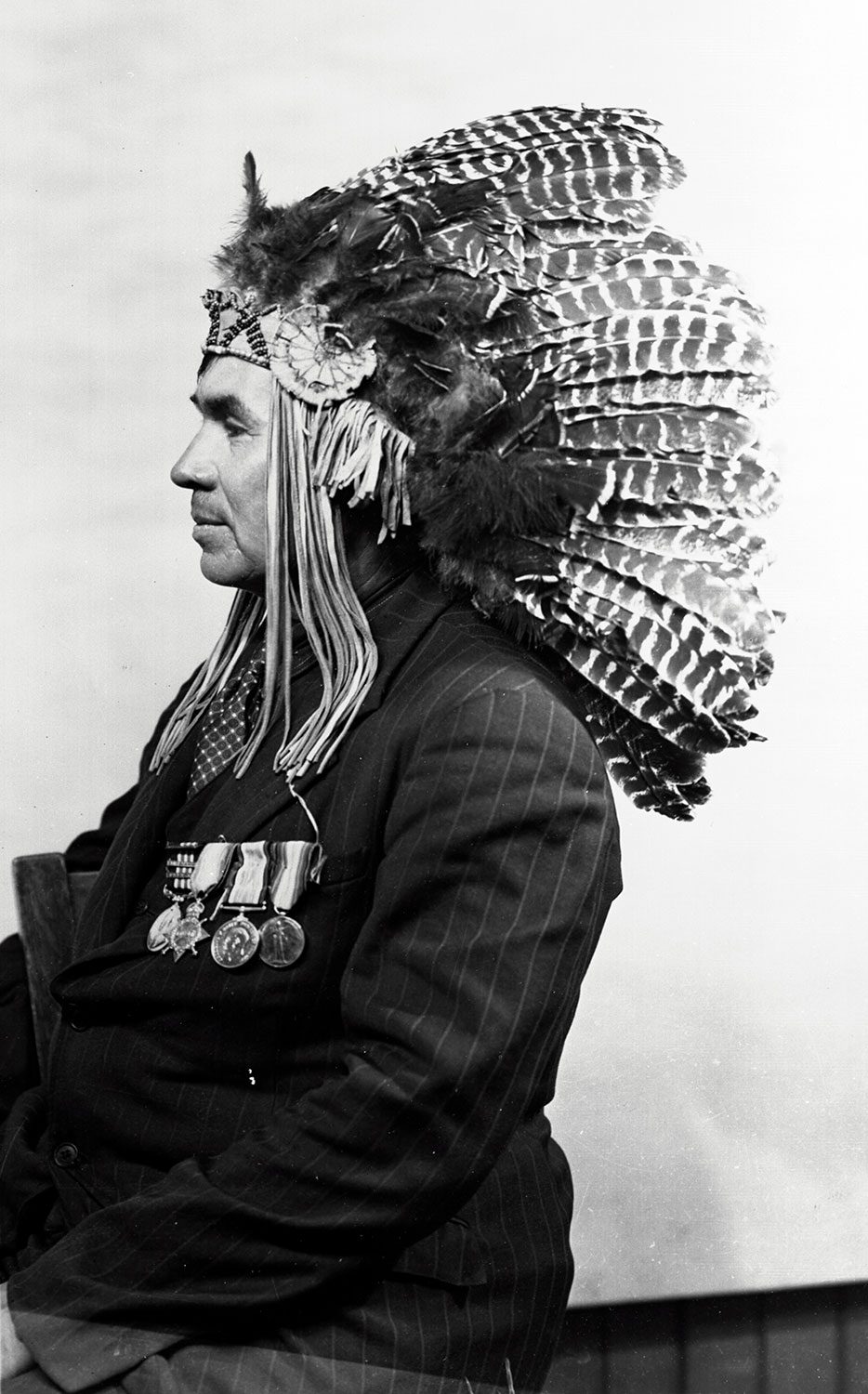
Chief Francis Pegahmagabow, one of the most highly decorated soldiers in Canadian military history
Photo: Museum of Canadian History
Under the summer sun, the beating of drums and voices rise in an honour song to announce the powwow’s grand entry. A line of colourful dancers in regalia enters the dancing circle, bells and jingles tinkling, feathers and pouches leaping in rhythm with the two-step movements. As more dancers follow, it becomes impossible to tell where the circle begins and ends. Leading the procession, alongside chiefs and staff carriers, are the veterans. Many wear uniforms, reflecting service in various conflicts around the world. They are honoured guests, recognized by all visitors as defenders of their communities and their communities’ traditions. They also represent the long and complex history between Indigenous nations and the Canadian military.
Indigenous Veterans Day commemorates the military service of First Nations, Inuit and Métis peoples in Canada. It can be difficult for one to reconcile serving and protecting the freedoms of people overseas when your own languages and traditions were denied by your country’s government. For four centuries, the relationship between First Nations and European settlers has been shaped by paternalistic and systemic policies intended to destroy Indigenous peoples’ ways of life. And yet, Indigenous nations have been on the frontlines of all major conflicts involving British, French and later Canadian forces. Many volunteered not only to protect others in alignment with their own cultural beliefs, but also because military volunteerism offered opportunities — whether only promised or in actuality — to assert Indigenous rights and freedoms at home.
Warriors have played a key role in Indigenous societies for thousands of years, a role that is engrained in traditional political and social systems. Among the Anishinaabe, for example, the clan system traditionally organized governance, diplomacy and responsibilities within the tribe. Within the seven original Anishinaabe clans, the bear clan (mkwa doodem) is traditionally healers and protectors of the village. The marten clan (waabizheshi doodem)carries responsibility as warriors and strategists. Other clan roles include chiefs and spiritual leaders. These roles traditionally worked together beyond combat and hunting to safeguard communities, uphold agreements and maintain balance. Many men’s traditional dances performed at powwows tell stories of hunters, scouts and warriors, reflecting on their experiences and giving thanks for a successful mission.
When European colonial powers arrived in North America, Indigenous nations across Ontario diplomatically engaged with these newcomers, strategically aligning with or resisting settler governments. During the French-Iroquois wars throughout the 17th century, the Haudenosaunee Confederacy fought for territorial and economic influence against French-allied Wendat (Huron), Neutral and Anishinaabe nations. In the 18th century, these alliances shifted as Indigenous peoples sought to protect their lands and autonomy. Indigenous fighters played decisive roles in battles across Southern Ontario. During the War of 1812, both the British and the United States used Indigenous nations as military allies. Tecumseh, a Shawnee military leader who died at the Battle of Moraviantown, unified First Nations and allied with the British during the War of 1812 to protect Indigenous land from American encroachment. This dream went largely unrealized after his death as American settlers expanded into Indigenous territory after the end of the war. These alliances set an important precedent that even while Indigenous nations continued to lose autonomy over their homelands, Indigenous participation in military service became not only more common but also a symbolic part of Canada’s military narrative. Historians and military leaders recognized Indigenous service as tactically valuable, yet they rarely honoured it with lasting political respect.
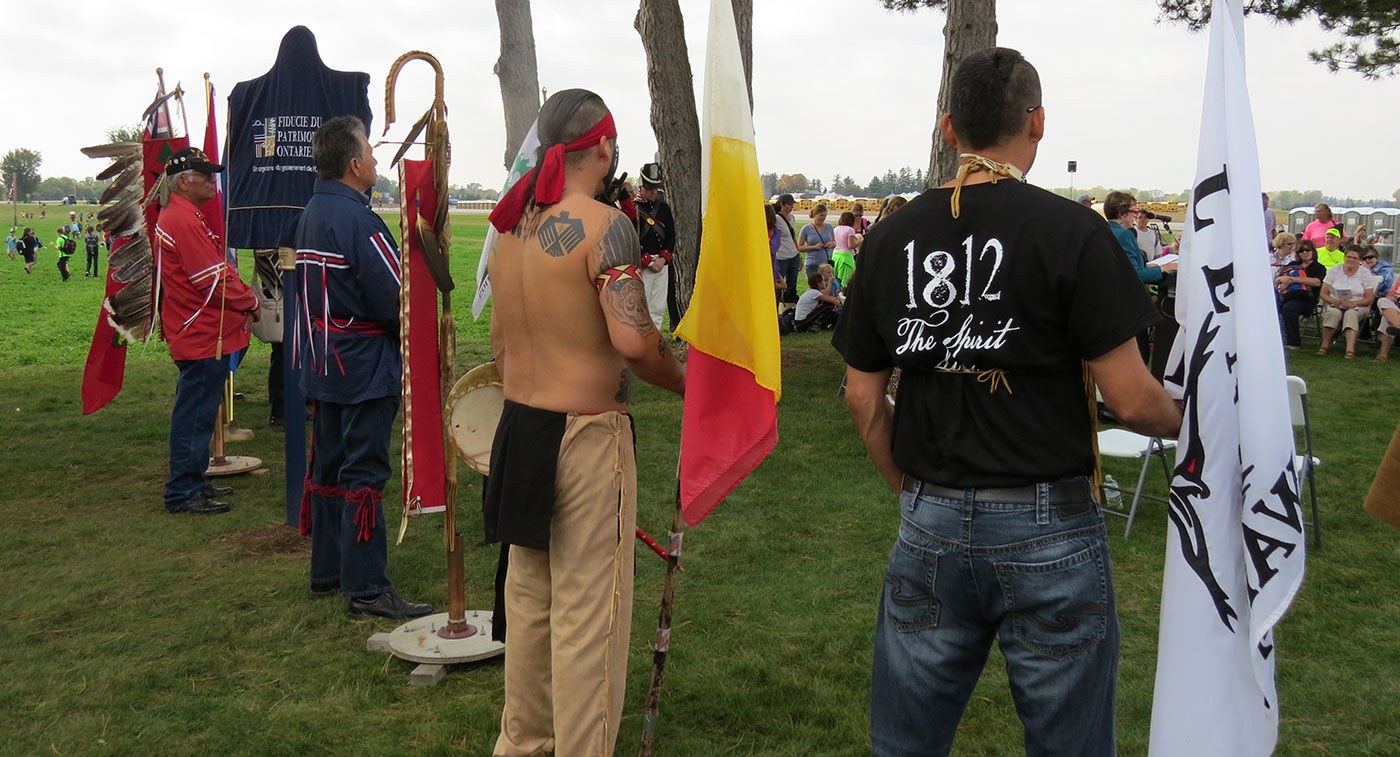
Battle of Moraviantown plaque unveiling event, 2013
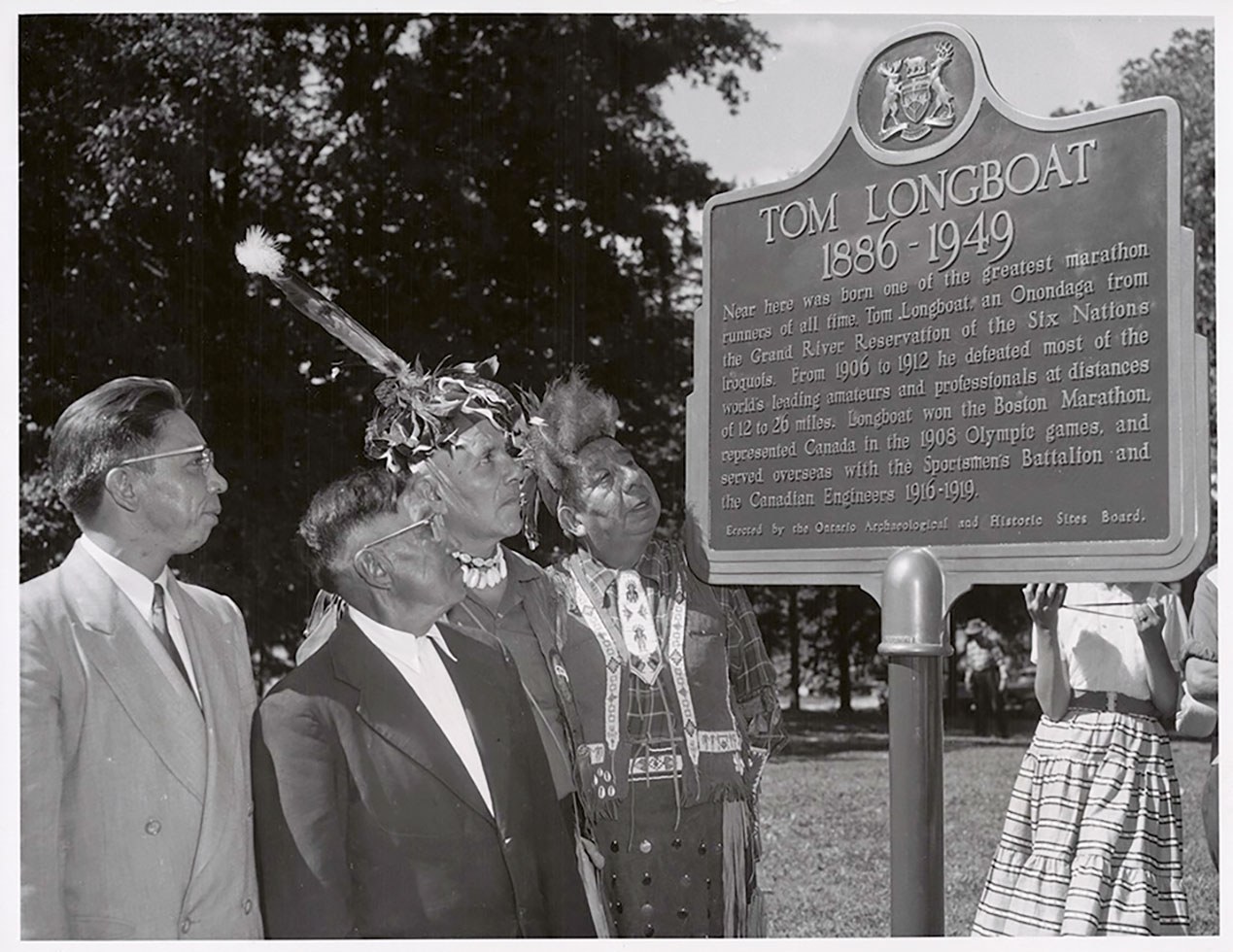
Tom Longboat plaque unveiling, 1957
The First World War marked a significant shift for Indigenous military service. Although First Nations individuals were not considered full citizens under the Indian Act and were denied basic rights, including the right to vote, more than 4,000 known Indigenous peoples served during the First World War. From some communities, nearly every eligible man volunteered to serve.
Anishinaabe Chief Francis Pegahmagabow distinguished himself during the First World War as a scout and sniper and became one of the most highly decorated soldiers in Canadian military history, earning the Military Medal with two bars for bravery. Another well-known figure, Onondaga long-distance runner Tom Longboat from Six Nations of the Grand River, served as a dispatch carrier with the Canadian Expeditionary Forces, carrying messages across front lines.
The Six Nations Women’s Patriotic League sent supplies overseas and raised funds for the Red Cross, reinforcing a community-wide spirit of service. Enlistment, however, was not without tension or debate. Some First Nation leaders encouraged participation as a form of honour and diplomacy. Others argued that fighting for a government that continued to suppress Indigenous sovereignty was a contradiction. These conflicting debates reflected a broader struggle over identity, citizenship and colonial pressure that many Indigenous communities in Ontario experienced.
During the Second World War, Indigenous enlistment surged again, with First Nations contributing hundreds of men and women to the war effort. Volunteering became a way to affirm Indigenous identity and claim a place in Canada’s national narrative. Returning Indigenous veterans, however, continued to face discriminatory policies. While non-Indigenous veterans received direct access to benefits — including land grants, business loans and educational support — Indigenous veterans often had these benefits routed through federal Indian agents. Many were pressured to surrender reserve land or their own Indian status — a system known as disenfranchisement — in exchange for assistance, or they found that funds intended for them were withheld or mismanaged. Despite the thousands of individuals who served throughout the 20th century in not only the World Wars, but in other Canadian military and peacekeeping missions, formal recognition of Indigenous veterans came slowly.
Recognition has always been strong within Indigenous communities. Many Ontario First Nations have commemorative monuments, veterans’ lodges or dedicated powwow grand entries honouring those who have served. Provincial and federal commemorative opportunities have also grown, with First Nations communities participating in large numbers to recognize the bravery of past military service. These ceremonies are not simply acts of remembrance. They are assertions of sovereignty and survival. Each veteran who leads a powwow grand entry stands not only as a soldier, but as a guardian whose contributions help maintain traditions threatened by centuries of colonialism. Long after the veterans return to their seats, the sounds of drumbeats and singing voices continue to echo across the powwow grounds, as they have for countless generations before — a reminder of the enduring resilience of its peoples.
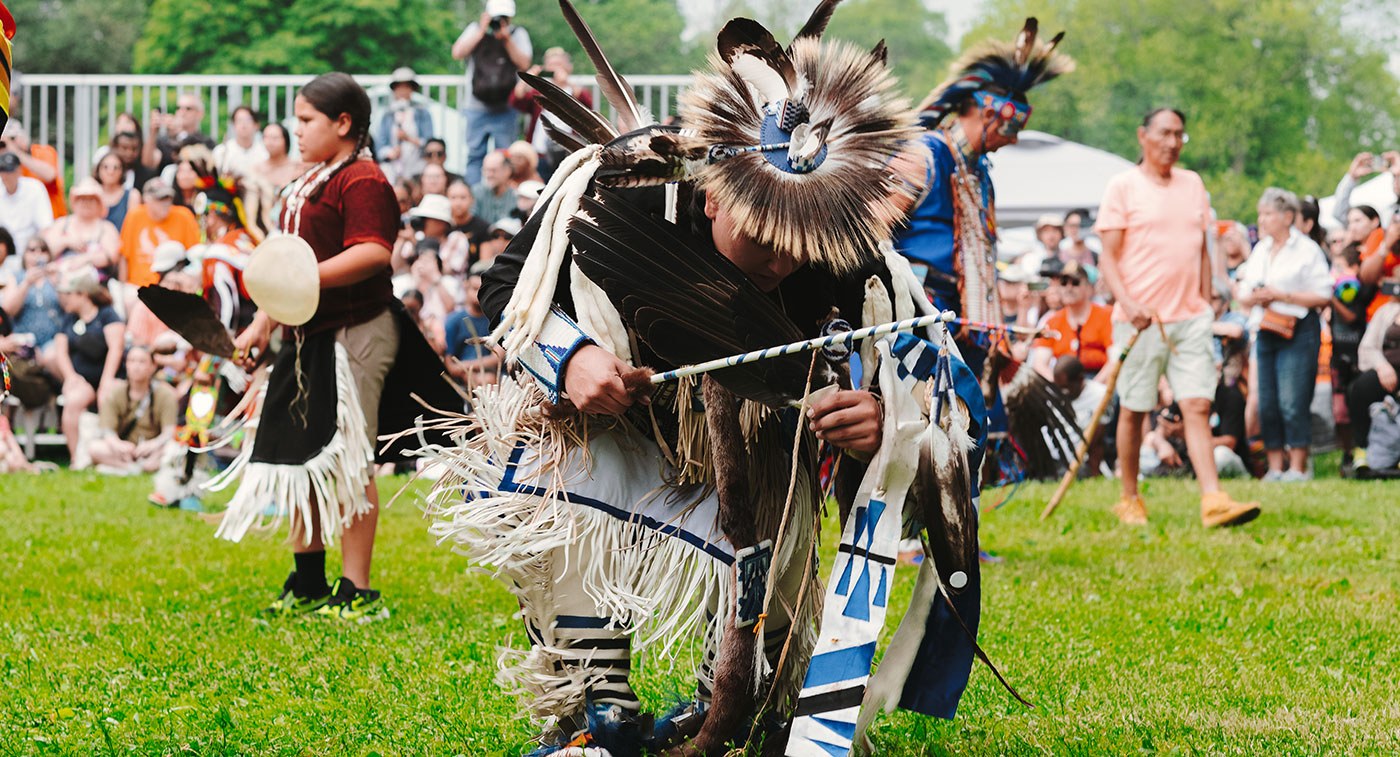
Men's dancers at Na-Me-Res Powwow at Fort York National Historic Site, Toronto, 2025
Photo: Brianna Roye, Destination Ontario
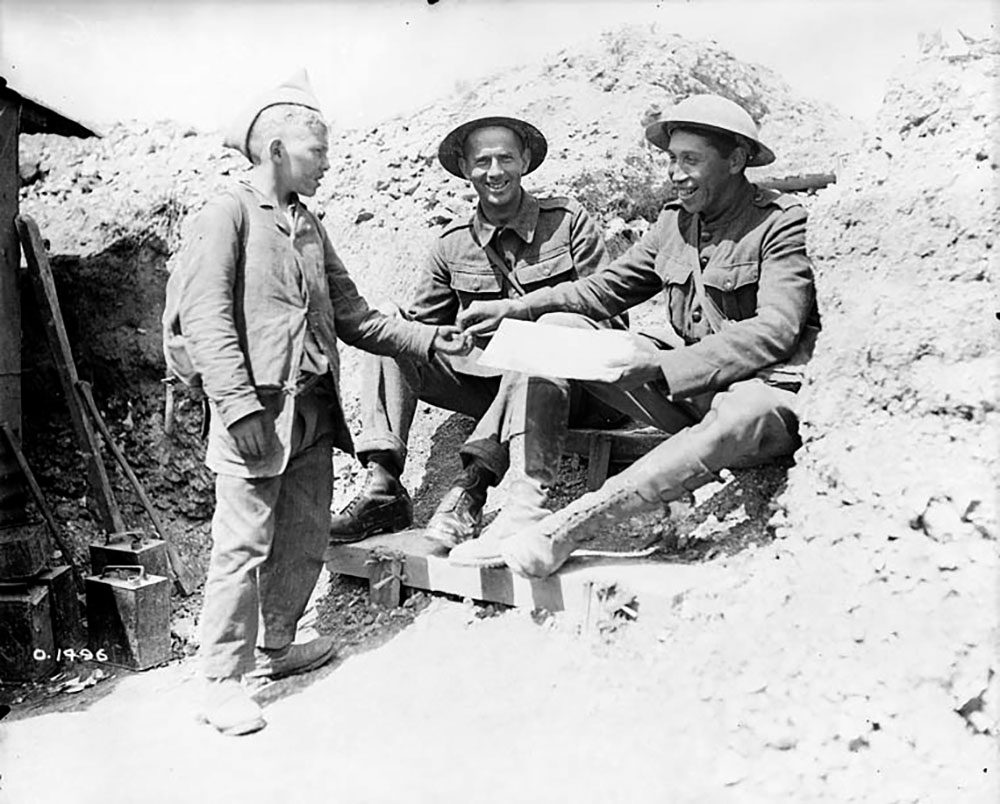
Private Tom Longboat buying a paper from a French newspaper boy in June 1917
Photo: Department of National Defence/Library and Archives Canada
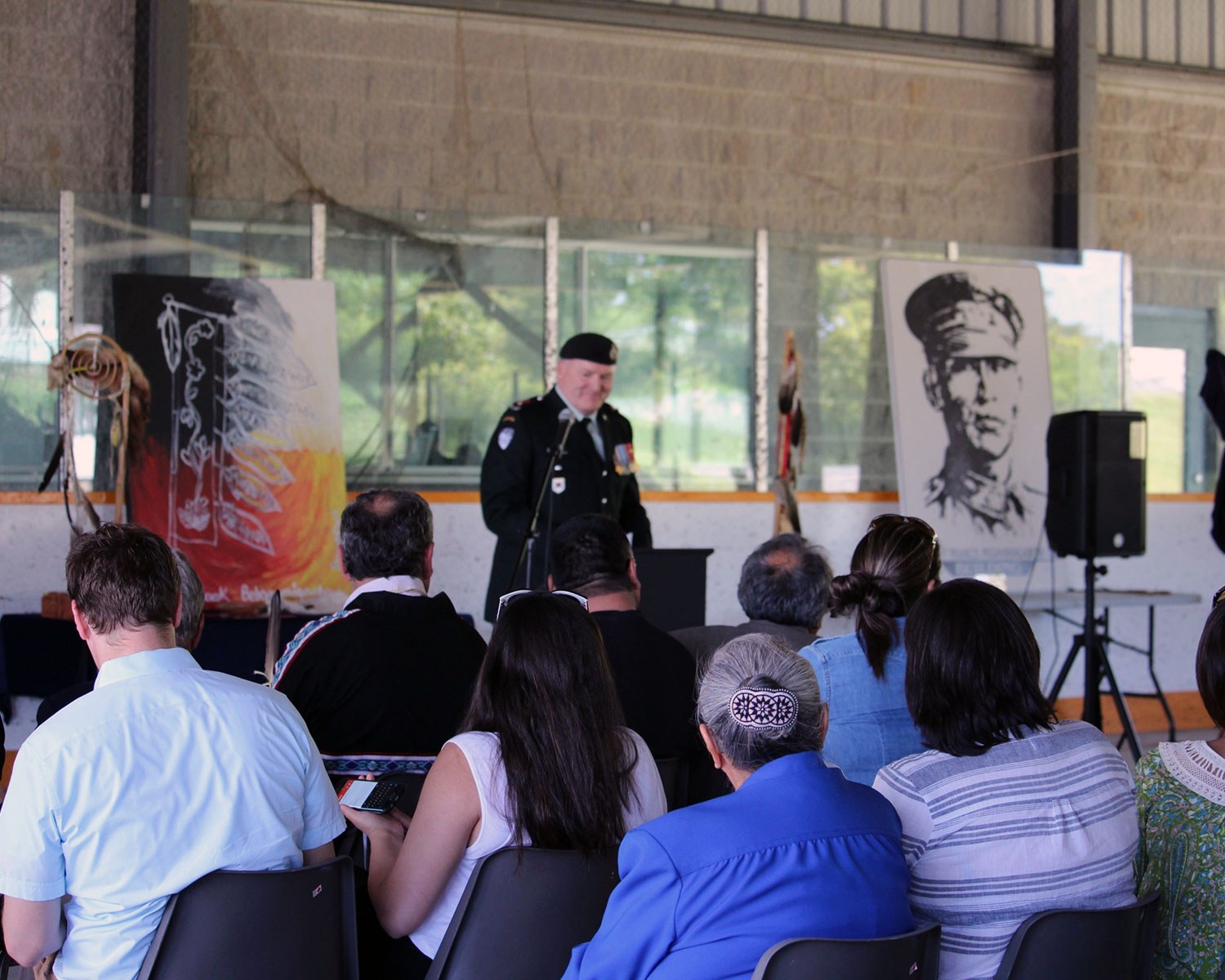
Speaker at the unveiling event of the Chief Francis Pegahmagabow provincial plaque, 2015
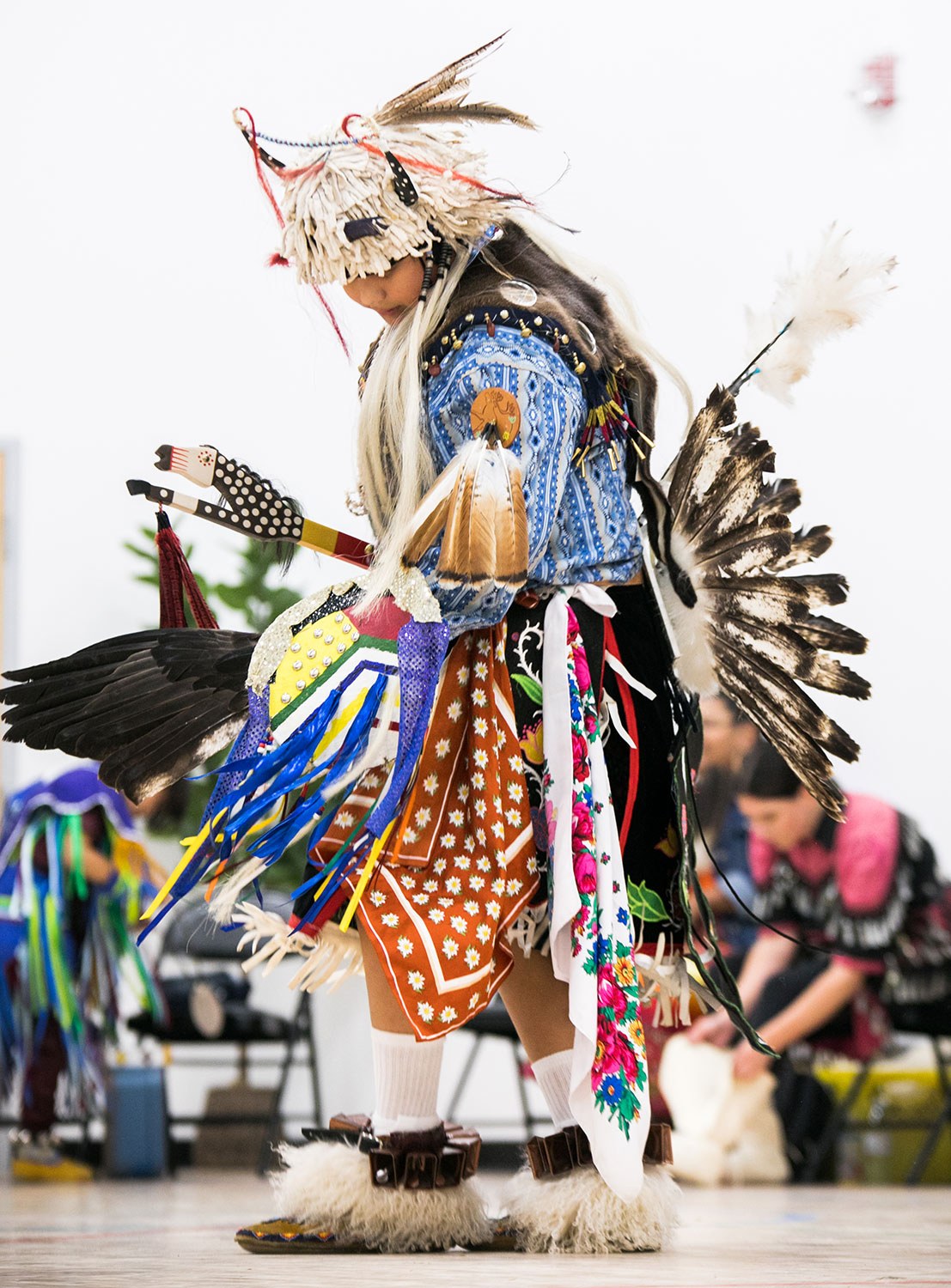
Boys dancing in traditional outfits at Indigenous celebration in Kenora
Photo: Sonia Cacoilo