Opening doors for 25 years
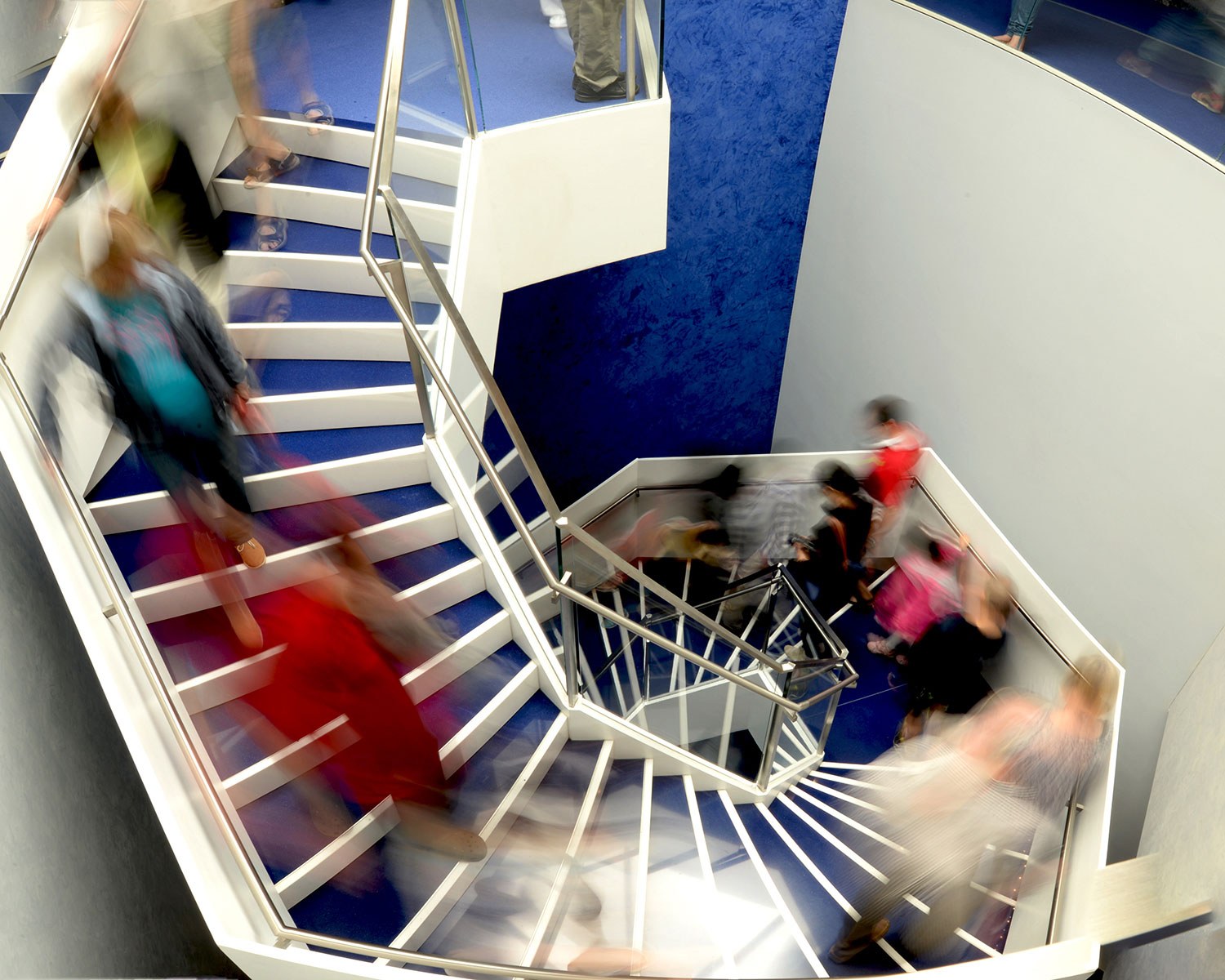
Photo: Exploring the Aga Khan Museum in Toronto (Domnic Santiago)
"There were lineups. There was buzz. Northern communities and smalltown Ontario rubbed elbows with larger urban centres. Doors Open quickly became the great equalizer."

Several years ago, I visited London, England and — without even knowing it when I had planned the trip — I landed in town on the very weekend that they held their own Doors Open event: Open House London. How could I resist? I visited stately Apsley House (where the Duke of Wellington lives), the resplendent Royal Academy of Arts in Piccadilly, the grisly Old Operating Theatre, the wacky Sir John Soane’s Museum and the riverside Old Royal Naval College in Greenwich (built by Sir Christopher Wren). And to tell you the truth, I got the same feeling of excitement and fascination that I do here in Ontario — or in downtown Chicago or ancient Rome. Heritage structures encapsulate our past in the intricately carved wood, the carefully chiselled masonry, the elaborate plasterwork, even just the smell. Everything about an old building, be it in smalltown Ontario or the world’s capitals, fills us with awe and wonder.
In 2000, when I started working for the Ontario Heritage Trust (then called the Ontario Heritage Foundation), Doors Open Ontario was still only a concept. But we had a lot to draw on for inspiration.
The idea behind the program is not new. The first Doors Open Day (called La Journée Portes Ouvertes) took place in France in 1984. By 1991, many European countries had joined together to create European Heritage Days at the initiative of the Council of Europe. Today, Open House Worldwide invites people to explore buildings and spaces in cities across the globe — from North America and Europe to Asia and Australia. In Canada, the City of Toronto launched the first Doors Open event in North America in 2000. After much research and consultation with Toronto, the Trust launched Doors Open Ontario in 2002 — the first provincewide event of its kind in Canada. Since the program launched, nearly 10 million visits have been made to heritage sites across Ontario. And it shows no signs of slowing down.
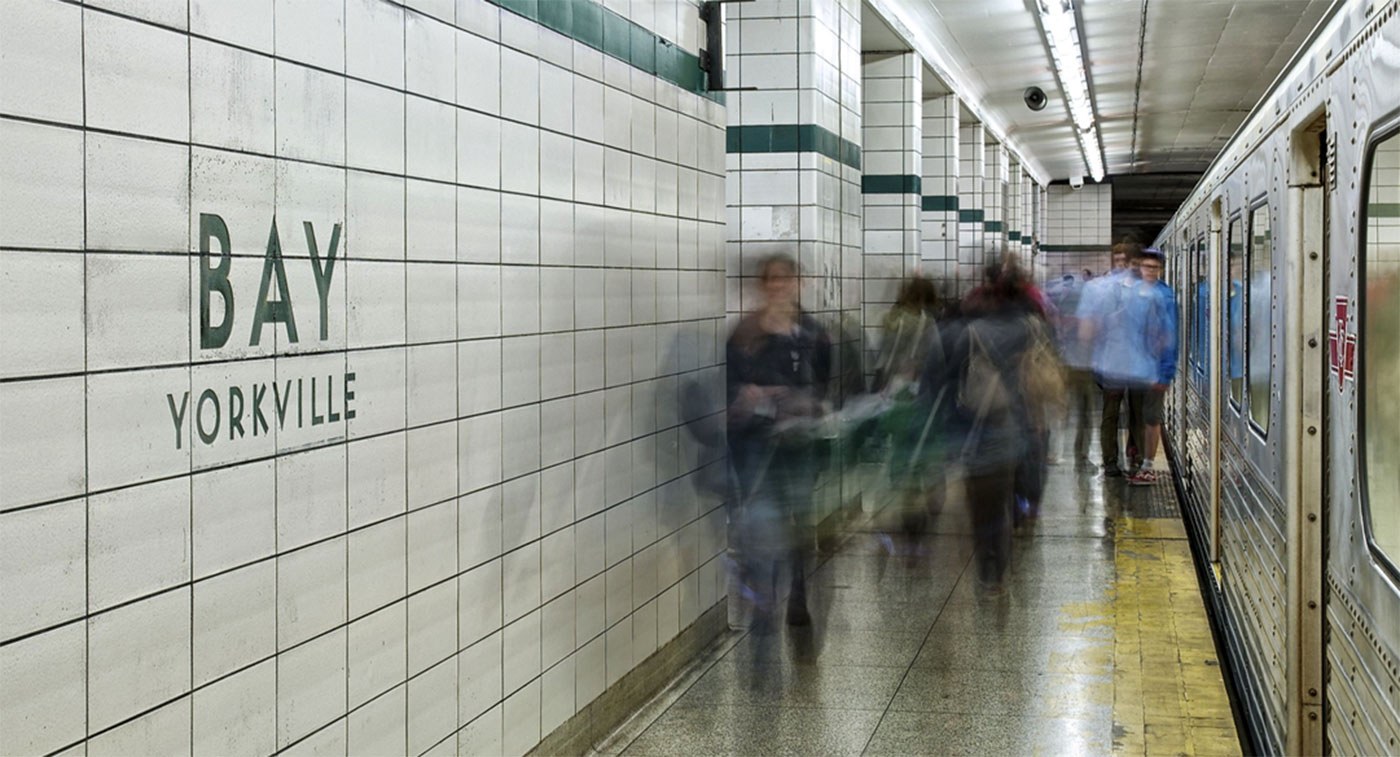
Photo: Toronto's Lower Bay Street station, a popular stop for Doors Open Toronto (Photo: Terry Wurdemann)
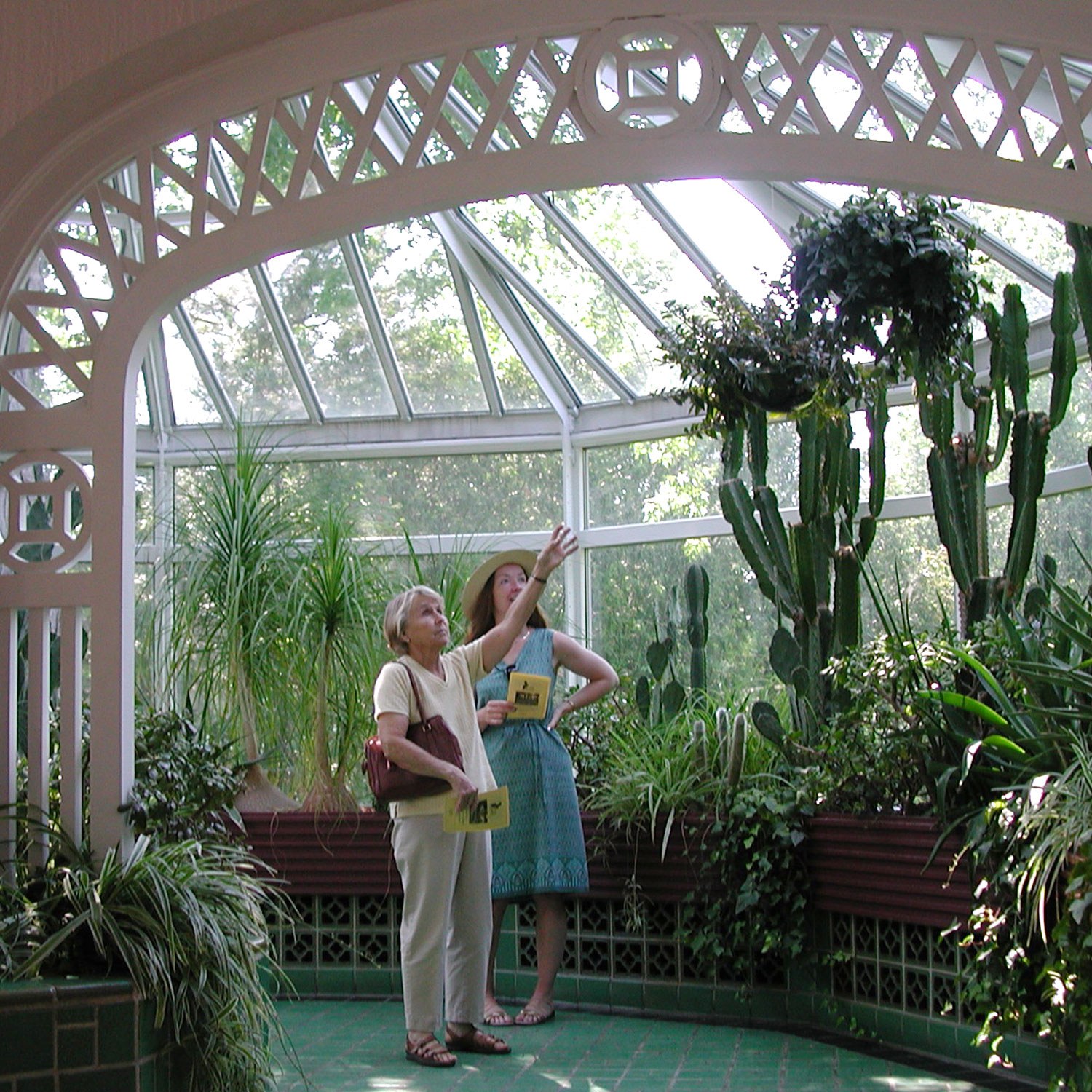
Inside Heintzman House, Markham
The early years
From the start, our biggest concern was getting a core group of communities on board. The primary mission of Doors Open is to create access to heritage sites for free — opening buildings that normally don’t open to the public, or opening sites for free that normally charge an admission. At first, there was some hesitation about “giving it away,” about losing potential revenue at sites by offering a free event. But, after holding various meetings with community organizers and answering their questions about how the concept worked to build heritage awareness and impact local economies during a Doors Open Ontario event, we were able to move forward. We brought together a small but engaged group of participants from every region of the province — 18 events in total (since then, we’ve had up to 57 events in a single year!). And the inaugural season of Doors Open Ontario got underway.
With nearly 300,000 visits that first year, we had a lot to celebrate. People were so excited to get inside places that were otherwise off limits. There were lineups. There was buzz. Northern communities and smalltown Ontario rubbed elbows with larger urban centres. Doors Open quickly became the great equalizer. But we were only able to reach so many people with a printed magazine and limited distribution.
From ink to link: The transition from paper to digital
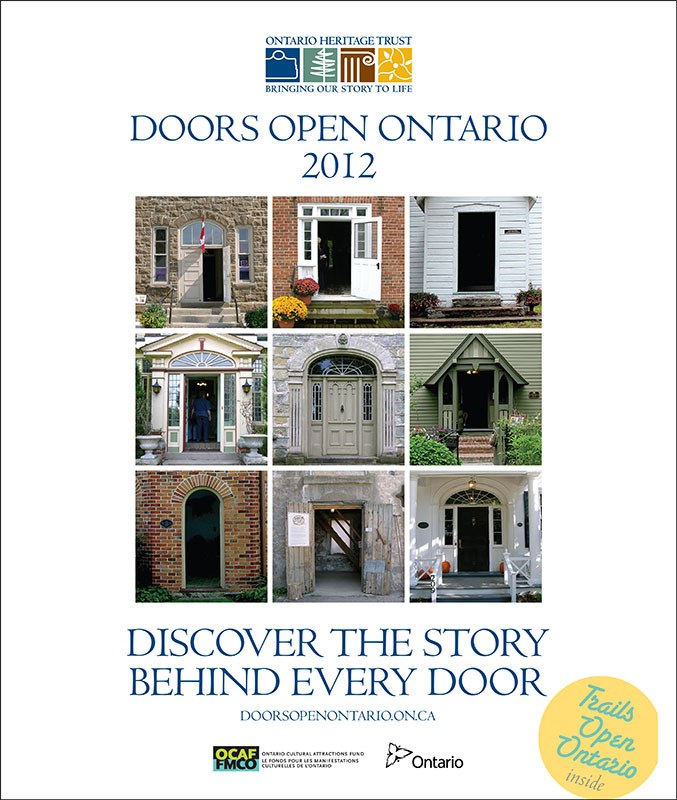
For many of those early years, we partnered with The Globe and Mail to include a drop of Doors Open Ontario magazines as part of the newspaper’s provincial distribution. While the reach was good, the cost of producing a full magazine was eating away at our budget. We had to find a solution.
The full magazine was stopped in 2012, and we switched to brochures for a few years (which could at least reach more people because we could print more of them). Then, in 2019, we stopped printing altogether and switched entirely to a digital presence. The Doors Open Ontario website, to this day, remains a popular and handy planning tool as well as an on-the-ground navigation tool. Designed to replace the need for a printed magazine — and able to showcase more than the limited number of sites we could show in print — the website quickly became the vehicle for all our events and participating sites. It can also do what no print product can — it can remain up to date almost instantly, and provide navigation tools like maps, searching and filtering based on criteria like wheelchair access, guided or self-guided tours, whether a site was kid-friendly, or even by architectural style, building type or landscape. And by making the Doors Open Ontario website mobile friendly, it also meant that the website could become your navigation tool right from the palm of your hand when you were exploring a given community on foot.
With a digital presence came a digital way to promote the program. Advertising turned to platforms like Facebook, Instagram and Google Ads. Over the years, we’ve even advertised on Pinterest and The Weather Network. We’ve promoted the program and upcoming events through our newsletter, which now reaches nearly 20,000 people. This year, we even launched influencer reels on TikTok. It’s important for us to keep up with the ways that people receive and digest their information, and to break through that crowded media landscape to hook visitors and help them plan their Doors Open excursions better. The digital landscape is ever-changing.
The COVID years
And then, in March 2020, COVID hit. And it hit hard. One of the words that sticks to this day when talking about anything we did during those years is the word “pivot.” Here we were promoting an in-person program where hundreds of thousands of people visit buildings throughout the province each year — and suddenly people weren’t allowed to come together anymore. So, what do we do then? We pivot.
Until restrictions on gathering were lifted, we had to switch from a fully in-person program to a digital one — and Digital Doors Open was born. Working with communities, we found innovative and engaging ways to showcase their sites. Our goal was to create and offer an experience at each site that you couldn’t get any other way but digitally. In addition to virtual tours, we promoted content that gave a far deeper exploration of a site: online collections, behind-the-scenes tours of storerooms or parts of a site that are always off-limits, streaming documentaries of the people behind the buildings, downloadable colouring pages, heritage baking lessons and even virtual rollercoaster rides. Our communities dug deep and came up with some excellent content that really spoke to why their sites mattered so much. It kept these heritage sites relevant — and on everyone’s mind. And these experiences resonated with our audiences. Web visitation remained strong during those COVID years because we continued to find ways to reach people, and to inspire them to explore and learn more about Ontario’s heritage.
What we have learned from Doors Open
So, 25 years on, what has this program shown us? It remains a free program, so it still draws a lot of attention. Almost every year, a new community registers for the program and brings their own unique montage of sites to the mix. In this important anniversary year, 34 communities hosted Doors Open events — from as far north as Sault Ste. Marie, as far west as London and Chatham-Kent, and as far east as Ottawa and Cornwall — and all points in between. Our website this year also set a new all-time record for visitation. Clearly, there’s a reason this popular program continues to resonate.
Maybe it’s just the structures themselves, the architecture. But, in a way, isn’t architecture a snapshot in time of our heritage, of what we used to be in the past? Our urban landscapes are a collection of these so-called snapshots, identifying who we were as people, and helping to define who we are today. And if there’s one thing Doors Open Ontario has done well — and continues to do — is to make these places available to a huge number of people. Nearly 10 million now and counting. When someone says, “Meh, it’s just an old building,” I remind them that when this building was new, their great-grandmothers were infants, there were still horsedrawn carriages in the streets, Queen Victoria was still on the throne, Canada wasn’t even Canada yet. Just an old building? Perhaps. But it carries in its very bones the essence of who we are and where we’ve come from. And that has to count for something.
Next year, the Ontario Heritage Trust turns 60. And that milestone, too, gives us reason to pause and reflect. Has heritage changed over the years? I don’t think so, really. Fundamentally, for me at least, what’s changed is the way we look at heritage, the way we incorporate it into our lives. What is it about heritage that makes us react? And we all react differently, in ways that matter distinctly to each of us. Whether it’s by taking an in-depth tour of a building to explore every nook and cranny, investigating that building’s original owner to gain greater insight into its past, exploring the styles that architects have followed for generations to craft these masterpieces, or even just posing in that ideal spot for the perfect selfie — what we take away from heritage obviously varies. And that’s where Doors Open Ontario truly comes into its own. It gives us the freedom to explore our past in a way that resonates with our unique needs. But what we all share, no matter our motivation, is that heritage inspires us and helps define our identity. Whether we realize it or not.

Roseneath Carousel, Northumberland County
Photo: Richard Adams
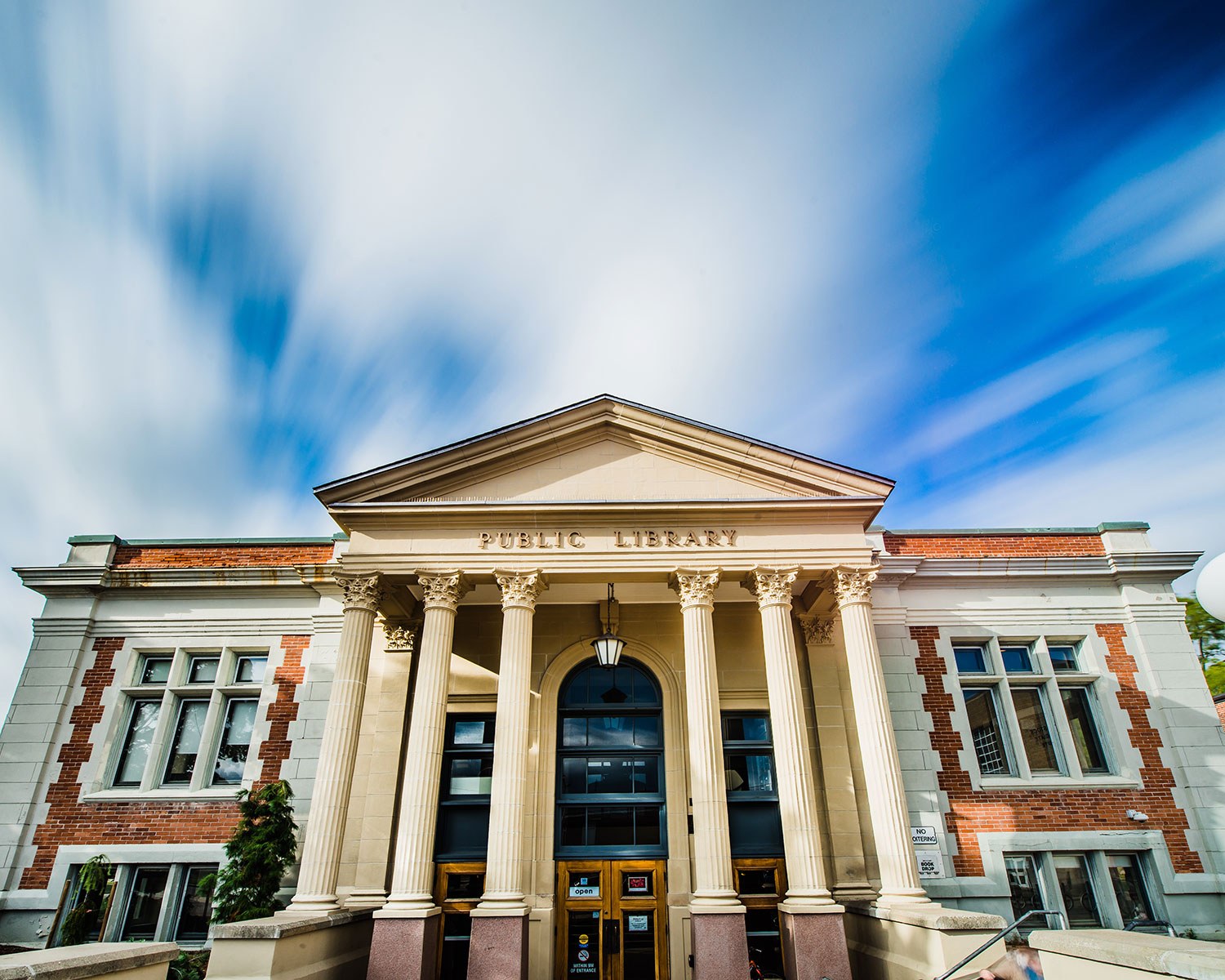
Woodstock Public Library
Photo: Dudek Photography

Muskoka Discovery Centre, Gravenhurst
Photo: David Campbell

Commerce Court, Toronto
Photo: Greg David