ArchaeologyBuildings and architectureCultural objectsFirst Parliament Site

Layer by layer — Start: Archaeology in the heart of Toronto

Parliament Archaeology

Walking by the intersection of Front and Parliament streets in the heart of Toronto, you might not realize the history beneath your feet.

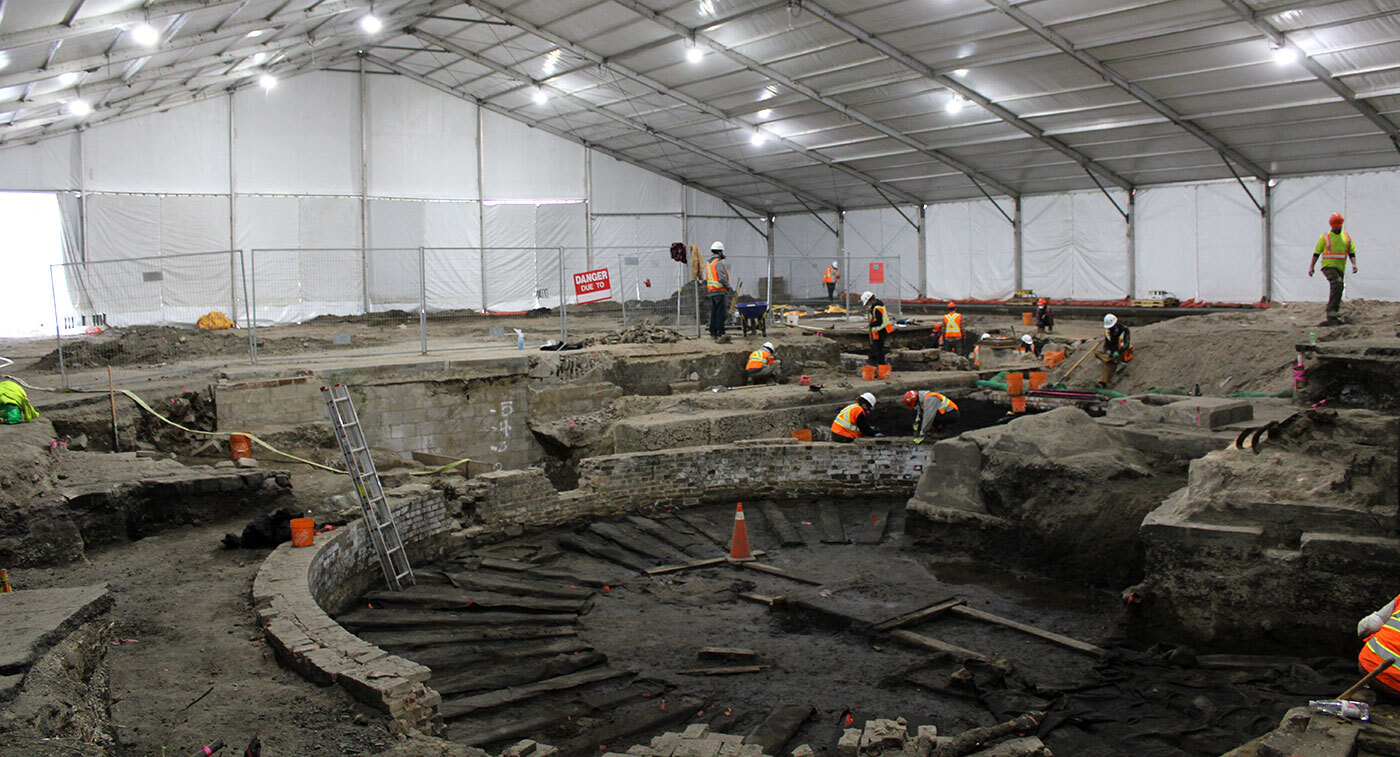
Excavation around the turntable in 2023

For thousands of years, this land along the shores of Lake Ontario has been a gathering place for Indigenous Peoples. In the early days of British settlement, this intersection is where Upper Canada’s First Parliament buildings were constructed. Later, the site became a jail, a gas production plant and most recently several car-related businesses. Today, it is undergoing another change as it transforms into a new transportation and residential hub.

Explore these exhibits with us and learn more about this fascinating site. See how archaeology has exposed important elements of the story. And learn about what it ultimately tells us about the people who came before us.

1. Introduction

Limestone foundation from the Consumers' Gas period, unearthed in 2023 (Photo: Laura Ludlow)

Limestone foundation from the Consumers' Gas period, unearthed in 2023

Photo: Laura Ludlow

With centuries of buildup above, archaeologists were not hopeful that anything from the First Parliament buildings survived below.

1. Introduction

2. First Parliament throughout the ages

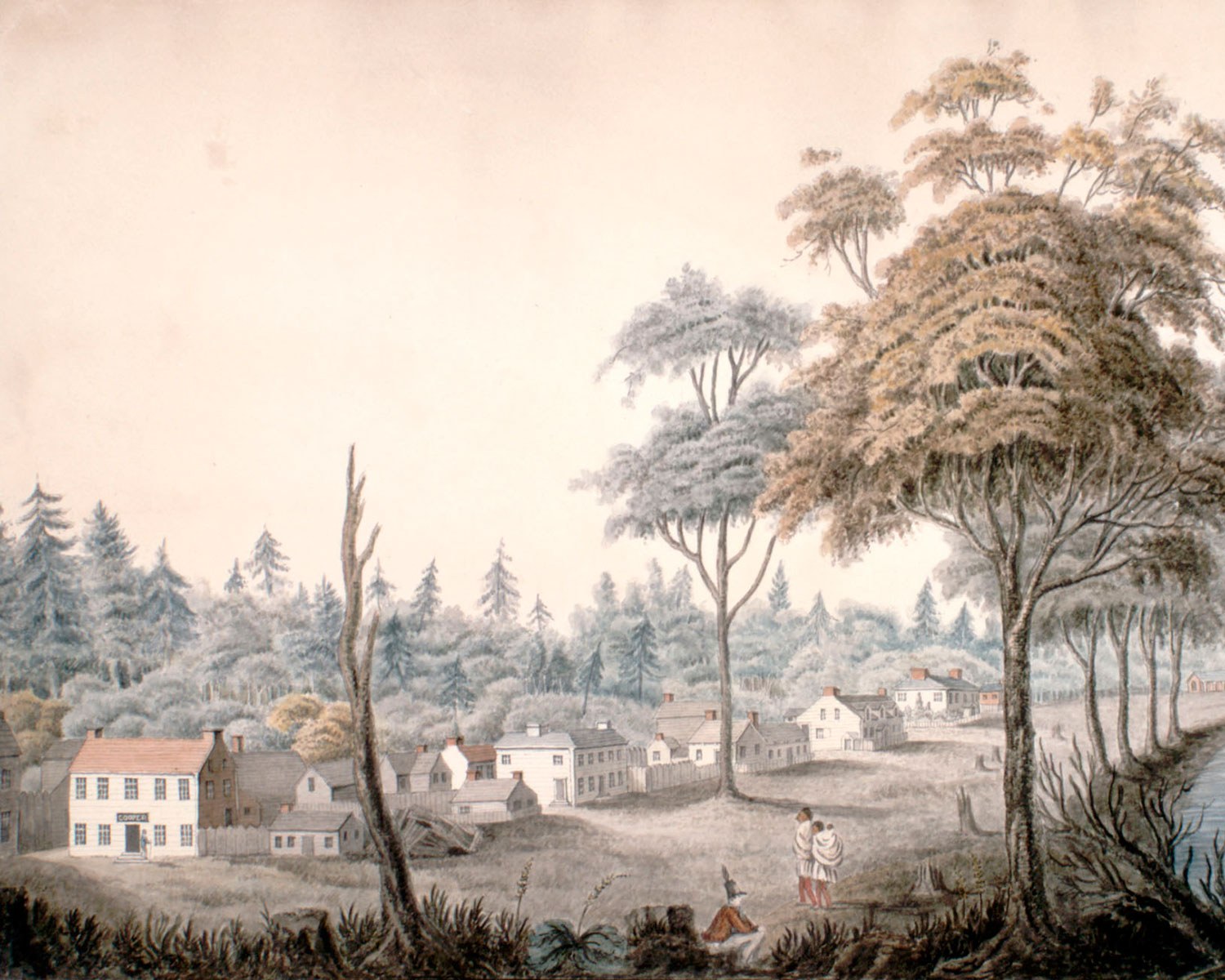
Watercolour painting by Elisabeth Francis Hale showing a view of York from Lake Ontario in 1804. (Photo: Library and Archives Canada)

Watercolour painting by Elisabeth Francis Hale showing a view of York from Lake Ontario in 1804.

Photo: Library and Archives Canada

Indigenous people have lived on this land for over 13,000 years. Today, this land continues to be home to these communities and many other diverse Indigenous Peoples.

2. First Parliament throughout the ages

3. Layers of history

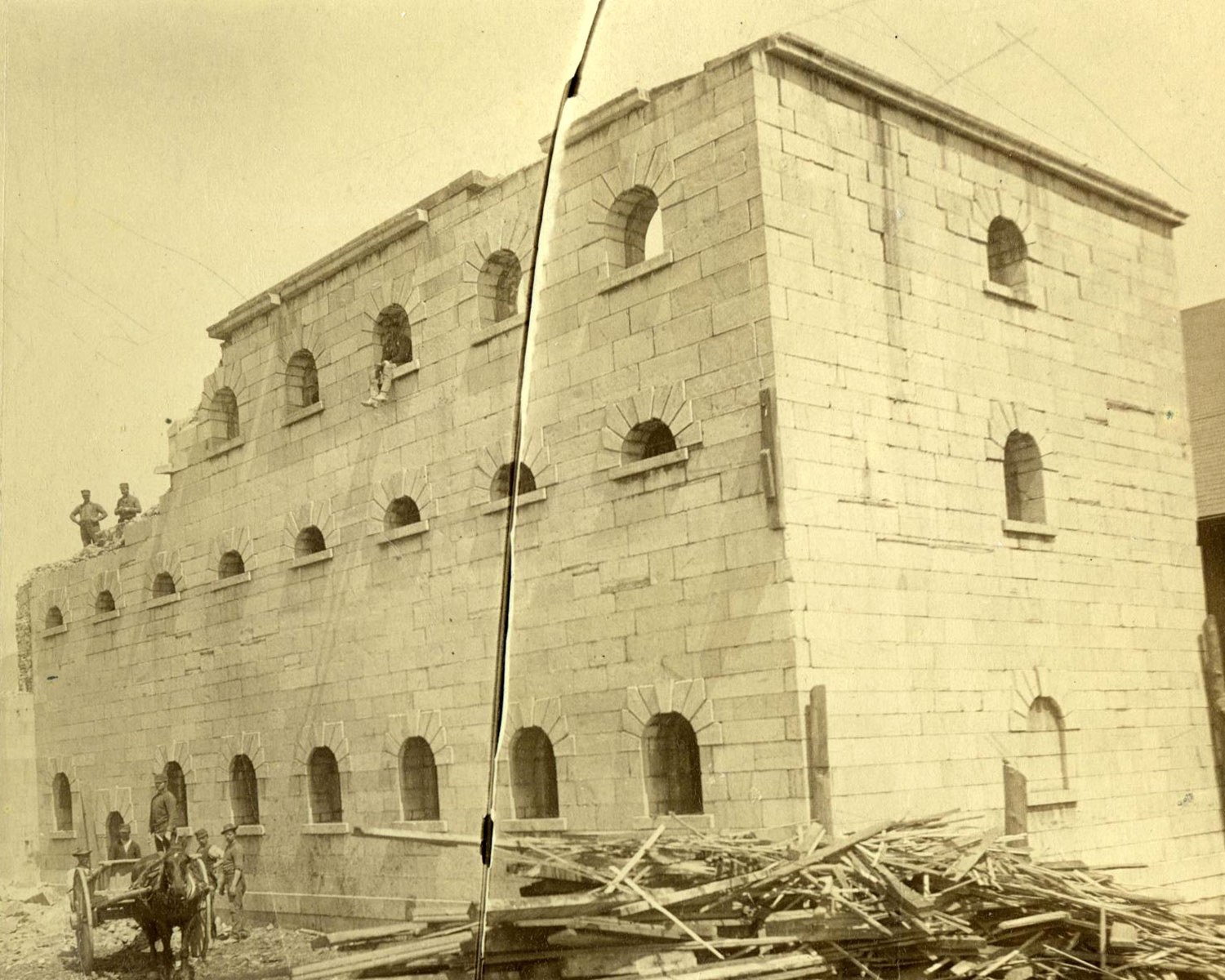
The Third District Gaol being torn down in 1885. (Photo: Courtesy of the Toronto Public Library)

The Third District Gaol being torn down in 1885.

Photo: Courtesy of the Toronto Public Library

Archaeologists began their excavations at the First Parliament site in the fall of 2000. The project was focused on finding the remains of the First Parliament buildings.

3. Layers of history

4. What is archaeology?

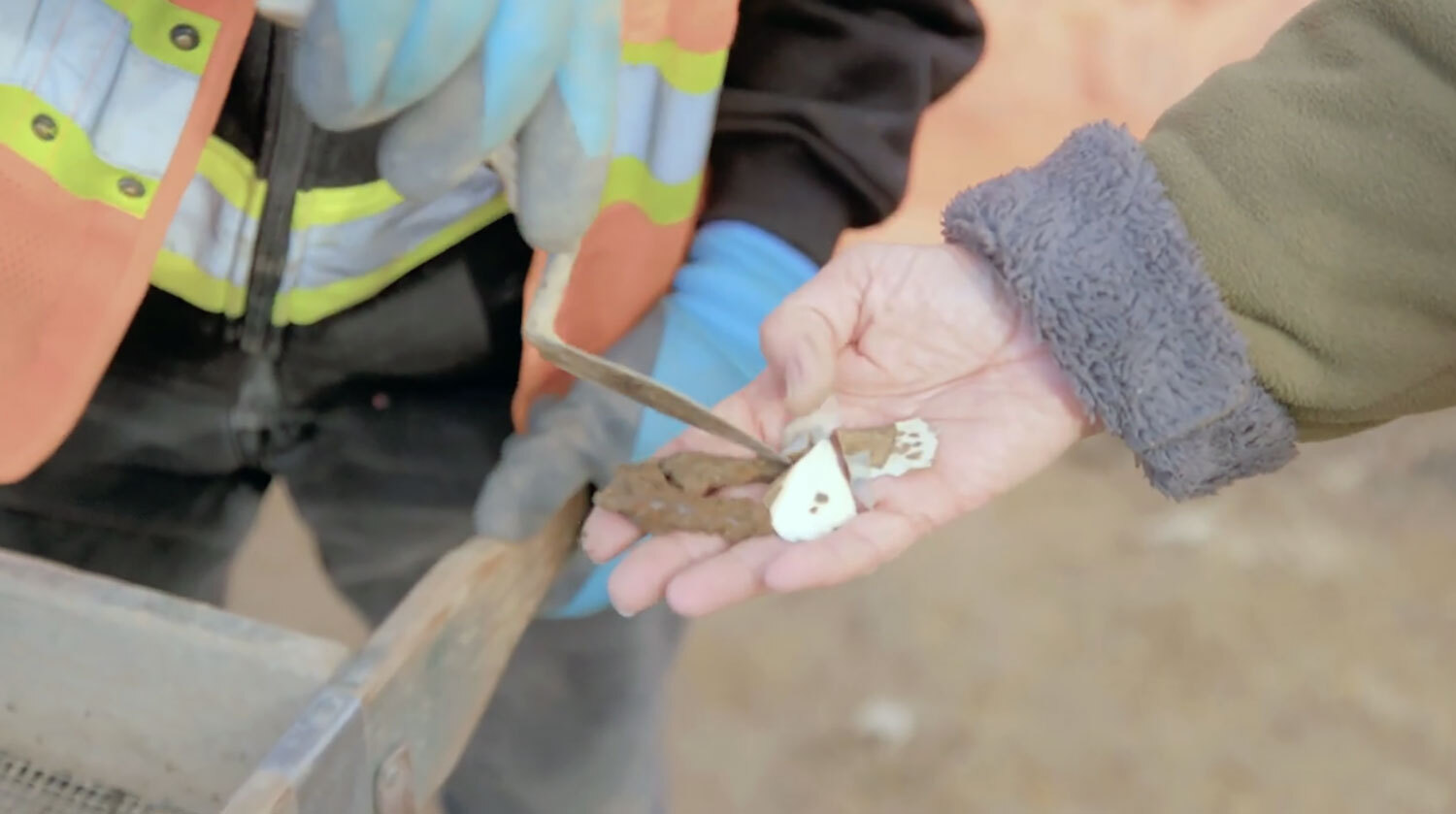
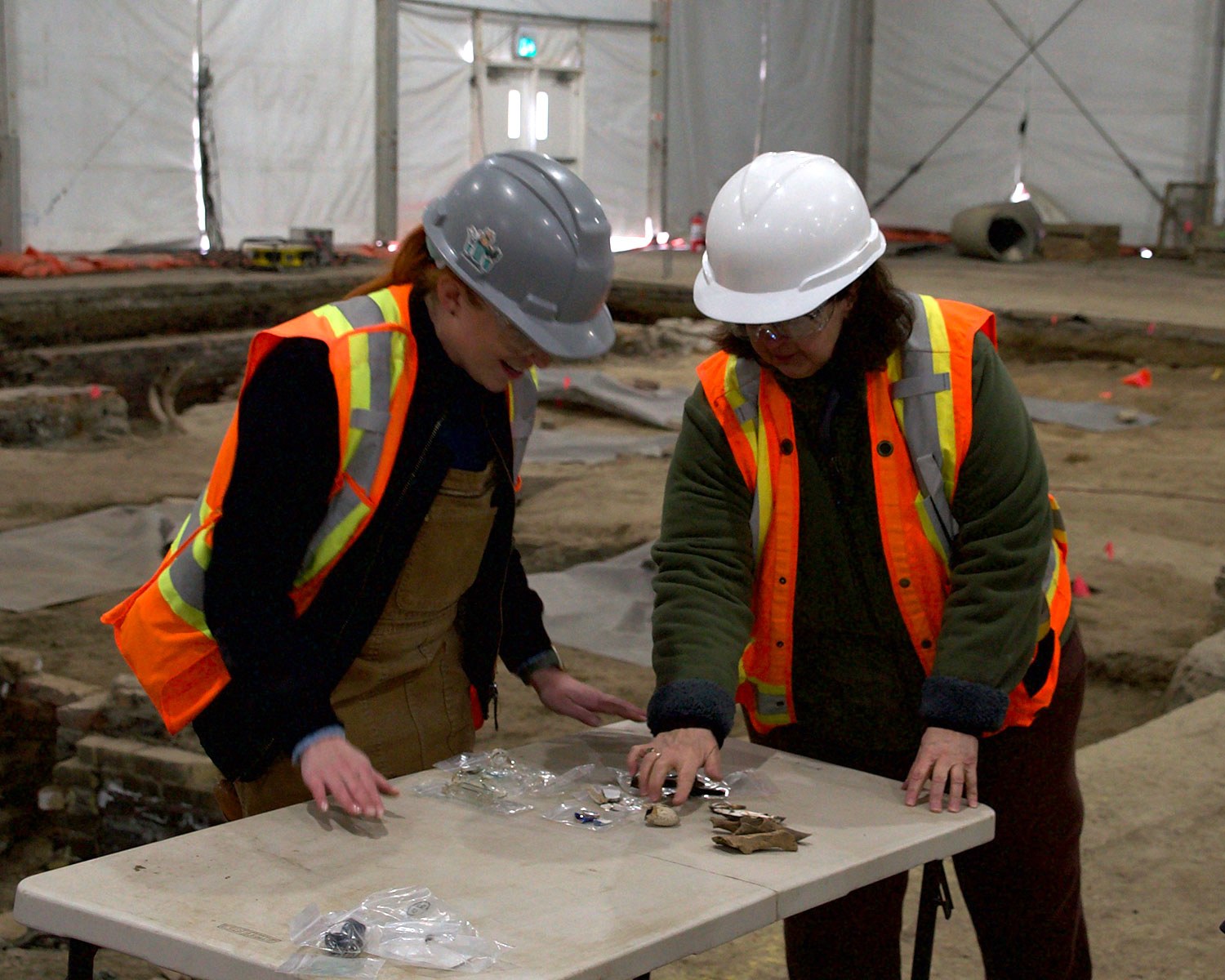
Archaeologists Heather Kerr and Dena Doroszenko looking at some of the artifacts found during the 2023 excavation.

Archaeologists Heather Kerr and Dena Doroszenko looking at some of the artifacts found during the 2023 excavation.

Archaeology plays a major role in how we learn about our history. Archaeologists excavate areas of past human activity.

4. What is archaeology?

5. Learning from artifacts

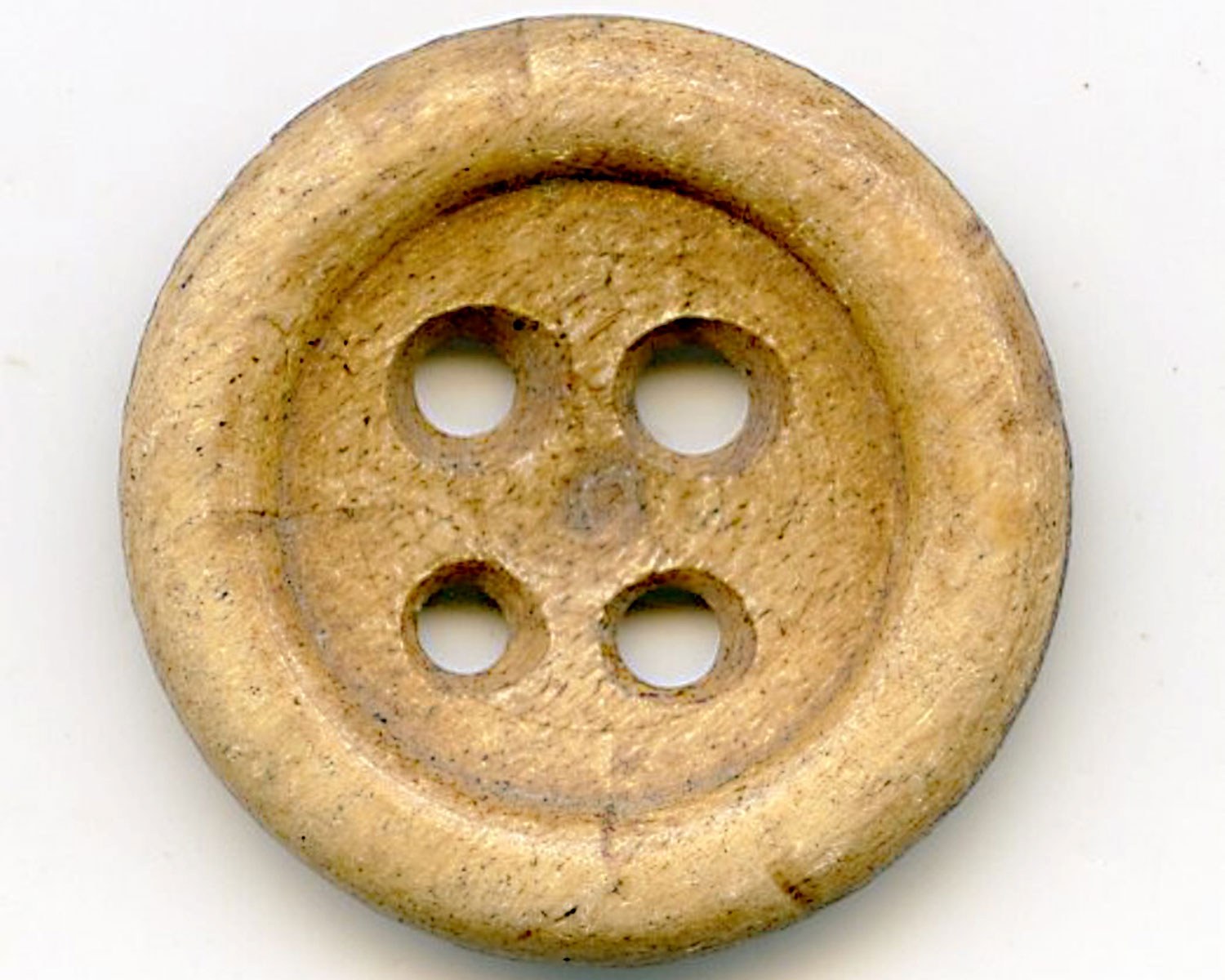
Bone button from the 19th century.

Bone button from the 19th century.

One of the most exciting parts of working on an excavation site is uncovering artifacts. Archaeologists rarely find objects intact. But even fragments of the past can be thrilling discoveries.

5. Learning from artifacts

6. The legacy of First Parliament

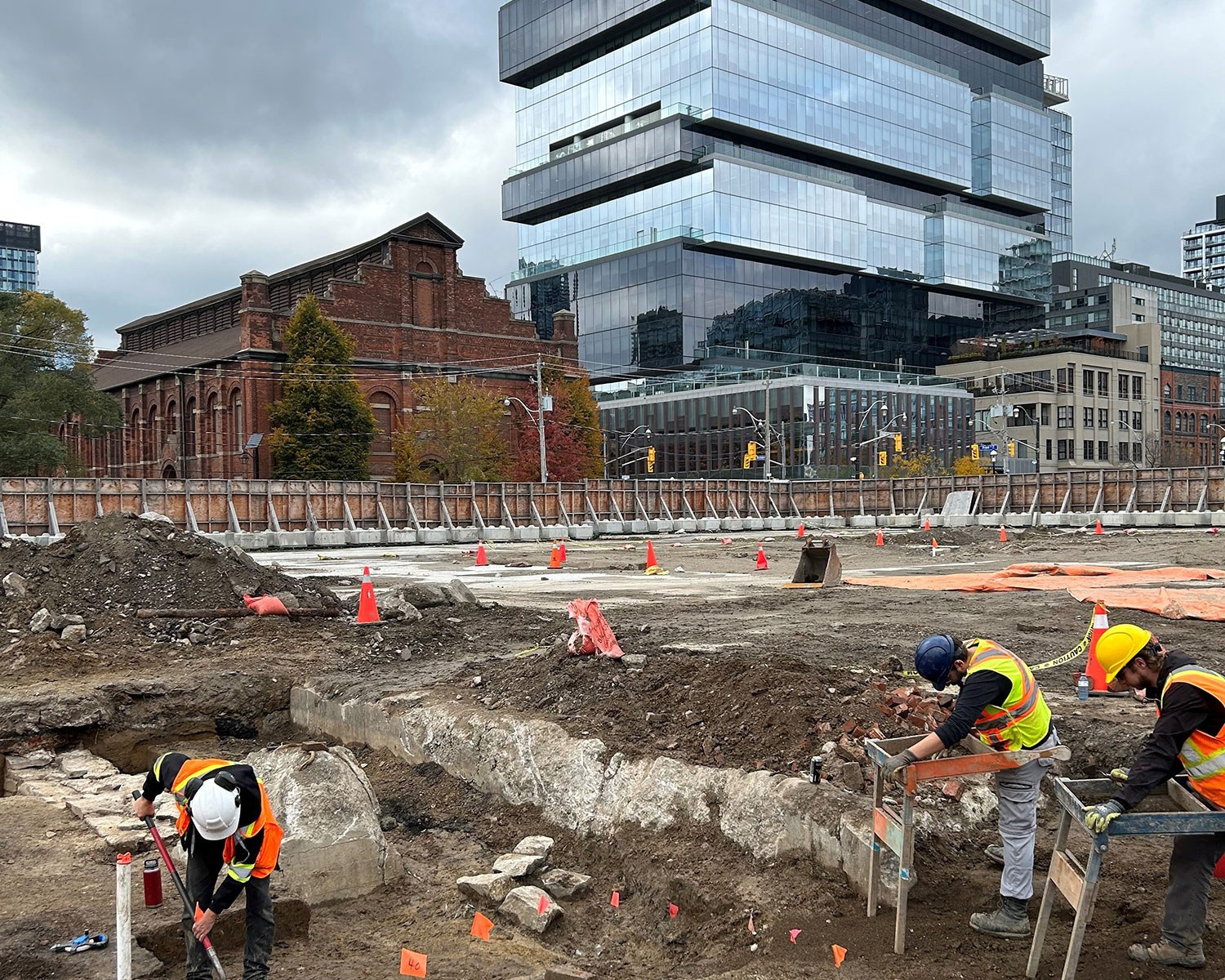
An intersection of old and new. Archaeologists working at First Parliament, with a Consumers’ Gas building and modern development in the background.

An intersection of old and new. Archaeologists working at First Parliament, with a Consumers’ Gas building and modern development in the background.

The nature of the First Parliament site transformed over the years, but it continued to contribute to the growth of the city.

6. The legacy of First Parliament