


Find content throughout the website that has been tagged:
Plaque
Clear all
Plaque (93)
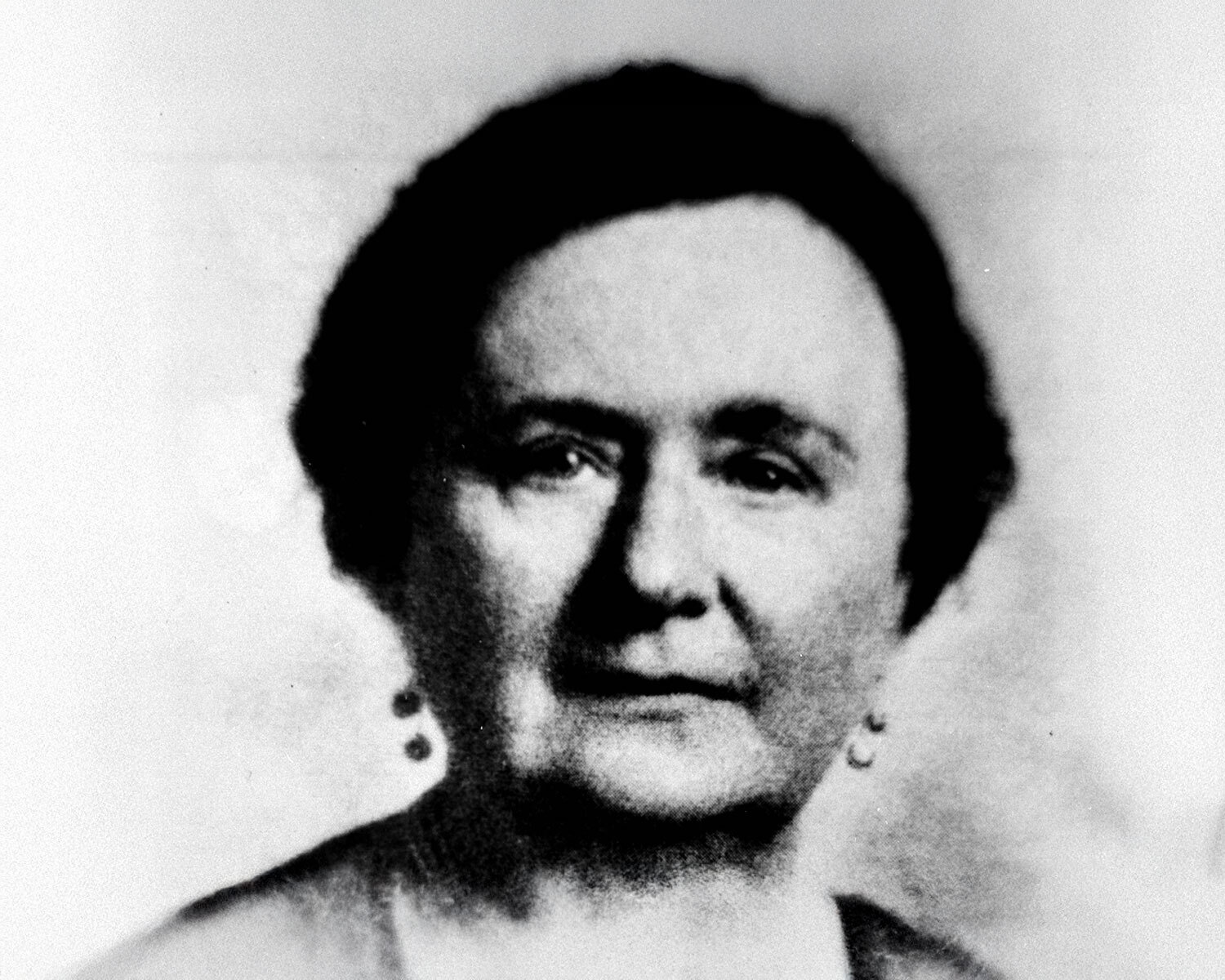
Almanda Walker-Marchand and the Fédération des femmes canadiennes-françaises
Walker-Marchand moved to Ottawa where she established this organization dedicated to helping French-Canadian soldiers and their families during and after the First World War. The organization expanded beyond Ottawa to form chapters in Francophone communities across Canada.
Learn more
About
Plaque
Almanda Walker-Marchand and the Fédération des femmes canadiennes-françaises in Plaque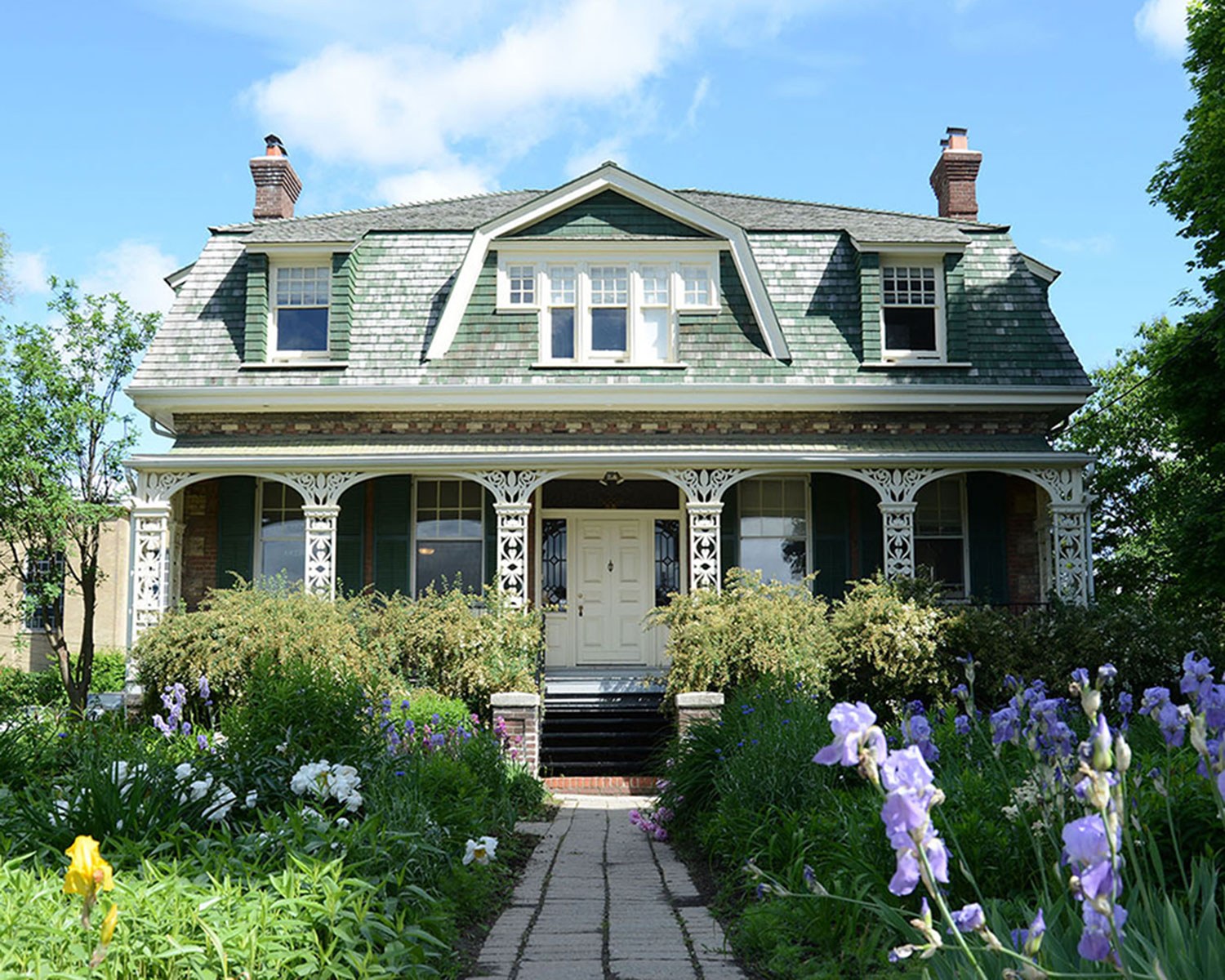
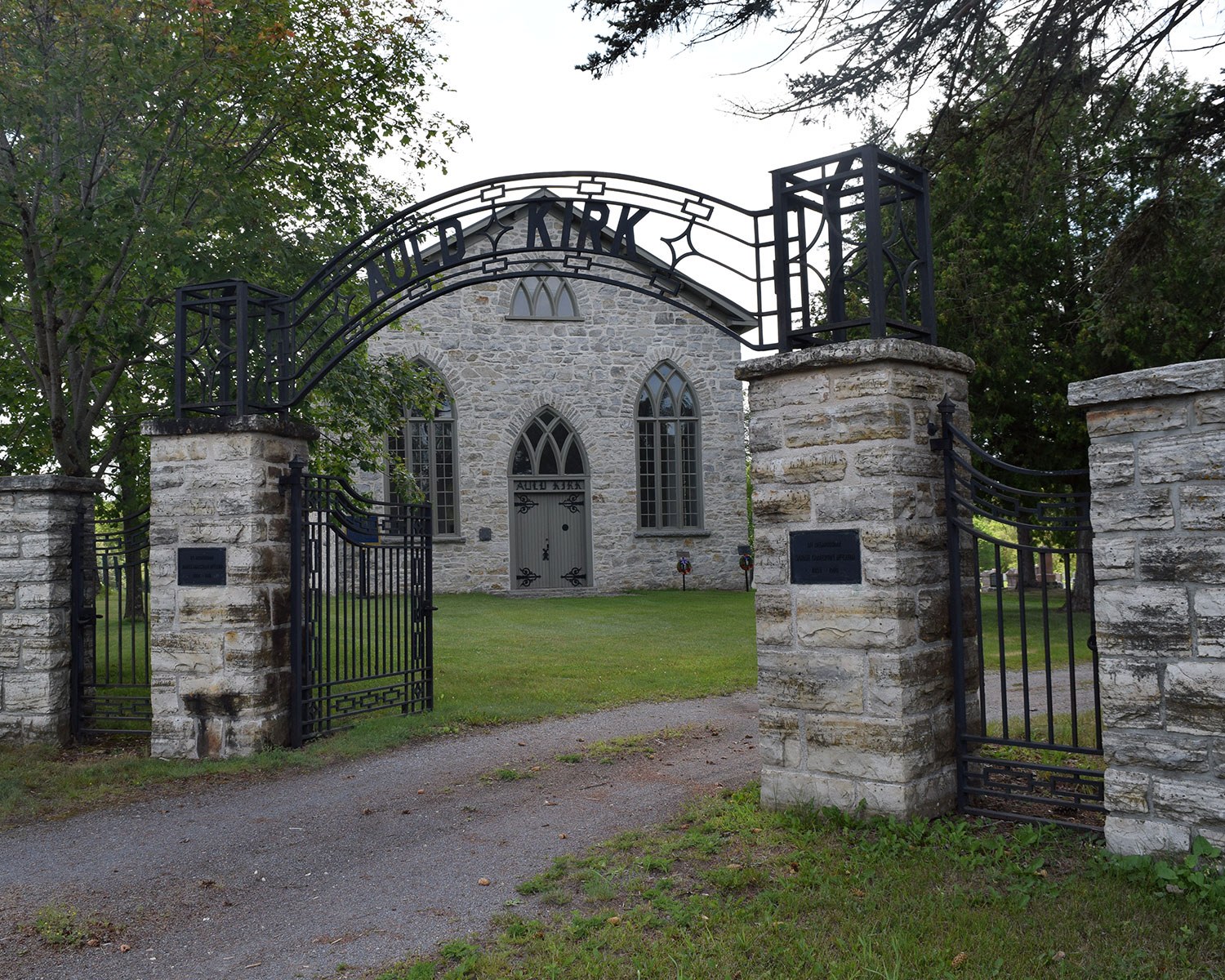
Auld Kirk 1836
Plaque commemorating Auld Kirk Presbyterian Church and cemetery
Learn more
About
Plaque
Auld Kirk 1836 in Plaque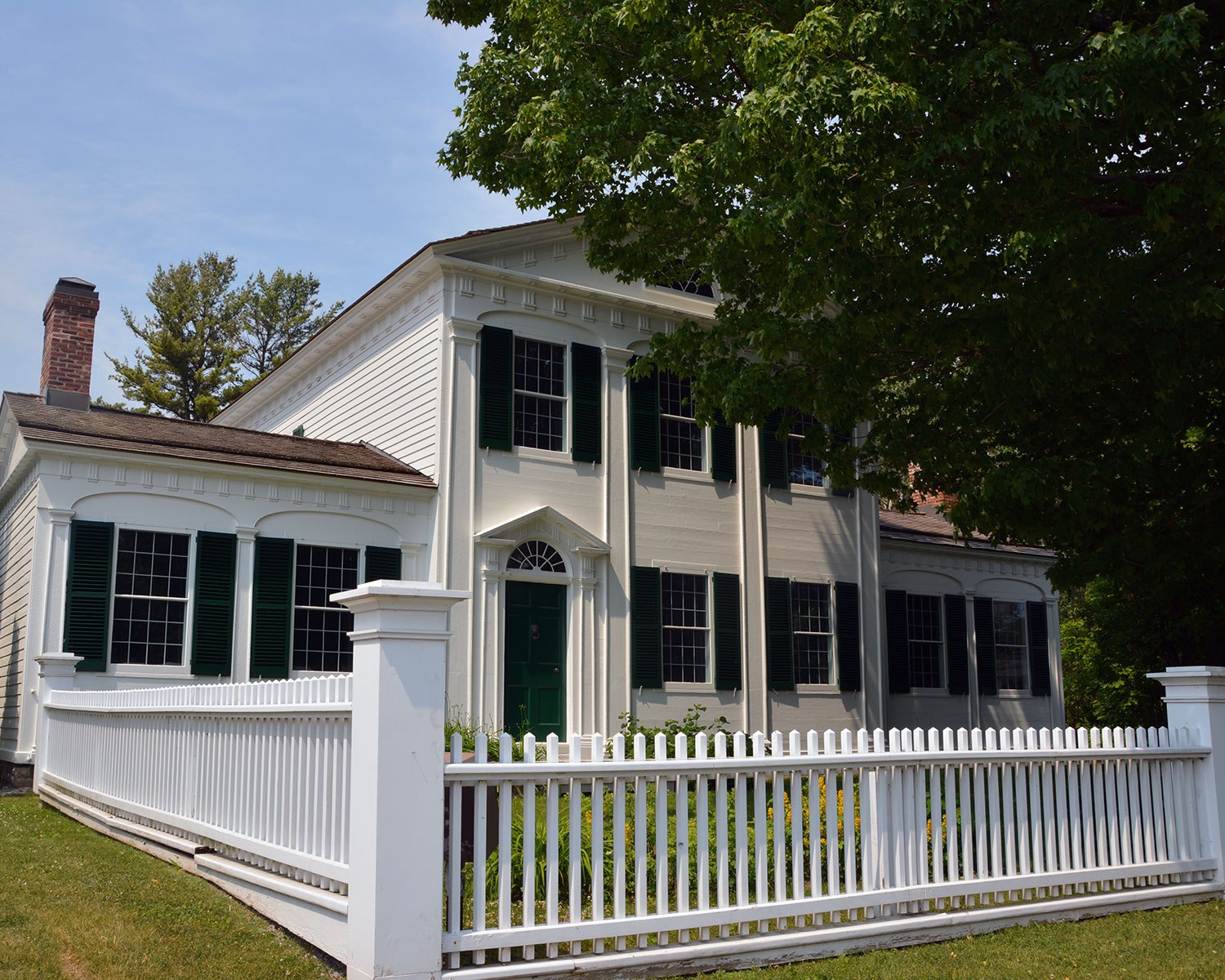
Barnum House
Eliakim Barnum came to this area in 1807 from the United States and began a thriving milling business, a tavern and distillery. With success, he was able to build this house — one of Ontario’s finest examples of neoclassical architecture. The house remained in the Barnum family until 1917.
Learn more
About
Plaque
Barnum House in Plaque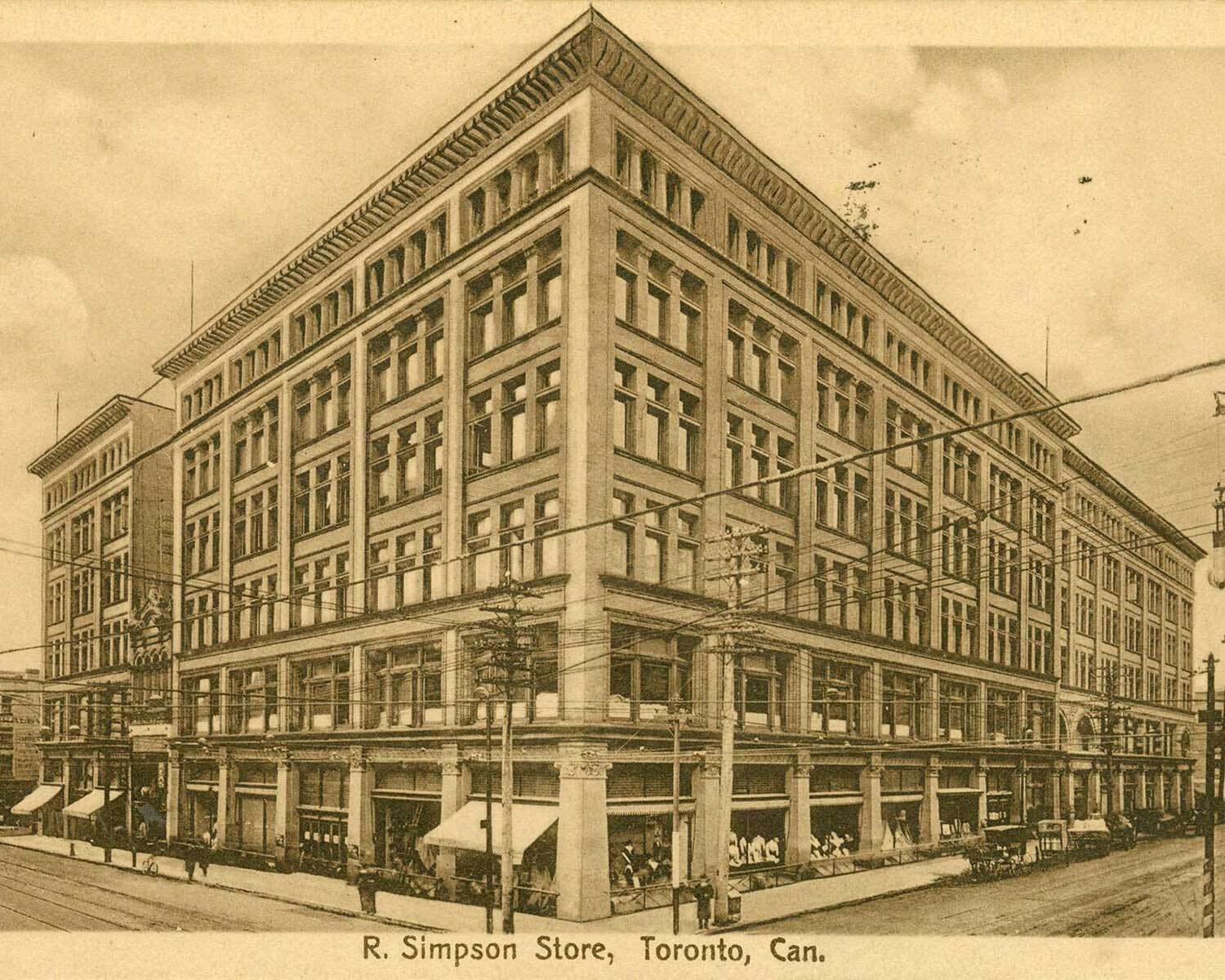
Bay Queen Street Store, The
Originally Simpson’s department store, this landmark building was a Bay store from 1991 to 2025. It was the first building in Canada constructed with a load-bearing metal frame.
Learn more
About
Plaque
Bay Queen Street Store, The in Plaque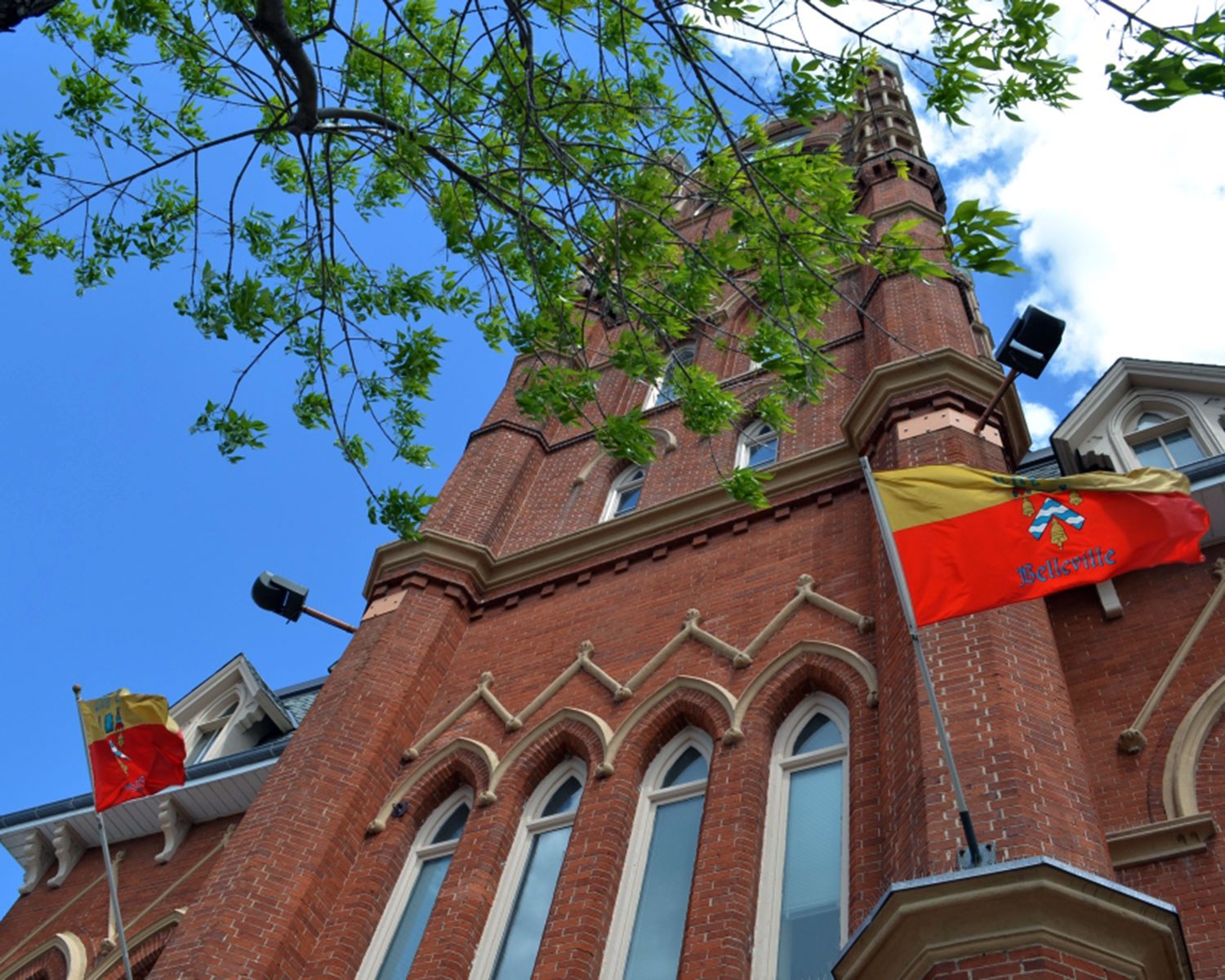

Canadian International Air Show
Begun in 1946, this renowned air show has fascinated audiences and forced people to look up into the skies above Toronto ever since.
Learn more
About
Plaque
Canadian International Air Show in Plaque
Canadian National Exhibition
This plaque commemorates the establishment of the Exhibition (the “Ex”), a national event that has occurred since 1912.
Learn more
About
Plaque
Canadian National Exhibition in Plaque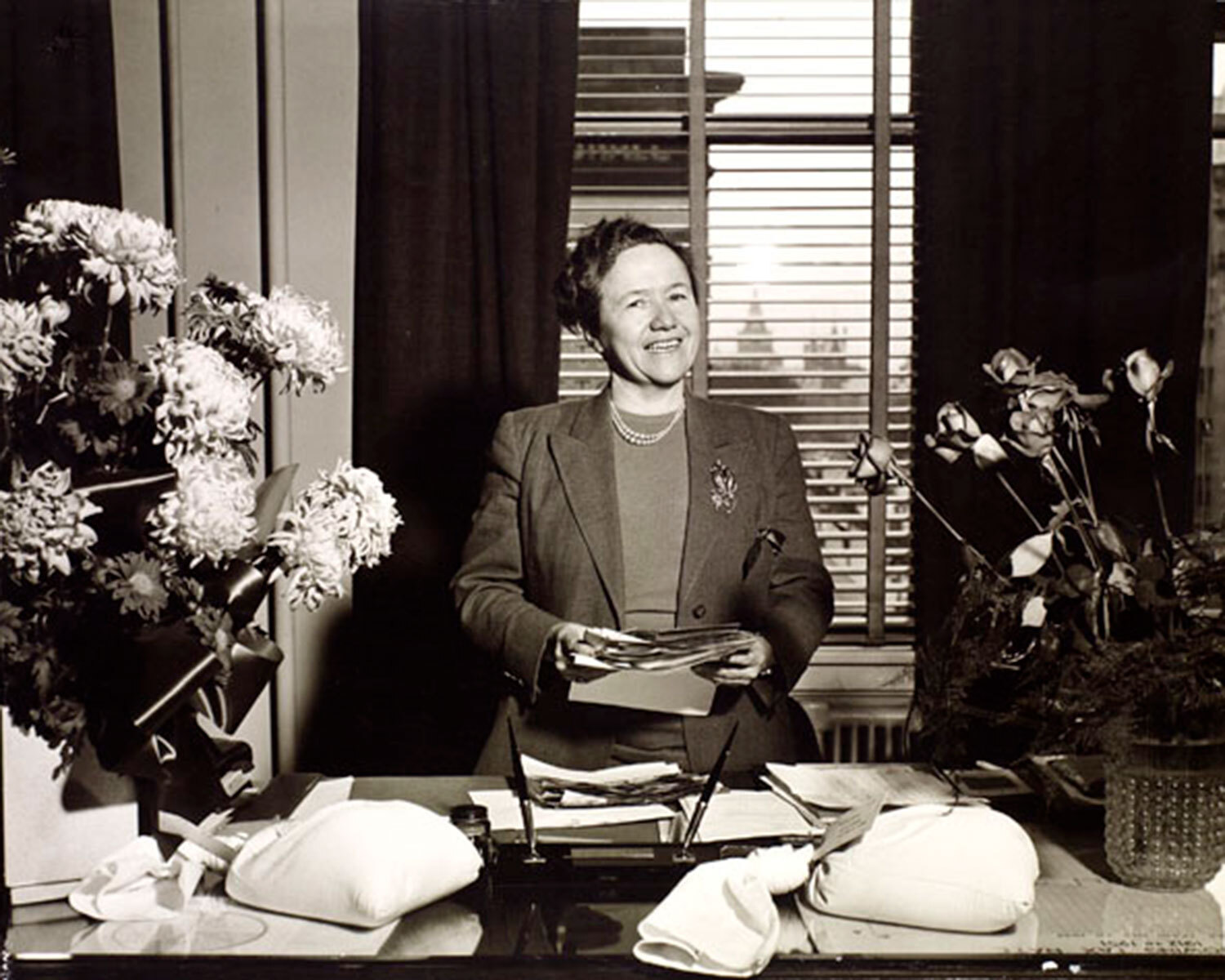
Charlotte Elizabeth Whitton, O.C., C.B.E. 1896-1975
Whitton was the first woman mayor of Ottawa. Throughout her lifetime, she worked fiercely and energetically to improve social conditions.
Learn more
About
Plaque
Charlotte Elizabeth Whitton, O.C., C.B.E. 1896-1975 in Plaque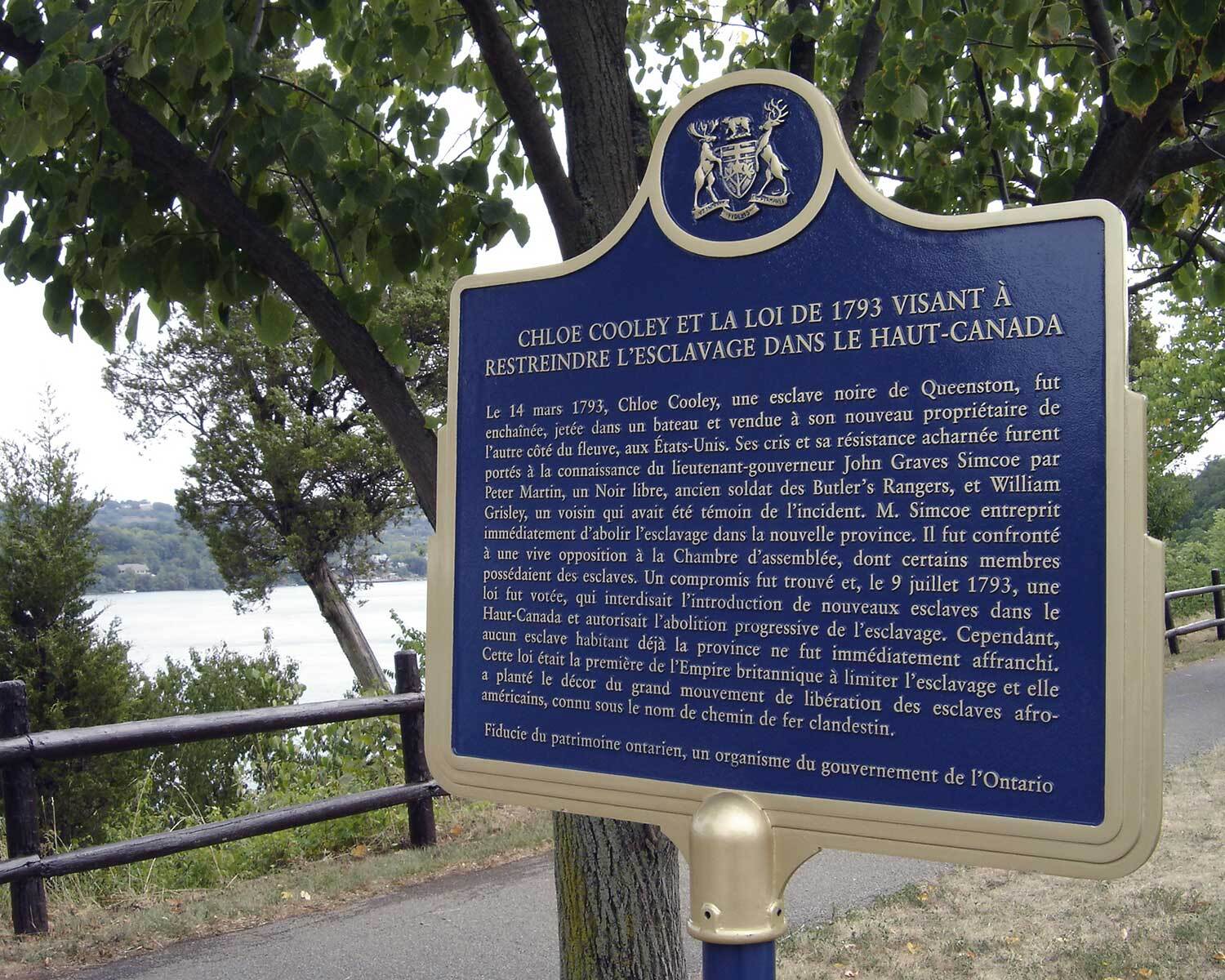
Chloe Cooley and the 1793 Act to Limit Slavery in Upper Canada
Learn more About Plaque Chloe Cooley and the 1793 Act to Limit Slavery in Upper Canada in Plaque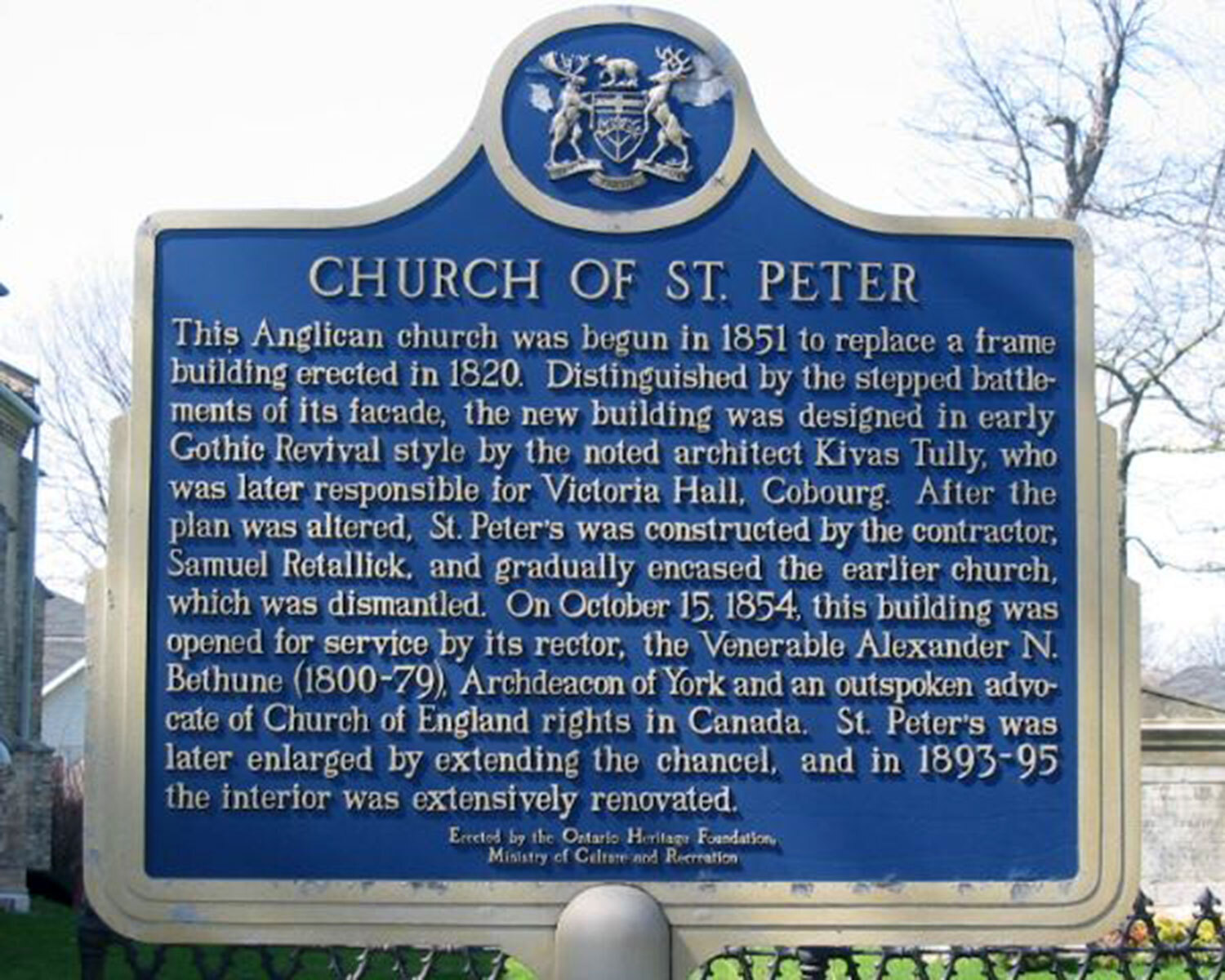
Church of St. Peter, The
This church replaced an earlier building from 1820. Distinguished by stepped battlements on its façade, the new building was designed in the early Gothic revival style by noted architect Kivas Tully, who would later design Victoria Hall. The new building opened for service in 1854.
Learn more
About
Plaque
Church of St. Peter, The in Plaque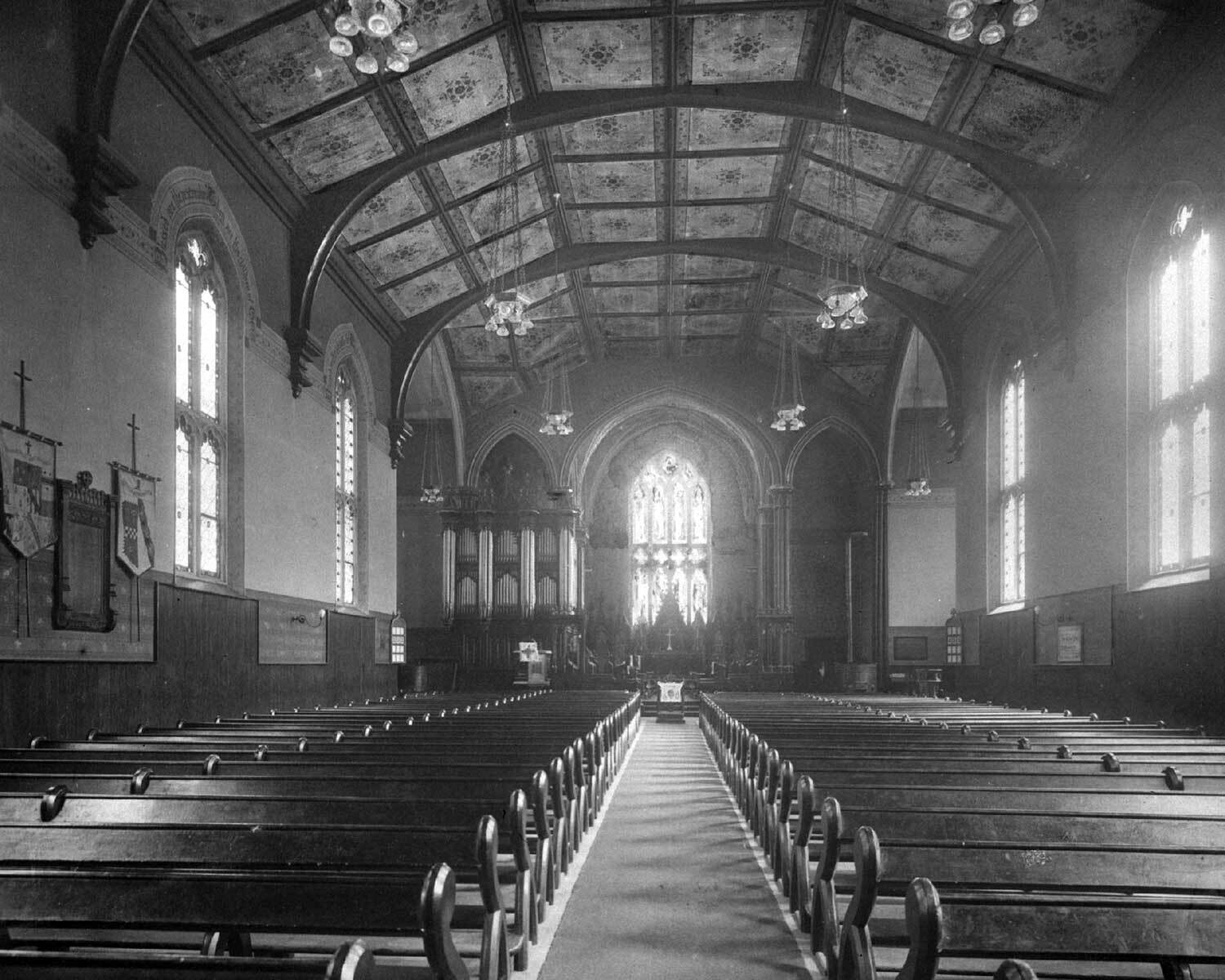
Church of the Holy Trinity 1847, The
When this church was built, it was then on the outskirts of Toronto. Henry Scadding, who lived in the house nearby, was the church’s first rector. Starting in the 20th century, it started offering programming and assistance to Toronto’s inner city.
Learn more
About
Plaque
Church of the Holy Trinity 1847, The in Plaque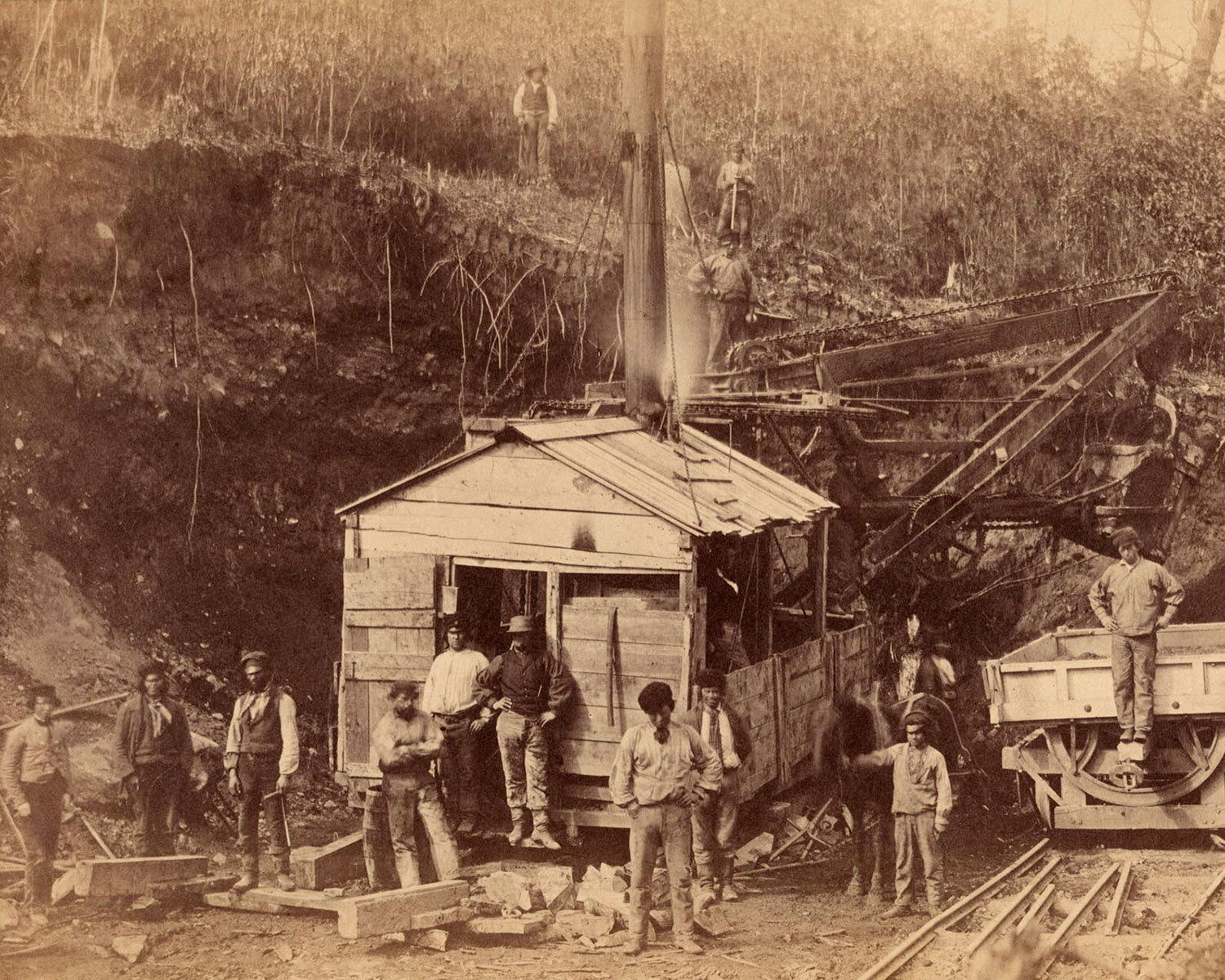
Cobourg and Peterborough Railway 1852-1898, The
It was important to establish a railway line between Cobourg and Peterborough. In fact, the citizens of Cobourg were largely responsible for this particular line, which opened in 1854. Unfortunate circumstances — including debilitating ice along the Rice Lake bridge — made the line unsafe and, ultimately, unprofitable.
Learn more
About
Plaque
Cobourg and Peterborough Railway 1852-1898, The in Plaque
Col. Elizabeth Smellie 1884-1968
This celebrated Canadian army nurse and public health authority served during the First and Second World Wars. She was the first woman to attain the rank of colonel in Canada’s Armed Forces.
Learn more
About
Plaque
Col. Elizabeth Smellie 1884-1968 in Plaque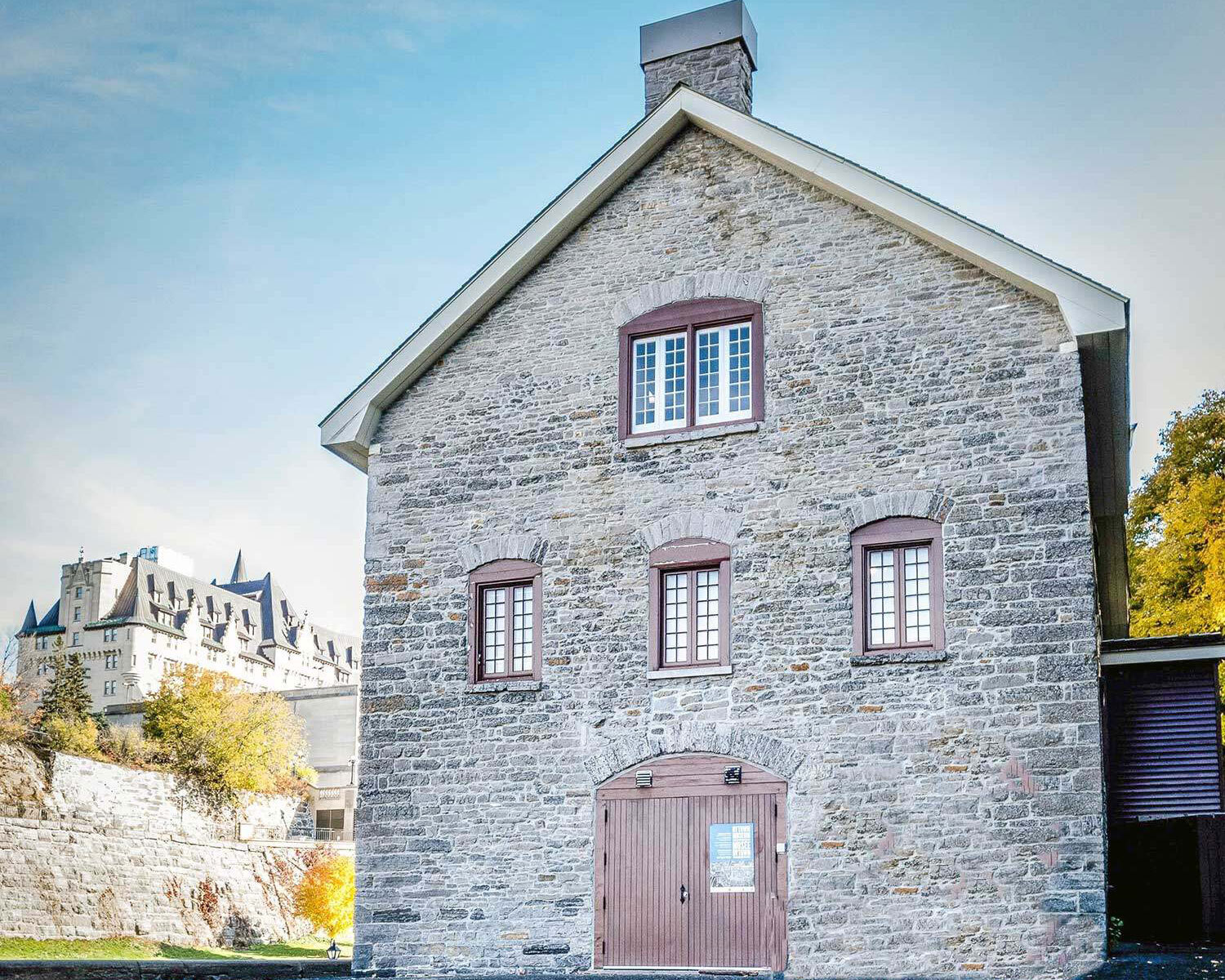
Commissariat Building 1827
Today a museum, this structure is the oldest existing stone building in Ottawa. During the construction of the Rideau Canal, it was a storehouse, office and treasury. The building was turned over to the Canadian government in 1864.
Learn more
About
Plaque
Commissariat Building 1827 in Plaque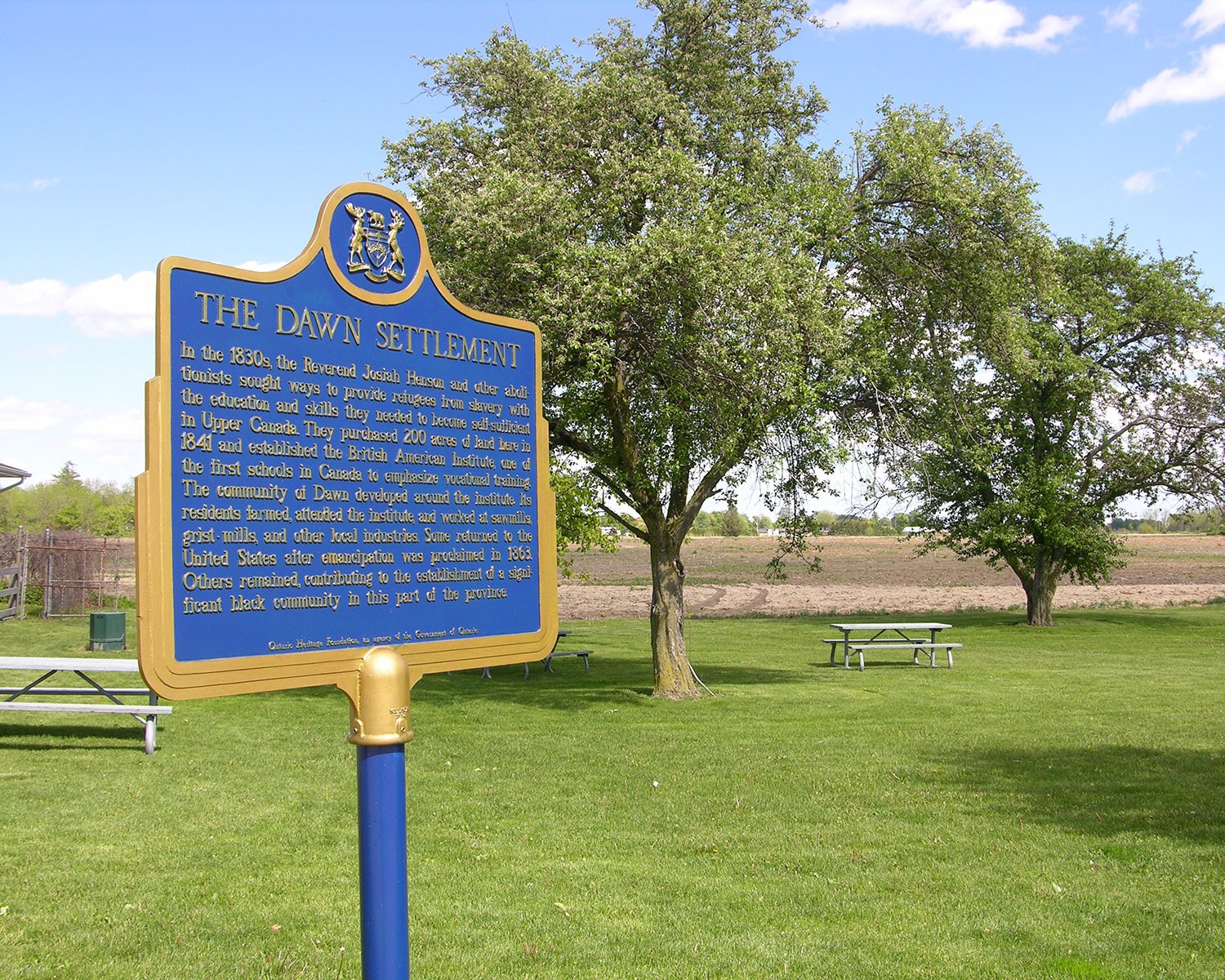
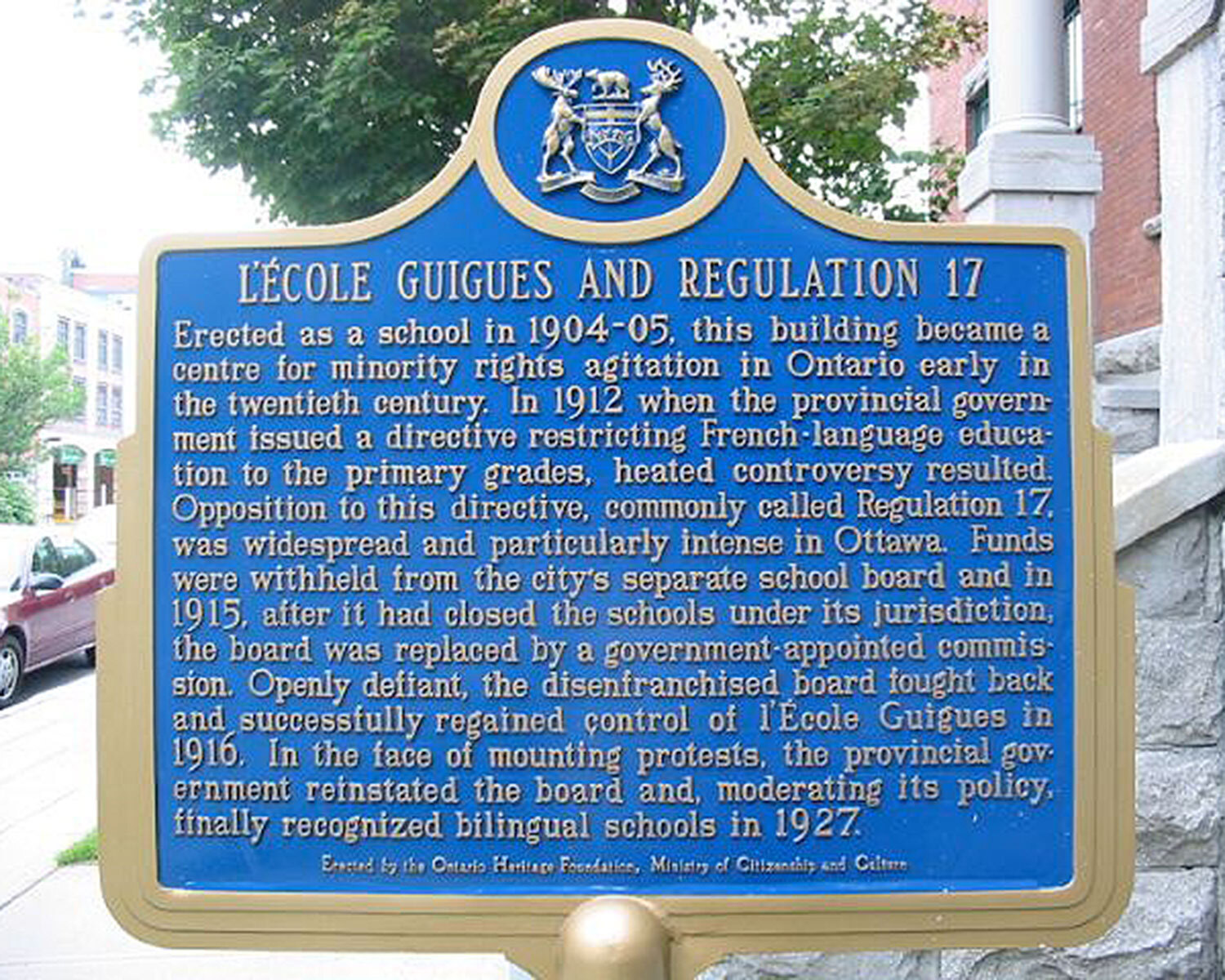
École Guigues and Regulation 17, l'
Begun as a school, this building became a centre for minority rights agitation in Ontario in the early 20th century. When the provincial government issued a directive (known as Regulation 17) in 1912, it meant restricting French-language education. Opposition was widespread but particularly intense in Ottawa.
Learn more
About
Plaque
École Guigues and Regulation 17, l' in Plaque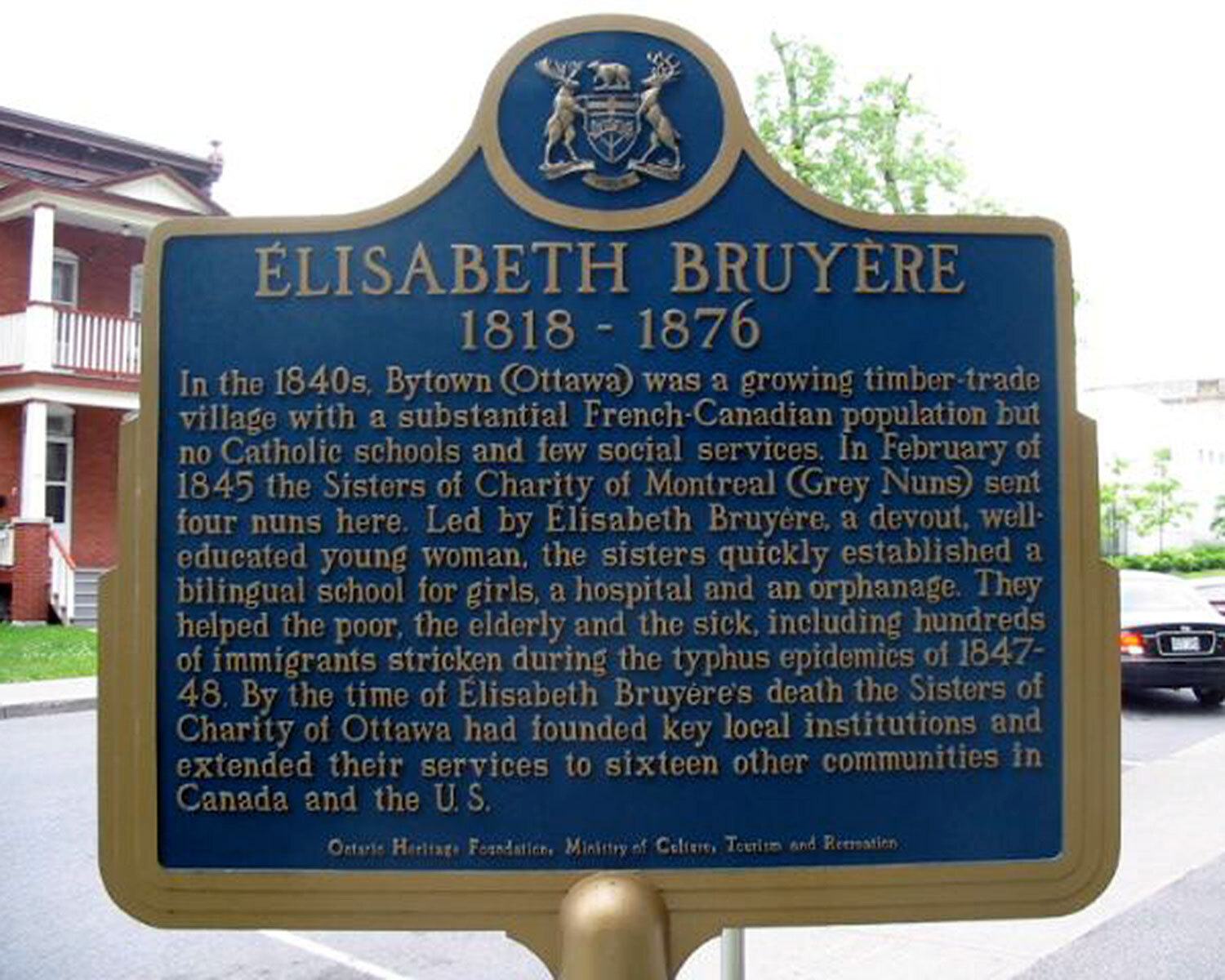
Elisabeth Bruyère 1818-1876
Ottawa in the 1840s (still Bytown then) was a growing timber-trade village with a substantial French-Canadian population but no Catholic schools and few social services. In 1845, four nuns, led by Bruyère, arrived and establish a school, hospital and orphanage, as well as established many social services.
Learn more
About
Plaque
Elisabeth Bruyère 1818-1876 in Plaque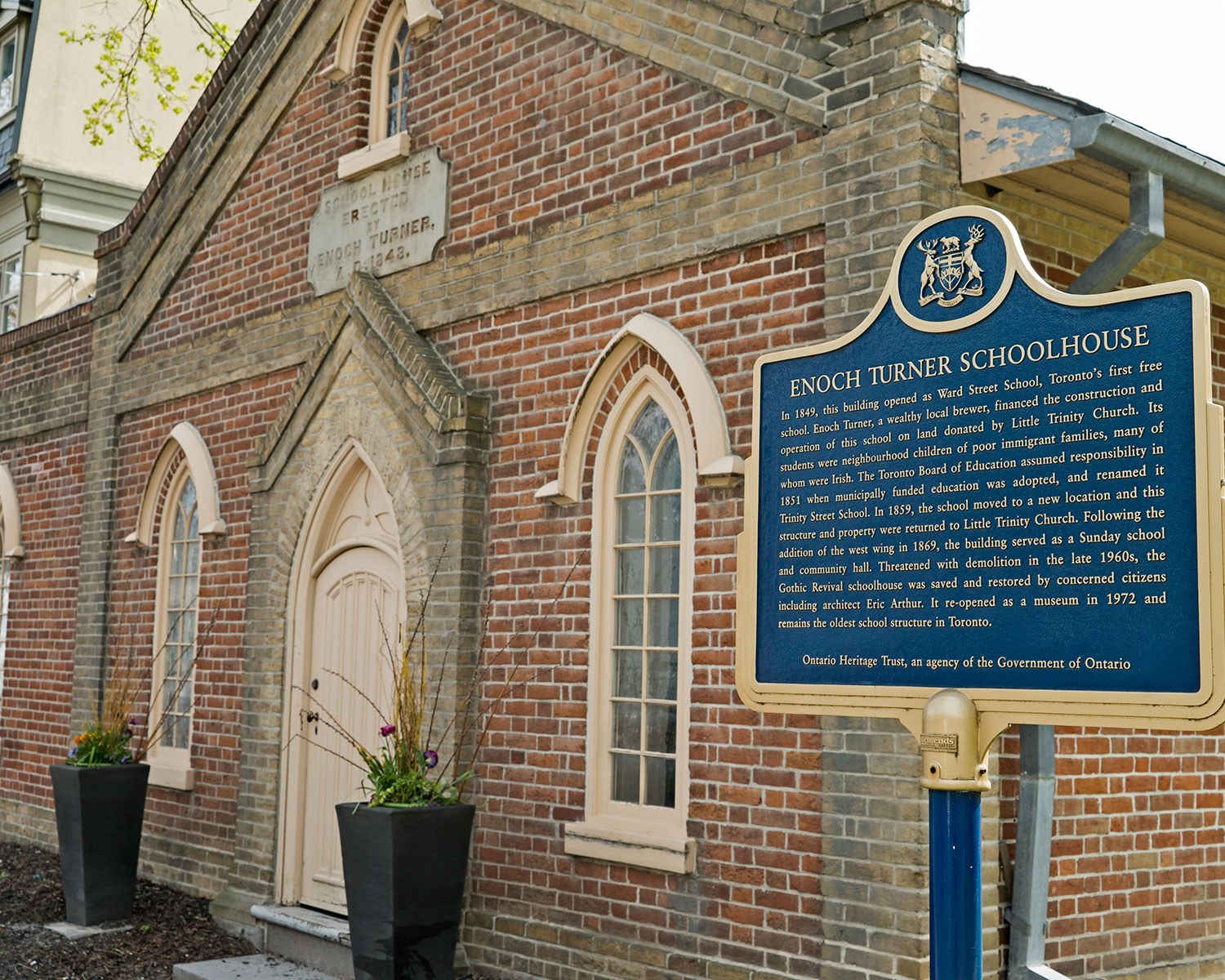
Enoch Turner School 1848, The
Learn more About Plaque Enoch Turner School 1848, The in Plaque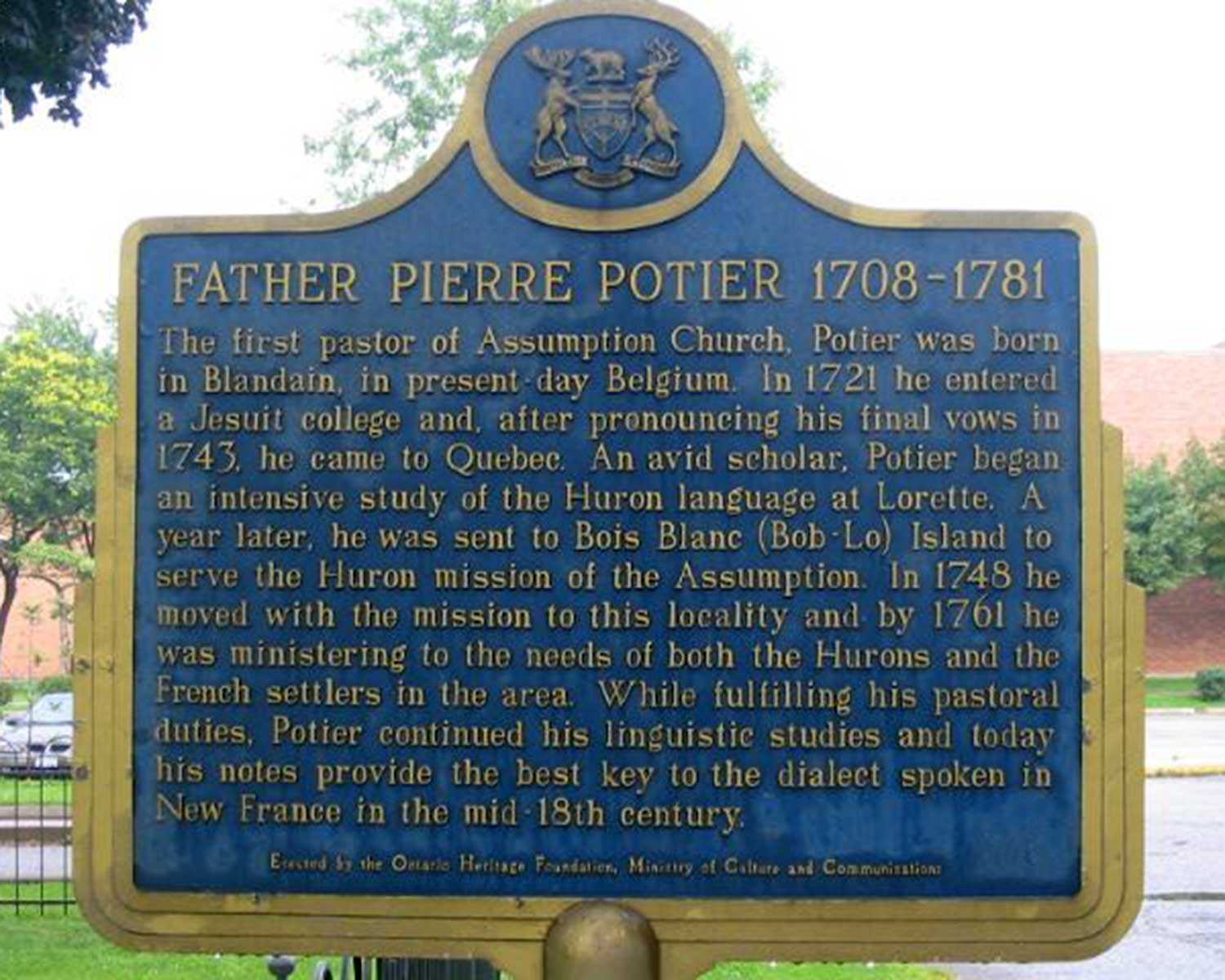
Father Pierre Potier 1708-1781
Learn more About Plaque Father Pierre Potier 1708-1781 in Plaque
First Provincial Parliament 1792, The
Learn more About Plaque First Provincial Parliament 1792, The in Plaque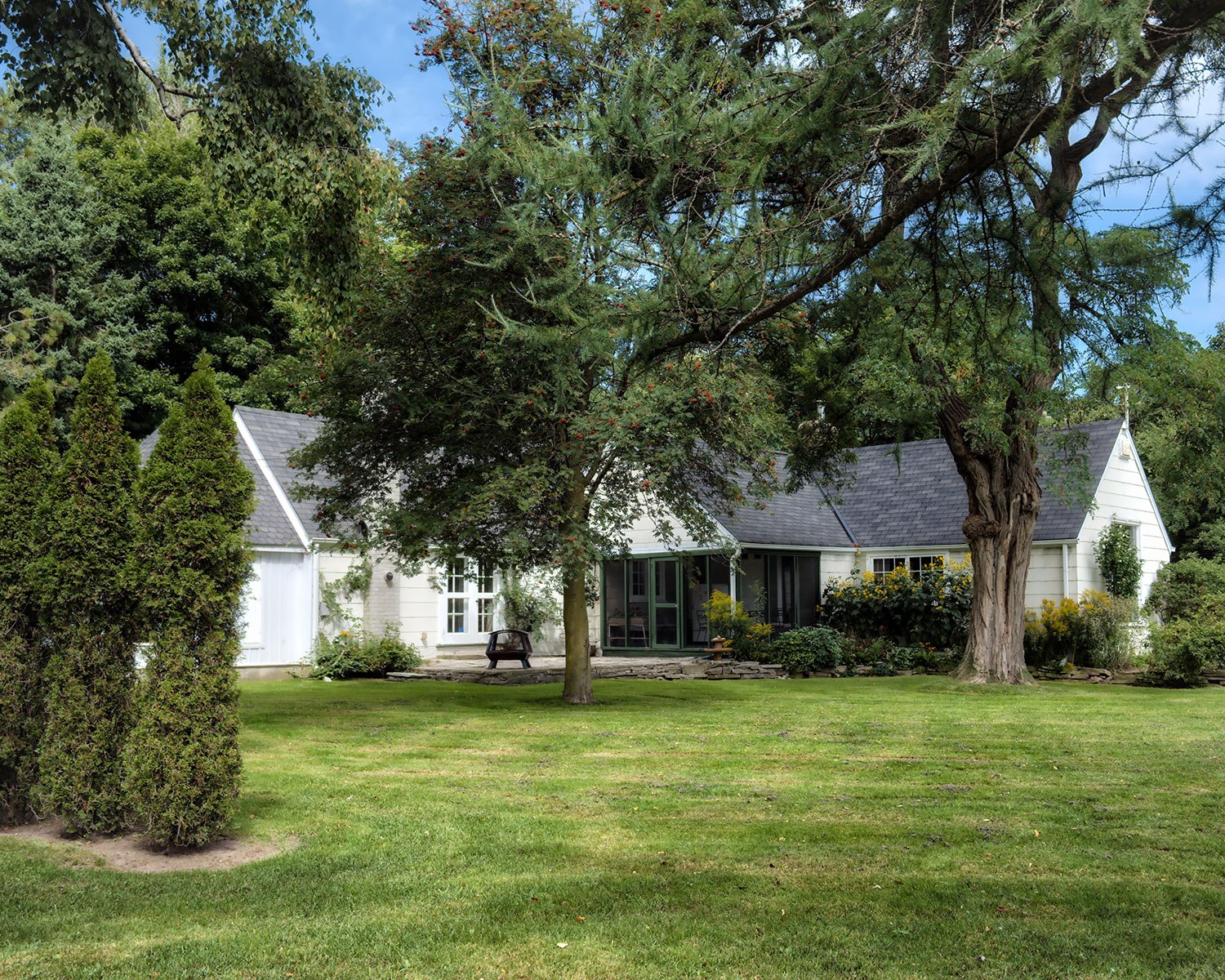
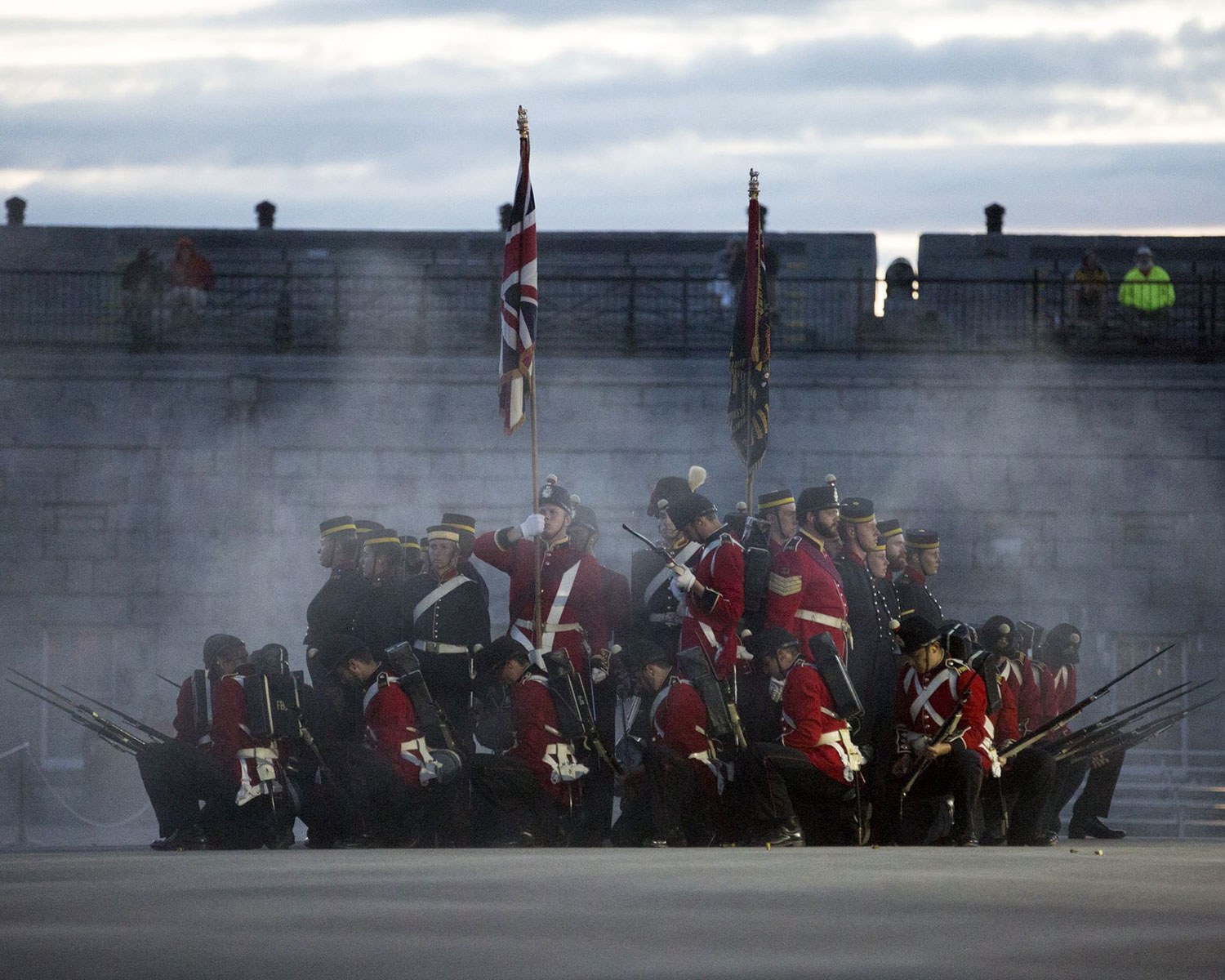
Fort Henry
The first fort was built during the War of 1812. The present structures were built between 1832-37. Today, the site is a museum.
Learn more
About
Plaque
Fort Henry in Plaque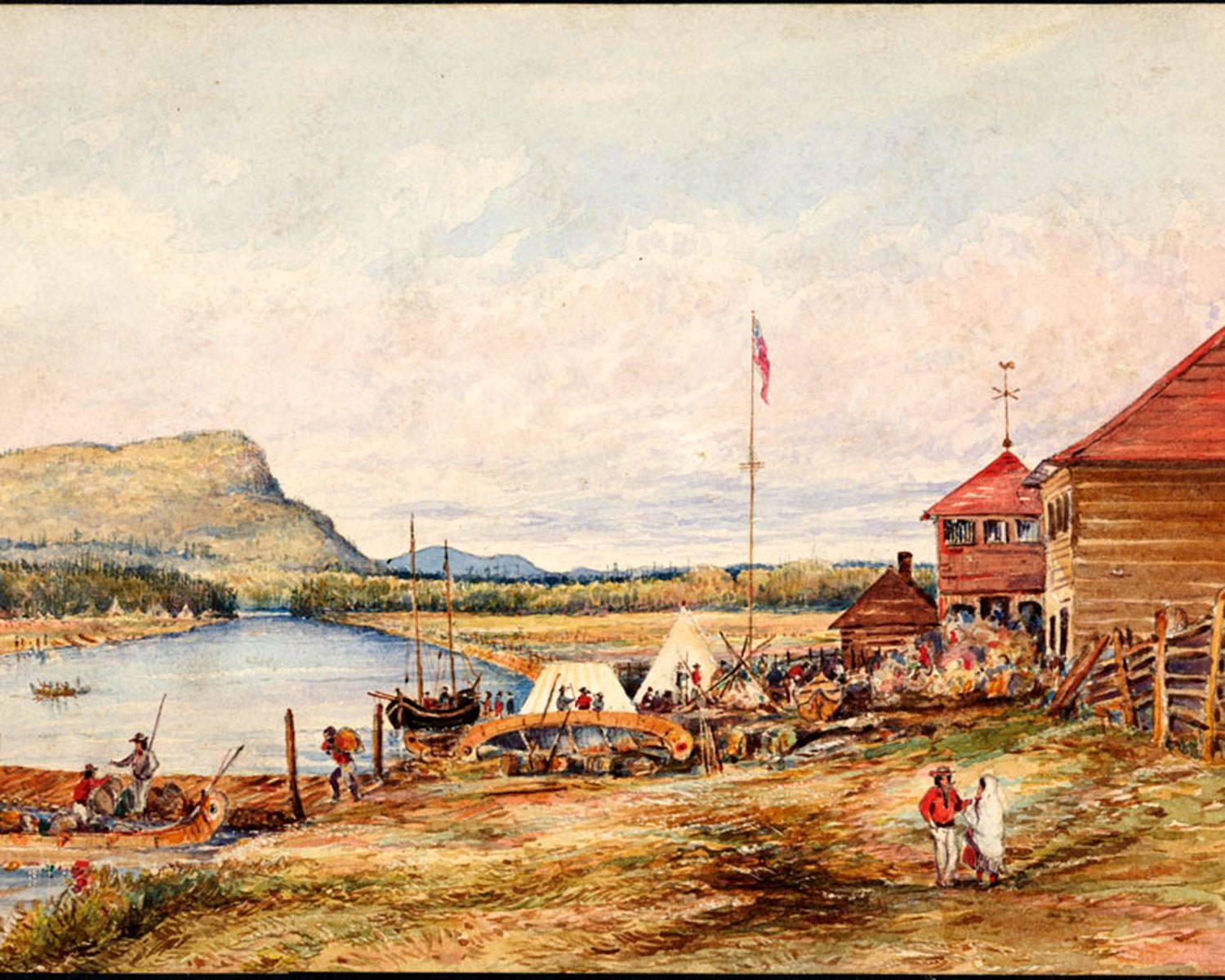
Fort Kaministiquia 1717
A small fort was established near here in 1717 by a French officer, replacing an earlier structure. It served as the base of operations for la Vérendrye, the famous explorer. A later fort of the same name was built downriver and renamed Fort William in 1807. It became the nucleus of the city.
Learn more
About
Plaque
Fort Kaministiquia 1717 in Plaque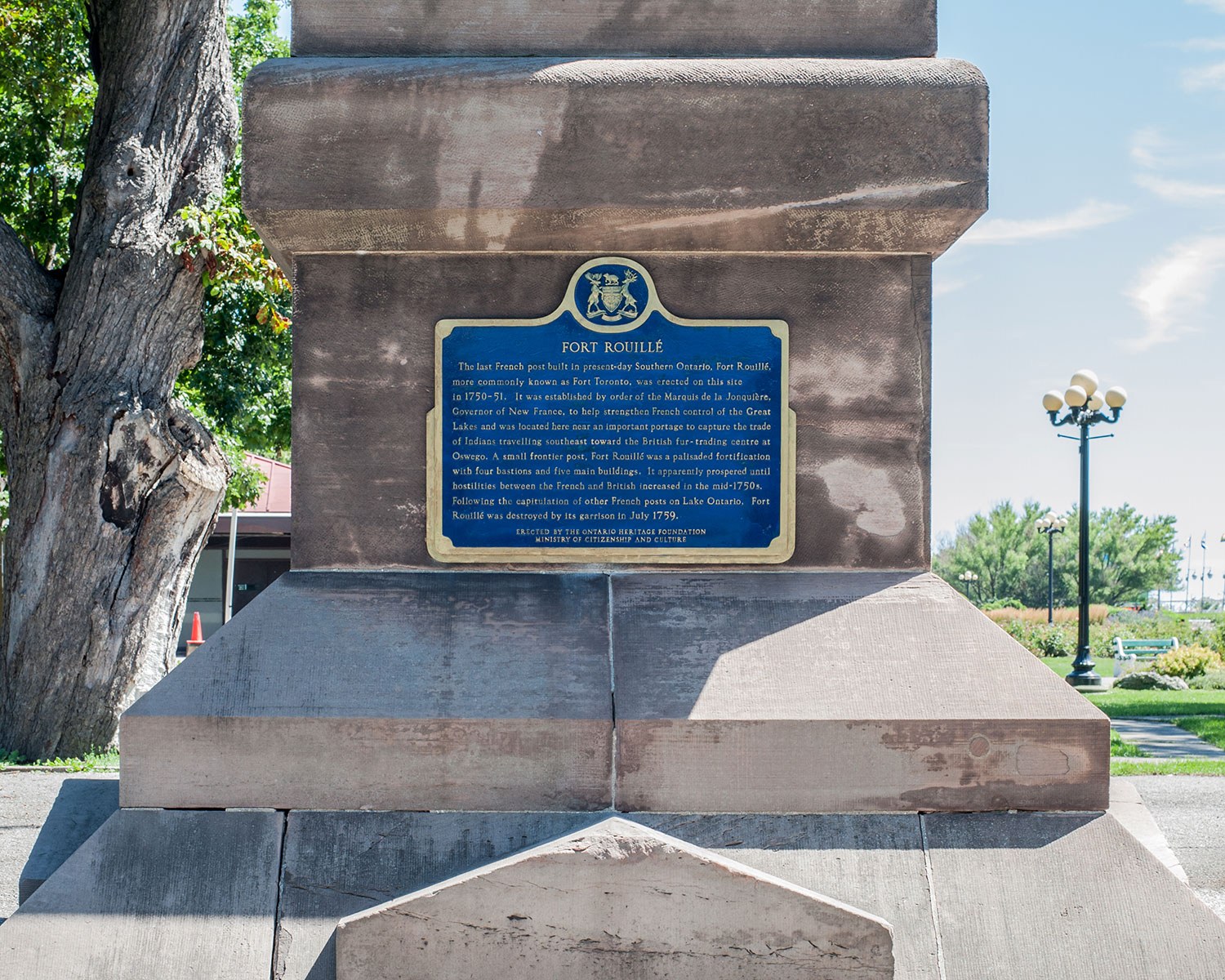
Fort Rouillé
This plaque commemorates the last French post built in present-day Southern Ontario.
Learn more
About
Plaque
Fort Rouillé in Plaque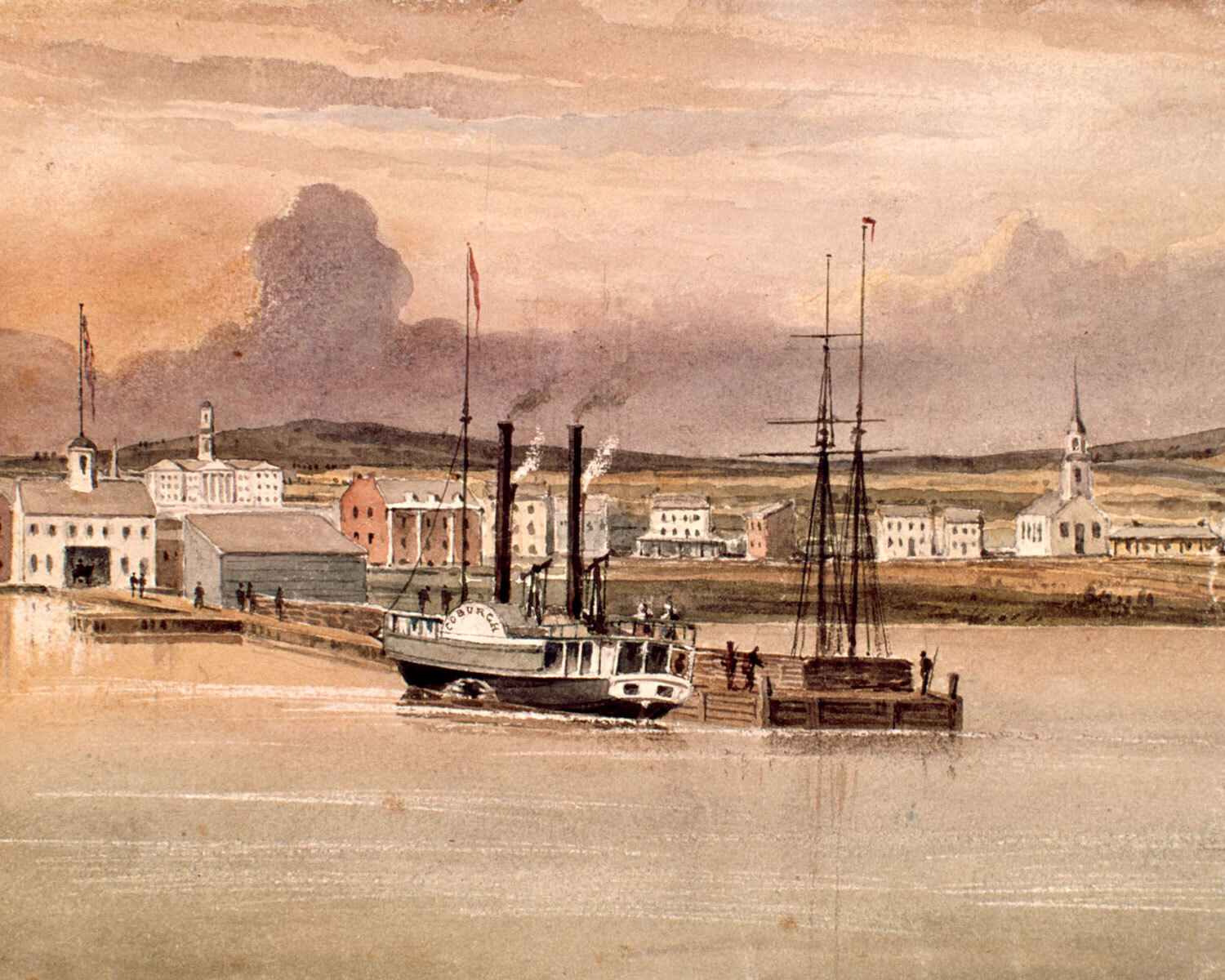
Founding of Cobourg, The
In the first years of the 19th century, mills helped to establish a settlement here. Then came the completion of Kingston Road and harbour improvements. Known originally as Hamilton, Cobourg was incorporated as a town in 1850.
Learn more
About
Plaque
Founding of Cobourg, The in Plaque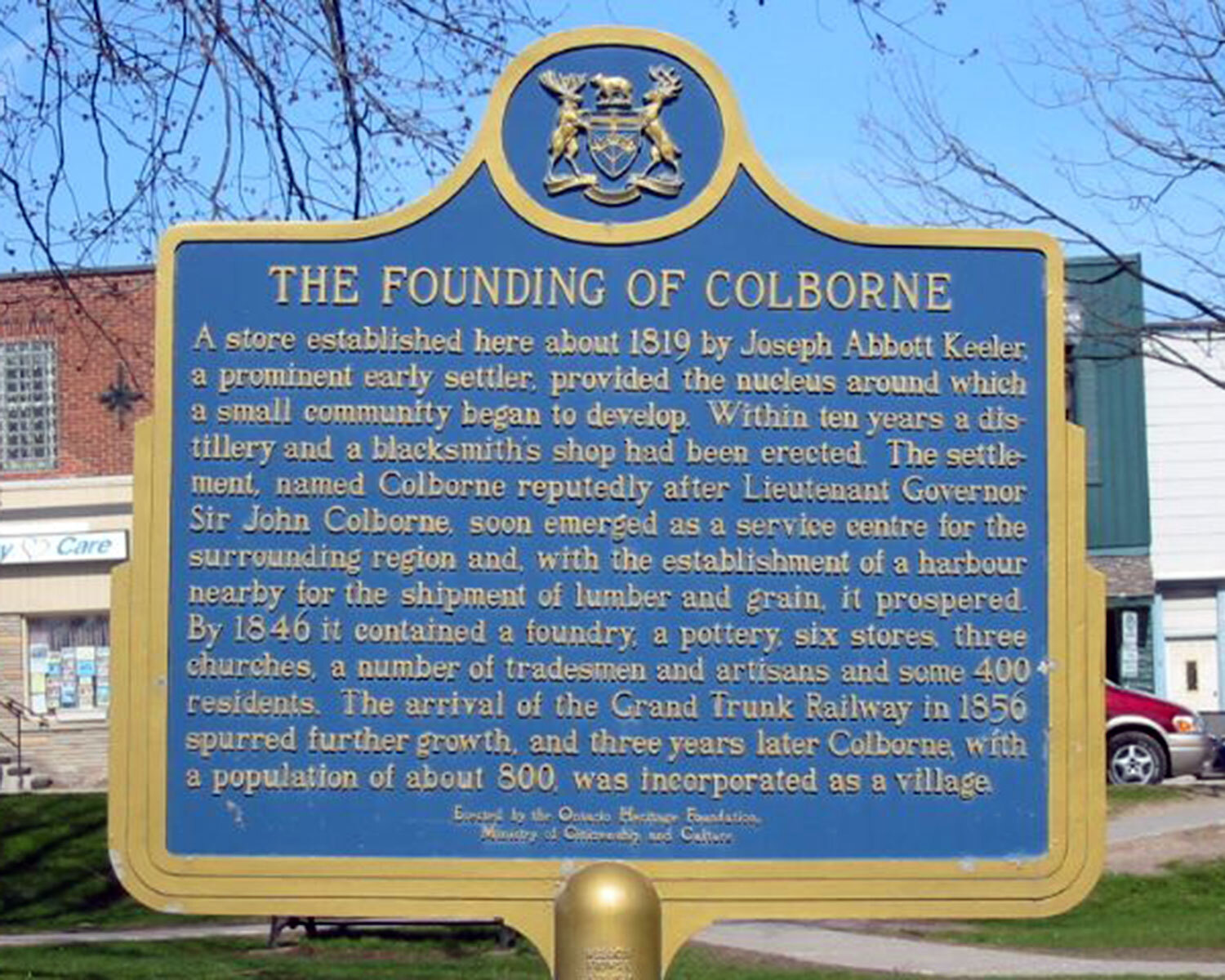
Founding of Colborne, The
A store established here around 1819 by Joseph Keeler, a prominent local merchant and early settler, provided the nucleus around which the community of Colborne began. The settlement thrived as more businesses started. The arrival of the Grand Trunk Railway in 1856 spurred further growth and, three years later, Colborne was incorporated as a village.
Learn more
About
Plaque
Founding of Colborne, The in Plaque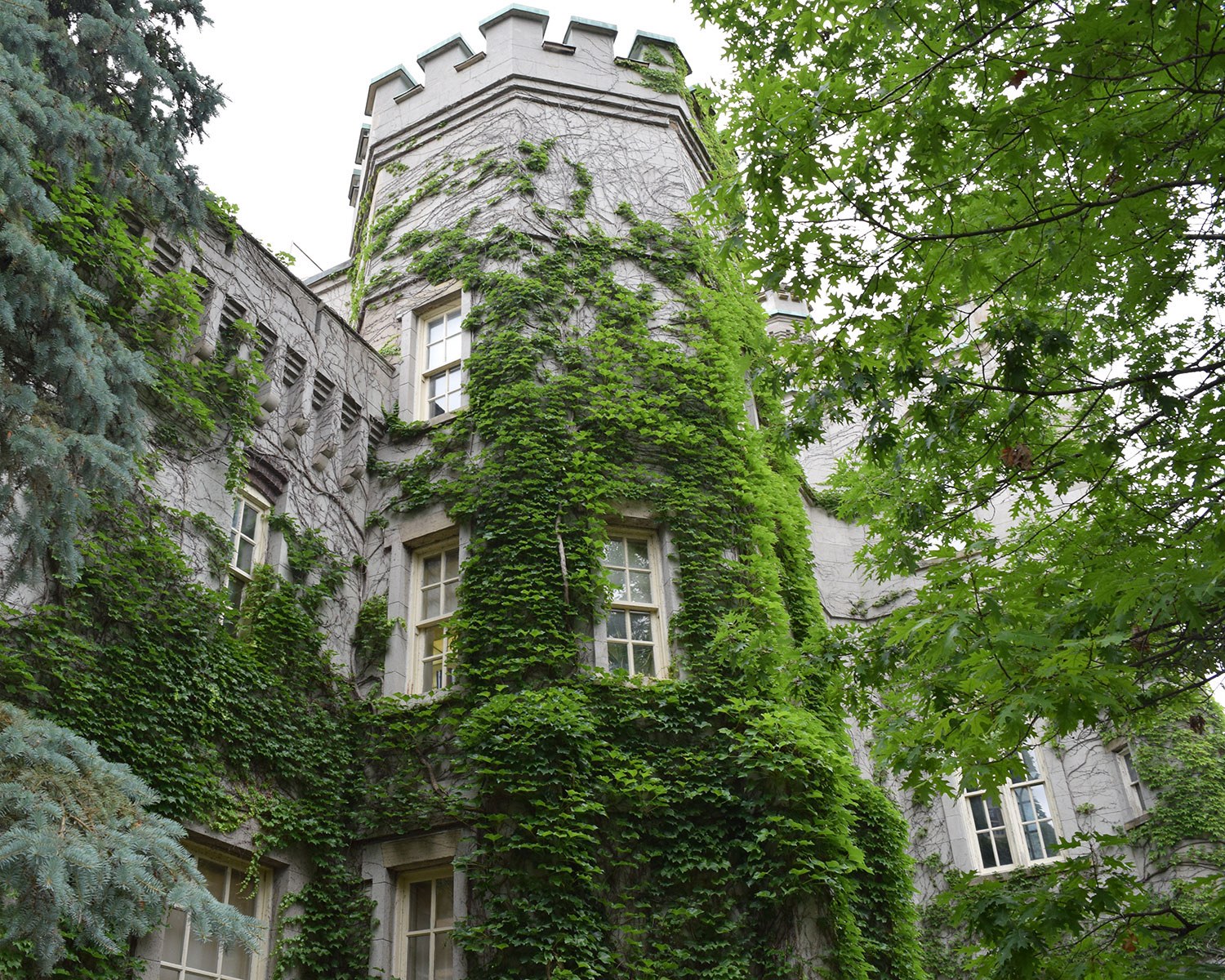
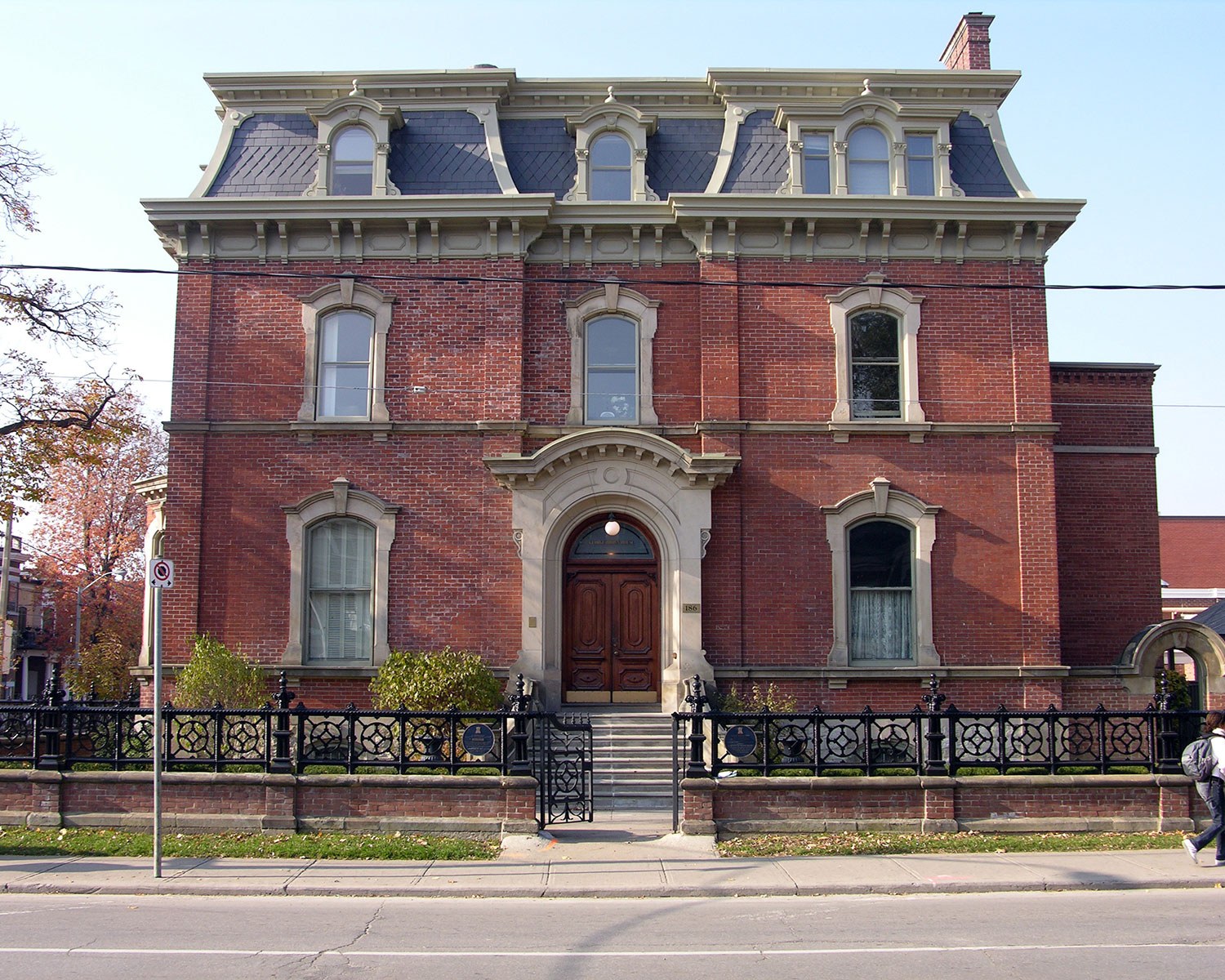
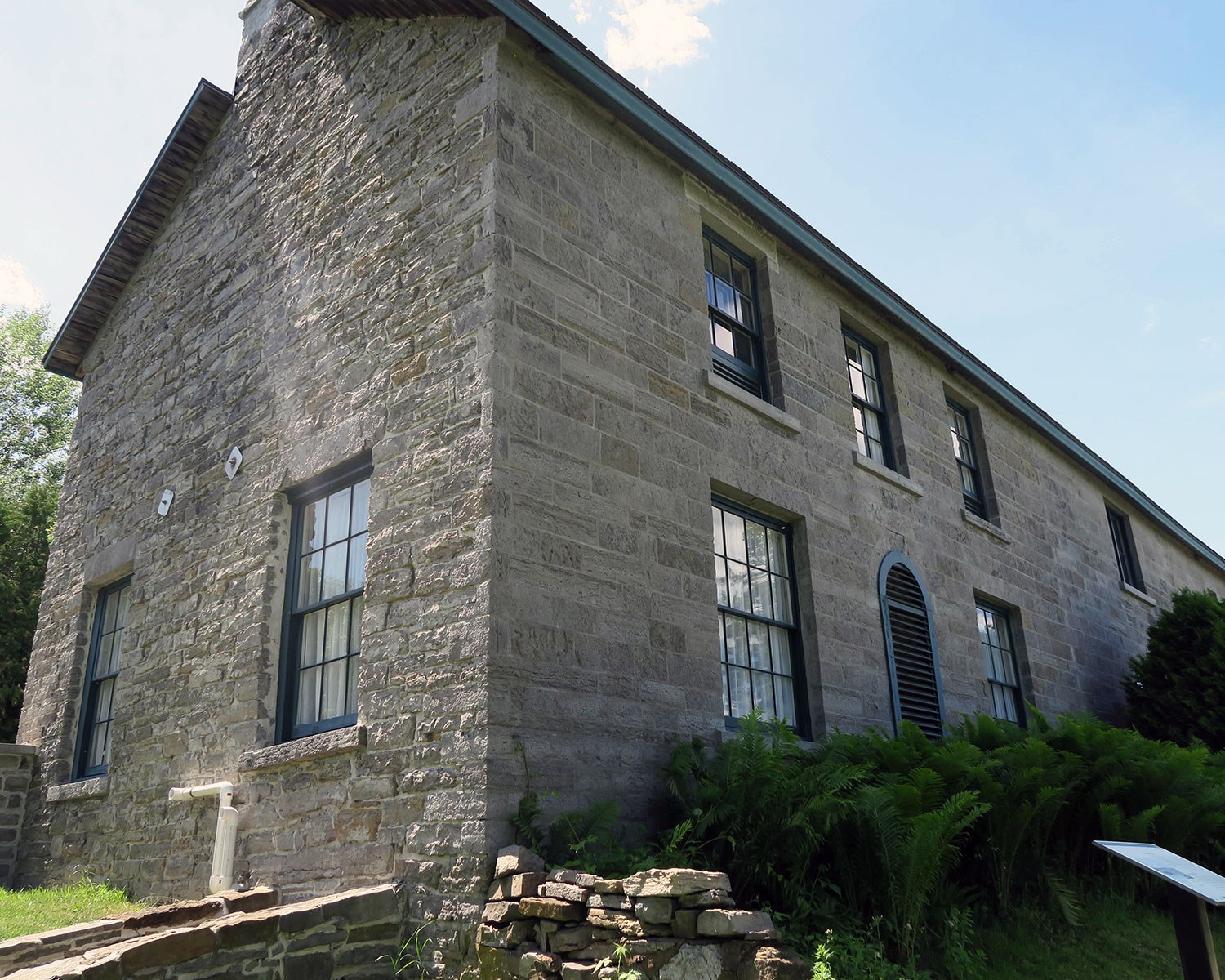
Honourable Hamnet Kirks Pinhey, The
Learn more About Plaque Honourable Hamnet Kirks Pinhey, The in Plaque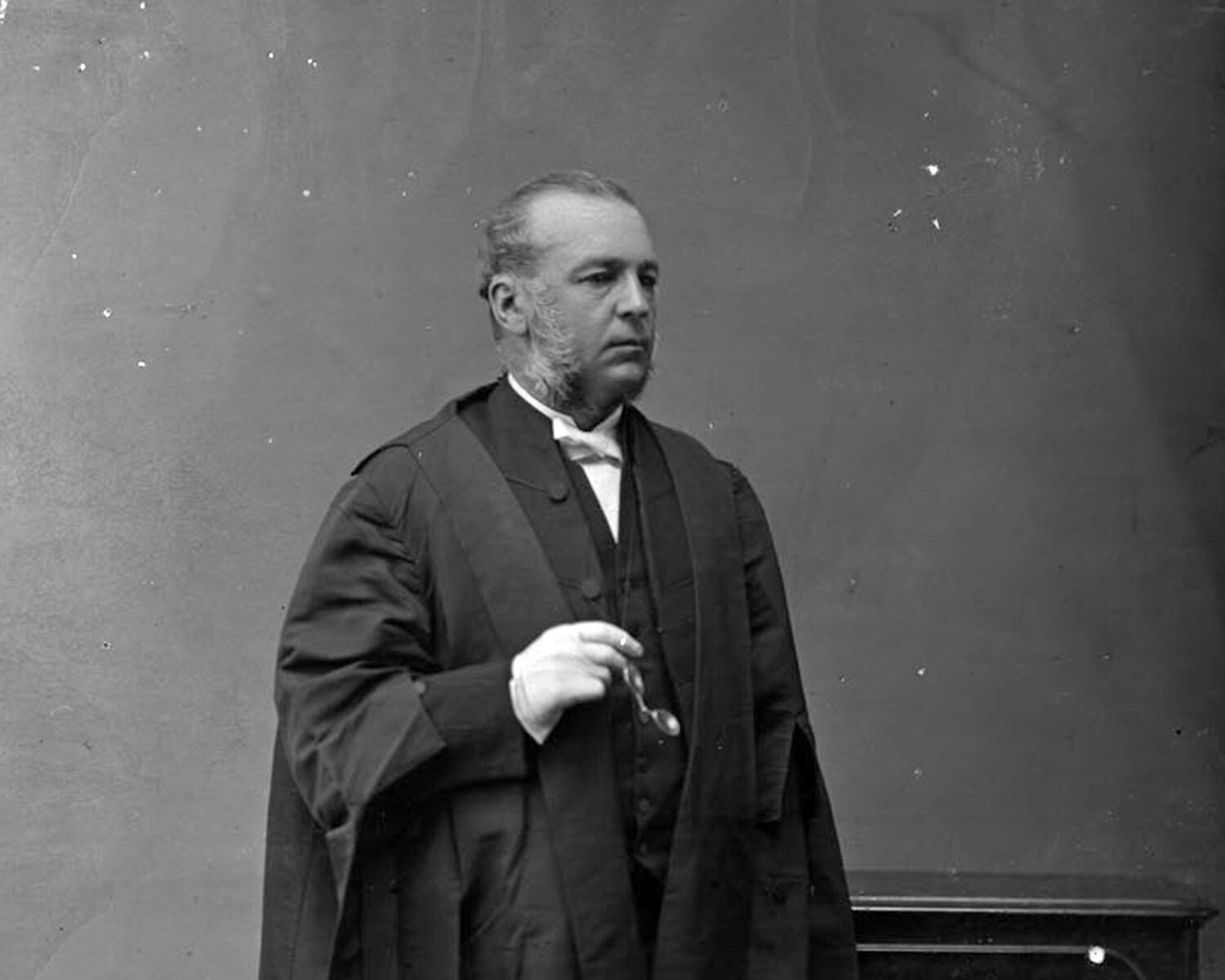
Honourable James Cockburn 1819-1883, The
This Father of Confederation came to Canada in 1832 as a child. After becoming a lawyer here in Cobourg, he entered politics and shared in drafting the plan for Confederation. In 1867, he was elected the first Speaker of the new House of Commons.
Learn more
About
Plaque
Honourable James Cockburn 1819-1883, The in Plaque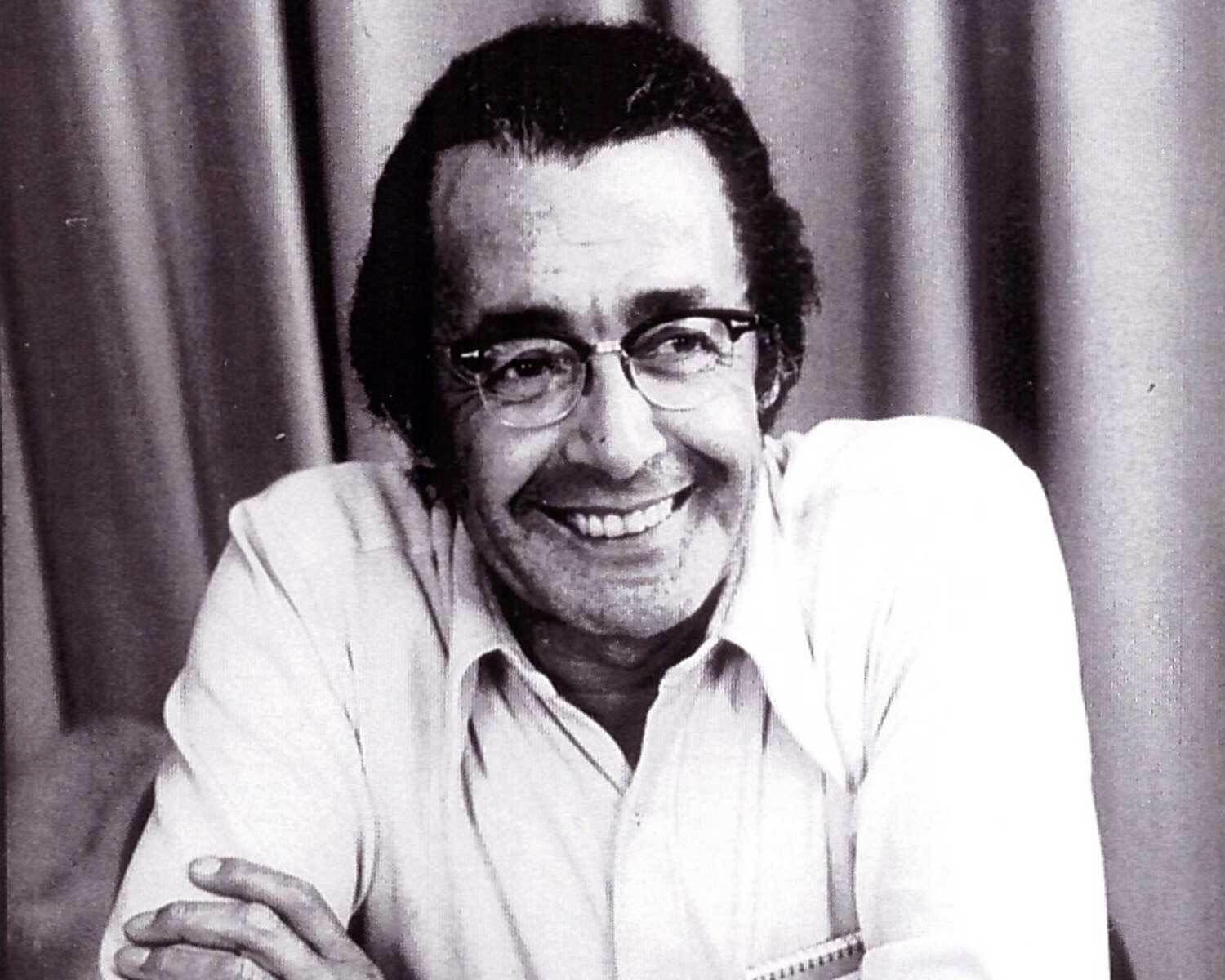
Hugh Burnett and the National Unity Association
Learn more About Plaque Hugh Burnett and the National Unity Association in Plaque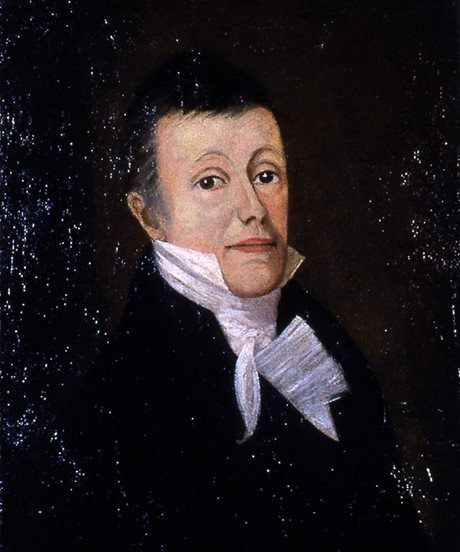

King Edward Hotel, The
This grand hotel opened in 1903 and became almost immediately known as the “King Eddy.” It was designed to provide luxury and service in dramatic settings. The 18-storey tower, with its top-floor Crystal Ballroom, was added in 1920-21. Although threatened with demolition in the 1970s, the hotel was revitalized in the early 1980s and this plaque was unveiled in 2003 to commemorate the hotel’s 100th anniversary.
Learn more
About
Plaque
King Edward Hotel, The in Plaque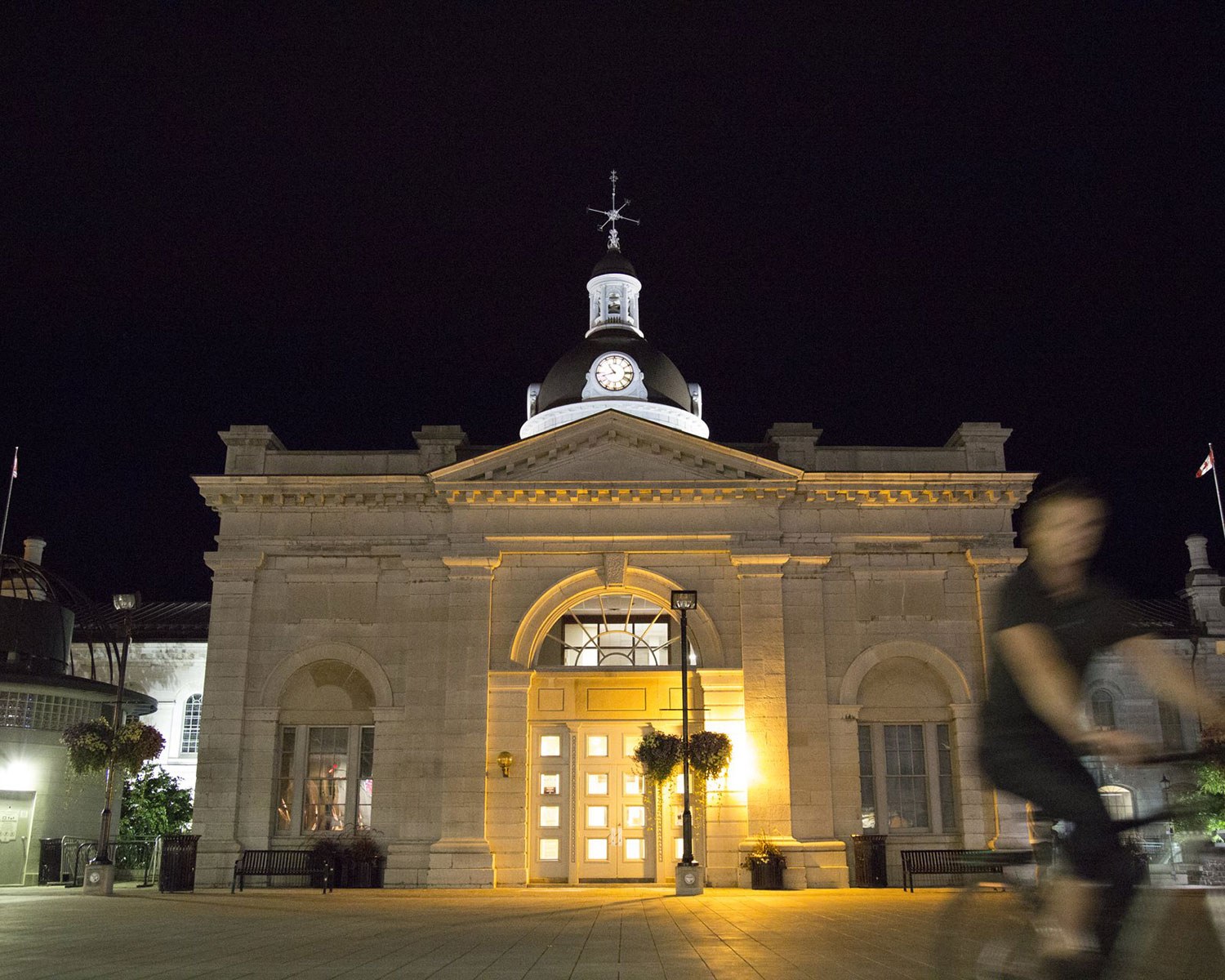
King's Royal Regiment of New York, The
This plaque commemorates the largest Loyalist corps raised during the American Revolution. And it was right here in Kingston.
Learn more
About
Plaque
King's Royal Regiment of New York, The in Plaque
Lakehead University
Following a push by educators and business representatives for an institution of higher learning in Ontario’s northwest, the Lakehead Technical Institute was established in 1946. By 1965, it became Lakehead University and conferred its first degrees.
Learn more
About
Plaque
Lakehead University in Plaque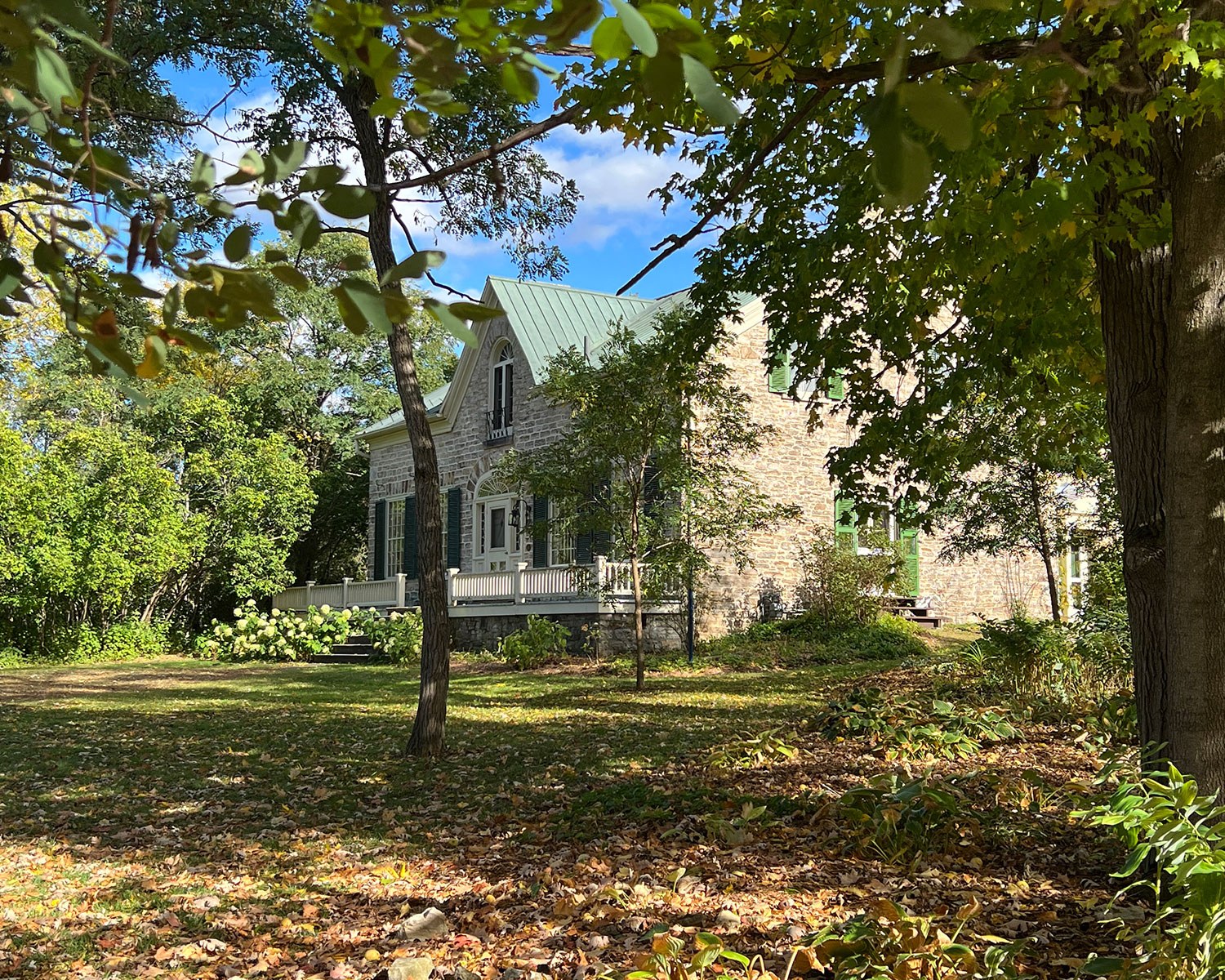
Le Droit
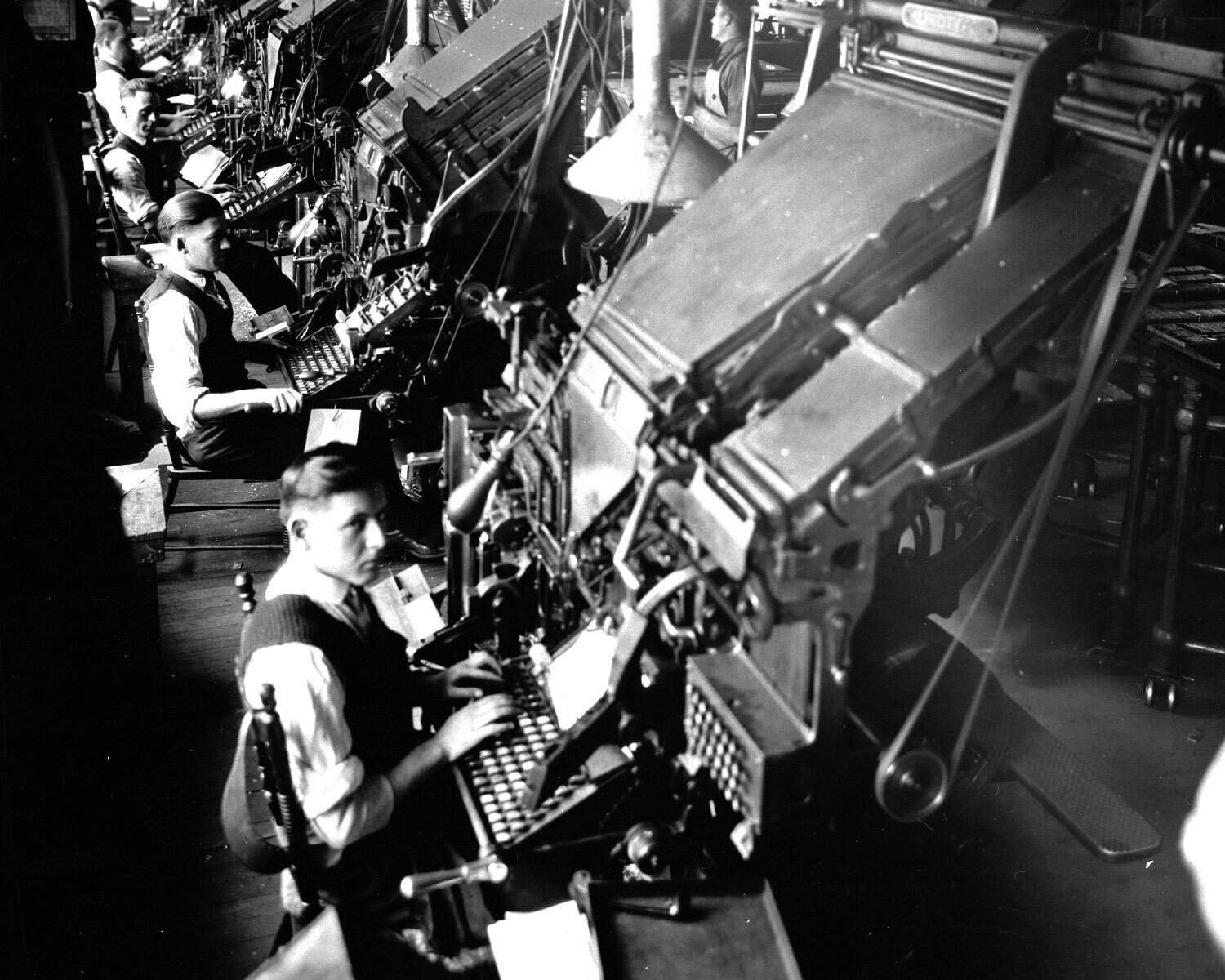
In 1912, French-Canadian educational and religious groups came together to discuss the founding of a newspaper that could be used to protest Regulation 17, which severely restricted the teaching of French in Ontario schools. From this, Le Droit was born — a French-language daily newspaper. Le Droit continues to support and defend Franco-Ontarian rights.
Learn more
About
Plaque
Le Droit in Plaque
Loew's Yonge Street and Winter Garden Theatres
Now known as the Elgin & Winter Garden Theatres, this complex was designed by renowned architect Thomas Lamb for entrepreneur Marcus Loew as the Canadian flagship of his American theatre chain. The stacked theatres opened in 1913-14.
Learn more
About
Plaque
Loew's Yonge Street and Winter Garden Theatres in Plaque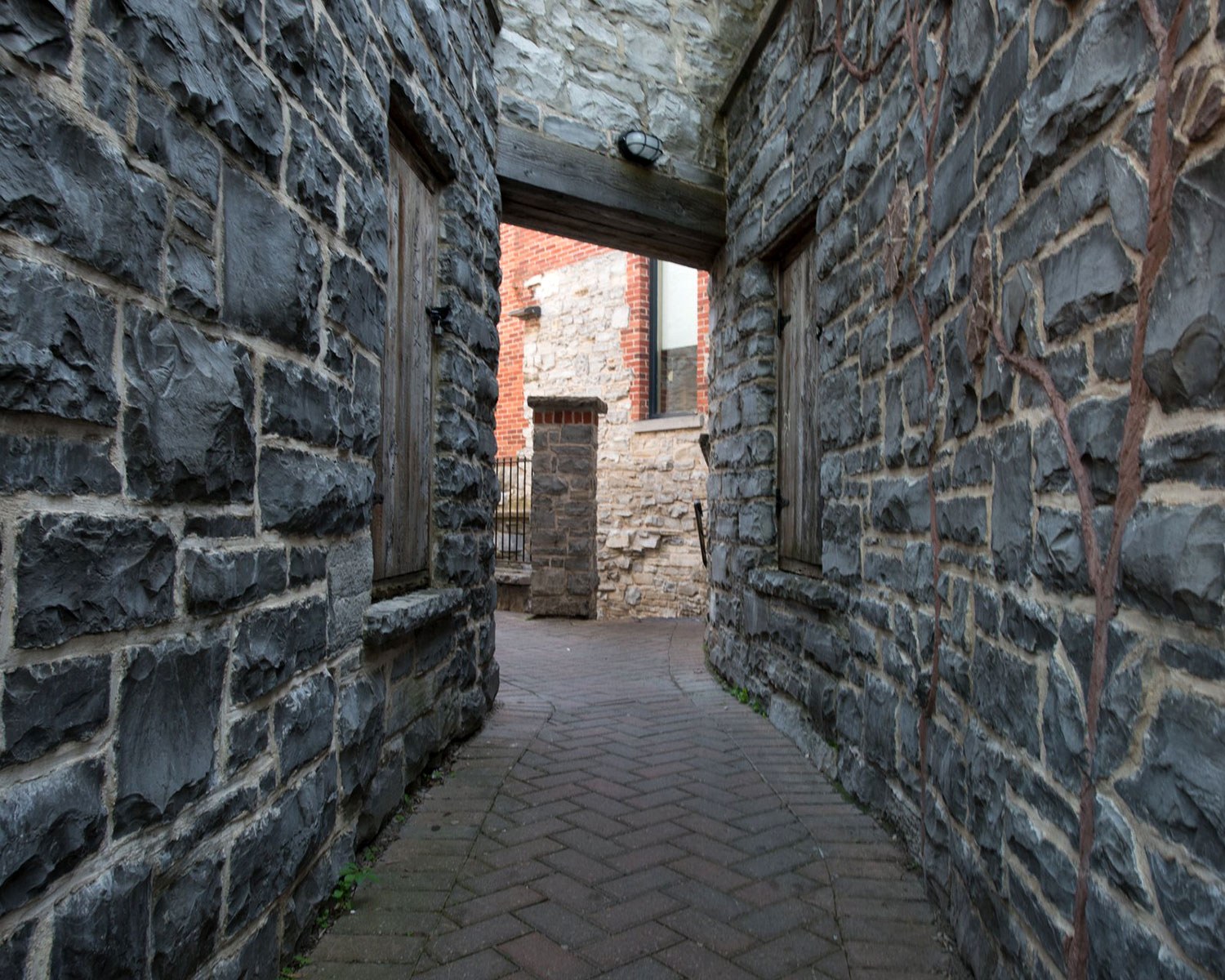
Loyalist Landing at Cataraqui 1784, The
After the end of the American Revolution, loyalist refugees came to Canada. One group came from New York State and landed near here at Cataraqui, now known as Kingston.
Learn more
About
Plaque
Loyalist Landing at Cataraqui 1784, The in Plaque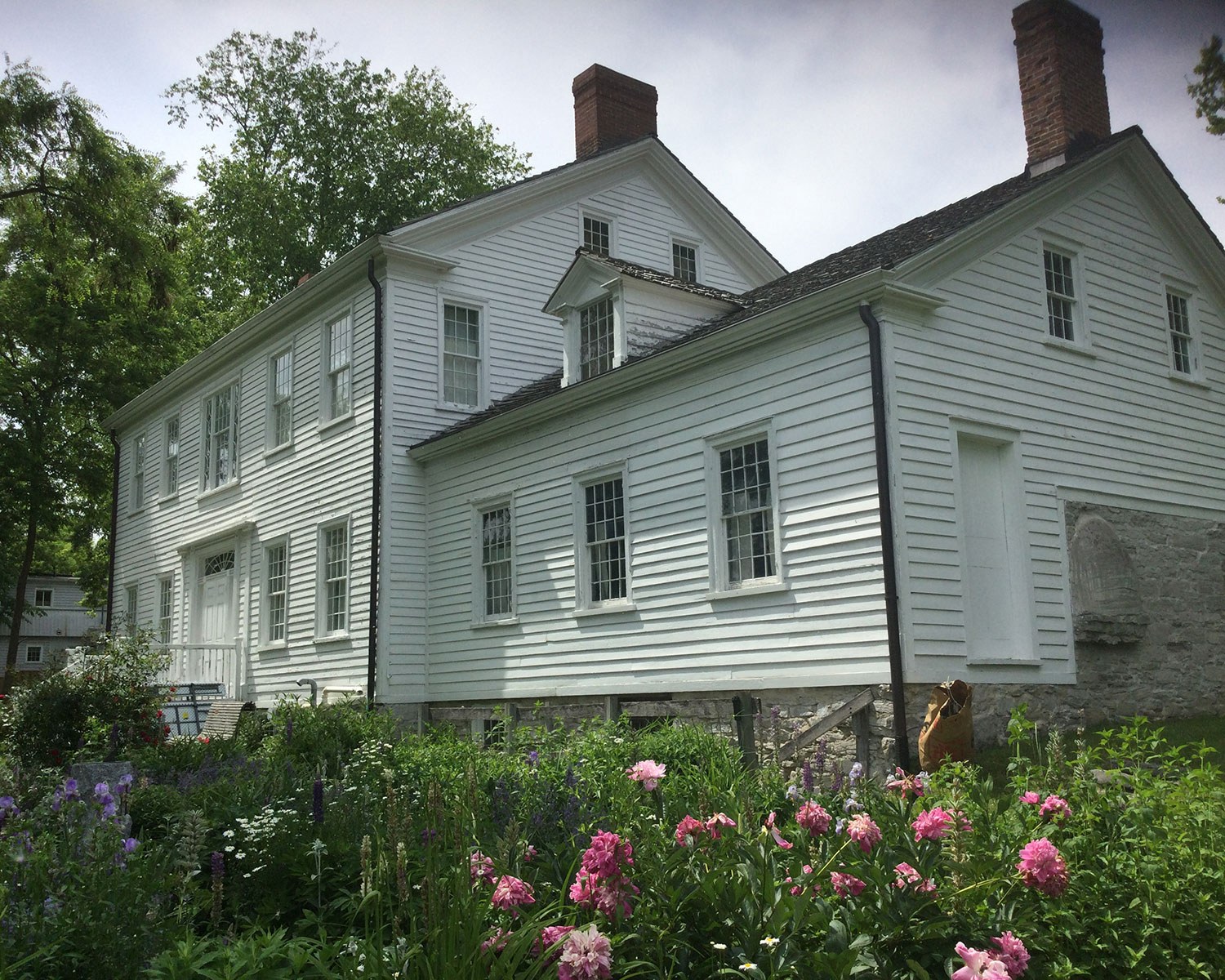
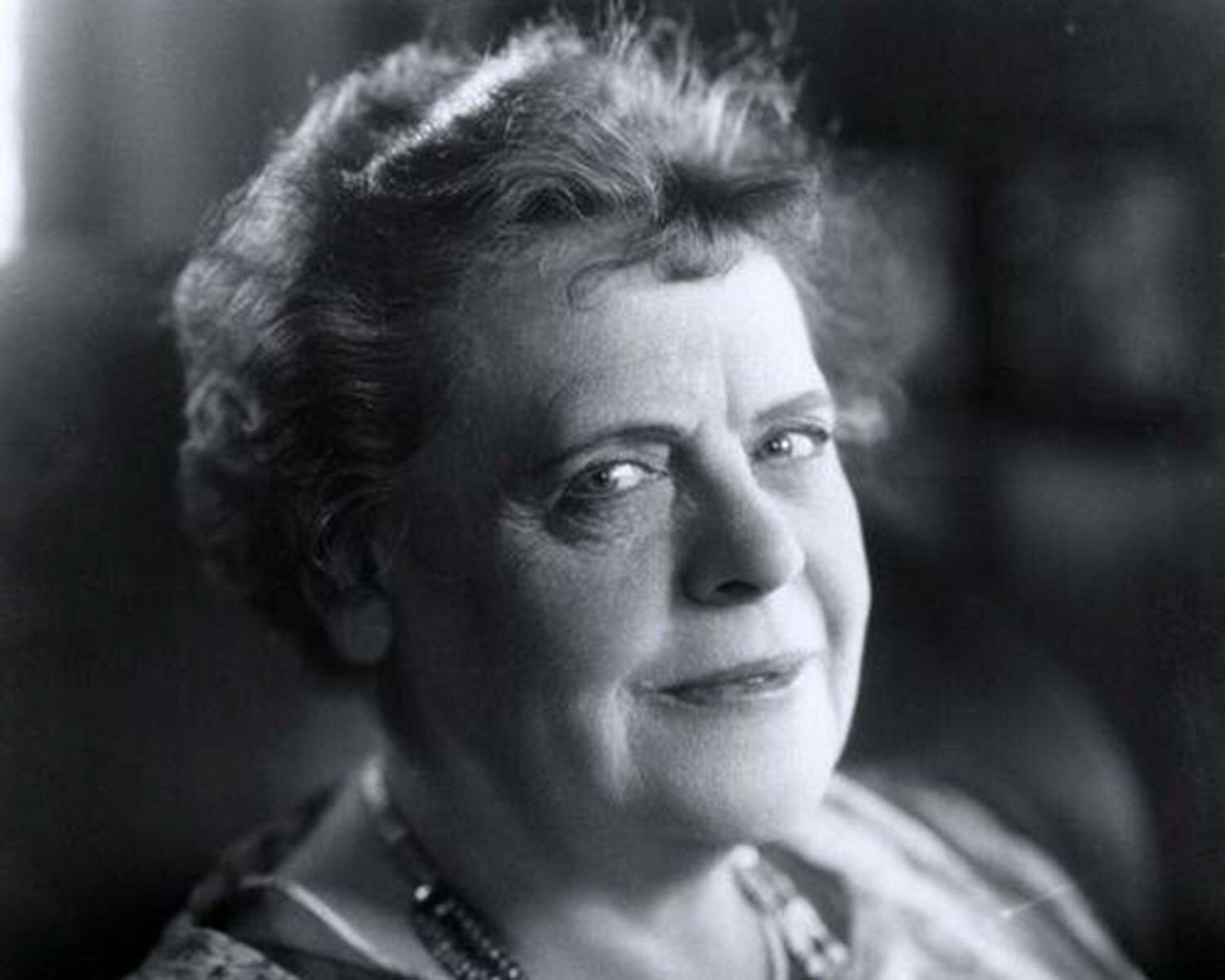
Marie Dressler 1868-1934
Born in this house as Leila Maria Koerber, Marie Dressler became the stage name of this actress who became successful in silent and talking films — including alongside Charlie Chaplin and Greta Garbo. Dressler won an Academy Award in 1931.
Learn more
About
Plaque
Marie Dressler 1868-1934 in Plaque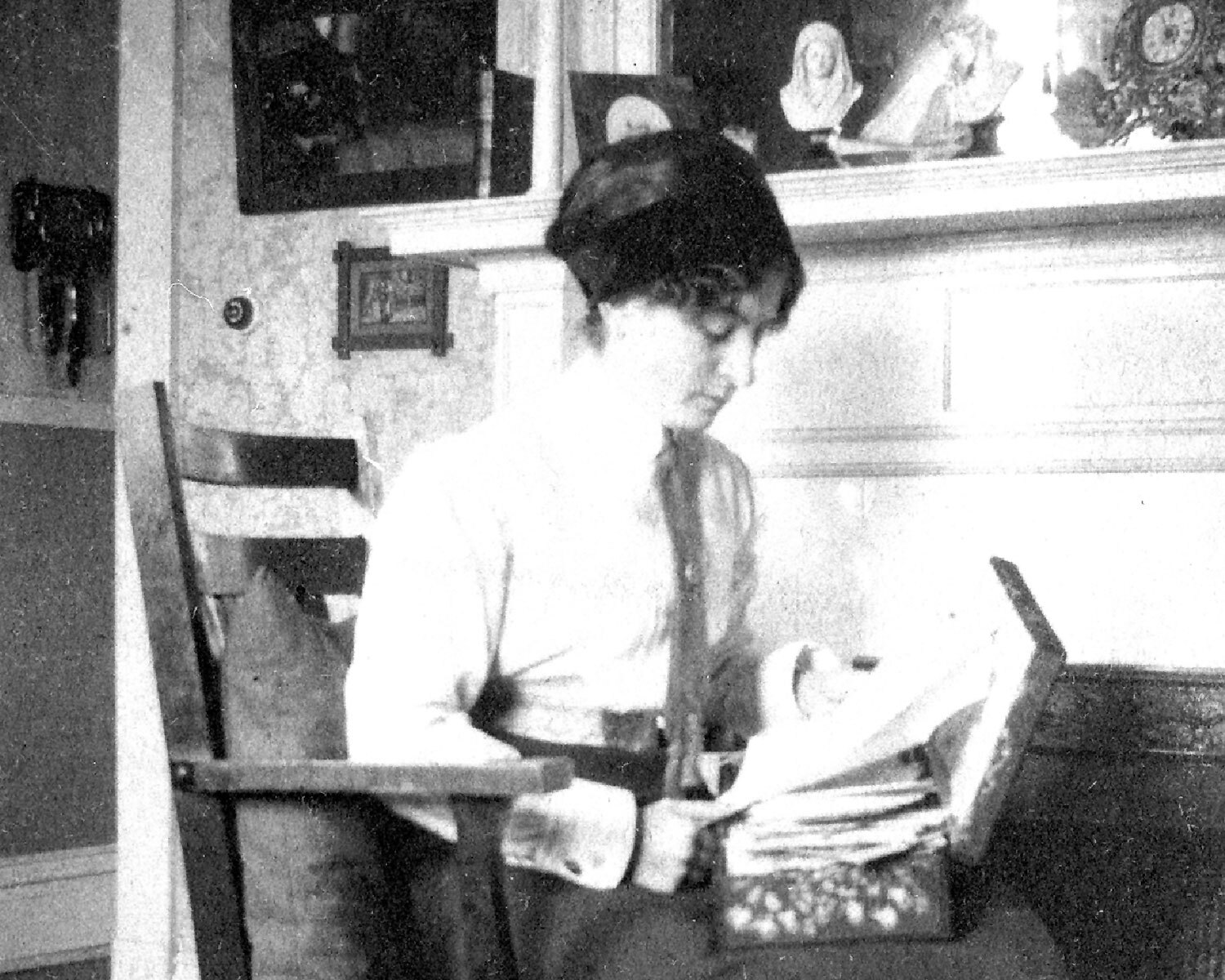
Marie-Rose Turcot 1887-1977
Turcot moved to Ottawa at the age of 20 to take a job in the civil service. Later, she became a journalist and writer, and also worked in broadcast journalism. She was active in several French-Canadian cultural organizations as well as a collector of Franco-Ontarian folk tales.
Learn more
About
Plaque
Marie-Rose Turcot 1887-1977 in Plaque
Metropolitan United Church
This church was designed by architect Henry Langley in the high Victorian Gothic style. Constructed in 1872 to replace an earlier structure, it was badly damaged by fire in 1928 and rebuilt. It was here that the first General Council of the United Church met in 1925.
Learn more
About
Plaque
Metropolitan United Church in Plaque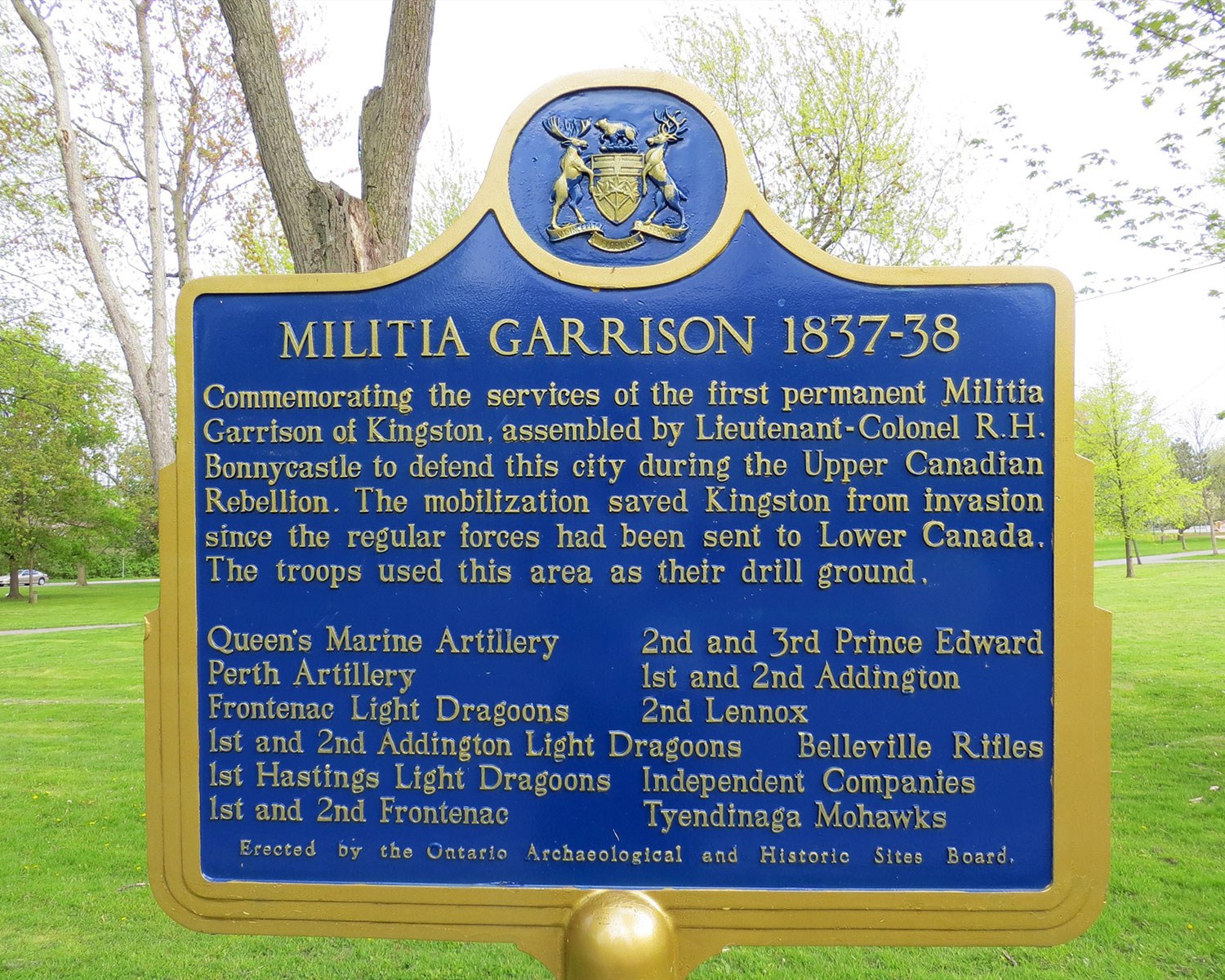
Militia Garrison 1837-38
This plaque commemorates the services of the first permanent garrison in Kingston, assembled to defend the city during the Upper Canada Rebellion.
Learn more
About
Plaque
Militia Garrison 1837-38 in Plaque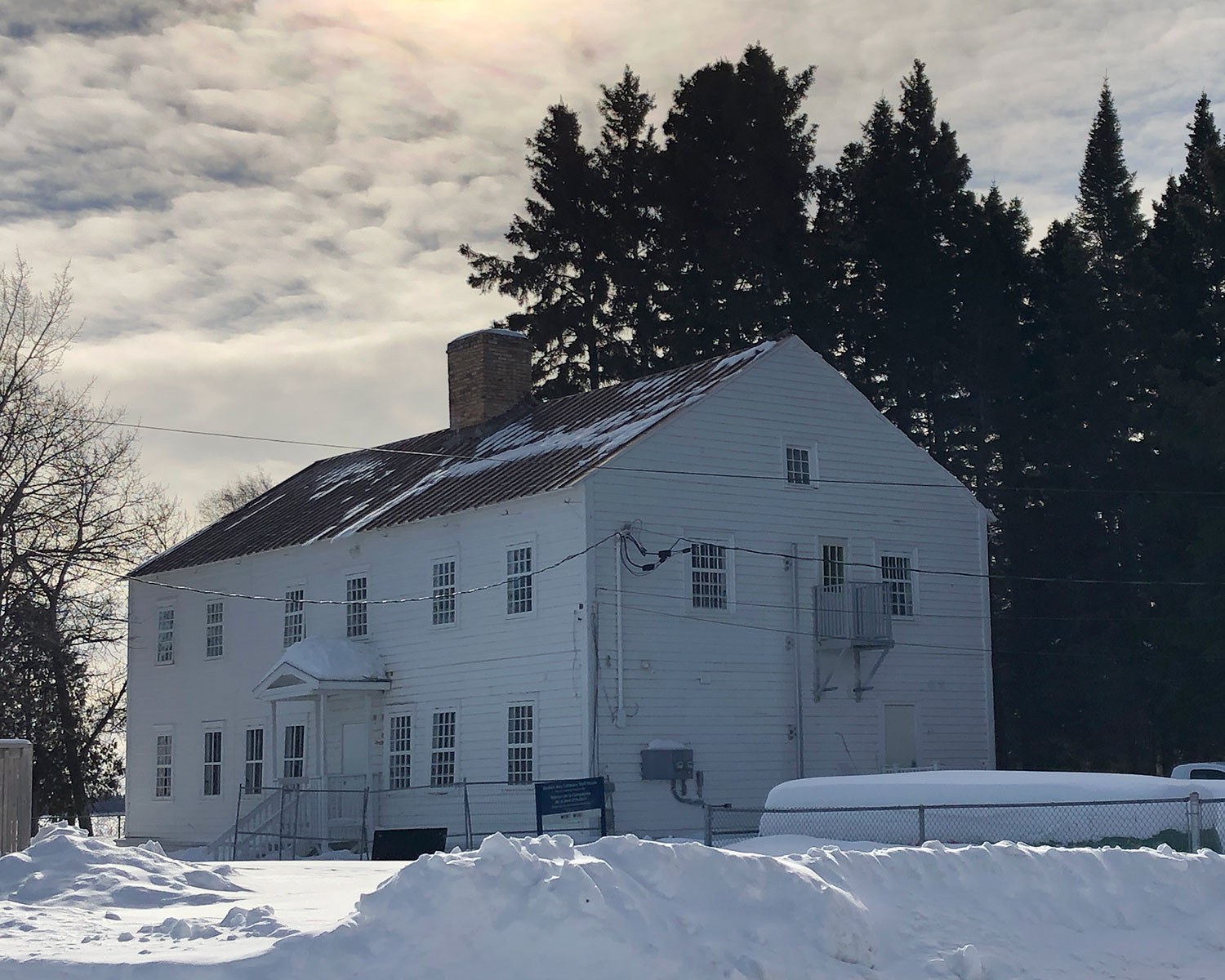
Moose Factory — Môsonîwi-Miništik
Learn more About Plaque Moose Factory — Môsonîwi-Miništik in Plaque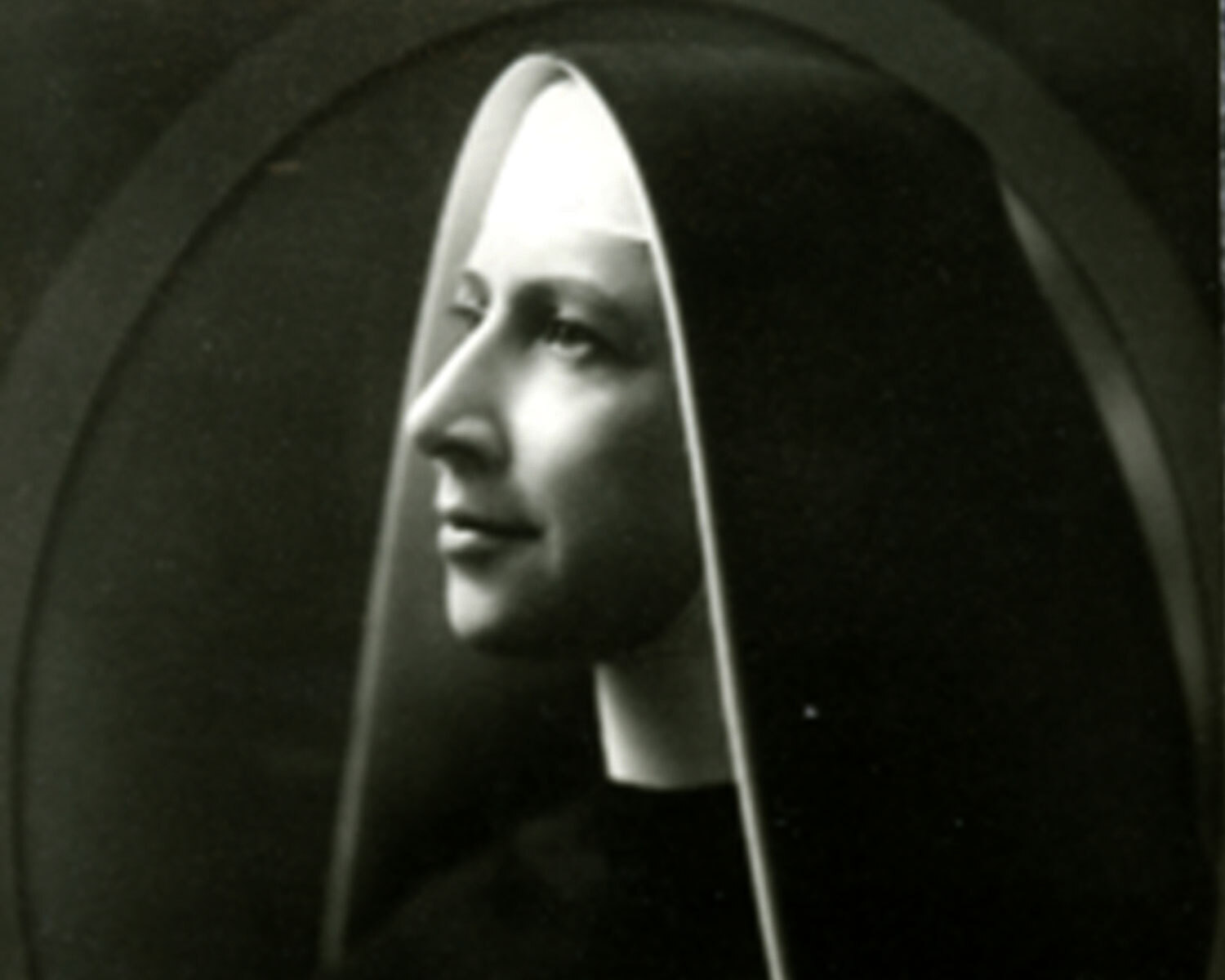
Mother Marie Thomas d’Aquin 1877-1963
Originally from near Bordeaux, France, Jeanne Branda felt a calling to become a nun and a teacher. In 1899, she joined the Dominican Sisters of Nancy, where she took on the name Sister Marie Thomas d’Aquin. She moved to the United States and then, while visiting Ottawa in 1914, agreed to head the Jeanne d’Arc Institute.
Learn more
About
Plaque
Mother Marie Thomas d’Aquin 1877-1963 in Plaque
Moulton College
The last stop on this walking tour is Moulton College, which once stood at this site. The school was a girls’ preparatory school founded by Susan Moulton McMaster (as part of McMaster University in Hamilton) and was housed in the former McMaster residence located here.
Learn more
About
Plaque
Moulton College in Plaque
Noronic Disaster, The
A little-known disaster on the Great Lakes happened right here in the Toronto Harbour when a passenger cruiser, the Noronic, burned on September 19, 1949, taking 119 lives. This remains Toronto’s worst disaster.
Learn more
About
Plaque
Noronic Disaster, The in Plaque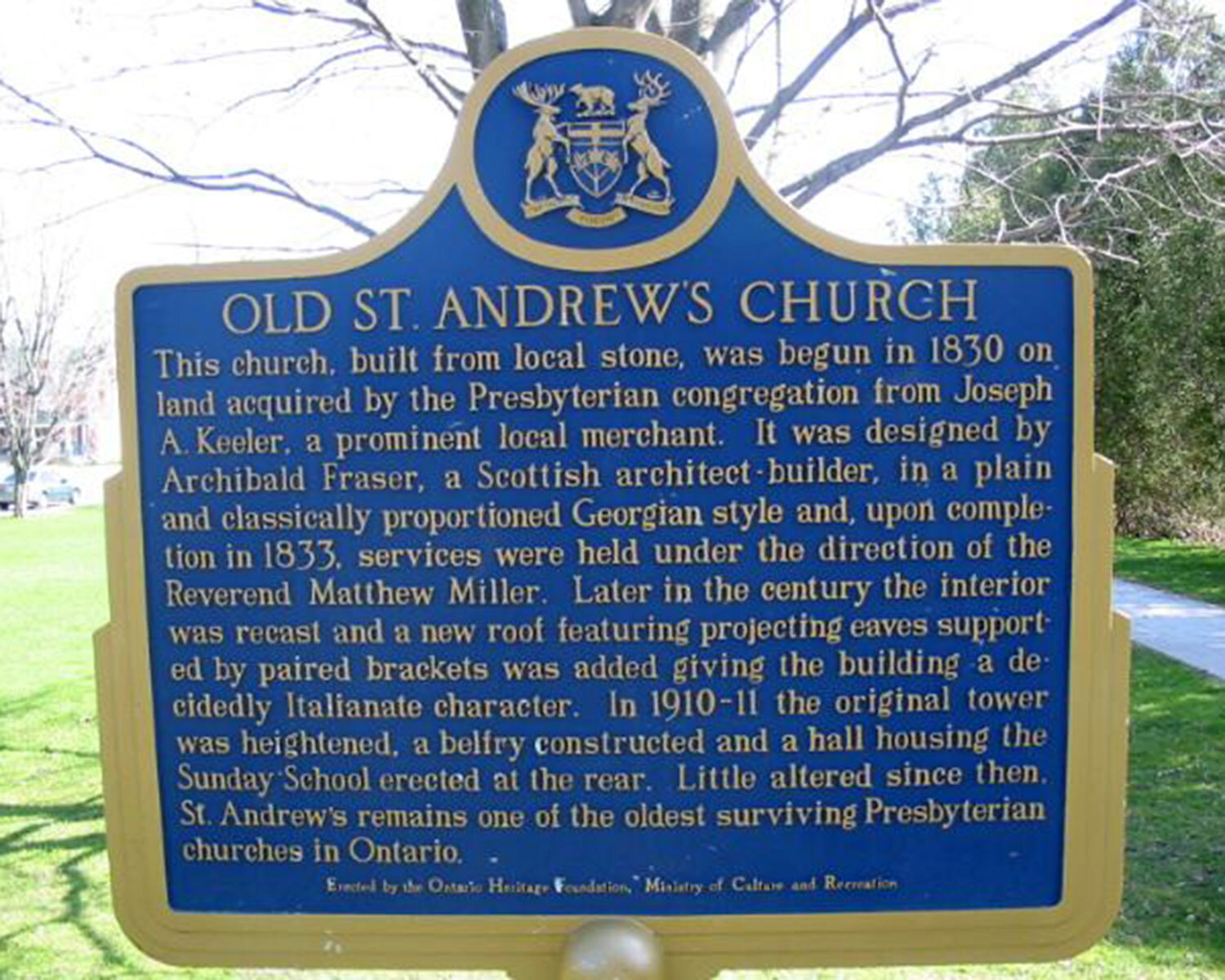
Old St. Andrew's Church
Built from local stone, this Presbyterian church was begun in 1830 on land acquired from Joseph Keeler, a prominent local merchant. Little altered since 1911, it remains one of the oldest surviving Presbyterian churches in Ontario.
Learn more
About
Plaque
Old St. Andrew's Church in Plaque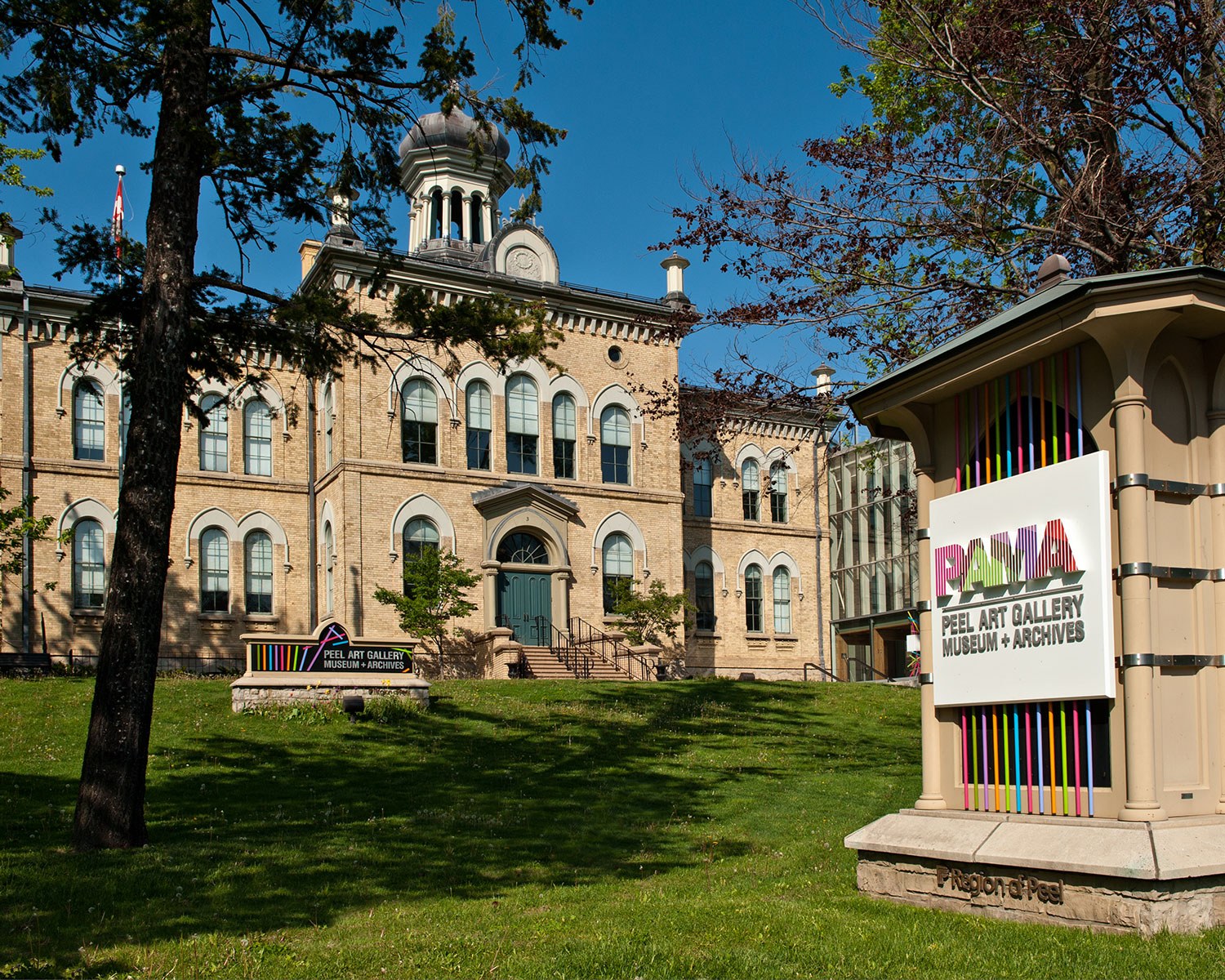
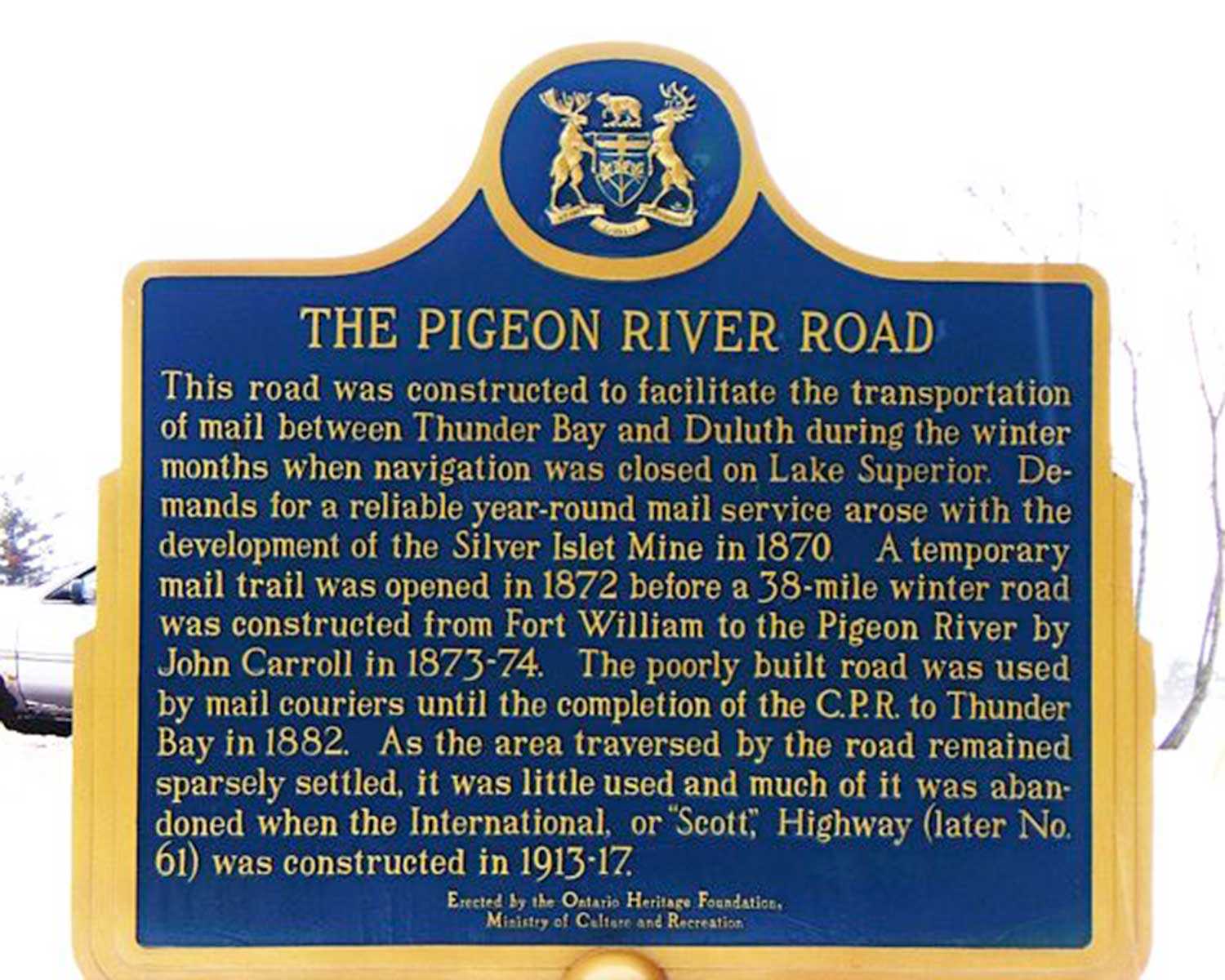
Pigeon River Road, The
This abandoned roadway was used to deliver the mail for a decade until the Canadian Pacific Railway was completed in 1882.
Learn more
About
Plaque
Pigeon River Road, The in Plaque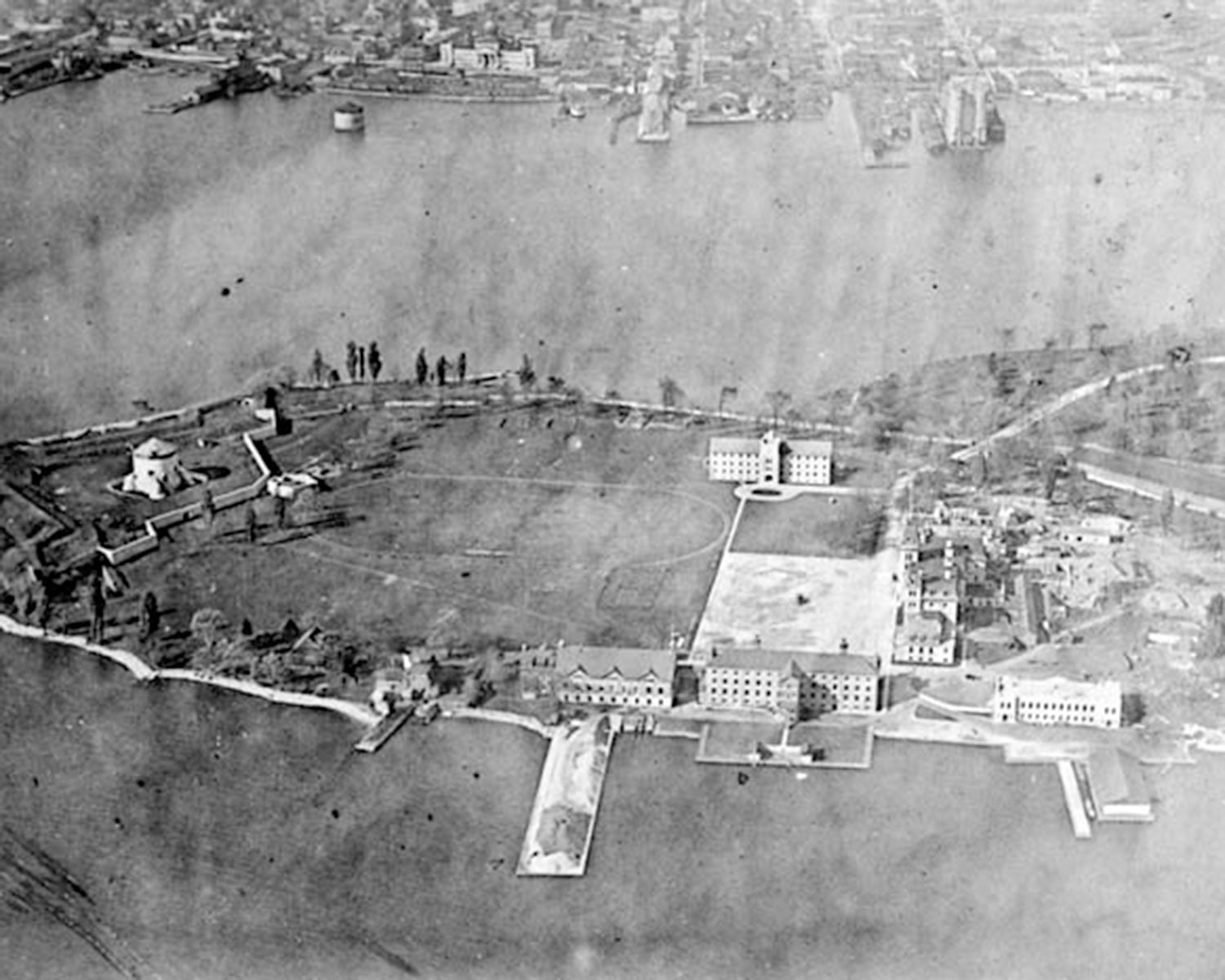
Point Frederick
This strategic location was established for the defence of the loyalist settlement at Cataraqui (now Kingston).
Learn more
About
Plaque
Point Frederick in Plaque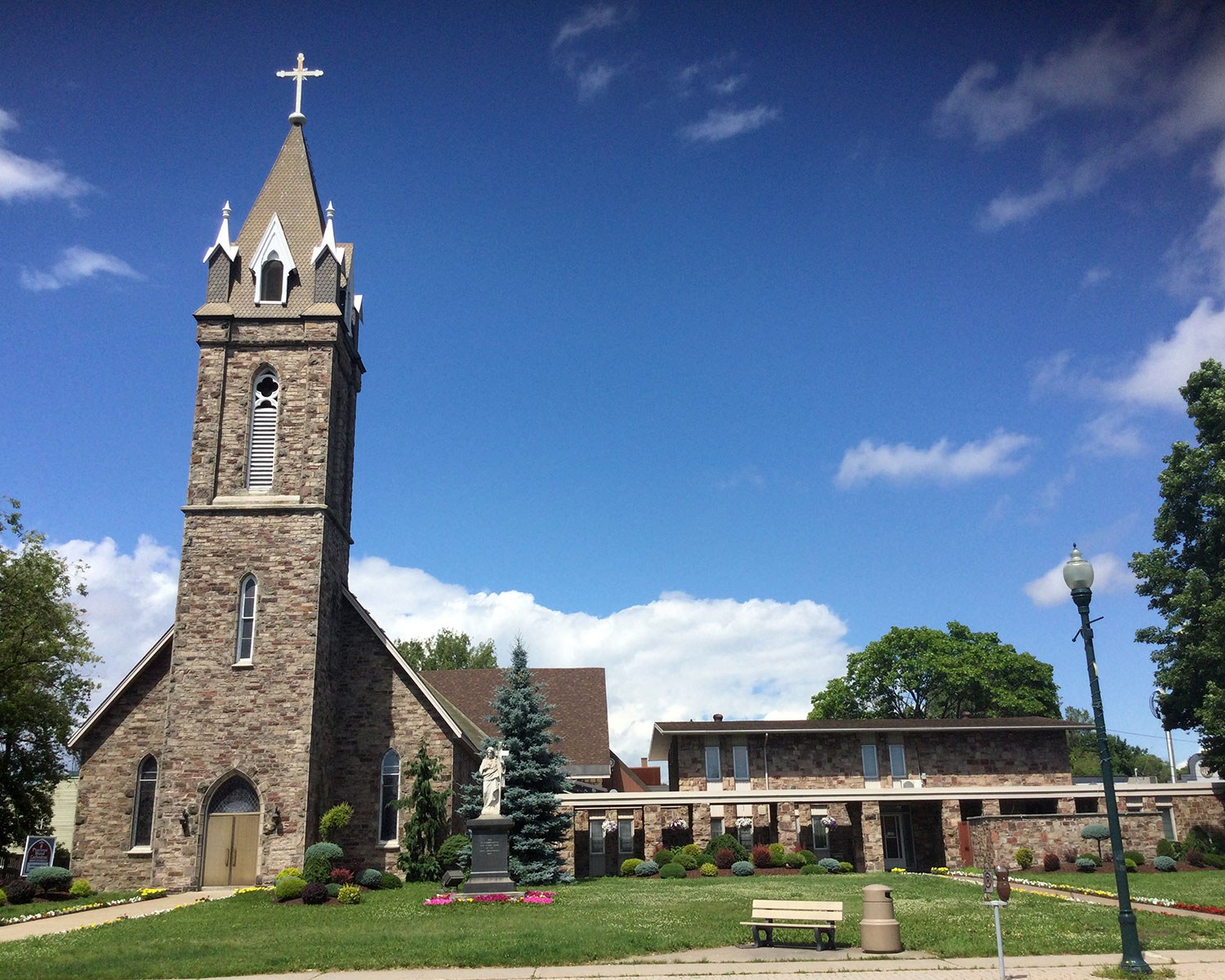
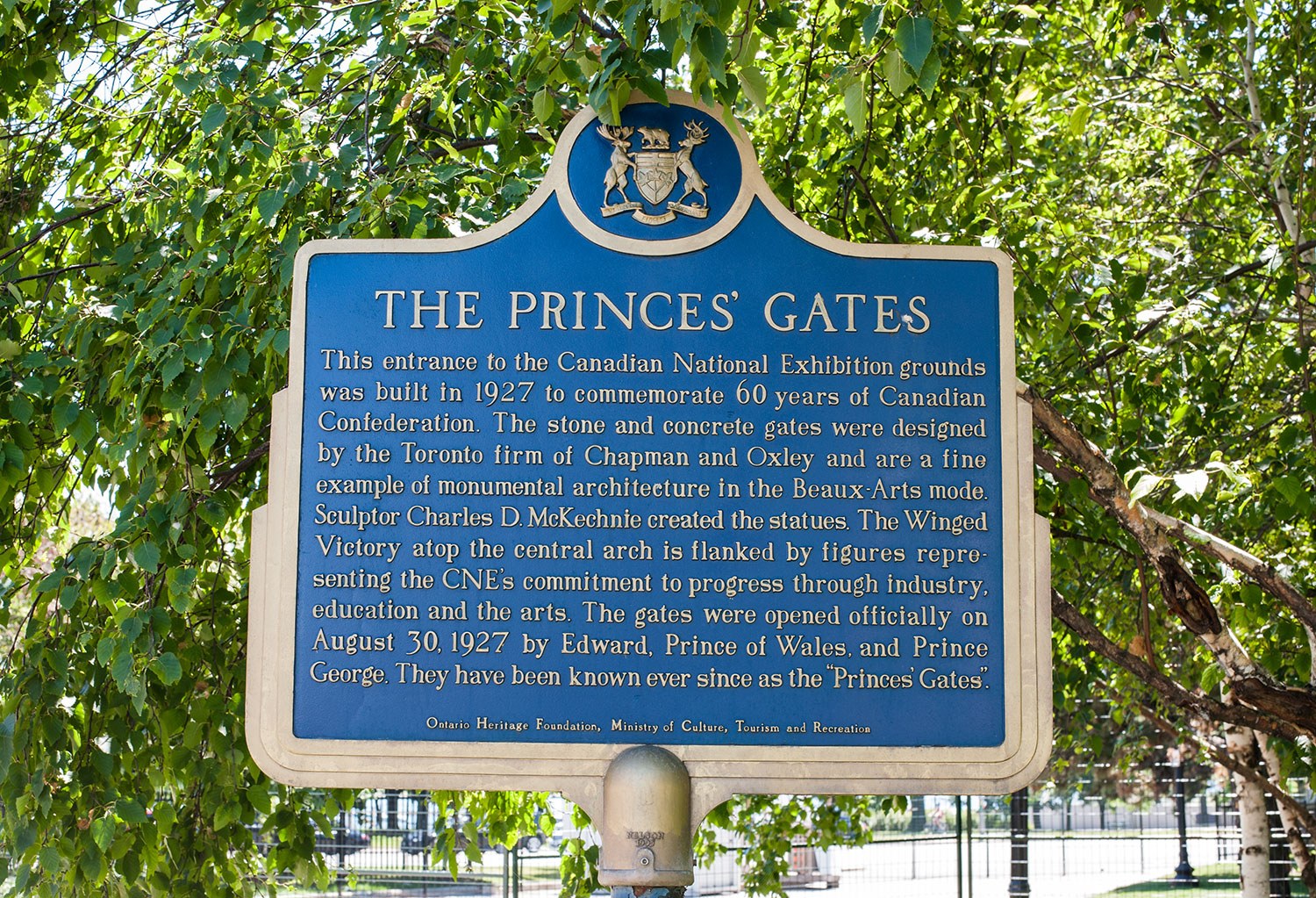
Princes' Gates, The
The then-Prince of Wales and his brother opened this impressive entrance to the Canadian National Exhibition grounds in 1927.
Learn more
About
Plaque
Princes' Gates, The in Plaque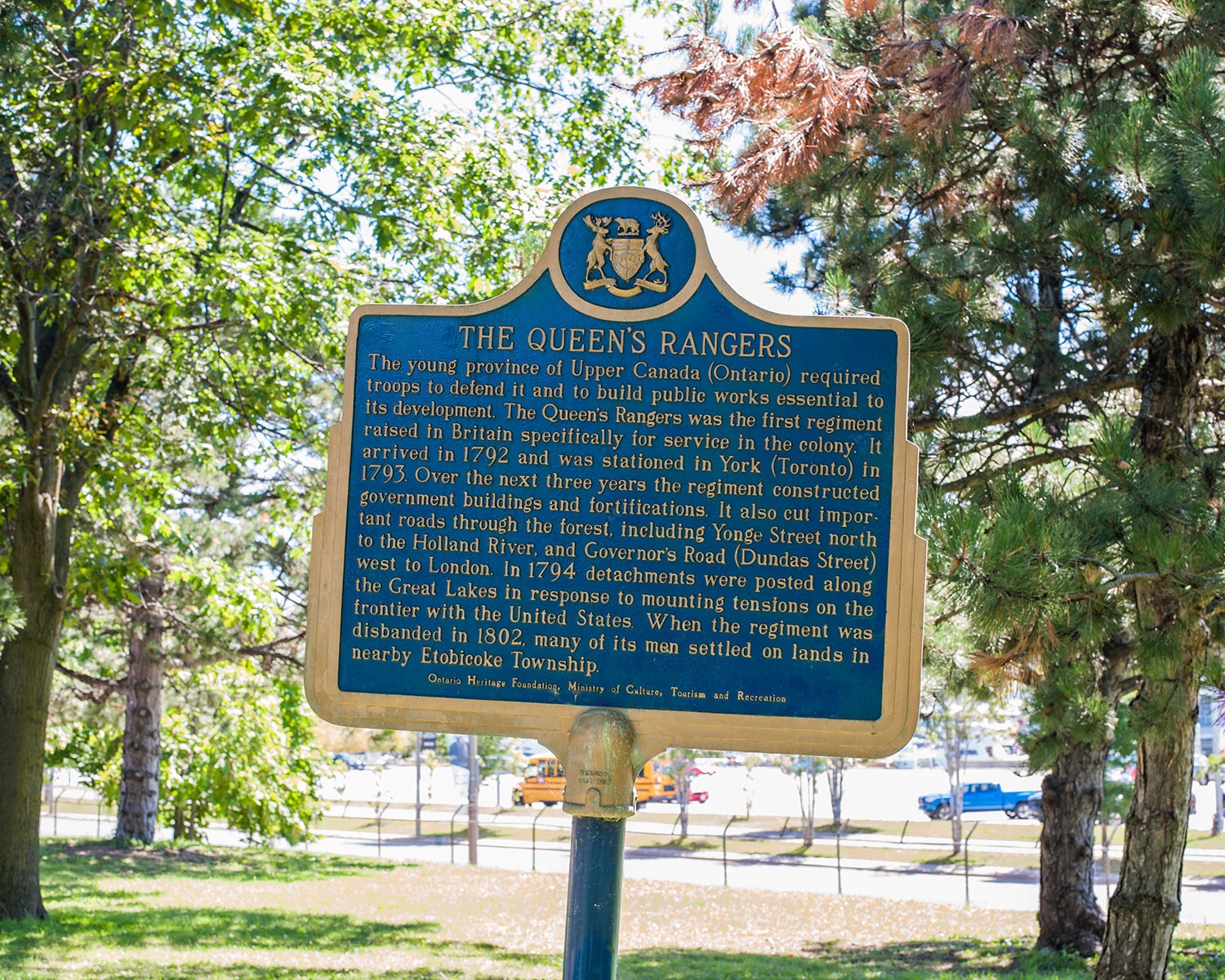
Queen's Rangers, The
This plaque honours the first British regiment raised specifically for service in Upper Canada (now Ontario).
Learn more
About
Plaque
Queen's Rangers, The in Plaque
Reverend Henry Scadding 1813-1901, The
Born in Devonshire, England, Scadding came to Canada in 1821. He was the first rector of the nearby Church of the Holy Trinity and authored many books on the history of Toronto. Scadding lived in this house from 1862 until his death.
Learn more
About
Plaque
Reverend Henry Scadding 1813-1901, The in Plaque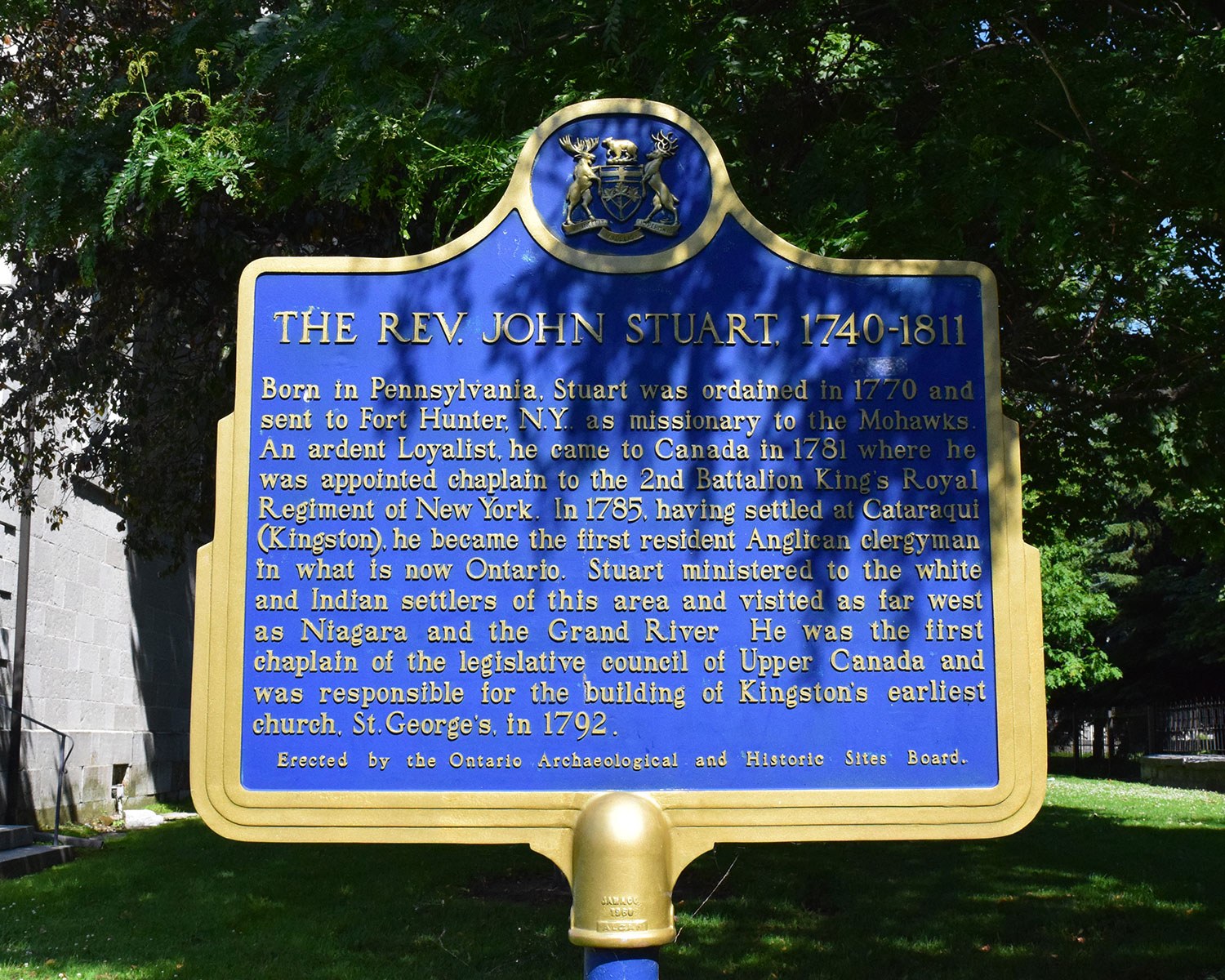
Reverend John Stuart 1740-1811, The
Learn more About Plaque Reverend John Stuart 1740-1811, The in Plaque
Rideau Canal 1826-1832, The
This UNESCO World Heritage Site opened on May 24, 1832 to provide a secure military route between Upper and Lower Canada.
Learn more
About
Plaque
Rideau Canal 1826-1832, The in Plaque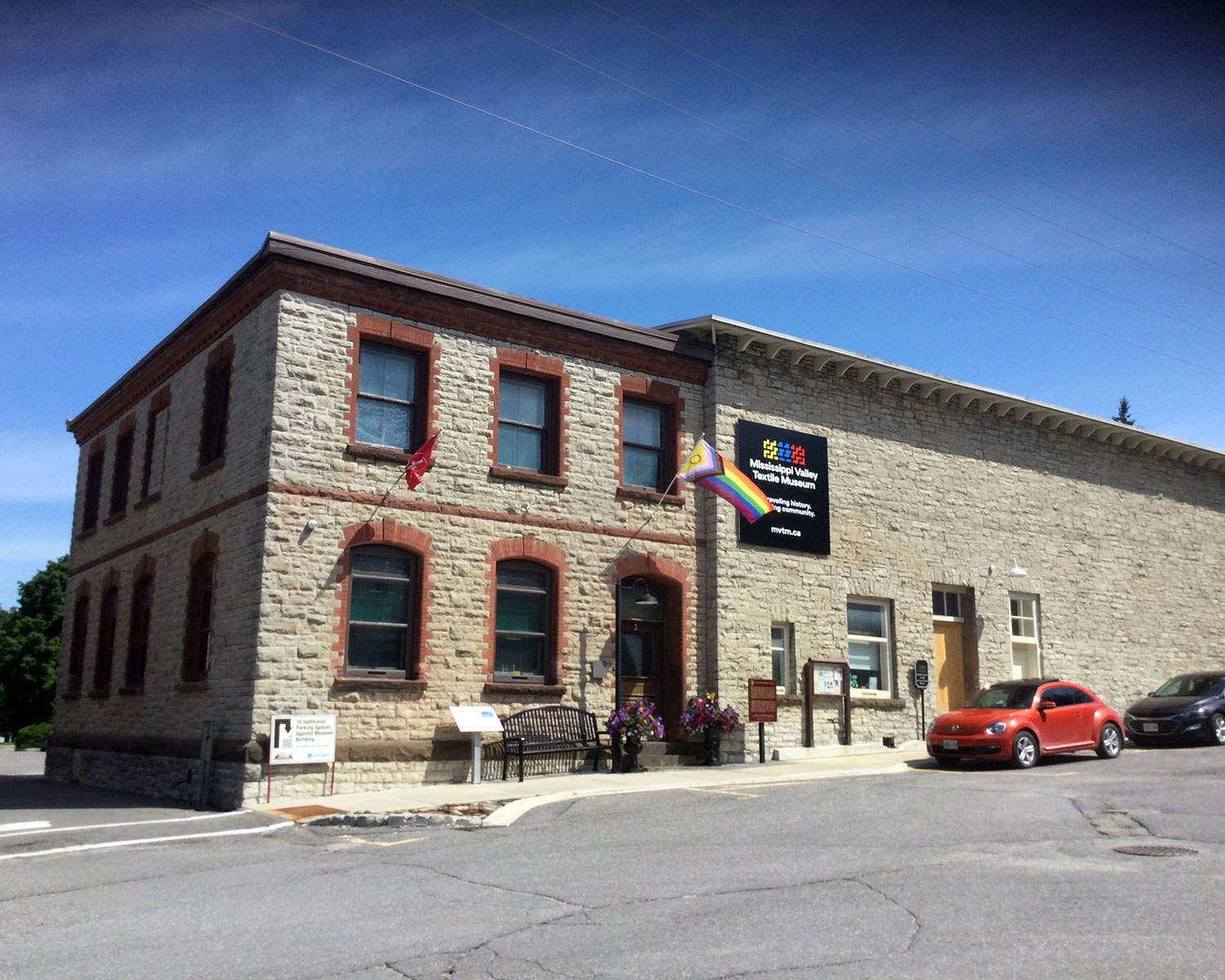
Rosvall and Voutilainen
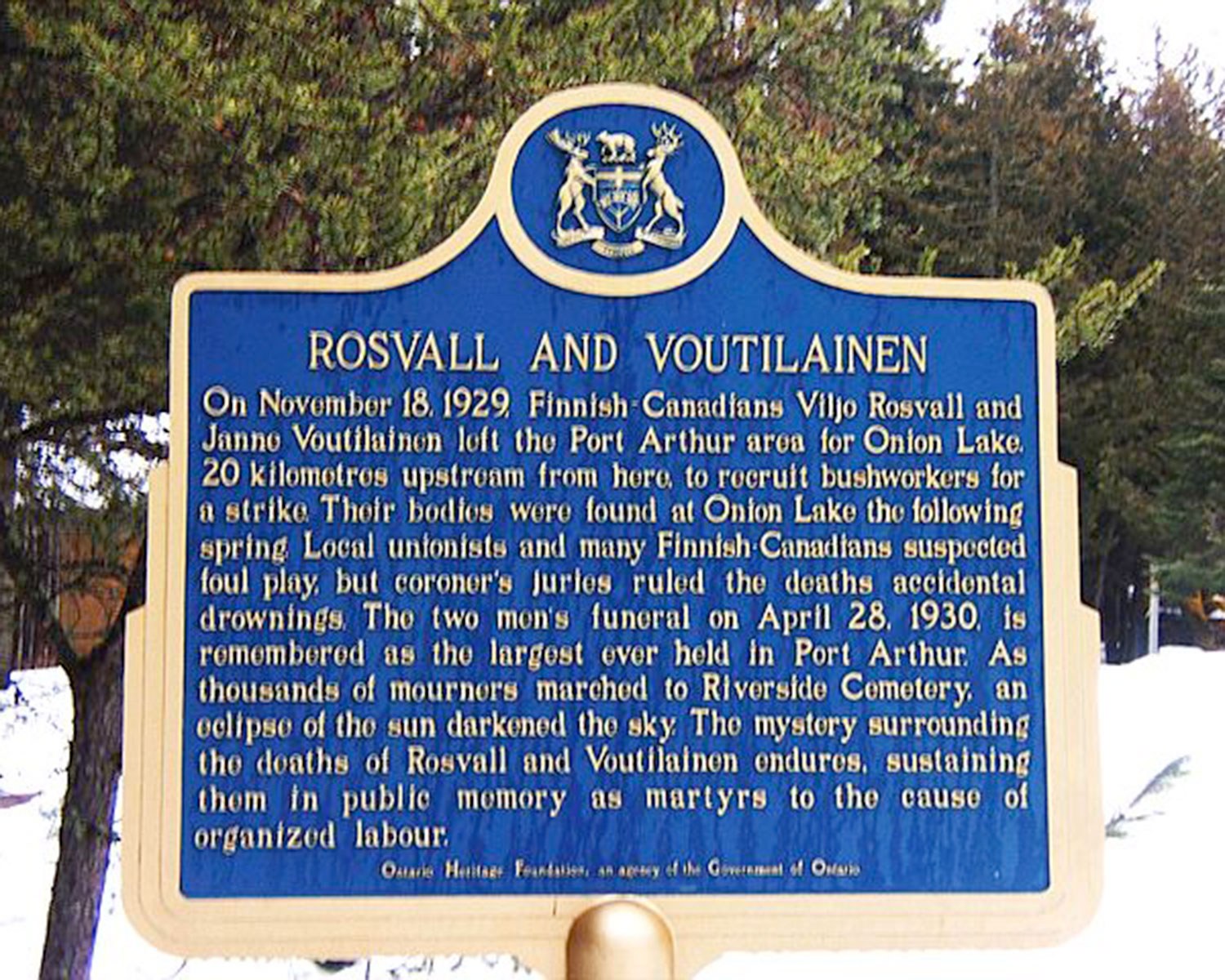
In November 1929, two Finnish-Canadians left the Port Arthur area to recruit bushworkers for a strike. Their bodies were found the following spring. Many locals suspected foul play, but the coroner’s jury ruled the deaths as accidental drowning. The two men remain as martyrs to the cause of organized labour.
Learn more
About
Plaque
Rosvall and Voutilainen in Plaque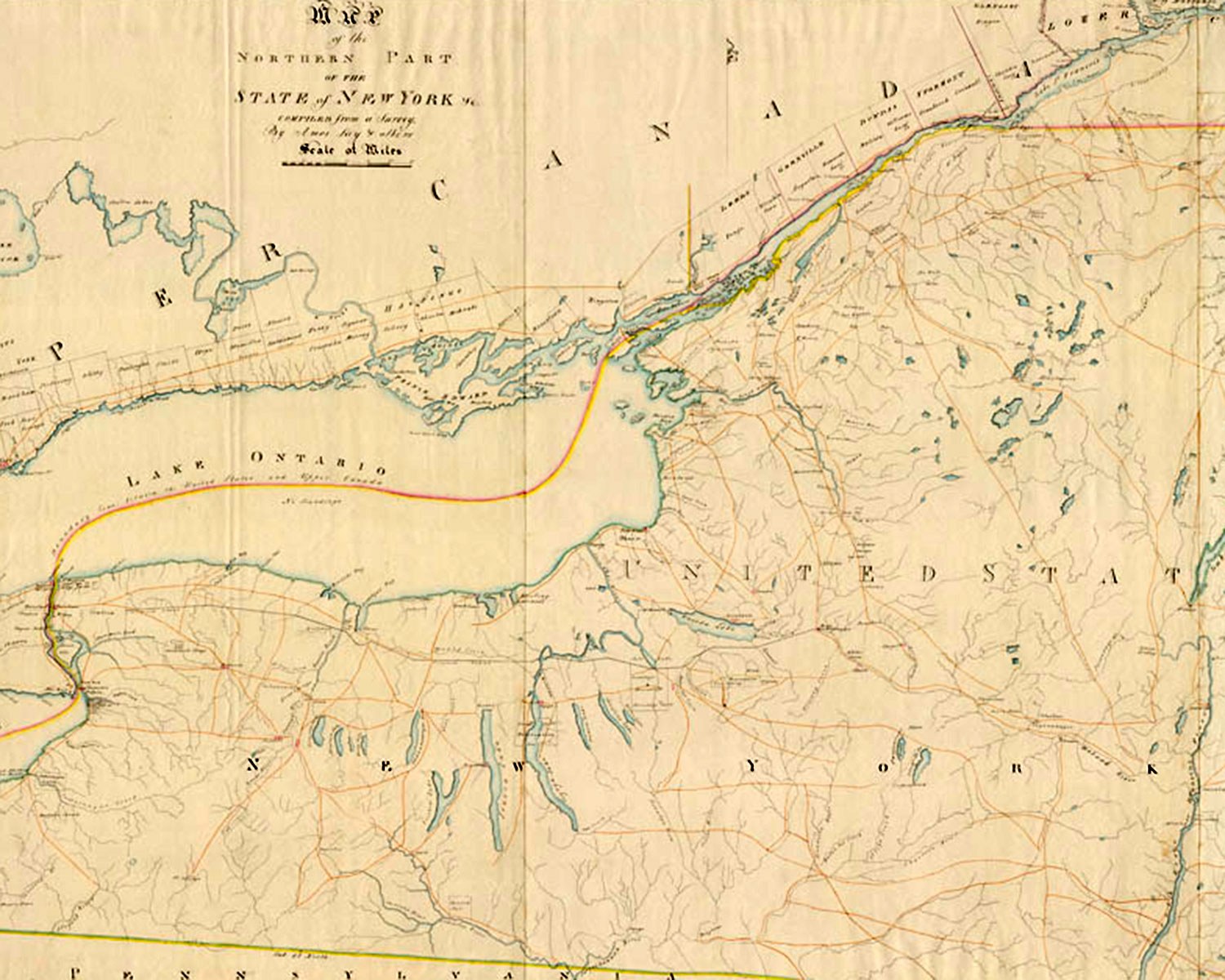
Rush-Bagot Agreement, The
This plaque commemorates the agreement that officially ended the War of 1812. It is still technically in force today.
Learn more
About
Plaque
Rush-Bagot Agreement, The in Plaque
Ryerson Polytechnical Institute
This university has had many names over the years. Established in 1948, it was named for Egerton Ryerson (founder of the province’s education system). In the 1970s, it was given limited degree-granting powers. It became a full university in 1993. Today, it is known as the Toronto Metropolitan University.
Learn more
About
Plaque
Ryerson Polytechnical Institute in Plaque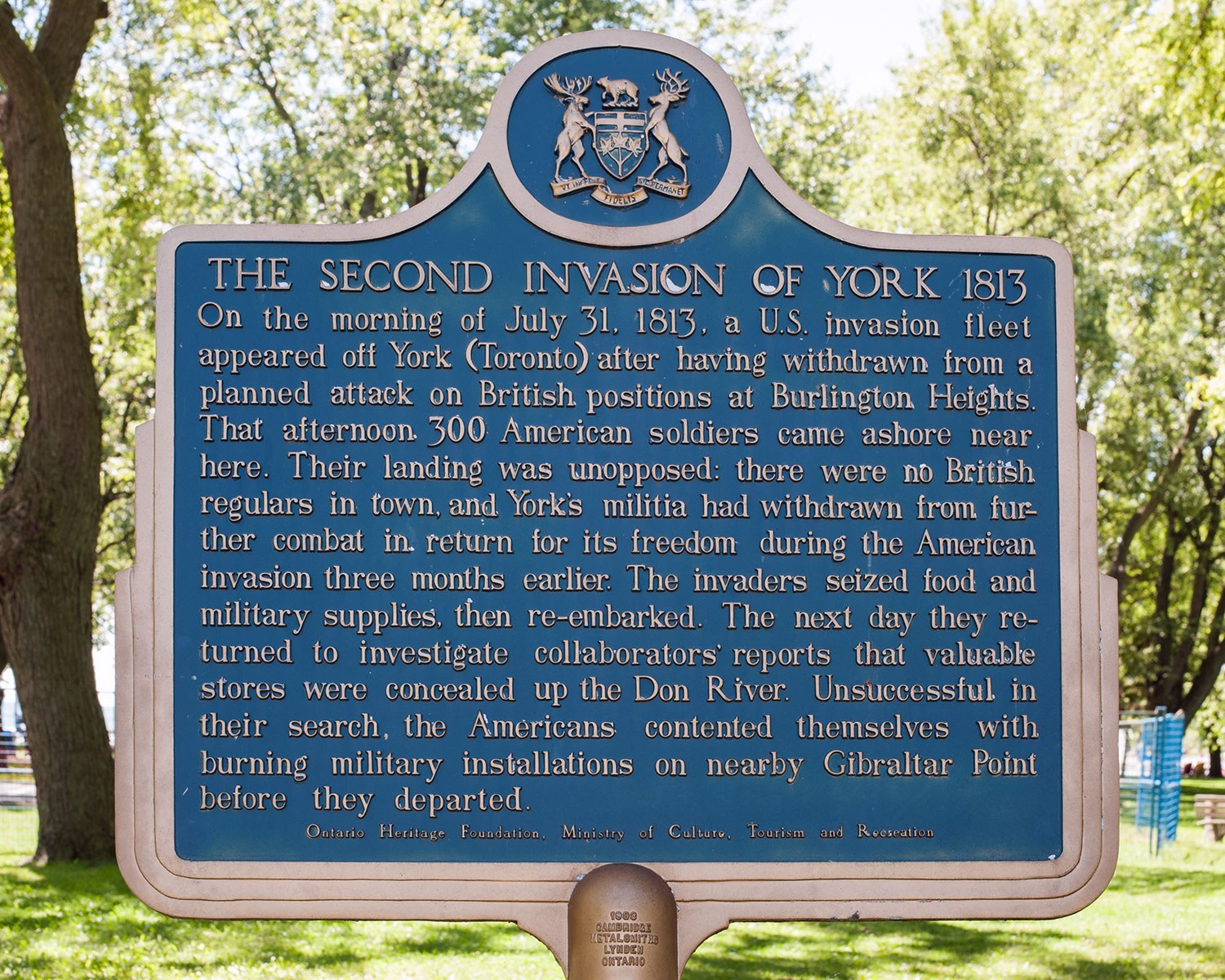
Second Invasion of York 1813, The
This plaque in Coronation Park commemorates a key battle in the War of 1812 on the shores of Toronto (then York).
Learn more
About
Plaque
Second Invasion of York 1813, The in Plaque
Senator George T. Fulford 1852-1905
Learn more About Plaque Senator George T. Fulford 1852-1905 in Plaque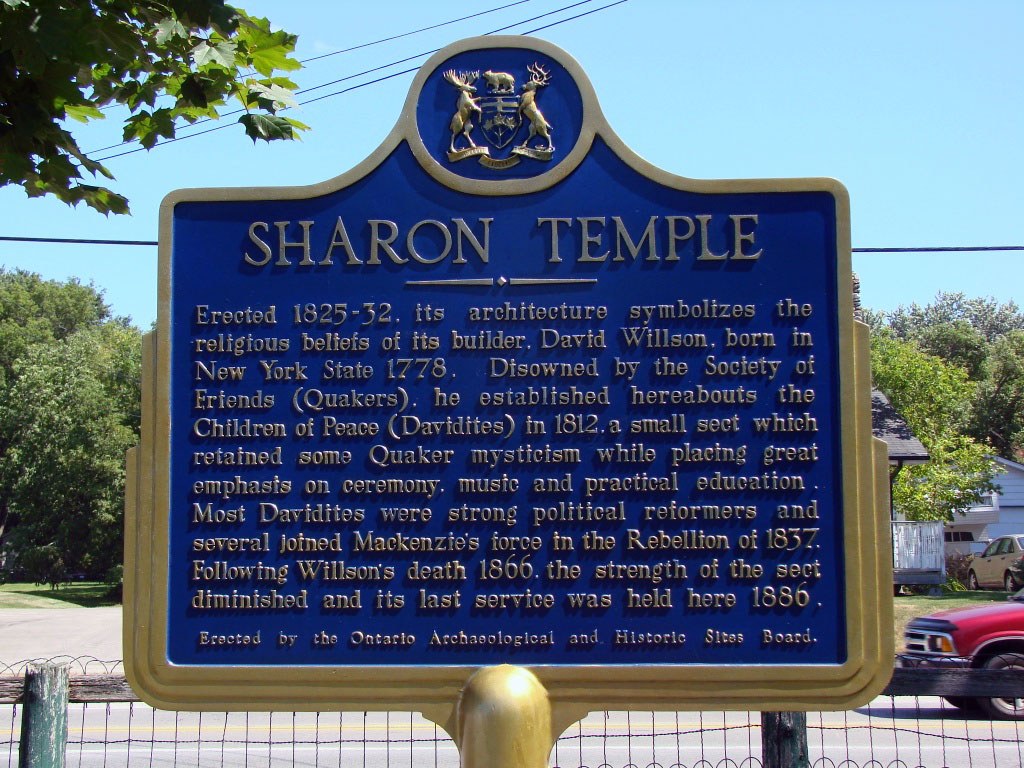

Sir Richard Bonnycastle 1791-1847
While at Fort Henry, check out the plaque to Bonnycastle, who played a significant role in the defence and economic development of the province.
Learn more
About
Plaque
Sir Richard Bonnycastle 1791-1847 in Plaque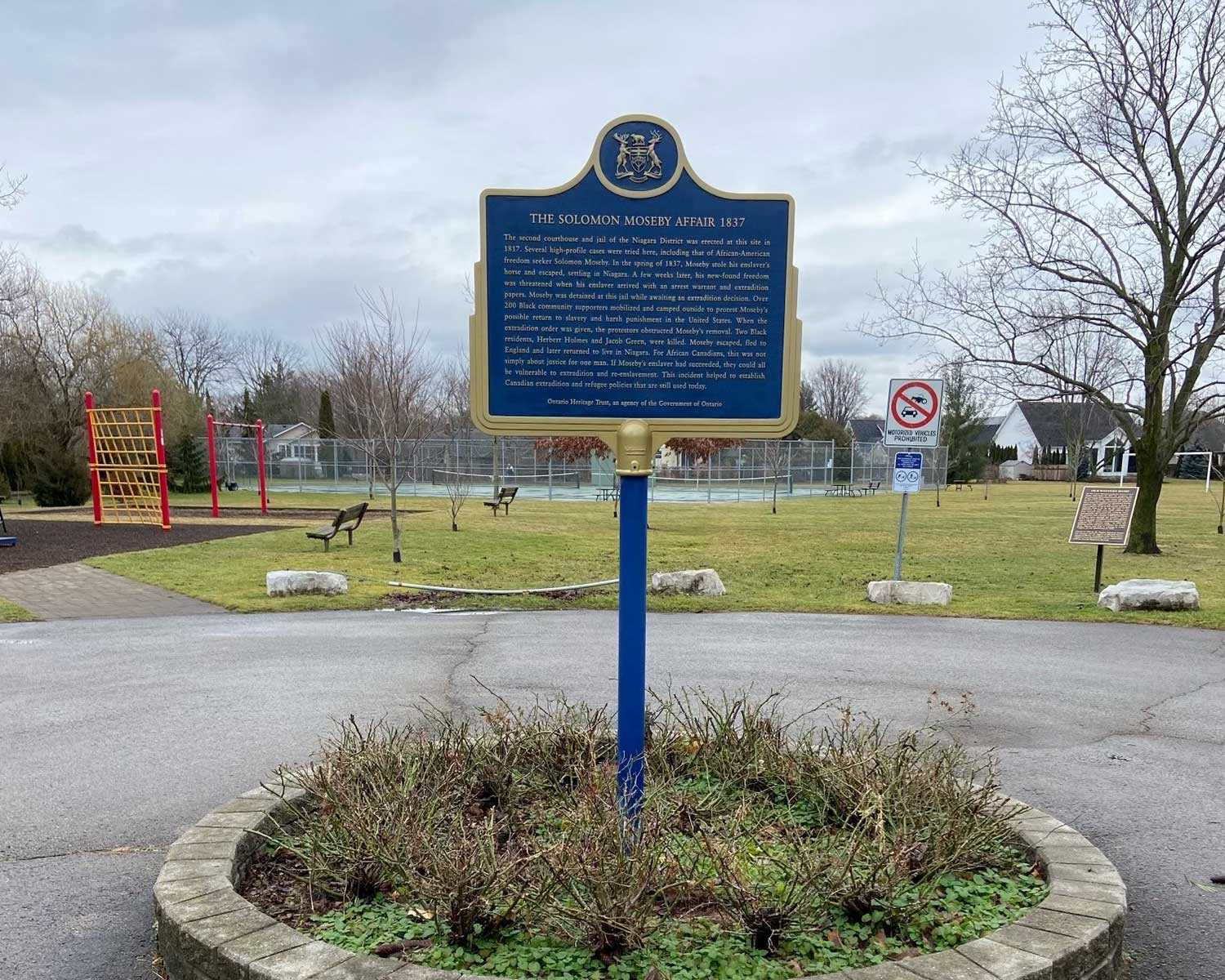
Solomon Moseby Affair 1837, The
Learn more About Plaque Solomon Moseby Affair 1837, The in Plaque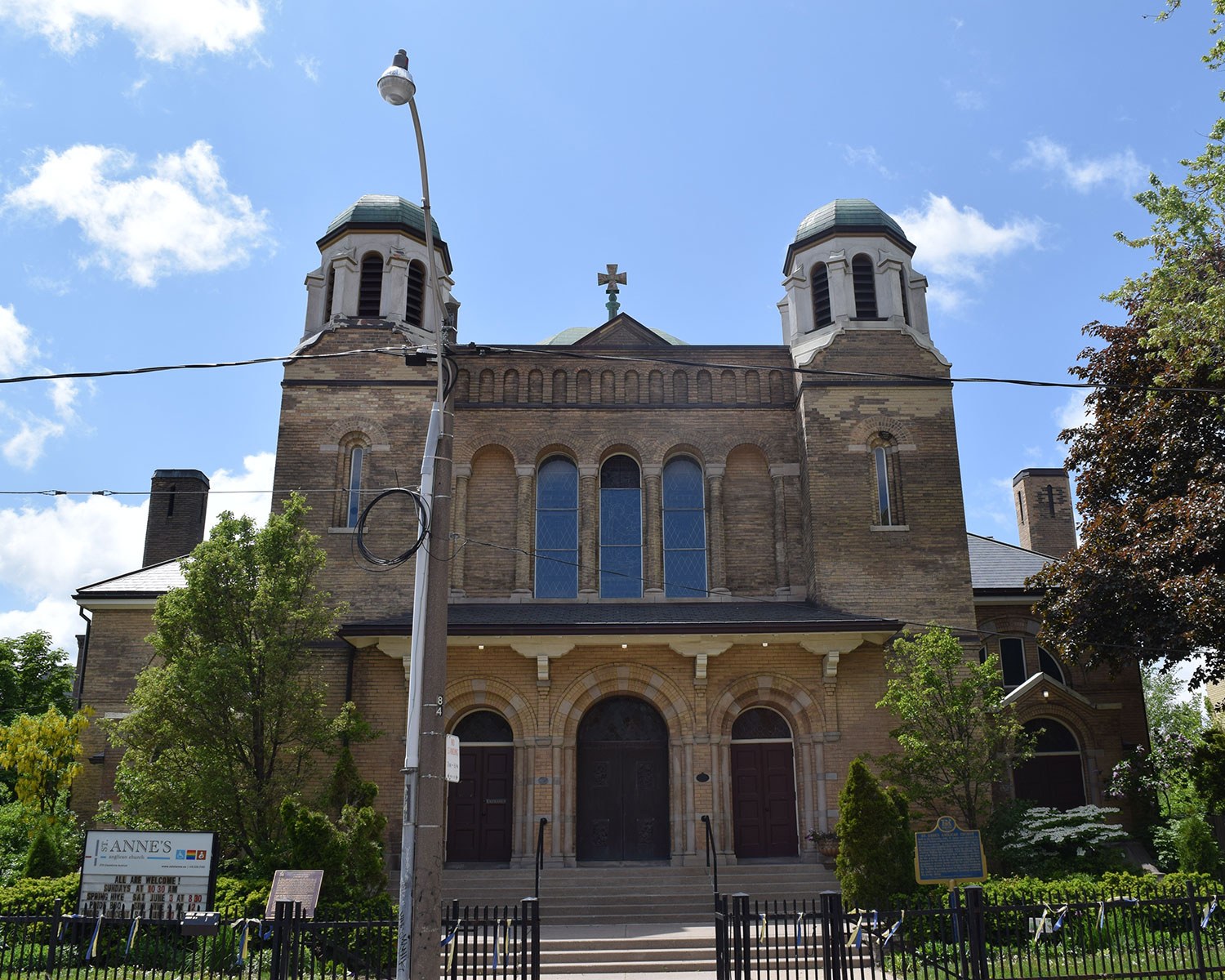
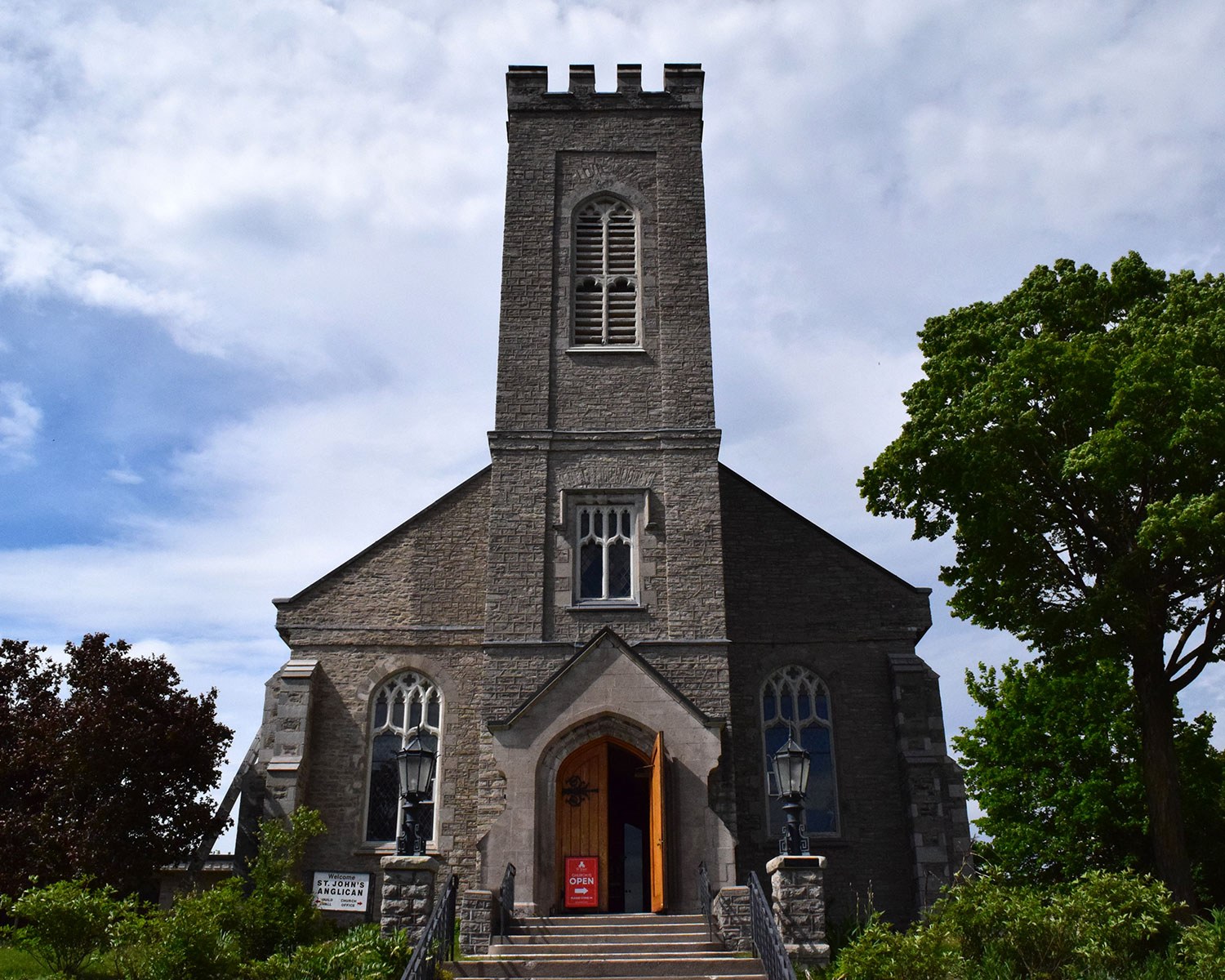

St. Michael's Cathedral
This church is the main church of Canada’s largest English-speaking Catholic archdiocese. Begun in 1845, the site has seen several additions over the years — including the chancel window in 1858 and the tower and spire in 1867.
Learn more
About
Plaque
St. Michael's Cathedral in Plaque
Stanley Barracks
Named in honour of Governor General Lord Stanley (also of hockey fame), the Stanley Barracks have been here since the 1840s. Today, all that remains is this building, the Officers’ Quarters.
Learn more
About
Plaque
Stanley Barracks in Plaque
Stephen Butler Leacock (England)
Learn more About Plaque Stephen Butler Leacock (England) in Plaque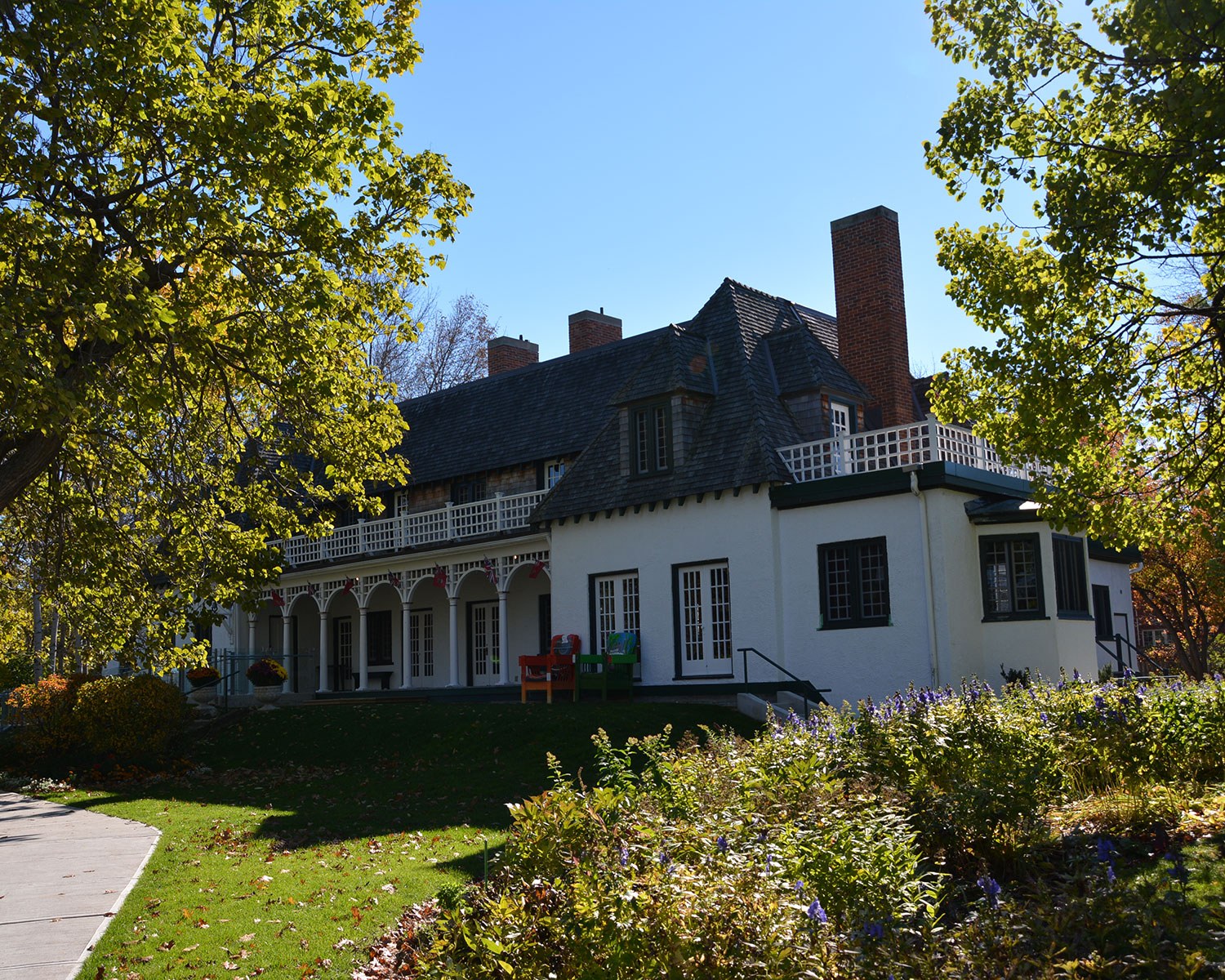
Stephen Butler Leacock (Ontario)
Learn more About Plaque Stephen Butler Leacock (Ontario) in Plaque
Stone Frigate, The
This building was constructed as a naval warehouse. By 1876, it was refitted to house the newly established Royal Military College of Canada.
Learn more
About
Plaque
Stone Frigate, The in Plaque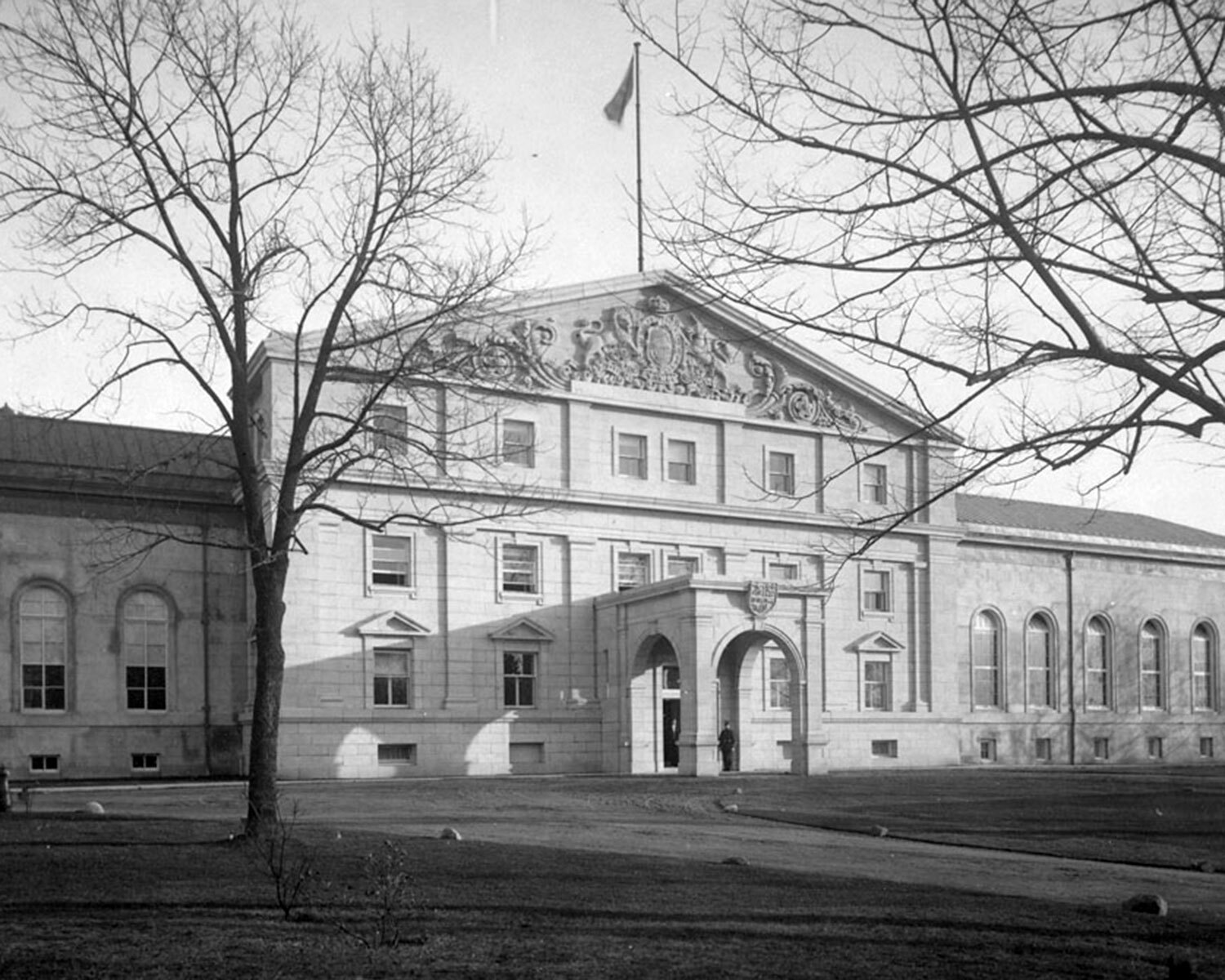
Thomas McKay 1792-1855
This Scottish-born master mason came to Ottawa to work on the entrance locks of the Rideau Canal and the first bridge that spanned the Ottawa River to connect Ottawa and Hull (now Gatineau). McKay built his residence, Rideau Hall, in 1838 — which was purchased by the Government of Canada to become the official residence of the Governor General.
Learn more
About
Plaque
Thomas McKay 1792-1855 in Plaque
Toronto Normal School
Established by Egerton Ryerson in 1847, the Toronto Normal School was the first provincial institution for the systematic training of elementary school teachers.
Learn more
About
Plaque
Toronto Normal School in Plaque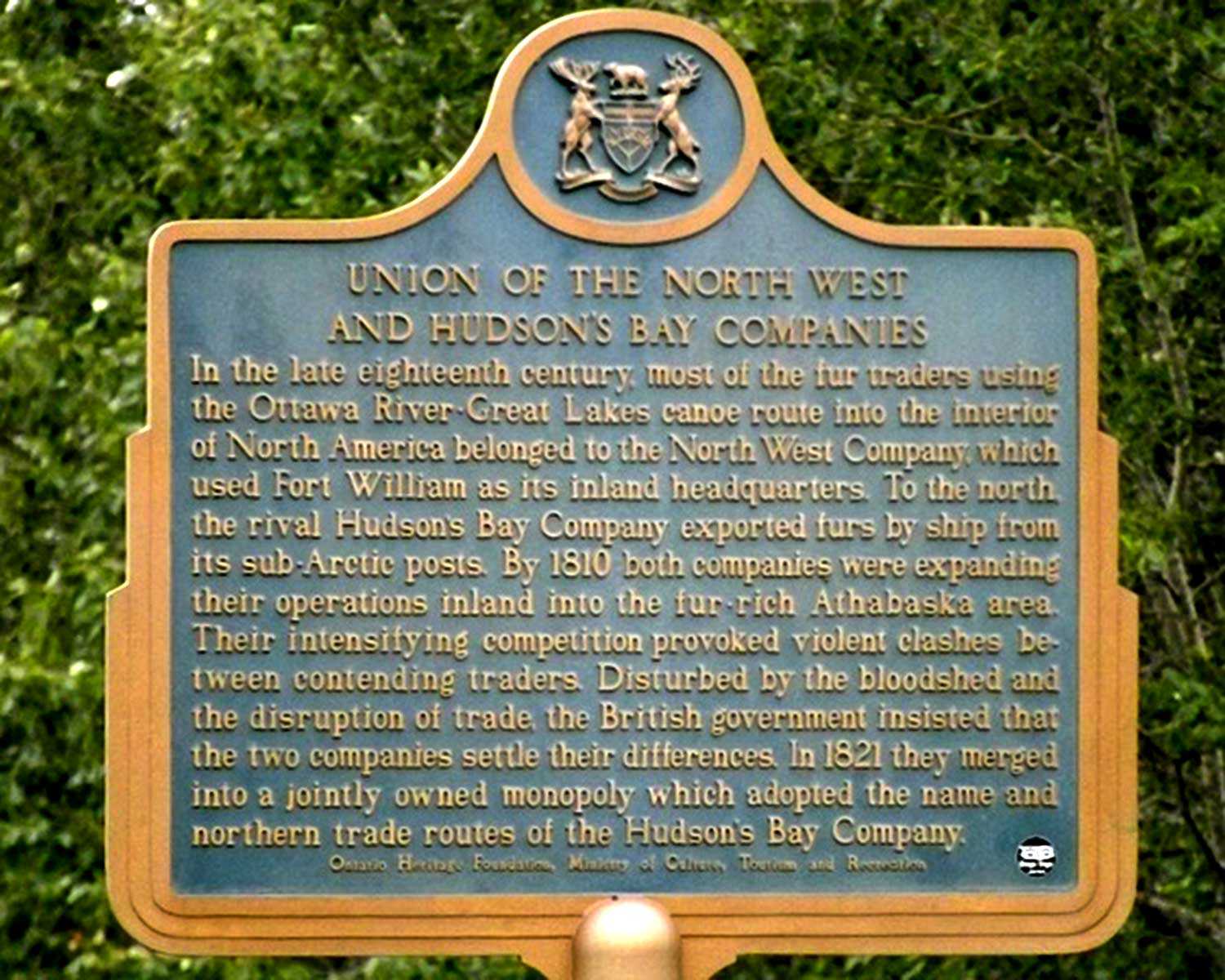
Union of the North West and Hudson's Bay Companies
This plaque commemorates the merger of the rival North West and Hudson’s Bay Companies to settle ongoing — and bloody — disputes between the rival fur-trade companies.
Learn more
About
Plaque
Union of the North West and Hudson's Bay Companies in Plaque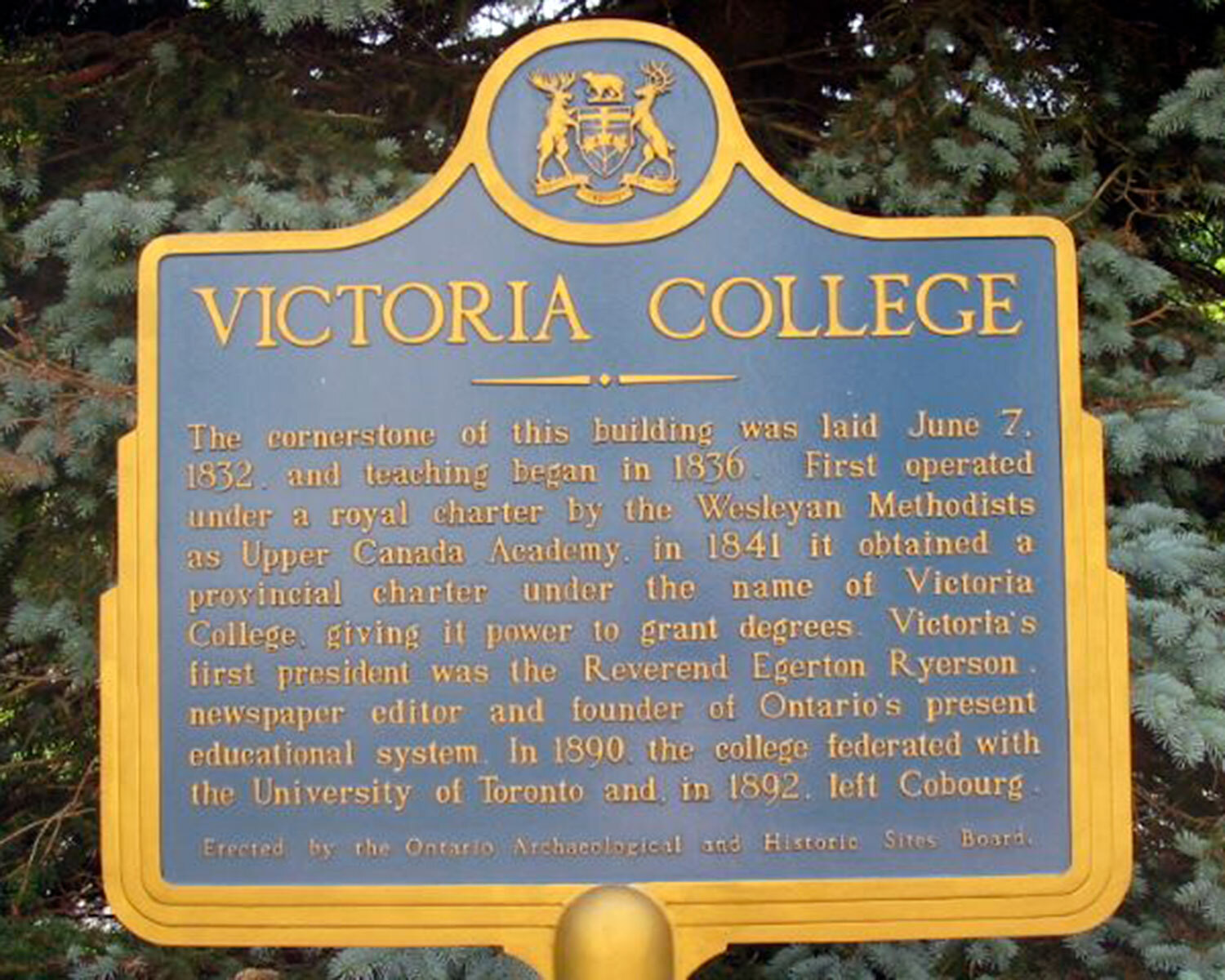
Victoria College
Teaching began at this new college in 1836. By 1841, they were granting degrees. In 1890, it federated with the University of Toronto and, two years later, left Cobourg.
Learn more
About
Plaque
Victoria College in Plaque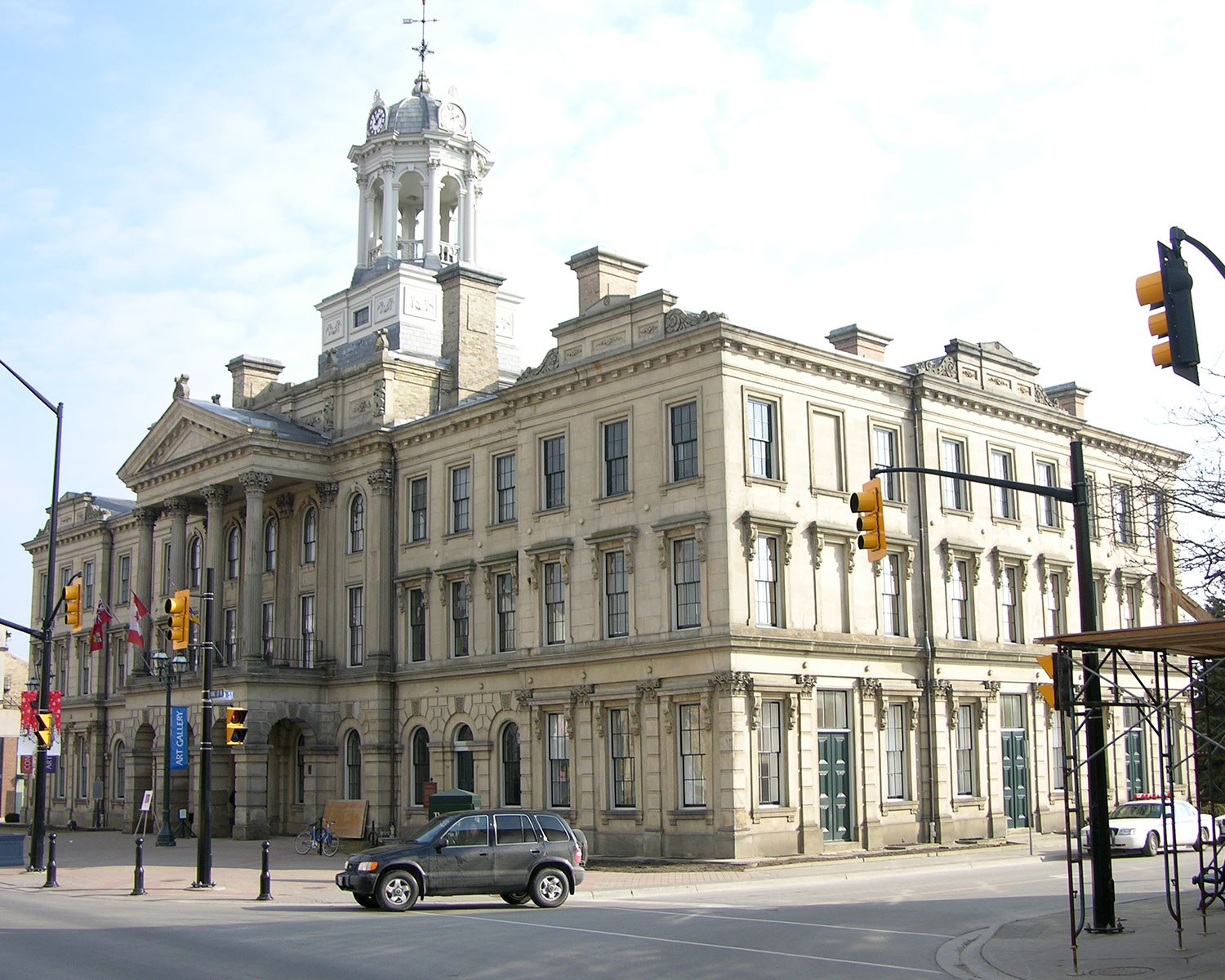
Victoria Hall
This imposing classical structure was built as an expression of civic pride and confidence. Finished in 1860, it housed a courtroom and a concert hall. Its distinctive cupola remains a landmark. In 1983, it re-opened following an extensive restoration program.
Learn more
About
Plaque
Victoria Hall in Plaque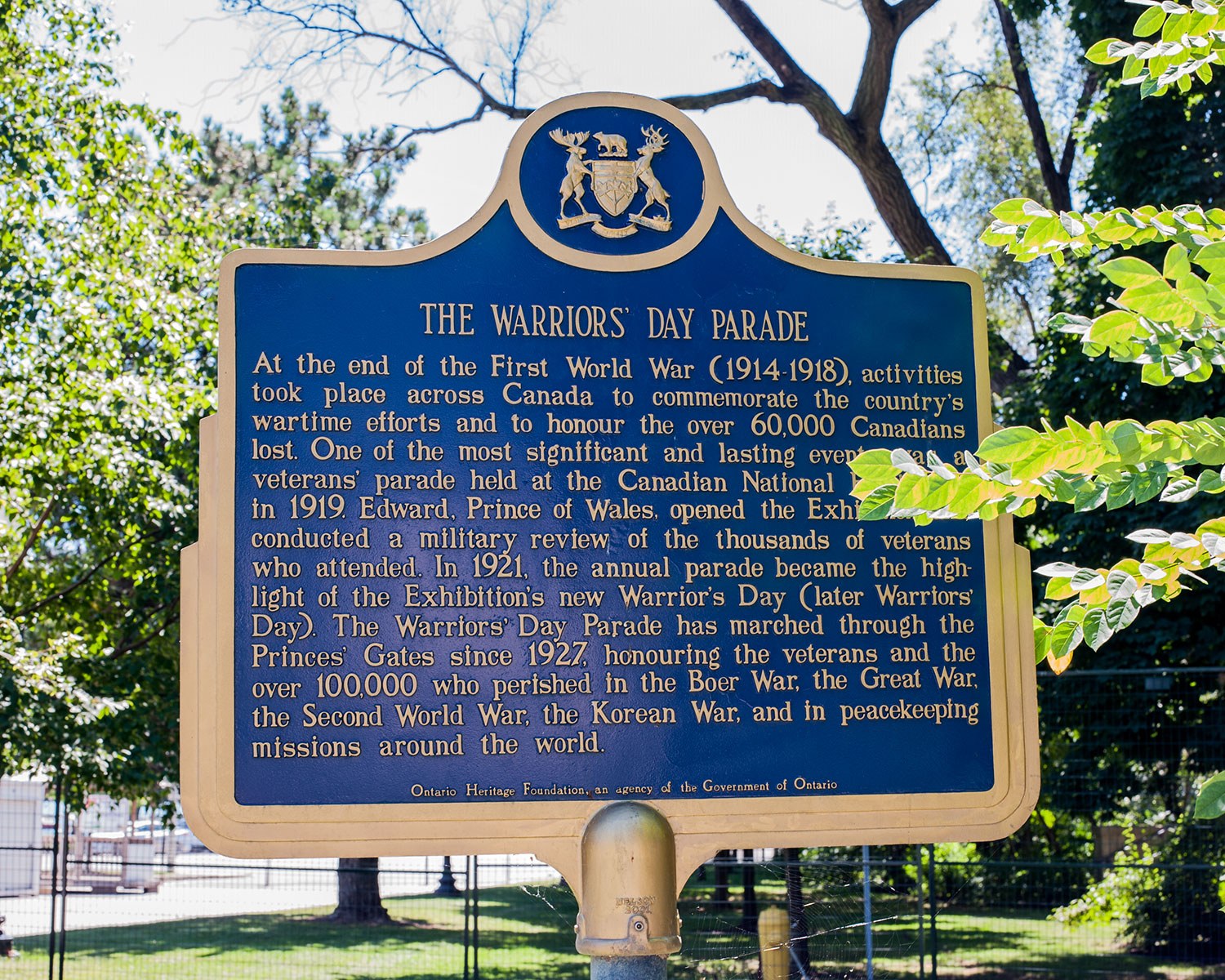
Warriors' Day Parade, The
Near the entrance to the Exhibition grounds is this plaque that honours war veterans.
Learn more
About
Plaque
Warriors' Day Parade, The in Plaque
Western Route of the CPR, The
In June 1875, the first sod on the Canadian Pacific Railway’s line from the Lakehead to the West was turned here in Fort William. The last spike was driven in 1885.
Learn more
About
Plaque
Western Route of the CPR, The in Plaque
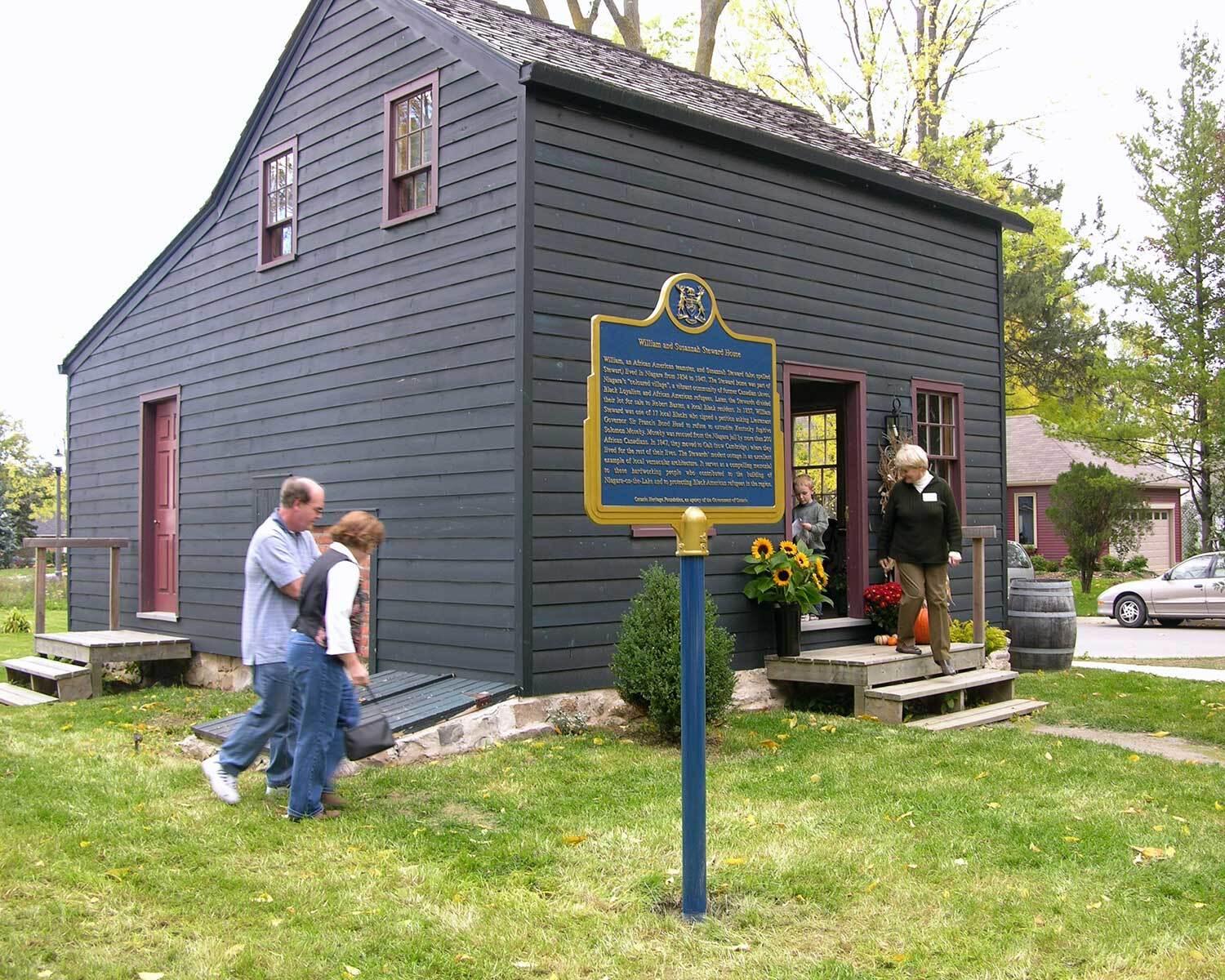
William and Susannah Steward House
Learn more About Plaque William and Susannah Steward House in Plaque
William McGillivray 1764-1825
Fort Kaministiquia was renamed Fort William in honour of this man, a Scot who rose through the ranks of the North West Company to become its principal director by 1804.
Learn more
About
Plaque
William McGillivray 1764-1825 in Plaque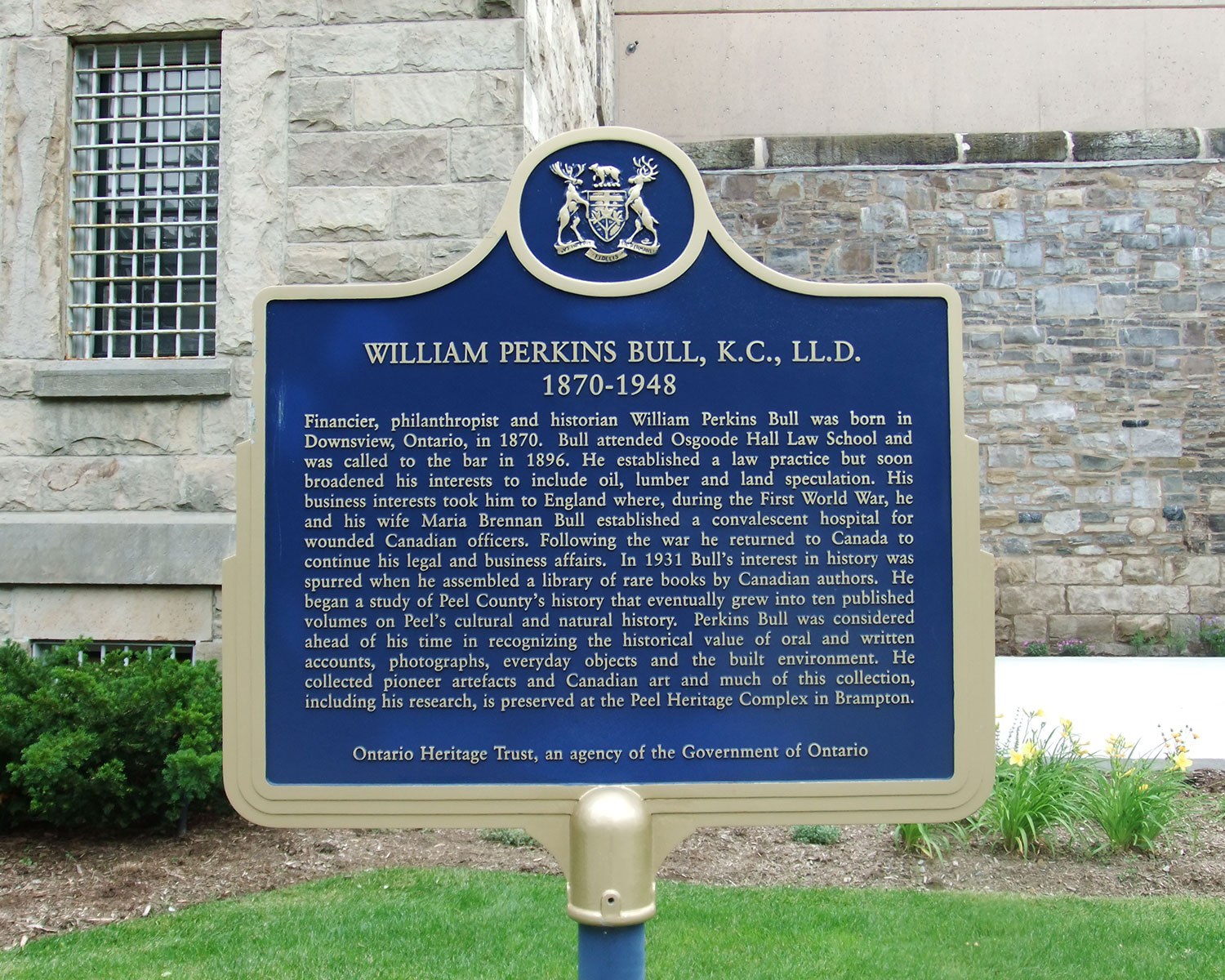
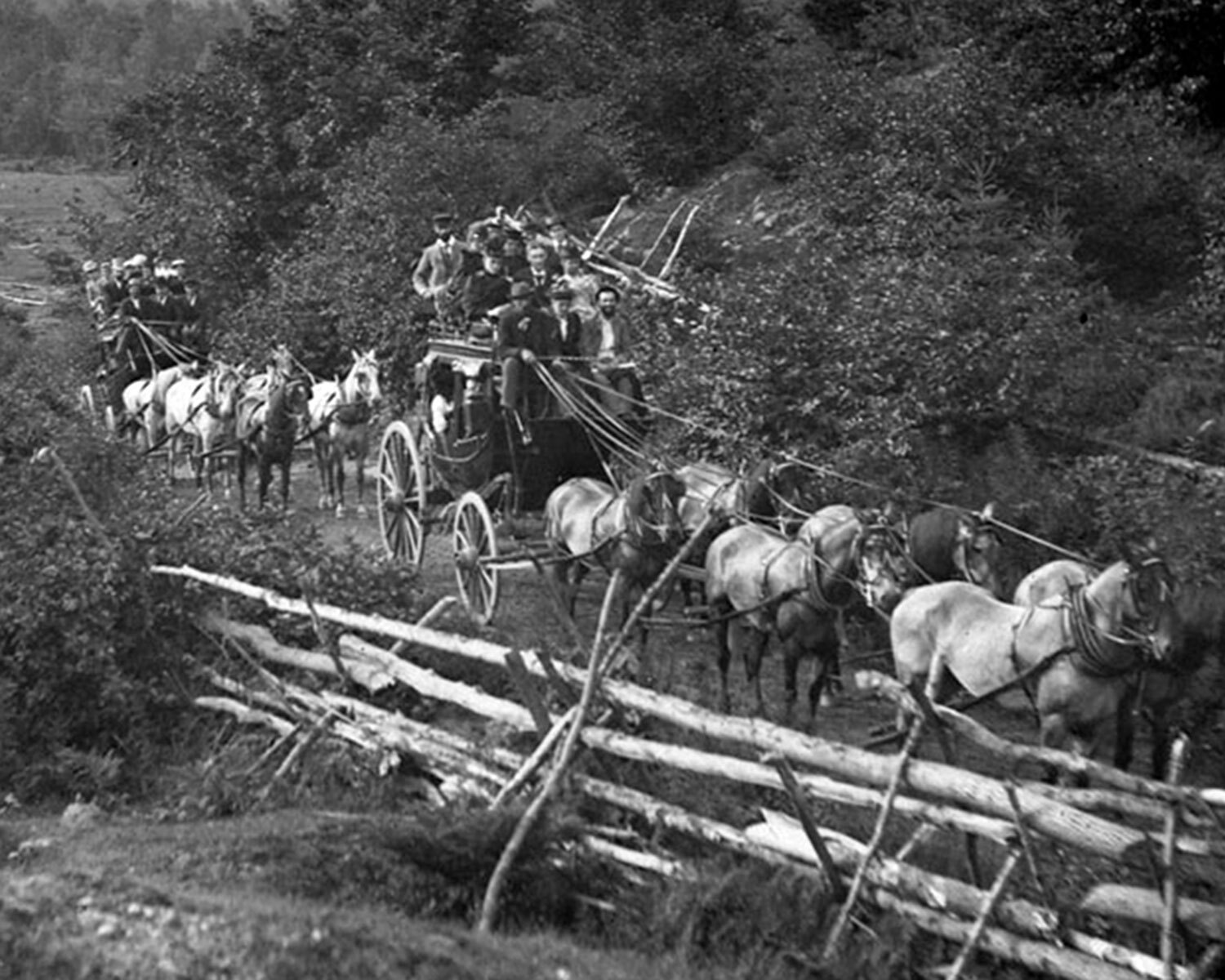
William Weller 1799-1863
Weller contributed to some of Cobourg’s growth by offering a stagecoach operation between Hamilton and Montreal. In 1840, he made record time (37 hours and 40 minutes) conveying the Governor General from Toronto to Montreal.
Learn more
About
Plaque
William Weller 1799-1863 in Plaque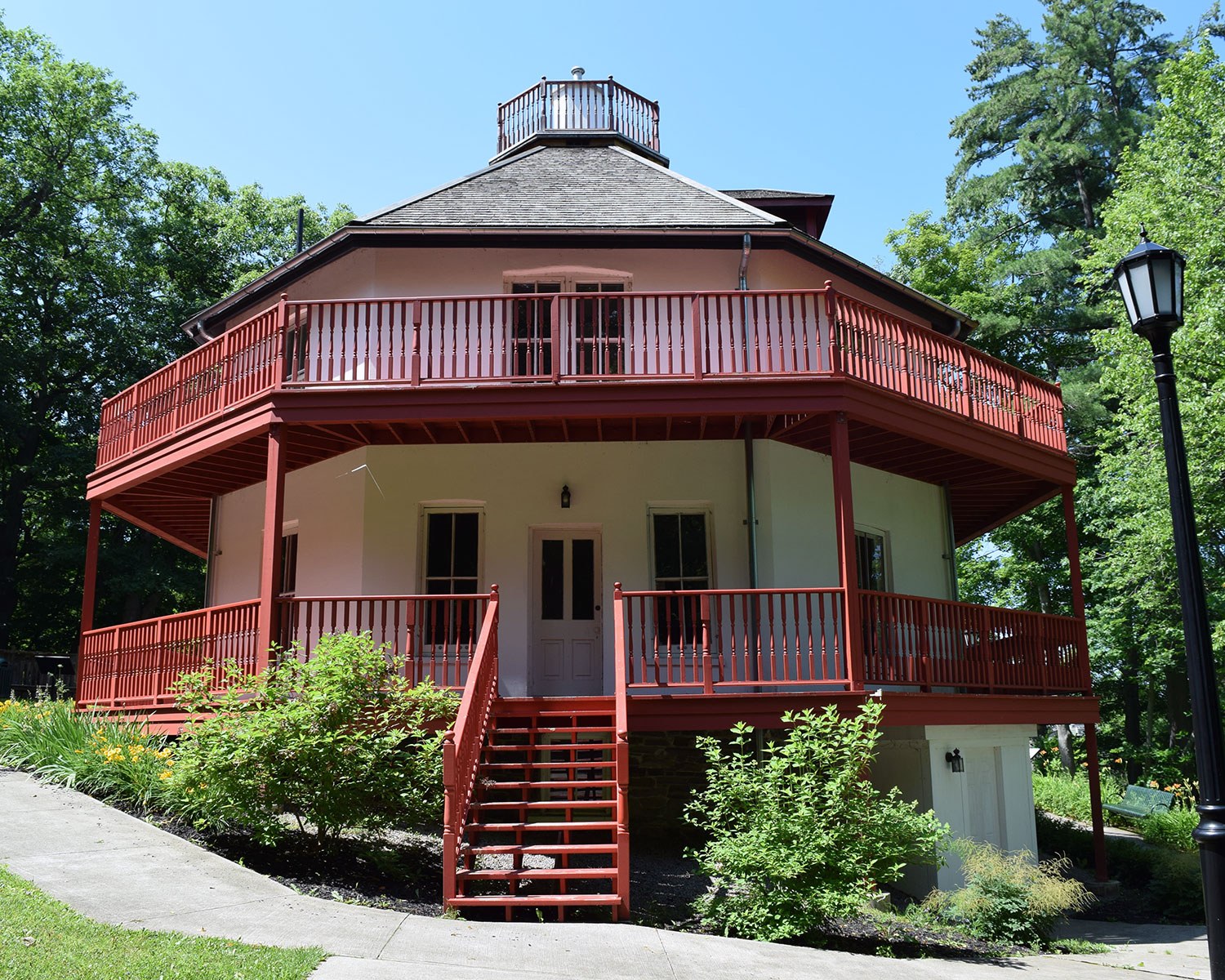
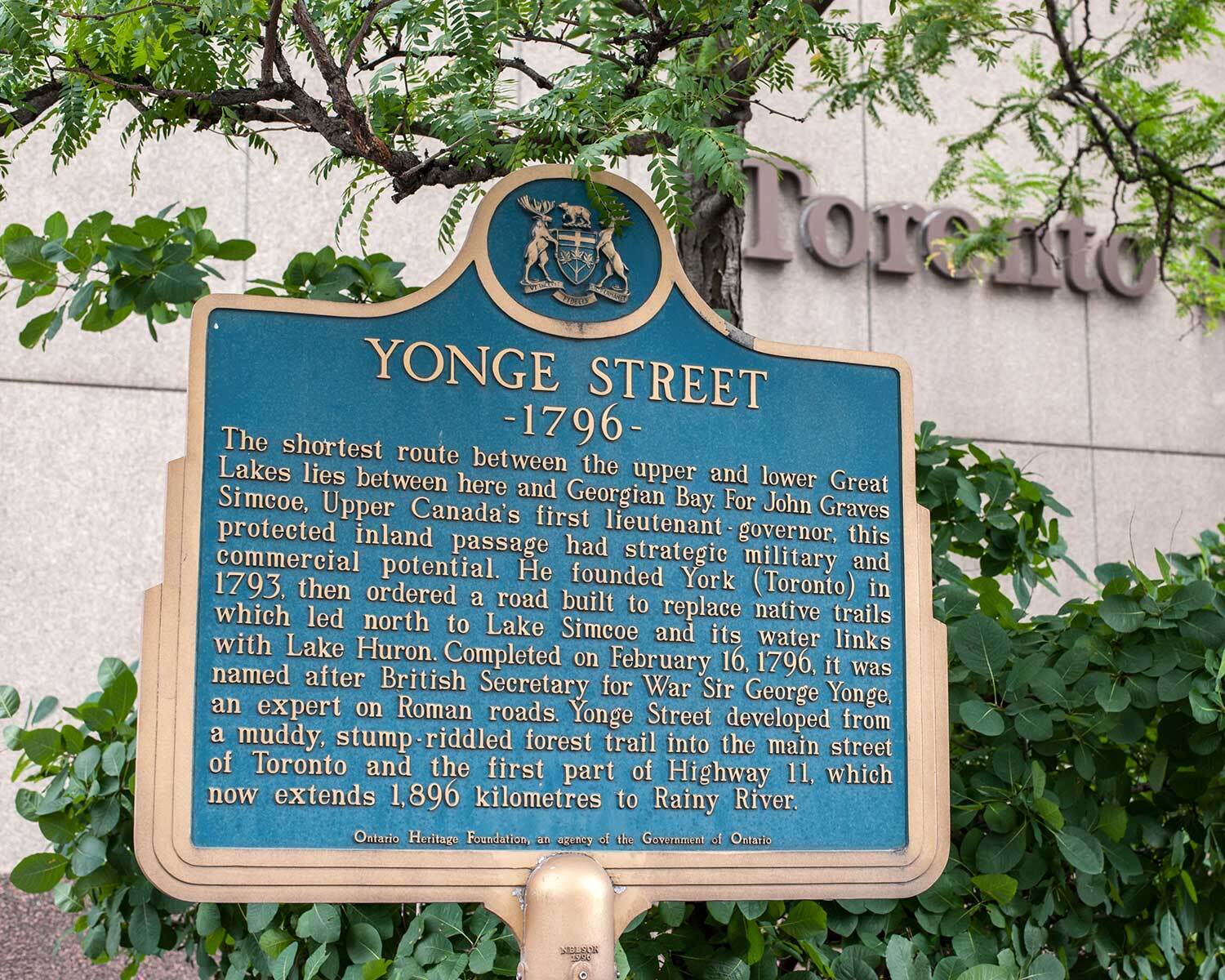
Yonge Street 1796
The longest street in the world was built by Ontario’s first lieutenant governor, John Graves Simcoe, to connect his recently founded Town of York with the naval base at Penetanguishene on Georgian Bay.
Learn more
About
Plaque
Yonge Street 1796 in Plaque