


Find content throughout the website that has been tagged:
adaptive reuse (1)
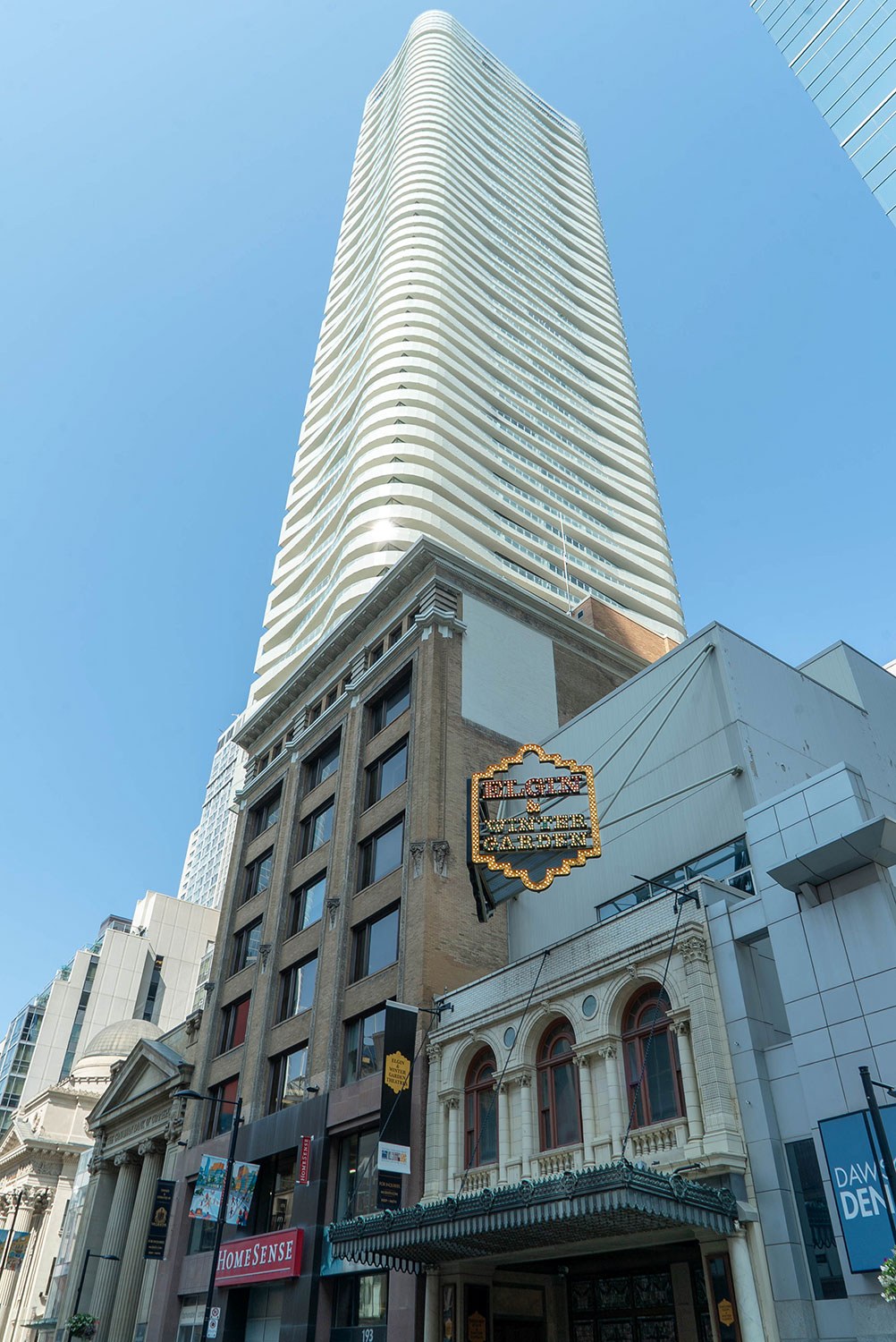
The complexity of collaboration
Learn more About article The complexity of collaboration in adaptive reuseAgriculture (2)

Canadian National Exhibition
This plaque commemorates the establishment of the Exhibition (the “Ex”), a national event that has occurred since 1912.
Learn more
About
Plaque
Canadian National Exhibition in agriculture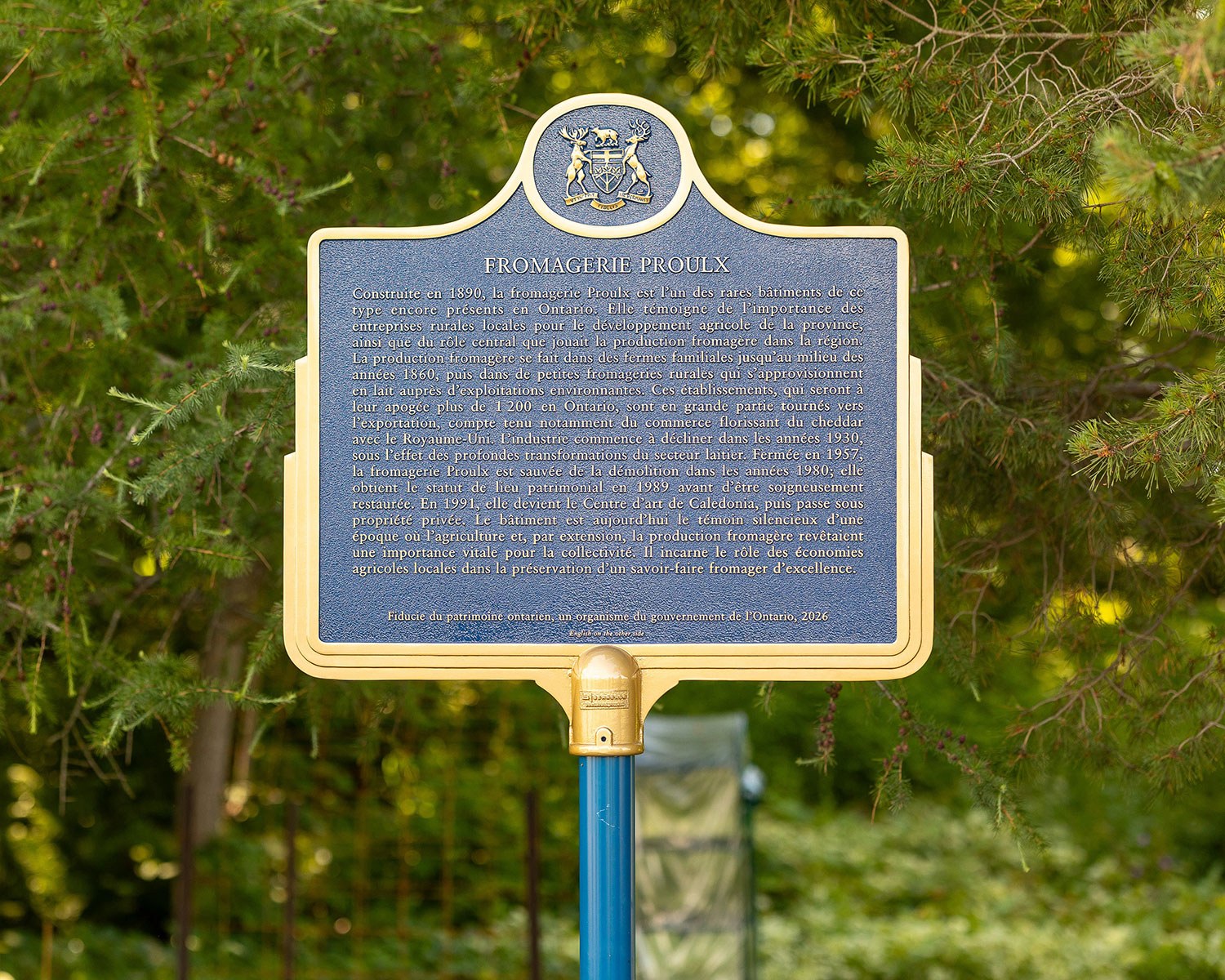
Proulx Cheese Factory
Built in 1890, the Proulx Cheese Factory is one of the few remaining buildings of its kind in Ontario. It reflects the importance of locally run rural enterprises to the province’s agricultural development and the central role that cheesemaking had in the region ...
Learn more
About
Plaque
Proulx Cheese Factory in agricultureArchaeology (9)
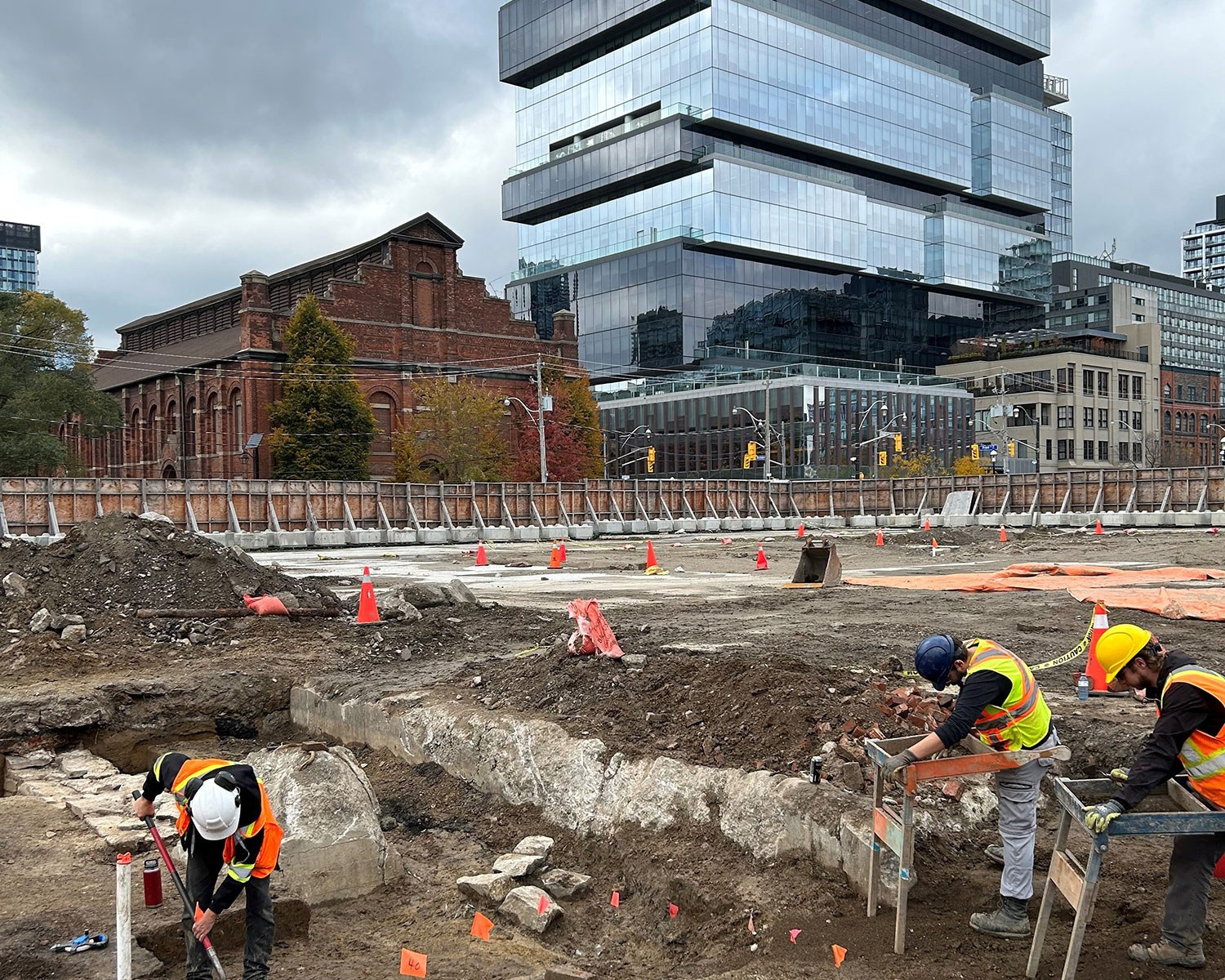
Layer by layer — 1. Introduction
With centuries of buildup above, archaeologists were not hopeful that anything from the First Parliament buildings survived below. In 2000, they dug down, layer by layer, until they passed the remains of the jail. Then, to everyone’s surprise, they found what they were looking for: evidence of Ontario’s cradle of democracy.
Learn more
About
online exhibit
Layer by layer — 1. Introduction in archaeology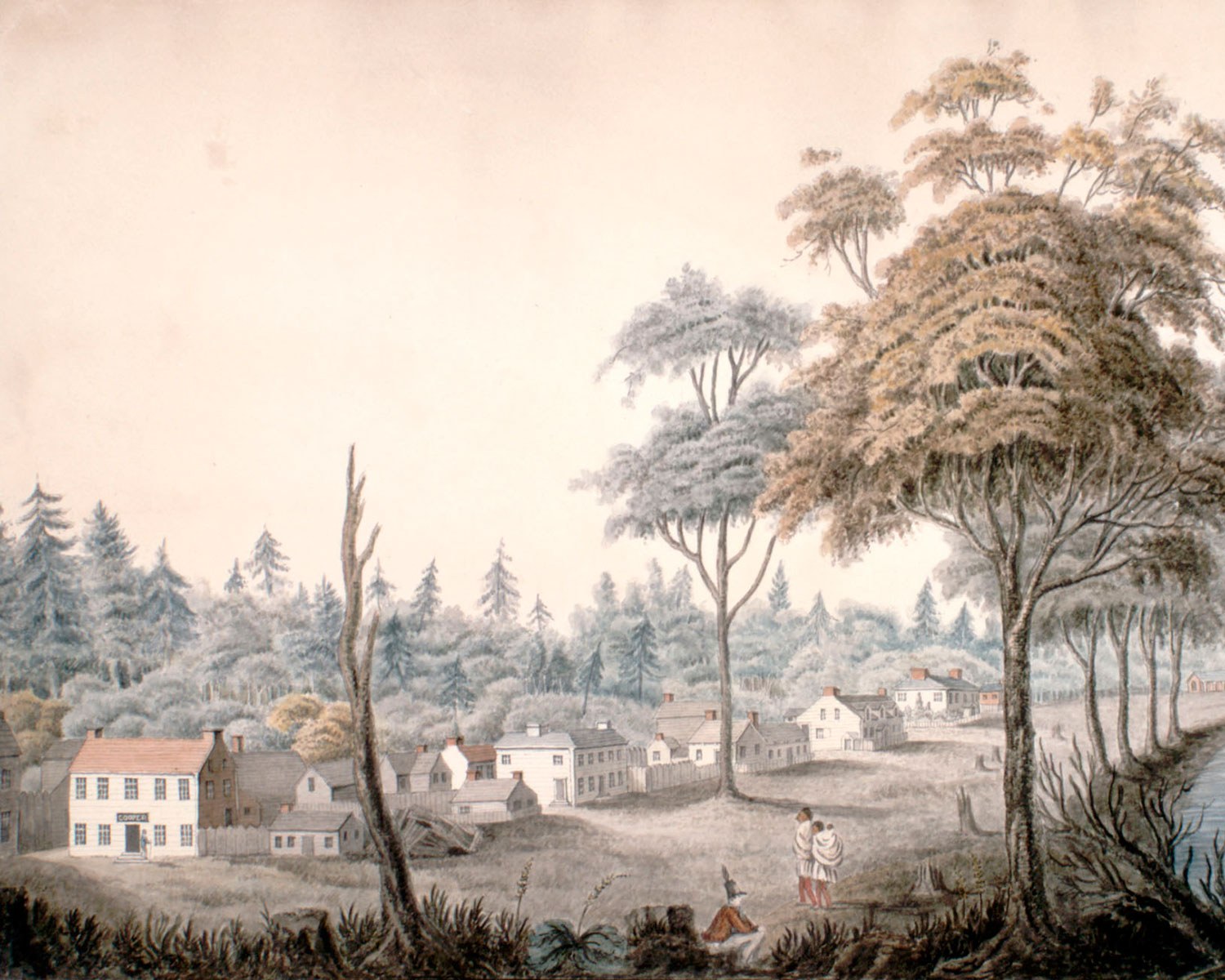
Layer by layer — 2. First Parliament throughout the ages
Indigenous people have lived on this land for over 13,000 years. Today, this land continues to be home to these communities and many other diverse Indigenous Peoples.
Learn more
About
online exhibit
Layer by layer — 2. First Parliament throughout the ages in archaeology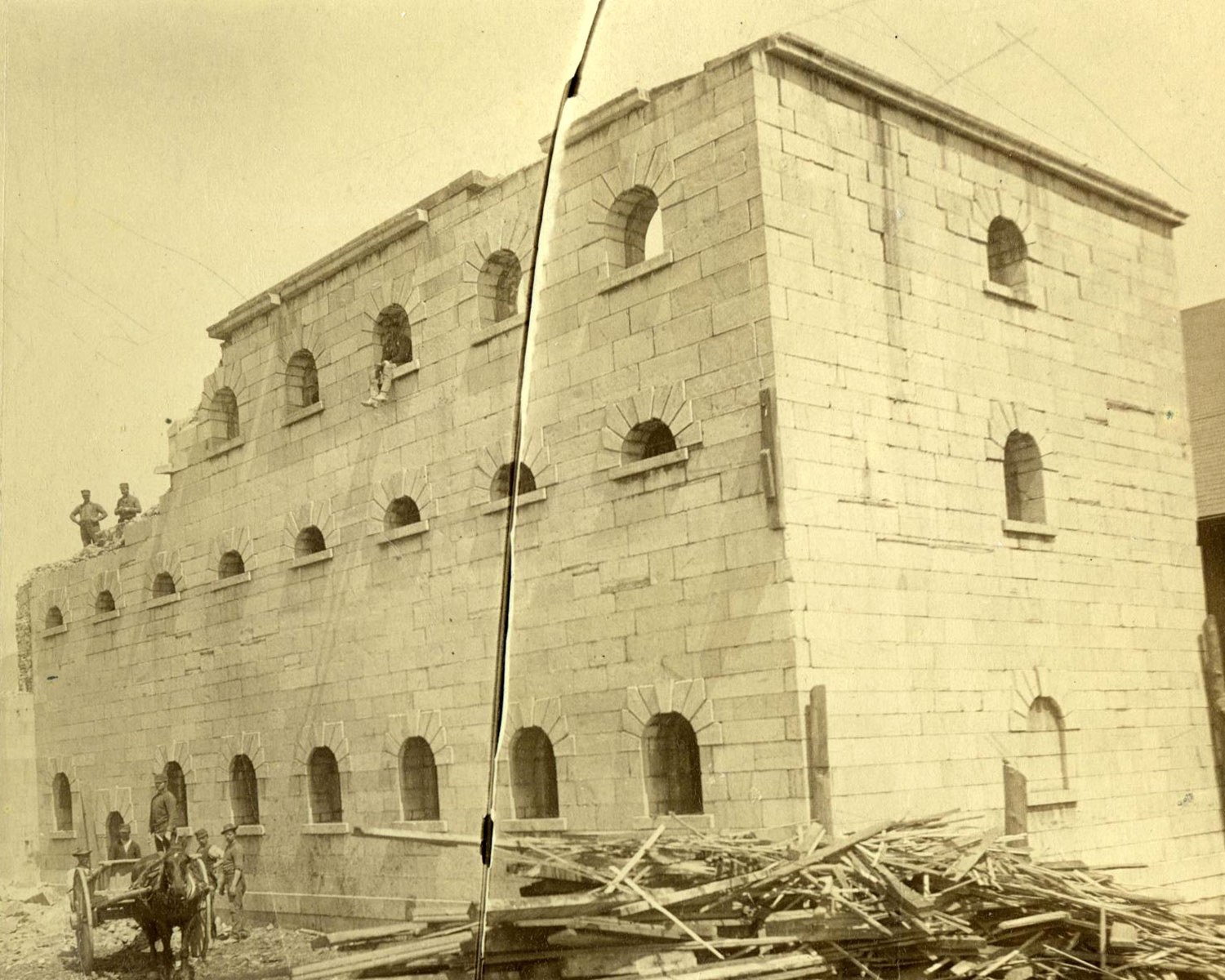
Layer by layer — 3. Layers of history
Archaeologists began their excavations at the First Parliament site in the fall of 2000. The project was focused on finding the remains of the First Parliament buildings. In the 200 years since the buildings were constructed, the city has changed dramatically. With centuries of urban buildup, the archaeologists were not sure there would be anything left.
Learn more
About
online exhibit
Layer by layer — 3. Layers of history in archaeology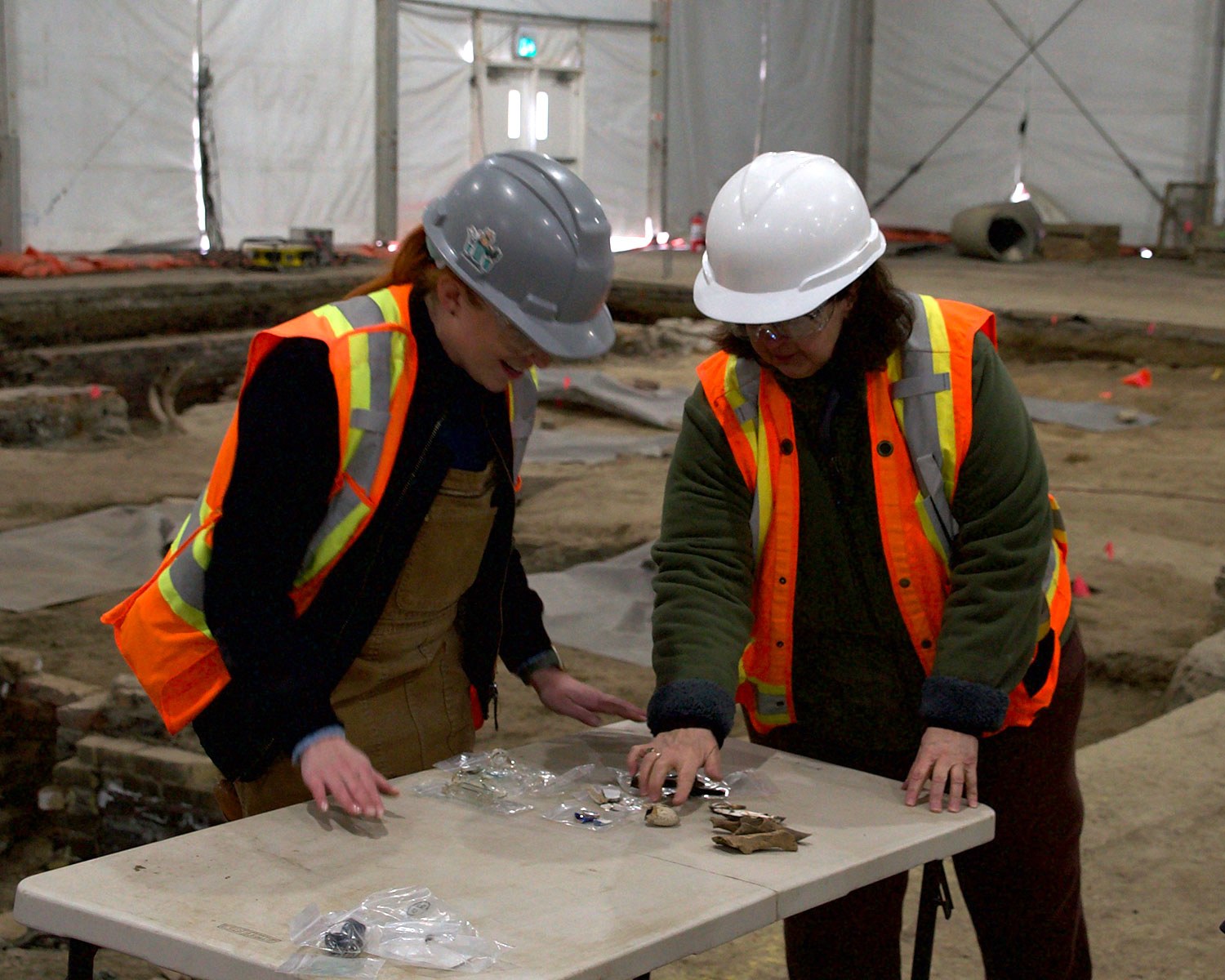
Layer by layer — 4. What is archaeology?
Artifacts and structures together form the physical history of past and present societies. By examining it all, we can better understand where and how people from the past lived. Excavations can tell us many things that books and records simply cannot.
Learn more
About
online exhibit
Layer by layer — 4. What is archaeology? in archaeology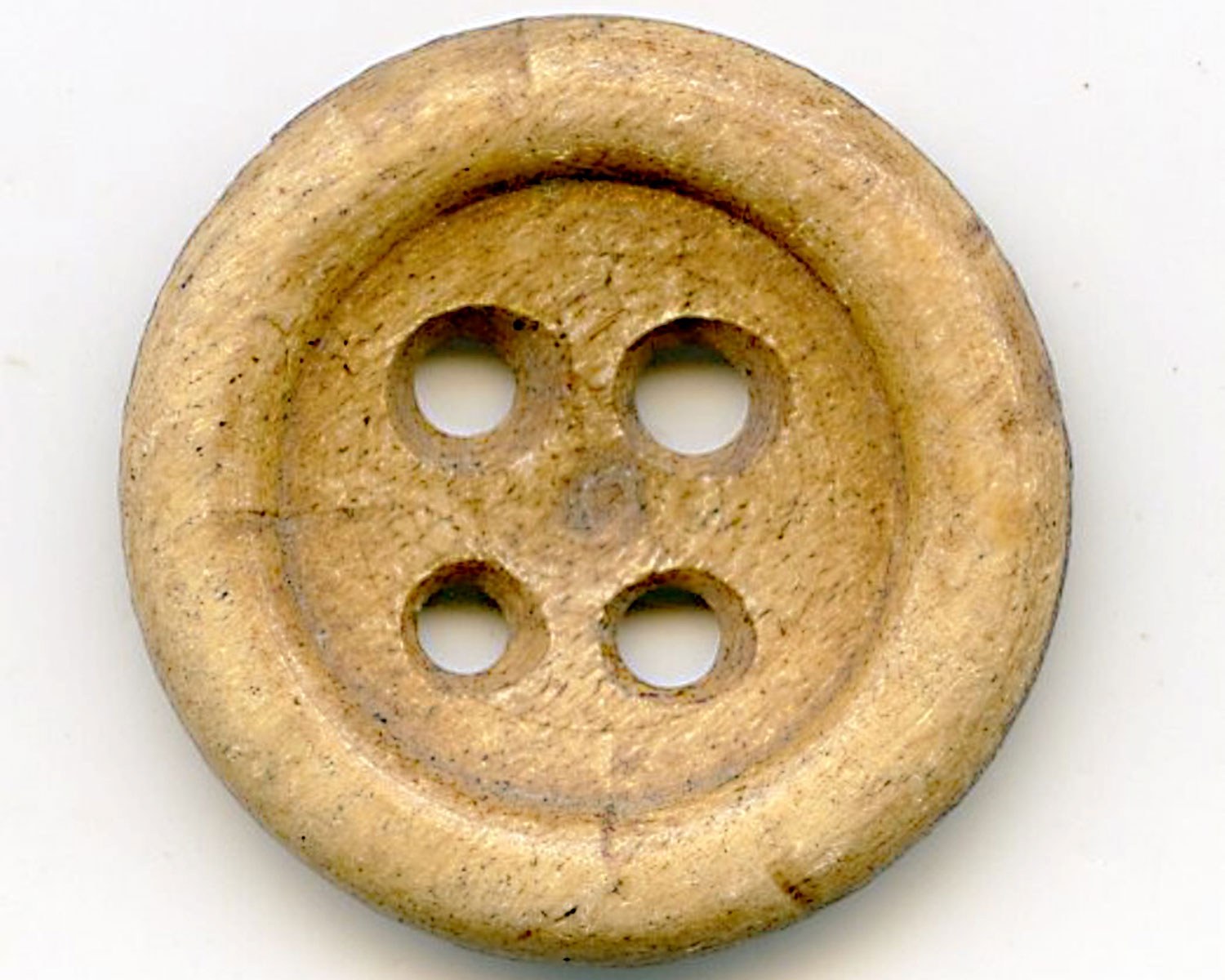
Layer by layer — 5. Learning from artifacts
One of the most exciting parts of working on an excavation site is uncovering artifacts. Archaeologists rarely find objects intact. But even fragments of the past can be thrilling discoveries. The smallest sherds can tell us a lot about how people used the site and give us a glimpse into their lives.
Learn more
About
online exhibit
Layer by layer — 5. Learning from artifacts in archaeologyLayer by layer — 6. The legacy of First Parliament
The site of First Parliament played an important role in the history of Toronto and the province of Ontario. Fort York and First Parliament bookend the early city. These were the first two centres of colonial activity: military and administrative. It was a key part of the settlement’s foundation, establishing York as a political centre.
Learn more
About
online exhibit
Layer by layer — 6. The legacy of First Parliament in archaeology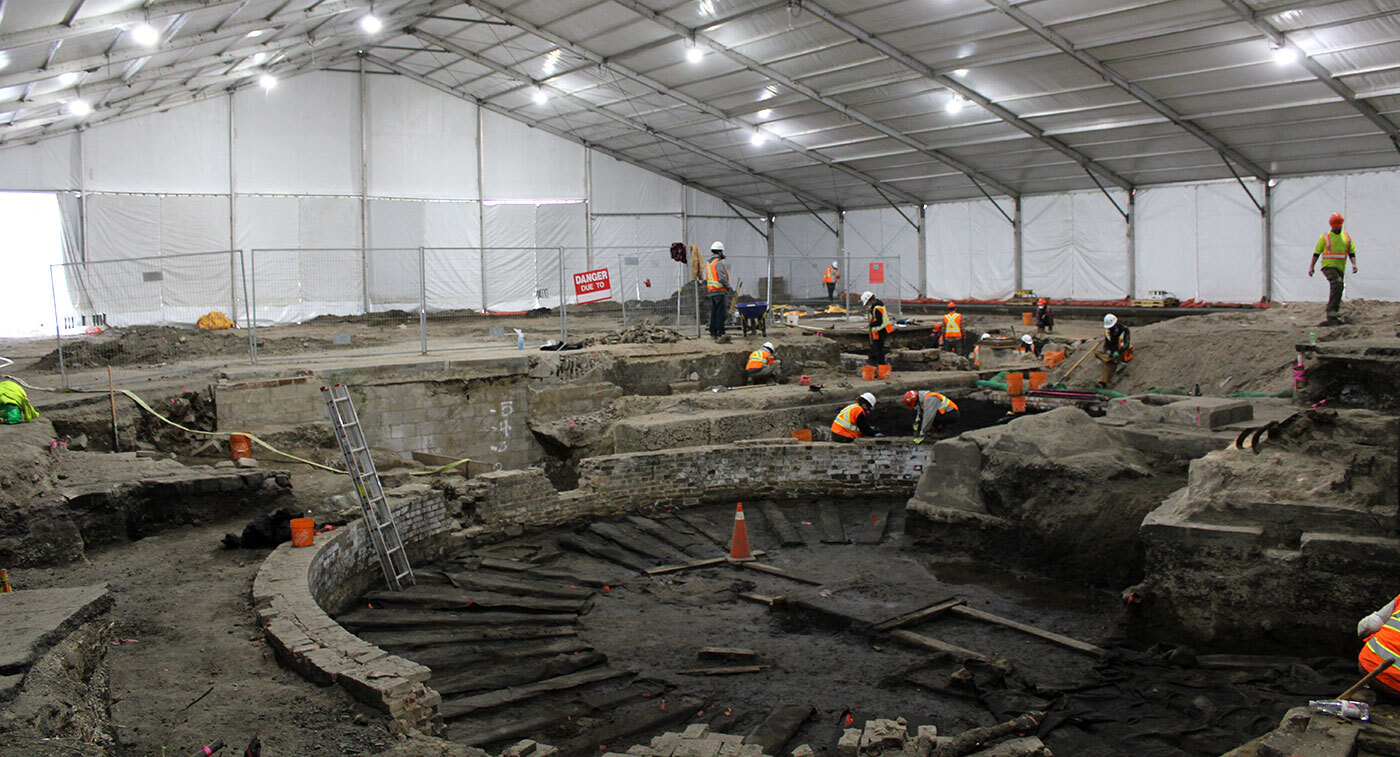
Layer by layer — Start: Archaeology in the heart of Toronto
Walking by the intersection of Front and Parliament streets in the heart of Toronto, you might not realize the history beneath your feet.
Learn more
About
online exhibit
Layer by layer — Start: Archaeology in the heart of Toronto in archaeology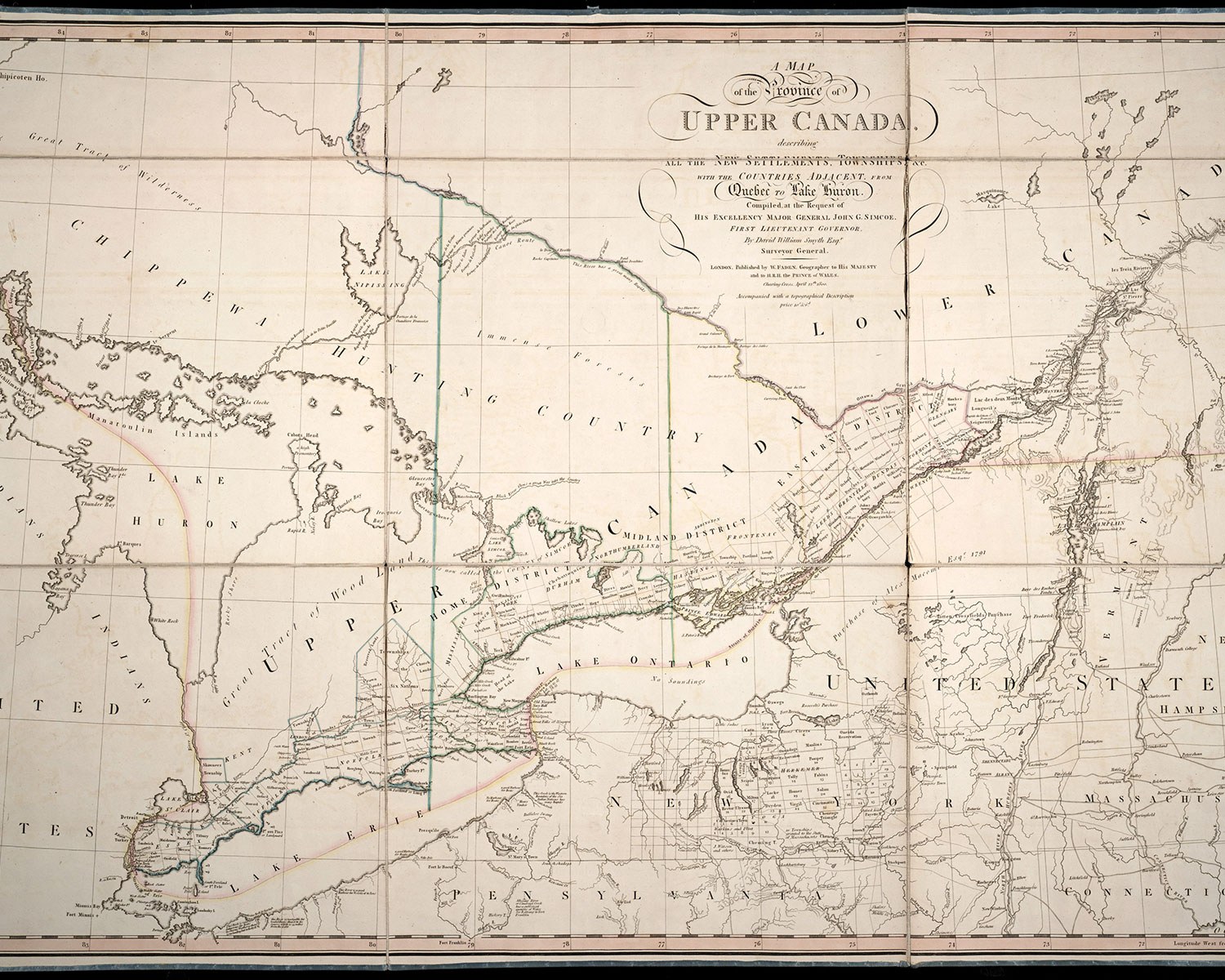
Milestones in Ontario’s history
Ontario’s history is made up of countless little stories passed down through many generations of people. Over time, Ontario has become more prosperous, innovative and equitable, but change has not been linear or universal to all people.
Learn more
About
online exhibit
Milestones in Ontario’s history in archaeologyArts and culture (17)

Canadian International Air Show
Begun in 1946, this renowned air show has fascinated audiences and forced people to look up into the skies above Toronto ever since.
Learn more
About
Plaque
Canadian International Air Show in arts and cultureCanadian National Exhibition
This plaque commemorates the establishment of the Exhibition (the “Ex”), a national event that has occurred since 1912.
Learn more
About
Plaque
Canadian National Exhibition in arts and culture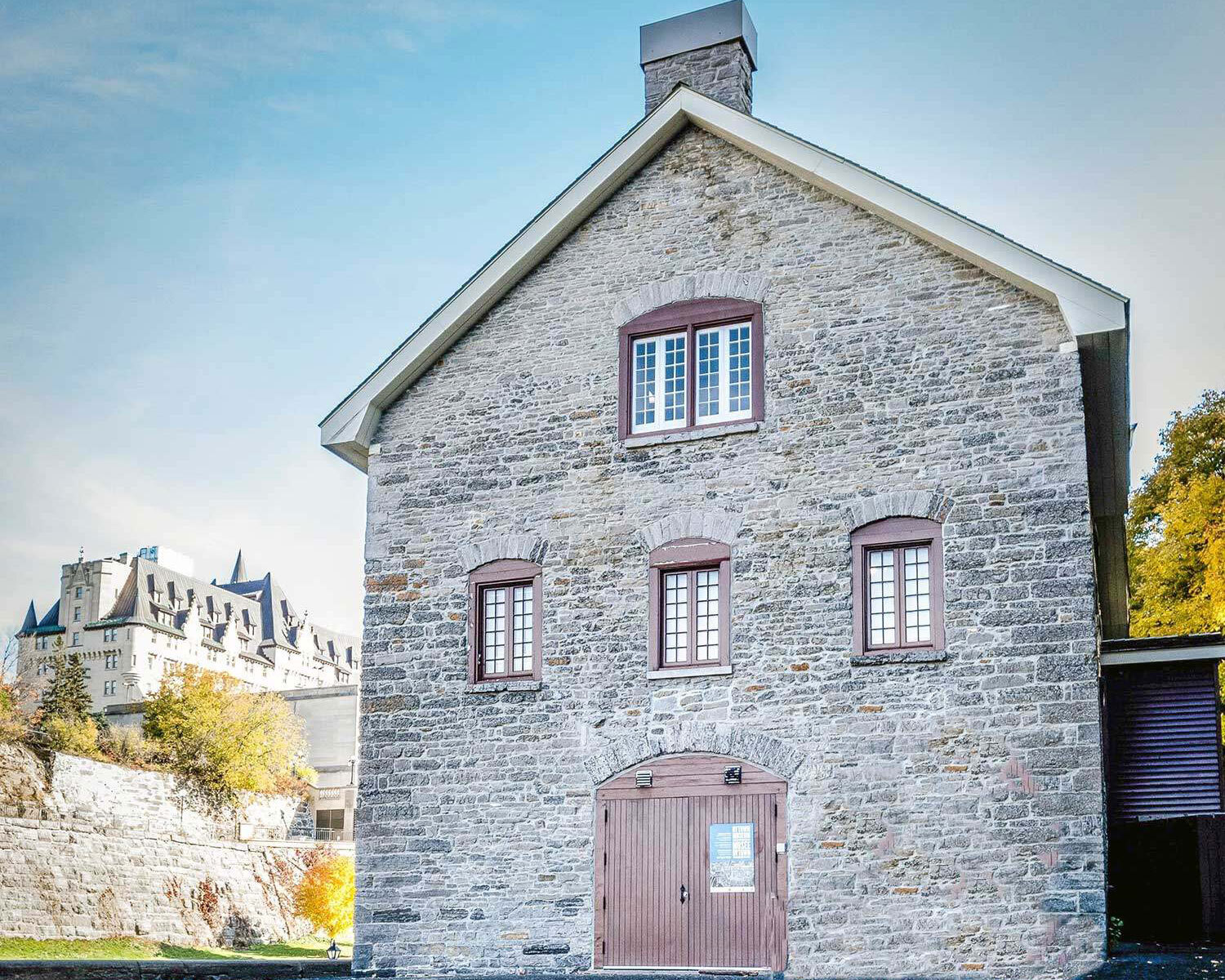
Commissariat Building 1827
Today a museum, this structure is the oldest existing stone building in Ottawa. During the construction of the Rideau Canal, it was a storehouse, office and treasury. The building was turned over to the Canadian government in 1864.
Learn more
About
Plaque
Commissariat Building 1827 in arts and culture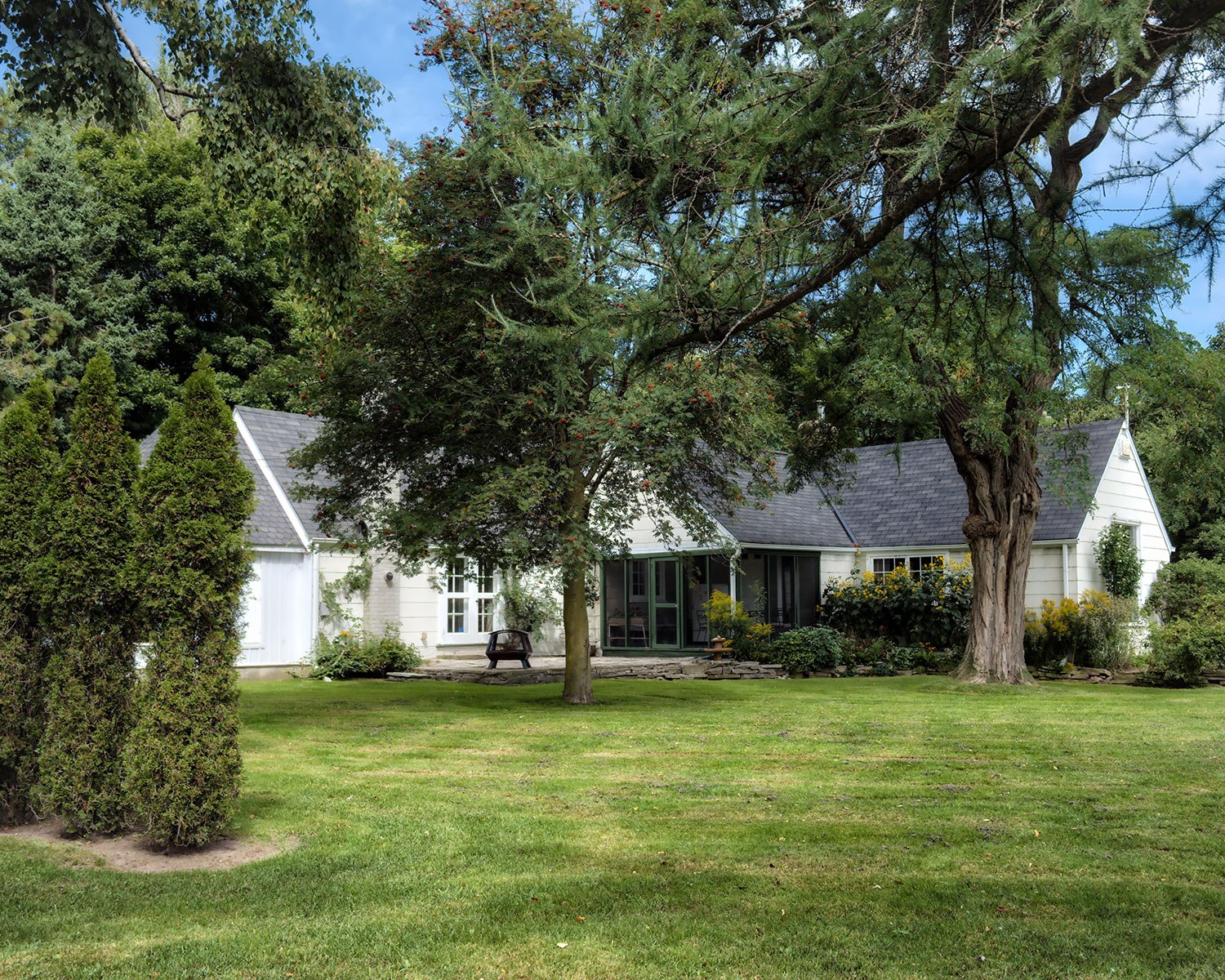
Fool's Paradise
Fool’s Paradise was the home and studio of Canadian landscape artist, writer and educator Doris McCarthy (1910-2010). The site overlooks Lake Ontario along Toronto’s Scarborough Bluffs.
Learn more
About
Property
Fool's Paradise in arts and culture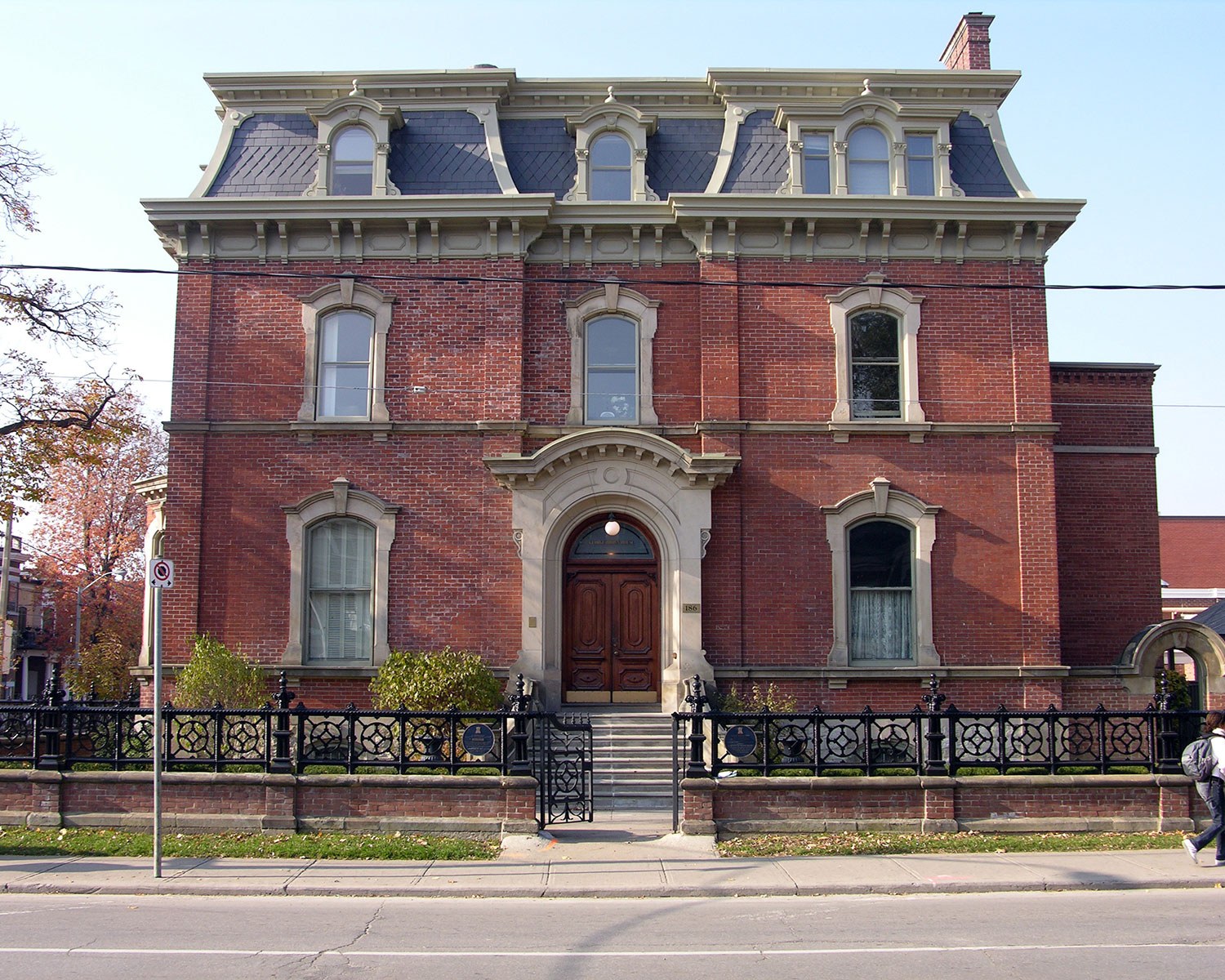
Hon. George Brown 1818-1880
Learn more About Plaque Hon. George Brown 1818-1880 in arts and cultureHonourable George Brown, The
Learn more About Plaque Honourable George Brown, The in arts and culture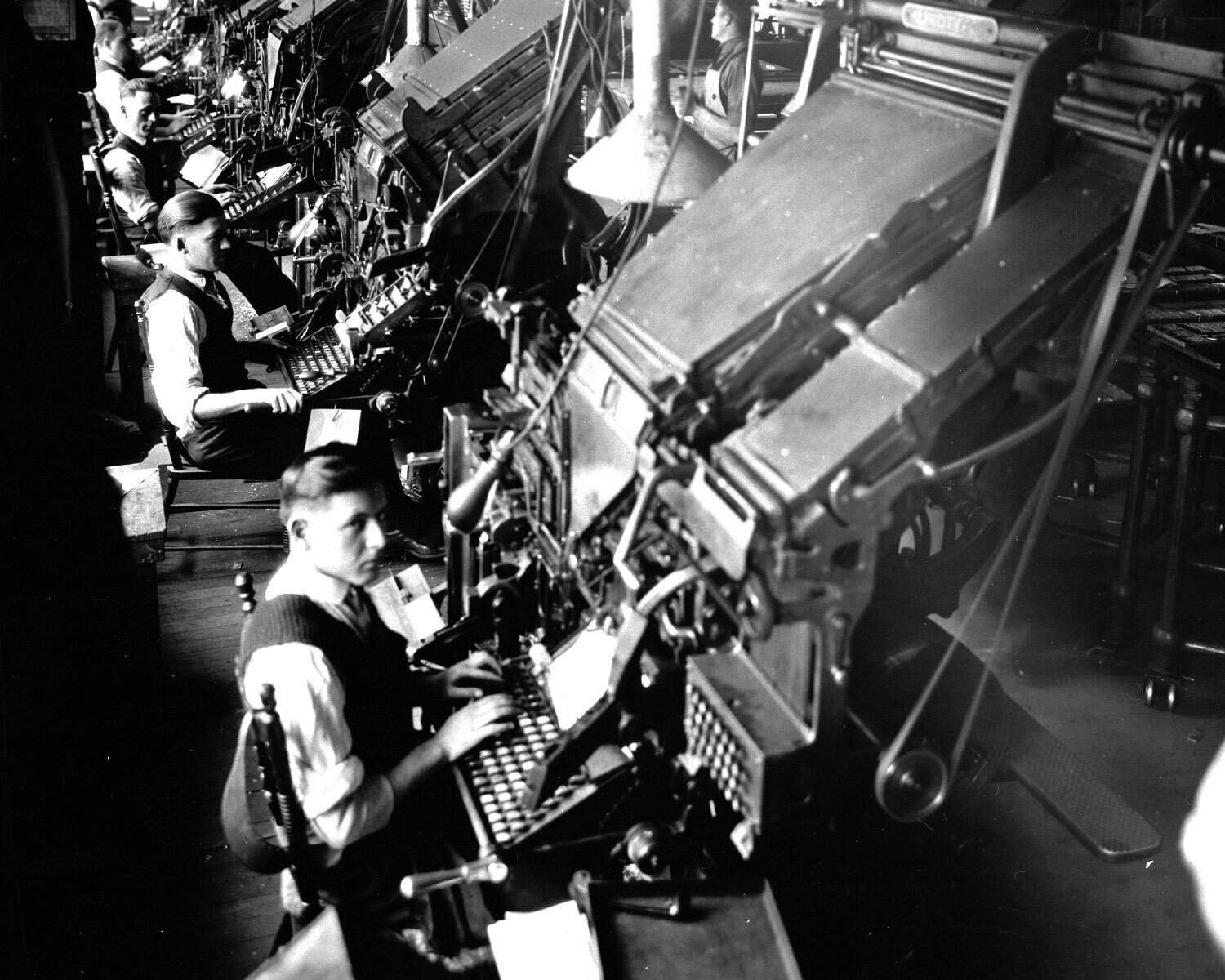
Le Droit
In 1912, French-Canadian educational and religious groups came together to discuss the founding of a newspaper that could be used to protest Regulation 17, which severely restricted the teaching of French in Ontario schools. From this, Le Droit was born — a French-language daily newspaper. Le Droit continues to support and defend Franco-Ontarian rights.
Learn more
About
Plaque
Le Droit in arts and culture
Loew's Yonge Street and Winter Garden Theatres
Now known as the Elgin & Winter Garden Theatres, this complex was designed by renowned architect Thomas Lamb for entrepreneur Marcus Loew as the Canadian flagship of his American theatre chain. The stacked theatres opened in 1913-14.
Learn more
About
Plaque
Loew's Yonge Street and Winter Garden Theatres in arts and culture
Marie Dressler 1868-1934
Born in this house as Leila Maria Koerber, Marie Dressler became the stage name of this actress who became successful in silent and talking films — including alongside Charlie Chaplin and Greta Garbo. Dressler won an Academy Award in 1931.
Learn more
About
Plaque
Marie Dressler 1868-1934 in arts and culture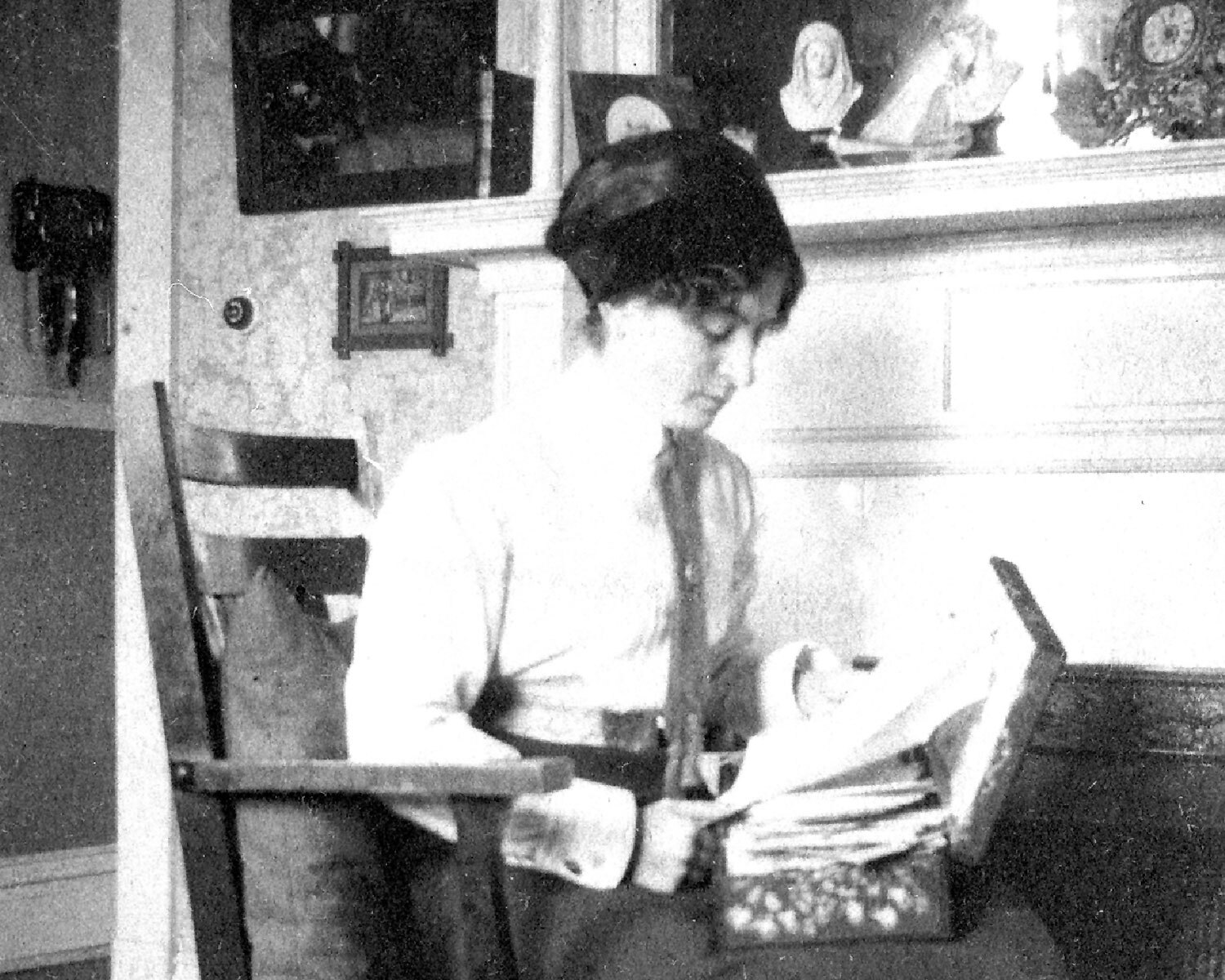
Marie-Rose Turcot 1887-1977
Turcot moved to Ottawa at the age of 20 to take a job in the civil service. Later, she became a journalist and writer, and also worked in broadcast journalism. She was active in several French-Canadian cultural organizations as well as a collector of Franco-Ontarian folk tales.
Learn more
About
Plaque
Marie-Rose Turcot 1887-1977 in arts and culture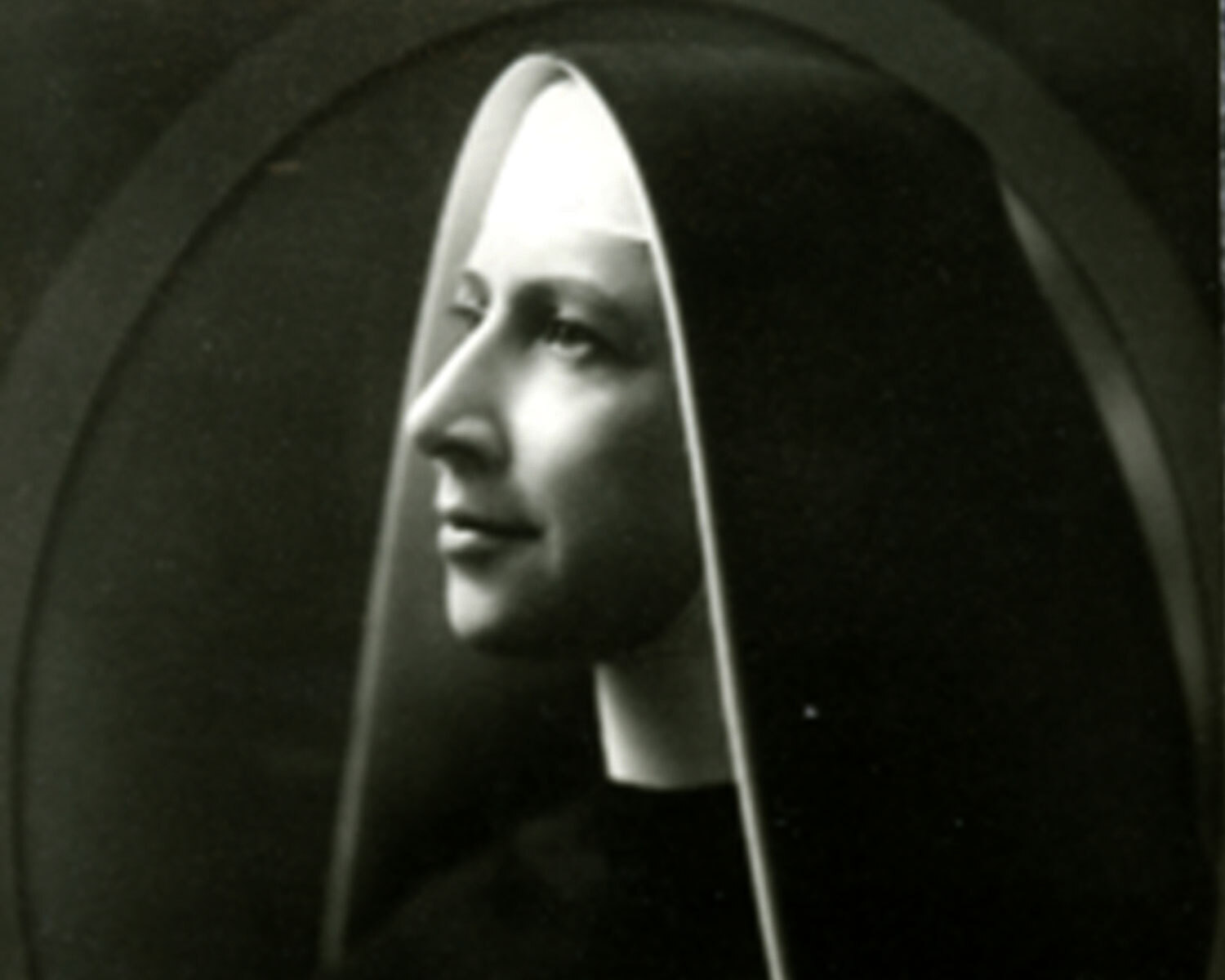
Mother Marie Thomas d’Aquin 1877-1963
Originally from near Bordeaux, France, Jeanne Branda felt a calling to become a nun and a teacher. In 1899, she joined the Dominican Sisters of Nancy, where she took on the name Sister Marie Thomas d’Aquin. She moved to the United States and then, while visiting Ottawa in 1914, agreed to head the Jeanne d’Arc Institute.
Learn more
About
Plaque
Mother Marie Thomas d’Aquin 1877-1963 in arts and culture
Sir Richard Bonnycastle 1791-1847
While at Fort Henry, check out the plaque to Bonnycastle, who played a significant role in the defence and economic development of the province.
Learn more
About
Plaque
Sir Richard Bonnycastle 1791-1847 in arts and culture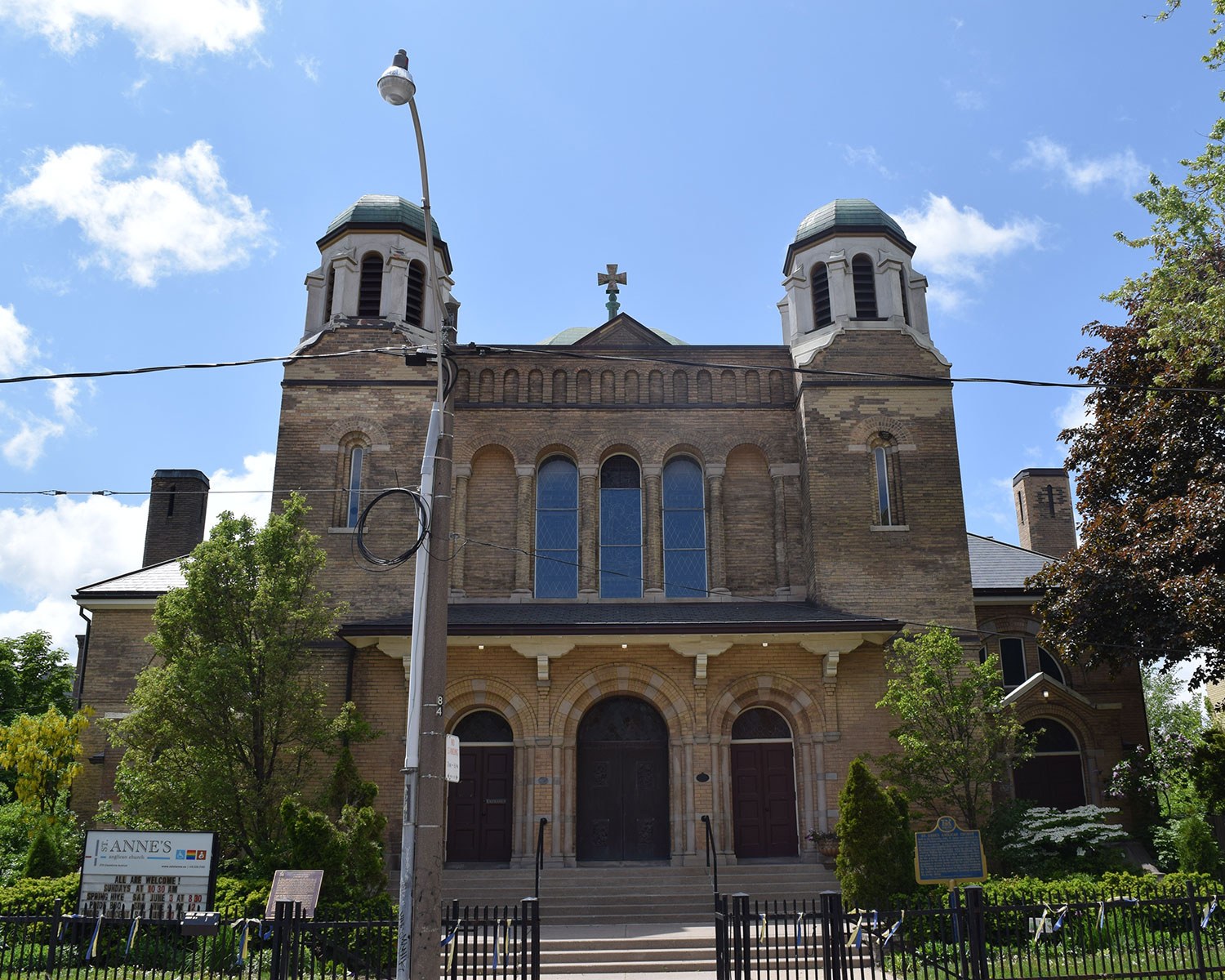
St. Anne's Anglican Church
Learn more About Plaque St. Anne's Anglican Church in arts and culture
Stephen Butler Leacock (England)
Learn more About Plaque Stephen Butler Leacock (England) in arts and culture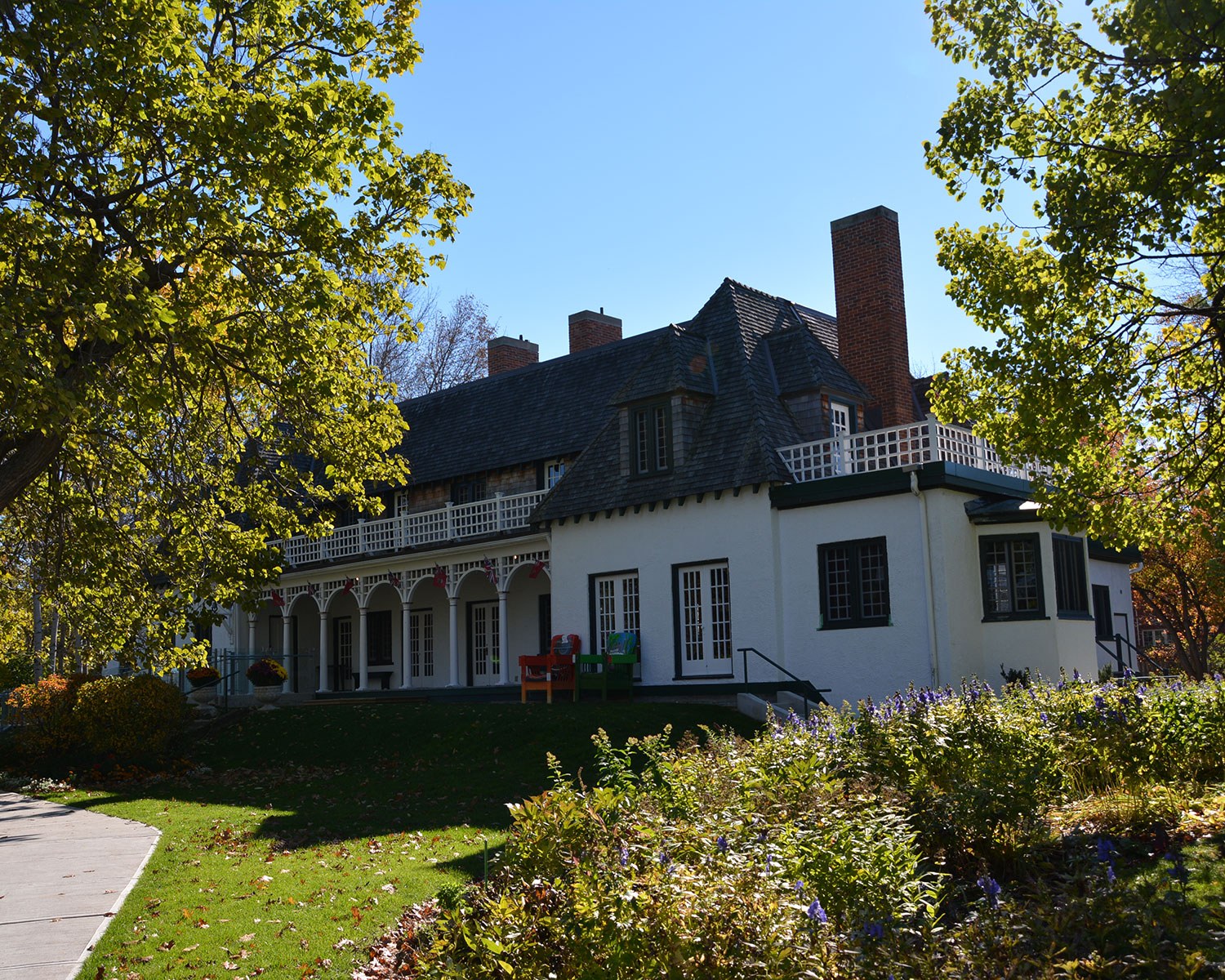
Stephen Butler Leacock (Ontario)
Learn more About Plaque Stephen Butler Leacock (Ontario) in arts and culture
Black heritage (11)
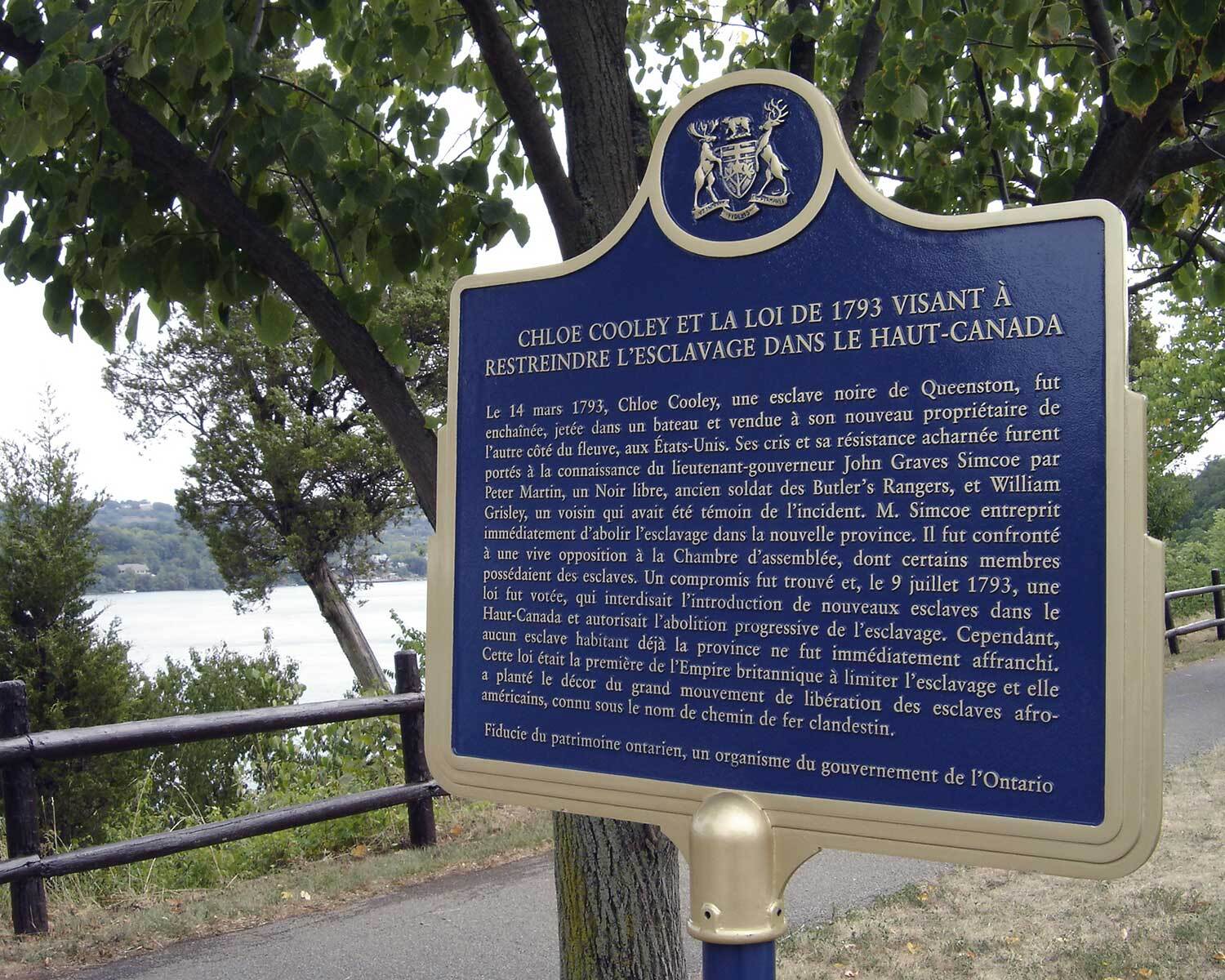
Chloe Cooley and the 1793 Act to Limit Slavery in Upper Canada
Learn more About Plaque Chloe Cooley and the 1793 Act to Limit Slavery in Upper Canada in black heritage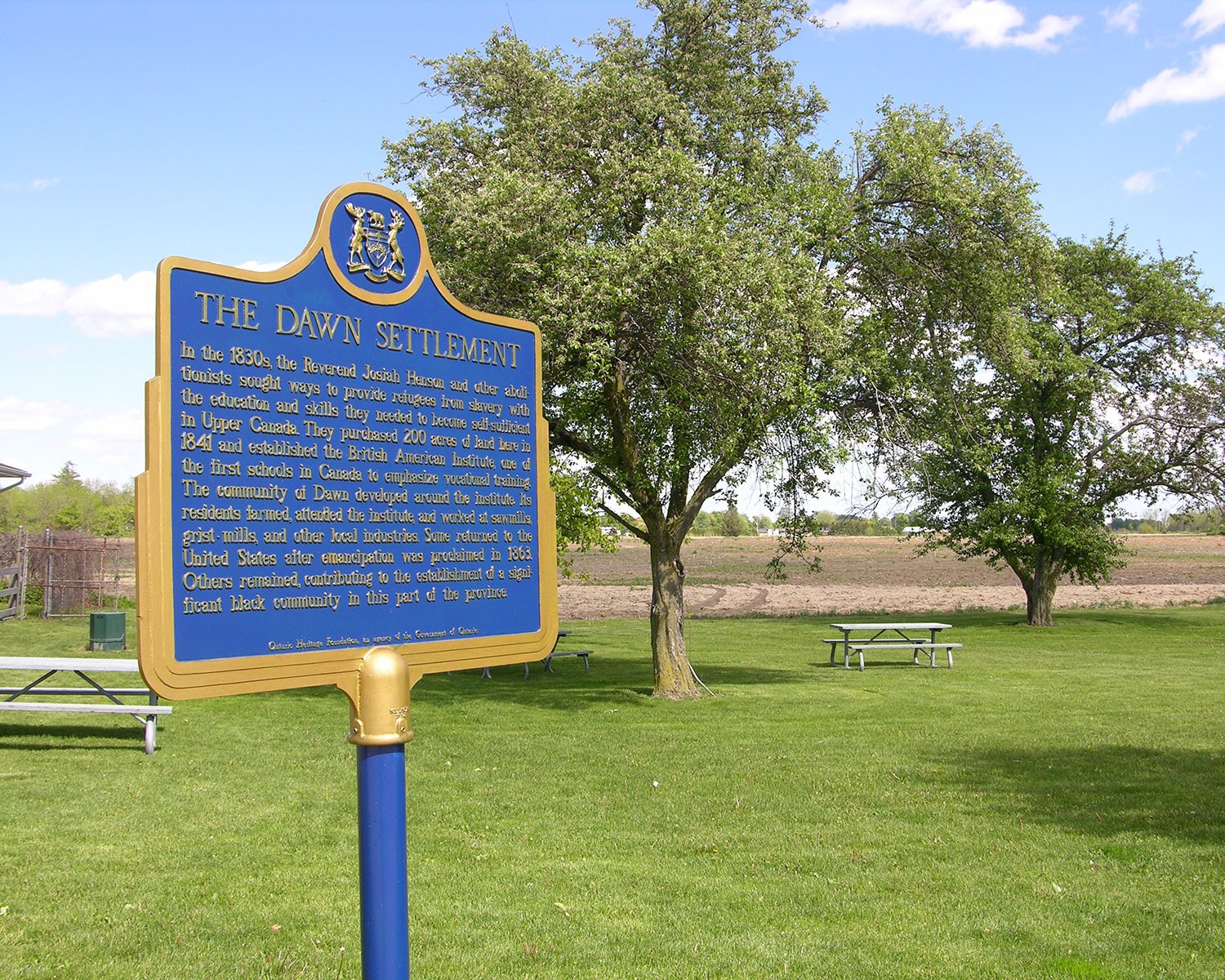
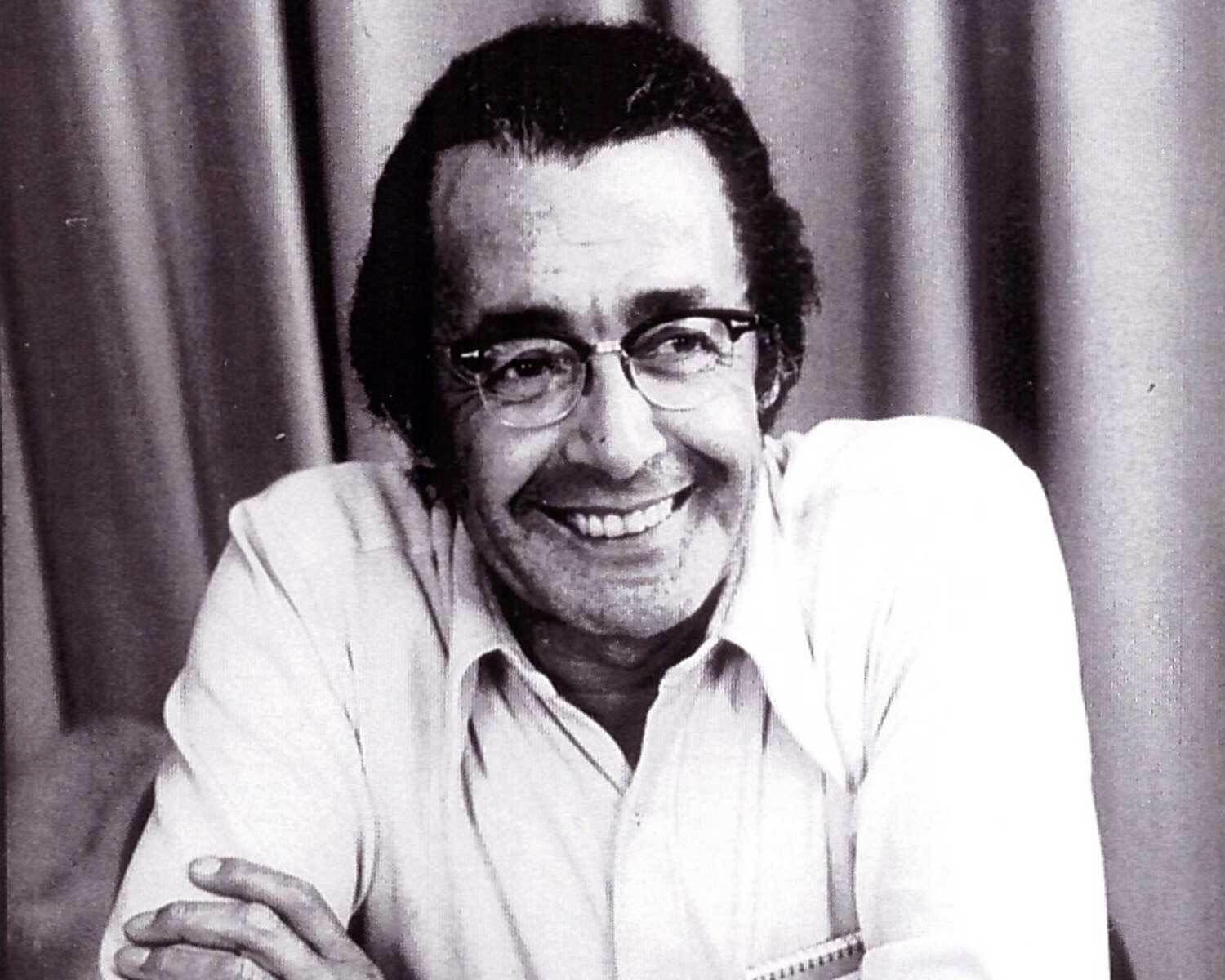
Hugh Burnett and the National Unity Association
Learn more About Plaque Hugh Burnett and the National Unity Association in black heritageMilestones in Ontario’s history
Ontario’s history is made up of countless little stories passed down through many generations of people. Over time, Ontario has become more prosperous, innovative and equitable, but change has not been linear or universal to all people.
Learn more
About
online exhibit
Milestones in Ontario’s history in black heritage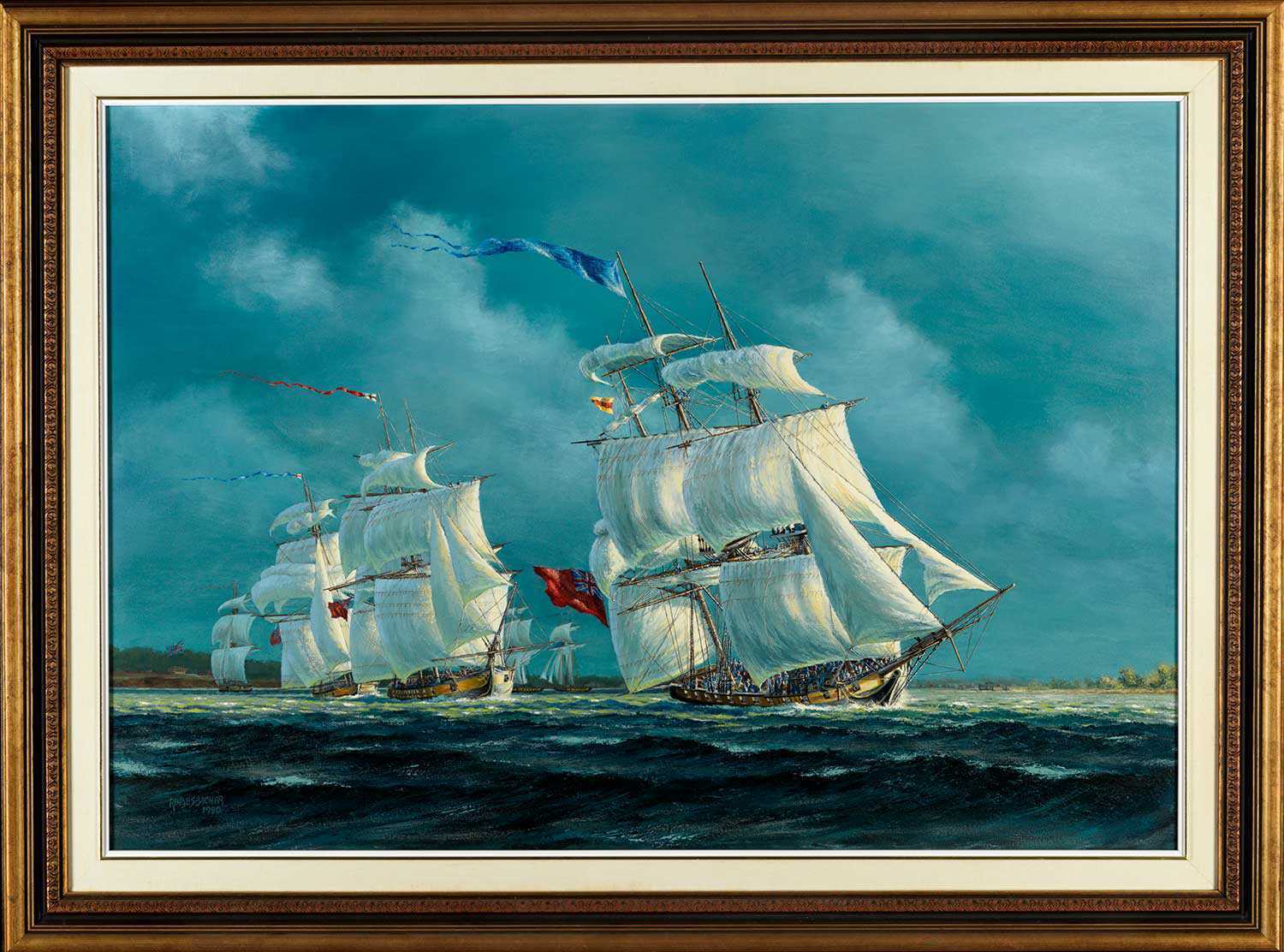
Ontario's military heritage — 1. War of 1812 (Upper Canada's soldiers)
In 1811, Major-General Isaac Brock was appointed as the senior military commander and senior member of Upper Canada’s executive council. It was Brock’s responsibility to manage the defences of Upper Canada. On taking office, Brock quickly recognized the province’s vulnerability.
Learn more
About
online exhibit
Ontario's military heritage — 1. War of 1812 (Upper Canada's soldiers) in black heritage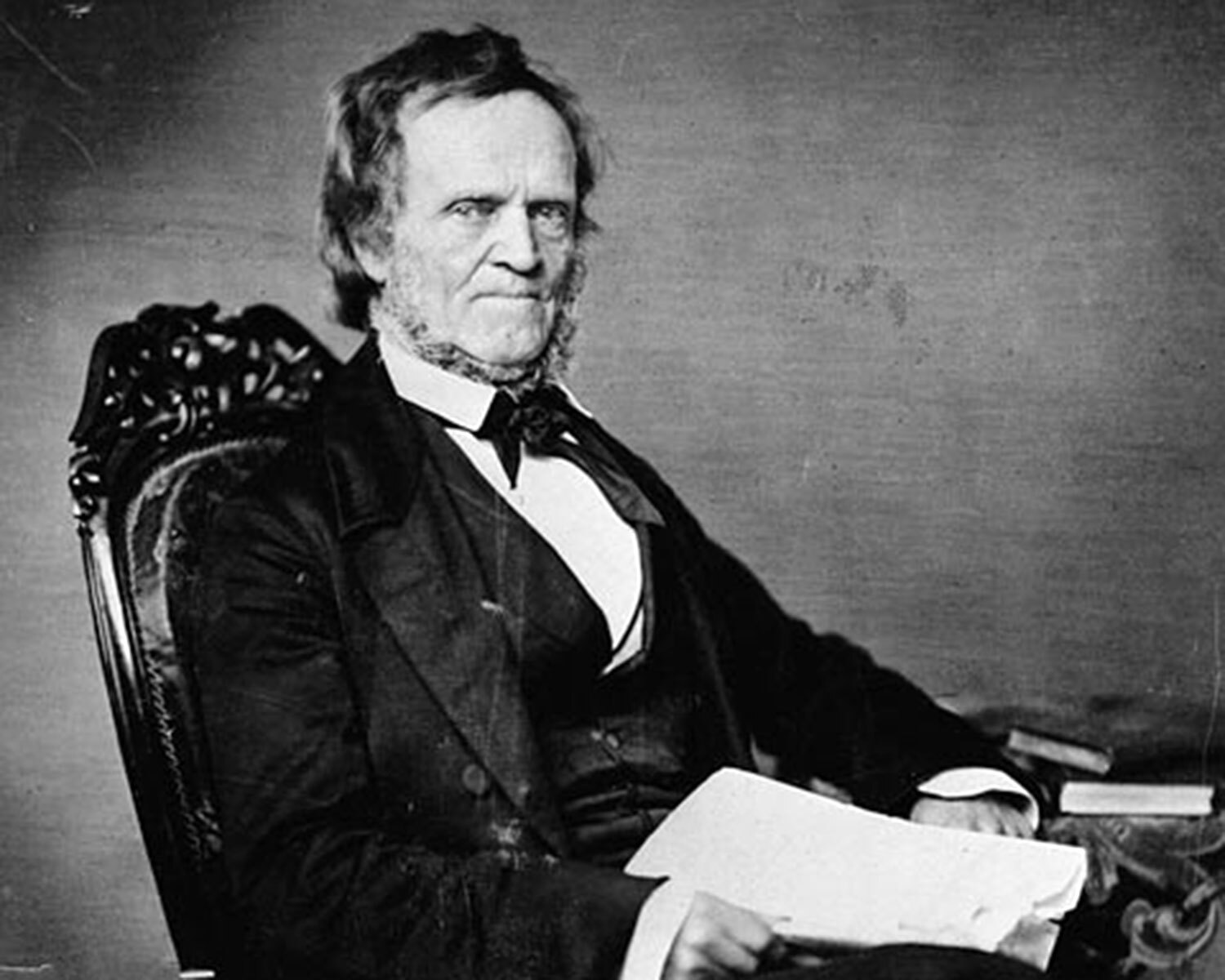
Ontario's military heritage — 2. Rebellions and incursions (The Upper Canada Rebellion of 1837-38)
Few anticipated that demands for political reform in Upper Canada would culminate in an armed rebellion. And yet, contextual factors, combined with the fateful decisions of those who represented the Crown and the Reform movement, made a rebellion possible.
Learn more
About
online exhibit
Ontario's military heritage — 2. Rebellions and incursions (The Upper Canada Rebellion of 1837-38) in black heritage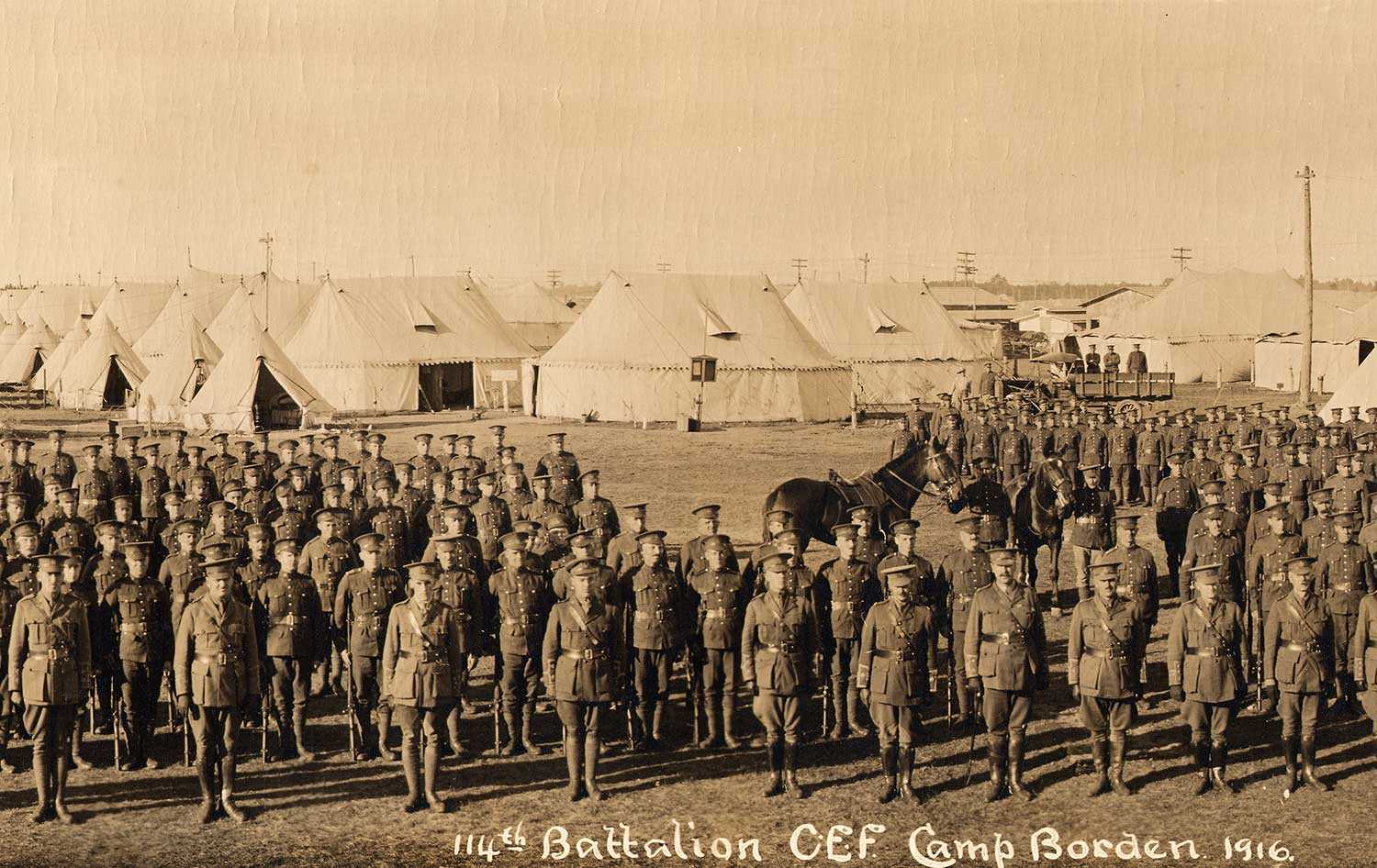
Ontario's military heritage — 3. The Great War (Donning the khaki)
The soldiers who fought overseas in the Canadian Expeditionary Force (CEF) experienced a war like no other before it. The ingenuity of the modern industrial age was used to construct international war machines designed for efficient and brutal destruction. And yet, all the sophisticated machinery, tools and weaponry still required flesh and blood to operate.
Learn more
About
online exhibit
Ontario's military heritage — 3. The Great War (Donning the khaki) in black heritage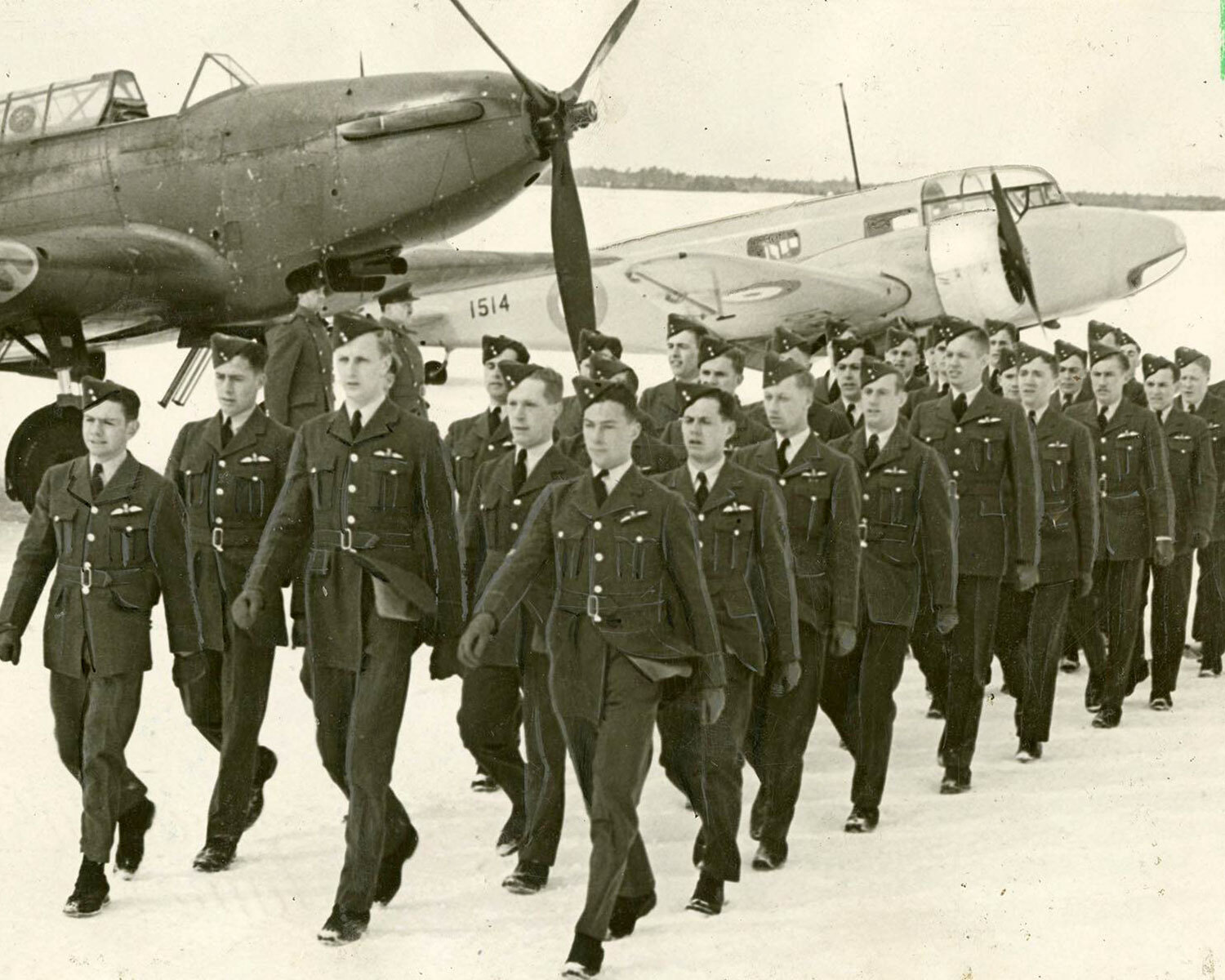
Ontario's military heritage — 4. Second World War (Military operations and experiences)
By the summer of 1940, Nazi Germany had conquered most of continental Europe, and the United Kingdom was defending itself against the German Luftwaffe during the Battle of Britain. During these trying times, Canada became the United Kingdom’s most important ally. To make a meaningful difference in the war, Canada’s military would require expansion and modernization.
Learn more
About
online exhibit
Ontario's military heritage — 4. Second World War (Military operations and experiences) in black heritage
Wilberforce Settlement, The
Learn more About Plaque Wilberforce Settlement, The in black heritage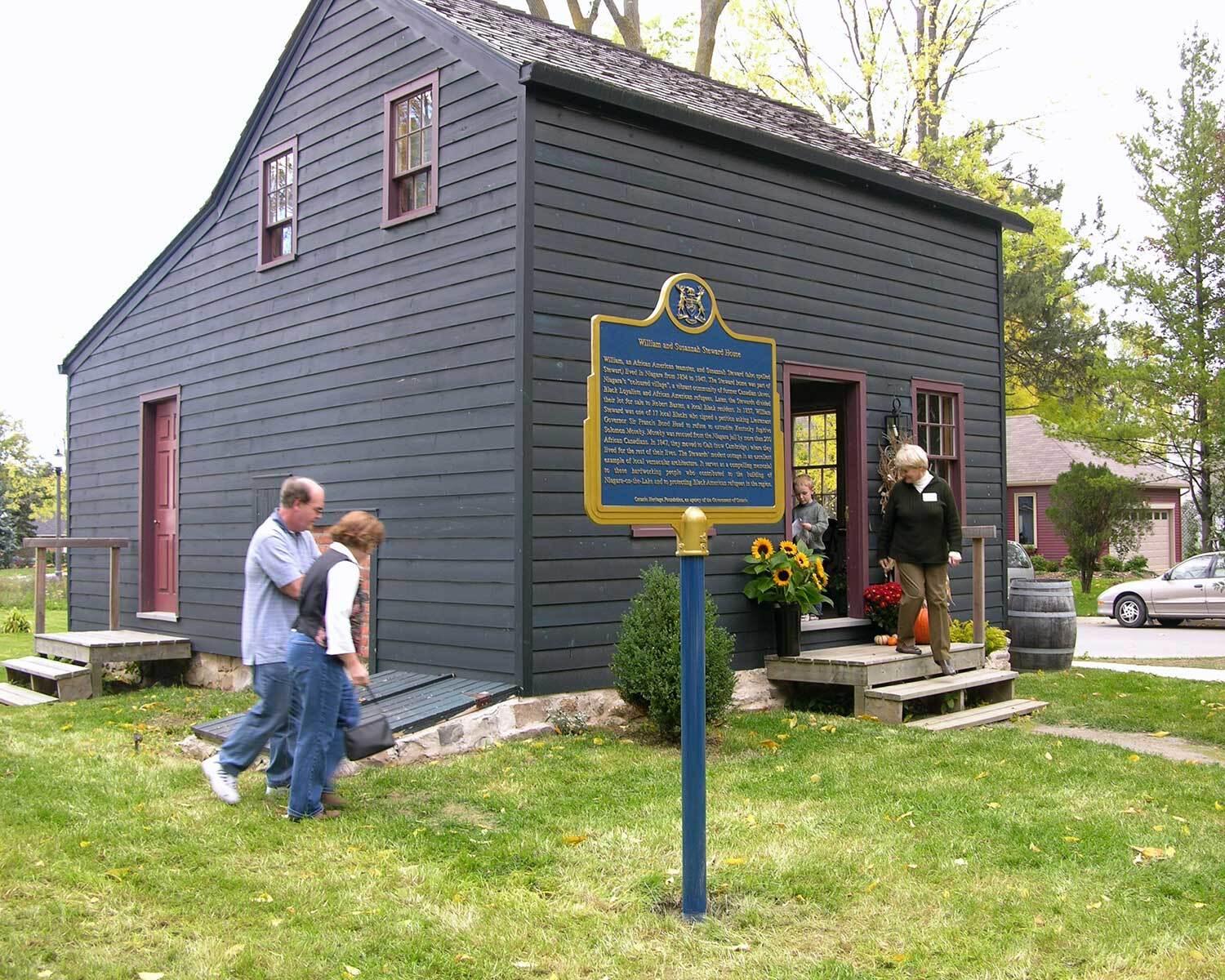
William and Susannah Steward House
Learn more About Plaque William and Susannah Steward House in black heritageBlack history (2)
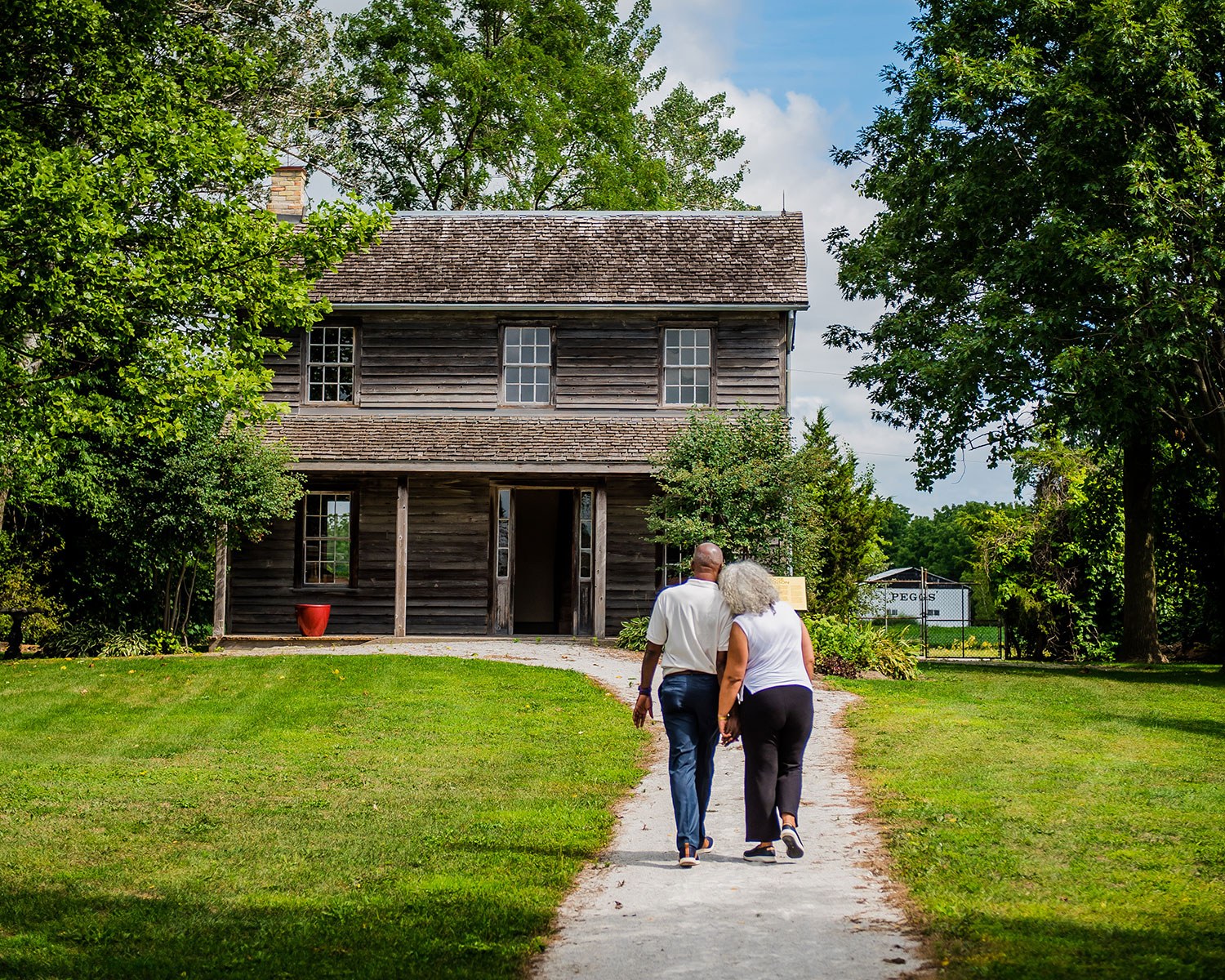
Josiah Henson Museum of African-Canadian History
An estimated 30,000 Black refugees from slavery in the United States fled to Canada along the Underground Railroad. One of these freedom seekers was abolitionist, preacher and author Josiah Henson.
Learn more
About
Property
Josiah Henson Museum of African-Canadian History in black history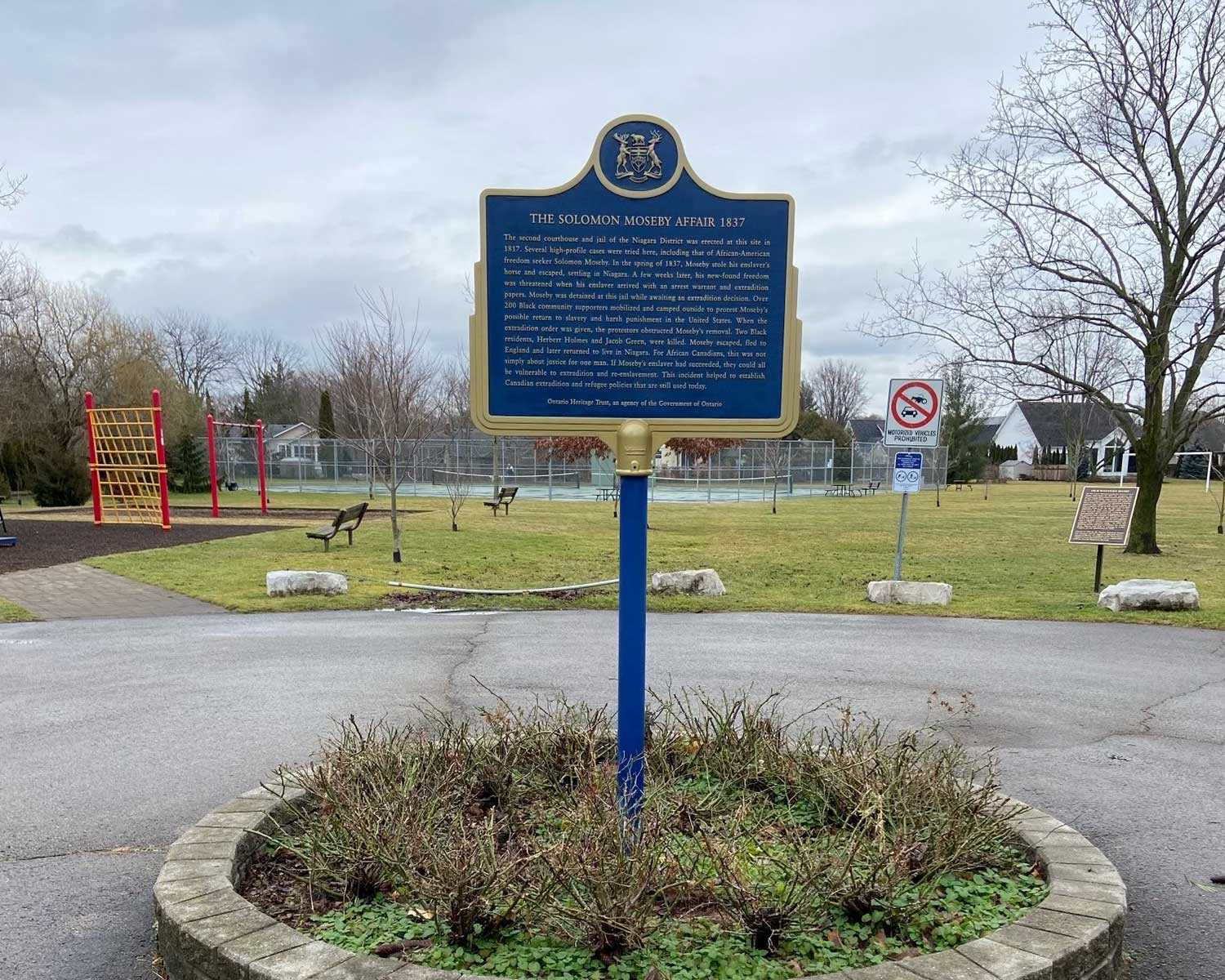
Solomon Moseby Affair 1837, The
Learn more About Plaque Solomon Moseby Affair 1837, The in black historyBruce Trail (3)
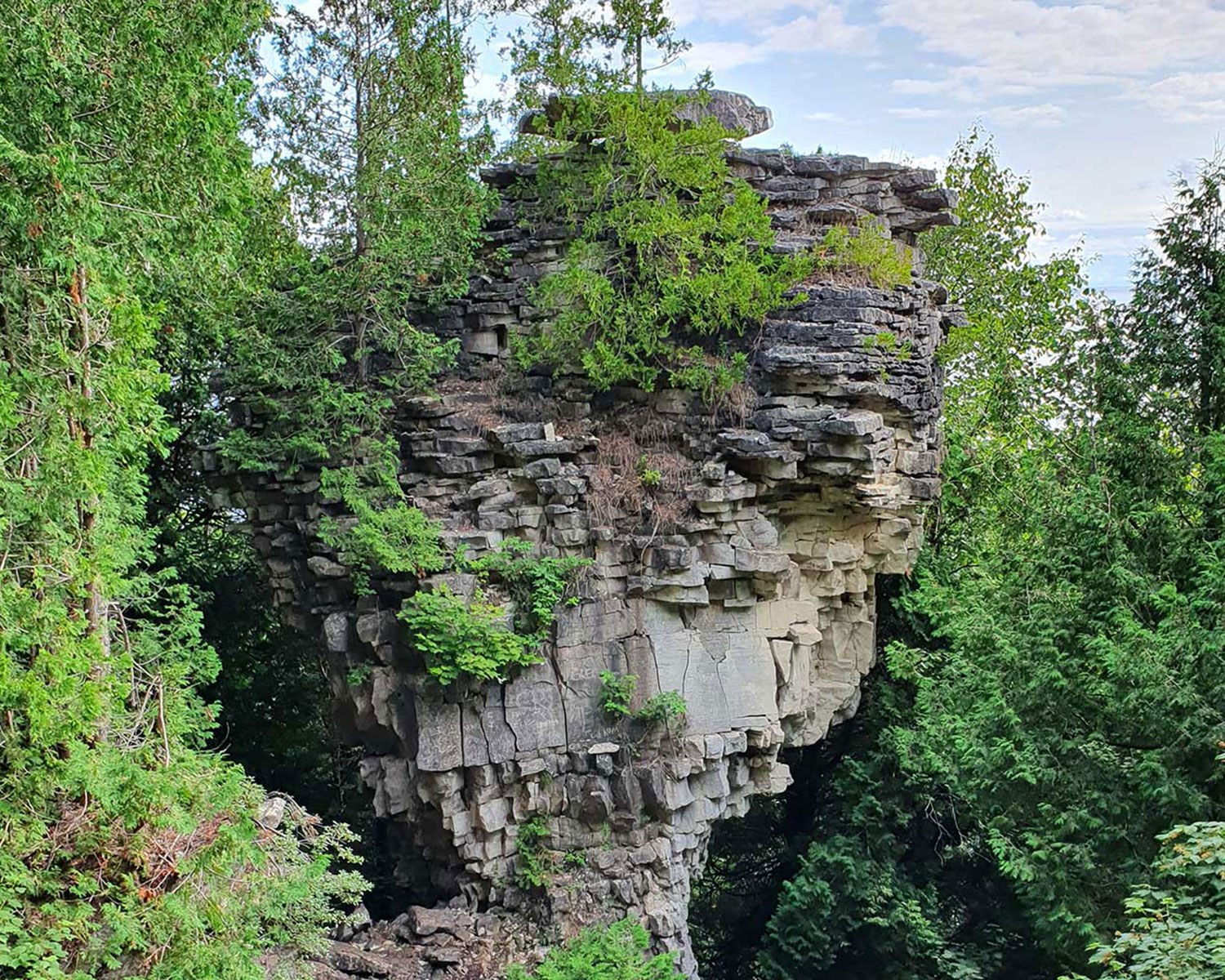
Devil's Monument
The Devil’s Monument comprises the Minhinick, LeFeuvre-Chupac and Schneider properties. The name refers to the presence of a flowerpot that has long been a draw for locals and tourists alike. It is the only complete flowerpot on land along the east side of the Bruce Peninsula.
Learn more
About
Property
Devil's Monument in bruce trail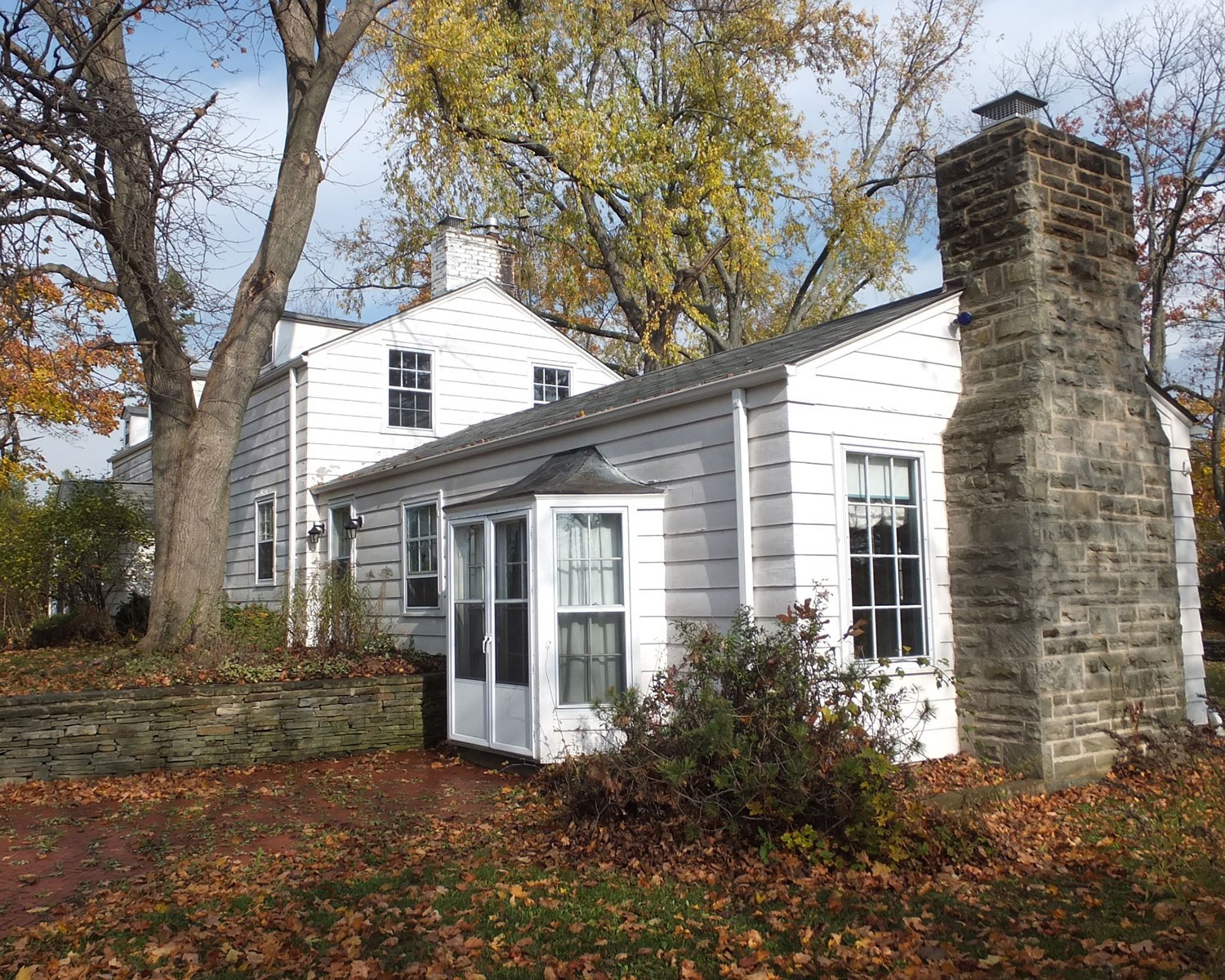
Scotsdale Farm
Scotsdale Farm is undoubtedly one of the most picturesque places in Halton Hills. The farm is situated northwest of Georgetown and connects to Silvercreek Conservation Area and Bruce Trail.
Learn more
About
Property
Scotsdale Farm in bruce trail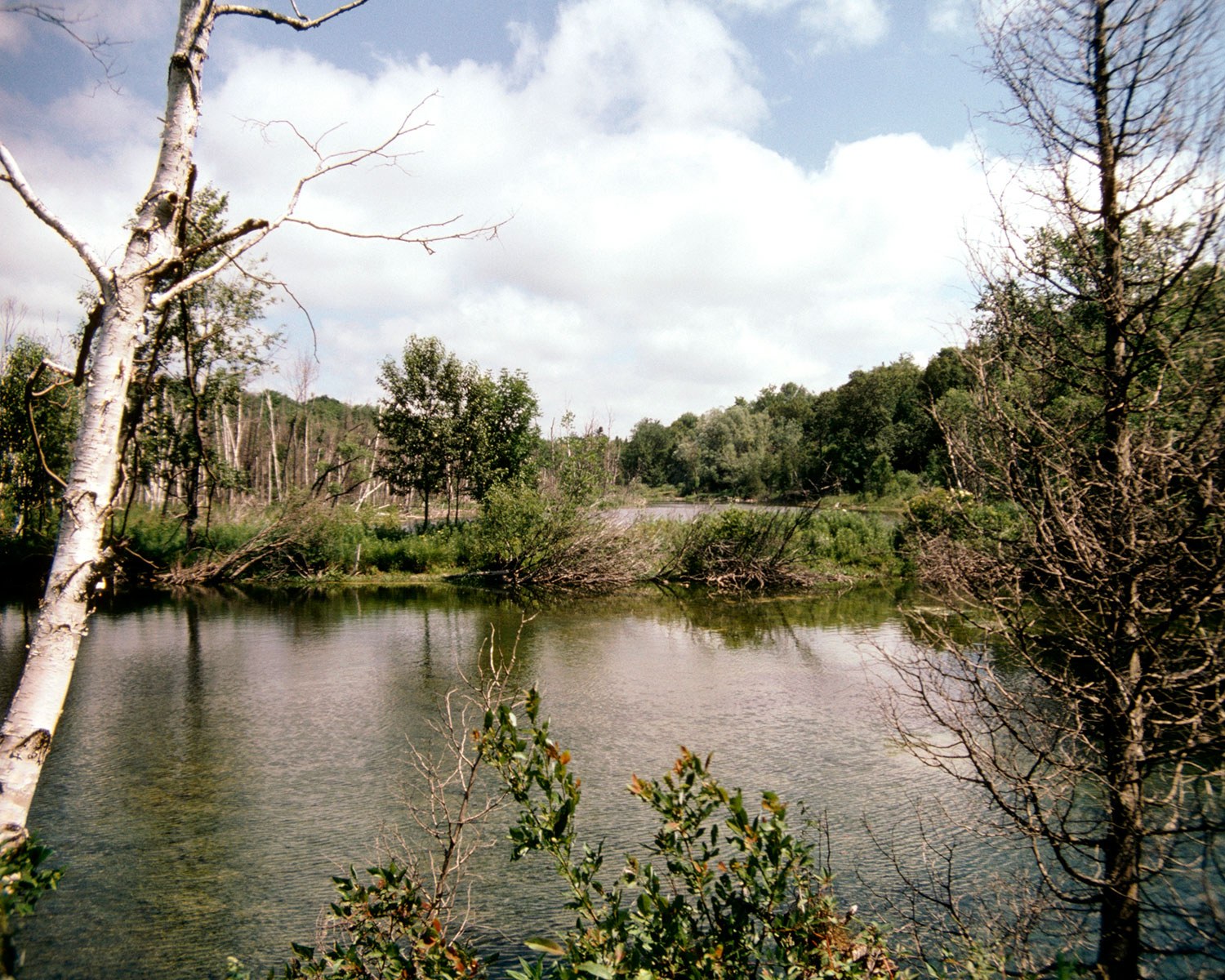
Yaremko-Ridley Property
The 64-hectare (160-acre) Yaremko-Ridley Property, located just outside of the Town of Milton, contains mixed escarpment forest with stunning glacial valleys, rolling landscapes and numerous rock outcroppings and deposits.
Learn more
About
Property
Yaremko-Ridley Property in bruce trailBuildings (55)
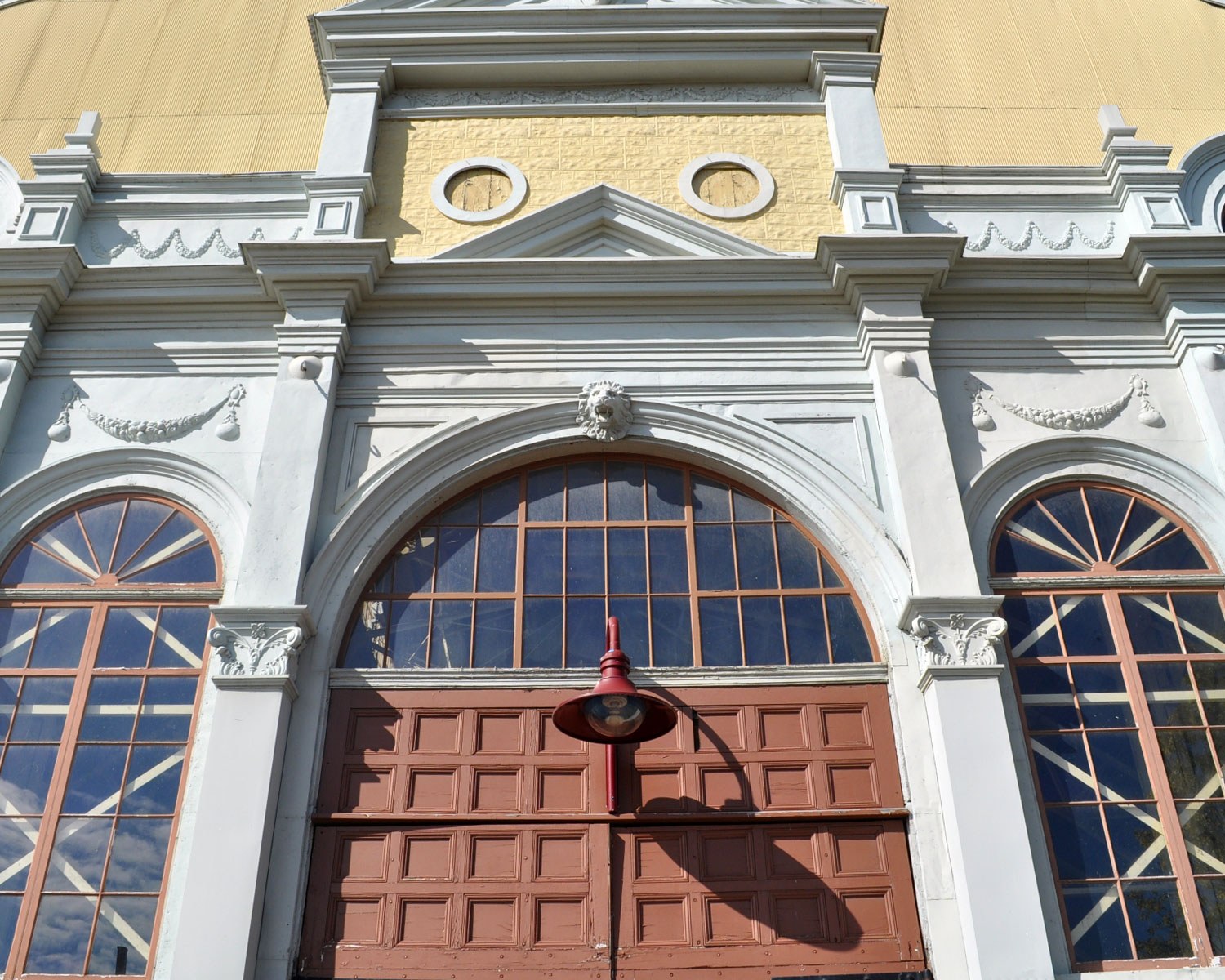
Aberdeen Pavilion
Built for the Central Canada Exhibition Association, the Pavilion was named after the incumbent Governor General, The Earl of Aberdeen.
Learn more
About
Property
Aberdeen Pavilion in buildings
Ashbridge Estate
Two acres of the original homestead and an 1854 house have been preserved to tell the Ashbridge story.
Learn more
About
Property
Ashbridge Estate in buildings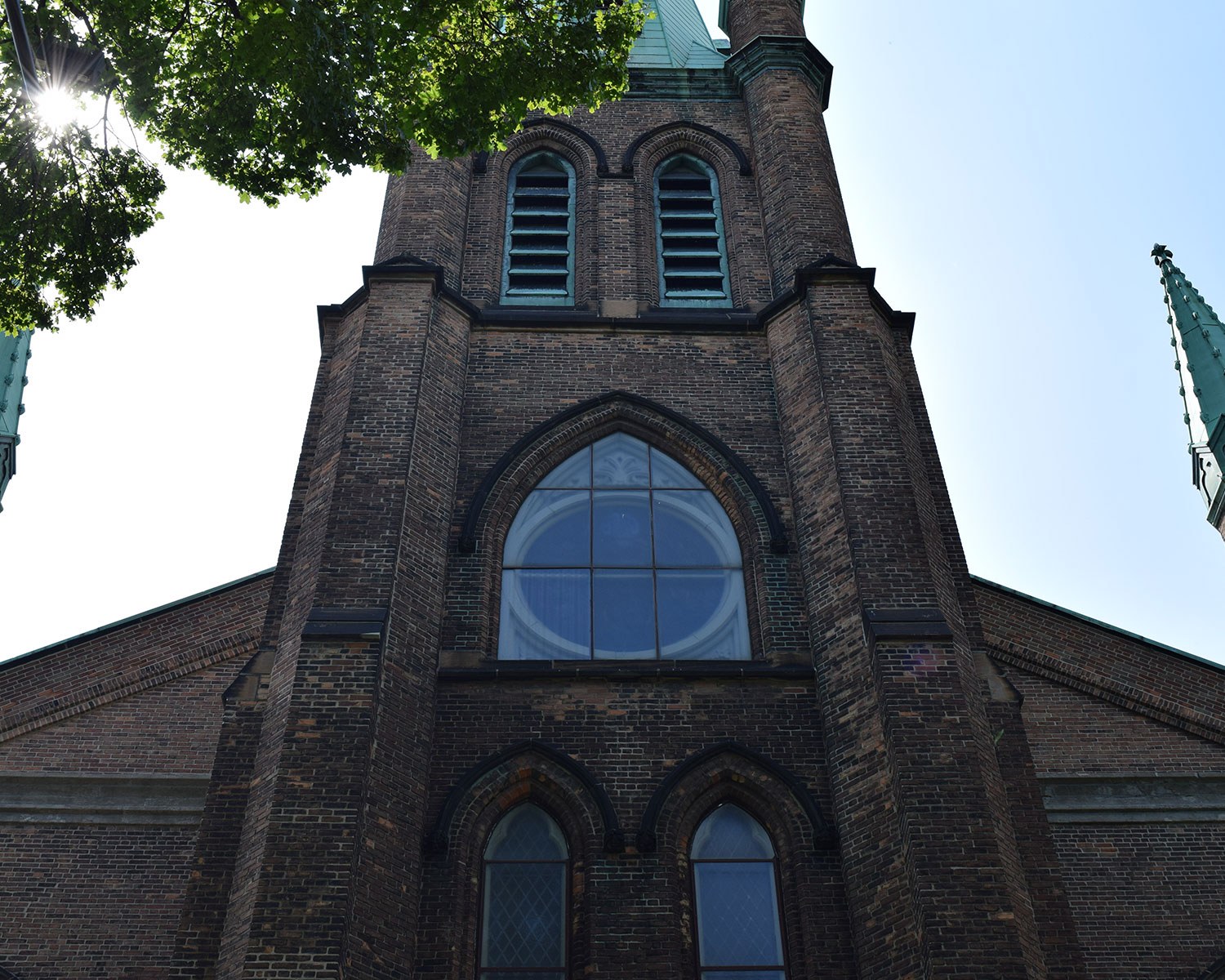
Assumption Church
The Assumption Church has been associated with a Jesuit Huron mission at La Pointe du Montréal, the parish of L'Assumption du Détroit, since 1761.
Learn more
About
Property
Assumption Church in buildings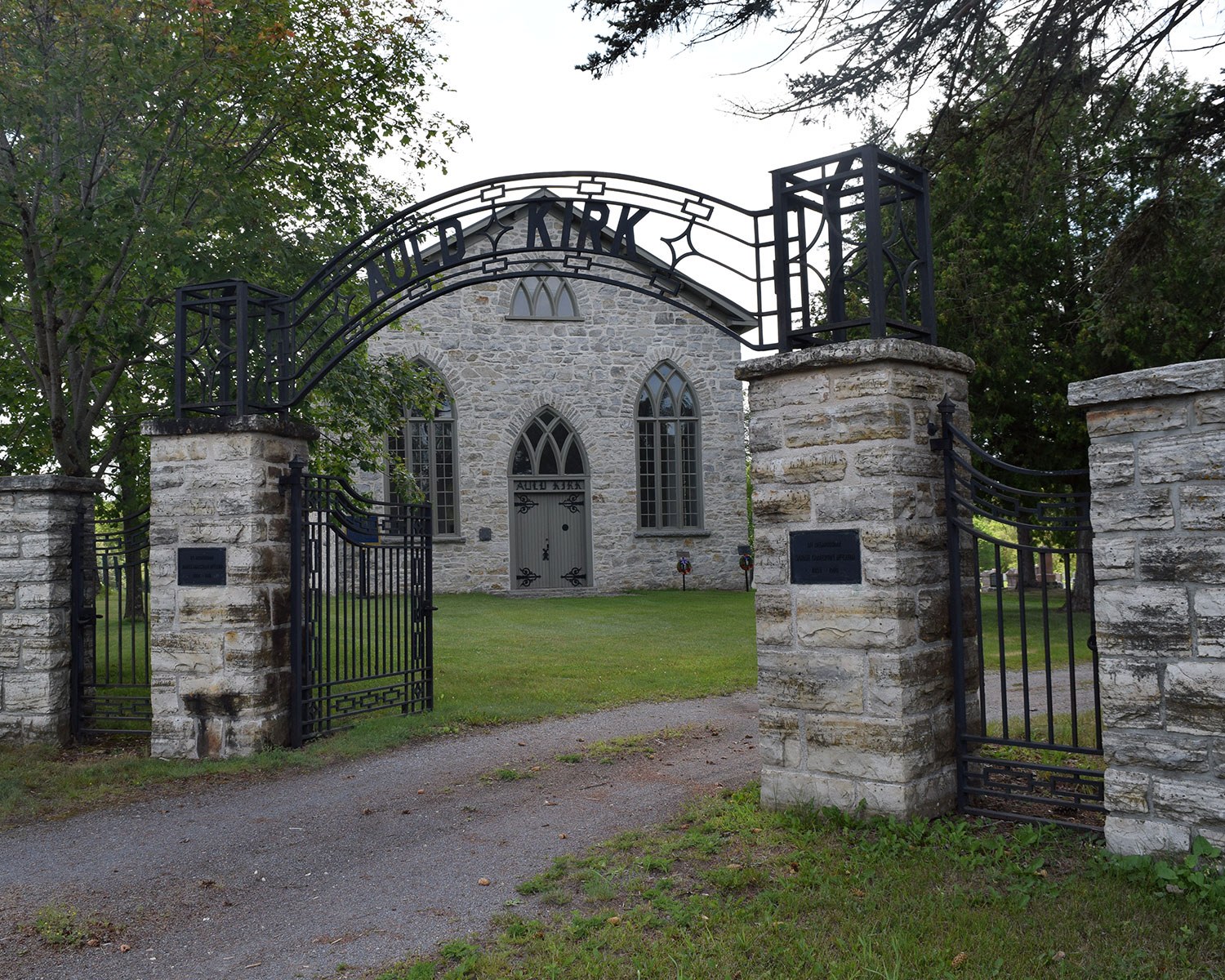
Auld Kirk Presbyterian Church
One of Ramsay Township's oldest churches, Auld Kirk Presbyterian Church is associated with the early Scottish settlers.
Learn more
About
Property
Auld Kirk Presbyterian Church in buildings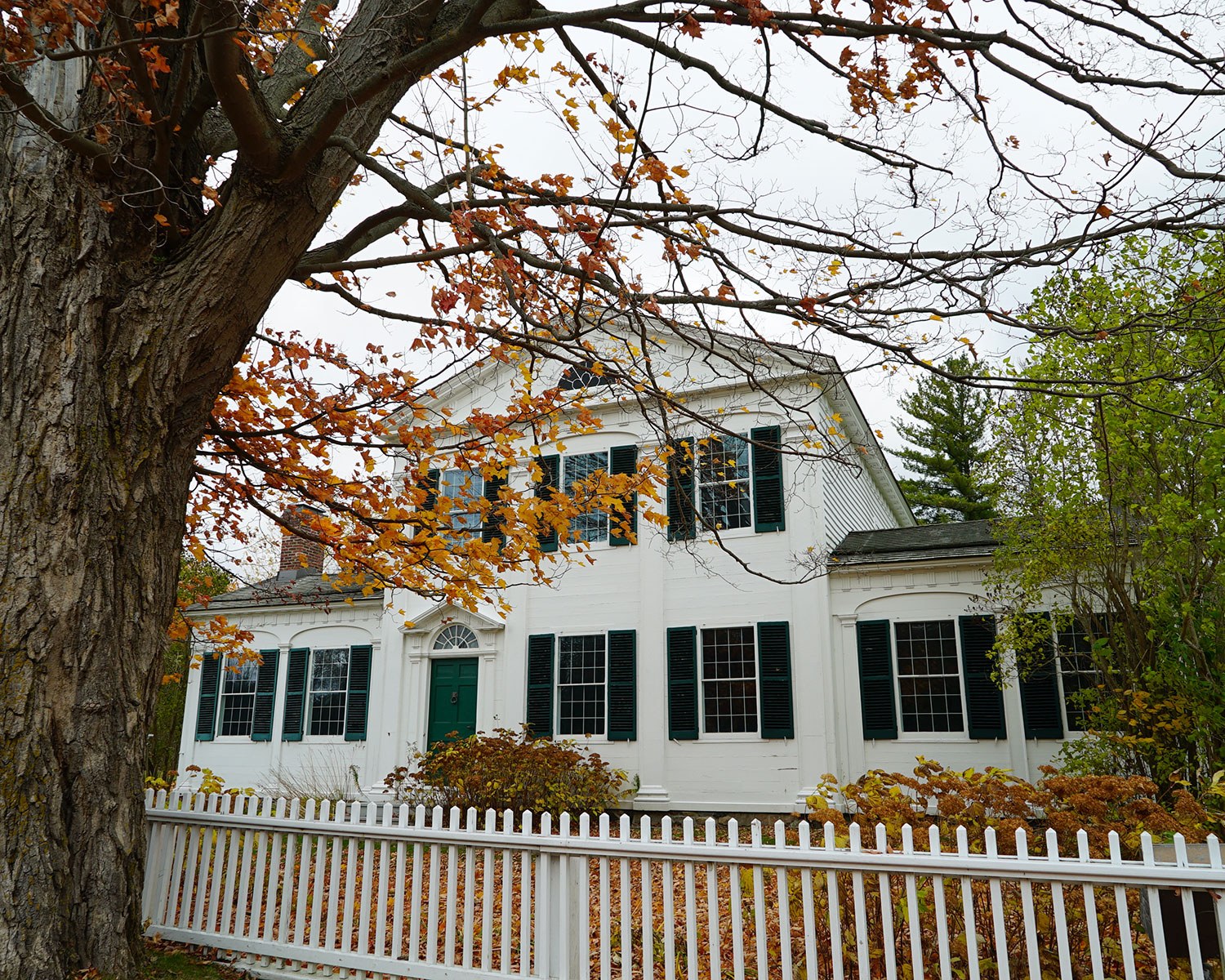
Barnum House
Eliakim Barnum was in his early twenties when he emigrated from the United States in 1807. He chose to settle in Haldimand Township near the village of Grafton. By 1819, Barnum owned land, a thriving milling business, a tavern and a distillery.
Learn more
About
Property
Barnum House in buildings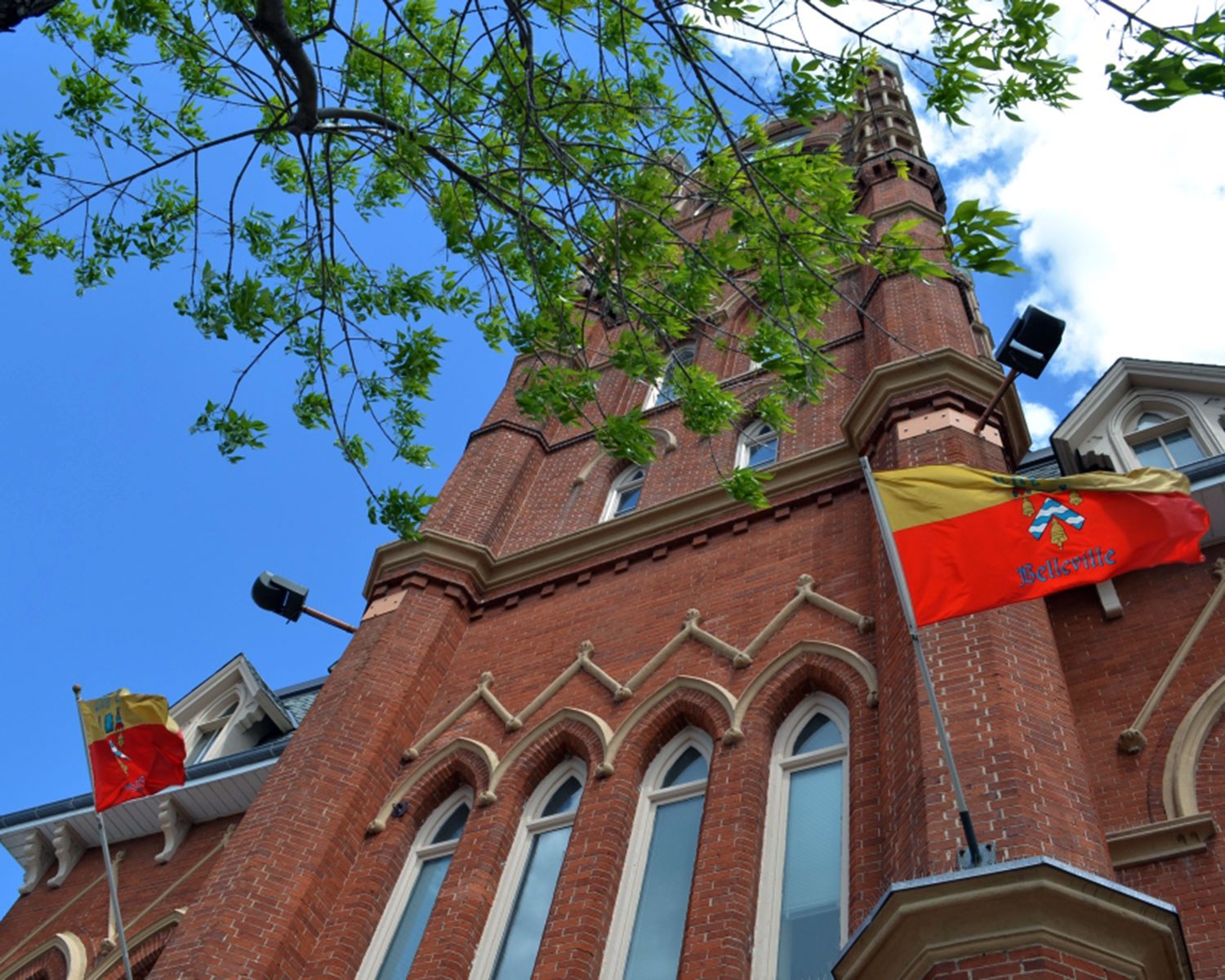
Belleville City Hall
Built as a symbol of Belleville's growth and prosperity and as an expression of civic pride and confidence in the future, this building was one of a few civic complexes completed during the economic depression of 1873, and one of even fewer completed with the elaboration of interior and exterior fittings.
Learn more
About
Property
Belleville City Hall in buildings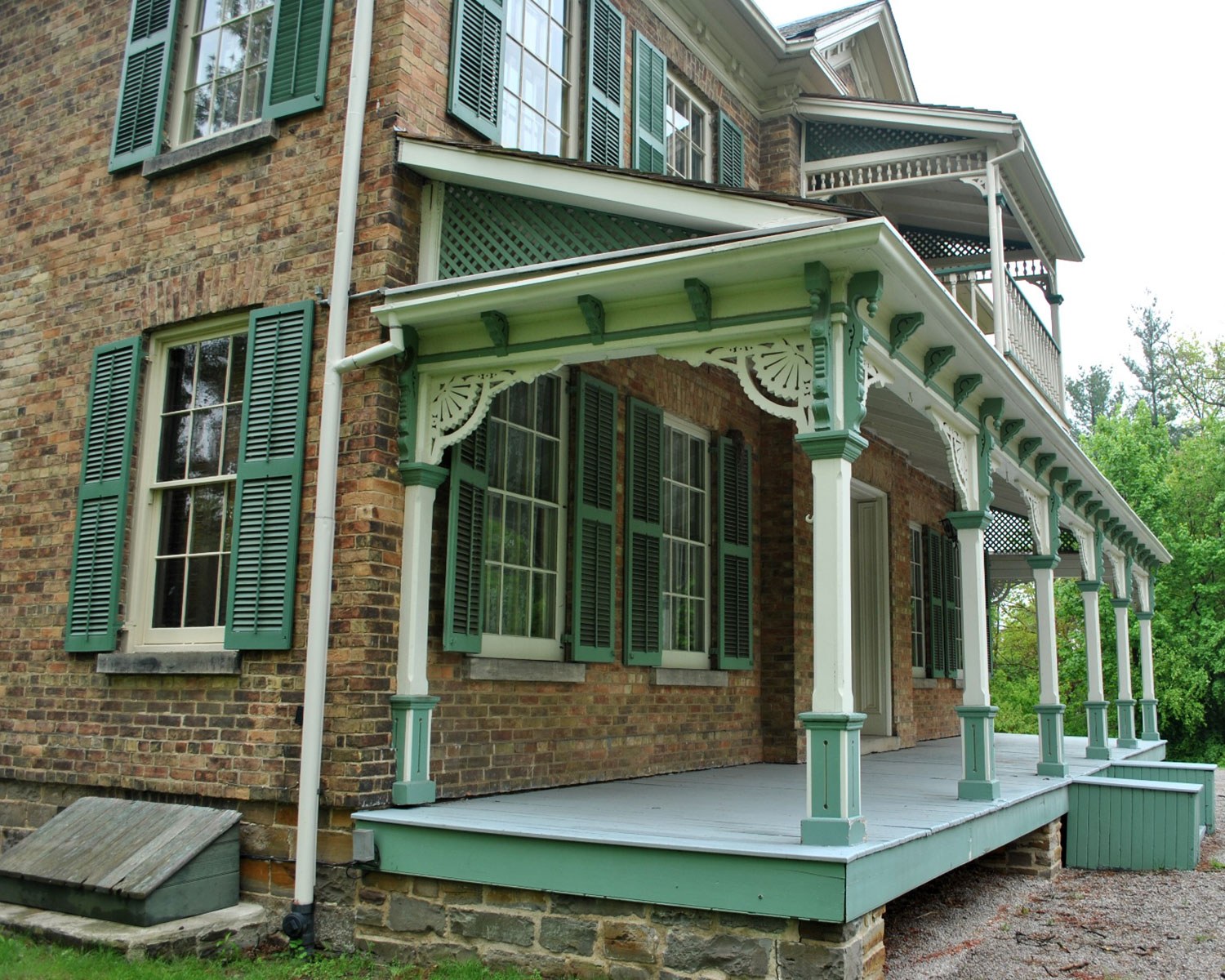
Benares
Benares is associated with the early settlement of the north shore of Lake Ontario. The house, home of Captain James Harris, is located on one of the earliest settled sites in the village of Clarkson's Corners (later shortened to Clarkson).
Learn more
About
Property
Benares in buildings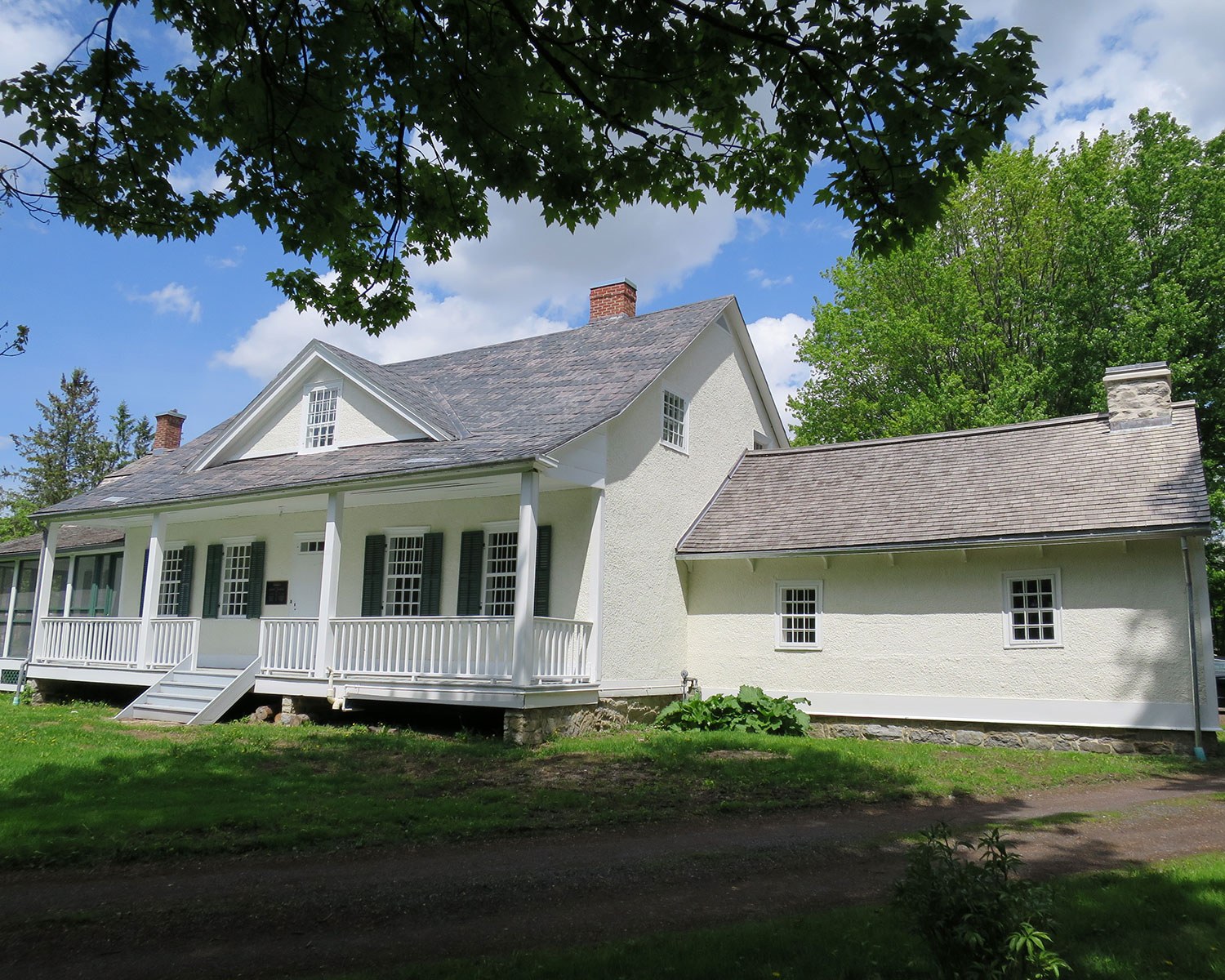
Bethune-Thompson House
The Bethune-Thompson House in Williamstown owes its name to two prominent owners — the Reverend John Bethune and explorer David Thompson. But it was Peter Ferguson, an early settler, who first built a house on this site in 1784.
Learn more
About
Property
Bethune-Thompson House in buildings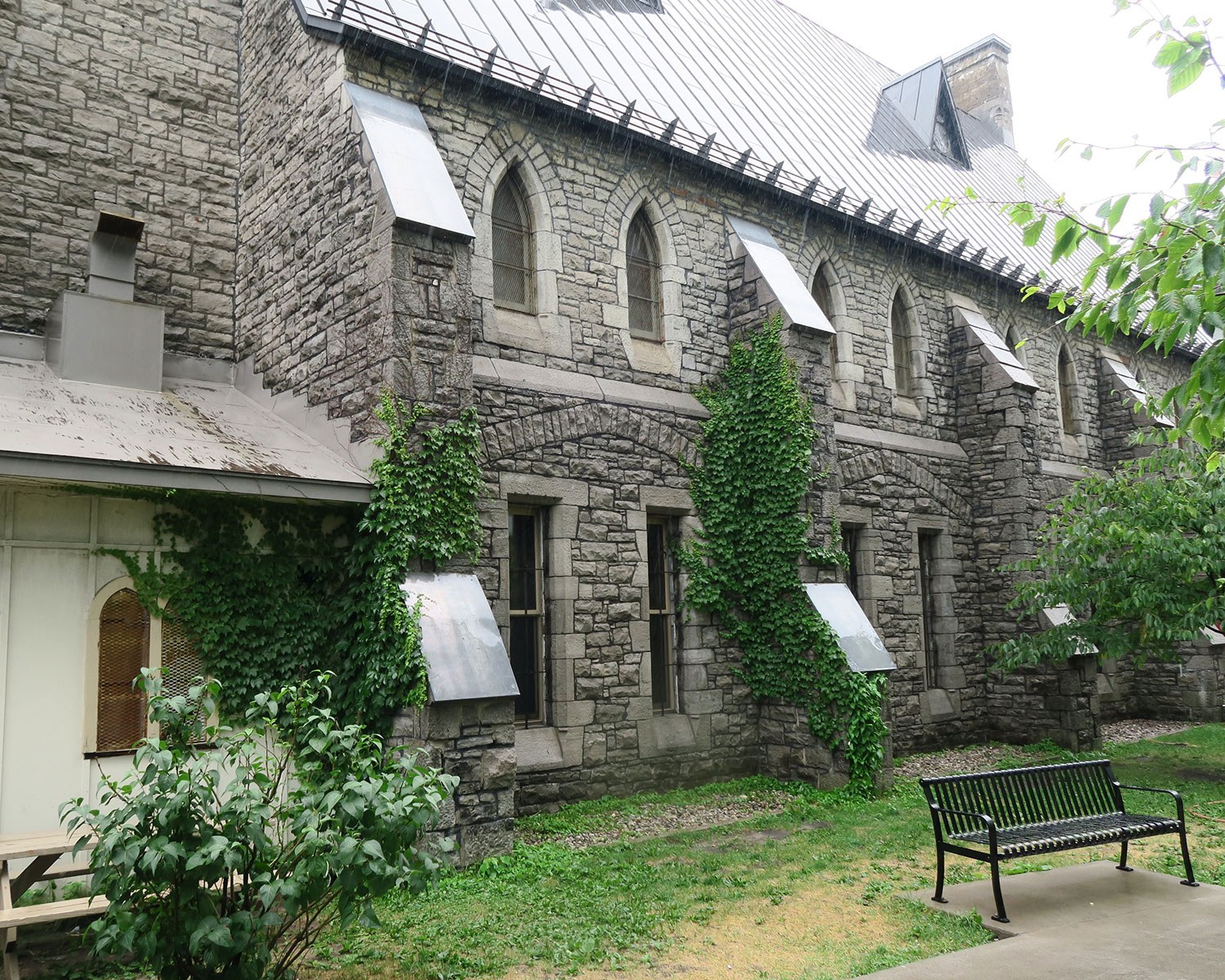
Church of St. Alban the Martyr
Ottawa was selected as the permanent capital of the Province of Canada in 1857. With the growth of Ottawa's government and civil service population, a new congregation separated from the original Anglican parish, Christ Church on Spark Street.
Learn more
About
Property
Church of St. Alban the Martyr in buildings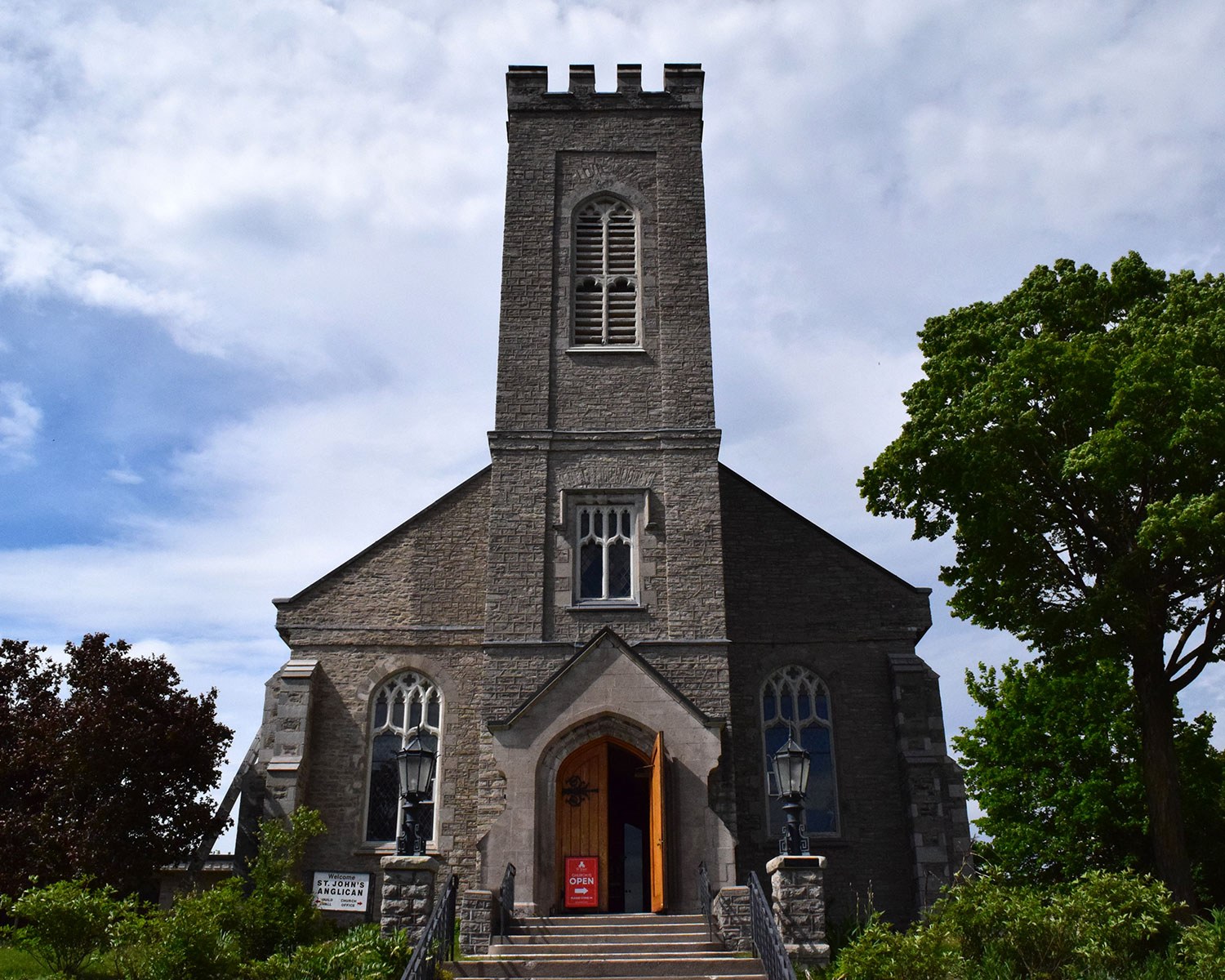
Church of St. John the Evangelist
St. John's Church is associated with the early settlement of the Scott's Mills or Scott's Plains area (now the City of Peterborough) by over 200 Irish immigrants in 1825.
Learn more
About
Property
Church of St. John the Evangelist in buildings
Duff-Baby House
Built in 1798 on the south shore of the Detroit River in Sandwich, the Duff-Baby House is named for its first two loyalist owners, Alexander Duff and James Baby.
Learn more
About
Property
Duff-Baby House in buildings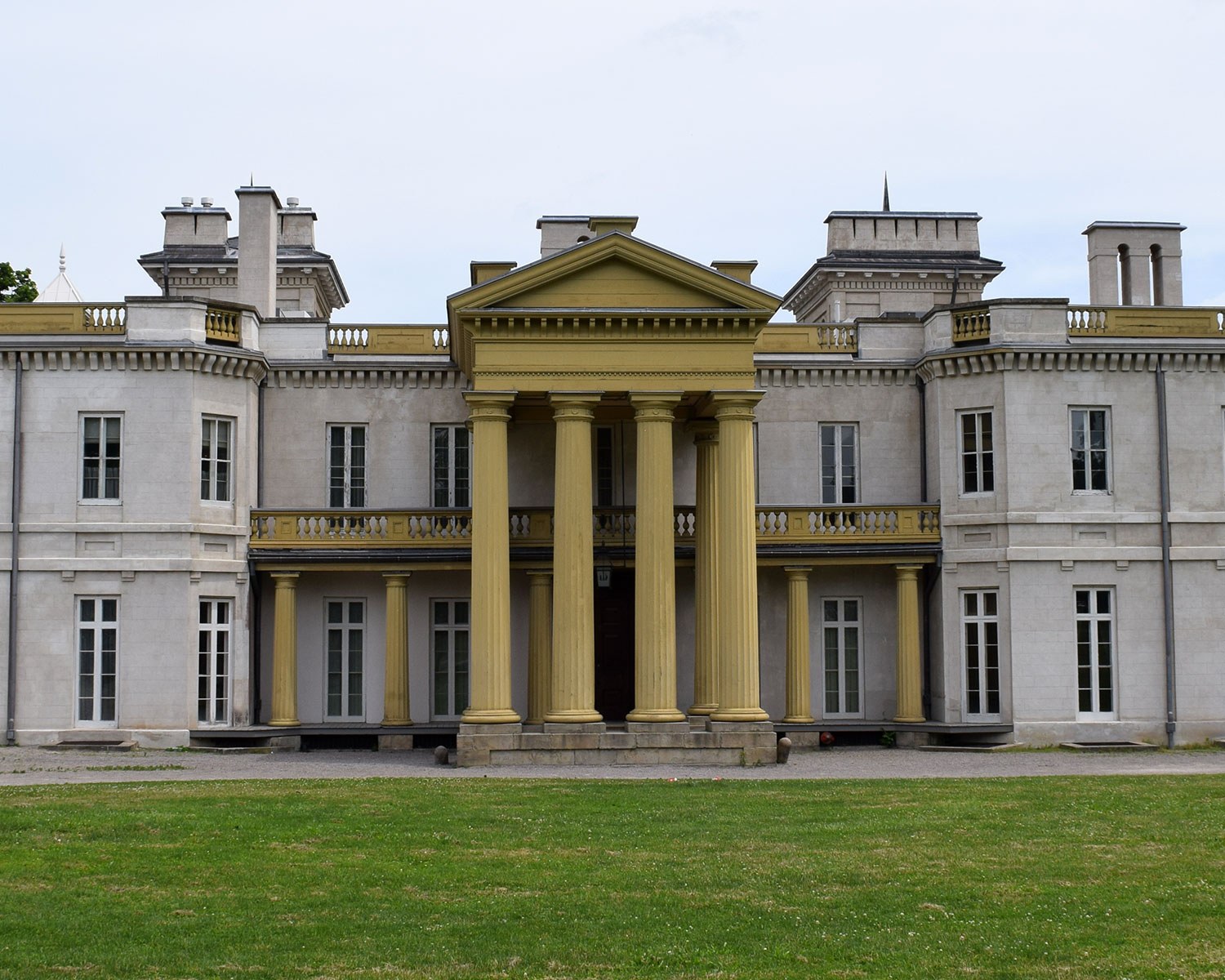
Dundurn Castle and Grounds
Dundurn Castle is located on lands formerly owned and occupied by Richard Beasley (1761-1842), merchant and politician, who settled here in 1793.
Learn more
About
Property
Dundurn Castle and Grounds in buildings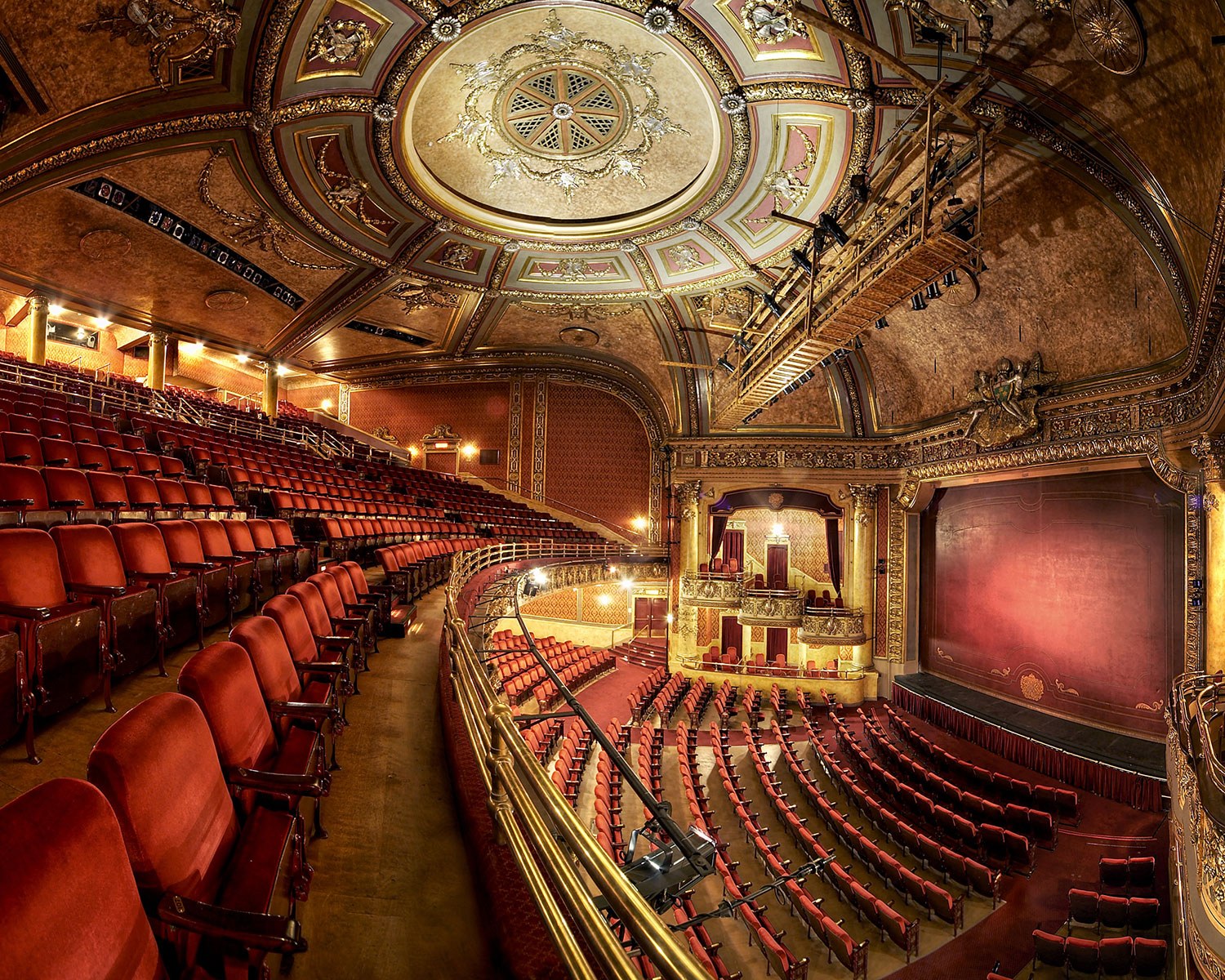
Elgin & Winter Garden Theatres
At this magnificent National Historic Site, you can bask in the gilded elegance of the Elgin Theatre, and then gaze at the leafy ceiling of the Winter Garden Theatre, seven storeys above the Elgin.
Learn more
About
Property
Elgin & Winter Garden Theatres in buildings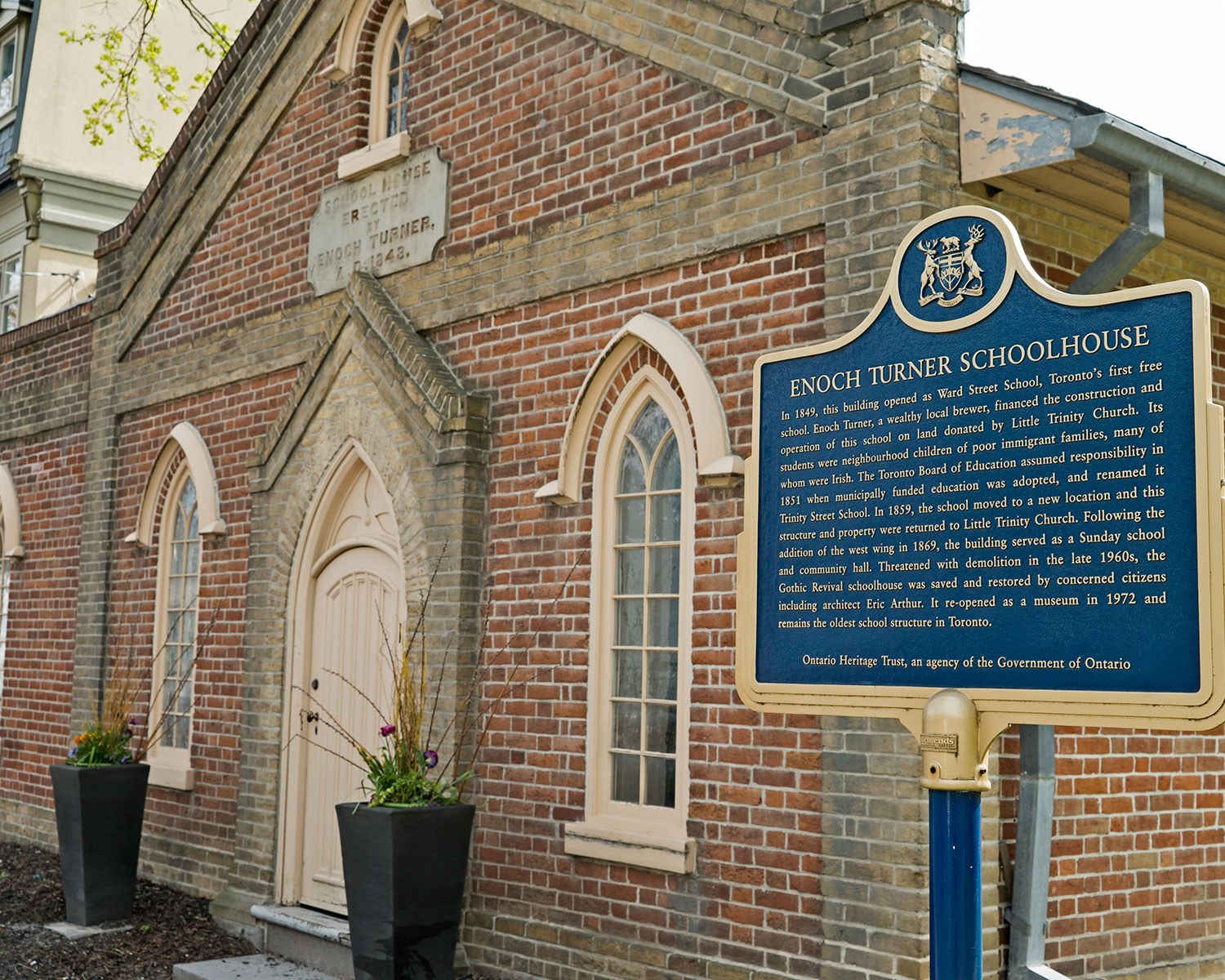
Enoch Turner Schoolhouse
Toronto's Enoch Turner Schoolhouse is a provincially significant heritage site and the oldest school still standing in Toronto.
Learn more
About
Property
Enoch Turner Schoolhouse in buildings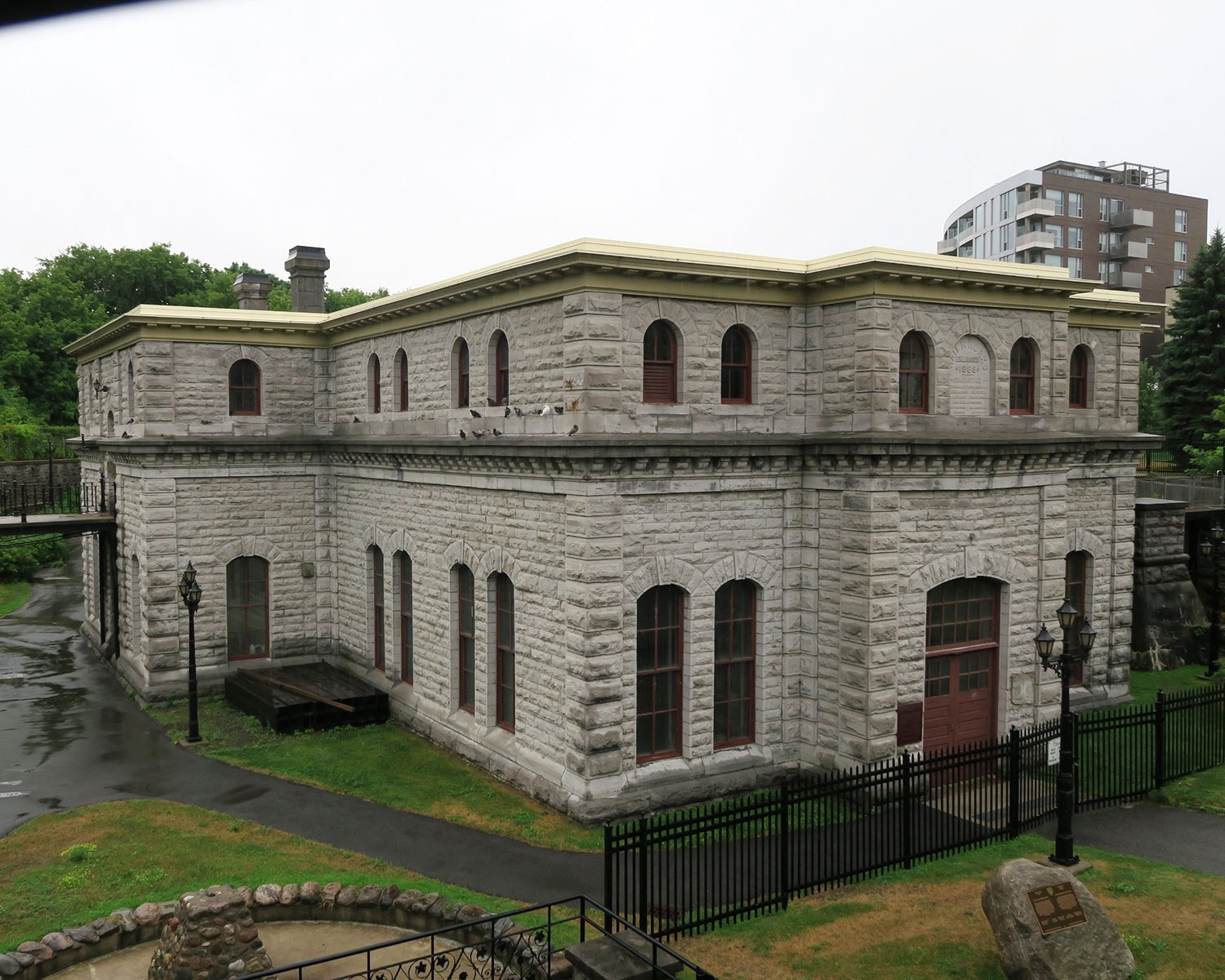
Fleet Street Pumping Station
The great Carleton County Fire of 1870 and the Chicago Fire of 1871 led to the City of Ottawa engaging Thomas C. Keefer, a leading Canadian engineer, to design Ottawa's first system of water distribution.
Learn more
About
Property
Fleet Street Pumping Station in buildingsFool's Paradise
Fool’s Paradise was the home and studio of Canadian landscape artist, writer and educator Doris McCarthy (1910-2010). The site overlooks Lake Ontario along Toronto’s Scarborough Bluffs.
Learn more
About
Property
Fool's Paradise in buildings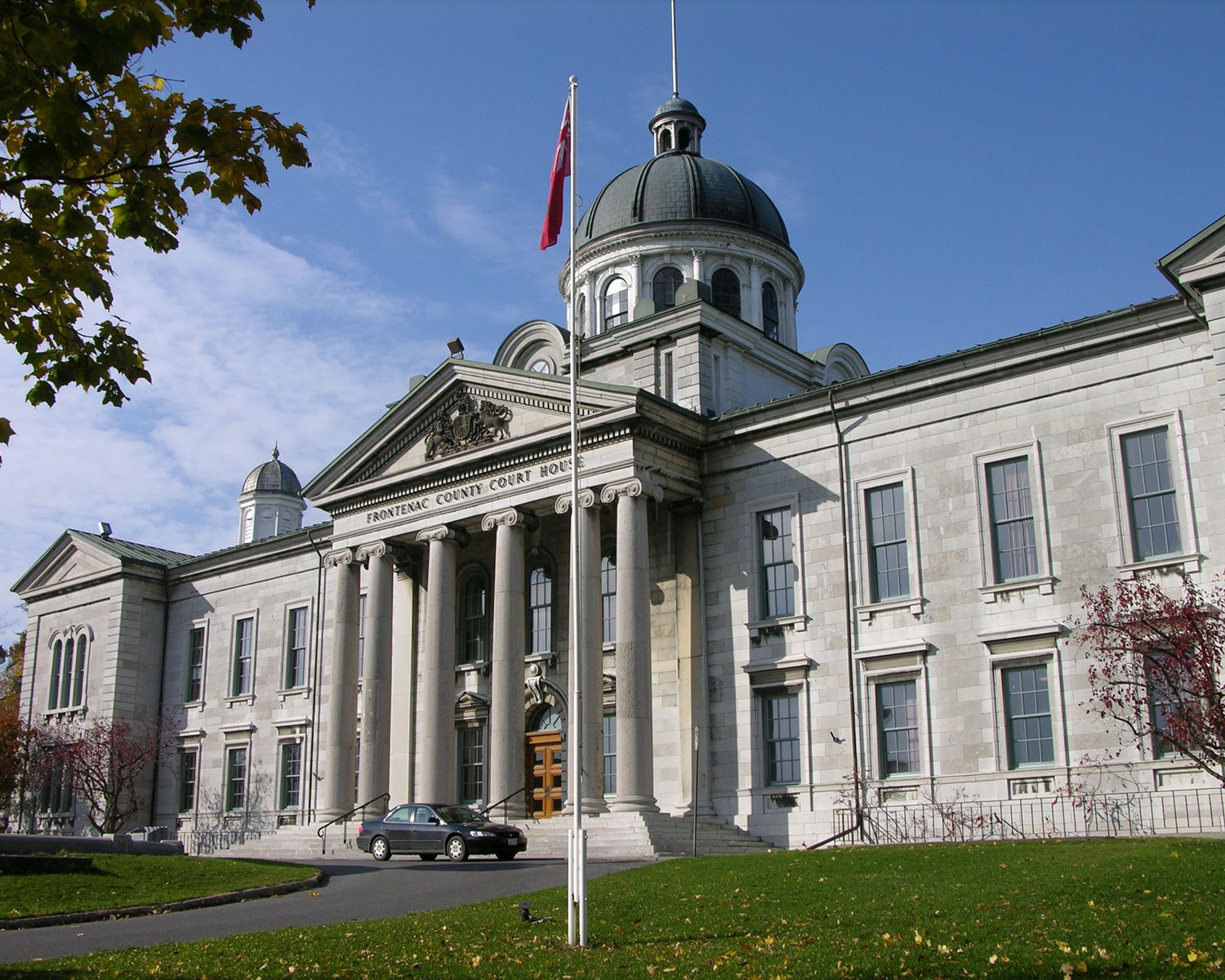
Frontenac County Courthouse
With the growth in population in Kingston and with the increased complexity of the law, the 1796 courthouse and jail were deemed to be too small by the mid-19th century. The courthouse and jail were sold and contracts were let for the new courthouse in July 1855 on land obtained from the province.
Learn more
About
Property
Frontenac County Courthouse in buildings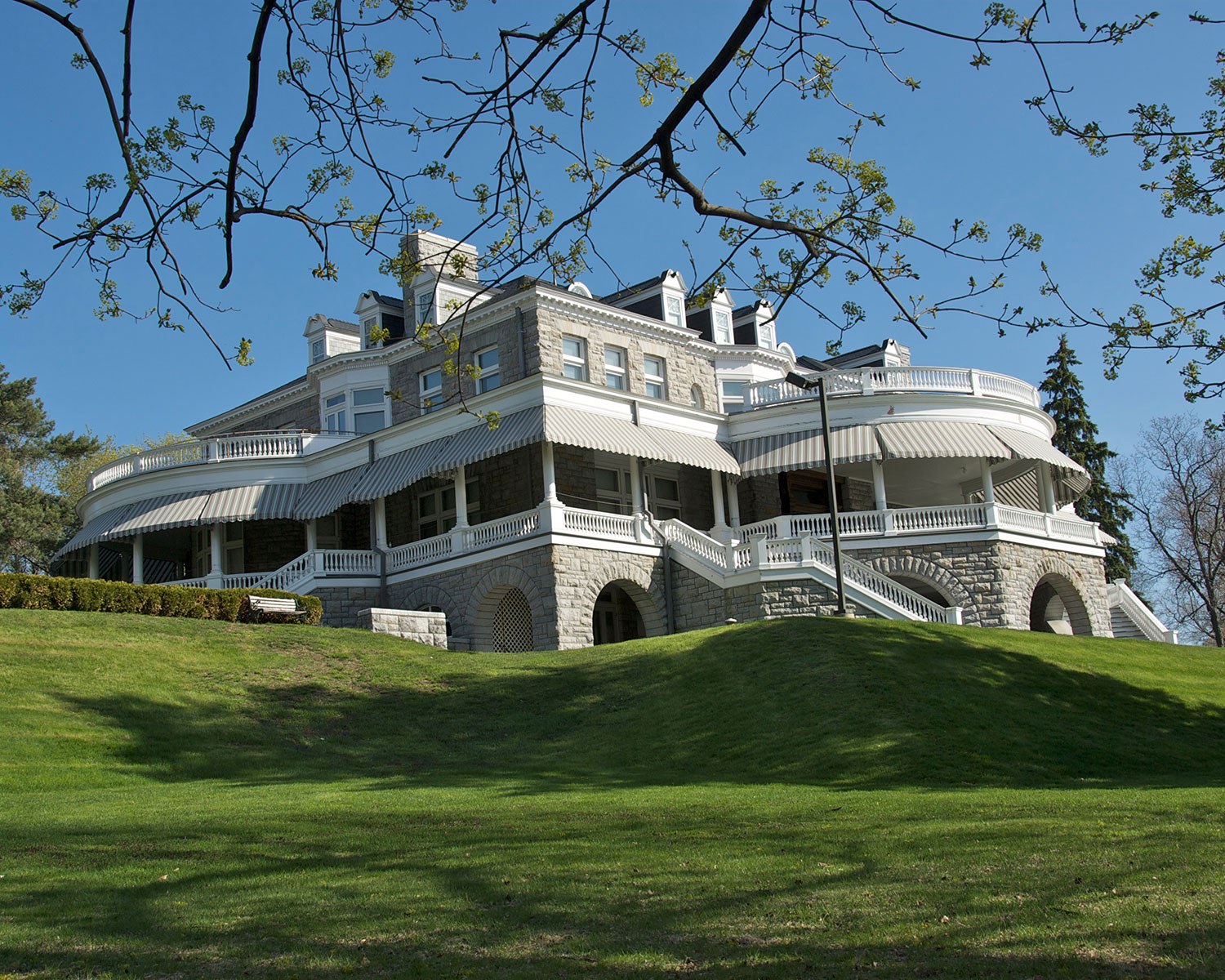
Fulford Place
Discover the story of Senator George T. Fulford, explore the grand Fulford mansion and marvel at the many original family furnishings.
Learn more
About
Property
Fulford Place in buildings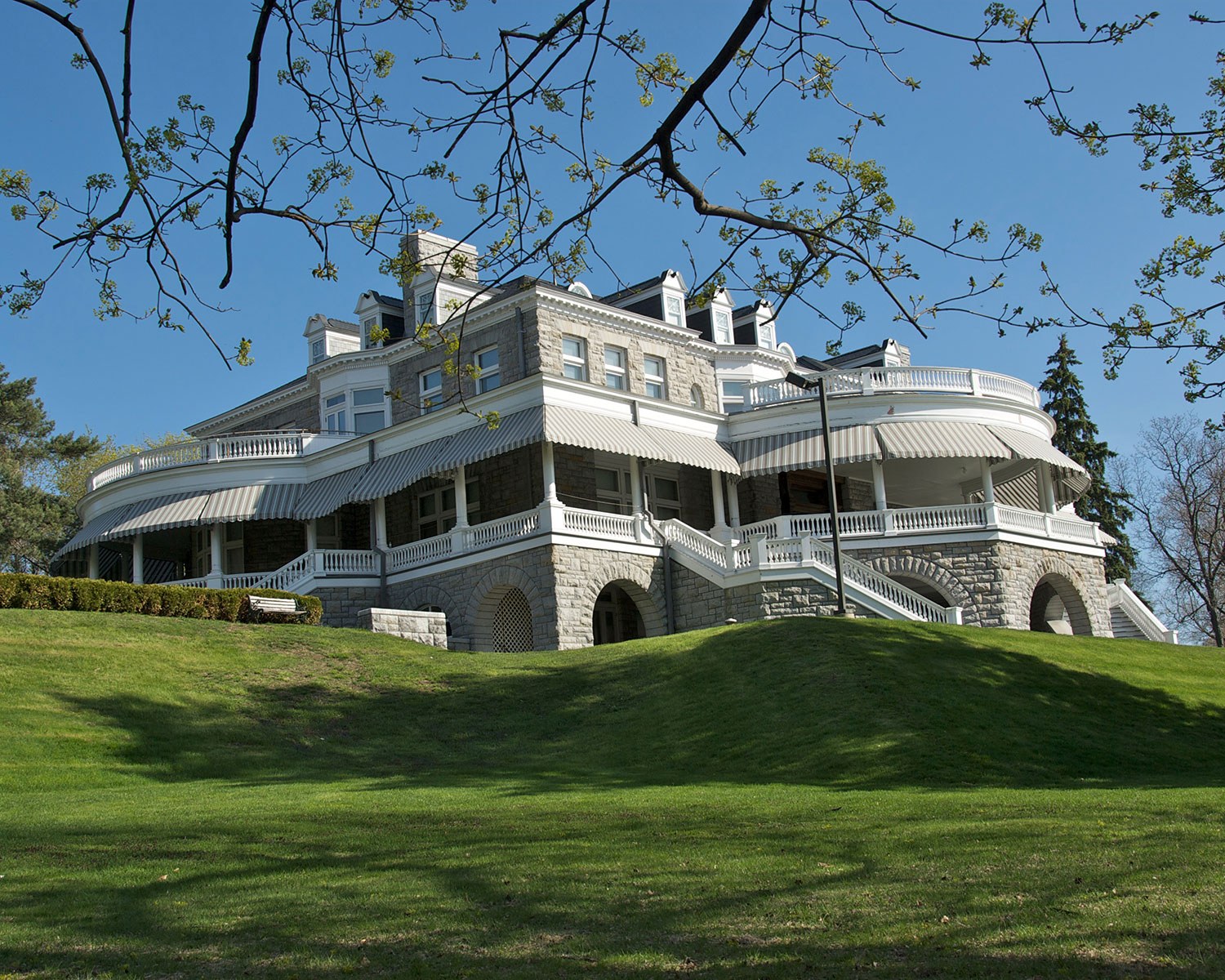
Fulford Place: A tribute to ambition
This magnificent 1,858-square-metre (20,000-square-foot) mansion was built in 1899-1901 for self-made millionaire and senator George Taylor Fulford I (1852-1905) and his family.
Learn more
About
online exhibit
Fulford Place: A tribute to ambition in buildingsGeorge Brown House
This fine Second Empire-style house was built for George Brown between 1874 and 1876. The elegance of his residence reflects his prominence as a Father of Confederation, founder of The Globe newspaper (now the Globe and Mail) and a leading Liberal politician.
Learn more
About
Property
George Brown House in buildings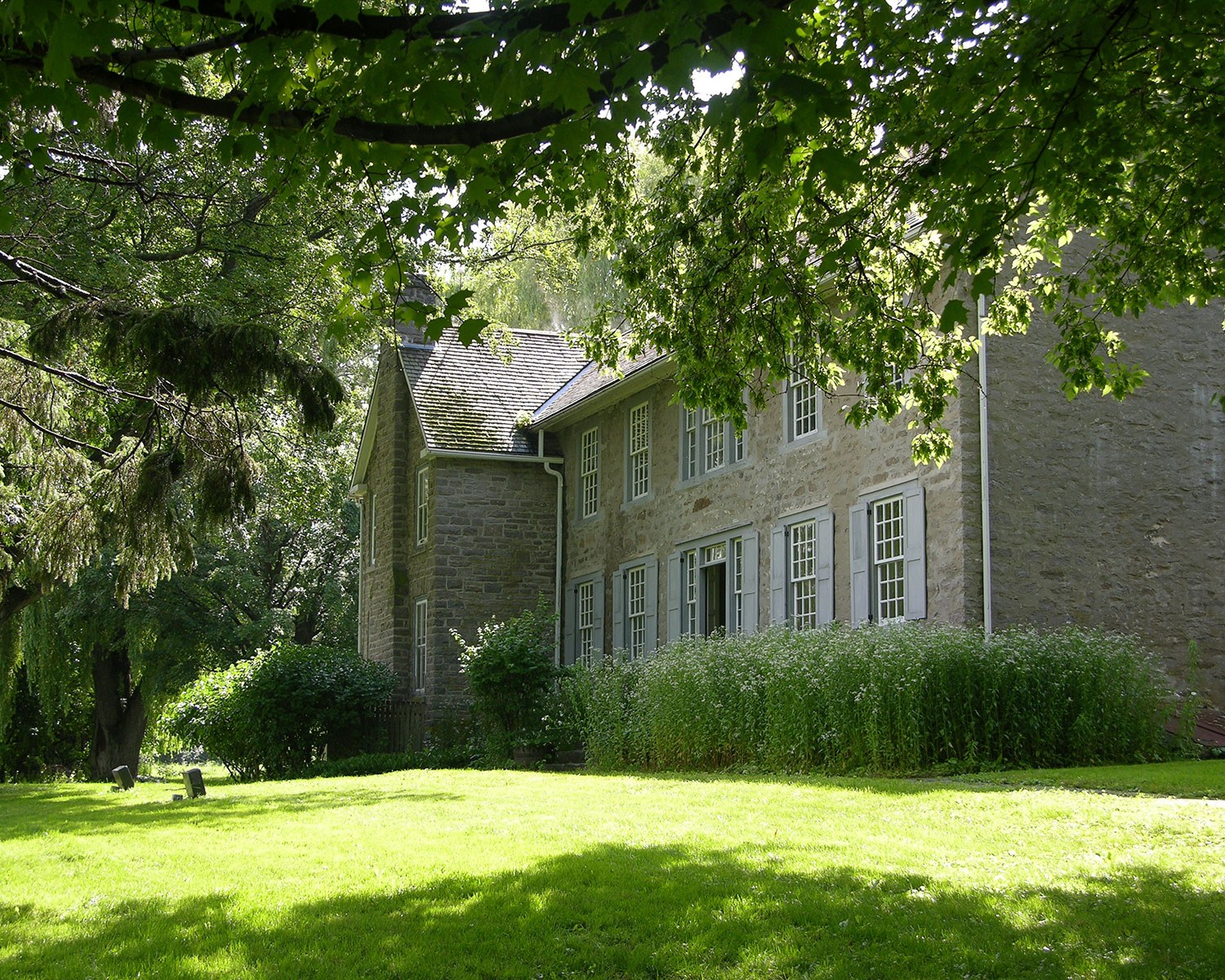
Homewood Museum
Step back in time to 1800. Get a glimpse of the life of Dr. Solomon Jones (1756-1822), a United Empire Loyalist and the area’s first physician.
Learn more
About
Property
Homewood Museum in buildings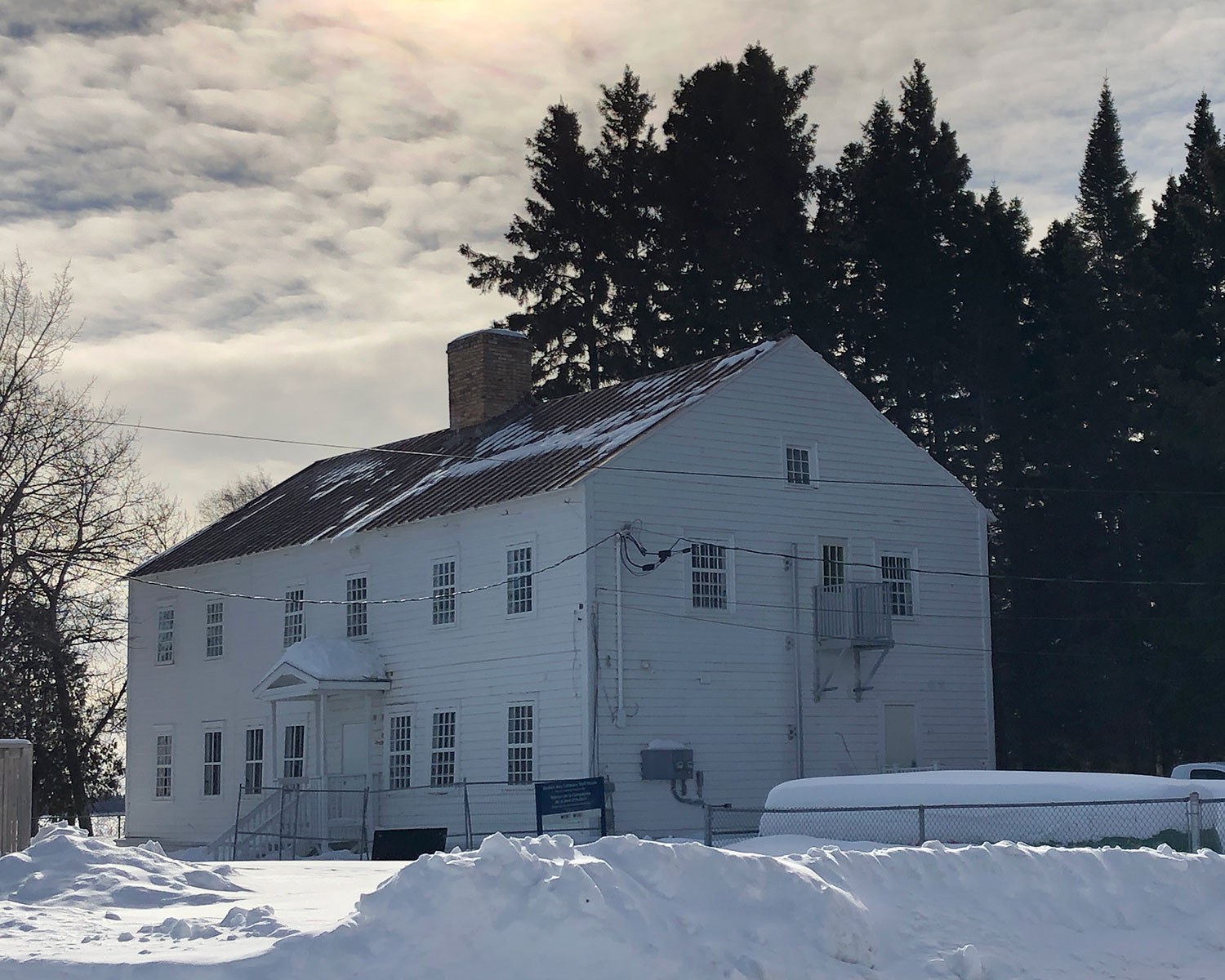
Hudson's Bay Company Staff House
Moose Factory, an island just south of James Bay, was established in 1673 as the main trading post of the Hudson's Bay Company. It is Canada's oldest English-speaking community.
Learn more
About
Property
Hudson's Bay Company Staff House in buildings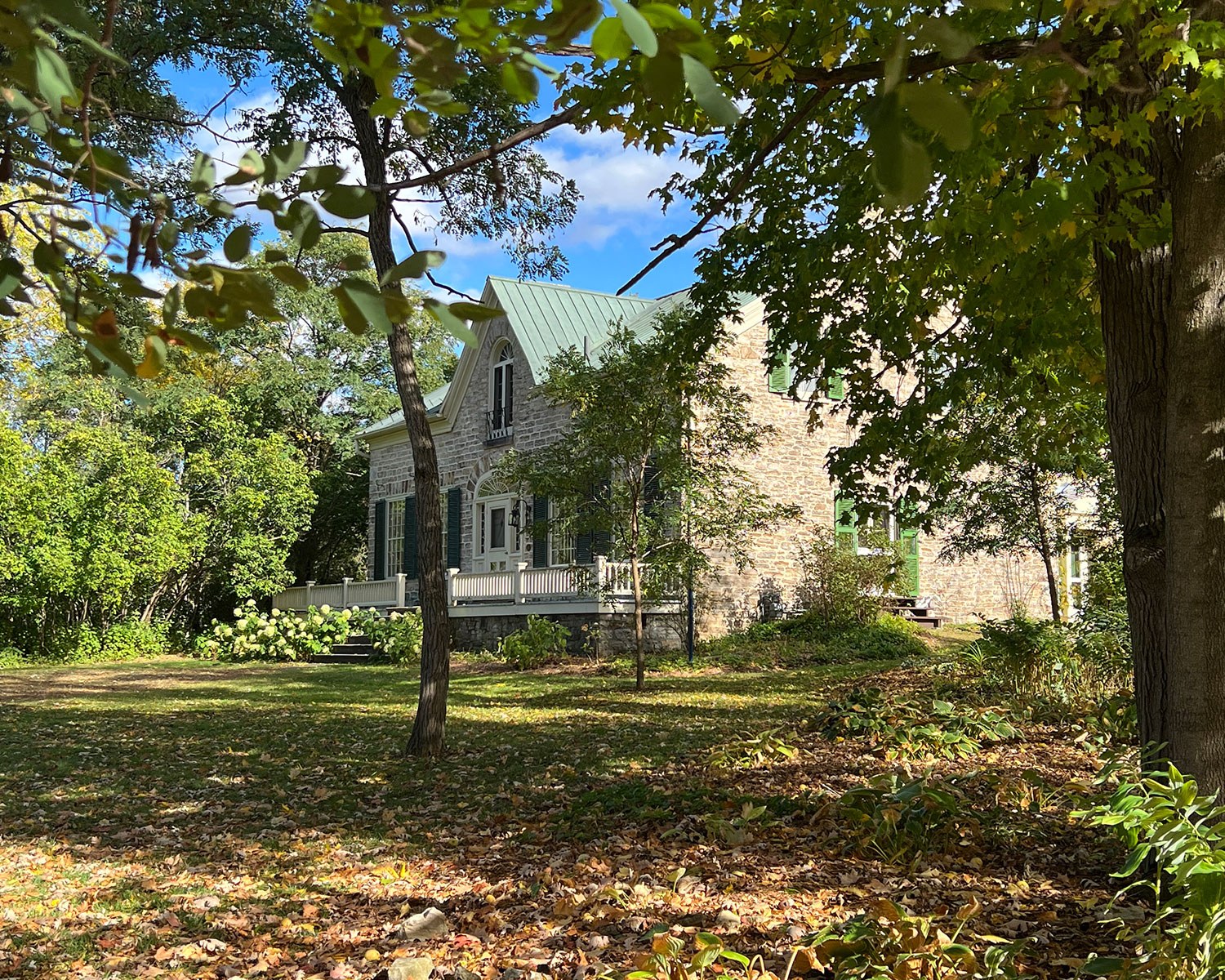
Inge-Va
Located in the heart of Perth, this late-Georgian stone residence was built in 1823 for Reverend Michael Harris, the first Episcopalian minister in the district.
Learn more
About
Property
Inge-Va in buildingsJosiah Henson Museum of African-Canadian History
An estimated 30,000 Black refugees from slavery in the United States fled to Canada along the Underground Railroad. One of these freedom seekers was abolitionist, preacher and author Josiah Henson.
Learn more
About
Property
Josiah Henson Museum of African-Canadian History in buildings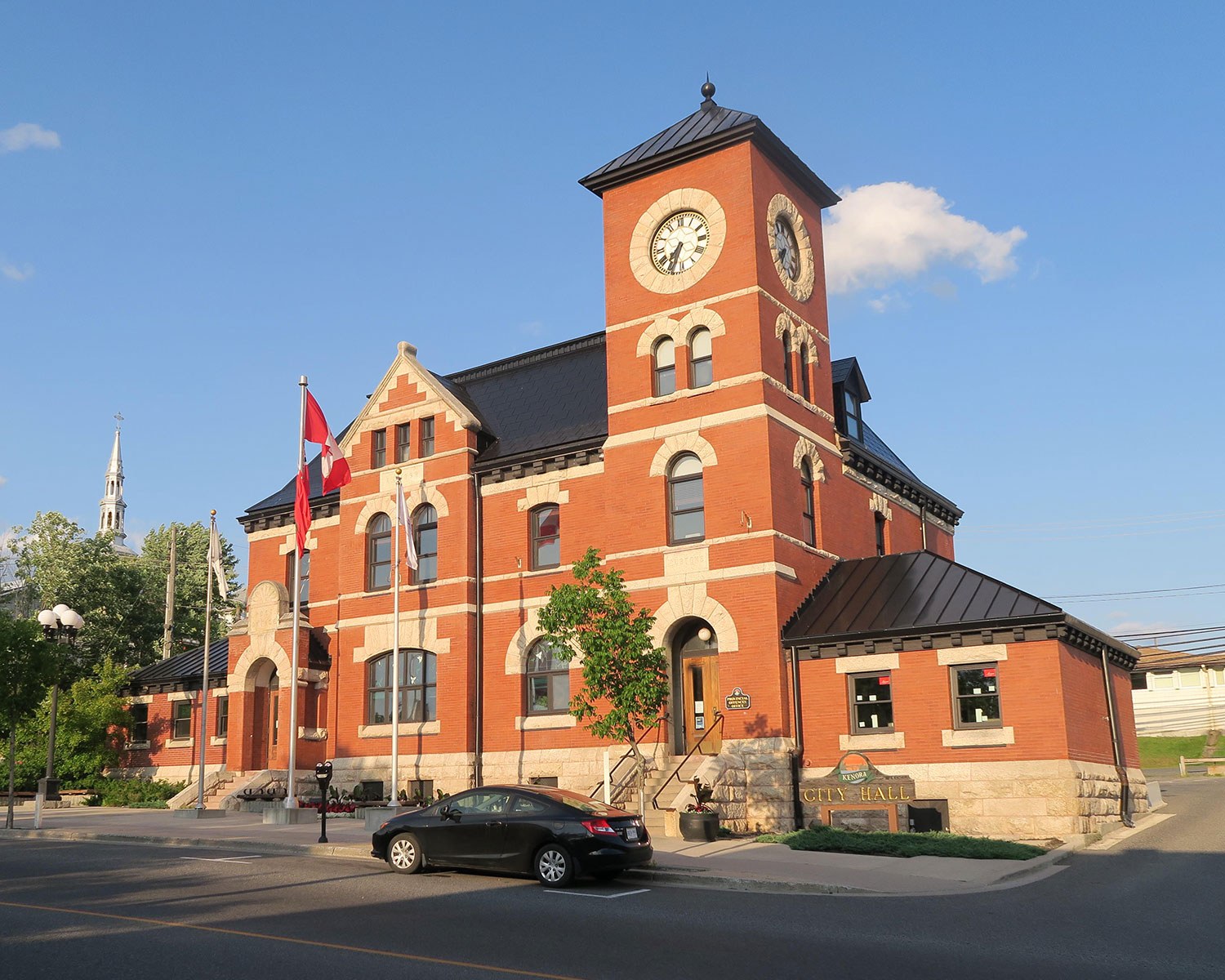
Kenora Post Office
Designed by the federal Department of Public Works in stylistic blend of High Victorian, Second Empire and Richardsonian Romanesque, this predominantly brick building is characterized by a high, heavily rusticated, stone foundation.
Learn more
About
Property
Kenora Post Office in buildingsLeacock House
This building was constructed on Old Brewery Bay as a summer home for Stephen Leacock, world-renowned humorist and author.
Learn more
About
Property
Leacock House in buildings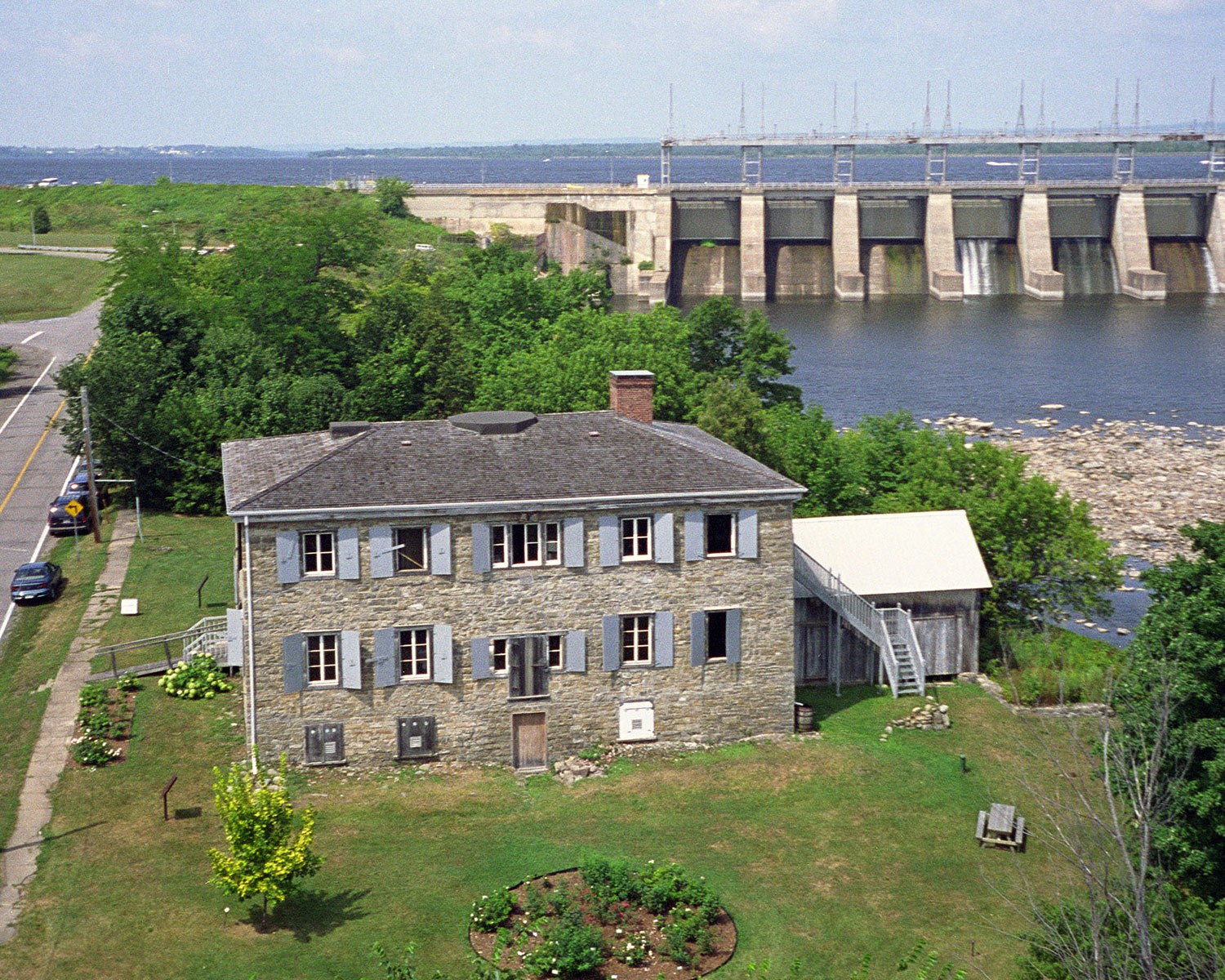
Macdonell-Williamson House
In 1813, after 19 years as a fur trader with the North West Company, John Macdonell (1768-1850) retired to Hawkesbury Township with his wife, Magdeleine Poitras — a Métis born on the Manitoba section of the Qu'Appelle River — and their children.
Learn more
About
Property
Macdonell-Williamson House in buildings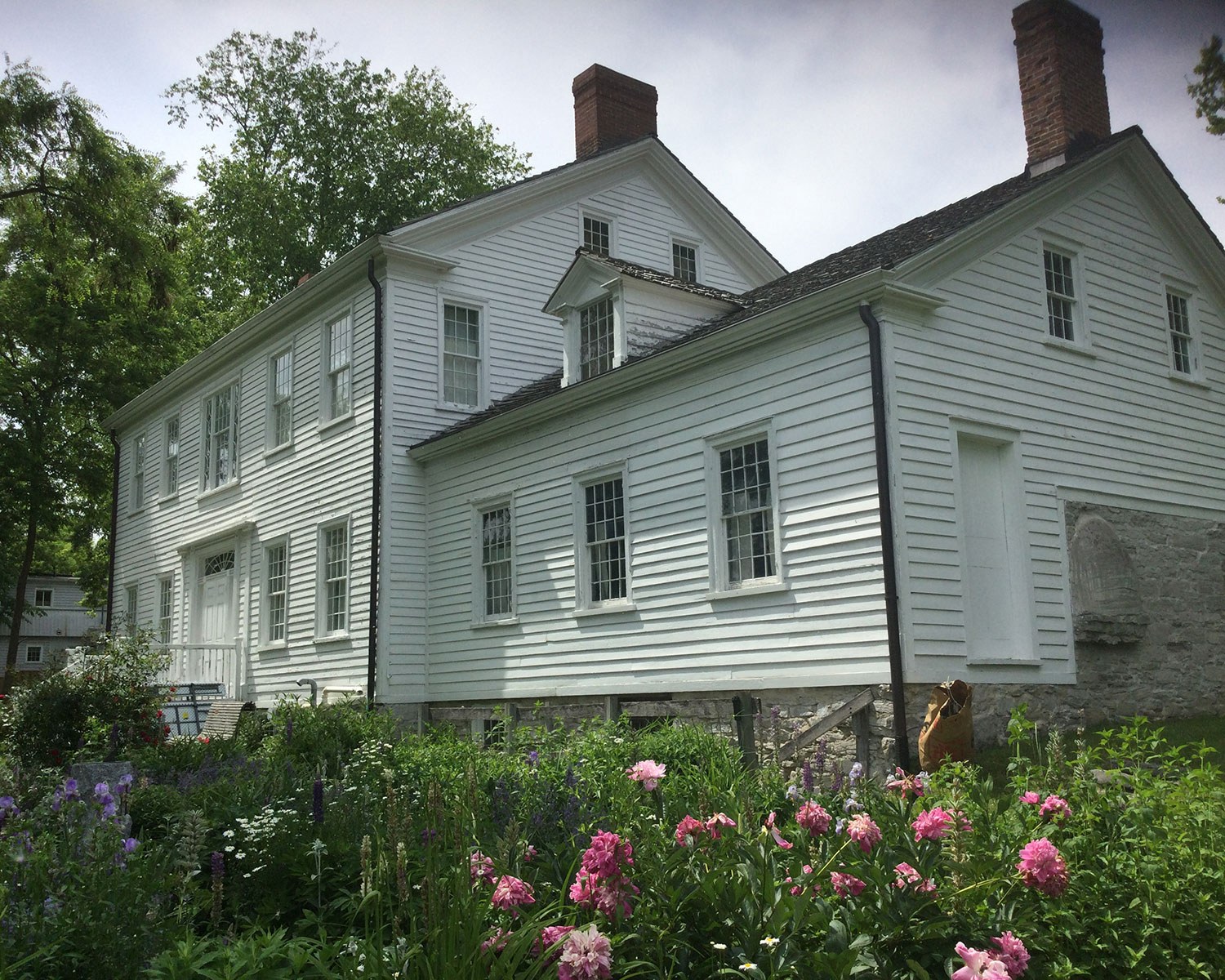
Macpherson House
This house was built by Allan Macpherson, a leading local businessman, militia leader, magistrate and Napanee's first postmaster, in proximity to his general store on Dundas Street.
Learn more
About
Property
Macpherson House in buildings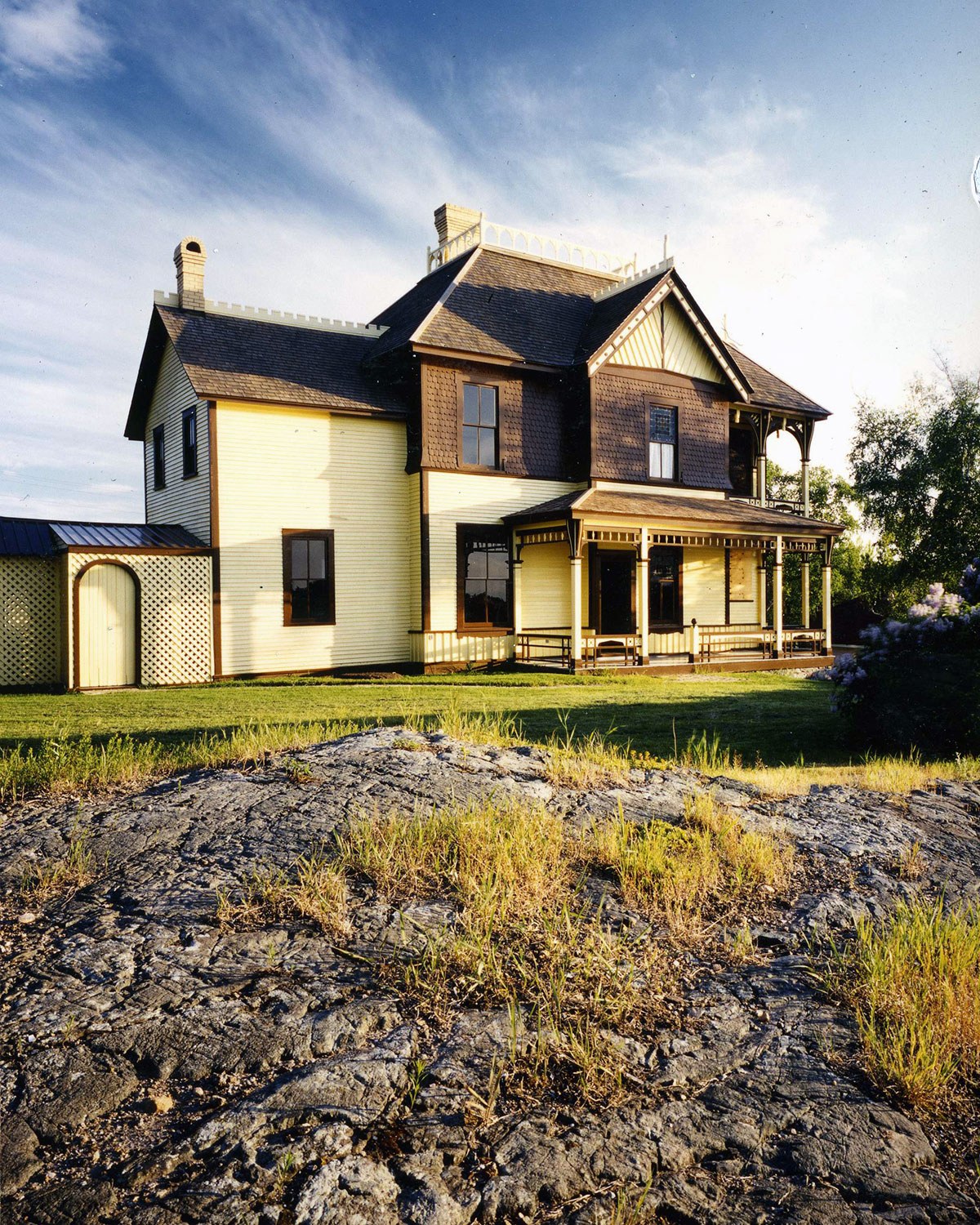
Mather-Walls House
The Mather-Walls House in Keewatin (part of Kenora) reflects the vision of one man — John Mather.
Learn more
About
Property
Mather-Walls House in buildings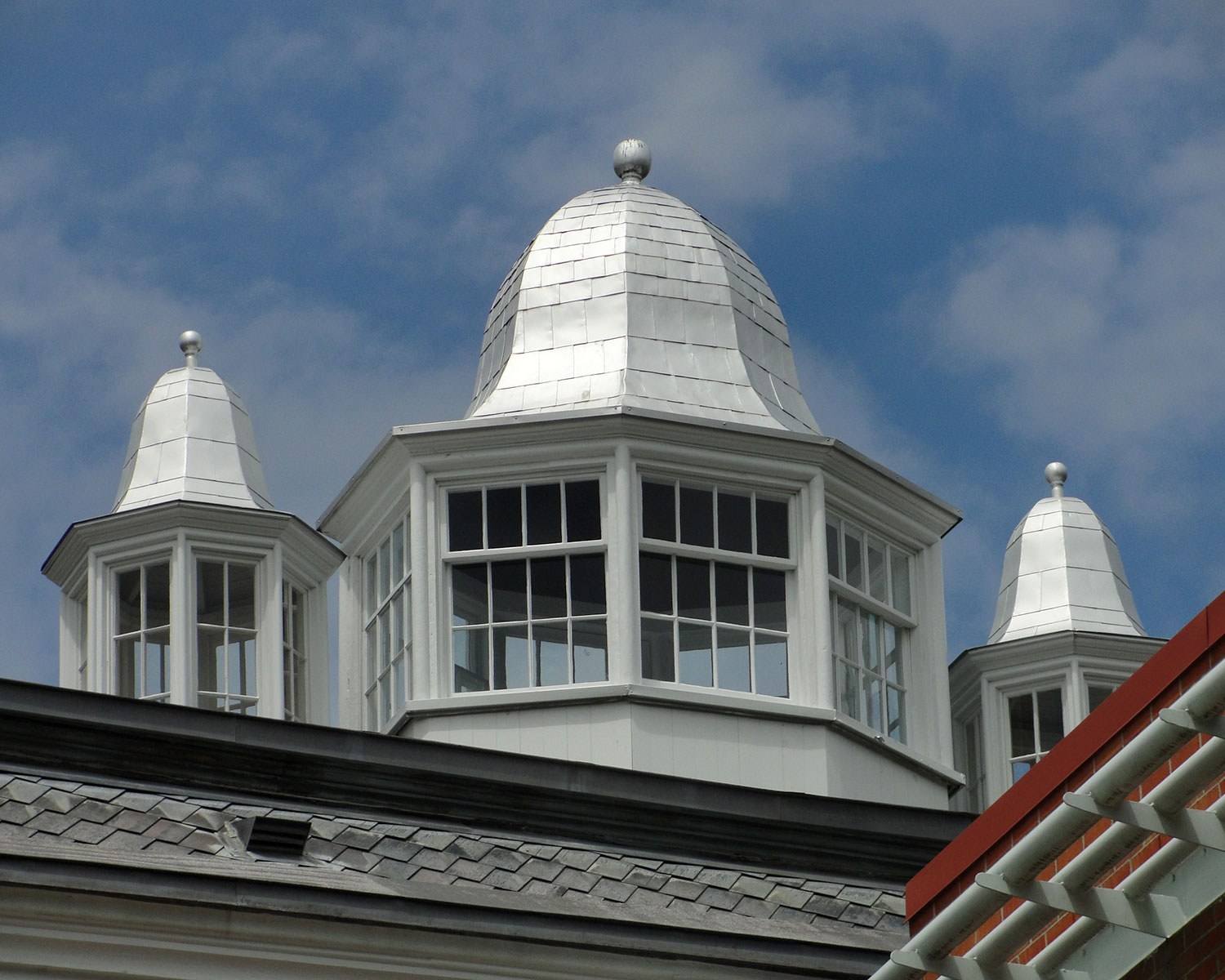
McMartin House
McMartin House was built in the American Federal style in 1830 for Daniel McMartin (1798-1869), one of the first lawyers in Perth.
Learn more
About
Property
McMartin House in buildings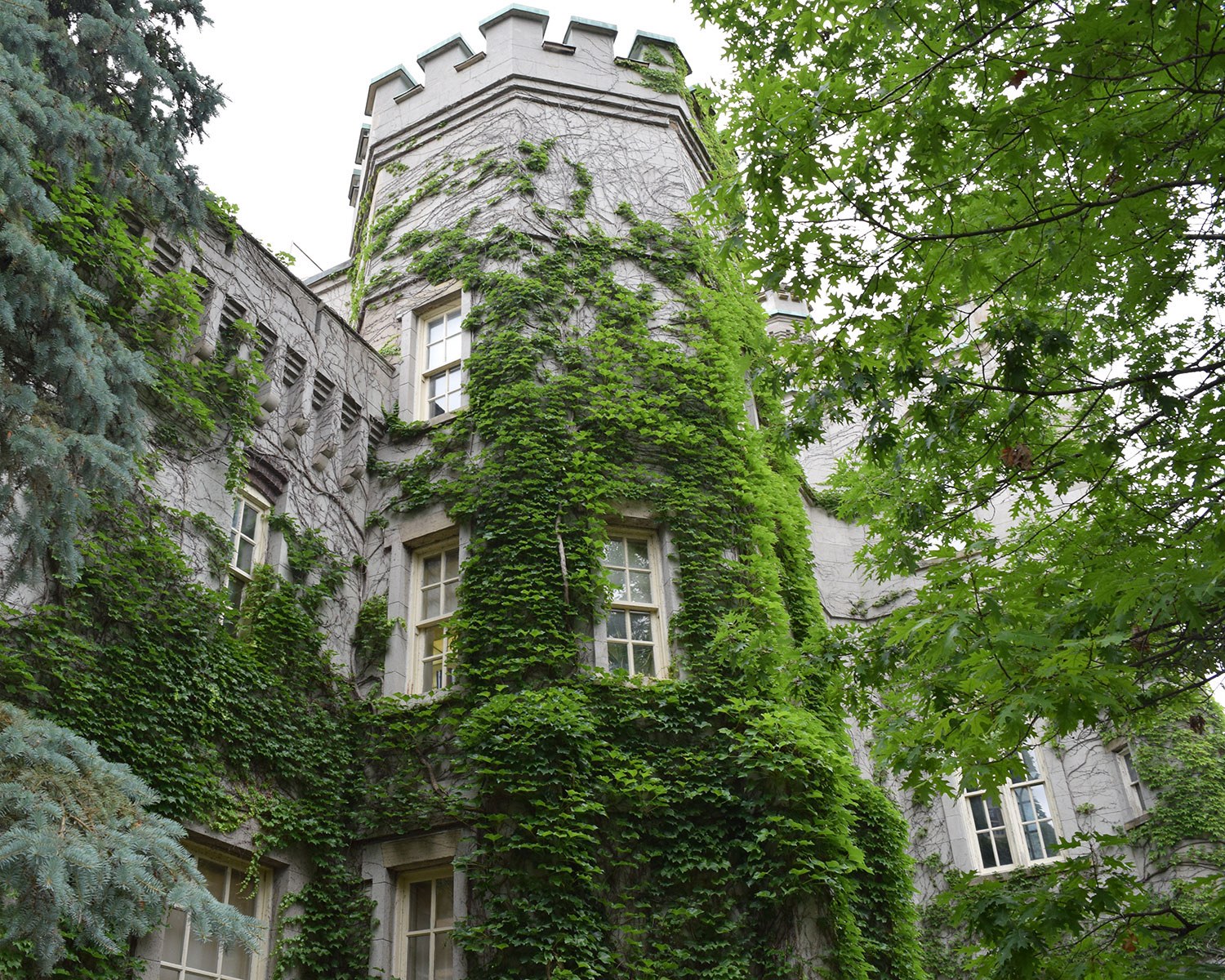
Middlesex County Courthouse
Rapid growth required the building of a separate but nearby County administration office in 1861 and a Registry Office in 1876. This building is associated with 19th-century judicial, governmental and administrative development in Ontario.
Learn more
About
Property
Middlesex County Courthouse in buildings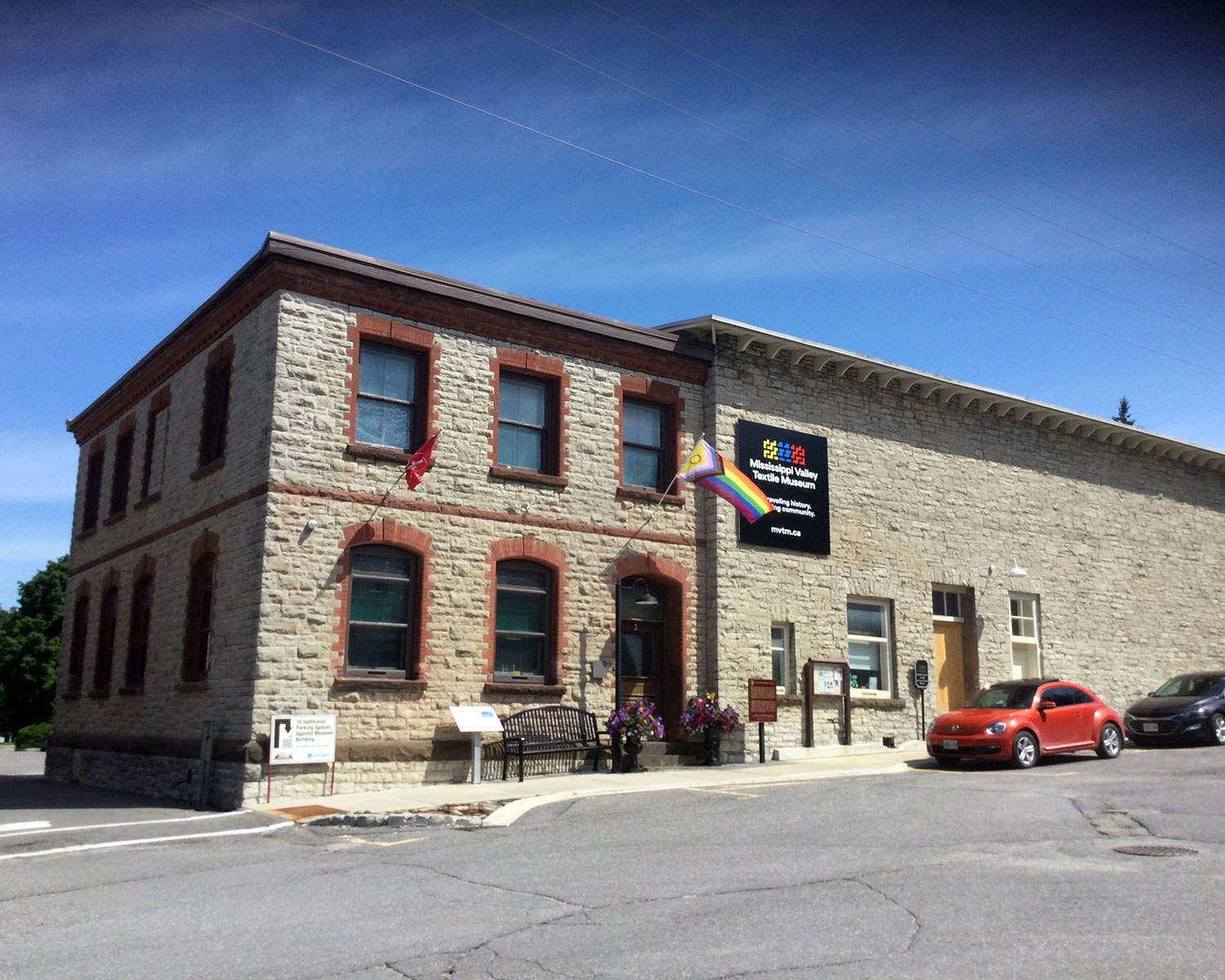
Mississippi Valley Textile Museum
The entire mill complex is one of a few surviving Ottawa Valley textile manufacturing complexes from the late 19th century. In 1988, the Mississippi Valley Textile Museum acquired the Annex of the mill complex for use as a museum.
Learn more
About
Property
Mississippi Valley Textile Museum in buildings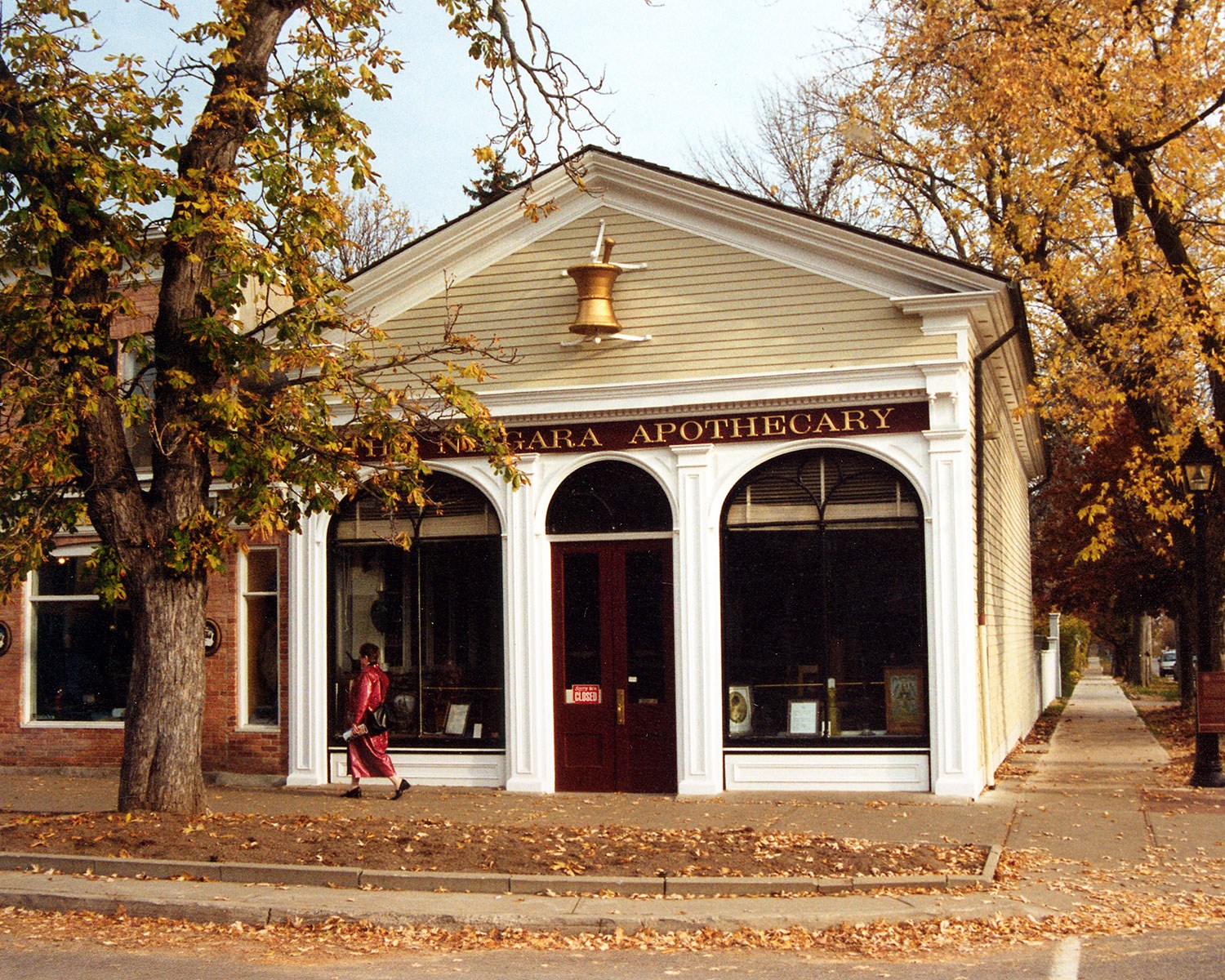
Niagara Apothecary
Step through the doors of the Niagara Apothecary and see how pharmacists practised their profession over 100 years ago.
Learn more
About
Property
Niagara Apothecary in buildings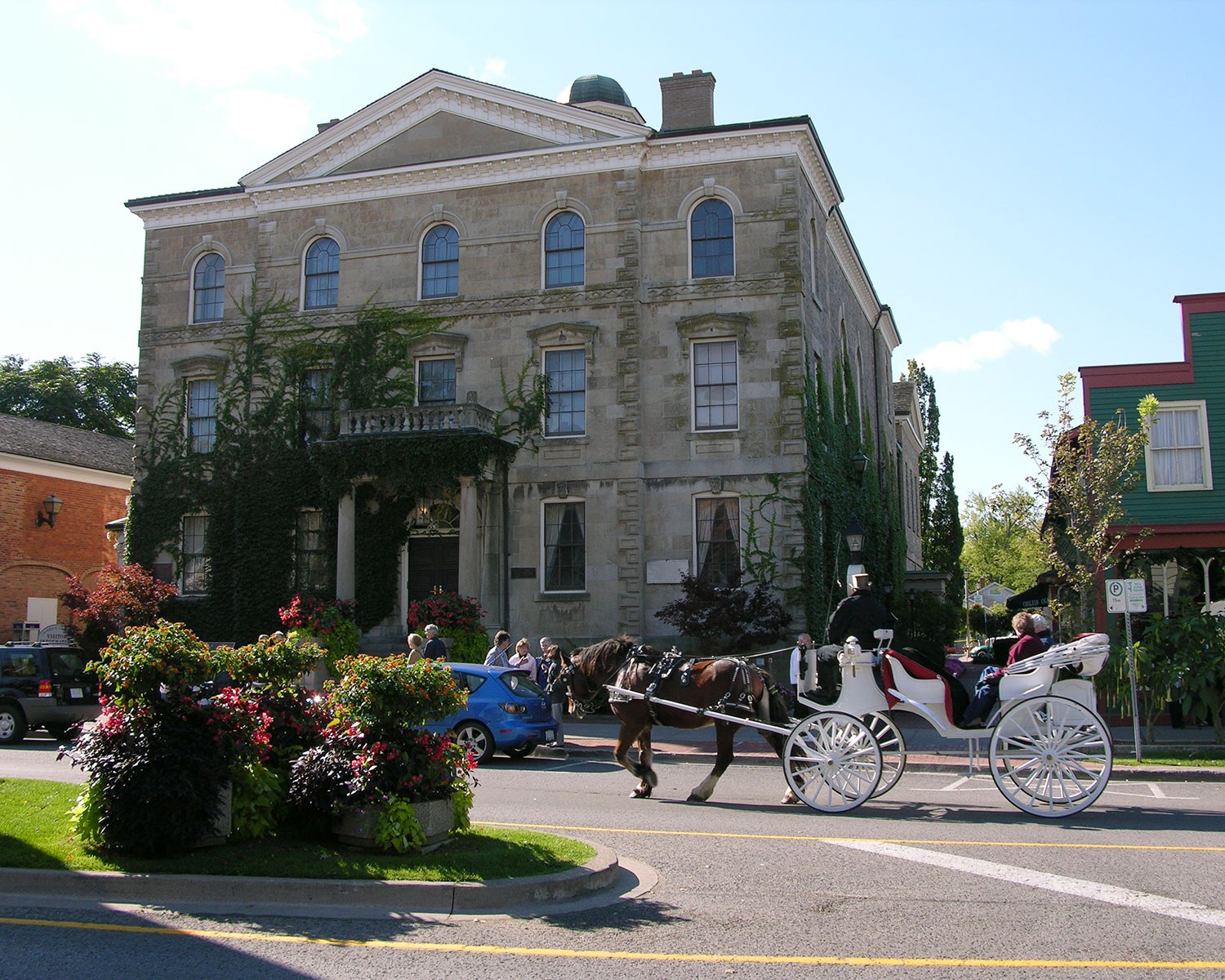
Niagara District Court House
This building is associated with 19th-century judicial, governmental and administrative development in Ontario and is the third and only surviving courthouse erected for the former Niagara District. Its plan marks a transition to larger and more sophisticated court buildings after 1850 in order to include a wider range of functions.
Learn more
About
Property
Niagara District Court House in buildings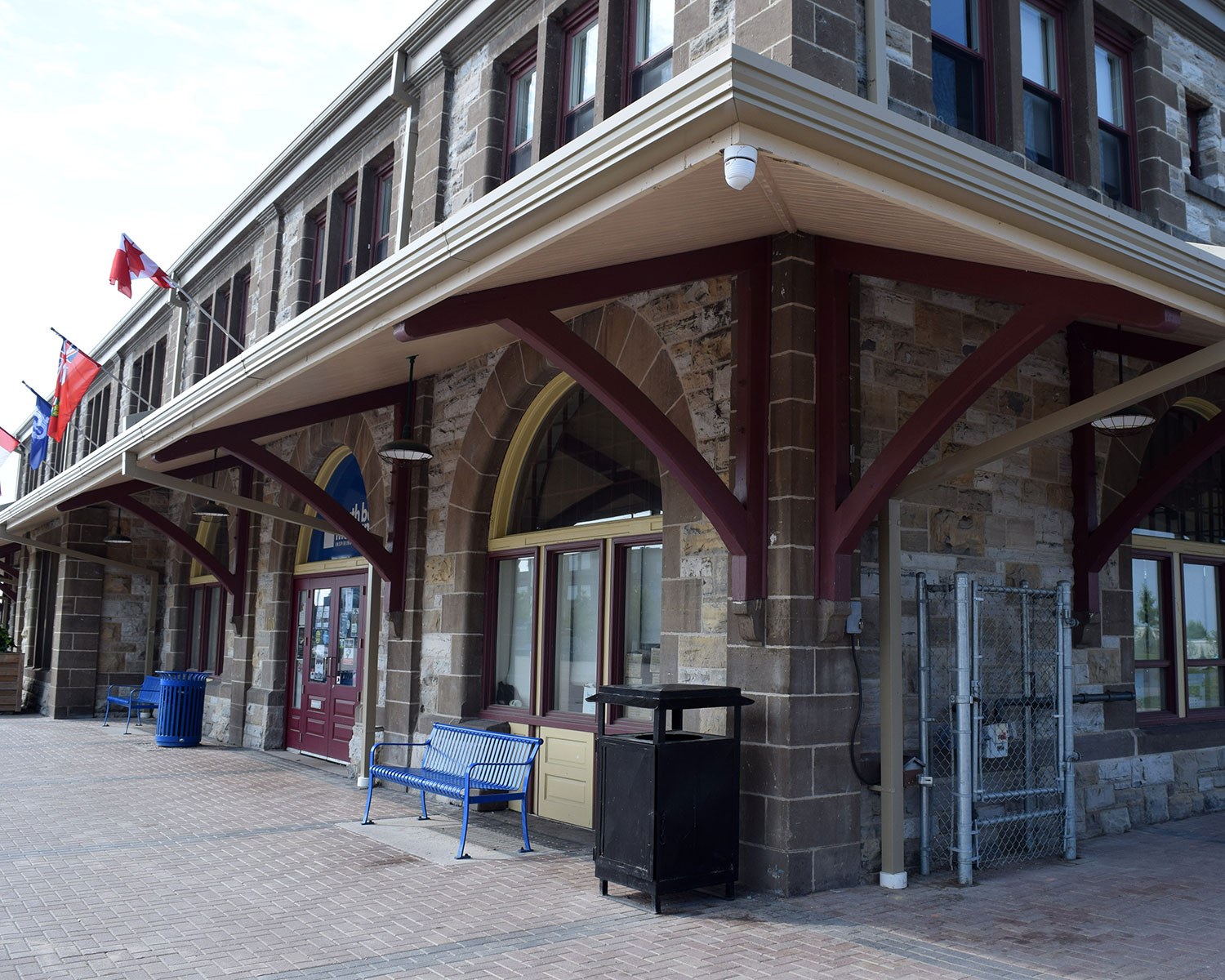
North Bay Canadian Pacific Railway Station
This station at North Bay was built in 1903 by the Canadian Pacific Railway (CPR). Once an important hub of transnational rails, the North Bay CPR Station was home to the district divisional offices between 1901 and 1959.
Learn more
About
Property
North Bay Canadian Pacific Railway Station in buildings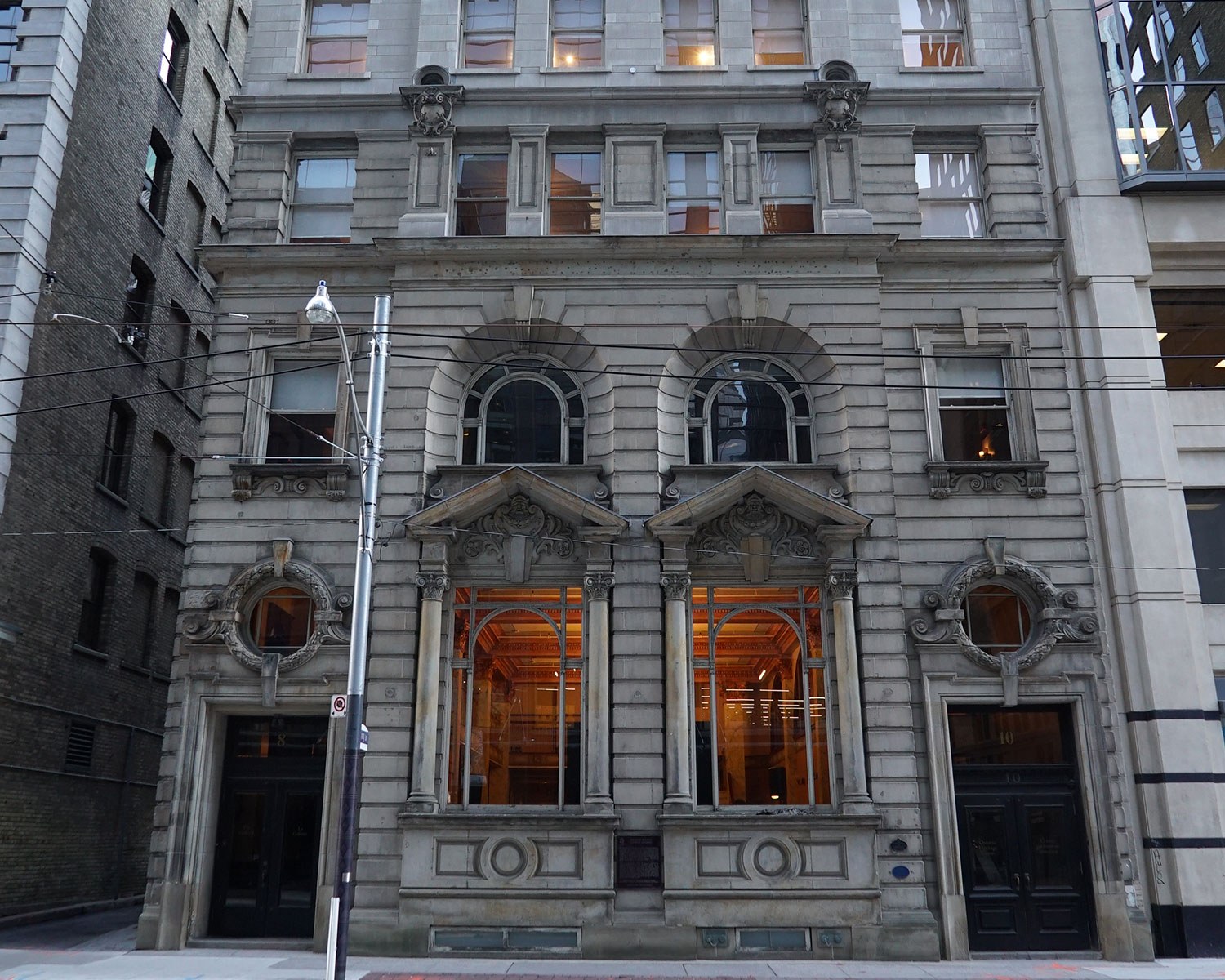
Ontario Heritage Centre
The Canadian Birkbeck Investment and Savings Company was the initial owner of what is today the Ontario Heritage Centre – the Ontario Heritage Trust's headquarters.
Learn more
About
Property
Ontario Heritage Centre in buildings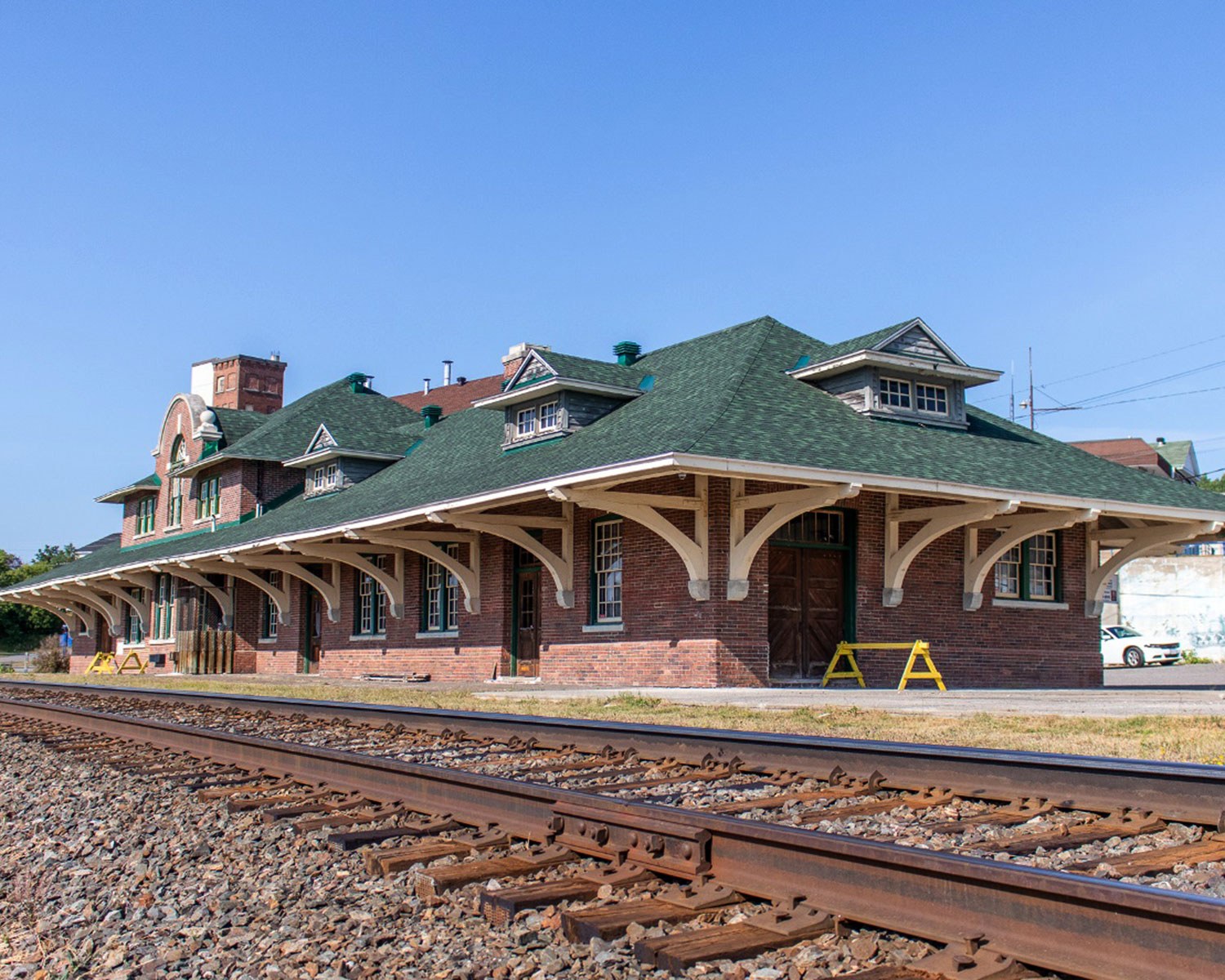
Ontario Northland Railway Station
Built in 1910 for the Temiskaming and Northern Ontario Railway, the Cobalt Station is associated with the early development of rail transportation and settlement in northern Ontario.
Learn more
About
Property
Ontario Northland Railway Station in buildings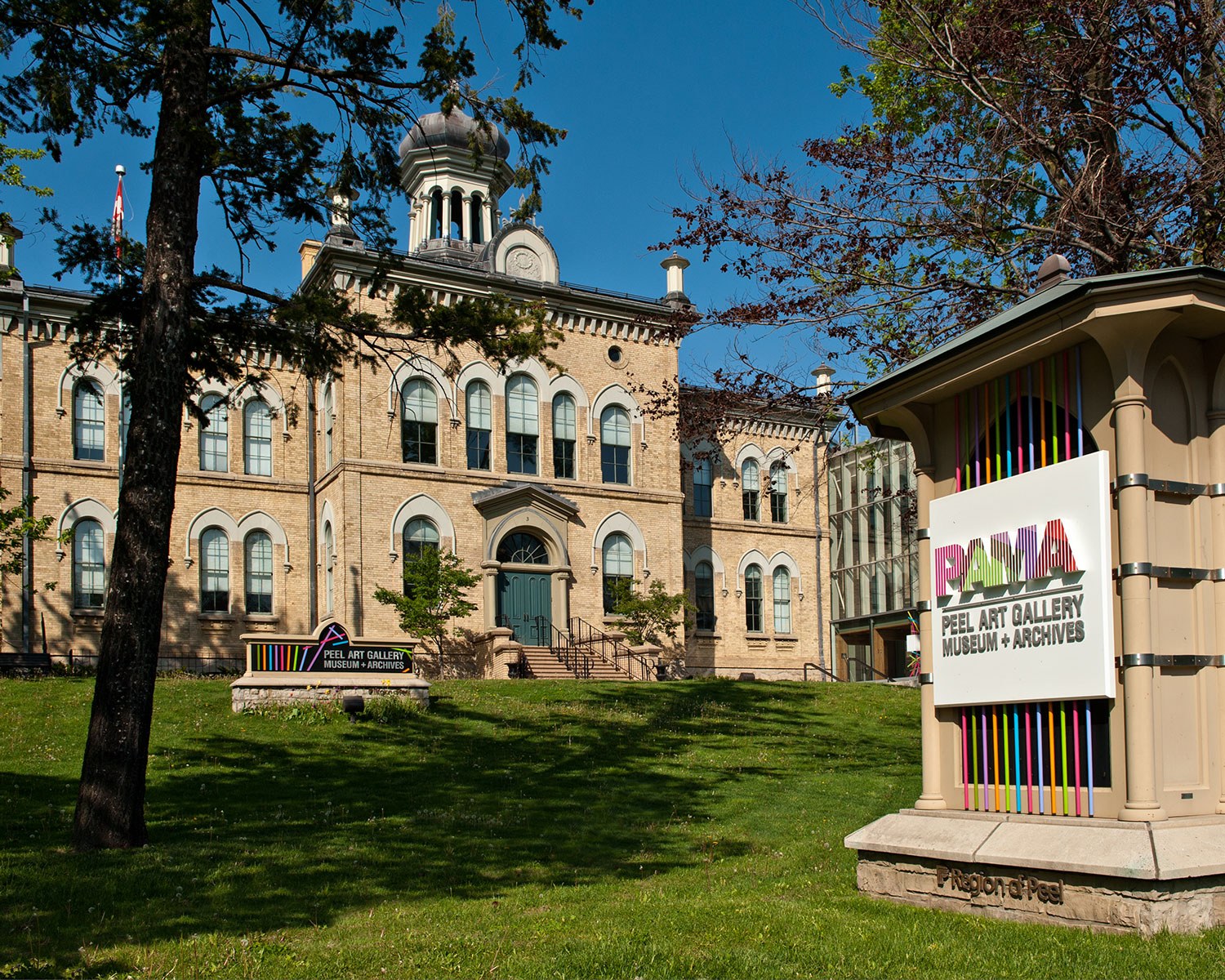
Peel County Courthouse and Jail
Serving as Peel County's judicial and administrative centre until 1973, the courthouse was then leased to the municipality until 1980. It now serves as a museum and art gallery.
Learn more
About
Property
Peel County Courthouse and Jail in buildings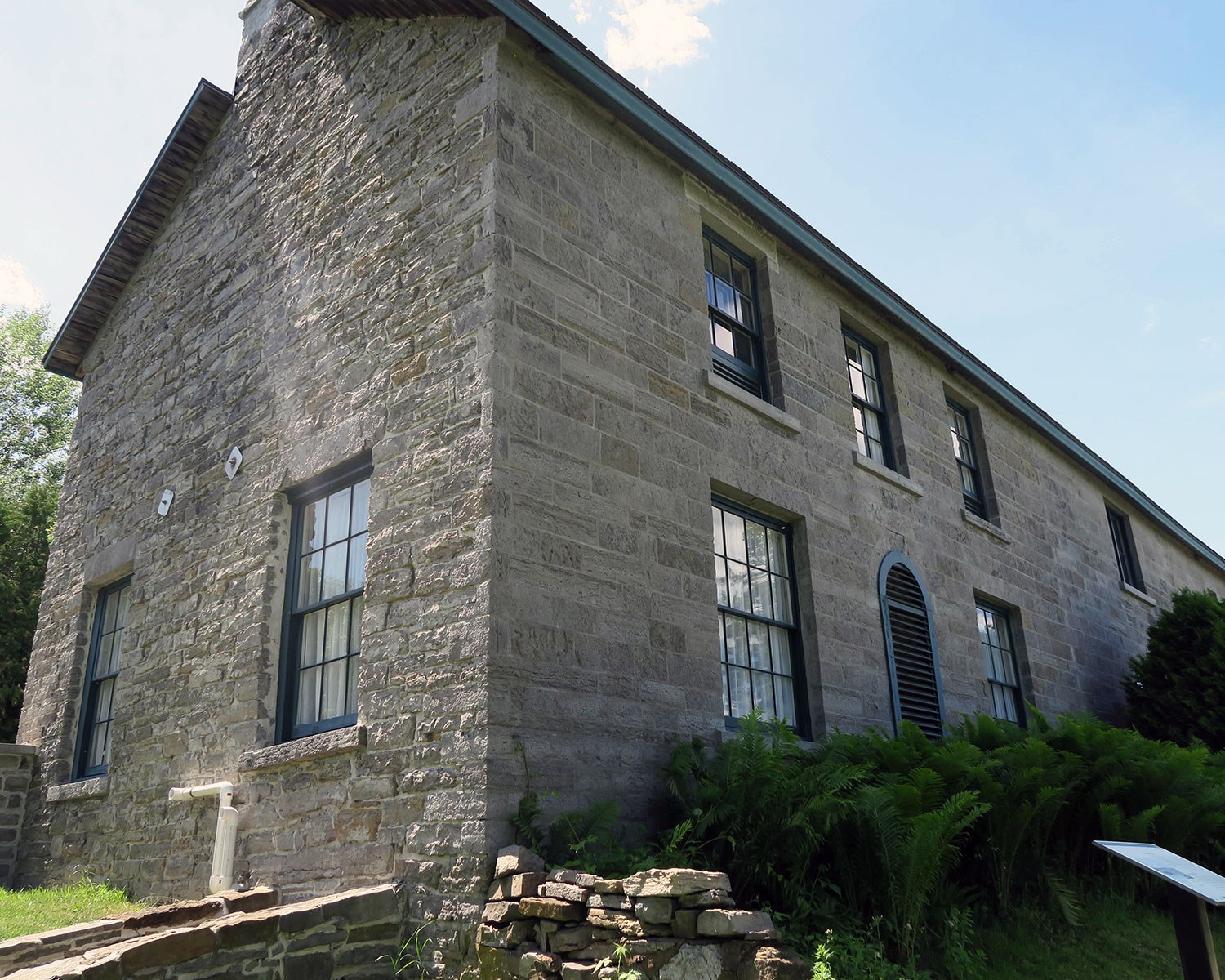
Pinhey Estate
Hamnet Kirkes Pinhey, a wealthy landed English gentleman and a successful merchant and veteran of the Napoleonic Wars, emigrated to Upper Canada in 1820 with a small fortune to develop an estate in the wilderness.
Learn more
About
Property
Pinhey Estate in buildings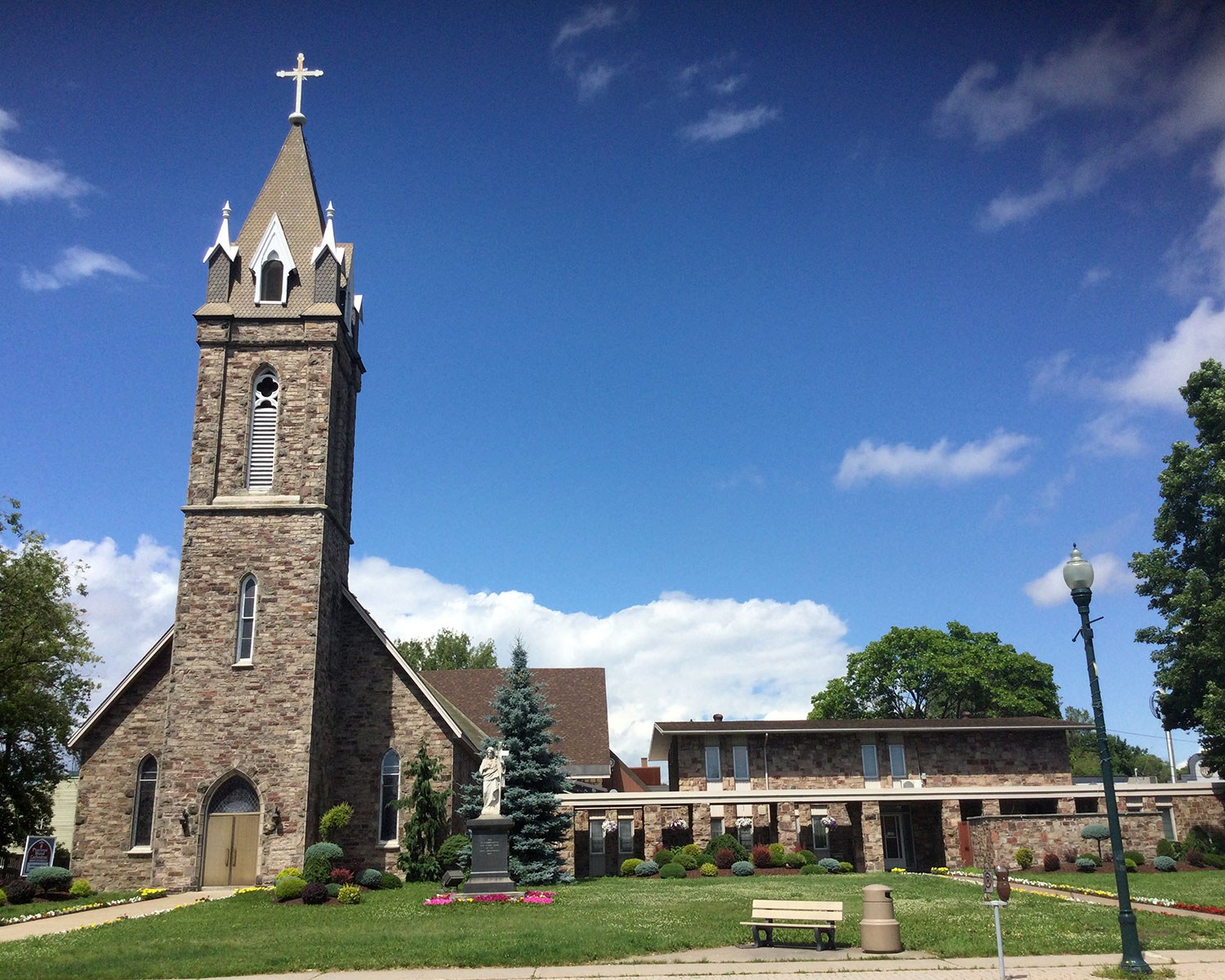
Precious Blood Cathedral
Sault Ste. Marie was elevated to a diocese in 1904 and the church was selected as a diocesan Cathedral. In 1913, the Jesuits who had served the parish church and then the Cathedral were replaced by the secular clergy. It was renamed the Cathedral of Precious Blood in 1936.
Learn more
About
Property
Precious Blood Cathedral in buildings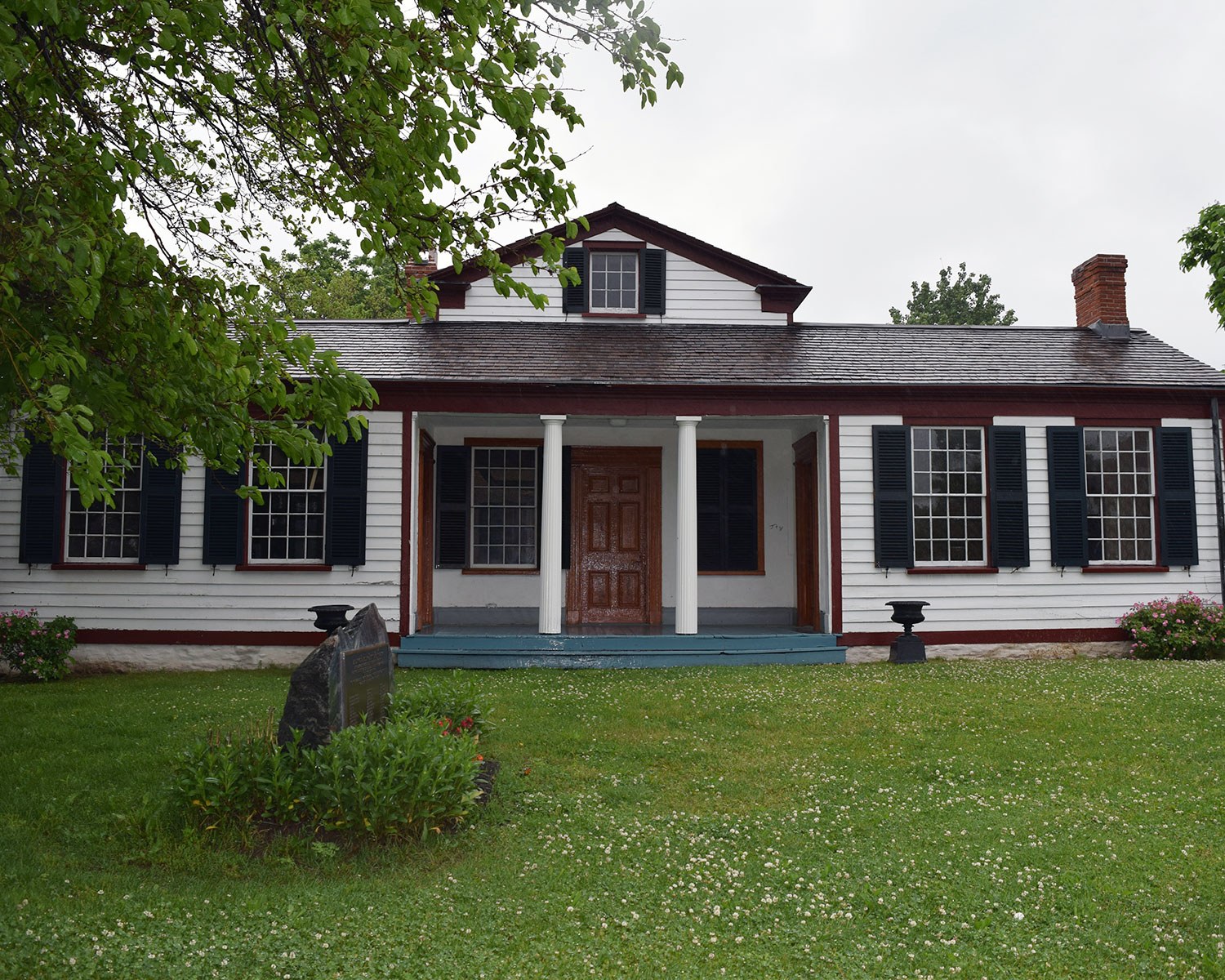
Redmond Heights
Located at Drummond Hill, Redmond Heights comprises part of the site of the Battle of Lundy's Lane.
Learn more
About
Property
Redmond Heights in buildings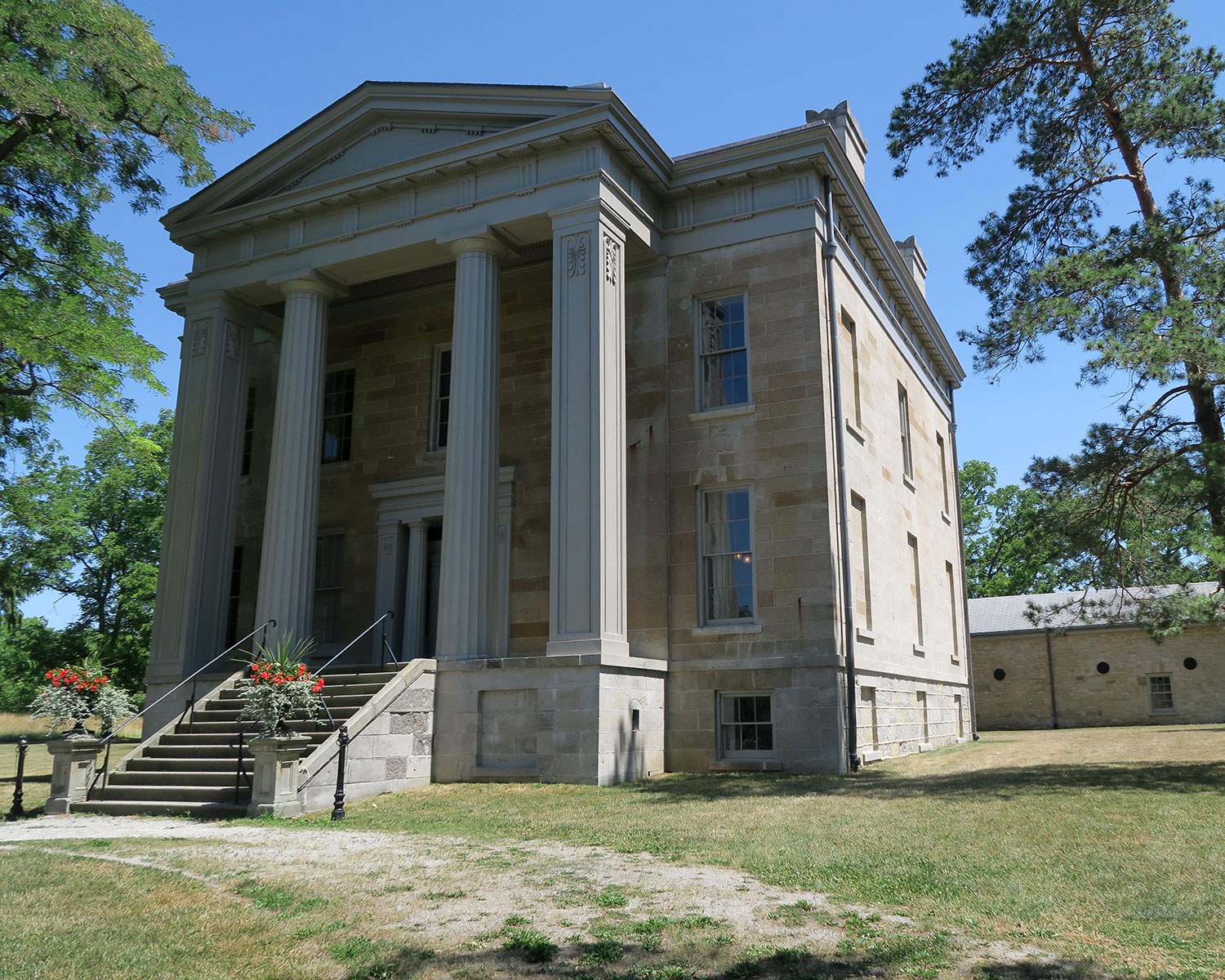
Ruthven Estate
Ruthven stands as a rare surviving example of that romantic combination of Classical architecture and picturesque landscape that characterized country estates of the late 18th and early 19th centuries.
Learn more
About
Property
Ruthven Estate in buildingsScotsdale Farm
Scotsdale Farm is undoubtedly one of the most picturesque places in Halton Hills. The farm is situated northwest of Georgetown and connects to Silvercreek Conservation Area and Bruce Trail.
Learn more
About
Property
Scotsdale Farm in buildings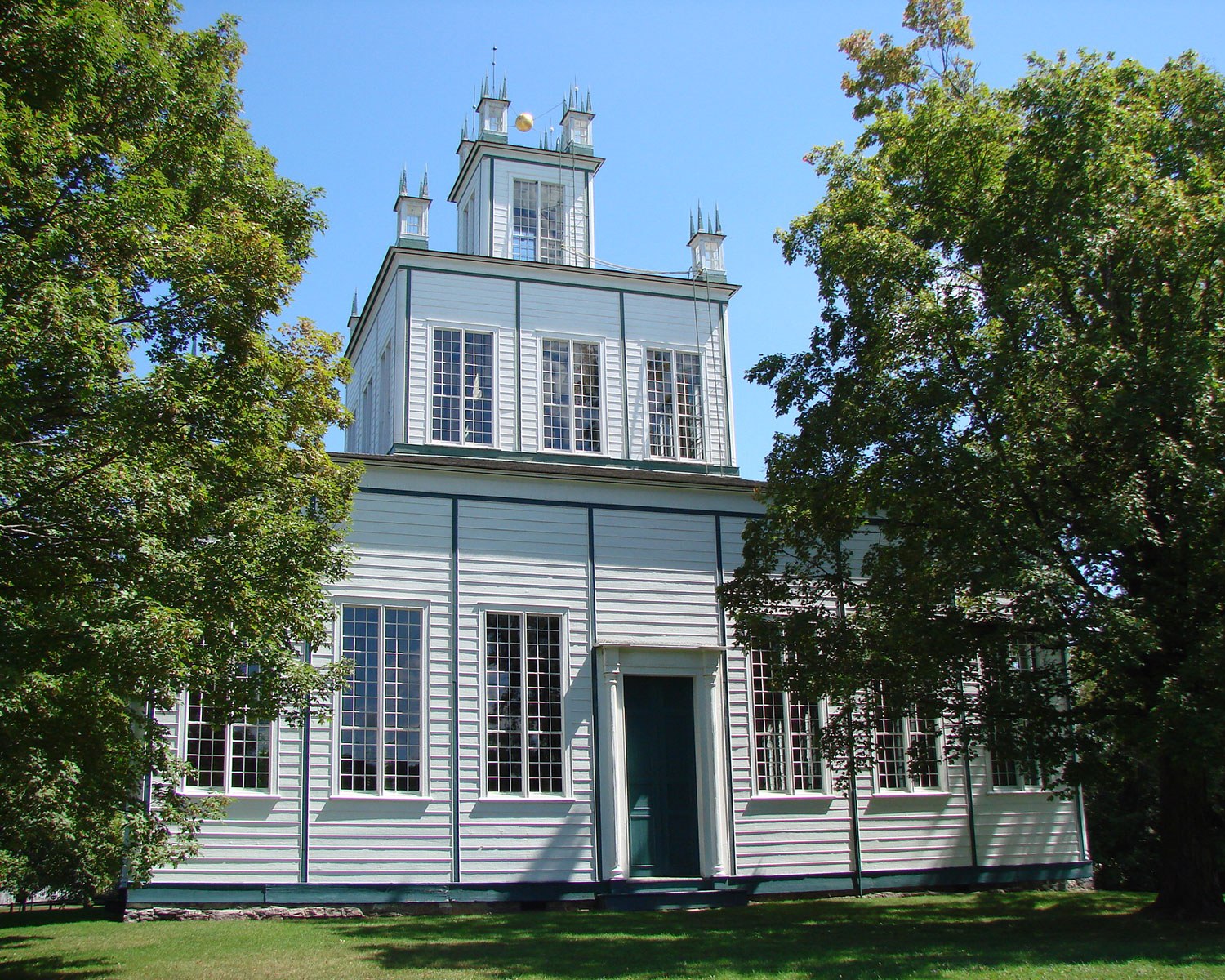
Sharon Temple
The Sharon Temple is associated with the Children of Peace, a breakaway sect of the Society of Friends or Quakers, founded by David Willson. Willson and his wife emigrated from New York State in 1801 to join other Quakers in Upper Canada. By 1805, he had acquired 200 acres (80 hectares) in the Township of East Gwillimbury (York Region).
Learn more
About
Property
Sharon Temple in buildings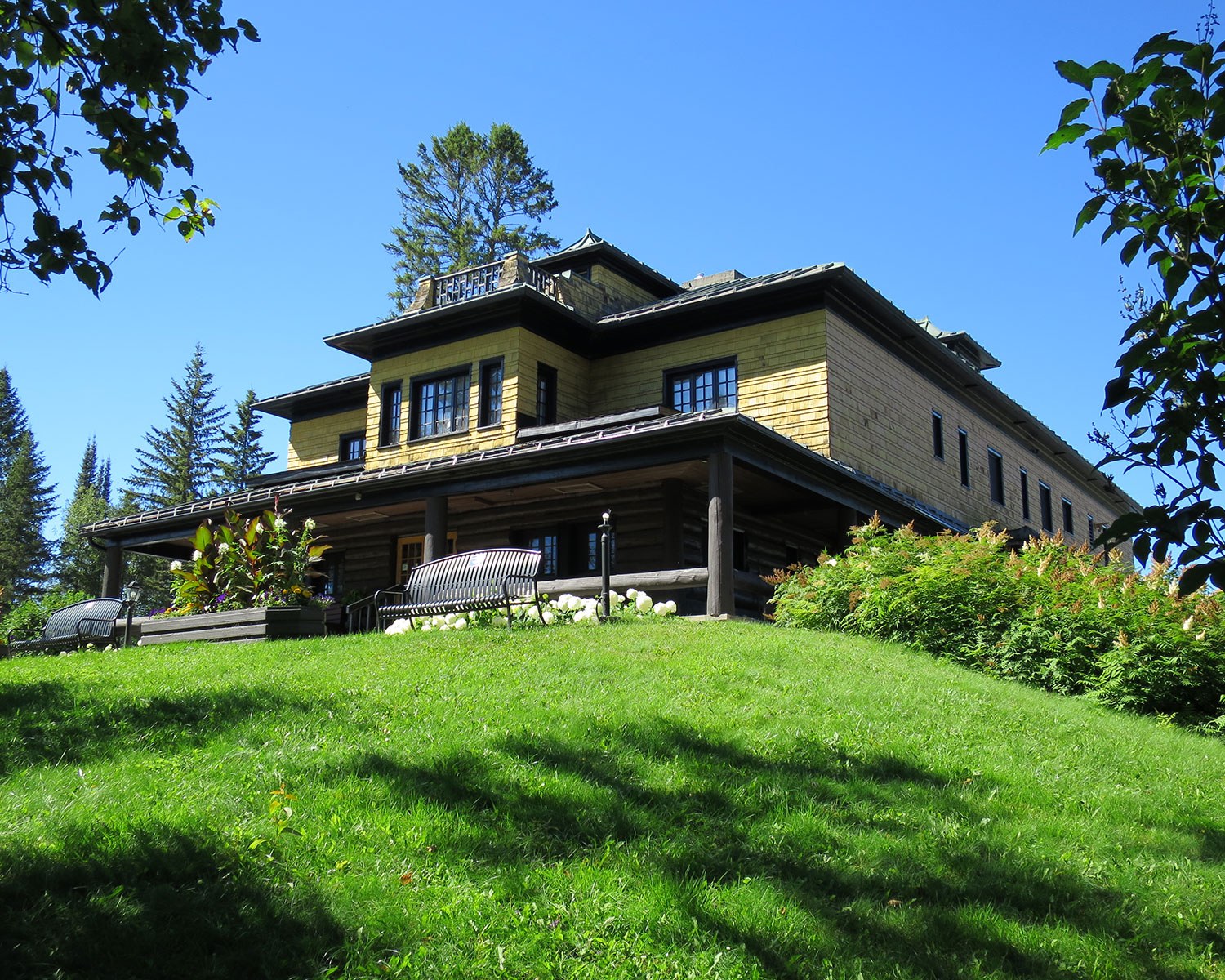
Sir Harry Oakes Chateau
Explore the impressive chateau of the eccentric Sir Harry Oakes (1874-1943), the famous prospector of the gold-mining era that put Kirkland Lake on the map.
Learn more
About
Property
Sir Harry Oakes Chateau in buildingsSt. Anne's Anglican Church
St. Anne's Anglican Church parish was founded on the present site in 1862. In 1907, a competition was held for the design of a new church.
Learn more
About
Property
St. Anne's Anglican Church in buildings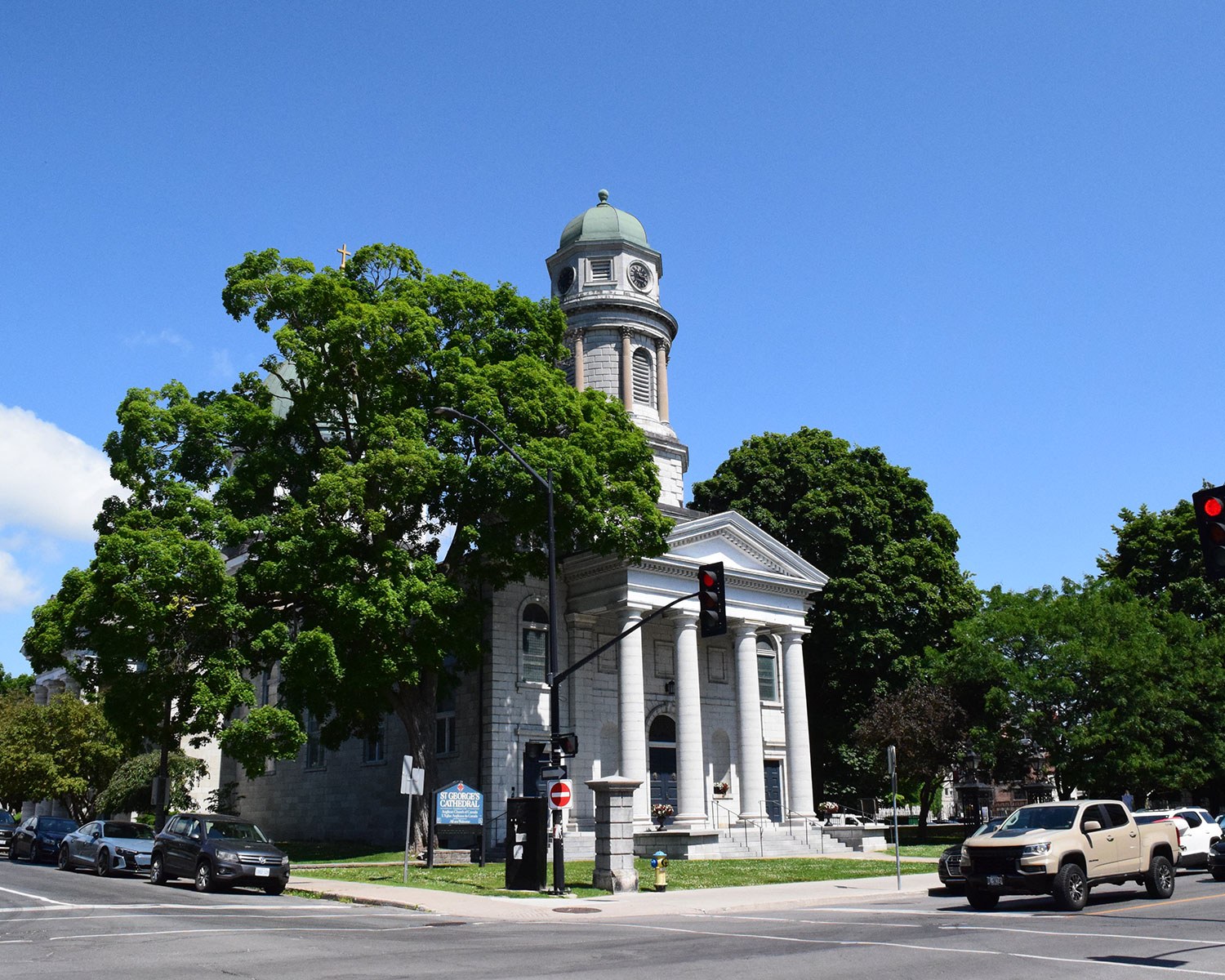
St. George's Cathedral
With its congregation dating to 1783, the Cathedral is associated with the first organized Anglican parish in Ontario.
Learn more
About
Property
St. George's Cathedral in buildings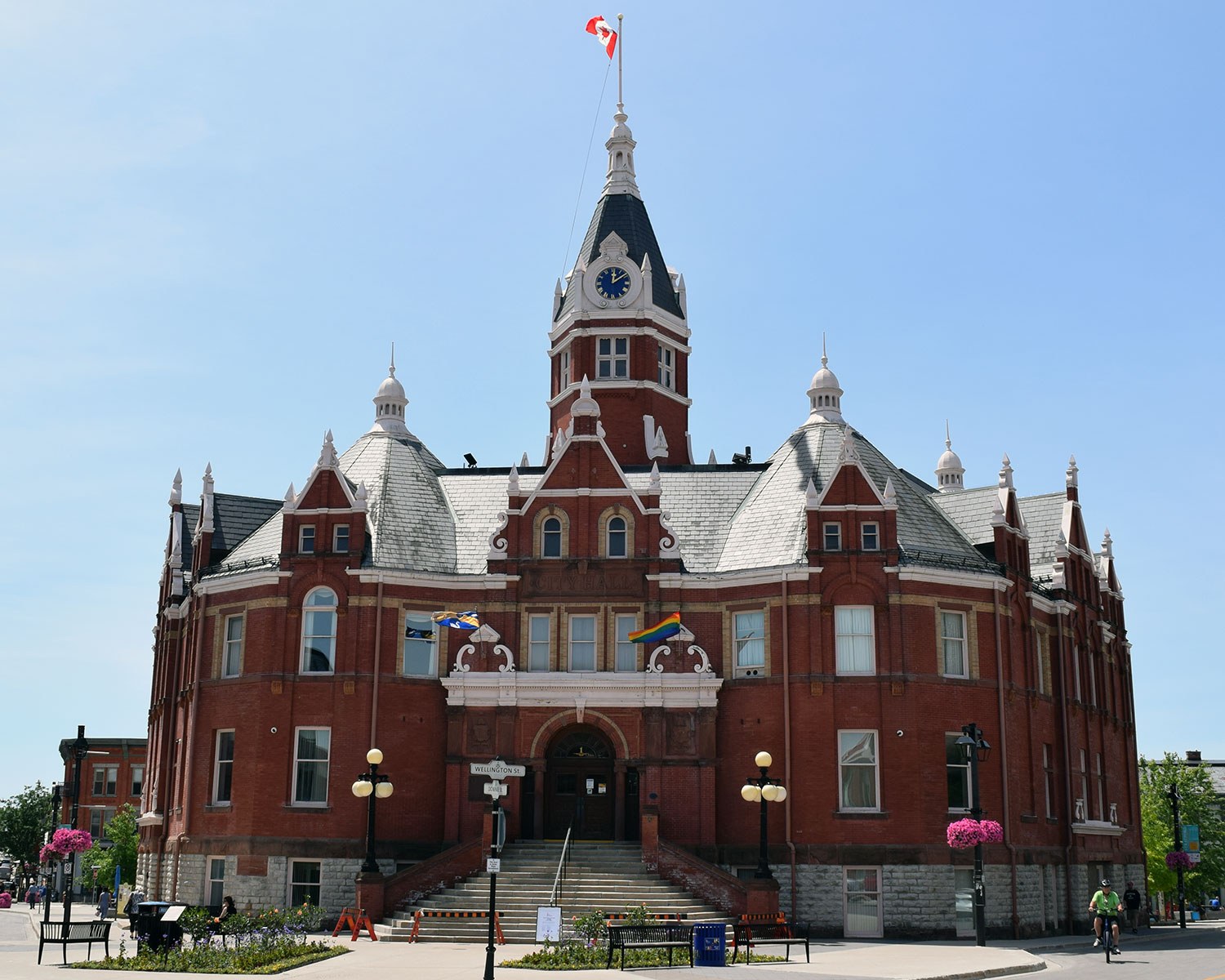
Stratford City Hall
The new City Hall on the site of Stratford's former town hall marked a notable addition to the late-19th-century streetscape.
Learn more
About
Property
Stratford City Hall in buildings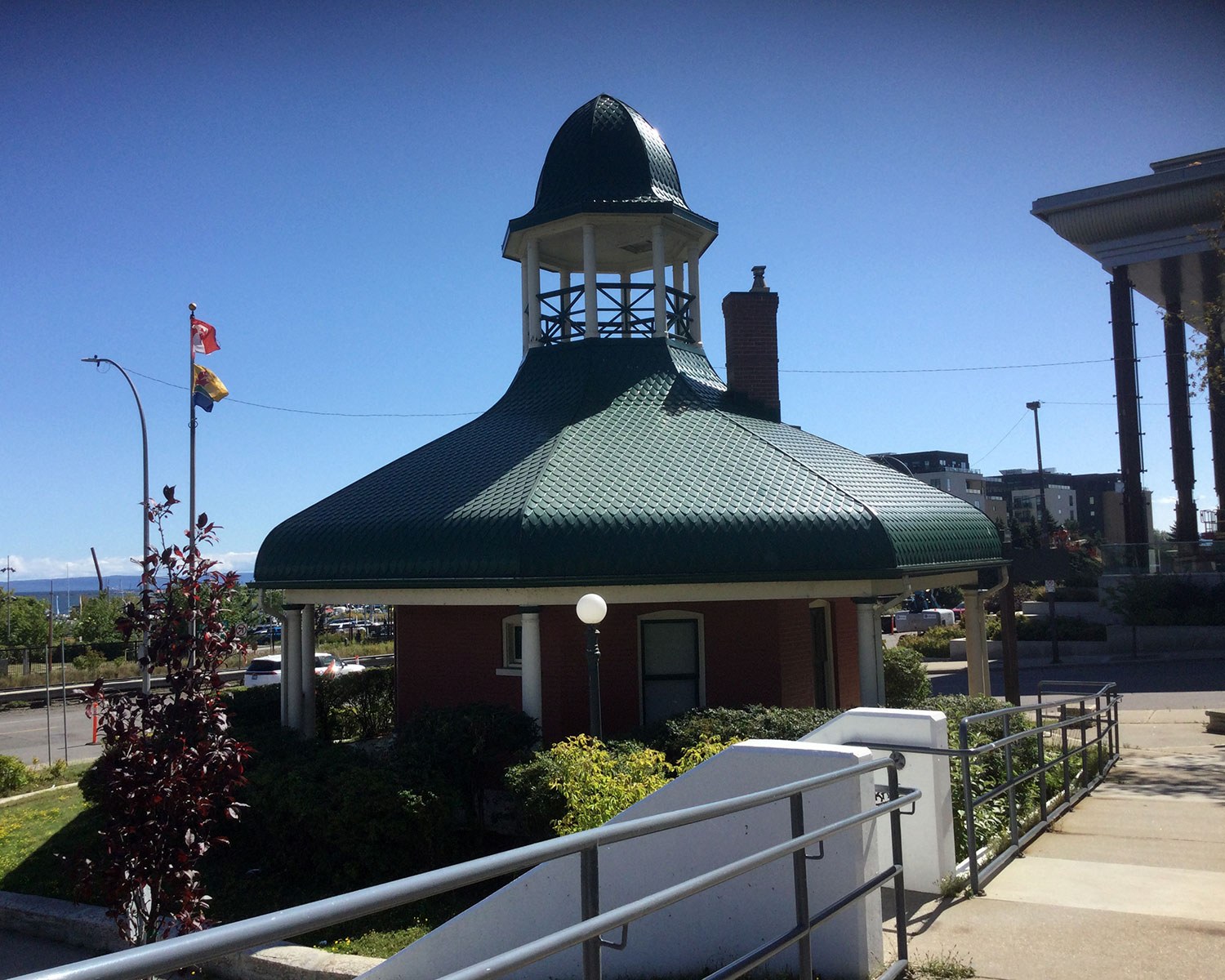
Tourist Pagoda
Constructed in the middle of the intersection of Water Street and the foot of River Road, the pagoda's function was to provide tourist information and present a welcoming gateway to the city. The structure provides this service to the present day.
Learn more
About
Property
Tourist Pagoda in buildings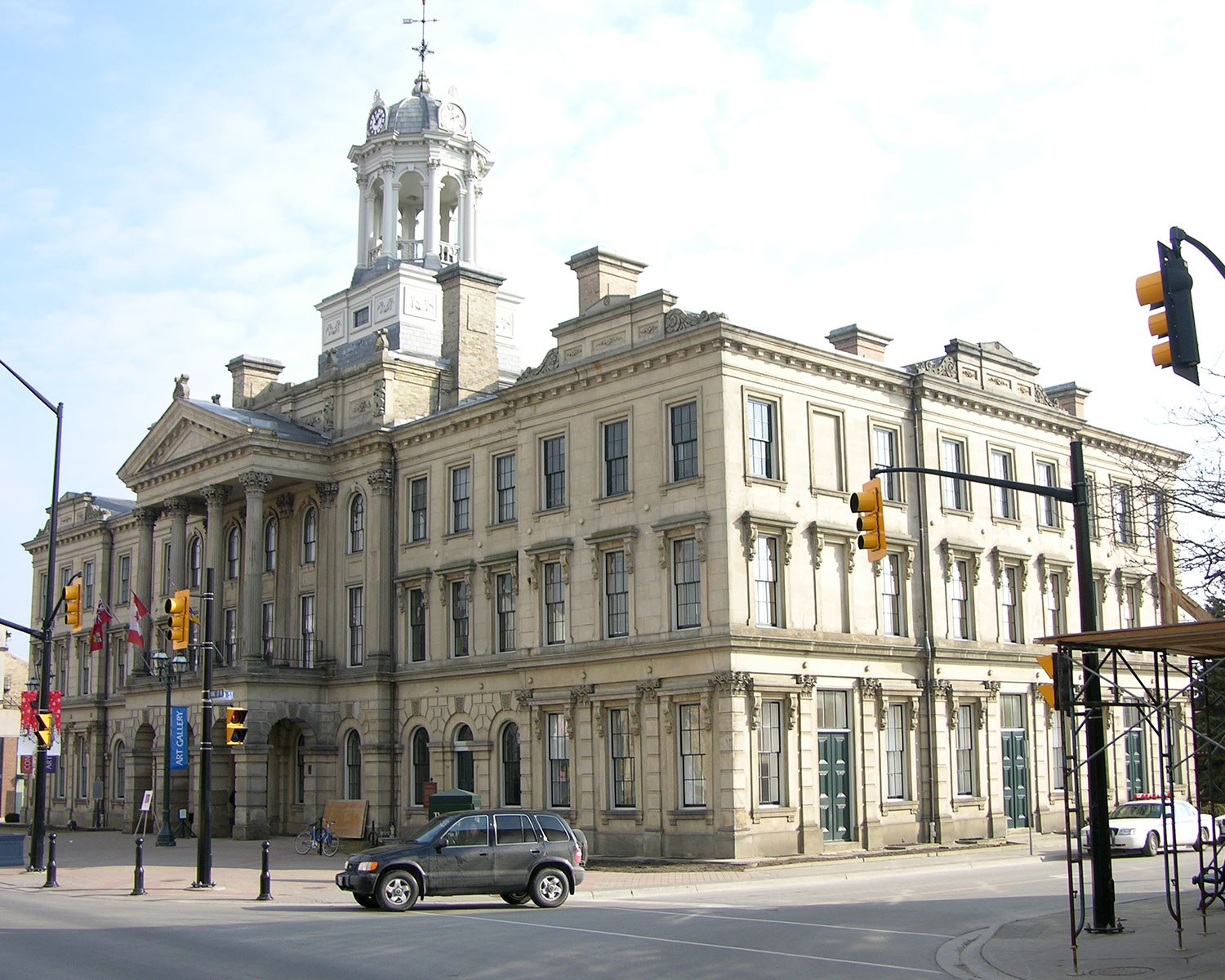
Victoria Hall
Founded in 1798 by United Empire Loyalists, Cobourg grew as an important milling and small manufacturing centre in Upper Canada. Harbour construction and a steady rise in population further spurred prosperity and the demand for a town hall.
Learn more
About
Property
Victoria Hall in buildings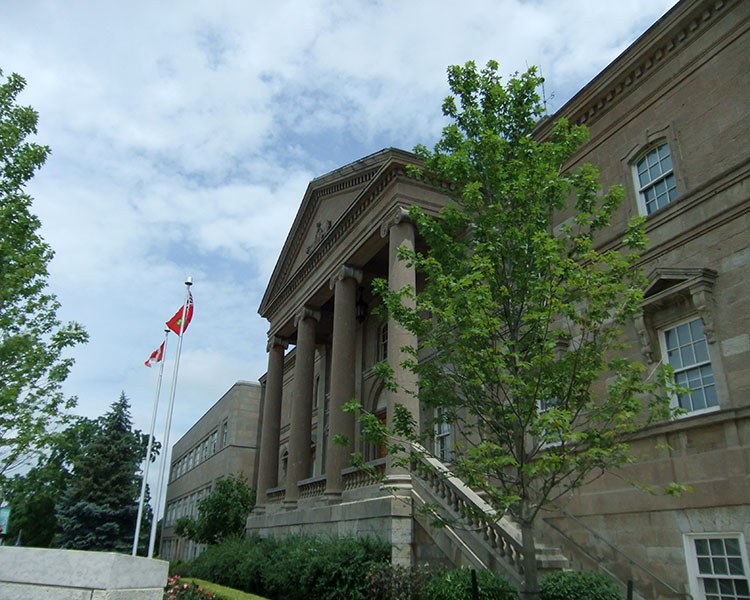
Welland County Courthouse
The Provisional County of Welland was separated from Lincoln County in 1851 with the requirement that the former build a courthouse and jail.
Learn more
About
Property
Welland County Courthouse in buildings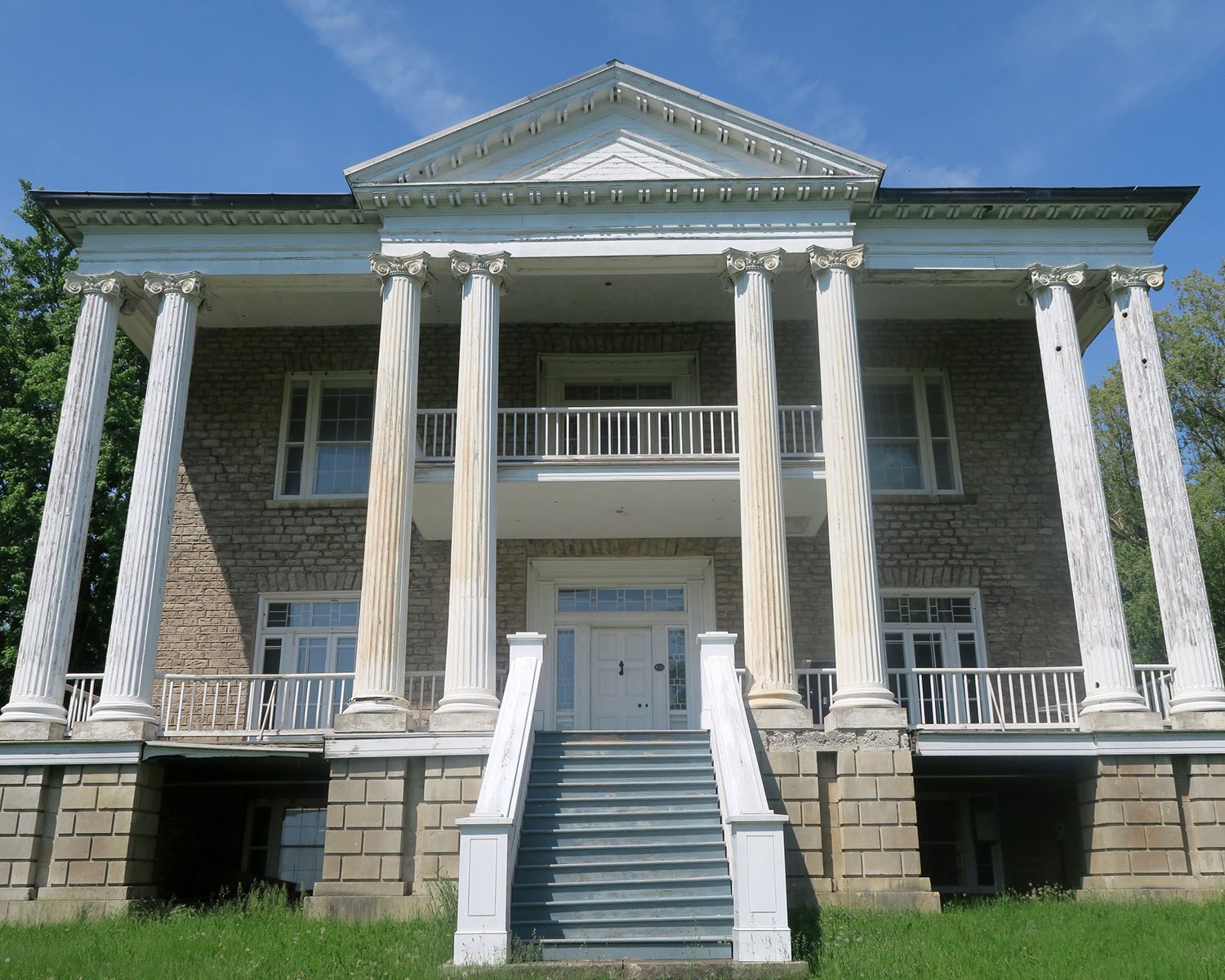
Willowbank Estate
Willowbank is significant as a surviving mansion of the British colonial era in Canada that reflects the ideals of both classical revivalism and the picturesque tradition.
Learn more
About
Property
Willowbank Estate in buildings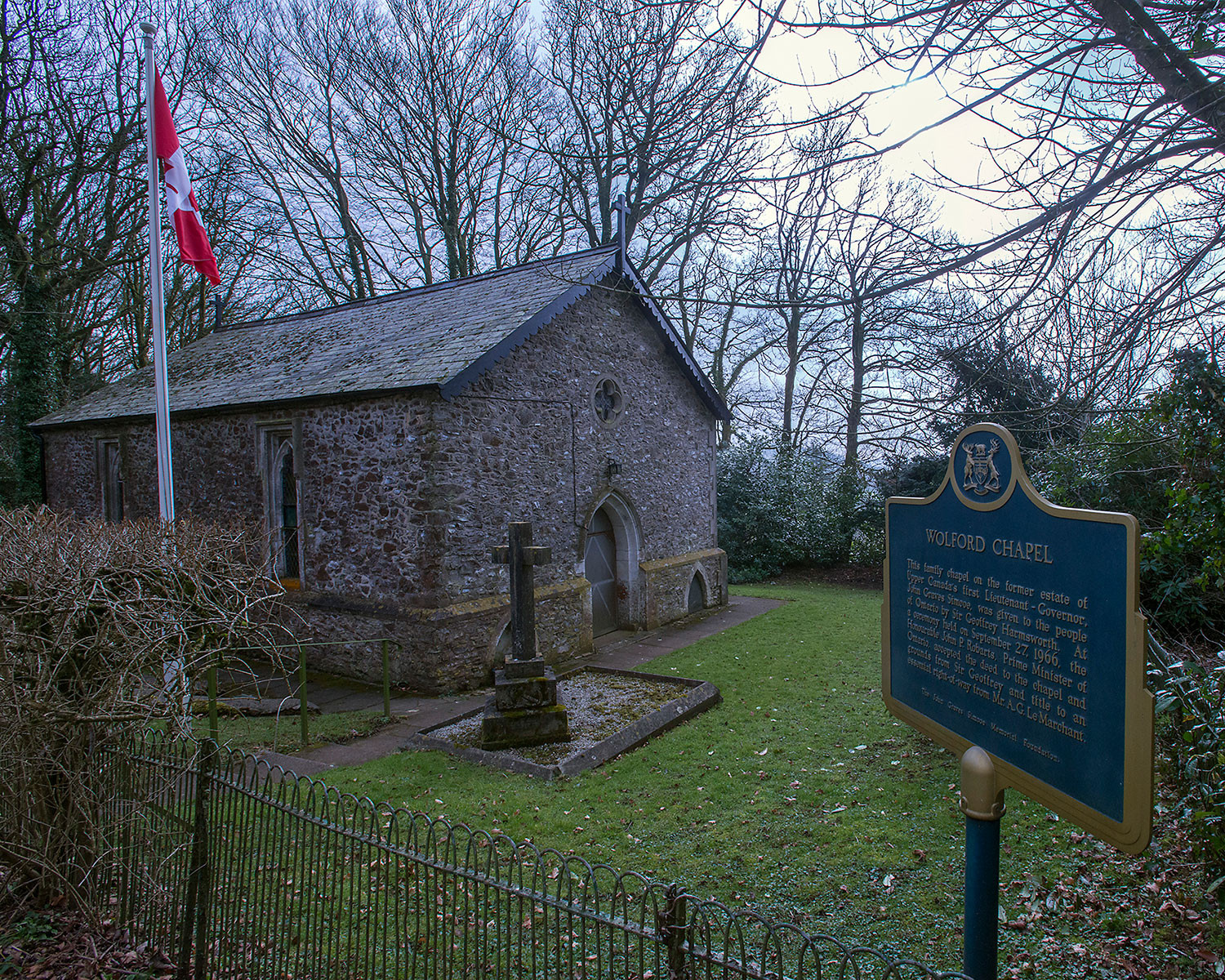
Wolford Chapel
Wolford Chapel — a Trust-owned property in England — is associated with significant British elements of Ontario's heritage. It was built by John Graves Simcoe (1752-1806), the first Lieutenant-Governor of Upper Canada, to serve as a place of worship for his family on their estate.
Learn more
About
Property
Wolford Chapel in buildings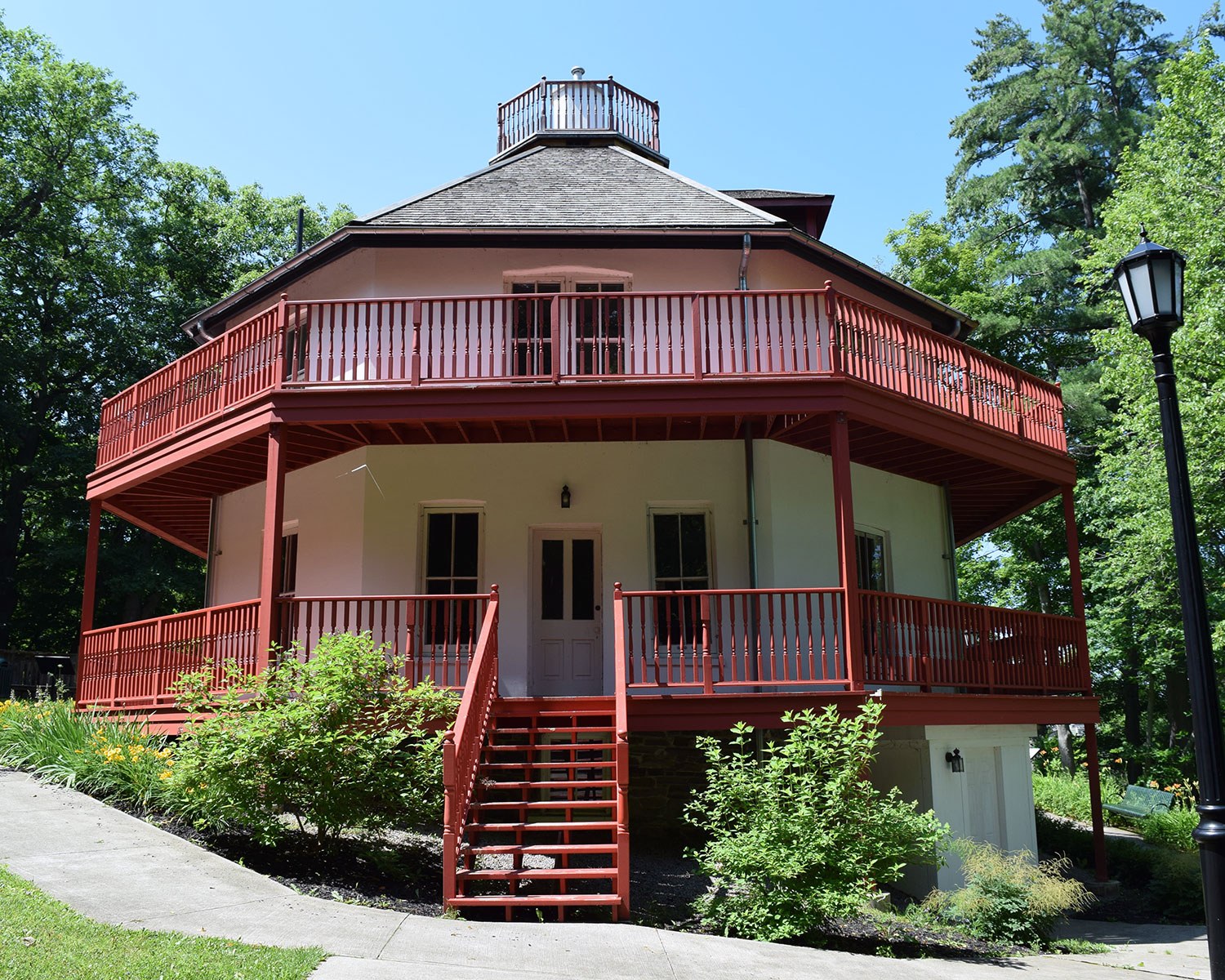
Woodchester Villa
Woodchester Villa was built in 1882 for Henry James Bird, owner of a local woollen mill. It was named after the English village of Woodchester, where he was born, near Stroud in the west of England in 1842.
Learn more
About
Property
Woodchester Villa in buildingsBuildings and structures (44)
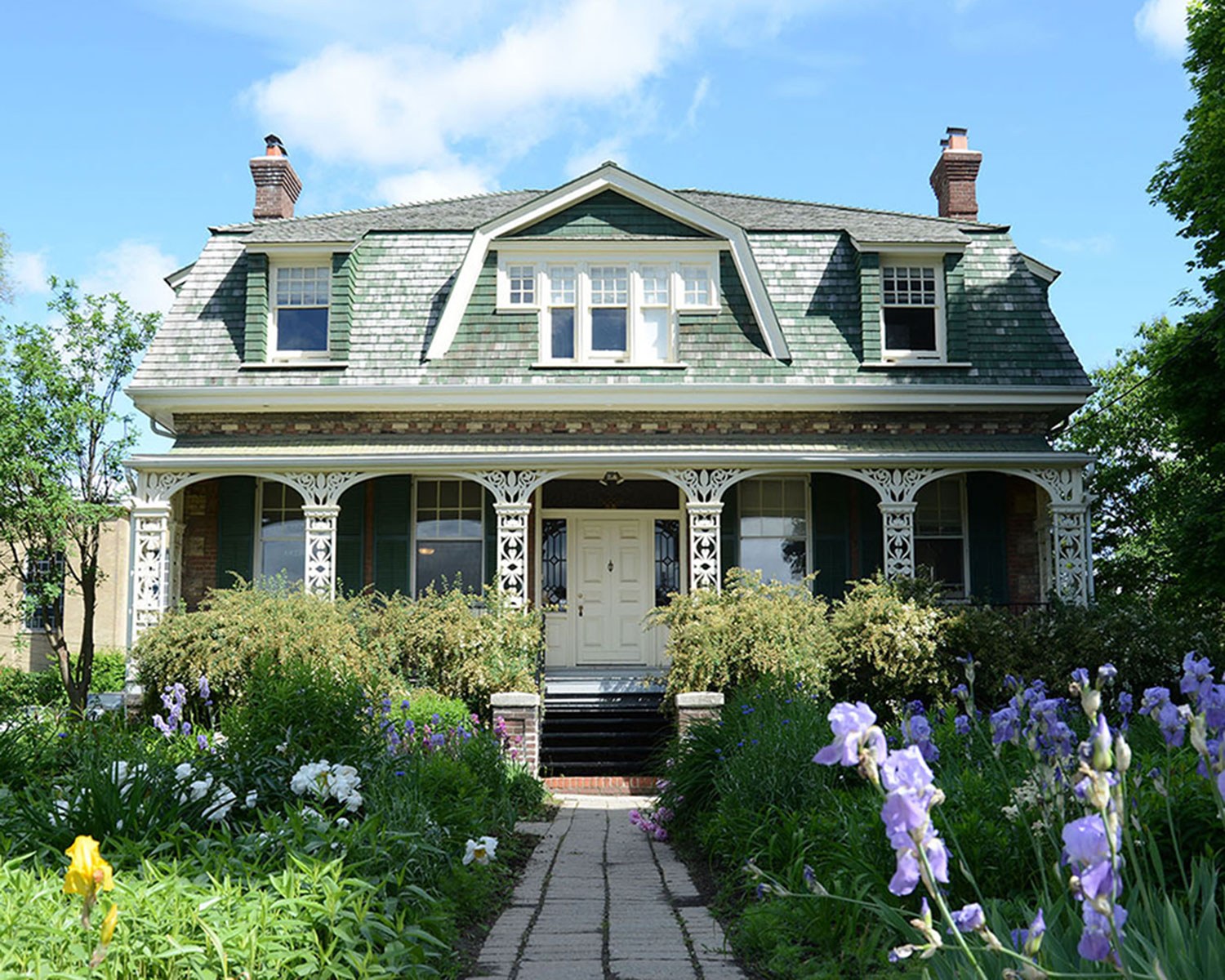
Ashbridge Estate, The
Learn more About Plaque Ashbridge Estate, The in buildings and structuresAuld Kirk 1836
Plaque commemorating Auld Kirk Presbyterian Church and cemetery
Learn more
About
Plaque
Auld Kirk 1836 in buildings and structures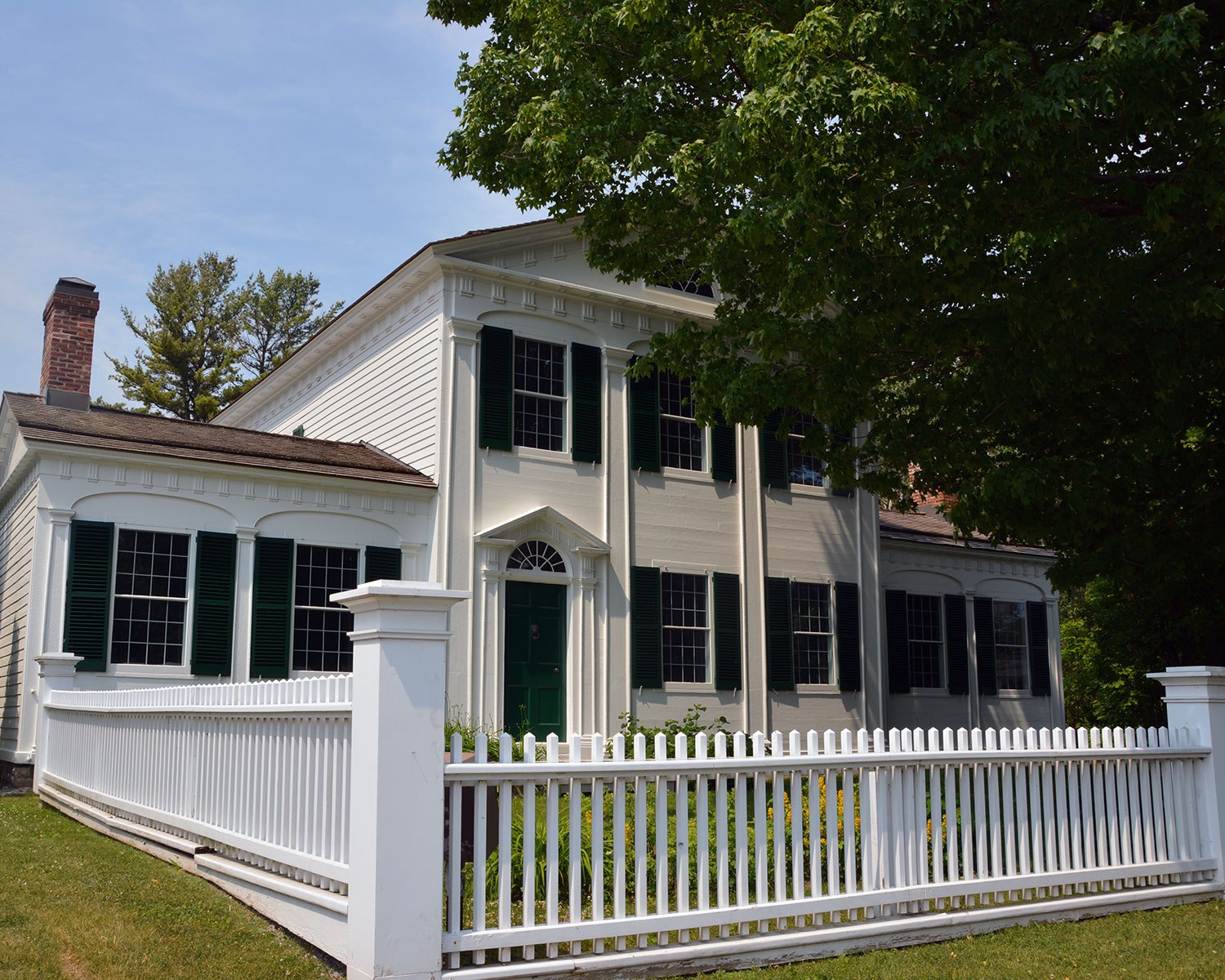
Barnum House
Eliakim Barnum came to this area in 1807 from the United States and began a thriving milling business, a tavern and distillery. With success, he was able to build this house — one of Ontario’s finest examples of neoclassical architecture. The house remained in the Barnum family until 1917.
Learn more
About
Plaque
Barnum House in buildings and structures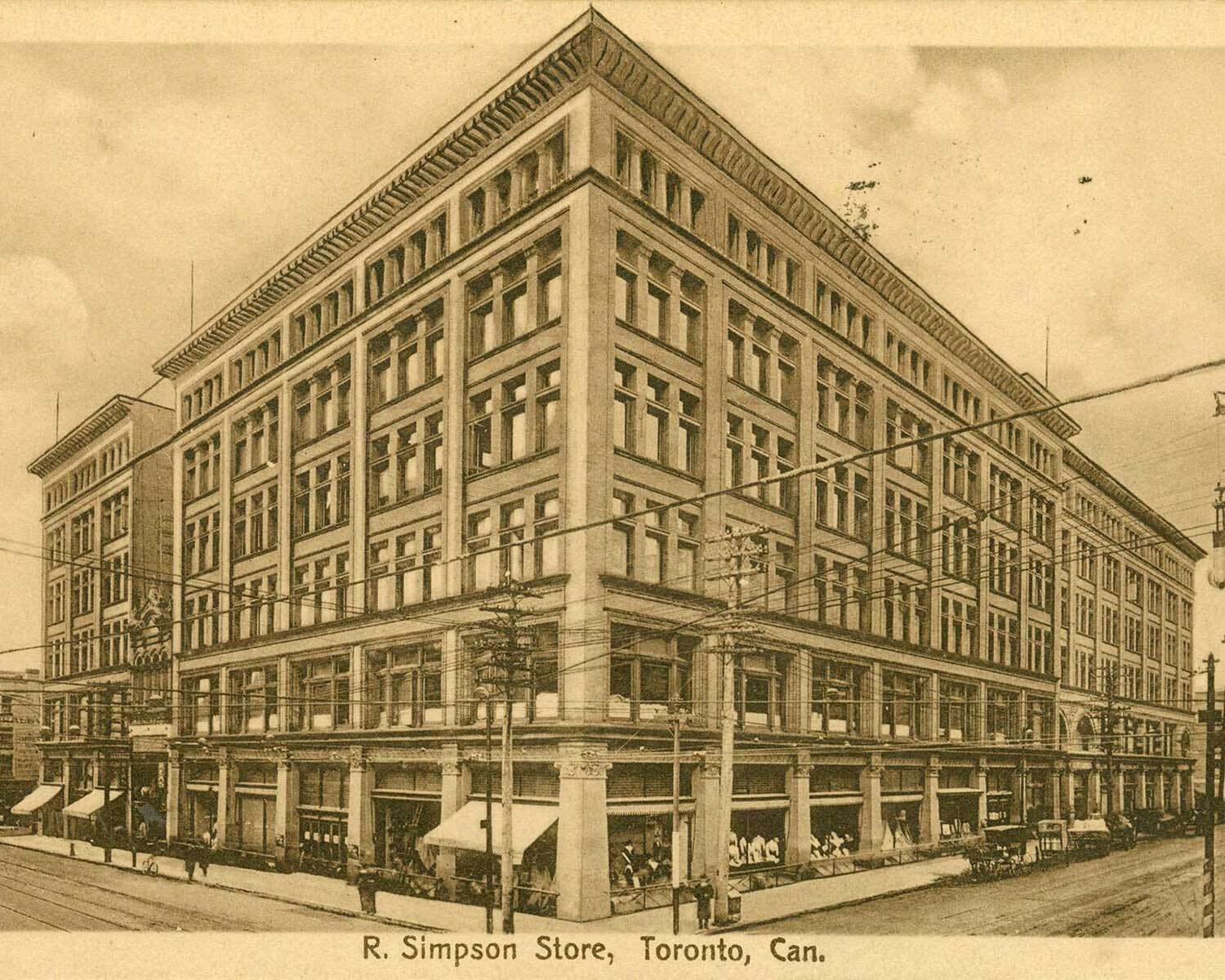
Bay Queen Street Store, The
Originally Simpson’s department store, this landmark building was a Bay store from 1991 to 2025. It was the first building in Canada constructed with a load-bearing metal frame.
Learn more
About
Plaque
Bay Queen Street Store, The in buildings and structuresBelleville City Hall
Learn more About Plaque Belleville City Hall in buildings and structuresBethune-Thompson House
Learn more About Plaque Bethune-Thompson House in buildings and structures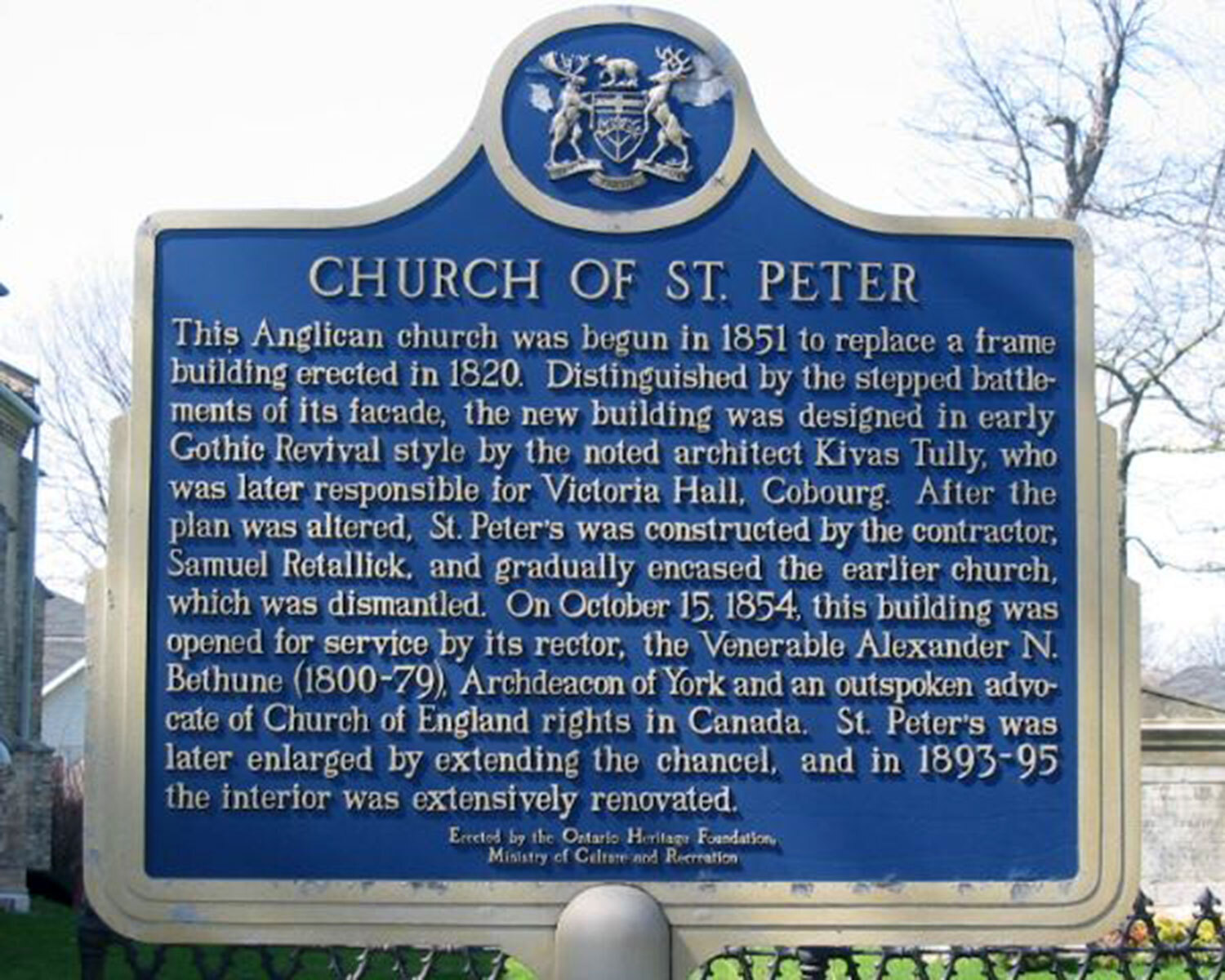
Church of St. Peter, The
This church replaced an earlier building from 1820. Distinguished by stepped battlements on its façade, the new building was designed in the early Gothic revival style by noted architect Kivas Tully, who would later design Victoria Hall. The new building opened for service in 1854.
Learn more
About
Plaque
Church of St. Peter, The in buildings and structures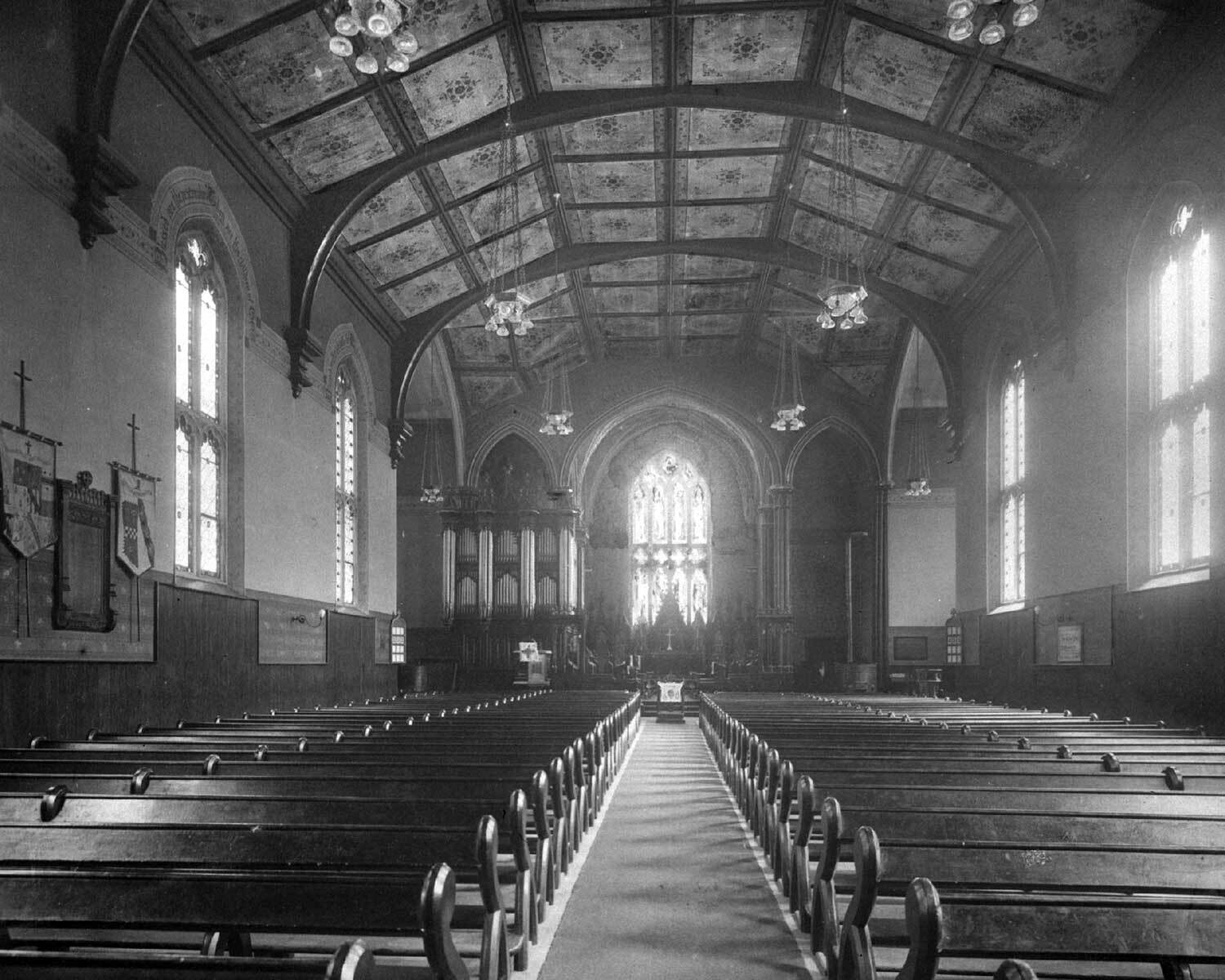
Church of the Holy Trinity 1847, The
When this church was built, it was then on the outskirts of Toronto. Henry Scadding, who lived in the house nearby, was the church’s first rector. Starting in the 20th century, it started offering programming and assistance to Toronto’s inner city.
Learn more
About
Plaque
Church of the Holy Trinity 1847, The in buildings and structures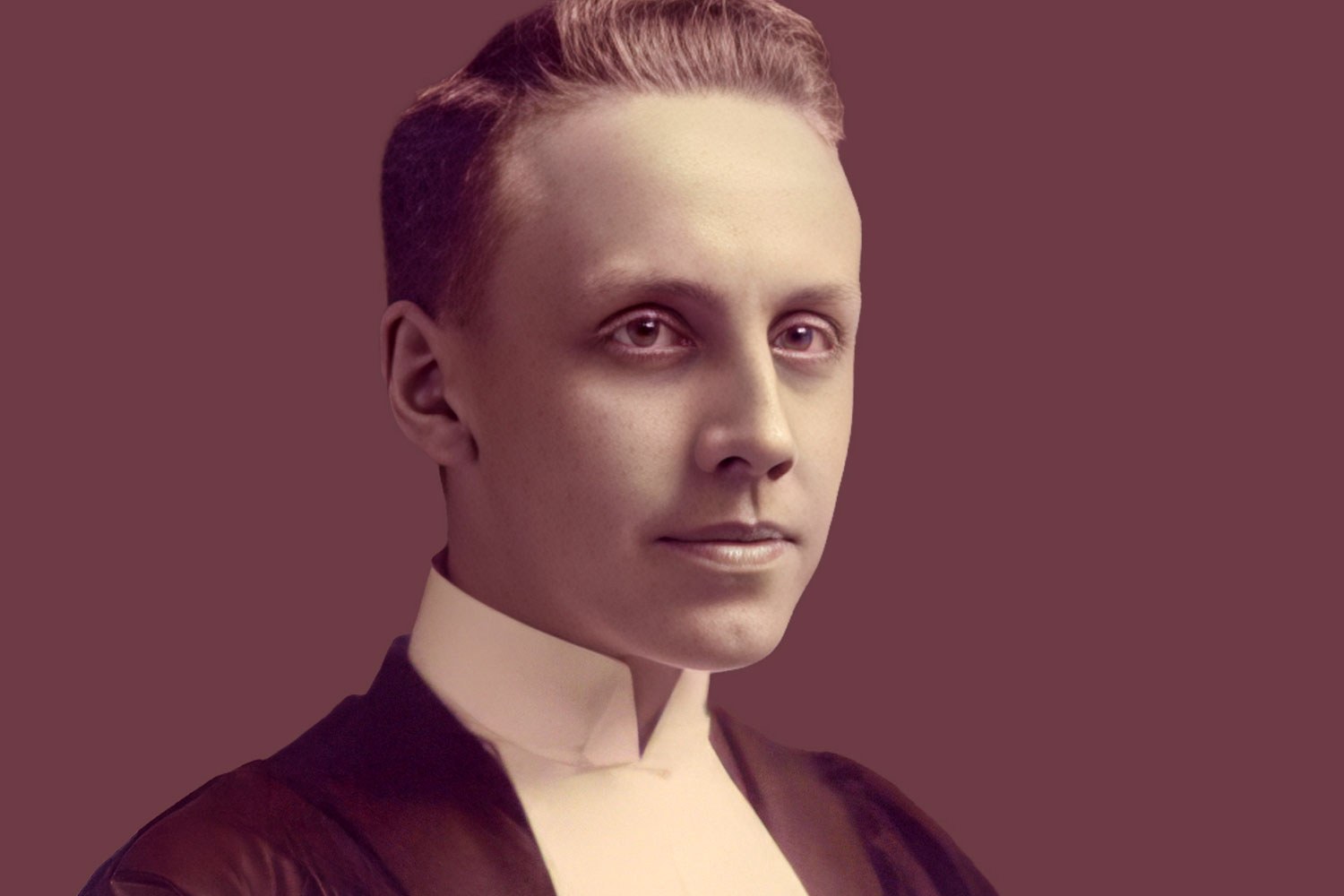
Colonel the Honourable Justice John Andrew Hope (1890‒1954)
Learn more About Plaque Colonel the Honourable Justice John Andrew Hope (1890‒1954) in buildings and structuresCommissariat Building 1827
Today a museum, this structure is the oldest existing stone building in Ottawa. During the construction of the Rideau Canal, it was a storehouse, office and treasury. The building was turned over to the Canadian government in 1864.
Learn more
About
Plaque
Commissariat Building 1827 in buildings and structures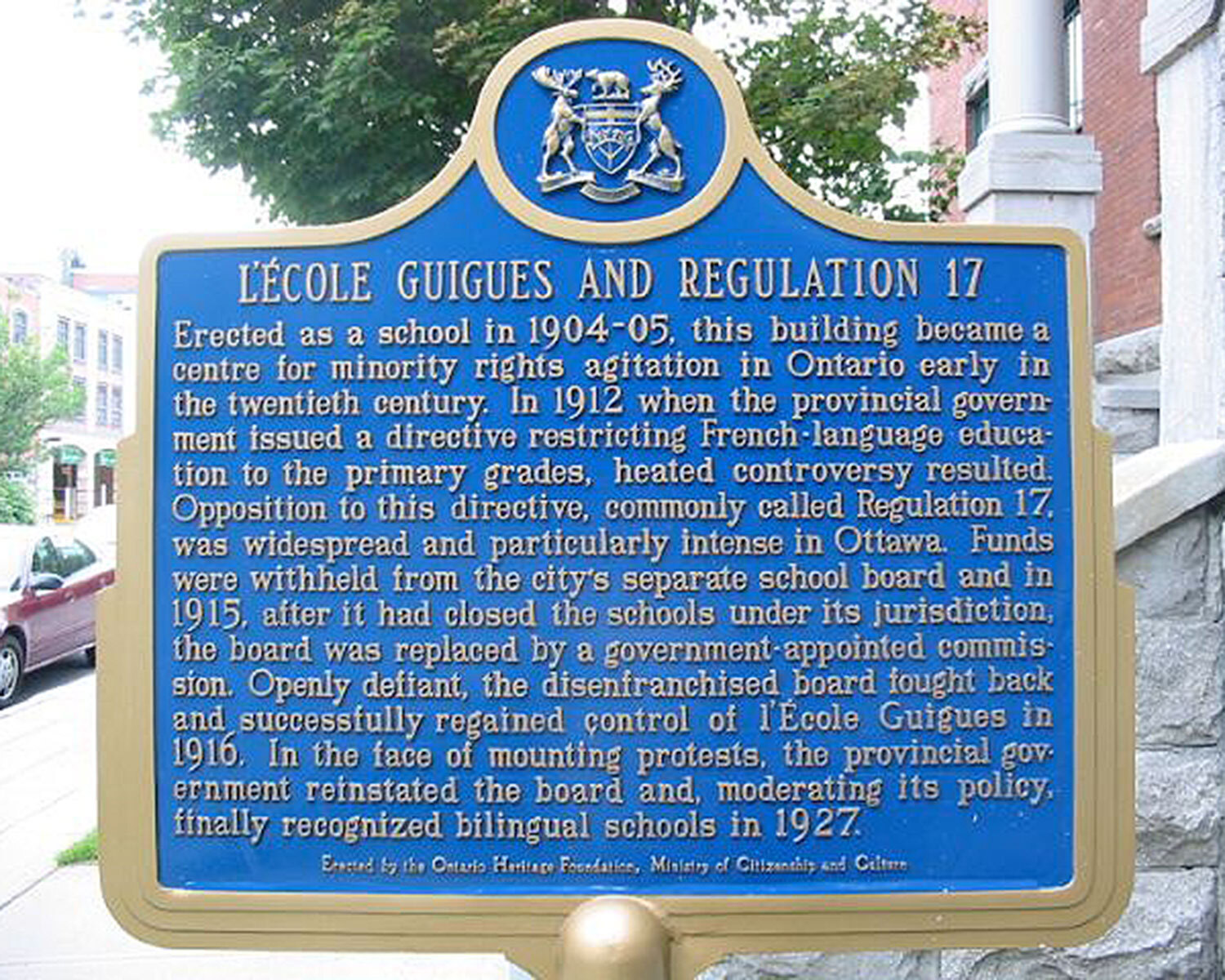
École Guigues and Regulation 17, l'
Begun as a school, this building became a centre for minority rights agitation in Ontario in the early 20th century. When the provincial government issued a directive (known as Regulation 17) in 1912, it meant restricting French-language education. Opposition was widespread but particularly intense in Ottawa.
Learn more
About
Plaque
École Guigues and Regulation 17, l' in buildings and structuresEnoch Turner School 1848, The
Learn more About Plaque Enoch Turner School 1848, The in buildings and structures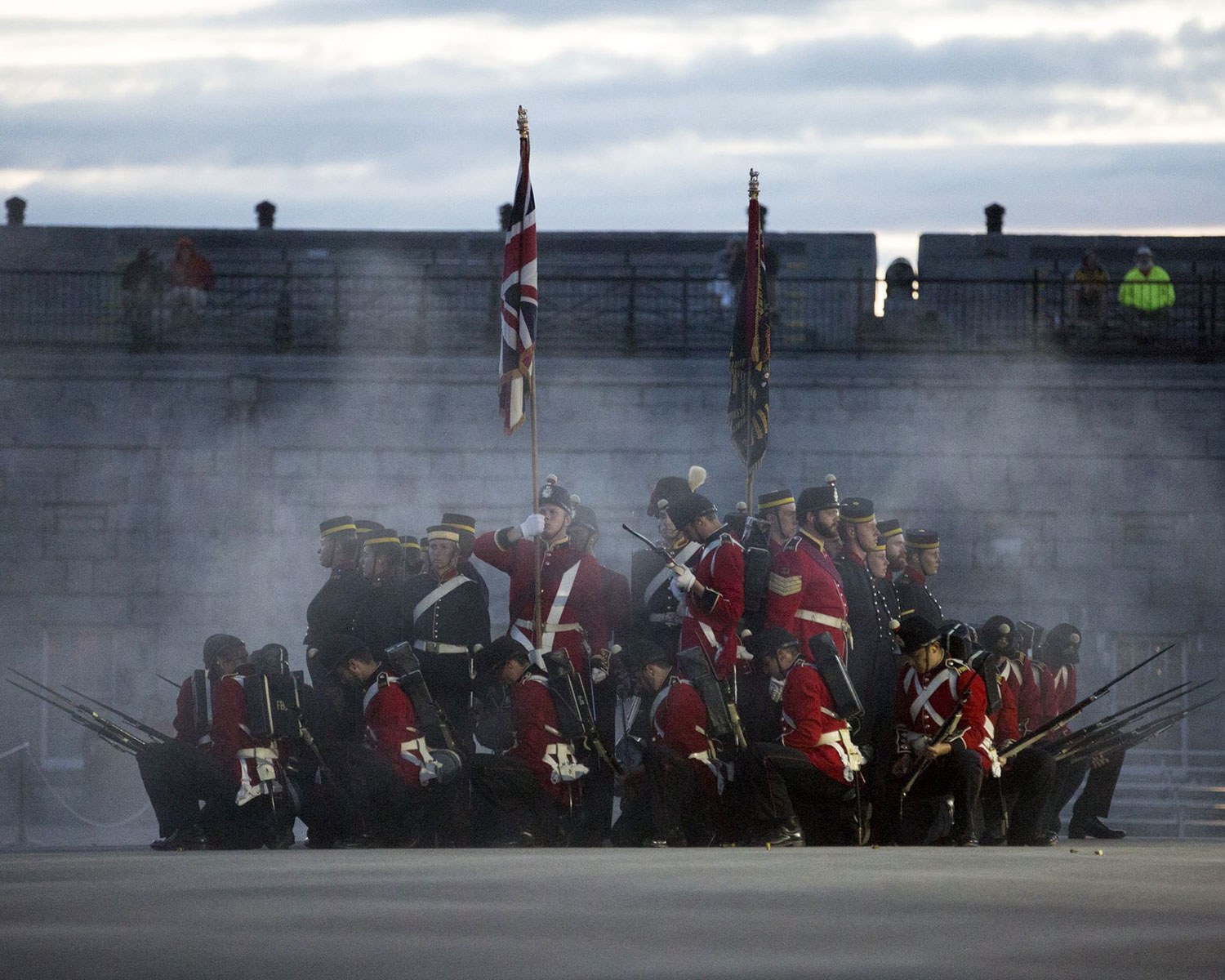
Fort Henry
The first fort was built during the War of 1812. The present structures were built between 1832-37. Today, the site is a museum.
Learn more
About
Plaque
Fort Henry in buildings and structures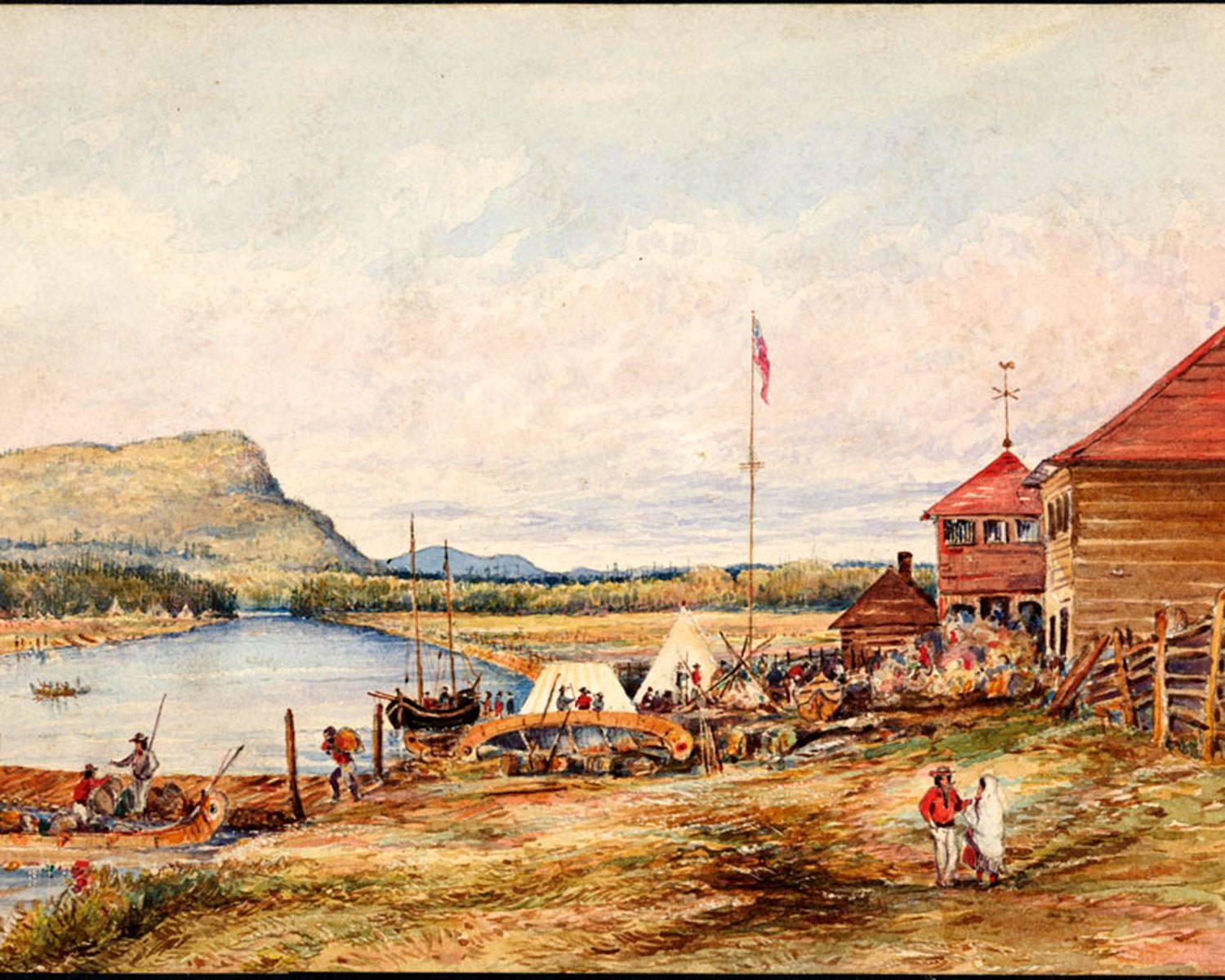
Fort Kaministiquia 1717
A small fort was established near here in 1717 by a French officer, replacing an earlier structure. It served as the base of operations for la Vérendrye, the famous explorer. A later fort of the same name was built downriver and renamed Fort William in 1807. It became the nucleus of the city.
Learn more
About
Plaque
Fort Kaministiquia 1717 in buildings and structures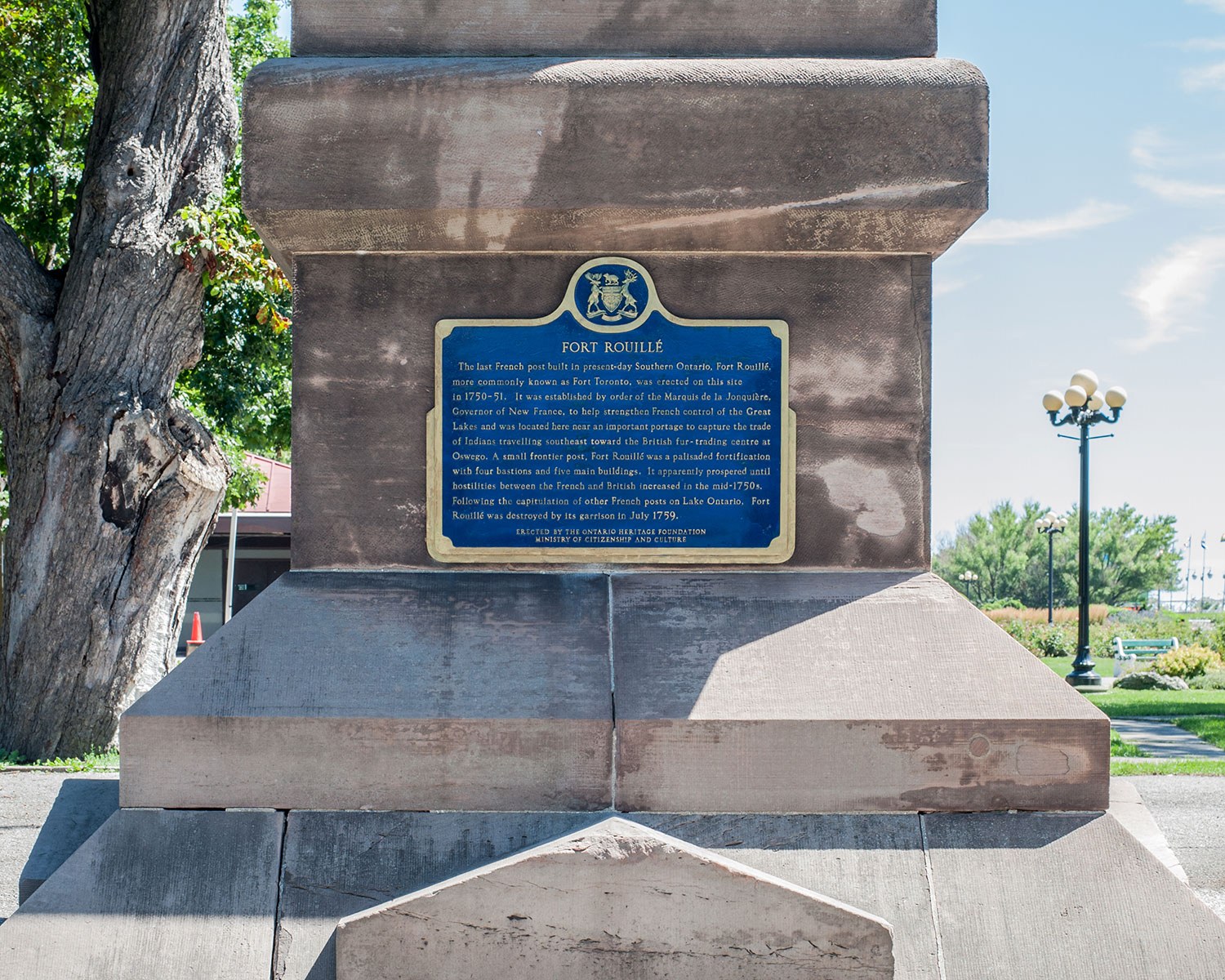
Fort Rouillé
This plaque commemorates the last French post built in present-day Southern Ontario.
Learn more
About
Plaque
Fort Rouillé in buildings and structures
King Edward Hotel, The
This grand hotel opened in 1903 and became almost immediately known as the “King Eddy.” It was designed to provide luxury and service in dramatic settings. The 18-storey tower, with its top-floor Crystal Ballroom, was added in 1920-21. Although threatened with demolition in the 1970s, the hotel was revitalized in the early 1980s and this plaque was unveiled in 2003 to commemorate the hotel’s 100th anniversary.
Learn more
About
Plaque
King Edward Hotel, The in buildings and structures
Lakehead University
Following a push by educators and business representatives for an institution of higher learning in Ontario’s northwest, the Lakehead Technical Institute was established in 1946. By 1965, it became Lakehead University and conferred its first degrees.
Learn more
About
Plaque
Lakehead University in buildings and structuresLoew's Yonge Street and Winter Garden Theatres
Now known as the Elgin & Winter Garden Theatres, this complex was designed by renowned architect Thomas Lamb for entrepreneur Marcus Loew as the Canadian flagship of his American theatre chain. The stacked theatres opened in 1913-14.
Learn more
About
Plaque
Loew's Yonge Street and Winter Garden Theatres in buildings and structuresMacpherson House, The
Learn more About Plaque Macpherson House, The in buildings and structures
Metropolitan United Church
This church was designed by architect Henry Langley in the high Victorian Gothic style. Constructed in 1872 to replace an earlier structure, it was badly damaged by fire in 1928 and rebuilt. It was here that the first General Council of the United Church met in 1925.
Learn more
About
Plaque
Metropolitan United Church in buildings and structures
Moulton College
The last stop on this walking tour is Moulton College, which once stood at this site. The school was a girls’ preparatory school founded by Susan Moulton McMaster (as part of McMaster University in Hamilton) and was housed in the former McMaster residence located here.
Learn more
About
Plaque
Moulton College in buildings and structuresNiagara Library, The
Learn more About Plaque Niagara Library, The in buildings and structures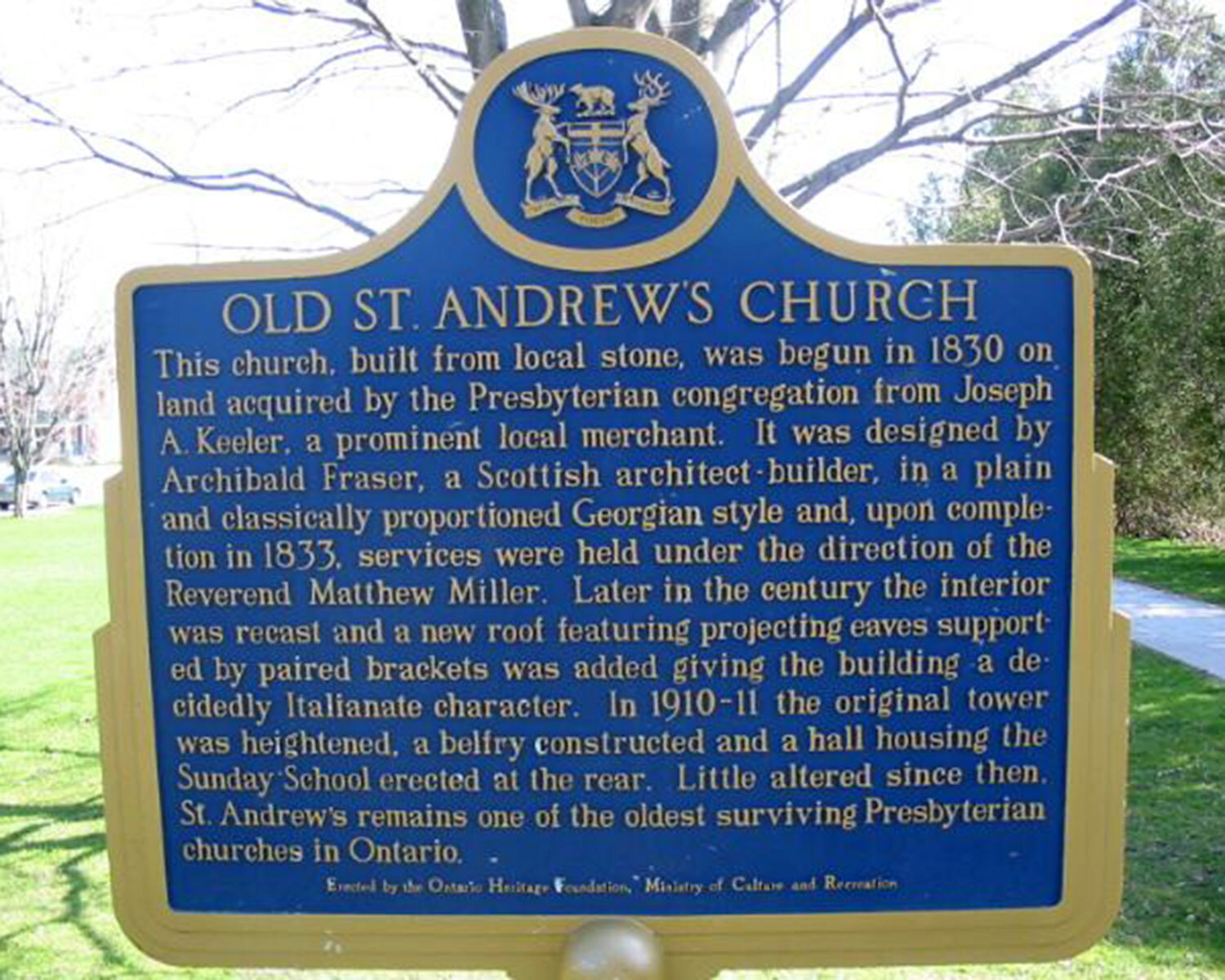
Old St. Andrew's Church
Built from local stone, this Presbyterian church was begun in 1830 on land acquired from Joseph Keeler, a prominent local merchant. Little altered since 1911, it remains one of the oldest surviving Presbyterian churches in Ontario.
Learn more
About
Plaque
Old St. Andrew's Church in buildings and structuresPeel County Court House
Learn more About Plaque Peel County Court House in buildings and structures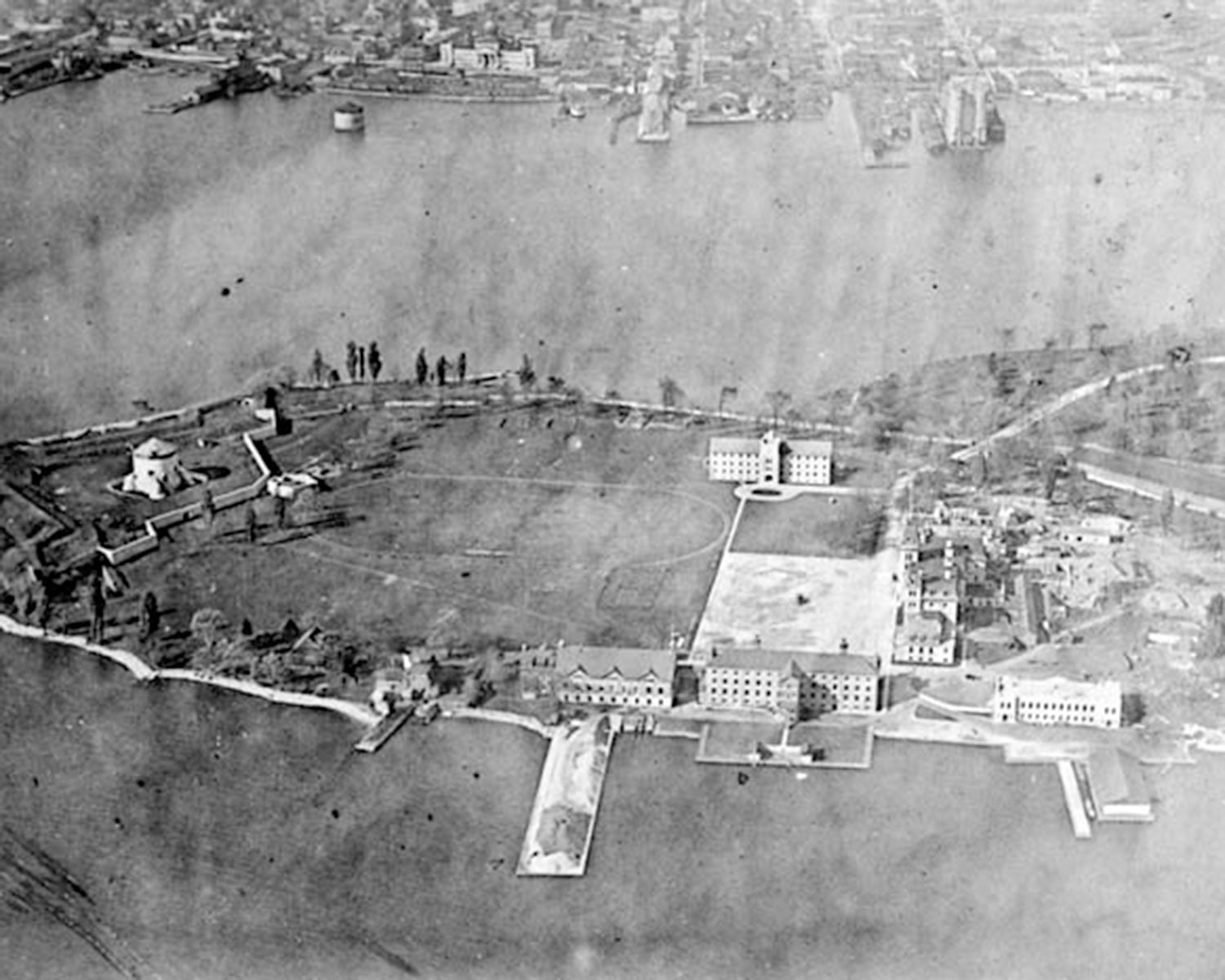
Point Frederick
This strategic location was established for the defence of the loyalist settlement at Cataraqui (now Kingston).
Learn more
About
Plaque
Point Frederick in buildings and structures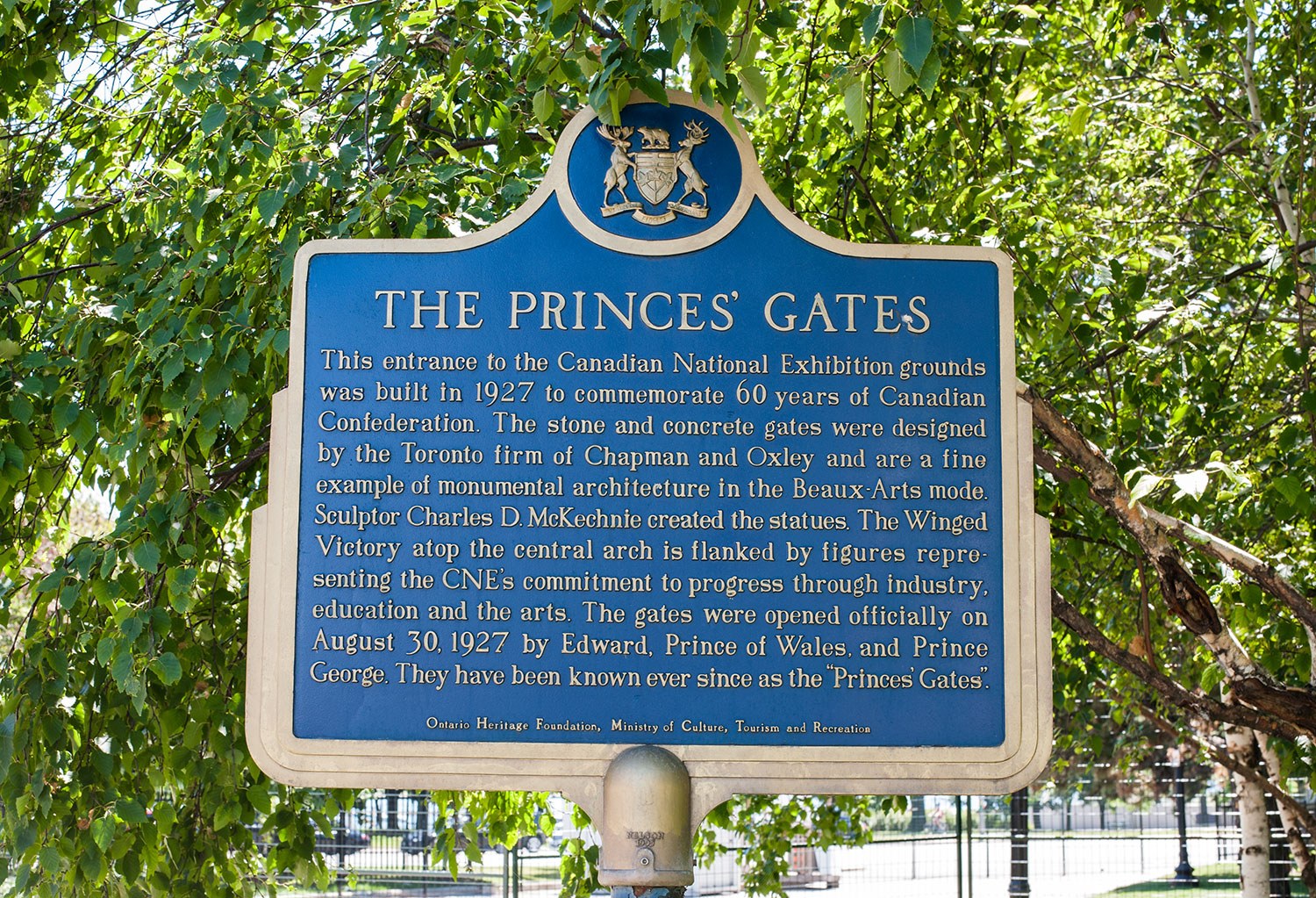
Princes' Gates, The
The then-Prince of Wales and his brother opened this impressive entrance to the Canadian National Exhibition grounds in 1927.
Learn more
About
Plaque
Princes' Gates, The in buildings and structuresProulx Cheese Factory
Built in 1890, the Proulx Cheese Factory is one of the few remaining buildings of its kind in Ontario. It reflects the importance of locally run rural enterprises to the province’s agricultural development and the central role that cheesemaking had in the region ...
Learn more
About
Plaque
Proulx Cheese Factory in buildings and structures
Ryerson Polytechnical Institute
This university has had many names over the years. Established in 1948, it was named for Egerton Ryerson (founder of the province’s education system). In the 1970s, it was given limited degree-granting powers. It became a full university in 1993. Today, it is known as the Toronto Metropolitan University.
Learn more
About
Plaque
Ryerson Polytechnical Institute in buildings and structures
Senator George T. Fulford 1852-1905
Learn more About Plaque Senator George T. Fulford 1852-1905 in buildings and structures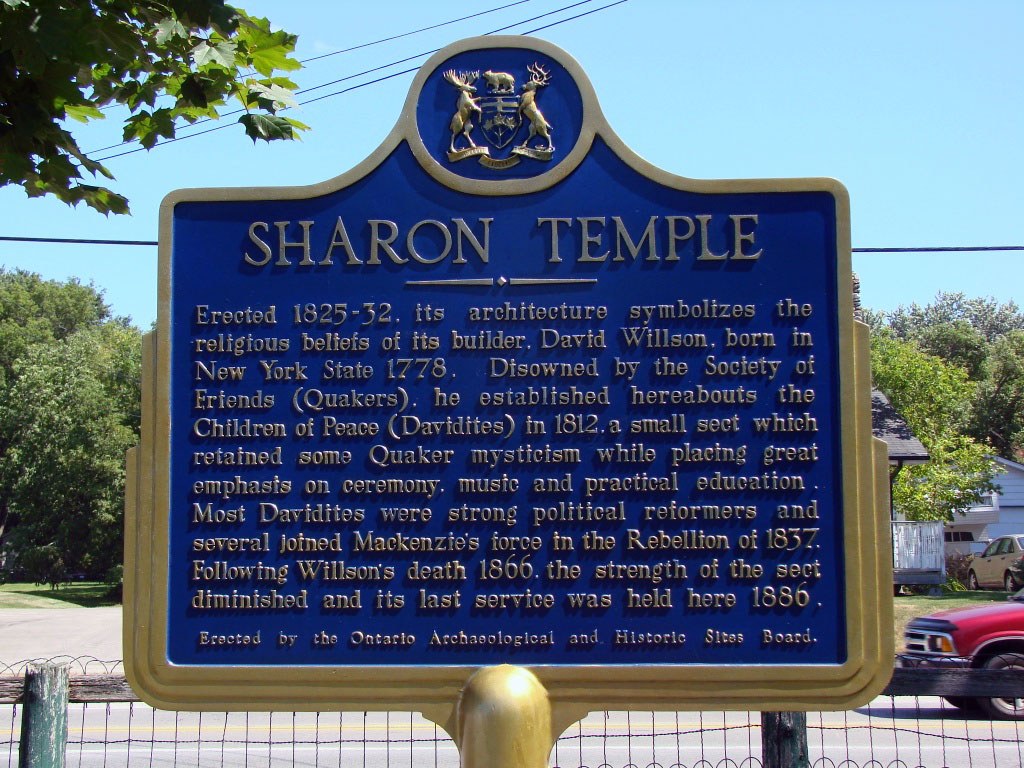
Solomon Moseby Affair 1837, The
Learn more About Plaque Solomon Moseby Affair 1837, The in buildings and structuresSt. Anne's Anglican Church
Learn more About Plaque St. Anne's Anglican Church in buildings and structuresSt. John's Church 1834
Learn more About Plaque St. John's Church 1834 in buildings and structures
St. Michael's Cathedral
This church is the main church of Canada’s largest English-speaking Catholic archdiocese. Begun in 1845, the site has seen several additions over the years — including the chancel window in 1858 and the tower and spire in 1867.
Learn more
About
Plaque
St. Michael's Cathedral in buildings and structures
Stanley Barracks
Named in honour of Governor General Lord Stanley (also of hockey fame), the Stanley Barracks have been here since the 1840s. Today, all that remains is this building, the Officers’ Quarters.
Learn more
About
Plaque
Stanley Barracks in buildings and structures
Stone Frigate, The
This building was constructed as a naval warehouse. By 1876, it was refitted to house the newly established Royal Military College of Canada.
Learn more
About
Plaque
Stone Frigate, The in buildings and structuresThe complexity of collaboration
Learn more About article The complexity of collaboration in buildings and structures
Toronto Normal School
Established by Egerton Ryerson in 1847, the Toronto Normal School was the first provincial institution for the systematic training of elementary school teachers.
Learn more
About
Plaque
Toronto Normal School in buildings and structures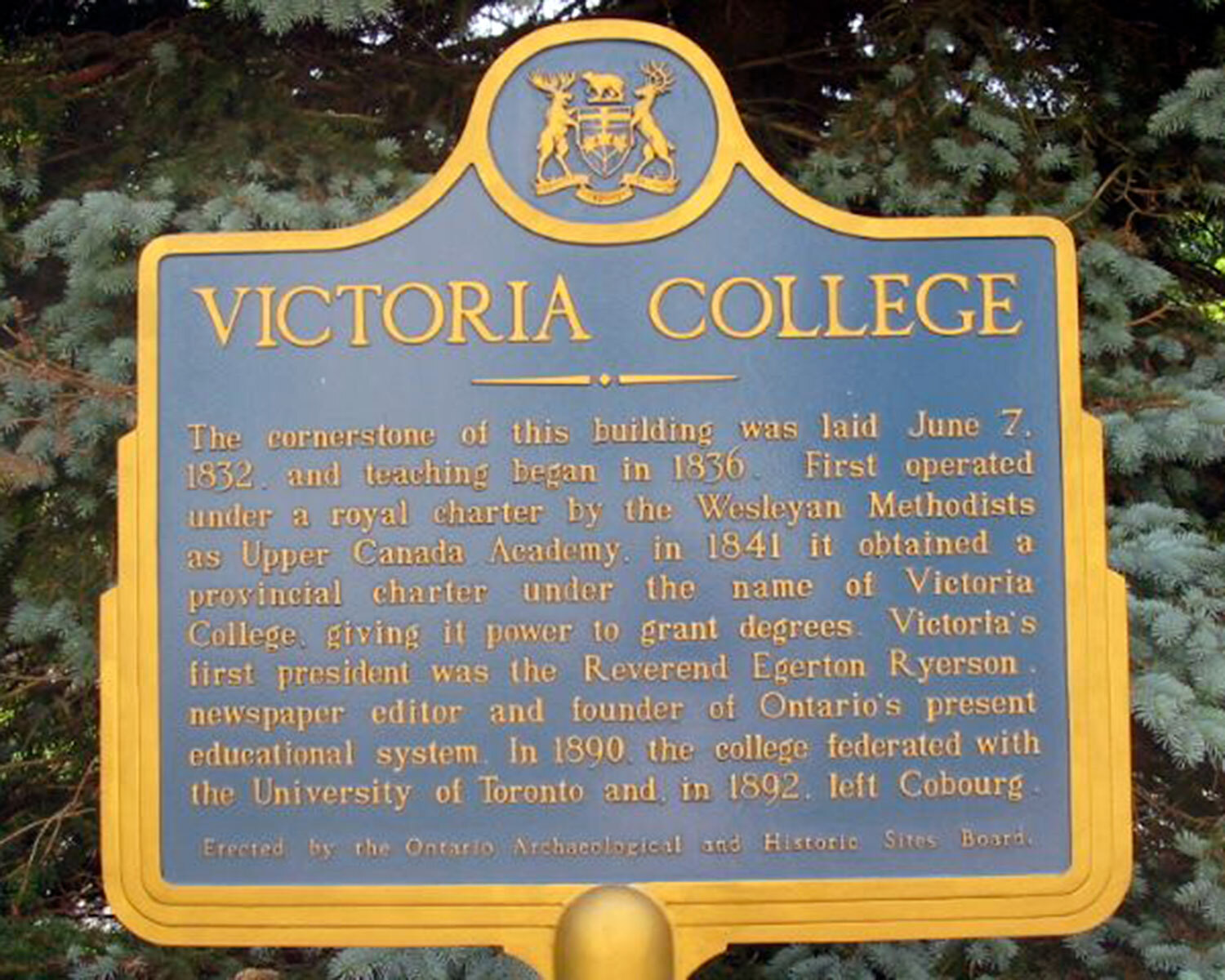
Victoria College
Teaching began at this new college in 1836. By 1841, they were granting degrees. In 1890, it federated with the University of Toronto and, two years later, left Cobourg.
Learn more
About
Plaque
Victoria College in buildings and structuresVictoria Hall
This imposing classical structure was built as an expression of civic pride and confidence. Finished in 1860, it housed a courtroom and a concert hall. Its distinctive cupola remains a landmark. In 1983, it re-opened following an extensive restoration program.
Learn more
About
Plaque
Victoria Hall in buildings and structuresWilliam and Susannah Steward House
Learn more About Plaque William and Susannah Steward House in buildings and structuresCommunities (19)
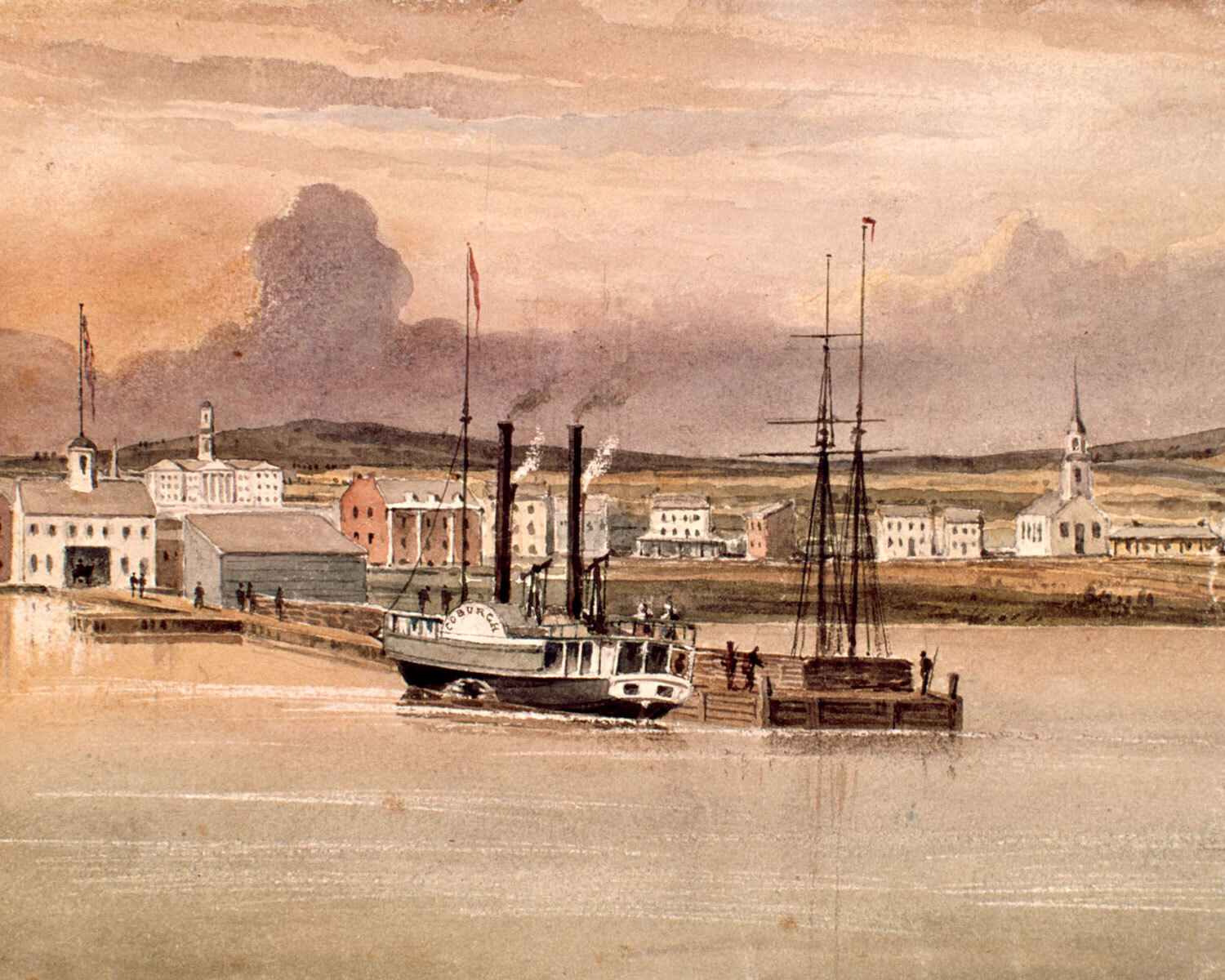
Founding of Cobourg, The
In the first years of the 19th century, mills helped to establish a settlement here. Then came the completion of Kingston Road and harbour improvements. Known originally as Hamilton, Cobourg was incorporated as a town in 1850.
Learn more
About
Plaque
Founding of Cobourg, The in communities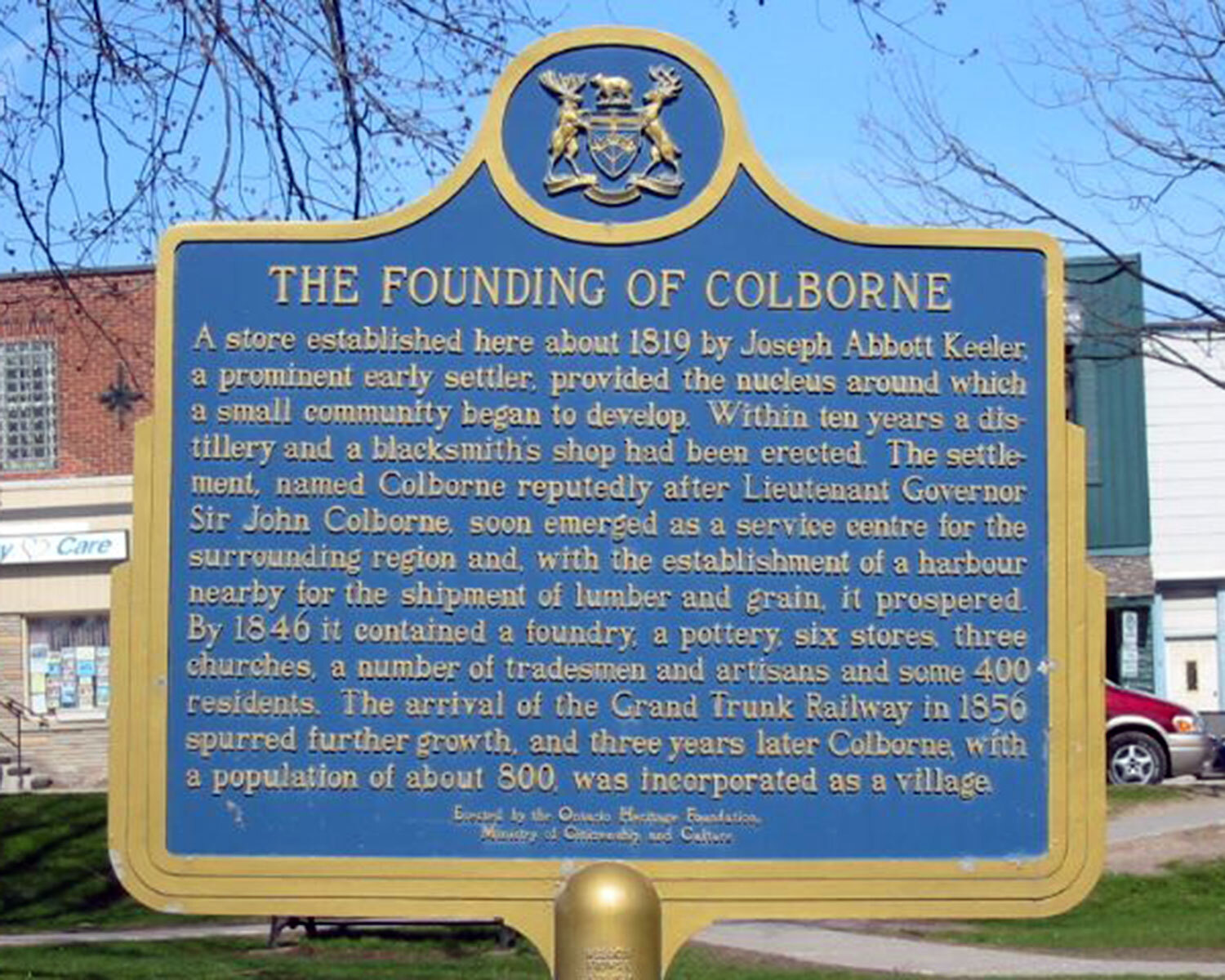
Founding of Colborne, The
A store established here around 1819 by Joseph Keeler, a prominent local merchant and early settler, provided the nucleus around which the community of Colborne began. The settlement thrived as more businesses started. The arrival of the Grand Trunk Railway in 1856 spurred further growth and, three years later, Colborne was incorporated as a village.
Learn more
About
Plaque
Founding of Colborne, The in communities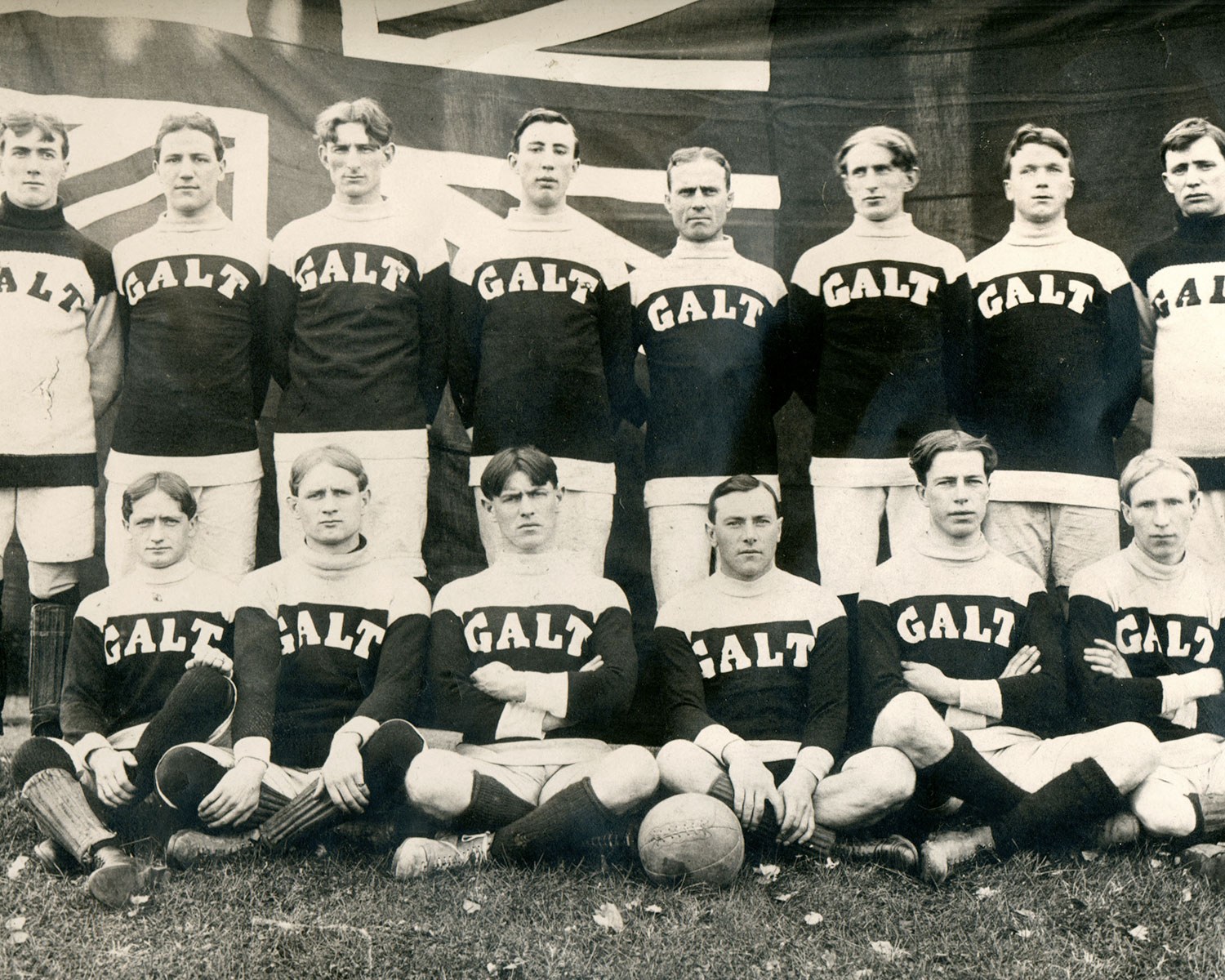
Galt Football Club
Galt Football Club was founded in 1880 with players drawn from Galt Collegiate Institute and the town ...
Learn more
About
Plaque
Galt Football Club in communities
Loyalist Landing at Cataraqui 1784, The
After the end of the American Revolution, loyalist refugees came to Canada. One group came from New York State and landed near here at Cataraqui, now known as Kingston.
Learn more
About
Plaque
Loyalist Landing at Cataraqui 1784, The in communities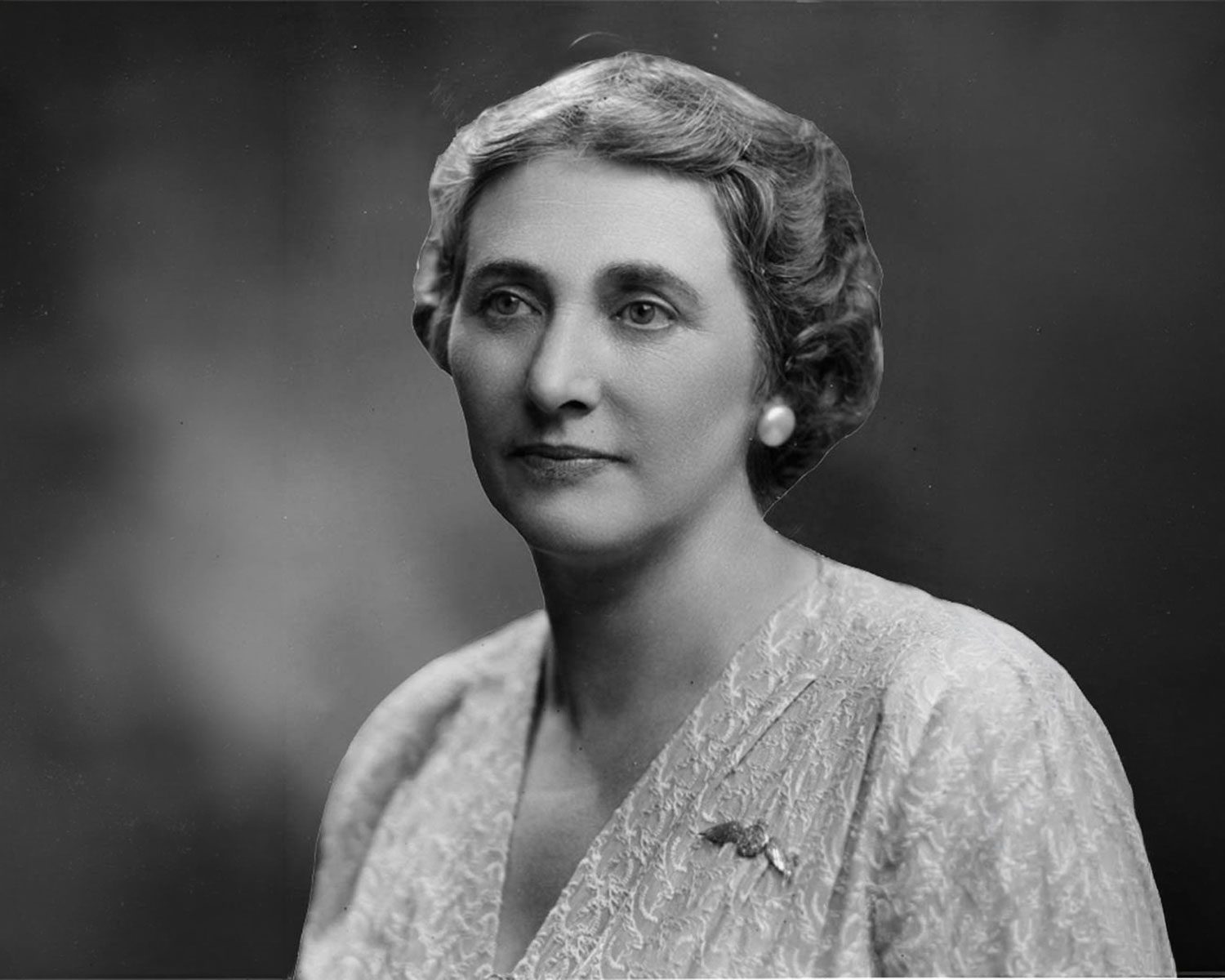
Margarette Rae Morrison Luckock 1893-1972
Raised in Arthur, Ontario, and commonly known as Rae Luckock, she was instrumental in transforming the social and political landscape of the province in the 1940s and 1950s. She paved the way for a more equal Ontario, expanding opportunities for women and working-class families.
Learn more
About
Plaque
Margarette Rae Morrison Luckock 1893-1972 in communitiesMarie-Rose Turcot 1887-1977
Turcot moved to Ottawa at the age of 20 to take a job in the civil service. Later, she became a journalist and writer, and also worked in broadcast journalism. She was active in several French-Canadian cultural organizations as well as a collector of Franco-Ontarian folk tales.
Learn more
About
Plaque
Marie-Rose Turcot 1887-1977 in communitiesMilestones in Ontario’s history
Ontario’s history is made up of countless little stories passed down through many generations of people. Over time, Ontario has become more prosperous, innovative and equitable, but change has not been linear or universal to all people.
Learn more
About
online exhibit
Milestones in Ontario’s history in communitiesMoose Factory — Môsonîwi-Miništik
Learn more About Plaque Moose Factory — Môsonîwi-Miništik in communitiesMother Marie Thomas d’Aquin 1877-1963
Originally from near Bordeaux, France, Jeanne Branda felt a calling to become a nun and a teacher. In 1899, she joined the Dominican Sisters of Nancy, where she took on the name Sister Marie Thomas d’Aquin. She moved to the United States and then, while visiting Ottawa in 1914, agreed to head the Jeanne d’Arc Institute.
Learn more
About
Plaque
Mother Marie Thomas d’Aquin 1877-1963 in communitiesProulx Cheese Factory
Built in 1890, the Proulx Cheese Factory is one of the few remaining buildings of its kind in Ontario. It reflects the importance of locally run rural enterprises to the province’s agricultural development and the central role that cheesemaking had in the region ...
Learn more
About
Plaque
Proulx Cheese Factory in communitiesThe complexity of collaboration
Learn more About article The complexity of collaboration in communities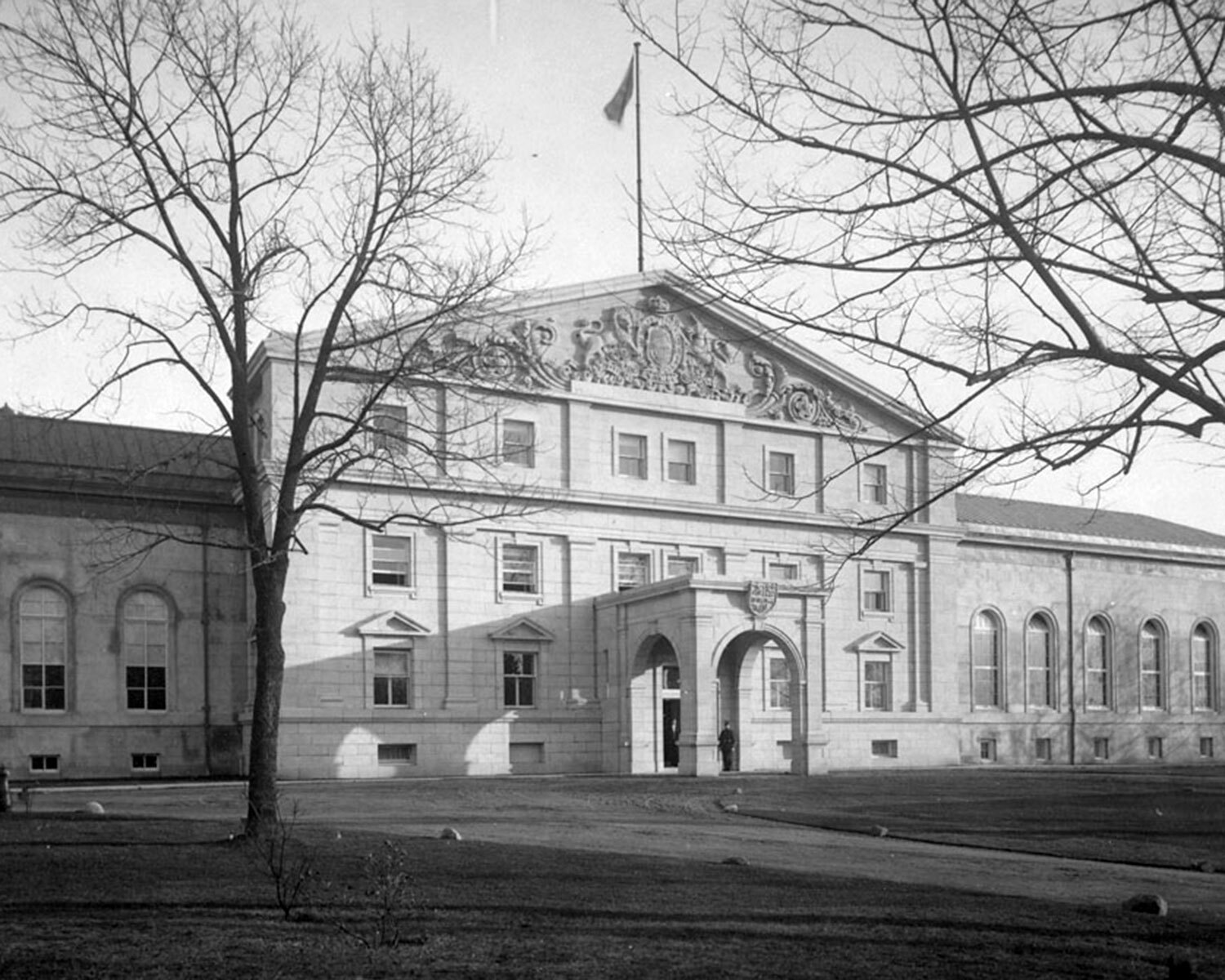
Thomas McKay 1792-1855
This Scottish-born master mason came to Ottawa to work on the entrance locks of the Rideau Canal and the first bridge that spanned the Ottawa River to connect Ottawa and Hull (now Gatineau). McKay built his residence, Rideau Hall, in 1838 — which was purchased by the Government of Canada to become the official residence of the Governor General.
Learn more
About
Plaque
Thomas McKay 1792-1855 in communitiesWilberforce Settlement, The
Learn more About Plaque Wilberforce Settlement, The in communitiesWilliam and Susannah Steward House
Learn more About Plaque William and Susannah Steward House in communities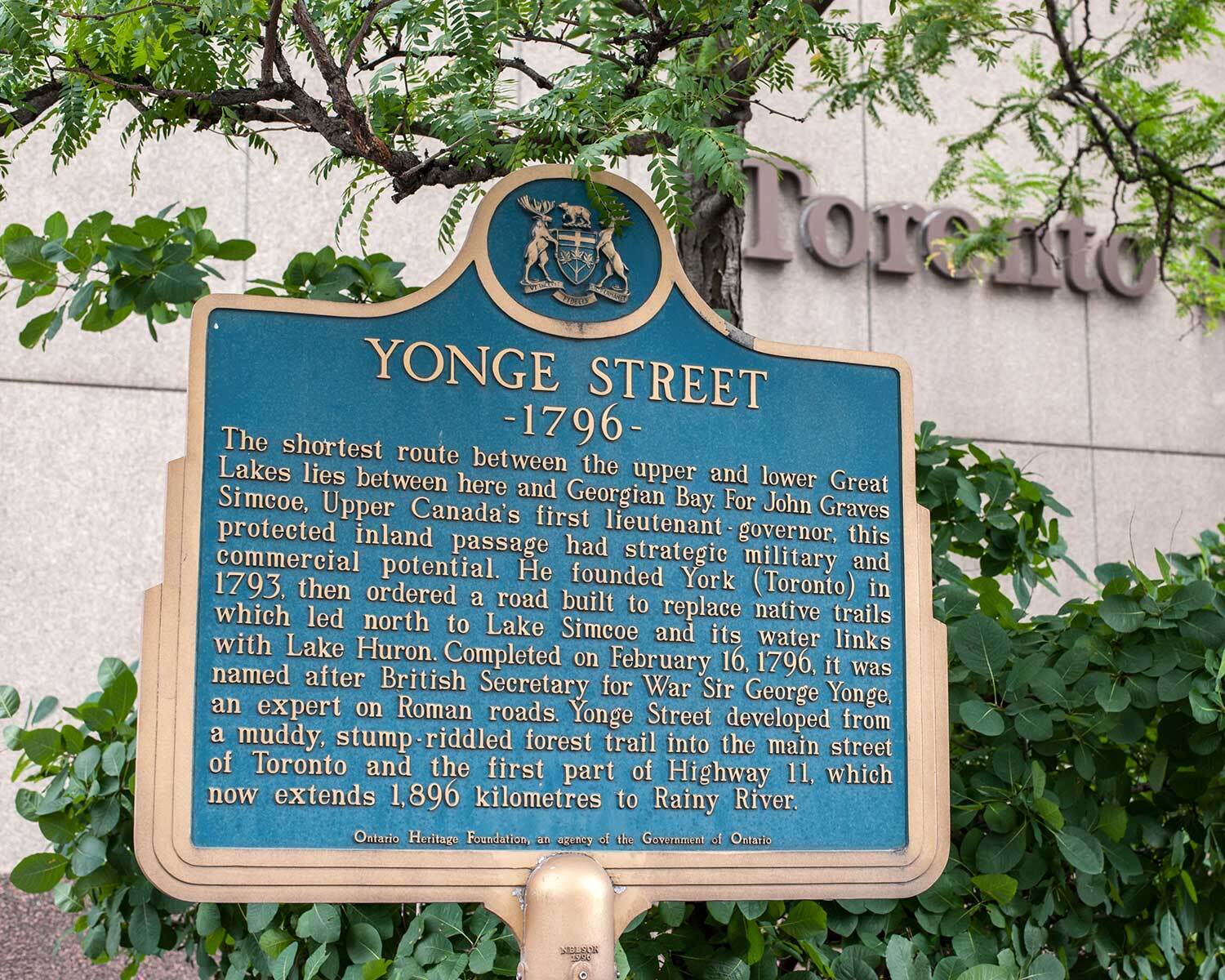
Yonge Street 1796
The longest street in the world was built by Ontario’s first lieutenant governor, John Graves Simcoe, to connect his recently founded Town of York with the naval base at Penetanguishene on Georgian Bay.
Learn more
About
Plaque
Yonge Street 1796 in communitiesCourthouse (6)
Frontenac County Courthouse
With the growth in population in Kingston and with the increased complexity of the law, the 1796 courthouse and jail were deemed to be too small by the mid-19th century. The courthouse and jail were sold and contracts were let for the new courthouse in July 1855 on land obtained from the province.
Learn more
About
Property
Frontenac County Courthouse in courthouseMiddlesex County Courthouse
Rapid growth required the building of a separate but nearby County administration office in 1861 and a Registry Office in 1876. This building is associated with 19th-century judicial, governmental and administrative development in Ontario.
Learn more
About
Property
Middlesex County Courthouse in courthouseNiagara District Court House
This building is associated with 19th-century judicial, governmental and administrative development in Ontario and is the third and only surviving courthouse erected for the former Niagara District. Its plan marks a transition to larger and more sophisticated court buildings after 1850 in order to include a wider range of functions.
Learn more
About
Property
Niagara District Court House in courthousePeel County Courthouse and Jail
Serving as Peel County's judicial and administrative centre until 1973, the courthouse was then leased to the municipality until 1980. It now serves as a museum and art gallery.
Learn more
About
Property
Peel County Courthouse and Jail in courthouseWelland County Courthouse
The Provisional County of Welland was separated from Lincoln County in 1851 with the requirement that the former build a courthouse and jail.
Learn more
About
Property
Welland County Courthouse in courthouseDisasters (1)

Noronic Disaster, The
A little-known disaster on the Great Lakes happened right here in the Toronto Harbour when a passenger cruiser, the Noronic, burned on September 19, 1949, taking 119 lives. This remains Toronto’s worst disaster.
Learn more
About
Plaque
Noronic Disaster, The in disastersEasement property (32)
Aberdeen Pavilion
Built for the Central Canada Exhibition Association, the Pavilion was named after the incumbent Governor General, The Earl of Aberdeen.
Learn more
About
Property
Aberdeen Pavilion in easement propertyAssumption Church
The Assumption Church has been associated with a Jesuit Huron mission at La Pointe du Montréal, the parish of L'Assumption du Détroit, since 1761.
Learn more
About
Property
Assumption Church in easement propertyAuld Kirk Presbyterian Church
One of Ramsay Township's oldest churches, Auld Kirk Presbyterian Church is associated with the early Scottish settlers.
Learn more
About
Property
Auld Kirk Presbyterian Church in easement propertyBelleville City Hall
Built as a symbol of Belleville's growth and prosperity and as an expression of civic pride and confidence in the future, this building was one of a few civic complexes completed during the economic depression of 1873, and one of even fewer completed with the elaboration of interior and exterior fittings.
Learn more
About
Property
Belleville City Hall in easement propertyBenares
Benares is associated with the early settlement of the north shore of Lake Ontario. The house, home of Captain James Harris, is located on one of the earliest settled sites in the village of Clarkson's Corners (later shortened to Clarkson).
Learn more
About
Property
Benares in easement propertyChurch of St. Alban the Martyr
Ottawa was selected as the permanent capital of the Province of Canada in 1857. With the growth of Ottawa's government and civil service population, a new congregation separated from the original Anglican parish, Christ Church on Spark Street.
Learn more
About
Property
Church of St. Alban the Martyr in easement propertyChurch of St. John the Evangelist
St. John's Church is associated with the early settlement of the Scott's Mills or Scott's Plains area (now the City of Peterborough) by over 200 Irish immigrants in 1825.
Learn more
About
Property
Church of St. John the Evangelist in easement propertyDundurn Castle and Grounds
Dundurn Castle is located on lands formerly owned and occupied by Richard Beasley (1761-1842), merchant and politician, who settled here in 1793.
Learn more
About
Property
Dundurn Castle and Grounds in easement propertyFleet Street Pumping Station
The great Carleton County Fire of 1870 and the Chicago Fire of 1871 led to the City of Ottawa engaging Thomas C. Keefer, a leading Canadian engineer, to design Ottawa's first system of water distribution.
Learn more
About
Property
Fleet Street Pumping Station in easement propertyFrontenac County Courthouse
With the growth in population in Kingston and with the increased complexity of the law, the 1796 courthouse and jail were deemed to be too small by the mid-19th century. The courthouse and jail were sold and contracts were let for the new courthouse in July 1855 on land obtained from the province.
Learn more
About
Property
Frontenac County Courthouse in easement propertyKenora Post Office
Designed by the federal Department of Public Works in stylistic blend of High Victorian, Second Empire and Richardsonian Romanesque, this predominantly brick building is characterized by a high, heavily rusticated, stone foundation.
Learn more
About
Property
Kenora Post Office in easement propertyLeacock House
This building was constructed on Old Brewery Bay as a summer home for Stephen Leacock, world-renowned humorist and author.
Learn more
About
Property
Leacock House in easement propertyMacpherson House
This house was built by Allan Macpherson, a leading local businessman, militia leader, magistrate and Napanee's first postmaster, in proximity to his general store on Dundas Street.
Learn more
About
Property
Macpherson House in easement propertyMiddlesex County Courthouse
Rapid growth required the building of a separate but nearby County administration office in 1861 and a Registry Office in 1876. This building is associated with 19th-century judicial, governmental and administrative development in Ontario.
Learn more
About
Property
Middlesex County Courthouse in easement propertyMississippi Valley Textile Museum
The entire mill complex is one of a few surviving Ottawa Valley textile manufacturing complexes from the late 19th century. In 1988, the Mississippi Valley Textile Museum acquired the Annex of the mill complex for use as a museum.
Learn more
About
Property
Mississippi Valley Textile Museum in easement propertyNiagara District Court House
This building is associated with 19th-century judicial, governmental and administrative development in Ontario and is the third and only surviving courthouse erected for the former Niagara District. Its plan marks a transition to larger and more sophisticated court buildings after 1850 in order to include a wider range of functions.
Learn more
About
Property
Niagara District Court House in easement propertyNorth Bay Canadian Pacific Railway Station
This station at North Bay was built in 1903 by the Canadian Pacific Railway (CPR). Once an important hub of transnational rails, the North Bay CPR Station was home to the district divisional offices between 1901 and 1959.
Learn more
About
Property
North Bay Canadian Pacific Railway Station in easement propertyOntario Northland Railway Station
Built in 1910 for the Temiskaming and Northern Ontario Railway, the Cobalt Station is associated with the early development of rail transportation and settlement in northern Ontario.
Learn more
About
Property
Ontario Northland Railway Station in easement propertyPeel County Courthouse and Jail
Serving as Peel County's judicial and administrative centre until 1973, the courthouse was then leased to the municipality until 1980. It now serves as a museum and art gallery.
Learn more
About
Property
Peel County Courthouse and Jail in easement propertyPinhey Estate
Hamnet Kirkes Pinhey, a wealthy landed English gentleman and a successful merchant and veteran of the Napoleonic Wars, emigrated to Upper Canada in 1820 with a small fortune to develop an estate in the wilderness.
Learn more
About
Property
Pinhey Estate in easement propertyPrecious Blood Cathedral
Sault Ste. Marie was elevated to a diocese in 1904 and the church was selected as a diocesan Cathedral. In 1913, the Jesuits who had served the parish church and then the Cathedral were replaced by the secular clergy. It was renamed the Cathedral of Precious Blood in 1936.
Learn more
About
Property
Precious Blood Cathedral in easement propertyRedmond Heights
Located at Drummond Hill, Redmond Heights comprises part of the site of the Battle of Lundy's Lane.
Learn more
About
Property
Redmond Heights in easement propertyRuthven Estate
Ruthven stands as a rare surviving example of that romantic combination of Classical architecture and picturesque landscape that characterized country estates of the late 18th and early 19th centuries.
Learn more
About
Property
Ruthven Estate in easement propertySharon Temple
The Sharon Temple is associated with the Children of Peace, a breakaway sect of the Society of Friends or Quakers, founded by David Willson. Willson and his wife emigrated from New York State in 1801 to join other Quakers in Upper Canada. By 1805, he had acquired 200 acres (80 hectares) in the Township of East Gwillimbury (York Region).
Learn more
About
Property
Sharon Temple in easement propertySt. Anne's Anglican Church
St. Anne's Anglican Church parish was founded on the present site in 1862. In 1907, a competition was held for the design of a new church.
Learn more
About
Property
St. Anne's Anglican Church in easement propertySt. George's Cathedral
With its congregation dating to 1783, the Cathedral is associated with the first organized Anglican parish in Ontario.
Learn more
About
Property
St. George's Cathedral in easement propertyStratford City Hall
The new City Hall on the site of Stratford's former town hall marked a notable addition to the late-19th-century streetscape.
Learn more
About
Property
Stratford City Hall in easement propertyTourist Pagoda
Constructed in the middle of the intersection of Water Street and the foot of River Road, the pagoda's function was to provide tourist information and present a welcoming gateway to the city. The structure provides this service to the present day.
Learn more
About
Property
Tourist Pagoda in easement propertyVictoria Hall
Founded in 1798 by United Empire Loyalists, Cobourg grew as an important milling and small manufacturing centre in Upper Canada. Harbour construction and a steady rise in population further spurred prosperity and the demand for a town hall.
Learn more
About
Property
Victoria Hall in easement propertyWelland County Courthouse
The Provisional County of Welland was separated from Lincoln County in 1851 with the requirement that the former build a courthouse and jail.
Learn more
About
Property
Welland County Courthouse in easement propertyWillowbank Estate
Willowbank is significant as a surviving mansion of the British colonial era in Canada that reflects the ideals of both classical revivalism and the picturesque tradition.
Learn more
About
Property
Willowbank Estate in easement propertyWoodchester Villa
Woodchester Villa was built in 1882 for Henry James Bird, owner of a local woollen mill. It was named after the English village of Woodchester, where he was born, near Stroud in the west of England in 1842.
Learn more
About
Property
Woodchester Villa in easement propertyEducation (15)
Colonel the Honourable Justice John Andrew Hope (1890‒1954)
Learn more About Plaque Colonel the Honourable Justice John Andrew Hope (1890‒1954) in educationÉcole Guigues and Regulation 17, l'
Begun as a school, this building became a centre for minority rights agitation in Ontario in the early 20th century. When the provincial government issued a directive (known as Regulation 17) in 1912, it meant restricting French-language education. Opposition was widespread but particularly intense in Ottawa.
Learn more
About
Plaque
École Guigues and Regulation 17, l' in educationEnoch Turner School 1848, The
Learn more About Plaque Enoch Turner School 1848, The in educationGalt Football Club
Galt Football Club was founded in 1880 with players drawn from Galt Collegiate Institute and the town ...
Learn more
About
Plaque
Galt Football Club in educationLakehead University
Following a push by educators and business representatives for an institution of higher learning in Ontario’s northwest, the Lakehead Technical Institute was established in 1946. By 1965, it became Lakehead University and conferred its first degrees.
Learn more
About
Plaque
Lakehead University in educationMargarette Rae Morrison Luckock 1893-1972
Raised in Arthur, Ontario, and commonly known as Rae Luckock, she was instrumental in transforming the social and political landscape of the province in the 1940s and 1950s. She paved the way for a more equal Ontario, expanding opportunities for women and working-class families.
Learn more
About
Plaque
Margarette Rae Morrison Luckock 1893-1972 in educationMoulton College
The last stop on this walking tour is Moulton College, which once stood at this site. The school was a girls’ preparatory school founded by Susan Moulton McMaster (as part of McMaster University in Hamilton) and was housed in the former McMaster residence located here.
Learn more
About
Plaque
Moulton College in education![University of Toronto recruits drill on campus. (Photo: City of Toronto Archives, Fonds 1244, Item 763 Date(s) of creation of record(s) [1918?])](https://www.heritagetrust.on.ca/uploads/Exhibits/GW-military-recruits-U-of-T-1500px.jpg)
Ontario's military heritage — 3. The Great War (Schools and students at war)
Public schools, colleges and universities are widely recognized as establishments of learning and accreditation. During the Great War, however, schools in Ontario were mobilized for the war effort. School grounds were repurposed as sites for drills, military experiments and rehabilitation centres for returned soldiers. Some schools also incentivized their students to enlist and allowed their campuses to become recruitment grounds.
Learn more
About
online exhibit
Ontario's military heritage — 3. The Great War (Schools and students at war) in educationRyerson Polytechnical Institute
This university has had many names over the years. Established in 1948, it was named for Egerton Ryerson (founder of the province’s education system). In the 1970s, it was given limited degree-granting powers. It became a full university in 1993. Today, it is known as the Toronto Metropolitan University.
Learn more
About
Plaque
Ryerson Polytechnical Institute in educationStephen Butler Leacock (England)
Learn more About Plaque Stephen Butler Leacock (England) in educationStephen Butler Leacock (Ontario)
Learn more About Plaque Stephen Butler Leacock (Ontario) in educationStone Frigate, The
This building was constructed as a naval warehouse. By 1876, it was refitted to house the newly established Royal Military College of Canada.
Learn more
About
Plaque
Stone Frigate, The in educationToronto Normal School
Established by Egerton Ryerson in 1847, the Toronto Normal School was the first provincial institution for the systematic training of elementary school teachers.
Learn more
About
Plaque
Toronto Normal School in educationVictoria College
Teaching began at this new college in 1836. By 1841, they were granting degrees. In 1890, it federated with the University of Toronto and, two years later, left Cobourg.
Learn more
About
Plaque
Victoria College in educationEdwardian (3)
Elgin & Winter Garden Theatres
At this magnificent National Historic Site, you can bask in the gilded elegance of the Elgin Theatre, and then gaze at the leafy ceiling of the Winter Garden Theatre, seven storeys above the Elgin.
Learn more
About
Property
Elgin & Winter Garden Theatres in edwardianFulford Place
Discover the story of Senator George T. Fulford, explore the grand Fulford mansion and marvel at the many original family furnishings.
Learn more
About
Property
Fulford Place in edwardianOntario Heritage Centre
The Canadian Birkbeck Investment and Savings Company was the initial owner of what is today the Ontario Heritage Centre – the Ontario Heritage Trust's headquarters.
Learn more
About
Property
Ontario Heritage Centre in edwardianEnvironment (3)
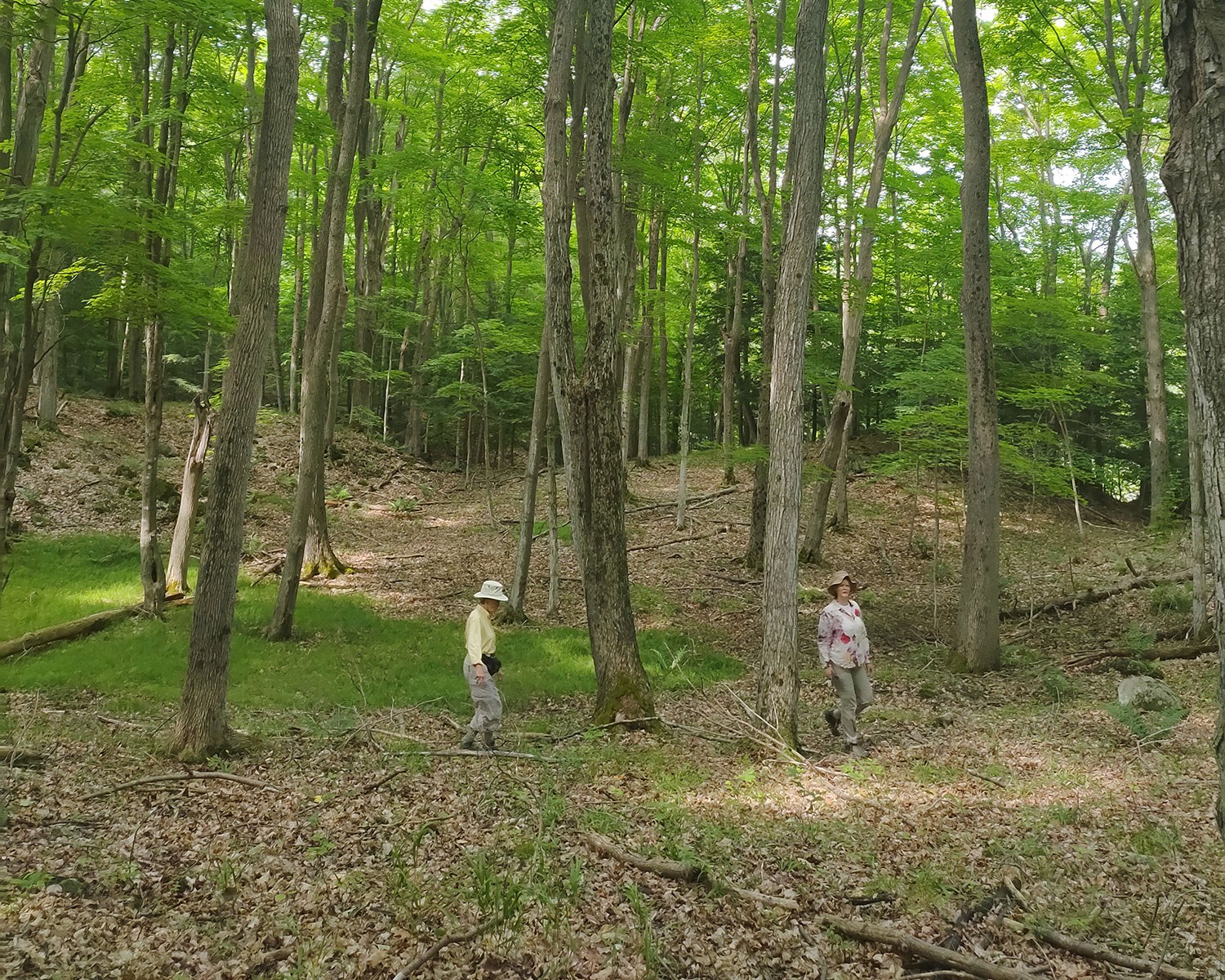
A place where nature can run wild
Learn more About article A place where nature can run wild in environmentMilestones in Ontario’s history
Ontario’s history is made up of countless little stories passed down through many generations of people. Over time, Ontario has become more prosperous, innovative and equitable, but change has not been linear or universal to all people.
Learn more
About
online exhibit
Milestones in Ontario’s history in environmentExploration (3)
Milestones in Ontario’s history
Ontario’s history is made up of countless little stories passed down through many generations of people. Over time, Ontario has become more prosperous, innovative and equitable, but change has not been linear or universal to all people.
Learn more
About
online exhibit
Milestones in Ontario’s history in explorationMoose Factory — Môsonîwi-Miništik
Learn more About Plaque Moose Factory — Môsonîwi-Miništik in exploration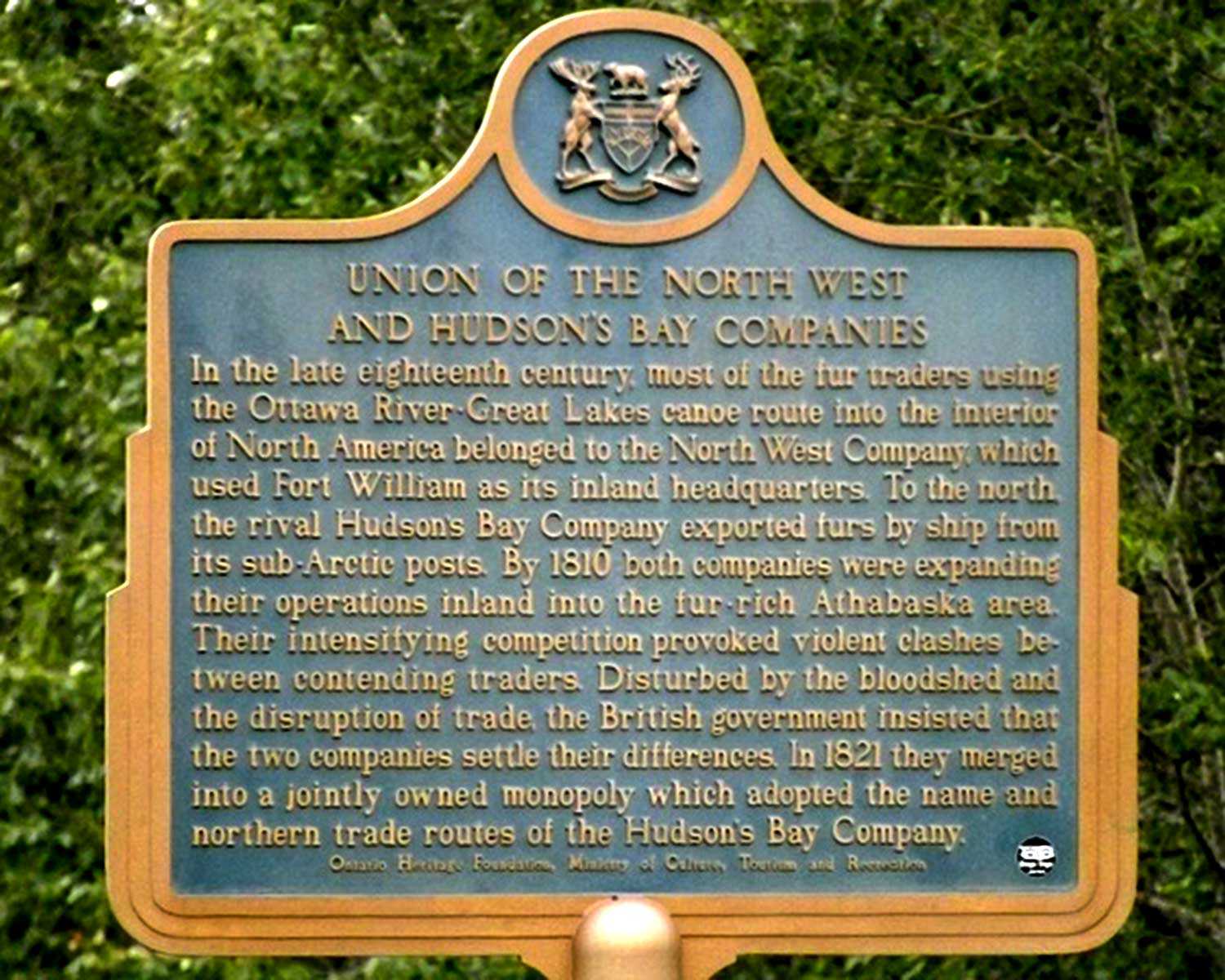
Union of the North West and Hudson's Bay Companies
This plaque commemorates the merger of the rival North West and Hudson’s Bay Companies to settle ongoing — and bloody — disputes between the rival fur-trade companies.
Learn more
About
Plaque
Union of the North West and Hudson's Bay Companies in explorationFirst nations (6)
Milestones in Ontario’s history
Ontario’s history is made up of countless little stories passed down through many generations of people. Over time, Ontario has become more prosperous, innovative and equitable, but change has not been linear or universal to all people.
Learn more
About
online exhibit
Milestones in Ontario’s history in first nations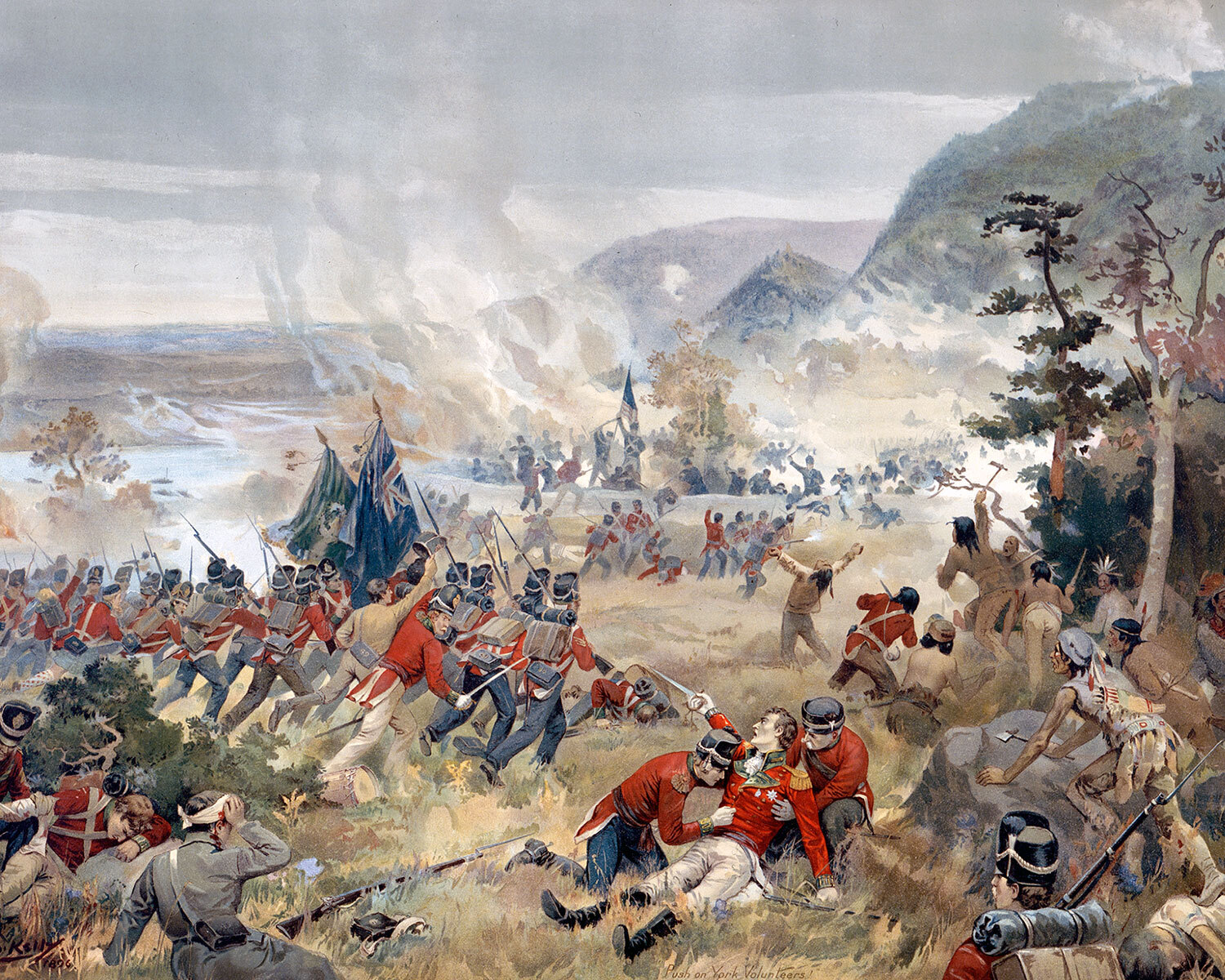
Ontario's military heritage — 1. War of 1812 (Battles in Upper Canada and the Great Lakes)
The British regulars, Canadian militia and Indigenous warriors won several battles in the summer of 1812. Their victories proved to the Americans that if they wanted to conquer Upper Canada, it would require a long and bitter struggle. The sections below explore the key battles in Upper Canada and the surrounding Great Lakes.
Learn more
About
online exhibit
Ontario's military heritage — 1. War of 1812 (Battles in Upper Canada and the Great Lakes) in first nations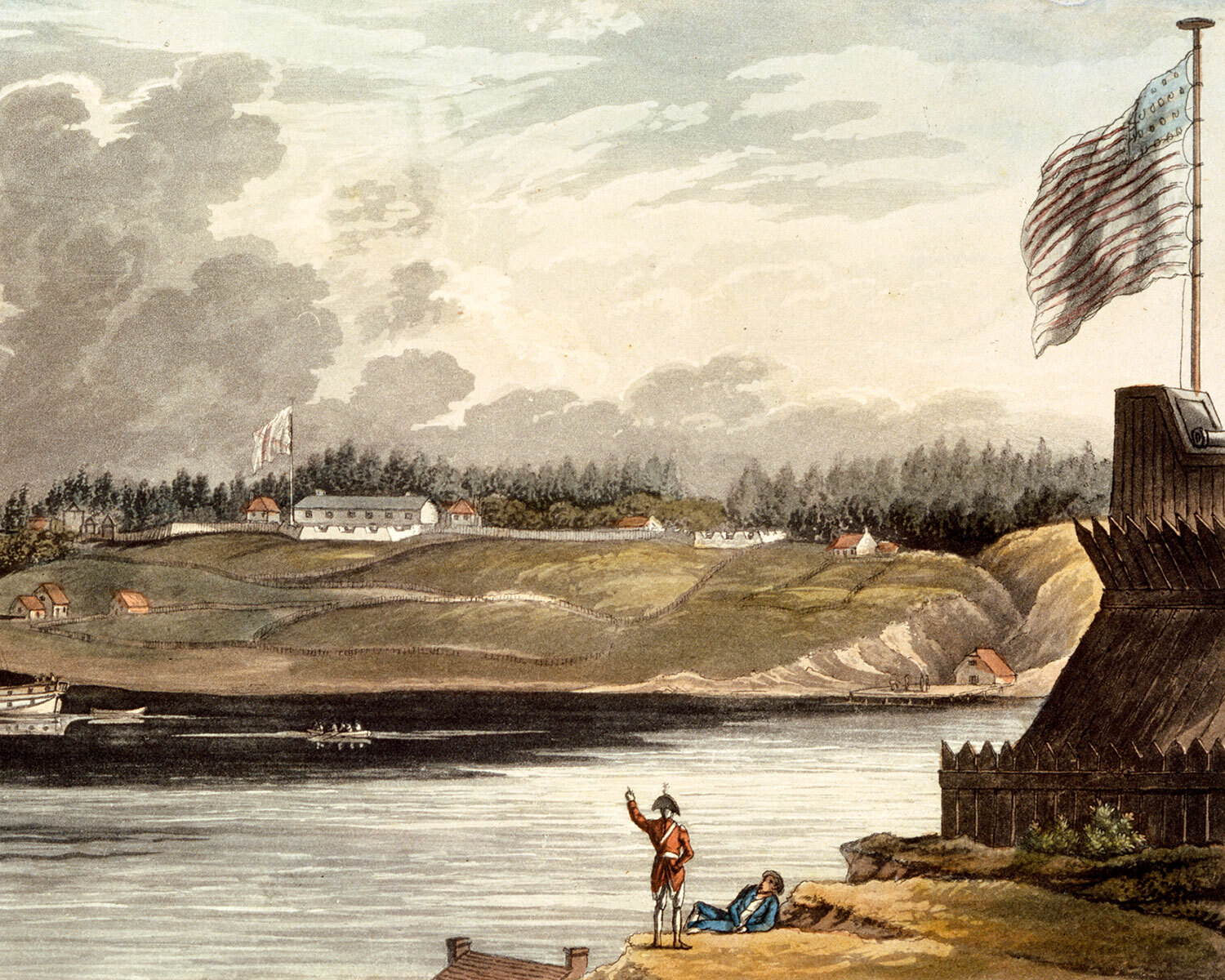
Ontario's military heritage — 1. War of 1812 (Life in a war zone)
Before the War of 1812, the lives of most of Upper Canada’s inhabitants involved hard work and offered few comforts. Even for the most skilled homesteaders, subsistence was precarious; bad harvests could bring a family to the brink of starvation. Unfortunately for these residents, life would become even more difficult with the onset of the War of 1812.
Learn more
About
online exhibit
Ontario's military heritage — 1. War of 1812 (Life in a war zone) in first nationsOntario's military heritage — 1. War of 1812 (Upper Canada's soldiers)
In 1811, Major-General Isaac Brock was appointed as the senior military commander and senior member of Upper Canada’s executive council. It was Brock’s responsibility to manage the defences of Upper Canada. On taking office, Brock quickly recognized the province’s vulnerability.
Learn more
About
online exhibit
Ontario's military heritage — 1. War of 1812 (Upper Canada's soldiers) in first nationsOntario's military heritage — 3. The Great War (Donning the khaki)
The soldiers who fought overseas in the Canadian Expeditionary Force (CEF) experienced a war like no other before it. The ingenuity of the modern industrial age was used to construct international war machines designed for efficient and brutal destruction. And yet, all the sophisticated machinery, tools and weaponry still required flesh and blood to operate.
Learn more
About
online exhibit
Ontario's military heritage — 3. The Great War (Donning the khaki) in first nationsOntario's military heritage — 4. Second World War (Military operations and experiences)
By the summer of 1940, Nazi Germany had conquered most of continental Europe, and the United Kingdom was defending itself against the German Luftwaffe during the Battle of Britain. During these trying times, Canada became the United Kingdom’s most important ally. To make a meaningful difference in the war, Canada’s military would require expansion and modernization.
Learn more
About
online exhibit
Ontario's military heritage — 4. Second World War (Military operations and experiences) in first nationsFranco-ontarian heritage (13)
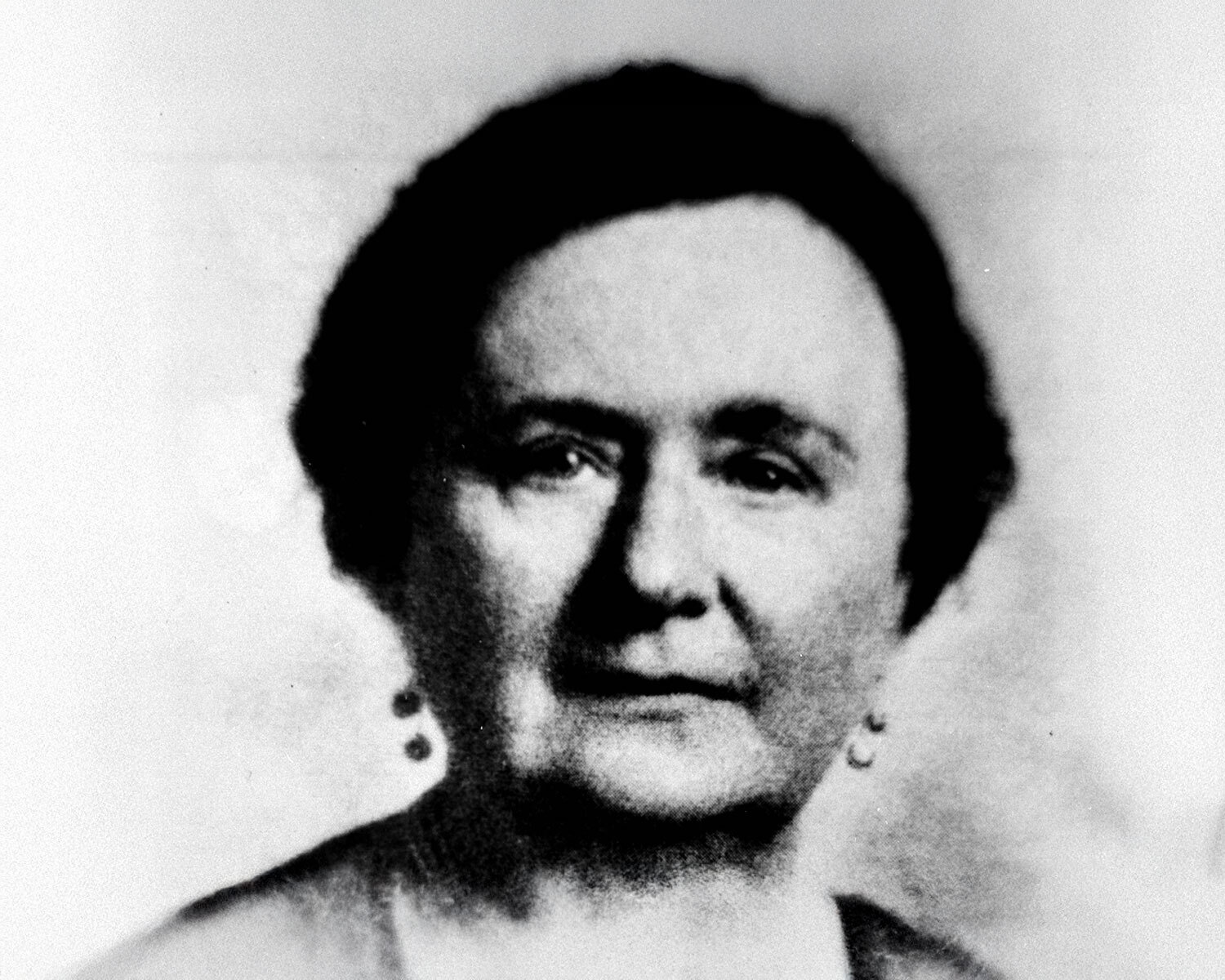
Almanda Walker-Marchand and the Fédération des femmes canadiennes-françaises
Walker-Marchand moved to Ottawa where she established this organization dedicated to helping French-Canadian soldiers and their families during and after the First World War. The organization expanded beyond Ottawa to form chapters in Francophone communities across Canada.
Learn more
About
Plaque
Almanda Walker-Marchand and the Fédération des femmes canadiennes-françaises in franco-ontarian heritageÉcole Guigues and Regulation 17, l'
Begun as a school, this building became a centre for minority rights agitation in Ontario in the early 20th century. When the provincial government issued a directive (known as Regulation 17) in 1912, it meant restricting French-language education. Opposition was widespread but particularly intense in Ottawa.
Learn more
About
Plaque
École Guigues and Regulation 17, l' in franco-ontarian heritage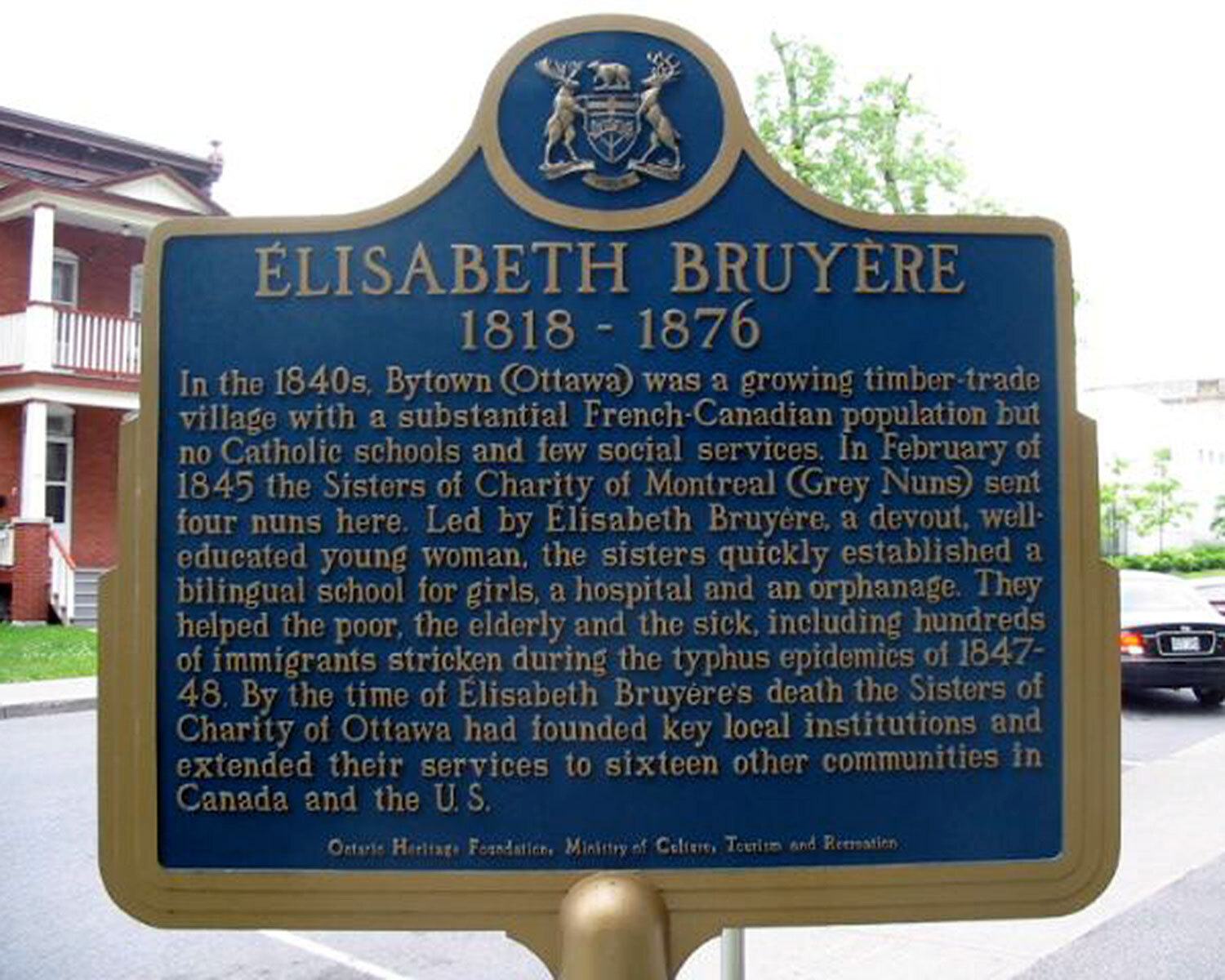
Elisabeth Bruyère 1818-1876
Ottawa in the 1840s (still Bytown then) was a growing timber-trade village with a substantial French-Canadian population but no Catholic schools and few social services. In 1845, four nuns, led by Bruyère, arrived and establish a school, hospital and orphanage, as well as established many social services.
Learn more
About
Plaque
Elisabeth Bruyère 1818-1876 in franco-ontarian heritage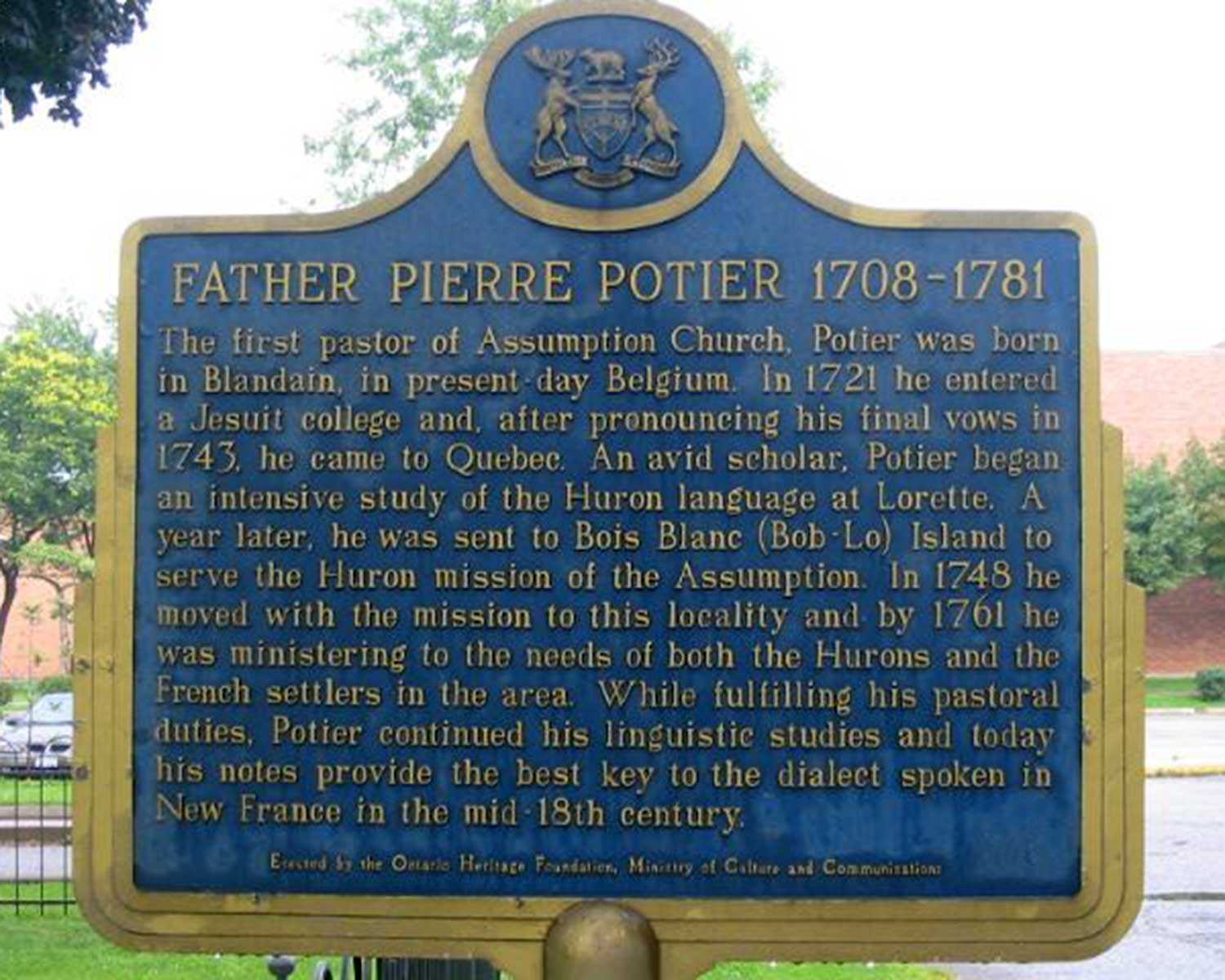
Father Pierre Potier 1708-1781
Learn more About Plaque Father Pierre Potier 1708-1781 in franco-ontarian heritageFort Kaministiquia 1717
A small fort was established near here in 1717 by a French officer, replacing an earlier structure. It served as the base of operations for la Vérendrye, the famous explorer. A later fort of the same name was built downriver and renamed Fort William in 1807. It became the nucleus of the city.
Learn more
About
Plaque
Fort Kaministiquia 1717 in franco-ontarian heritageFort Rouillé
This plaque commemorates the last French post built in present-day Southern Ontario.
Learn more
About
Plaque
Fort Rouillé in franco-ontarian heritage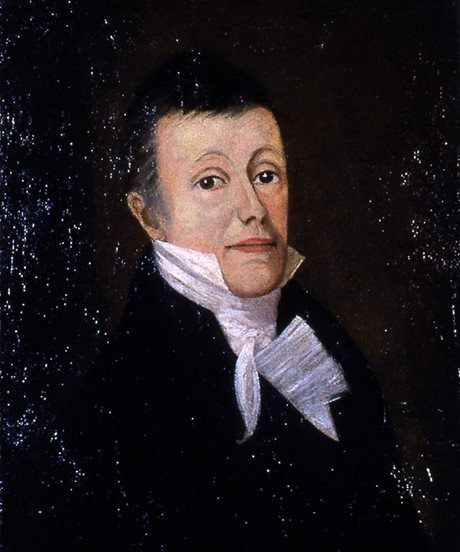
James Baby 1763-1833
Learn more About Plaque James Baby 1763-1833 in franco-ontarian heritageLe Droit
In 1912, French-Canadian educational and religious groups came together to discuss the founding of a newspaper that could be used to protest Regulation 17, which severely restricted the teaching of French in Ontario schools. From this, Le Droit was born — a French-language daily newspaper. Le Droit continues to support and defend Franco-Ontarian rights.
Learn more
About
Plaque
Le Droit in franco-ontarian heritageMarie-Rose Turcot 1887-1977
Turcot moved to Ottawa at the age of 20 to take a job in the civil service. Later, she became a journalist and writer, and also worked in broadcast journalism. She was active in several French-Canadian cultural organizations as well as a collector of Franco-Ontarian folk tales.
Learn more
About
Plaque
Marie-Rose Turcot 1887-1977 in franco-ontarian heritageMilestones in Ontario’s history
Ontario’s history is made up of countless little stories passed down through many generations of people. Over time, Ontario has become more prosperous, innovative and equitable, but change has not been linear or universal to all people.
Learn more
About
online exhibit
Milestones in Ontario’s history in franco-ontarian heritageMoose Factory — Môsonîwi-Miništik
Learn more About Plaque Moose Factory — Môsonîwi-Miništik in franco-ontarian heritageMother Marie Thomas d’Aquin 1877-1963
Originally from near Bordeaux, France, Jeanne Branda felt a calling to become a nun and a teacher. In 1899, she joined the Dominican Sisters of Nancy, where she took on the name Sister Marie Thomas d’Aquin. She moved to the United States and then, while visiting Ottawa in 1914, agreed to head the Jeanne d’Arc Institute.
Learn more
About
Plaque
Mother Marie Thomas d’Aquin 1877-1963 in franco-ontarian heritageProulx Cheese Factory
Built in 1890, the Proulx Cheese Factory is one of the few remaining buildings of its kind in Ontario. It reflects the importance of locally run rural enterprises to the province’s agricultural development and the central role that cheesemaking had in the region ...
Learn more
About
Plaque
Proulx Cheese Factory in franco-ontarian heritageFur trade (5)
Fort Kaministiquia 1717
A small fort was established near here in 1717 by a French officer, replacing an earlier structure. It served as the base of operations for la Vérendrye, the famous explorer. A later fort of the same name was built downriver and renamed Fort William in 1807. It became the nucleus of the city.
Learn more
About
Plaque
Fort Kaministiquia 1717 in fur tradeMoose Factory — Môsonîwi-Miništik
Learn more About Plaque Moose Factory — Môsonîwi-Miništik in fur tradeUnion of the North West and Hudson's Bay Companies
This plaque commemorates the merger of the rival North West and Hudson’s Bay Companies to settle ongoing — and bloody — disputes between the rival fur-trade companies.
Learn more
About
Plaque
Union of the North West and Hudson's Bay Companies in fur trade
William McGillivray 1764-1825
Fort Kaministiquia was renamed Fort William in honour of this man, a Scot who rose through the ranks of the North West Company to become its principal director by 1804.
Learn more
About
Plaque
William McGillivray 1764-1825 in fur tradeGardens (2)
Fulford Place
Discover the story of Senator George T. Fulford, explore the grand Fulford mansion and marvel at the many original family furnishings.
Learn more
About
Property
Fulford Place in gardensFulford Place: A tribute to ambition
This magnificent 1,858-square-metre (20,000-square-foot) mansion was built in 1899-1901 for self-made millionaire and senator George Taylor Fulford I (1852-1905) and his family.
Learn more
About
online exhibit
Fulford Place: A tribute to ambition in gardensIndustry and trade (12)
Bay Queen Street Store, The
Originally Simpson’s department store, this landmark building was a Bay store from 1991 to 2025. It was the first building in Canada constructed with a load-bearing metal frame.
Learn more
About
Plaque
Bay Queen Street Store, The in industry and tradeCanadian National Exhibition
This plaque commemorates the establishment of the Exhibition (the “Ex”), a national event that has occurred since 1912.
Learn more
About
Plaque
Canadian National Exhibition in industry and tradeFort Rouillé
This plaque commemorates the last French post built in present-day Southern Ontario.
Learn more
About
Plaque
Fort Rouillé in industry and tradeFounding of Cobourg, The
In the first years of the 19th century, mills helped to establish a settlement here. Then came the completion of Kingston Road and harbour improvements. Known originally as Hamilton, Cobourg was incorporated as a town in 1850.
Learn more
About
Plaque
Founding of Cobourg, The in industry and tradeFounding of Colborne, The
A store established here around 1819 by Joseph Keeler, a prominent local merchant and early settler, provided the nucleus around which the community of Colborne began. The settlement thrived as more businesses started. The arrival of the Grand Trunk Railway in 1856 spurred further growth and, three years later, Colborne was incorporated as a village.
Learn more
About
Plaque
Founding of Colborne, The in industry and tradeProulx Cheese Factory
Built in 1890, the Proulx Cheese Factory is one of the few remaining buildings of its kind in Ontario. It reflects the importance of locally run rural enterprises to the province’s agricultural development and the central role that cheesemaking had in the region ...
Learn more
About
Plaque
Proulx Cheese Factory in industry and trade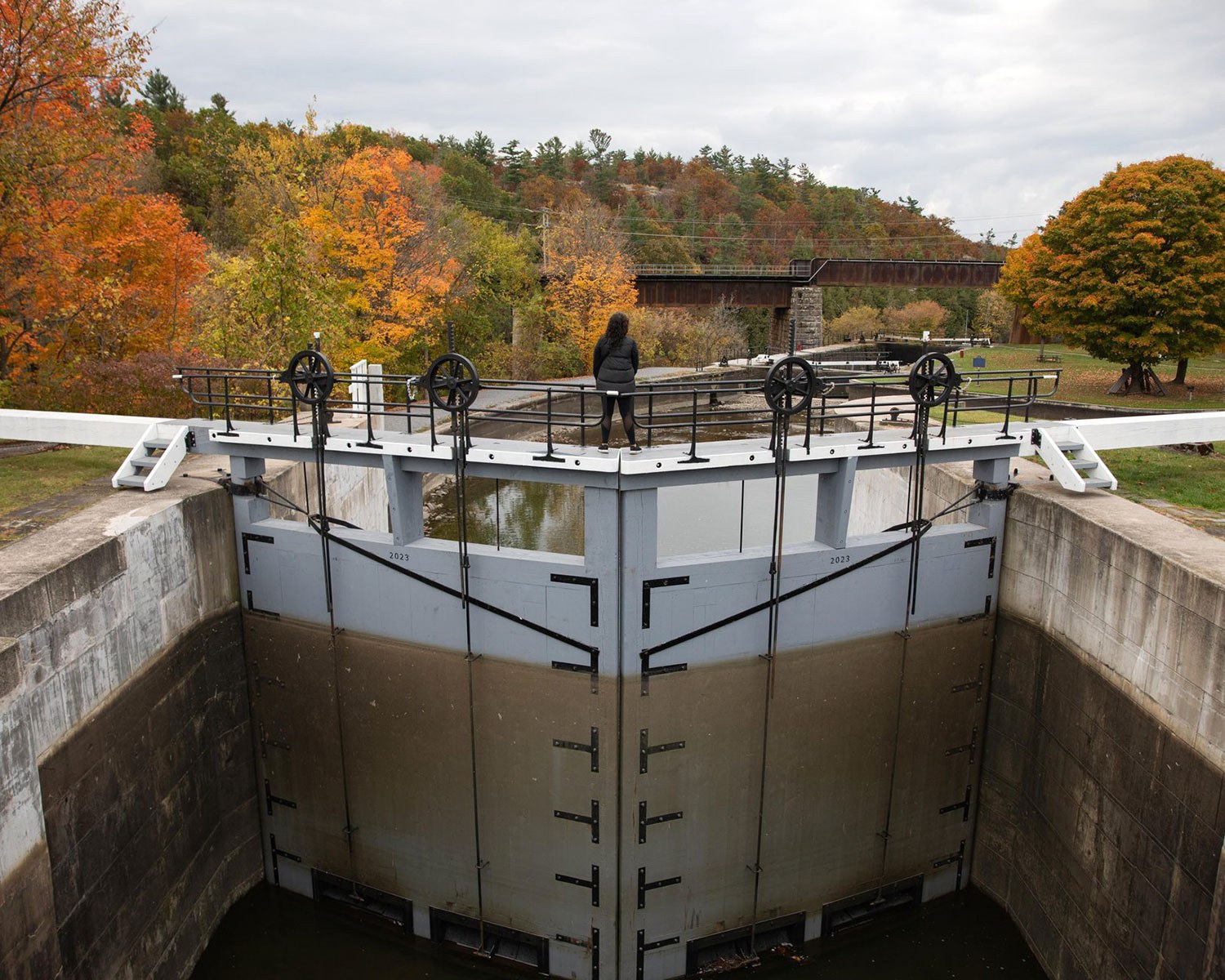
Rideau Canal 1826-1832, The
This UNESCO World Heritage Site opened on May 24, 1832 to provide a secure military route between Upper and Lower Canada.
Learn more
About
Plaque
Rideau Canal 1826-1832, The in industry and tradeRosamonds in Almonte, The
Learn more About Plaque Rosamonds in Almonte, The in industry and trade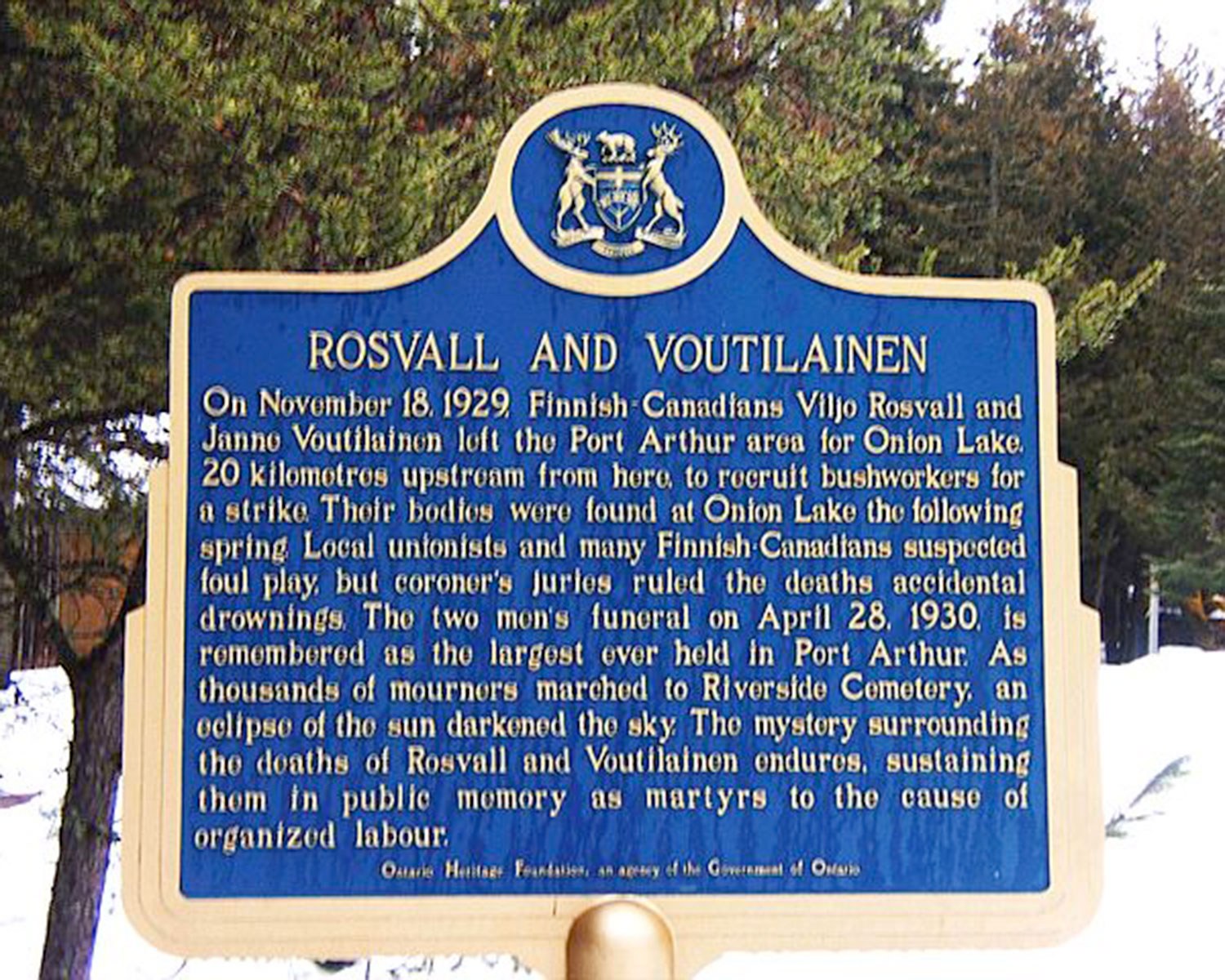
Rosvall and Voutilainen
In November 1929, two Finnish-Canadians left the Port Arthur area to recruit bushworkers for a strike. Their bodies were found the following spring. Many locals suspected foul play, but the coroner’s jury ruled the deaths as accidental drowning. The two men remain as martyrs to the cause of organized labour.
Learn more
About
Plaque
Rosvall and Voutilainen in industry and tradeSenator George T. Fulford 1852-1905
Learn more About Plaque Senator George T. Fulford 1852-1905 in industry and tradeYonge Street 1796
The longest street in the world was built by Ontario’s first lieutenant governor, John Graves Simcoe, to connect his recently founded Town of York with the naval base at Penetanguishene on Georgian Bay.
Learn more
About
Plaque
Yonge Street 1796 in industry and tradeJail (1)
Peel County Courthouse and Jail
Serving as Peel County's judicial and administrative centre until 1973, the courthouse was then leased to the municipality until 1980. It now serves as a museum and art gallery.
Learn more
About
Property
Peel County Courthouse and Jail in jailMuseums (20)
Benares
Benares is associated with the early settlement of the north shore of Lake Ontario. The house, home of Captain James Harris, is located on one of the earliest settled sites in the village of Clarkson's Corners (later shortened to Clarkson).
Learn more
About
Property
Benares in museumDuff-Baby House
Built in 1798 on the south shore of the Detroit River in Sandwich, the Duff-Baby House is named for its first two loyalist owners, Alexander Duff and James Baby.
Learn more
About
Property
Duff-Baby House in museumDundurn Castle and Grounds
Dundurn Castle is located on lands formerly owned and occupied by Richard Beasley (1761-1842), merchant and politician, who settled here in 1793.
Learn more
About
Property
Dundurn Castle and Grounds in museumEnoch Turner Schoolhouse
Toronto's Enoch Turner Schoolhouse is a provincially significant heritage site and the oldest school still standing in Toronto.
Learn more
About
Property
Enoch Turner Schoolhouse in museumFulford Place
Discover the story of Senator George T. Fulford, explore the grand Fulford mansion and marvel at the many original family furnishings.
Learn more
About
Property
Fulford Place in museumHomewood Museum
Step back in time to 1800. Get a glimpse of the life of Dr. Solomon Jones (1756-1822), a United Empire Loyalist and the area’s first physician.
Learn more
About
Property
Homewood Museum in museumHudson's Bay Company Staff House
Moose Factory, an island just south of James Bay, was established in 1673 as the main trading post of the Hudson's Bay Company. It is Canada's oldest English-speaking community.
Learn more
About
Property
Hudson's Bay Company Staff House in museumJosiah Henson Museum of African-Canadian History
An estimated 30,000 Black refugees from slavery in the United States fled to Canada along the Underground Railroad. One of these freedom seekers was abolitionist, preacher and author Josiah Henson.
Learn more
About
Property
Josiah Henson Museum of African-Canadian History in museumLeacock House
This building was constructed on Old Brewery Bay as a summer home for Stephen Leacock, world-renowned humorist and author.
Learn more
About
Property
Leacock House in museumMacdonell-Williamson House
In 1813, after 19 years as a fur trader with the North West Company, John Macdonell (1768-1850) retired to Hawkesbury Township with his wife, Magdeleine Poitras — a Métis born on the Manitoba section of the Qu'Appelle River — and their children.
Learn more
About
Property
Macdonell-Williamson House in museumMacpherson House
This house was built by Allan Macpherson, a leading local businessman, militia leader, magistrate and Napanee's first postmaster, in proximity to his general store on Dundas Street.
Learn more
About
Property
Macpherson House in museumMather-Walls House
The Mather-Walls House in Keewatin (part of Kenora) reflects the vision of one man — John Mather.
Learn more
About
Property
Mather-Walls House in museumMississippi Valley Textile Museum
The entire mill complex is one of a few surviving Ottawa Valley textile manufacturing complexes from the late 19th century. In 1988, the Mississippi Valley Textile Museum acquired the Annex of the mill complex for use as a museum.
Learn more
About
Property
Mississippi Valley Textile Museum in museumNiagara Apothecary
Step through the doors of the Niagara Apothecary and see how pharmacists practised their profession over 100 years ago.
Learn more
About
Property
Niagara Apothecary in museumPeel County Courthouse and Jail
Serving as Peel County's judicial and administrative centre until 1973, the courthouse was then leased to the municipality until 1980. It now serves as a museum and art gallery.
Learn more
About
Property
Peel County Courthouse and Jail in museumPinhey Estate
Hamnet Kirkes Pinhey, a wealthy landed English gentleman and a successful merchant and veteran of the Napoleonic Wars, emigrated to Upper Canada in 1820 with a small fortune to develop an estate in the wilderness.
Learn more
About
Property
Pinhey Estate in museumRedmond Heights
Located at Drummond Hill, Redmond Heights comprises part of the site of the Battle of Lundy's Lane.
Learn more
About
Property
Redmond Heights in museumRuthven Estate
Ruthven stands as a rare surviving example of that romantic combination of Classical architecture and picturesque landscape that characterized country estates of the late 18th and early 19th centuries.
Learn more
About
Property
Ruthven Estate in museumSharon Temple
The Sharon Temple is associated with the Children of Peace, a breakaway sect of the Society of Friends or Quakers, founded by David Willson. Willson and his wife emigrated from New York State in 1801 to join other Quakers in Upper Canada. By 1805, he had acquired 200 acres (80 hectares) in the Township of East Gwillimbury (York Region).
Learn more
About
Property
Sharon Temple in museumSir Harry Oakes Chateau
Explore the impressive chateau of the eccentric Sir Harry Oakes (1874-1943), the famous prospector of the gold-mining era that put Kirkland Lake on the map.
Learn more
About
Property
Sir Harry Oakes Chateau in museumNational Historic Site (12)
Barnum House
Eliakim Barnum was in his early twenties when he emigrated from the United States in 1807. He chose to settle in Haldimand Township near the village of Grafton. By 1819, Barnum owned land, a thriving milling business, a tavern and a distillery.
Learn more
About
Property
Barnum House in national historic siteBethune-Thompson House
The Bethune-Thompson House in Williamstown owes its name to two prominent owners — the Reverend John Bethune and explorer David Thompson. But it was Peter Ferguson, an early settler, who first built a house on this site in 1784.
Learn more
About
Property
Bethune-Thompson House in national historic siteFrontenac County Courthouse
With the growth in population in Kingston and with the increased complexity of the law, the 1796 courthouse and jail were deemed to be too small by the mid-19th century. The courthouse and jail were sold and contracts were let for the new courthouse in July 1855 on land obtained from the province.
Learn more
About
Property
Frontenac County Courthouse in national historic siteFulford Place
Discover the story of Senator George T. Fulford, explore the grand Fulford mansion and marvel at the many original family furnishings.
Learn more
About
Property
Fulford Place in national historic siteGeorge Brown House
This fine Second Empire-style house was built for George Brown between 1874 and 1876. The elegance of his residence reflects his prominence as a Father of Confederation, founder of The Globe newspaper (now the Globe and Mail) and a leading Liberal politician.
Learn more
About
Property
George Brown House in national historic siteLeacock House
This building was constructed on Old Brewery Bay as a summer home for Stephen Leacock, world-renowned humorist and author.
Learn more
About
Property
Leacock House in national historic siteMcMartin House
McMartin House was built in the American Federal style in 1830 for Daniel McMartin (1798-1869), one of the first lawyers in Perth.
Learn more
About
Property
McMartin House in national historic siteMiddlesex County Courthouse
Rapid growth required the building of a separate but nearby County administration office in 1861 and a Registry Office in 1876. This building is associated with 19th-century judicial, governmental and administrative development in Ontario.
Learn more
About
Property
Middlesex County Courthouse in national historic siteMississippi Valley Textile Museum
The entire mill complex is one of a few surviving Ottawa Valley textile manufacturing complexes from the late 19th century. In 1988, the Mississippi Valley Textile Museum acquired the Annex of the mill complex for use as a museum.
Learn more
About
Property
Mississippi Valley Textile Museum in national historic siteNiagara Apothecary
Step through the doors of the Niagara Apothecary and see how pharmacists practised their profession over 100 years ago.
Learn more
About
Property
Niagara Apothecary in national historic siteOntario Heritage Centre
The Canadian Birkbeck Investment and Savings Company was the initial owner of what is today the Ontario Heritage Centre – the Ontario Heritage Trust's headquarters.
Learn more
About
Property
Ontario Heritage Centre in national historic siteRuthven Estate
Ruthven stands as a rare surviving example of that romantic combination of Classical architecture and picturesque landscape that characterized country estates of the late 18th and early 19th centuries.
Learn more
About
Property
Ruthven Estate in national historic siteNatural heritage (11)
A place where nature can run wild
Learn more About article A place where nature can run wild in natural heritage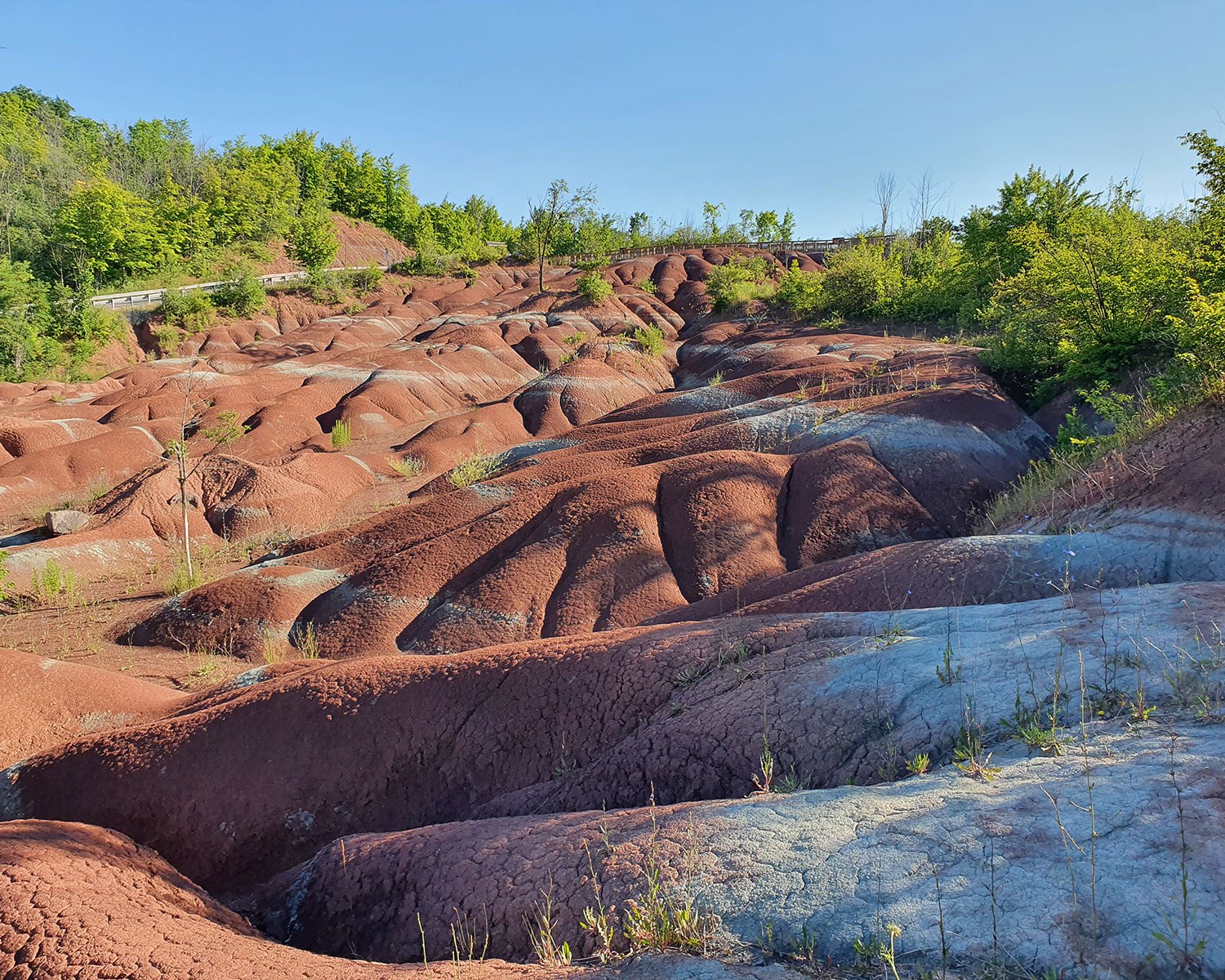
Cheltenham Badlands
The Cheltenham Badlands site is one of Ontario’s geological treasures, formed at the base of an ancient sea about 450 million years ago.
Learn more
About
Property
Cheltenham Badlands in natural heritage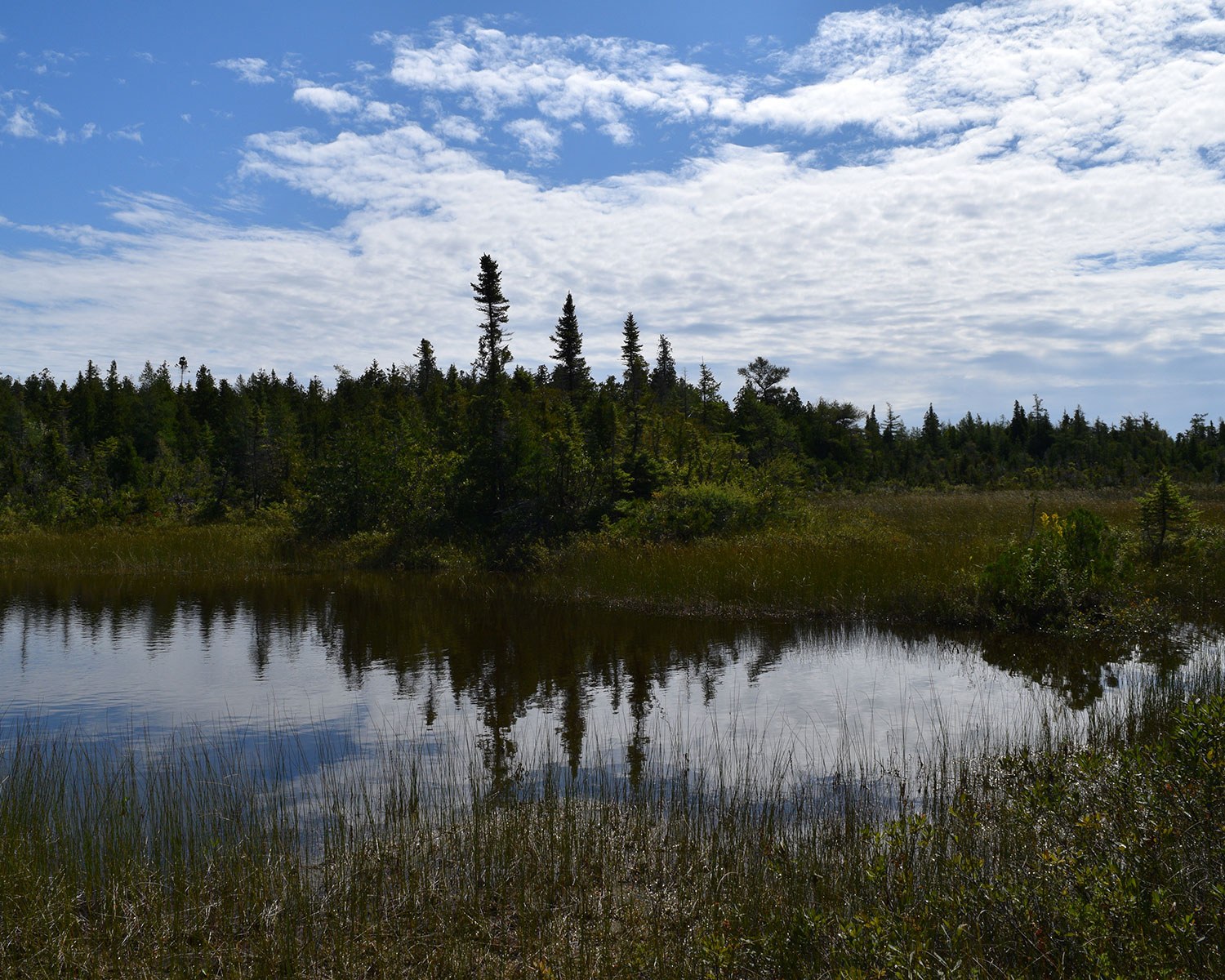
Clarke Property
The Clarke property is located on the northern Bruce Peninsula and features spectacular views of the Lake Huron shoreline with numerous bays, low headlands, shoals and small islands.
Learn more
About
Property
Clarke Property in natural heritageDevil's Monument
The Devil’s Monument comprises the Minhinick, LeFeuvre-Chupac and Schneider properties. The name refers to the presence of a flowerpot that has long been a draw for locals and tourists alike. It is the only complete flowerpot on land along the east side of the Bruce Peninsula.
Learn more
About
Property
Devil's Monument in natural heritage
Ellis Property
The Ellis Property is located 1 km (0.6 miles) north of Ball’s Falls Conservation Area, just west of the Jordan Historical Museum in the Town of Lincoln.
Learn more
About
Property
Ellis Property in natural heritage
Fleetwood Creek Natural Area
Fleetwood Creek Natural Area is located on the north slope of the Oak Ridges Moraine within the City of Kawartha Lakes. This 370-hectare (916.4-acre) property features glacial features such as kames, kettles and drumlins that form the headwaters of Fleetwood Creek.
Learn more
About
Property
Fleetwood Creek Natural Area in natural heritage
Great Manitou Island Property
Great Manitou Island — owned by the Ontario Heritage Trust — is the largest island in the Manitou Islands Provincial Nature Reserve, near North Bay.
Learn more
About
Property
Great Manitou Island Property in natural heritageRuthven Estate
Ruthven stands as a rare surviving example of that romantic combination of Classical architecture and picturesque landscape that characterized country estates of the late 18th and early 19th centuries.
Learn more
About
Property
Ruthven Estate in natural heritageScotsdale Farm
Scotsdale Farm is undoubtedly one of the most picturesque places in Halton Hills. The farm is situated northwest of Georgetown and connects to Silvercreek Conservation Area and Bruce Trail.
Learn more
About
Property
Scotsdale Farm in natural heritage
Smith Property
The Smith Property, located in Aurora, is part of the Oak Ridges Moraine. This urban natural heritage property is a hidden gem, featuring a network of trails that guide you through a variety of habitats.
Learn more
About
Property
Smith Property in natural heritageYaremko-Ridley Property
The 64-hectare (160-acre) Yaremko-Ridley Property, located just outside of the Town of Milton, contains mixed escarpment forest with stunning glacial valleys, rolling landscapes and numerous rock outcroppings and deposits.
Learn more
About
Property
Yaremko-Ridley Property in natural heritageOrganizations (9)
Almanda Walker-Marchand and the Fédération des femmes canadiennes-françaises
Walker-Marchand moved to Ottawa where she established this organization dedicated to helping French-Canadian soldiers and their families during and after the First World War. The organization expanded beyond Ottawa to form chapters in Francophone communities across Canada.
Learn more
About
Plaque
Almanda Walker-Marchand and the Fédération des femmes canadiennes-françaises in organizationsCanadian National Exhibition
This plaque commemorates the establishment of the Exhibition (the “Ex”), a national event that has occurred since 1912.
Learn more
About
Plaque
Canadian National Exhibition in organizationsColonel the Honourable Justice John Andrew Hope (1890‒1954)
Learn more About Plaque Colonel the Honourable Justice John Andrew Hope (1890‒1954) in organizationsGalt Football Club
Galt Football Club was founded in 1880 with players drawn from Galt Collegiate Institute and the town ...
Learn more
About
Plaque
Galt Football Club in organizationsHugh Burnett and the National Unity Association
Learn more About Plaque Hugh Burnett and the National Unity Association in organizationsMargarette Rae Morrison Luckock 1893-1972
Raised in Arthur, Ontario, and commonly known as Rae Luckock, she was instrumental in transforming the social and political landscape of the province in the 1940s and 1950s. She paved the way for a more equal Ontario, expanding opportunities for women and working-class families.
Learn more
About
Plaque
Margarette Rae Morrison Luckock 1893-1972 in organizationsMother Marie Thomas d’Aquin 1877-1963
Originally from near Bordeaux, France, Jeanne Branda felt a calling to become a nun and a teacher. In 1899, she joined the Dominican Sisters of Nancy, where she took on the name Sister Marie Thomas d’Aquin. She moved to the United States and then, while visiting Ottawa in 1914, agreed to head the Jeanne d’Arc Institute.
Learn more
About
Plaque
Mother Marie Thomas d’Aquin 1877-1963 in organizations
Reverend Henry Scadding 1813-1901, The
Born in Devonshire, England, Scadding came to Canada in 1821. He was the first rector of the nearby Church of the Holy Trinity and authored many books on the history of Toronto. Scadding lived in this house from 1862 until his death.
Learn more
About
Plaque
Reverend Henry Scadding 1813-1901, The in organizationsRosvall and Voutilainen
In November 1929, two Finnish-Canadians left the Port Arthur area to recruit bushworkers for a strike. Their bodies were found the following spring. Many locals suspected foul play, but the coroner’s jury ruled the deaths as accidental drowning. The two men remain as martyrs to the cause of organized labour.
Learn more
About
Plaque
Rosvall and Voutilainen in organizationsOwned by the Trust (29)
Ashbridge Estate
Two acres of the original homestead and an 1854 house have been preserved to tell the Ashbridge story.
Learn more
About
Property
Ashbridge Estate in owned by the trustBarnum House
Eliakim Barnum was in his early twenties when he emigrated from the United States in 1807. He chose to settle in Haldimand Township near the village of Grafton. By 1819, Barnum owned land, a thriving milling business, a tavern and a distillery.
Learn more
About
Property
Barnum House in owned by the trustBethune-Thompson House
The Bethune-Thompson House in Williamstown owes its name to two prominent owners — the Reverend John Bethune and explorer David Thompson. But it was Peter Ferguson, an early settler, who first built a house on this site in 1784.
Learn more
About
Property
Bethune-Thompson House in owned by the trustCheltenham Badlands
The Cheltenham Badlands site is one of Ontario’s geological treasures, formed at the base of an ancient sea about 450 million years ago.
Learn more
About
Property
Cheltenham Badlands in owned by the trustClarke Property
The Clarke property is located on the northern Bruce Peninsula and features spectacular views of the Lake Huron shoreline with numerous bays, low headlands, shoals and small islands.
Learn more
About
Property
Clarke Property in owned by the trustDevil's Monument
The Devil’s Monument comprises the Minhinick, LeFeuvre-Chupac and Schneider properties. The name refers to the presence of a flowerpot that has long been a draw for locals and tourists alike. It is the only complete flowerpot on land along the east side of the Bruce Peninsula.
Learn more
About
Property
Devil's Monument in owned by the trustDuff-Baby House
Built in 1798 on the south shore of the Detroit River in Sandwich, the Duff-Baby House is named for its first two loyalist owners, Alexander Duff and James Baby.
Learn more
About
Property
Duff-Baby House in owned by the trustElgin & Winter Garden Theatres
At this magnificent National Historic Site, you can bask in the gilded elegance of the Elgin Theatre, and then gaze at the leafy ceiling of the Winter Garden Theatre, seven storeys above the Elgin.
Learn more
About
Property
Elgin & Winter Garden Theatres in owned by the trustEllis Property
The Ellis Property is located 1 km (0.6 miles) north of Ball’s Falls Conservation Area, just west of the Jordan Historical Museum in the Town of Lincoln.
Learn more
About
Property
Ellis Property in owned by the trustEnoch Turner Schoolhouse
Toronto's Enoch Turner Schoolhouse is a provincially significant heritage site and the oldest school still standing in Toronto.
Learn more
About
Property
Enoch Turner Schoolhouse in owned by the trustFleetwood Creek Natural Area
Fleetwood Creek Natural Area is located on the north slope of the Oak Ridges Moraine within the City of Kawartha Lakes. This 370-hectare (916.4-acre) property features glacial features such as kames, kettles and drumlins that form the headwaters of Fleetwood Creek.
Learn more
About
Property
Fleetwood Creek Natural Area in owned by the trustFool's Paradise
Fool’s Paradise was the home and studio of Canadian landscape artist, writer and educator Doris McCarthy (1910-2010). The site overlooks Lake Ontario along Toronto’s Scarborough Bluffs.
Learn more
About
Property
Fool's Paradise in owned by the trustFulford Place
Discover the story of Senator George T. Fulford, explore the grand Fulford mansion and marvel at the many original family furnishings.
Learn more
About
Property
Fulford Place in owned by the trustGeorge Brown House
This fine Second Empire-style house was built for George Brown between 1874 and 1876. The elegance of his residence reflects his prominence as a Father of Confederation, founder of The Globe newspaper (now the Globe and Mail) and a leading Liberal politician.
Learn more
About
Property
George Brown House in owned by the trustGreat Manitou Island Property
Great Manitou Island — owned by the Ontario Heritage Trust — is the largest island in the Manitou Islands Provincial Nature Reserve, near North Bay.
Learn more
About
Property
Great Manitou Island Property in owned by the trustHomewood Museum
Step back in time to 1800. Get a glimpse of the life of Dr. Solomon Jones (1756-1822), a United Empire Loyalist and the area’s first physician.
Learn more
About
Property
Homewood Museum in owned by the trustHudson's Bay Company Staff House
Moose Factory, an island just south of James Bay, was established in 1673 as the main trading post of the Hudson's Bay Company. It is Canada's oldest English-speaking community.
Learn more
About
Property
Hudson's Bay Company Staff House in owned by the trustInge-Va
Located in the heart of Perth, this late-Georgian stone residence was built in 1823 for Reverend Michael Harris, the first Episcopalian minister in the district.
Learn more
About
Property
Inge-Va in owned by the trustJosiah Henson Museum of African-Canadian History
An estimated 30,000 Black refugees from slavery in the United States fled to Canada along the Underground Railroad. One of these freedom seekers was abolitionist, preacher and author Josiah Henson.
Learn more
About
Property
Josiah Henson Museum of African-Canadian History in owned by the trustMacdonell-Williamson House
In 1813, after 19 years as a fur trader with the North West Company, John Macdonell (1768-1850) retired to Hawkesbury Township with his wife, Magdeleine Poitras — a Métis born on the Manitoba section of the Qu'Appelle River — and their children.
Learn more
About
Property
Macdonell-Williamson House in owned by the trustMather-Walls House
The Mather-Walls House in Keewatin (part of Kenora) reflects the vision of one man — John Mather.
Learn more
About
Property
Mather-Walls House in owned by the trustMcMartin House
McMartin House was built in the American Federal style in 1830 for Daniel McMartin (1798-1869), one of the first lawyers in Perth.
Learn more
About
Property
McMartin House in owned by the trustNiagara Apothecary
Step through the doors of the Niagara Apothecary and see how pharmacists practised their profession over 100 years ago.
Learn more
About
Property
Niagara Apothecary in owned by the trustOntario Heritage Centre
The Canadian Birkbeck Investment and Savings Company was the initial owner of what is today the Ontario Heritage Centre – the Ontario Heritage Trust's headquarters.
Learn more
About
Property
Ontario Heritage Centre in owned by the trustScotsdale Farm
Scotsdale Farm is undoubtedly one of the most picturesque places in Halton Hills. The farm is situated northwest of Georgetown and connects to Silvercreek Conservation Area and Bruce Trail.
Learn more
About
Property
Scotsdale Farm in owned by the trustSir Harry Oakes Chateau
Explore the impressive chateau of the eccentric Sir Harry Oakes (1874-1943), the famous prospector of the gold-mining era that put Kirkland Lake on the map.
Learn more
About
Property
Sir Harry Oakes Chateau in owned by the trustSmith Property
The Smith Property, located in Aurora, is part of the Oak Ridges Moraine. This urban natural heritage property is a hidden gem, featuring a network of trails that guide you through a variety of habitats.
Learn more
About
Property
Smith Property in owned by the trustWolford Chapel
Wolford Chapel — a Trust-owned property in England — is associated with significant British elements of Ontario's heritage. It was built by John Graves Simcoe (1752-1806), the first Lieutenant-Governor of Upper Canada, to serve as a place of worship for his family on their estate.
Learn more
About
Property
Wolford Chapel in owned by the trustYaremko-Ridley Property
The 64-hectare (160-acre) Yaremko-Ridley Property, located just outside of the Town of Milton, contains mixed escarpment forest with stunning glacial valleys, rolling landscapes and numerous rock outcroppings and deposits.
Learn more
About
Property
Yaremko-Ridley Property in owned by the trustParliament (7)
Layer by layer — 1. Introduction
With centuries of buildup above, archaeologists were not hopeful that anything from the First Parliament buildings survived below. In 2000, they dug down, layer by layer, until they passed the remains of the jail. Then, to everyone’s surprise, they found what they were looking for: evidence of Ontario’s cradle of democracy.
Learn more
About
online exhibit
Layer by layer — 1. Introduction in parliamentLayer by layer — 2. First Parliament throughout the ages
Indigenous people have lived on this land for over 13,000 years. Today, this land continues to be home to these communities and many other diverse Indigenous Peoples.
Learn more
About
online exhibit
Layer by layer — 2. First Parliament throughout the ages in parliamentLayer by layer — 3. Layers of history
Archaeologists began their excavations at the First Parliament site in the fall of 2000. The project was focused on finding the remains of the First Parliament buildings. In the 200 years since the buildings were constructed, the city has changed dramatically. With centuries of urban buildup, the archaeologists were not sure there would be anything left.
Learn more
About
online exhibit
Layer by layer — 3. Layers of history in parliamentLayer by layer — 4. What is archaeology?
Artifacts and structures together form the physical history of past and present societies. By examining it all, we can better understand where and how people from the past lived. Excavations can tell us many things that books and records simply cannot.
Learn more
About
online exhibit
Layer by layer — 4. What is archaeology? in parliamentLayer by layer — 5. Learning from artifacts
One of the most exciting parts of working on an excavation site is uncovering artifacts. Archaeologists rarely find objects intact. But even fragments of the past can be thrilling discoveries. The smallest sherds can tell us a lot about how people used the site and give us a glimpse into their lives.
Learn more
About
online exhibit
Layer by layer — 5. Learning from artifacts in parliamentLayer by layer — 6. The legacy of First Parliament
The site of First Parliament played an important role in the history of Toronto and the province of Ontario. Fort York and First Parliament bookend the early city. These were the first two centres of colonial activity: military and administrative. It was a key part of the settlement’s foundation, establishing York as a political centre.
Learn more
About
online exhibit
Layer by layer — 6. The legacy of First Parliament in parliamentLayer by layer — Start: Archaeology in the heart of Toronto
Walking by the intersection of Front and Parliament streets in the heart of Toronto, you might not realize the history beneath your feet.
Learn more
About
online exhibit
Layer by layer — Start: Archaeology in the heart of Toronto in parliamentPeople (32)
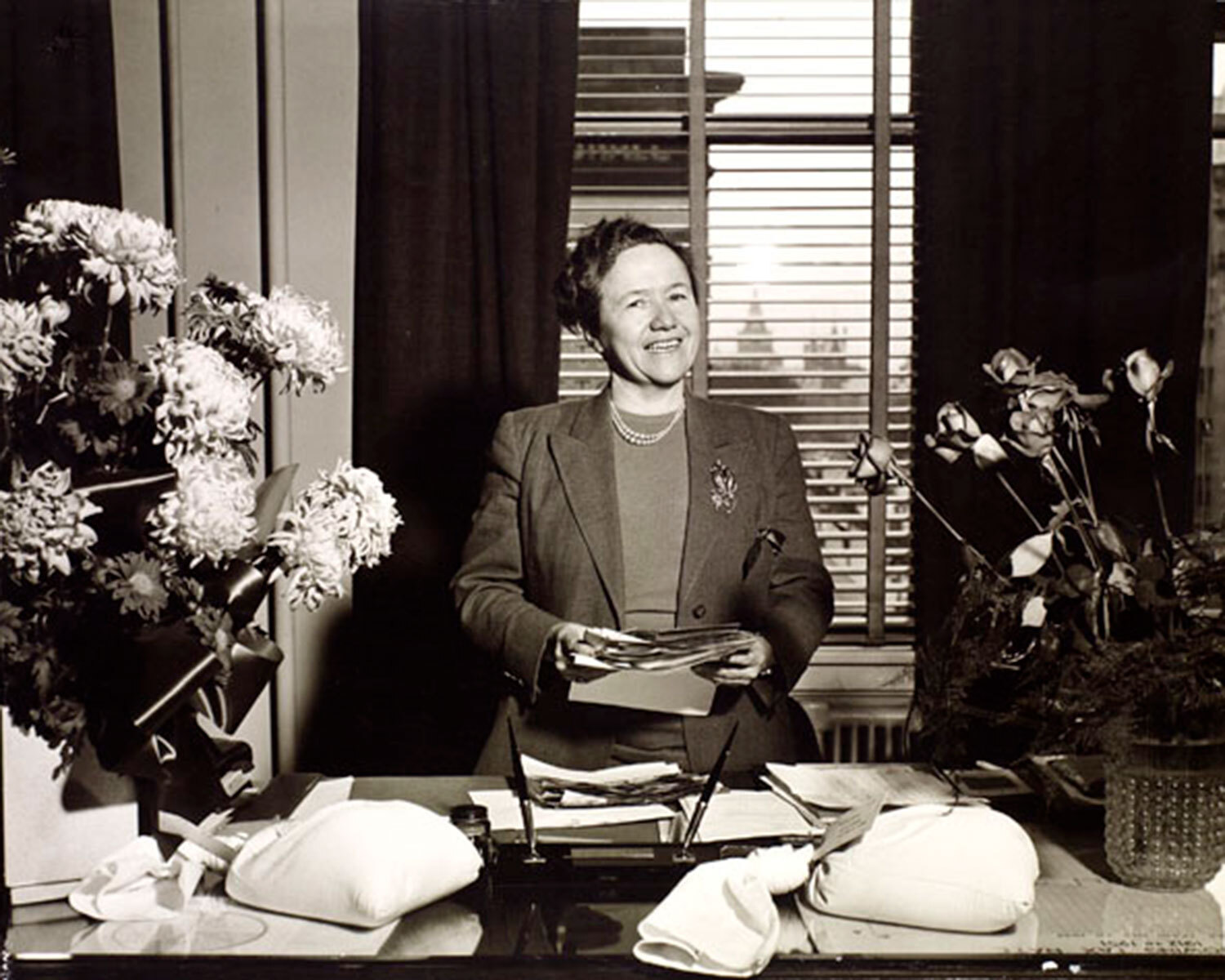
Charlotte Elizabeth Whitton, O.C., C.B.E. 1896-1975
Whitton was the first woman mayor of Ottawa. Throughout her lifetime, she worked fiercely and energetically to improve social conditions.
Learn more
About
Plaque
Charlotte Elizabeth Whitton, O.C., C.B.E. 1896-1975 in peopleChloe Cooley and the 1793 Act to Limit Slavery in Upper Canada
Learn more About Plaque Chloe Cooley and the 1793 Act to Limit Slavery in Upper Canada in people
Col. Elizabeth Smellie 1884-1968
This celebrated Canadian army nurse and public health authority served during the First and Second World Wars. She was the first woman to attain the rank of colonel in Canada’s Armed Forces.
Learn more
About
Plaque
Col. Elizabeth Smellie 1884-1968 in peopleColonel the Honourable Justice John Andrew Hope (1890‒1954)
Learn more About Plaque Colonel the Honourable Justice John Andrew Hope (1890‒1954) in peopleElisabeth Bruyère 1818-1876
Ottawa in the 1840s (still Bytown then) was a growing timber-trade village with a substantial French-Canadian population but no Catholic schools and few social services. In 1845, four nuns, led by Bruyère, arrived and establish a school, hospital and orphanage, as well as established many social services.
Learn more
About
Plaque
Elisabeth Bruyère 1818-1876 in peopleFather Pierre Potier 1708-1781
Learn more About Plaque Father Pierre Potier 1708-1781 in peopleGalt Football Club
Galt Football Club was founded in 1880 with players drawn from Galt Collegiate Institute and the town ...
Learn more
About
Plaque
Galt Football Club in peopleHonourable Hamnet Kirks Pinhey, The
Learn more About Plaque Honourable Hamnet Kirks Pinhey, The in people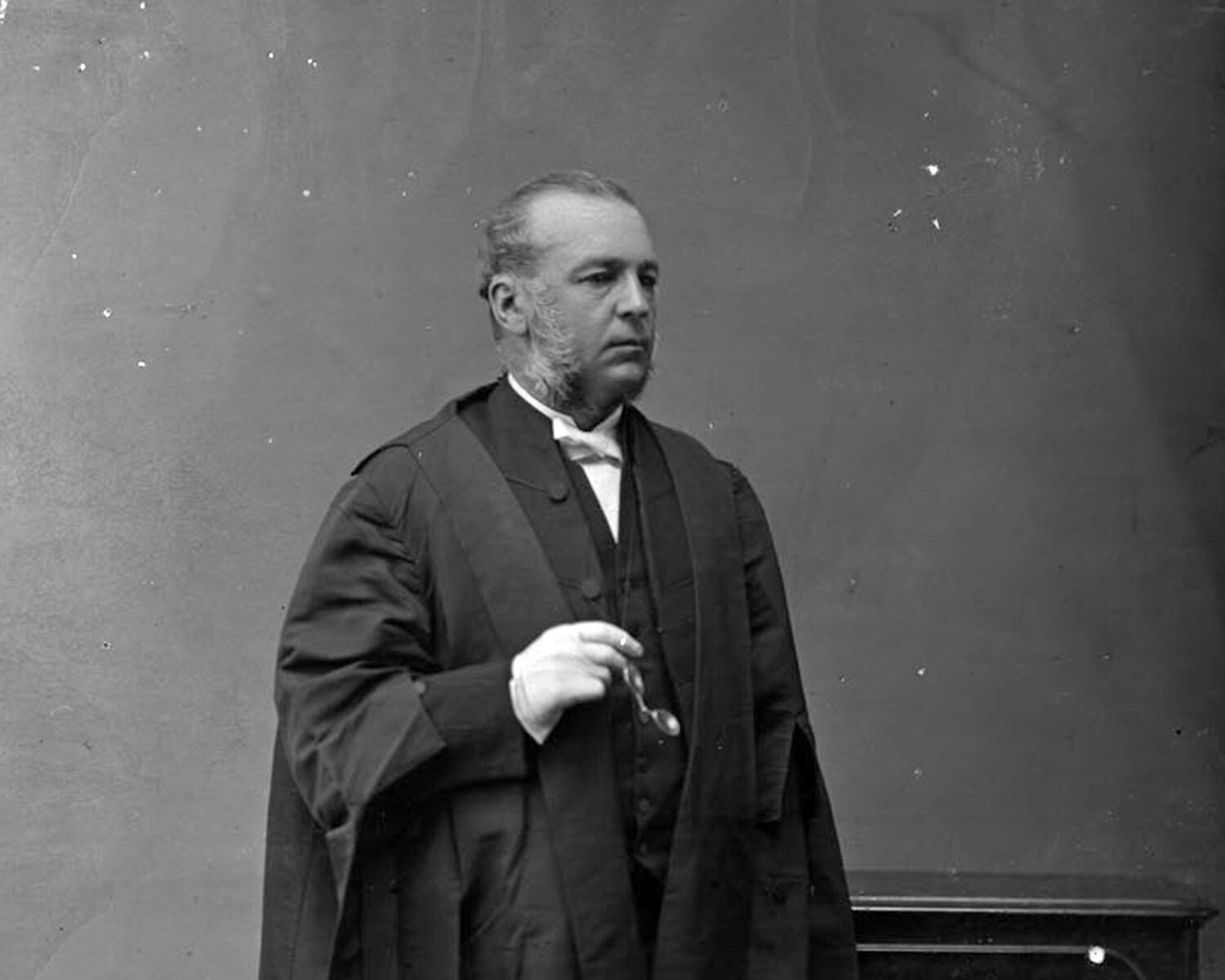
Honourable James Cockburn 1819-1883, The
This Father of Confederation came to Canada in 1832 as a child. After becoming a lawyer here in Cobourg, he entered politics and shared in drafting the plan for Confederation. In 1867, he was elected the first Speaker of the new House of Commons.
Learn more
About
Plaque
Honourable James Cockburn 1819-1883, The in peopleHugh Burnett and the National Unity Association
Learn more About Plaque Hugh Burnett and the National Unity Association in peopleMargarette Rae Morrison Luckock 1893-1972
Raised in Arthur, Ontario, and commonly known as Rae Luckock, she was instrumental in transforming the social and political landscape of the province in the 1940s and 1950s. She paved the way for a more equal Ontario, expanding opportunities for women and working-class families.
Learn more
About
Plaque
Margarette Rae Morrison Luckock 1893-1972 in peopleMarie Dressler 1868-1934
Born in this house as Leila Maria Koerber, Marie Dressler became the stage name of this actress who became successful in silent and talking films — including alongside Charlie Chaplin and Greta Garbo. Dressler won an Academy Award in 1931.
Learn more
About
Plaque
Marie Dressler 1868-1934 in peopleMarie-Rose Turcot 1887-1977
Turcot moved to Ottawa at the age of 20 to take a job in the civil service. Later, she became a journalist and writer, and also worked in broadcast journalism. She was active in several French-Canadian cultural organizations as well as a collector of Franco-Ontarian folk tales.
Learn more
About
Plaque
Marie-Rose Turcot 1887-1977 in peopleMother Marie Thomas d’Aquin 1877-1963
Originally from near Bordeaux, France, Jeanne Branda felt a calling to become a nun and a teacher. In 1899, she joined the Dominican Sisters of Nancy, where she took on the name Sister Marie Thomas d’Aquin. She moved to the United States and then, while visiting Ottawa in 1914, agreed to head the Jeanne d’Arc Institute.
Learn more
About
Plaque
Mother Marie Thomas d’Aquin 1877-1963 in peoplePrinces' Gates, The
The then-Prince of Wales and his brother opened this impressive entrance to the Canadian National Exhibition grounds in 1927.
Learn more
About
Plaque
Princes' Gates, The in peopleReverend Henry Scadding 1813-1901, The
Born in Devonshire, England, Scadding came to Canada in 1821. He was the first rector of the nearby Church of the Holy Trinity and authored many books on the history of Toronto. Scadding lived in this house from 1862 until his death.
Learn more
About
Plaque
Reverend Henry Scadding 1813-1901, The in people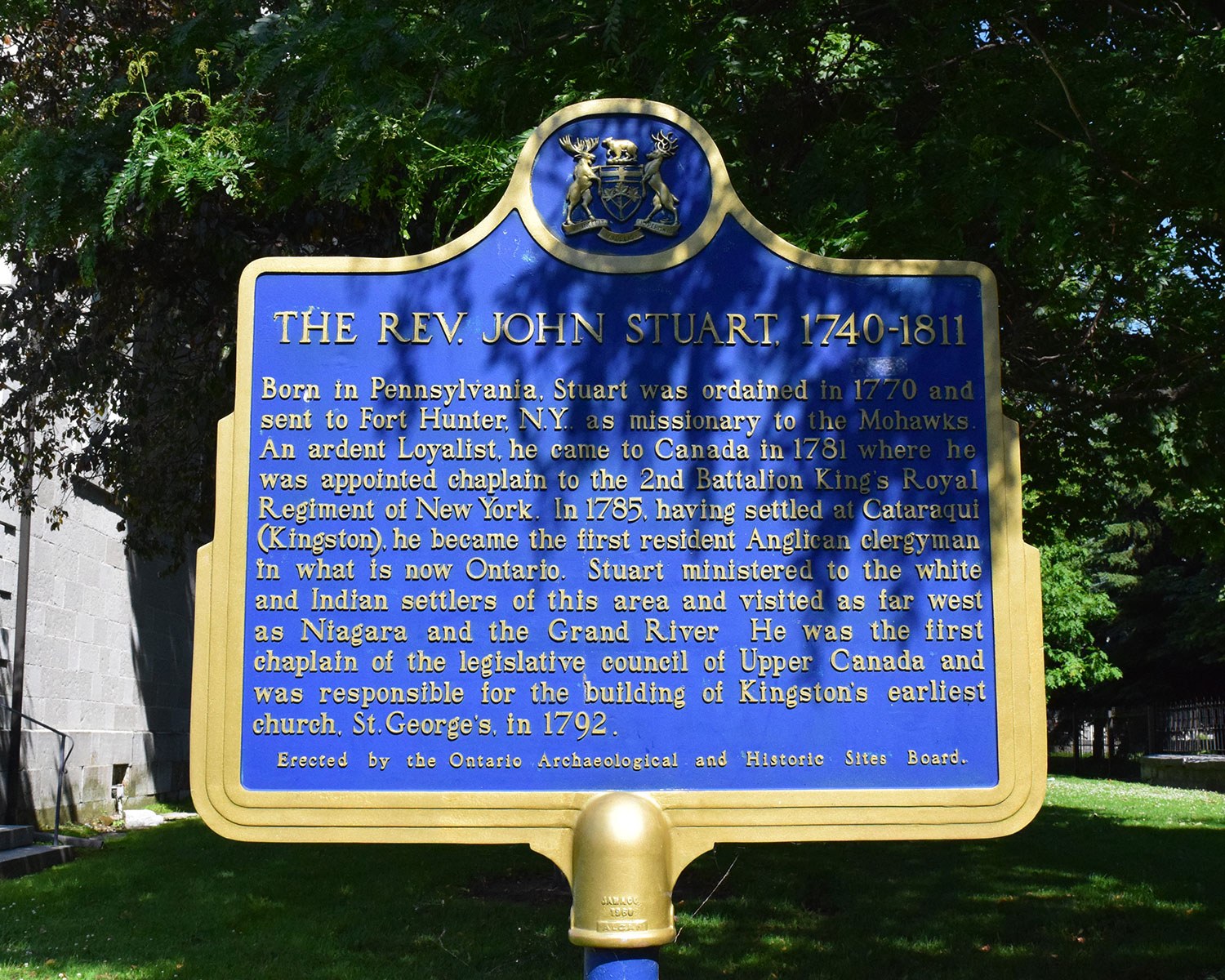
Reverend John Stuart 1740-1811, The
Learn more About Plaque Reverend John Stuart 1740-1811, The in peopleSenator George T. Fulford 1852-1905
Learn more About Plaque Senator George T. Fulford 1852-1905 in peopleSir Richard Bonnycastle 1791-1847
While at Fort Henry, check out the plaque to Bonnycastle, who played a significant role in the defence and economic development of the province.
Learn more
About
Plaque
Sir Richard Bonnycastle 1791-1847 in peopleStephen Butler Leacock (England)
Learn more About Plaque Stephen Butler Leacock (England) in peopleStephen Butler Leacock (Ontario)
Learn more About Plaque Stephen Butler Leacock (Ontario) in peopleThomas McKay 1792-1855
This Scottish-born master mason came to Ottawa to work on the entrance locks of the Rideau Canal and the first bridge that spanned the Ottawa River to connect Ottawa and Hull (now Gatineau). McKay built his residence, Rideau Hall, in 1838 — which was purchased by the Government of Canada to become the official residence of the Governor General.
Learn more
About
Plaque
Thomas McKay 1792-1855 in peopleWilliam and Susannah Steward House
Learn more About Plaque William and Susannah Steward House in peopleWilliam McGillivray 1764-1825
Fort Kaministiquia was renamed Fort William in honour of this man, a Scot who rose through the ranks of the North West Company to become its principal director by 1804.
Learn more
About
Plaque
William McGillivray 1764-1825 in people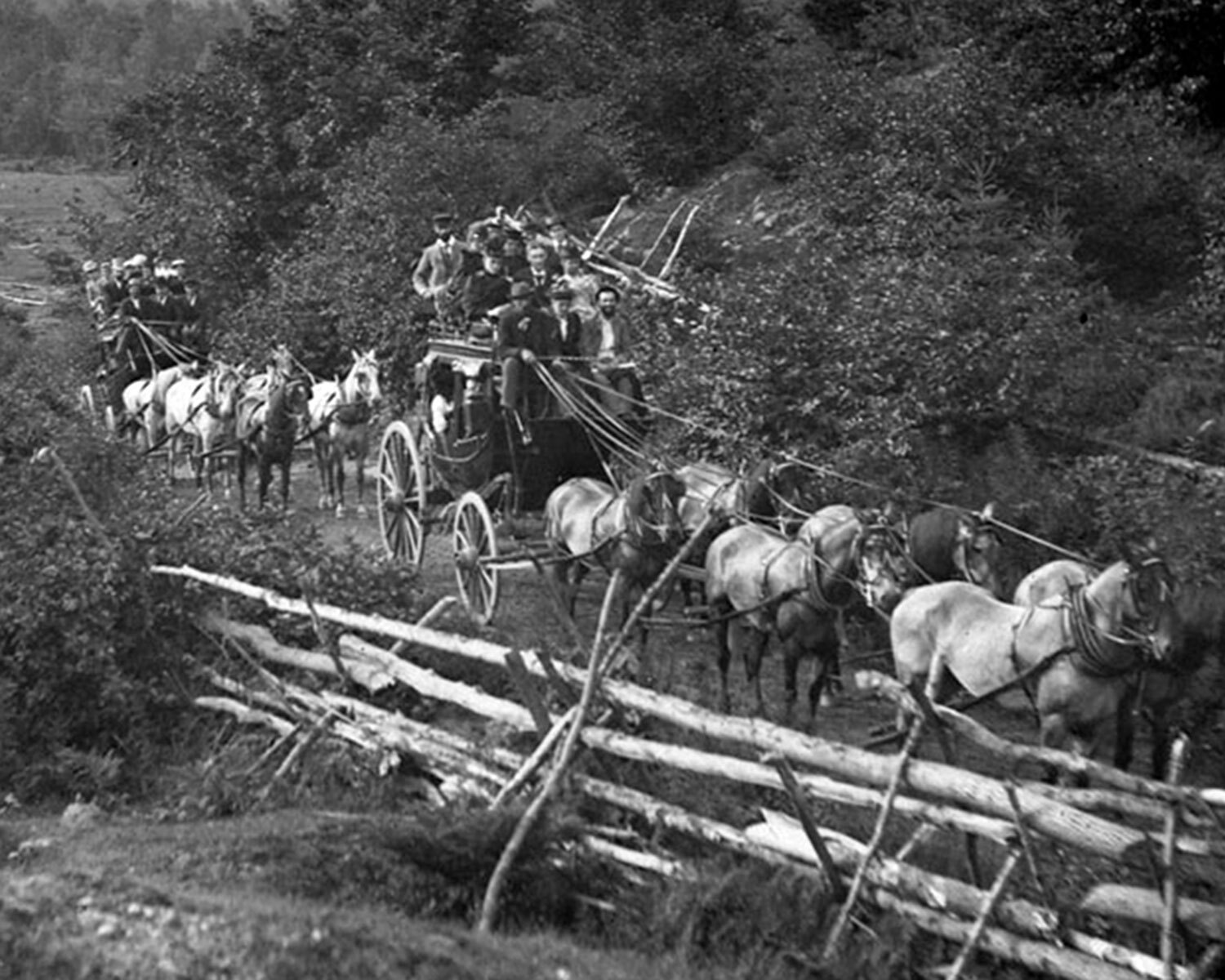
William Weller 1799-1863
Weller contributed to some of Cobourg’s growth by offering a stagecoach operation between Hamilton and Montreal. In 1840, he made record time (37 hours and 40 minutes) conveying the Governor General from Toronto to Montreal.
Learn more
About
Plaque
William Weller 1799-1863 in peoplePlace of worship (11)
Assumption Church
The Assumption Church has been associated with a Jesuit Huron mission at La Pointe du Montréal, the parish of L'Assumption du Détroit, since 1761.
Learn more
About
Property
Assumption Church in place of worshipAuld Kirk Presbyterian Church
One of Ramsay Township's oldest churches, Auld Kirk Presbyterian Church is associated with the early Scottish settlers.
Learn more
About
Property
Auld Kirk Presbyterian Church in place of worshipChurch of St. Alban the Martyr
Ottawa was selected as the permanent capital of the Province of Canada in 1857. With the growth of Ottawa's government and civil service population, a new congregation separated from the original Anglican parish, Christ Church on Spark Street.
Learn more
About
Property
Church of St. Alban the Martyr in place of worshipChurch of St. John the Evangelist
St. John's Church is associated with the early settlement of the Scott's Mills or Scott's Plains area (now the City of Peterborough) by over 200 Irish immigrants in 1825.
Learn more
About
Property
Church of St. John the Evangelist in place of worshipPrecious Blood Cathedral
Sault Ste. Marie was elevated to a diocese in 1904 and the church was selected as a diocesan Cathedral. In 1913, the Jesuits who had served the parish church and then the Cathedral were replaced by the secular clergy. It was renamed the Cathedral of Precious Blood in 1936.
Learn more
About
Property
Precious Blood Cathedral in place of worshipPrecious Blood Cathedral
Learn more About Plaque Precious Blood Cathedral in place of worshipSharon Temple
The Sharon Temple is associated with the Children of Peace, a breakaway sect of the Society of Friends or Quakers, founded by David Willson. Willson and his wife emigrated from New York State in 1801 to join other Quakers in Upper Canada. By 1805, he had acquired 200 acres (80 hectares) in the Township of East Gwillimbury (York Region).
Learn more
About
Property
Sharon Temple in place of worshipSt. Anne's Anglican Church
St. Anne's Anglican Church parish was founded on the present site in 1862. In 1907, a competition was held for the design of a new church.
Learn more
About
Property
St. Anne's Anglican Church in place of worshipSt. George's Cathedral
With its congregation dating to 1783, the Cathedral is associated with the first organized Anglican parish in Ontario.
Learn more
About
Property
St. George's Cathedral in place of worshipWolford Chapel
Wolford Chapel — a Trust-owned property in England — is associated with significant British elements of Ontario's heritage. It was built by John Graves Simcoe (1752-1806), the first Lieutenant-Governor of Upper Canada, to serve as a place of worship for his family on their estate.
Learn more
About
Property
Wolford Chapel in place of worshipPlaque (93)
Almanda Walker-Marchand and the Fédération des femmes canadiennes-françaises
Walker-Marchand moved to Ottawa where she established this organization dedicated to helping French-Canadian soldiers and their families during and after the First World War. The organization expanded beyond Ottawa to form chapters in Francophone communities across Canada.
Learn more
About
Plaque
Almanda Walker-Marchand and the Fédération des femmes canadiennes-françaises in plaqueAuld Kirk 1836
Plaque commemorating Auld Kirk Presbyterian Church and cemetery
Learn more
About
Plaque
Auld Kirk 1836 in plaqueBarnum House
Eliakim Barnum came to this area in 1807 from the United States and began a thriving milling business, a tavern and distillery. With success, he was able to build this house — one of Ontario’s finest examples of neoclassical architecture. The house remained in the Barnum family until 1917.
Learn more
About
Plaque
Barnum House in plaqueBay Queen Street Store, The
Originally Simpson’s department store, this landmark building was a Bay store from 1991 to 2025. It was the first building in Canada constructed with a load-bearing metal frame.
Learn more
About
Plaque
Bay Queen Street Store, The in plaqueCanadian International Air Show
Begun in 1946, this renowned air show has fascinated audiences and forced people to look up into the skies above Toronto ever since.
Learn more
About
Plaque
Canadian International Air Show in plaqueCanadian National Exhibition
This plaque commemorates the establishment of the Exhibition (the “Ex”), a national event that has occurred since 1912.
Learn more
About
Plaque
Canadian National Exhibition in plaqueCharlotte Elizabeth Whitton, O.C., C.B.E. 1896-1975
Whitton was the first woman mayor of Ottawa. Throughout her lifetime, she worked fiercely and energetically to improve social conditions.
Learn more
About
Plaque
Charlotte Elizabeth Whitton, O.C., C.B.E. 1896-1975 in plaqueChloe Cooley and the 1793 Act to Limit Slavery in Upper Canada
Learn more About Plaque Chloe Cooley and the 1793 Act to Limit Slavery in Upper Canada in plaqueChurch of St. Peter, The
This church replaced an earlier building from 1820. Distinguished by stepped battlements on its façade, the new building was designed in the early Gothic revival style by noted architect Kivas Tully, who would later design Victoria Hall. The new building opened for service in 1854.
Learn more
About
Plaque
Church of St. Peter, The in plaqueChurch of the Holy Trinity 1847, The
When this church was built, it was then on the outskirts of Toronto. Henry Scadding, who lived in the house nearby, was the church’s first rector. Starting in the 20th century, it started offering programming and assistance to Toronto’s inner city.
Learn more
About
Plaque
Church of the Holy Trinity 1847, The in plaque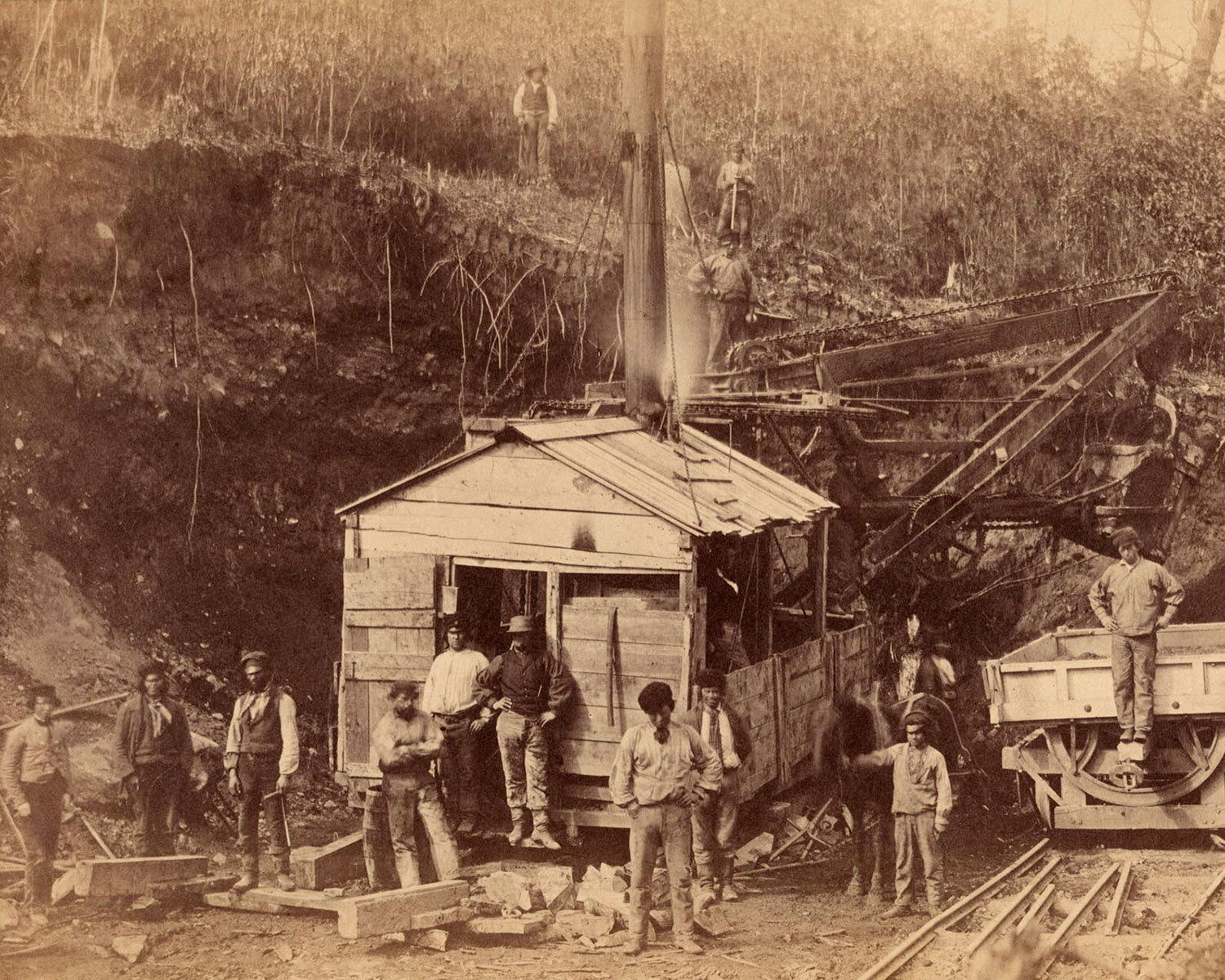
Cobourg and Peterborough Railway 1852-1898, The
It was important to establish a railway line between Cobourg and Peterborough. In fact, the citizens of Cobourg were largely responsible for this particular line, which opened in 1854. Unfortunate circumstances — including debilitating ice along the Rice Lake bridge — made the line unsafe and, ultimately, unprofitable.
Learn more
About
Plaque
Cobourg and Peterborough Railway 1852-1898, The in plaqueCol. Elizabeth Smellie 1884-1968
This celebrated Canadian army nurse and public health authority served during the First and Second World Wars. She was the first woman to attain the rank of colonel in Canada’s Armed Forces.
Learn more
About
Plaque
Col. Elizabeth Smellie 1884-1968 in plaqueCommissariat Building 1827
Today a museum, this structure is the oldest existing stone building in Ottawa. During the construction of the Rideau Canal, it was a storehouse, office and treasury. The building was turned over to the Canadian government in 1864.
Learn more
About
Plaque
Commissariat Building 1827 in plaqueÉcole Guigues and Regulation 17, l'
Begun as a school, this building became a centre for minority rights agitation in Ontario in the early 20th century. When the provincial government issued a directive (known as Regulation 17) in 1912, it meant restricting French-language education. Opposition was widespread but particularly intense in Ottawa.
Learn more
About
Plaque
École Guigues and Regulation 17, l' in plaqueElisabeth Bruyère 1818-1876
Ottawa in the 1840s (still Bytown then) was a growing timber-trade village with a substantial French-Canadian population but no Catholic schools and few social services. In 1845, four nuns, led by Bruyère, arrived and establish a school, hospital and orphanage, as well as established many social services.
Learn more
About
Plaque
Elisabeth Bruyère 1818-1876 in plaqueEnoch Turner School 1848, The
Learn more About Plaque Enoch Turner School 1848, The in plaqueFather Pierre Potier 1708-1781
Learn more About Plaque Father Pierre Potier 1708-1781 in plaqueFirst Provincial Parliament 1792, The
Learn more About Plaque First Provincial Parliament 1792, The in plaqueFort Henry
The first fort was built during the War of 1812. The present structures were built between 1832-37. Today, the site is a museum.
Learn more
About
Plaque
Fort Henry in plaqueFort Kaministiquia 1717
A small fort was established near here in 1717 by a French officer, replacing an earlier structure. It served as the base of operations for la Vérendrye, the famous explorer. A later fort of the same name was built downriver and renamed Fort William in 1807. It became the nucleus of the city.
Learn more
About
Plaque
Fort Kaministiquia 1717 in plaqueFort Rouillé
This plaque commemorates the last French post built in present-day Southern Ontario.
Learn more
About
Plaque
Fort Rouillé in plaqueFounding of Cobourg, The
In the first years of the 19th century, mills helped to establish a settlement here. Then came the completion of Kingston Road and harbour improvements. Known originally as Hamilton, Cobourg was incorporated as a town in 1850.
Learn more
About
Plaque
Founding of Cobourg, The in plaqueFounding of Colborne, The
A store established here around 1819 by Joseph Keeler, a prominent local merchant and early settler, provided the nucleus around which the community of Colborne began. The settlement thrived as more businesses started. The arrival of the Grand Trunk Railway in 1856 spurred further growth and, three years later, Colborne was incorporated as a village.
Learn more
About
Plaque
Founding of Colborne, The in plaqueHonourable Hamnet Kirks Pinhey, The
Learn more About Plaque Honourable Hamnet Kirks Pinhey, The in plaqueHonourable James Cockburn 1819-1883, The
This Father of Confederation came to Canada in 1832 as a child. After becoming a lawyer here in Cobourg, he entered politics and shared in drafting the plan for Confederation. In 1867, he was elected the first Speaker of the new House of Commons.
Learn more
About
Plaque
Honourable James Cockburn 1819-1883, The in plaqueHugh Burnett and the National Unity Association
Learn more About Plaque Hugh Burnett and the National Unity Association in plaqueKing Edward Hotel, The
This grand hotel opened in 1903 and became almost immediately known as the “King Eddy.” It was designed to provide luxury and service in dramatic settings. The 18-storey tower, with its top-floor Crystal Ballroom, was added in 1920-21. Although threatened with demolition in the 1970s, the hotel was revitalized in the early 1980s and this plaque was unveiled in 2003 to commemorate the hotel’s 100th anniversary.
Learn more
About
Plaque
King Edward Hotel, The in plaque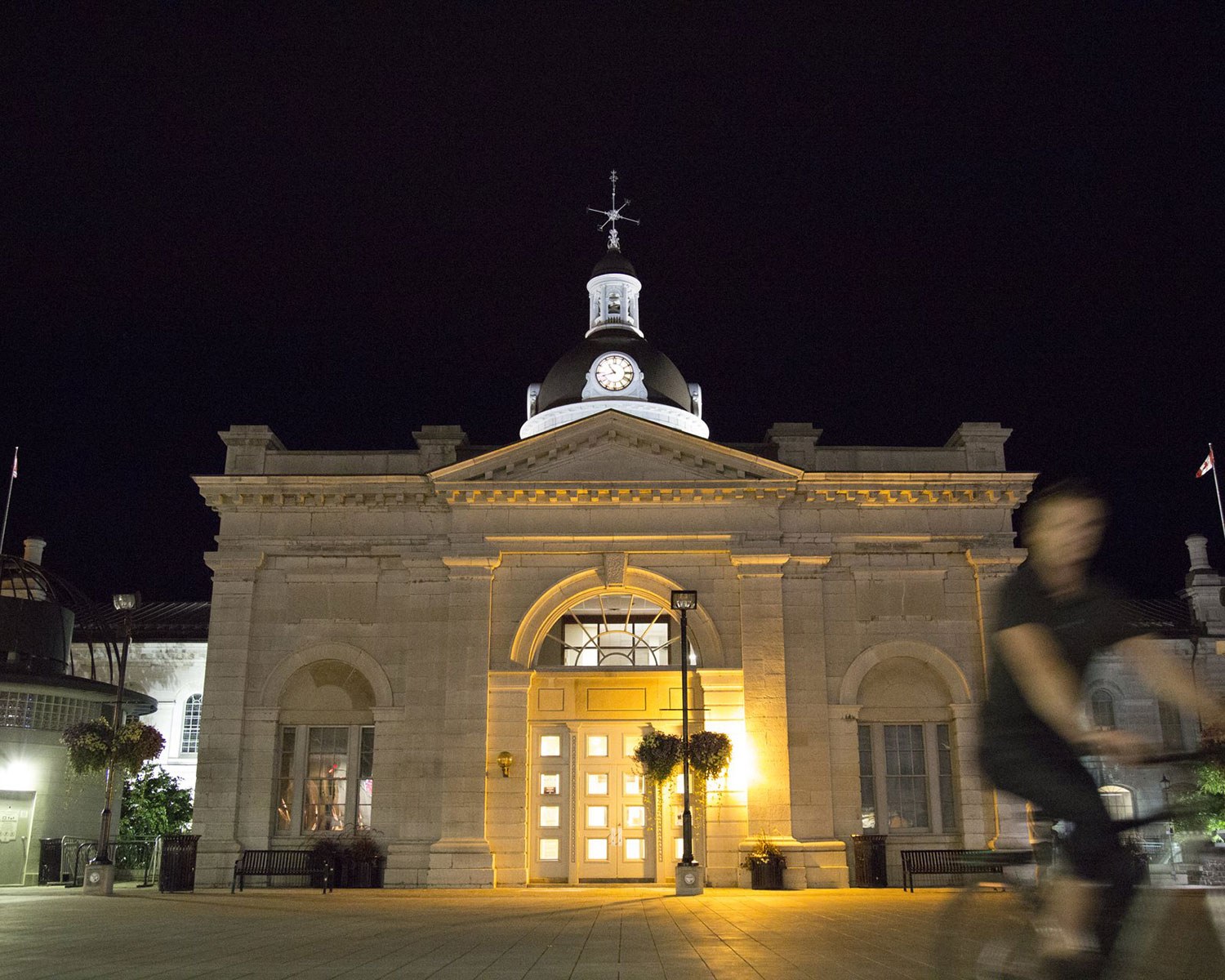
King's Royal Regiment of New York, The
This plaque commemorates the largest Loyalist corps raised during the American Revolution. And it was right here in Kingston.
Learn more
About
Plaque
King's Royal Regiment of New York, The in plaqueLakehead University
Following a push by educators and business representatives for an institution of higher learning in Ontario’s northwest, the Lakehead Technical Institute was established in 1946. By 1965, it became Lakehead University and conferred its first degrees.
Learn more
About
Plaque
Lakehead University in plaqueLe Droit
In 1912, French-Canadian educational and religious groups came together to discuss the founding of a newspaper that could be used to protest Regulation 17, which severely restricted the teaching of French in Ontario schools. From this, Le Droit was born — a French-language daily newspaper. Le Droit continues to support and defend Franco-Ontarian rights.
Learn more
About
Plaque
Le Droit in plaqueLoew's Yonge Street and Winter Garden Theatres
Now known as the Elgin & Winter Garden Theatres, this complex was designed by renowned architect Thomas Lamb for entrepreneur Marcus Loew as the Canadian flagship of his American theatre chain. The stacked theatres opened in 1913-14.
Learn more
About
Plaque
Loew's Yonge Street and Winter Garden Theatres in plaqueLoyalist Landing at Cataraqui 1784, The
After the end of the American Revolution, loyalist refugees came to Canada. One group came from New York State and landed near here at Cataraqui, now known as Kingston.
Learn more
About
Plaque
Loyalist Landing at Cataraqui 1784, The in plaqueMarie Dressler 1868-1934
Born in this house as Leila Maria Koerber, Marie Dressler became the stage name of this actress who became successful in silent and talking films — including alongside Charlie Chaplin and Greta Garbo. Dressler won an Academy Award in 1931.
Learn more
About
Plaque
Marie Dressler 1868-1934 in plaqueMarie-Rose Turcot 1887-1977
Turcot moved to Ottawa at the age of 20 to take a job in the civil service. Later, she became a journalist and writer, and also worked in broadcast journalism. She was active in several French-Canadian cultural organizations as well as a collector of Franco-Ontarian folk tales.
Learn more
About
Plaque
Marie-Rose Turcot 1887-1977 in plaqueMetropolitan United Church
This church was designed by architect Henry Langley in the high Victorian Gothic style. Constructed in 1872 to replace an earlier structure, it was badly damaged by fire in 1928 and rebuilt. It was here that the first General Council of the United Church met in 1925.
Learn more
About
Plaque
Metropolitan United Church in plaque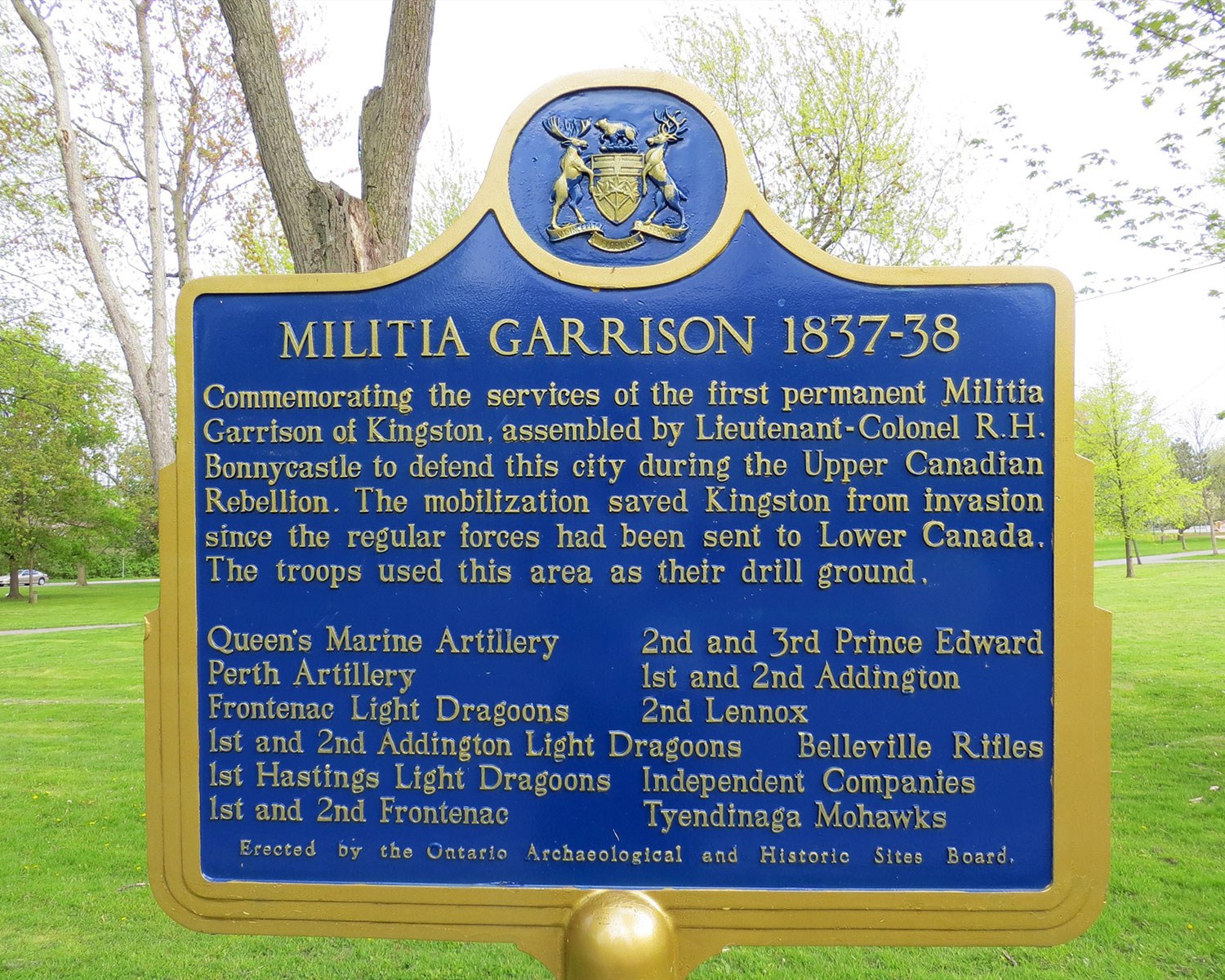
Militia Garrison 1837-38
This plaque commemorates the services of the first permanent garrison in Kingston, assembled to defend the city during the Upper Canada Rebellion.
Learn more
About
Plaque
Militia Garrison 1837-38 in plaqueMoose Factory — Môsonîwi-Miništik
Learn more About Plaque Moose Factory — Môsonîwi-Miništik in plaqueMother Marie Thomas d’Aquin 1877-1963
Originally from near Bordeaux, France, Jeanne Branda felt a calling to become a nun and a teacher. In 1899, she joined the Dominican Sisters of Nancy, where she took on the name Sister Marie Thomas d’Aquin. She moved to the United States and then, while visiting Ottawa in 1914, agreed to head the Jeanne d’Arc Institute.
Learn more
About
Plaque
Mother Marie Thomas d’Aquin 1877-1963 in plaqueMoulton College
The last stop on this walking tour is Moulton College, which once stood at this site. The school was a girls’ preparatory school founded by Susan Moulton McMaster (as part of McMaster University in Hamilton) and was housed in the former McMaster residence located here.
Learn more
About
Plaque
Moulton College in plaqueNoronic Disaster, The
A little-known disaster on the Great Lakes happened right here in the Toronto Harbour when a passenger cruiser, the Noronic, burned on September 19, 1949, taking 119 lives. This remains Toronto’s worst disaster.
Learn more
About
Plaque
Noronic Disaster, The in plaqueOld St. Andrew's Church
Built from local stone, this Presbyterian church was begun in 1830 on land acquired from Joseph Keeler, a prominent local merchant. Little altered since 1911, it remains one of the oldest surviving Presbyterian churches in Ontario.
Learn more
About
Plaque
Old St. Andrew's Church in plaque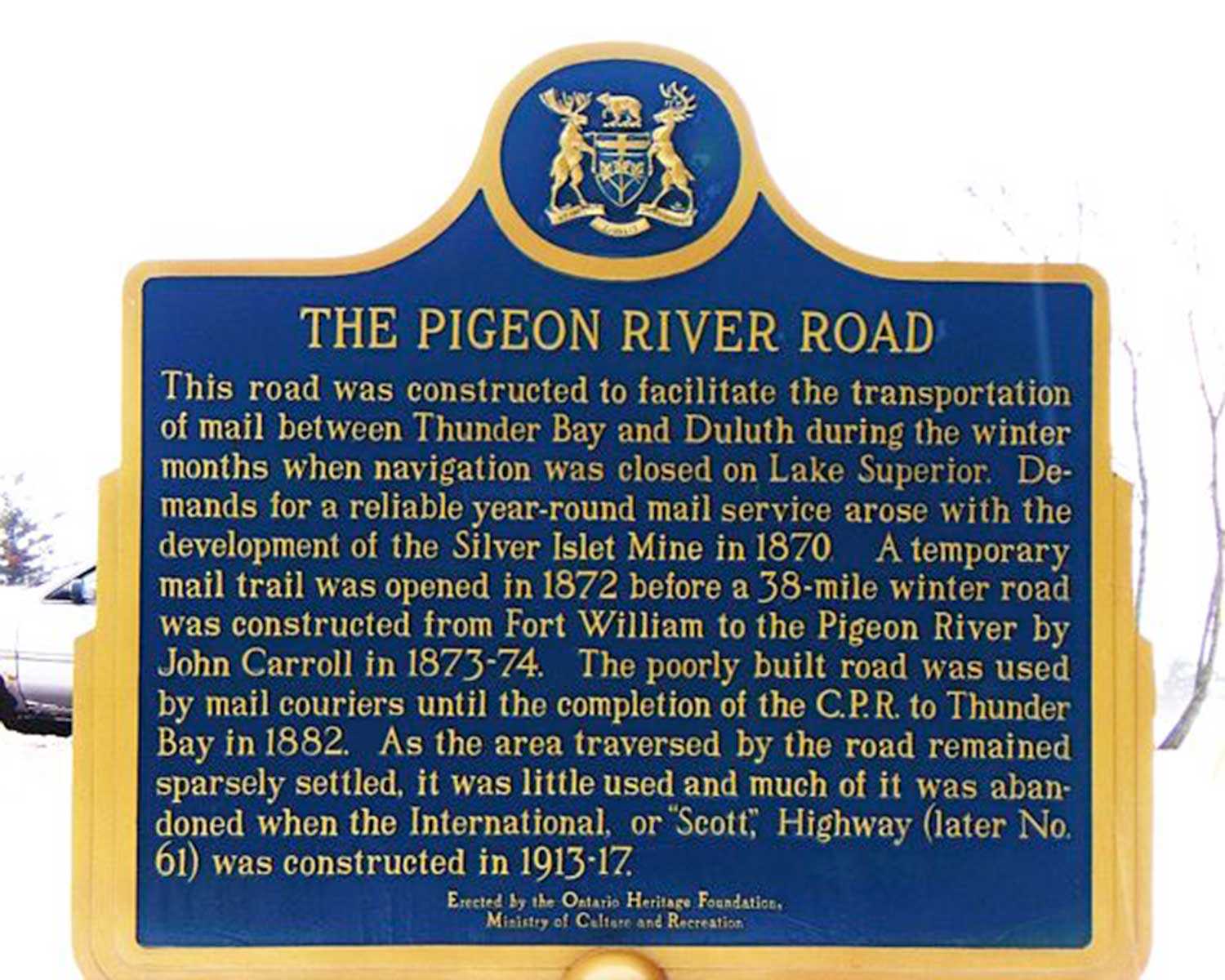
Pigeon River Road, The
This abandoned roadway was used to deliver the mail for a decade until the Canadian Pacific Railway was completed in 1882.
Learn more
About
Plaque
Pigeon River Road, The in plaquePoint Frederick
This strategic location was established for the defence of the loyalist settlement at Cataraqui (now Kingston).
Learn more
About
Plaque
Point Frederick in plaquePrinces' Gates, The
The then-Prince of Wales and his brother opened this impressive entrance to the Canadian National Exhibition grounds in 1927.
Learn more
About
Plaque
Princes' Gates, The in plaque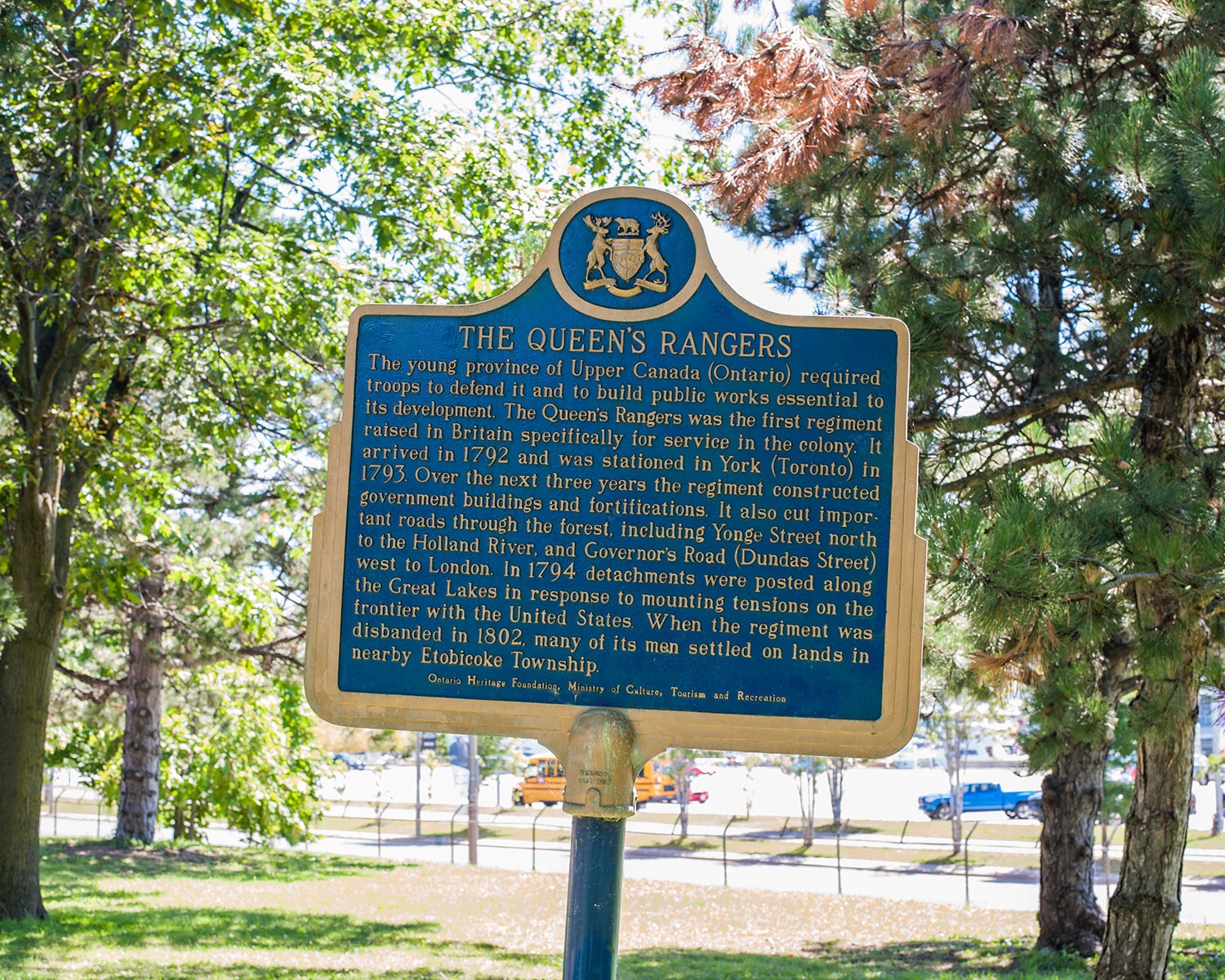
Queen's Rangers, The
This plaque honours the first British regiment raised specifically for service in Upper Canada (now Ontario).
Learn more
About
Plaque
Queen's Rangers, The in plaqueReverend Henry Scadding 1813-1901, The
Born in Devonshire, England, Scadding came to Canada in 1821. He was the first rector of the nearby Church of the Holy Trinity and authored many books on the history of Toronto. Scadding lived in this house from 1862 until his death.
Learn more
About
Plaque
Reverend Henry Scadding 1813-1901, The in plaqueReverend John Stuart 1740-1811, The
Learn more About Plaque Reverend John Stuart 1740-1811, The in plaqueRideau Canal 1826-1832, The
This UNESCO World Heritage Site opened on May 24, 1832 to provide a secure military route between Upper and Lower Canada.
Learn more
About
Plaque
Rideau Canal 1826-1832, The in plaqueRosvall and Voutilainen
In November 1929, two Finnish-Canadians left the Port Arthur area to recruit bushworkers for a strike. Their bodies were found the following spring. Many locals suspected foul play, but the coroner’s jury ruled the deaths as accidental drowning. The two men remain as martyrs to the cause of organized labour.
Learn more
About
Plaque
Rosvall and Voutilainen in plaque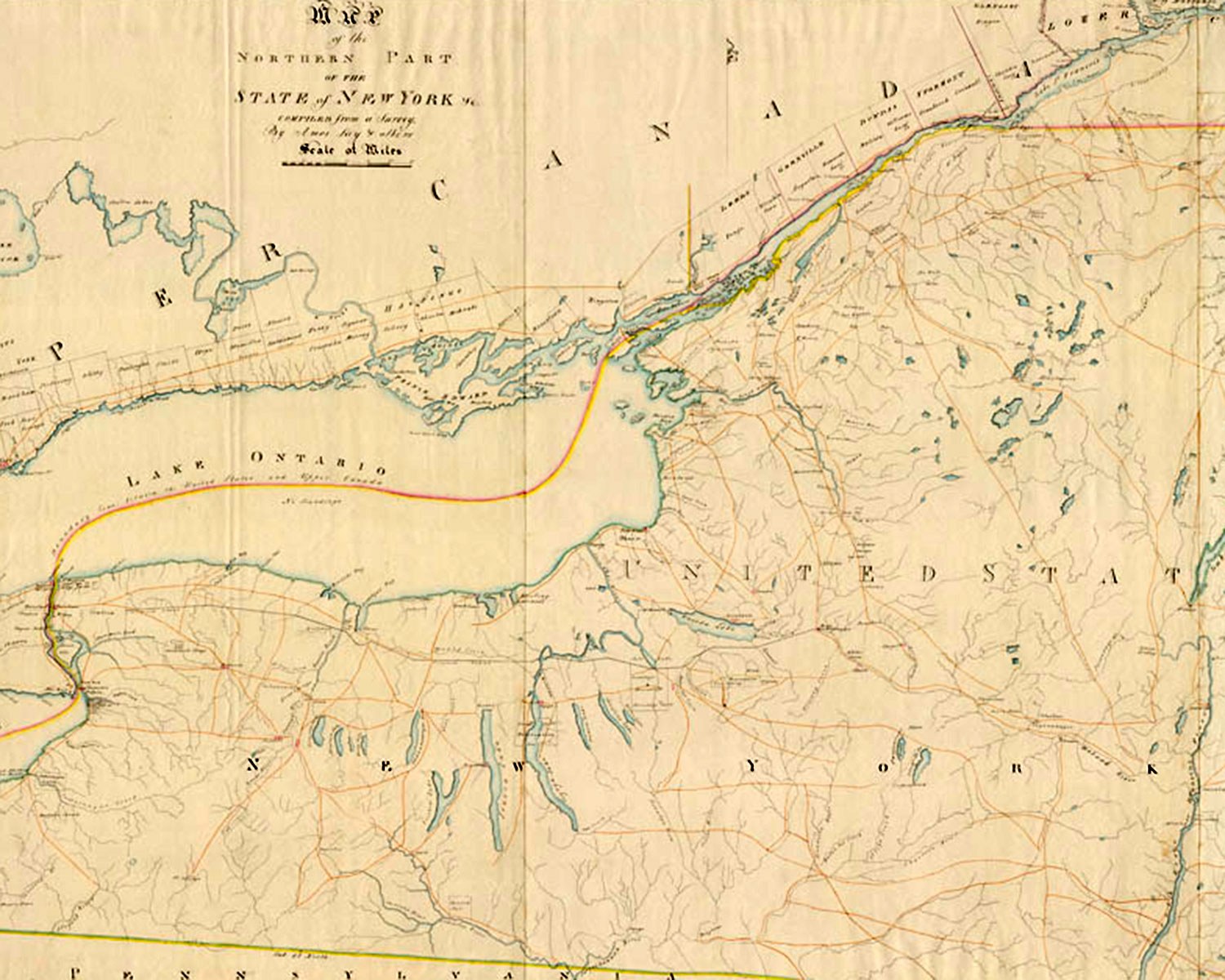
Rush-Bagot Agreement, The
This plaque commemorates the agreement that officially ended the War of 1812. It is still technically in force today.
Learn more
About
Plaque
Rush-Bagot Agreement, The in plaqueRyerson Polytechnical Institute
This university has had many names over the years. Established in 1948, it was named for Egerton Ryerson (founder of the province’s education system). In the 1970s, it was given limited degree-granting powers. It became a full university in 1993. Today, it is known as the Toronto Metropolitan University.
Learn more
About
Plaque
Ryerson Polytechnical Institute in plaque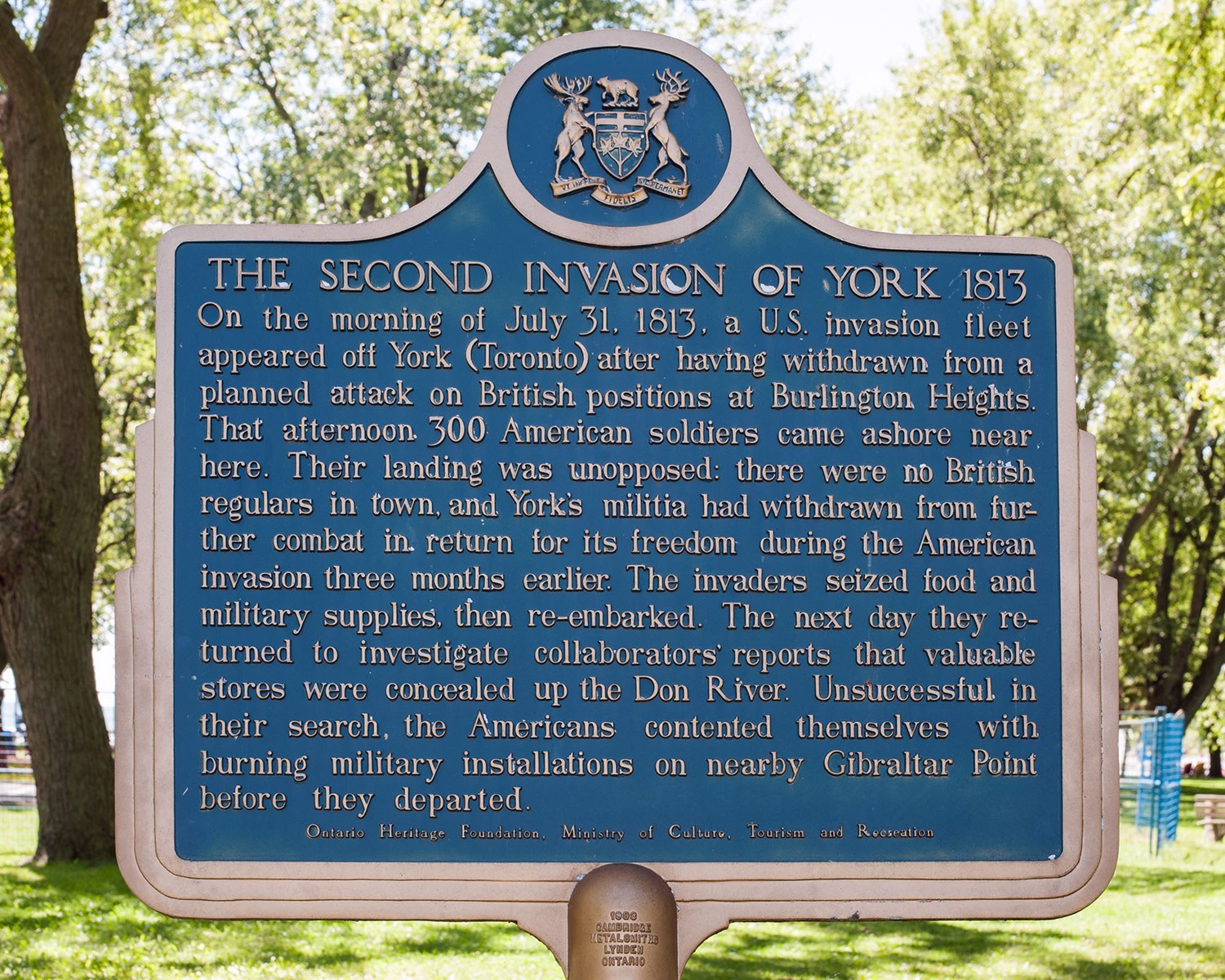
Second Invasion of York 1813, The
This plaque in Coronation Park commemorates a key battle in the War of 1812 on the shores of Toronto (then York).
Learn more
About
Plaque
Second Invasion of York 1813, The in plaqueSenator George T. Fulford 1852-1905
Learn more About Plaque Senator George T. Fulford 1852-1905 in plaqueSir Richard Bonnycastle 1791-1847
While at Fort Henry, check out the plaque to Bonnycastle, who played a significant role in the defence and economic development of the province.
Learn more
About
Plaque
Sir Richard Bonnycastle 1791-1847 in plaqueSolomon Moseby Affair 1837, The
Learn more About Plaque Solomon Moseby Affair 1837, The in plaqueSt. Michael's Cathedral
This church is the main church of Canada’s largest English-speaking Catholic archdiocese. Begun in 1845, the site has seen several additions over the years — including the chancel window in 1858 and the tower and spire in 1867.
Learn more
About
Plaque
St. Michael's Cathedral in plaqueStanley Barracks
Named in honour of Governor General Lord Stanley (also of hockey fame), the Stanley Barracks have been here since the 1840s. Today, all that remains is this building, the Officers’ Quarters.
Learn more
About
Plaque
Stanley Barracks in plaqueStephen Butler Leacock (England)
Learn more About Plaque Stephen Butler Leacock (England) in plaqueStephen Butler Leacock (Ontario)
Learn more About Plaque Stephen Butler Leacock (Ontario) in plaqueStone Frigate, The
This building was constructed as a naval warehouse. By 1876, it was refitted to house the newly established Royal Military College of Canada.
Learn more
About
Plaque
Stone Frigate, The in plaqueThomas McKay 1792-1855
This Scottish-born master mason came to Ottawa to work on the entrance locks of the Rideau Canal and the first bridge that spanned the Ottawa River to connect Ottawa and Hull (now Gatineau). McKay built his residence, Rideau Hall, in 1838 — which was purchased by the Government of Canada to become the official residence of the Governor General.
Learn more
About
Plaque
Thomas McKay 1792-1855 in plaqueToronto Normal School
Established by Egerton Ryerson in 1847, the Toronto Normal School was the first provincial institution for the systematic training of elementary school teachers.
Learn more
About
Plaque
Toronto Normal School in plaqueUnion of the North West and Hudson's Bay Companies
This plaque commemorates the merger of the rival North West and Hudson’s Bay Companies to settle ongoing — and bloody — disputes between the rival fur-trade companies.
Learn more
About
Plaque
Union of the North West and Hudson's Bay Companies in plaqueVictoria College
Teaching began at this new college in 1836. By 1841, they were granting degrees. In 1890, it federated with the University of Toronto and, two years later, left Cobourg.
Learn more
About
Plaque
Victoria College in plaqueVictoria Hall
This imposing classical structure was built as an expression of civic pride and confidence. Finished in 1860, it housed a courtroom and a concert hall. Its distinctive cupola remains a landmark. In 1983, it re-opened following an extensive restoration program.
Learn more
About
Plaque
Victoria Hall in plaque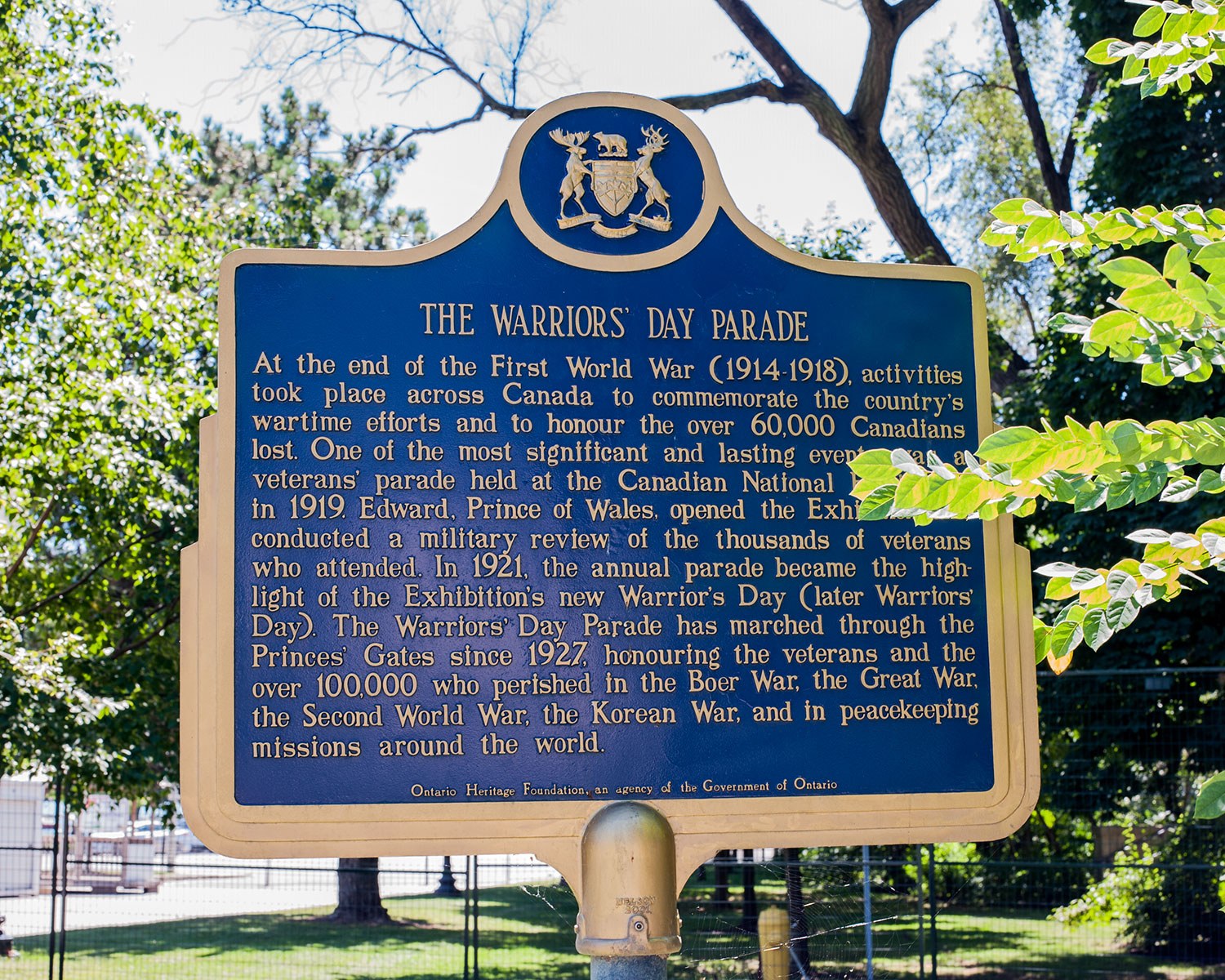
Warriors' Day Parade, The
Near the entrance to the Exhibition grounds is this plaque that honours war veterans.
Learn more
About
Plaque
Warriors' Day Parade, The in plaque
Western Route of the CPR, The
In June 1875, the first sod on the Canadian Pacific Railway’s line from the Lakehead to the West was turned here in Fort William. The last spike was driven in 1885.
Learn more
About
Plaque
Western Route of the CPR, The in plaqueWilliam and Susannah Steward House
Learn more About Plaque William and Susannah Steward House in plaqueWilliam McGillivray 1764-1825
Fort Kaministiquia was renamed Fort William in honour of this man, a Scot who rose through the ranks of the North West Company to become its principal director by 1804.
Learn more
About
Plaque
William McGillivray 1764-1825 in plaqueWilliam Weller 1799-1863
Weller contributed to some of Cobourg’s growth by offering a stagecoach operation between Hamilton and Montreal. In 1840, he made record time (37 hours and 40 minutes) conveying the Governor General from Toronto to Montreal.
Learn more
About
Plaque
William Weller 1799-1863 in plaqueYonge Street 1796
The longest street in the world was built by Ontario’s first lieutenant governor, John Graves Simcoe, to connect his recently founded Town of York with the naval base at Penetanguishene on Georgian Bay.
Learn more
About
Plaque
Yonge Street 1796 in plaquePolitics and law (25)
Charlotte Elizabeth Whitton, O.C., C.B.E. 1896-1975
Whitton was the first woman mayor of Ottawa. Throughout her lifetime, she worked fiercely and energetically to improve social conditions.
Learn more
About
Plaque
Charlotte Elizabeth Whitton, O.C., C.B.E. 1896-1975 in politics and lawChloe Cooley and the 1793 Act to Limit Slavery in Upper Canada
Learn more About Plaque Chloe Cooley and the 1793 Act to Limit Slavery in Upper Canada in politics and lawColonel the Honourable Justice John Andrew Hope (1890‒1954)
Learn more About Plaque Colonel the Honourable Justice John Andrew Hope (1890‒1954) in politics and lawFirst Provincial Parliament 1792, The
Learn more About Plaque First Provincial Parliament 1792, The in politics and lawFort Henry
The first fort was built during the War of 1812. The present structures were built between 1832-37. Today, the site is a museum.
Learn more
About
Plaque
Fort Henry in politics and lawHon. George Brown 1818-1880
Learn more About Plaque Hon. George Brown 1818-1880 in politics and lawHonourable George Brown, The
Learn more About Plaque Honourable George Brown, The in politics and lawHonourable Hamnet Kirks Pinhey, The
Learn more About Plaque Honourable Hamnet Kirks Pinhey, The in politics and lawHonourable James Cockburn 1819-1883, The
This Father of Confederation came to Canada in 1832 as a child. After becoming a lawyer here in Cobourg, he entered politics and shared in drafting the plan for Confederation. In 1867, he was elected the first Speaker of the new House of Commons.
Learn more
About
Plaque
Honourable James Cockburn 1819-1883, The in politics and lawHugh Burnett and the National Unity Association
Learn more About Plaque Hugh Burnett and the National Unity Association in politics and lawLast Fatal Duel 1833, The
Learn more About Plaque Last Fatal Duel 1833, The in politics and lawMargarette Rae Morrison Luckock 1893-1972
Raised in Arthur, Ontario, and commonly known as Rae Luckock, she was instrumental in transforming the social and political landscape of the province in the 1940s and 1950s. She paved the way for a more equal Ontario, expanding opportunities for women and working-class families.
Learn more
About
Plaque
Margarette Rae Morrison Luckock 1893-1972 in politics and lawMilitia Garrison 1837-38
This plaque commemorates the services of the first permanent garrison in Kingston, assembled to defend the city during the Upper Canada Rebellion.
Learn more
About
Plaque
Militia Garrison 1837-38 in politics and lawRush-Bagot Agreement, The
This plaque commemorates the agreement that officially ended the War of 1812. It is still technically in force today.
Learn more
About
Plaque
Rush-Bagot Agreement, The in politics and lawSenator George T. Fulford 1852-1905
Learn more About Plaque Senator George T. Fulford 1852-1905 in politics and lawSolomon Moseby Affair 1837, The
Learn more About Plaque Solomon Moseby Affair 1837, The in politics and lawStephen Butler Leacock (England)
Learn more About Plaque Stephen Butler Leacock (England) in politics and lawStephen Butler Leacock (Ontario)
Learn more About Plaque Stephen Butler Leacock (Ontario) in politics and lawStone Frigate, The
This building was constructed as a naval warehouse. By 1876, it was refitted to house the newly established Royal Military College of Canada.
Learn more
About
Plaque
Stone Frigate, The in politics and lawThomas McKay 1792-1855
This Scottish-born master mason came to Ottawa to work on the entrance locks of the Rideau Canal and the first bridge that spanned the Ottawa River to connect Ottawa and Hull (now Gatineau). McKay built his residence, Rideau Hall, in 1838 — which was purchased by the Government of Canada to become the official residence of the Governor General.
Learn more
About
Plaque
Thomas McKay 1792-1855 in politics and lawVictoria Hall
This imposing classical structure was built as an expression of civic pride and confidence. Finished in 1860, it housed a courtroom and a concert hall. Its distinctive cupola remains a landmark. In 1983, it re-opened following an extensive restoration program.
Learn more
About
Plaque
Victoria Hall in politics and lawReligion (22)
Assumption Church
The Assumption Church has been associated with a Jesuit Huron mission at La Pointe du Montréal, the parish of L'Assumption du Détroit, since 1761.
Learn more
About
Property
Assumption Church in religionAuld Kirk 1836
Plaque commemorating Auld Kirk Presbyterian Church and cemetery
Learn more
About
Plaque
Auld Kirk 1836 in religionChurch of St. Alban the Martyr
Ottawa was selected as the permanent capital of the Province of Canada in 1857. With the growth of Ottawa's government and civil service population, a new congregation separated from the original Anglican parish, Christ Church on Spark Street.
Learn more
About
Property
Church of St. Alban the Martyr in religionChurch of St. John the Evangelist
St. John's Church is associated with the early settlement of the Scott's Mills or Scott's Plains area (now the City of Peterborough) by over 200 Irish immigrants in 1825.
Learn more
About
Property
Church of St. John the Evangelist in religionChurch of St. Peter, The
This church replaced an earlier building from 1820. Distinguished by stepped battlements on its façade, the new building was designed in the early Gothic revival style by noted architect Kivas Tully, who would later design Victoria Hall. The new building opened for service in 1854.
Learn more
About
Plaque
Church of St. Peter, The in religionChurch of the Holy Trinity 1847, The
When this church was built, it was then on the outskirts of Toronto. Henry Scadding, who lived in the house nearby, was the church’s first rector. Starting in the 20th century, it started offering programming and assistance to Toronto’s inner city.
Learn more
About
Plaque
Church of the Holy Trinity 1847, The in religionElisabeth Bruyère 1818-1876
Ottawa in the 1840s (still Bytown then) was a growing timber-trade village with a substantial French-Canadian population but no Catholic schools and few social services. In 1845, four nuns, led by Bruyère, arrived and establish a school, hospital and orphanage, as well as established many social services.
Learn more
About
Plaque
Elisabeth Bruyère 1818-1876 in religionFather Pierre Potier 1708-1781
Learn more About Plaque Father Pierre Potier 1708-1781 in religionMetropolitan United Church
This church was designed by architect Henry Langley in the high Victorian Gothic style. Constructed in 1872 to replace an earlier structure, it was badly damaged by fire in 1928 and rebuilt. It was here that the first General Council of the United Church met in 1925.
Learn more
About
Plaque
Metropolitan United Church in religionMother Marie Thomas d’Aquin 1877-1963
Originally from near Bordeaux, France, Jeanne Branda felt a calling to become a nun and a teacher. In 1899, she joined the Dominican Sisters of Nancy, where she took on the name Sister Marie Thomas d’Aquin. She moved to the United States and then, while visiting Ottawa in 1914, agreed to head the Jeanne d’Arc Institute.
Learn more
About
Plaque
Mother Marie Thomas d’Aquin 1877-1963 in religionOld St. Andrew's Church
Built from local stone, this Presbyterian church was begun in 1830 on land acquired from Joseph Keeler, a prominent local merchant. Little altered since 1911, it remains one of the oldest surviving Presbyterian churches in Ontario.
Learn more
About
Plaque
Old St. Andrew's Church in religionPrecious Blood Cathedral
Sault Ste. Marie was elevated to a diocese in 1904 and the church was selected as a diocesan Cathedral. In 1913, the Jesuits who had served the parish church and then the Cathedral were replaced by the secular clergy. It was renamed the Cathedral of Precious Blood in 1936.
Learn more
About
Property
Precious Blood Cathedral in religionReverend Henry Scadding 1813-1901, The
Born in Devonshire, England, Scadding came to Canada in 1821. He was the first rector of the nearby Church of the Holy Trinity and authored many books on the history of Toronto. Scadding lived in this house from 1862 until his death.
Learn more
About
Plaque
Reverend Henry Scadding 1813-1901, The in religionReverend John Stuart 1740-1811, The
Learn more About Plaque Reverend John Stuart 1740-1811, The in religionSt. Anne's Anglican Church
St. Anne's Anglican Church parish was founded on the present site in 1862. In 1907, a competition was held for the design of a new church.
Learn more
About
Property
St. Anne's Anglican Church in religionSt. George's Cathedral
With its congregation dating to 1783, the Cathedral is associated with the first organized Anglican parish in Ontario.
Learn more
About
Property
St. George's Cathedral in religionSt. Michael's Cathedral
This church is the main church of Canada’s largest English-speaking Catholic archdiocese. Begun in 1845, the site has seen several additions over the years — including the chancel window in 1858 and the tower and spire in 1867.
Learn more
About
Plaque
St. Michael's Cathedral in religionSchools (2)
Enoch Turner Schoolhouse
Toronto's Enoch Turner Schoolhouse is a provincially significant heritage site and the oldest school still standing in Toronto.
Learn more
About
Property
Enoch Turner Schoolhouse in schoolsWillowbank Estate
Willowbank is significant as a surviving mansion of the British colonial era in Canada that reflects the ideals of both classical revivalism and the picturesque tradition.
Learn more
About
Property
Willowbank Estate in schoolsScientific and technological innovations (4)
Canadian National Exhibition
This plaque commemorates the establishment of the Exhibition (the “Ex”), a national event that has occurred since 1912.
Learn more
About
Plaque
Canadian National Exhibition in scientific and technological innovations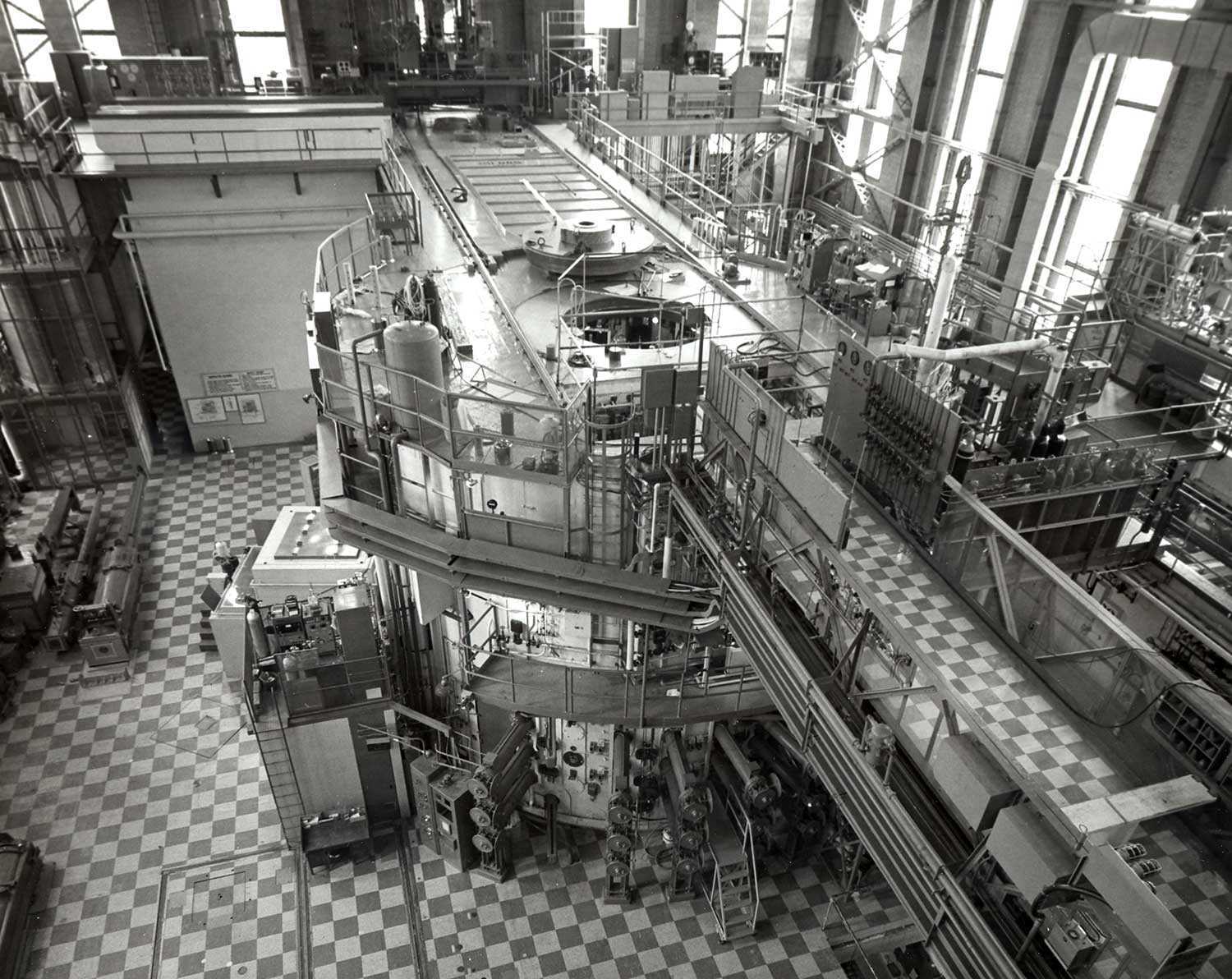
Ontario's military heritage — 4. Second World War (Industry and research)
Ontario was a mineral-rich province that offered many strategic resources for military production. It also had a large population. According to the 1941 census, Ontario had 3.8 million residents, of which 62 per cent lived in urban areas. The combination of Ontario’s large population and mineral-rich land made it an ideal industrial hub for war production.
Learn more
About
online exhibit
Ontario's military heritage — 4. Second World War (Industry and research) in scientific and technological innovationsProulx Cheese Factory
Built in 1890, the Proulx Cheese Factory is one of the few remaining buildings of its kind in Ontario. It reflects the importance of locally run rural enterprises to the province’s agricultural development and the central role that cheesemaking had in the region ...
Learn more
About
Plaque
Proulx Cheese Factory in scientific and technological innovationsSenator George T. Fulford 1852-1905
Learn more About Plaque Senator George T. Fulford 1852-1905 in scientific and technological innovationsSports and recreation (2)
Canadian National Exhibition
This plaque commemorates the establishment of the Exhibition (the “Ex”), a national event that has occurred since 1912.
Learn more
About
Plaque
Canadian National Exhibition in sports and recreationGalt Football Club
Galt Football Club was founded in 1880 with players drawn from Galt Collegiate Institute and the town ...
Learn more
About
Plaque
Galt Football Club in sports and recreationTheatre (1)
Elgin & Winter Garden Theatres
At this magnificent National Historic Site, you can bask in the gilded elegance of the Elgin Theatre, and then gaze at the leafy ceiling of the Winter Garden Theatre, seven storeys above the Elgin.
Learn more
About
Property
Elgin & Winter Garden Theatres in theatreTrails (6)
Cheltenham Badlands
The Cheltenham Badlands site is one of Ontario’s geological treasures, formed at the base of an ancient sea about 450 million years ago.
Learn more
About
Property
Cheltenham Badlands in trailsDevil's Monument
The Devil’s Monument comprises the Minhinick, LeFeuvre-Chupac and Schneider properties. The name refers to the presence of a flowerpot that has long been a draw for locals and tourists alike. It is the only complete flowerpot on land along the east side of the Bruce Peninsula.
Learn more
About
Property
Devil's Monument in trailsEllis Property
The Ellis Property is located 1 km (0.6 miles) north of Ball’s Falls Conservation Area, just west of the Jordan Historical Museum in the Town of Lincoln.
Learn more
About
Property
Ellis Property in trailsFleetwood Creek Natural Area
Fleetwood Creek Natural Area is located on the north slope of the Oak Ridges Moraine within the City of Kawartha Lakes. This 370-hectare (916.4-acre) property features glacial features such as kames, kettles and drumlins that form the headwaters of Fleetwood Creek.
Learn more
About
Property
Fleetwood Creek Natural Area in trailsScotsdale Farm
Scotsdale Farm is undoubtedly one of the most picturesque places in Halton Hills. The farm is situated northwest of Georgetown and connects to Silvercreek Conservation Area and Bruce Trail.
Learn more
About
Property
Scotsdale Farm in trailsYaremko-Ridley Property
The 64-hectare (160-acre) Yaremko-Ridley Property, located just outside of the Town of Milton, contains mixed escarpment forest with stunning glacial valleys, rolling landscapes and numerous rock outcroppings and deposits.
Learn more
About
Property
Yaremko-Ridley Property in trailsTransportation systems and communications (12)
Cobourg and Peterborough Railway 1852-1898, The
It was important to establish a railway line between Cobourg and Peterborough. In fact, the citizens of Cobourg were largely responsible for this particular line, which opened in 1854. Unfortunate circumstances — including debilitating ice along the Rice Lake bridge — made the line unsafe and, ultimately, unprofitable.
Learn more
About
Plaque
Cobourg and Peterborough Railway 1852-1898, The in transportation systems and communicationsCommissariat Building 1827
Today a museum, this structure is the oldest existing stone building in Ottawa. During the construction of the Rideau Canal, it was a storehouse, office and treasury. The building was turned over to the Canadian government in 1864.
Learn more
About
Plaque
Commissariat Building 1827 in transportation systems and communicationsFounding of Cobourg, The
In the first years of the 19th century, mills helped to establish a settlement here. Then came the completion of Kingston Road and harbour improvements. Known originally as Hamilton, Cobourg was incorporated as a town in 1850.
Learn more
About
Plaque
Founding of Cobourg, The in transportation systems and communicationsFounding of Colborne, The
A store established here around 1819 by Joseph Keeler, a prominent local merchant and early settler, provided the nucleus around which the community of Colborne began. The settlement thrived as more businesses started. The arrival of the Grand Trunk Railway in 1856 spurred further growth and, three years later, Colborne was incorporated as a village.
Learn more
About
Plaque
Founding of Colborne, The in transportation systems and communicationsLe Droit
In 1912, French-Canadian educational and religious groups came together to discuss the founding of a newspaper that could be used to protest Regulation 17, which severely restricted the teaching of French in Ontario schools. From this, Le Droit was born — a French-language daily newspaper. Le Droit continues to support and defend Franco-Ontarian rights.
Learn more
About
Plaque
Le Droit in transportation systems and communicationsPigeon River Road, The
This abandoned roadway was used to deliver the mail for a decade until the Canadian Pacific Railway was completed in 1882.
Learn more
About
Plaque
Pigeon River Road, The in transportation systems and communicationsQueen's Rangers, The
This plaque honours the first British regiment raised specifically for service in Upper Canada (now Ontario).
Learn more
About
Plaque
Queen's Rangers, The in transportation systems and communicationsRideau Canal 1826-1832, The
This UNESCO World Heritage Site opened on May 24, 1832 to provide a secure military route between Upper and Lower Canada.
Learn more
About
Plaque
Rideau Canal 1826-1832, The in transportation systems and communicationsThomas McKay 1792-1855
This Scottish-born master mason came to Ottawa to work on the entrance locks of the Rideau Canal and the first bridge that spanned the Ottawa River to connect Ottawa and Hull (now Gatineau). McKay built his residence, Rideau Hall, in 1838 — which was purchased by the Government of Canada to become the official residence of the Governor General.
Learn more
About
Plaque
Thomas McKay 1792-1855 in transportation systems and communicationsWestern Route of the CPR, The
In June 1875, the first sod on the Canadian Pacific Railway’s line from the Lakehead to the West was turned here in Fort William. The last spike was driven in 1885.
Learn more
About
Plaque
Western Route of the CPR, The in transportation systems and communicationsWilliam Weller 1799-1863
Weller contributed to some of Cobourg’s growth by offering a stagecoach operation between Hamilton and Montreal. In 1840, he made record time (37 hours and 40 minutes) conveying the Governor General from Toronto to Montreal.
Learn more
About
Plaque
William Weller 1799-1863 in transportation systems and communicationsYonge Street 1796
The longest street in the world was built by Ontario’s first lieutenant governor, John Graves Simcoe, to connect his recently founded Town of York with the naval base at Penetanguishene on Georgian Bay.
Learn more
About
Plaque
Yonge Street 1796 in transportation systems and communicationsVisitor attraction (4)
Cheltenham Badlands
The Cheltenham Badlands site is one of Ontario’s geological treasures, formed at the base of an ancient sea about 450 million years ago.
Learn more
About
Property
Cheltenham Badlands in visitor attractionElgin & Winter Garden Theatres
At this magnificent National Historic Site, you can bask in the gilded elegance of the Elgin Theatre, and then gaze at the leafy ceiling of the Winter Garden Theatre, seven storeys above the Elgin.
Learn more
About
Property
Elgin & Winter Garden Theatres in visitor attractionFulford Place
Discover the story of Senator George T. Fulford, explore the grand Fulford mansion and marvel at the many original family furnishings.
Learn more
About
Property
Fulford Place in visitor attractionJosiah Henson Museum of African-Canadian History
An estimated 30,000 Black refugees from slavery in the United States fled to Canada along the Underground Railroad. One of these freedom seekers was abolitionist, preacher and author Josiah Henson.
Learn more
About
Property
Josiah Henson Museum of African-Canadian History in visitor attractionWar and conflict (46)
Almanda Walker-Marchand and the Fédération des femmes canadiennes-françaises
Walker-Marchand moved to Ottawa where she established this organization dedicated to helping French-Canadian soldiers and their families during and after the First World War. The organization expanded beyond Ottawa to form chapters in Francophone communities across Canada.
Learn more
About
Plaque
Almanda Walker-Marchand and the Fédération des femmes canadiennes-françaises in war and conflictCanadian International Air Show
Begun in 1946, this renowned air show has fascinated audiences and forced people to look up into the skies above Toronto ever since.
Learn more
About
Plaque
Canadian International Air Show in war and conflictCol. Elizabeth Smellie 1884-1968
This celebrated Canadian army nurse and public health authority served during the First and Second World Wars. She was the first woman to attain the rank of colonel in Canada’s Armed Forces.
Learn more
About
Plaque
Col. Elizabeth Smellie 1884-1968 in war and conflictColonel the Honourable Justice John Andrew Hope (1890‒1954)
Learn more About Plaque Colonel the Honourable Justice John Andrew Hope (1890‒1954) in war and conflictFort Henry
The first fort was built during the War of 1812. The present structures were built between 1832-37. Today, the site is a museum.
Learn more
About
Plaque
Fort Henry in war and conflictFort Rouillé
This plaque commemorates the last French post built in present-day Southern Ontario.
Learn more
About
Plaque
Fort Rouillé in war and conflictHonourable Hamnet Kirks Pinhey, The
Learn more About Plaque Honourable Hamnet Kirks Pinhey, The in war and conflictKing's Royal Regiment of New York, The
This plaque commemorates the largest Loyalist corps raised during the American Revolution. And it was right here in Kingston.
Learn more
About
Plaque
King's Royal Regiment of New York, The in war and conflictLoyalist Landing at Cataraqui 1784, The
After the end of the American Revolution, loyalist refugees came to Canada. One group came from New York State and landed near here at Cataraqui, now known as Kingston.
Learn more
About
Plaque
Loyalist Landing at Cataraqui 1784, The in war and conflictMilitia Garrison 1837-38
This plaque commemorates the services of the first permanent garrison in Kingston, assembled to defend the city during the Upper Canada Rebellion.
Learn more
About
Plaque
Militia Garrison 1837-38 in war and conflictMoose Factory — Môsonîwi-Miništik
Learn more About Plaque Moose Factory — Môsonîwi-Miništik in war and conflict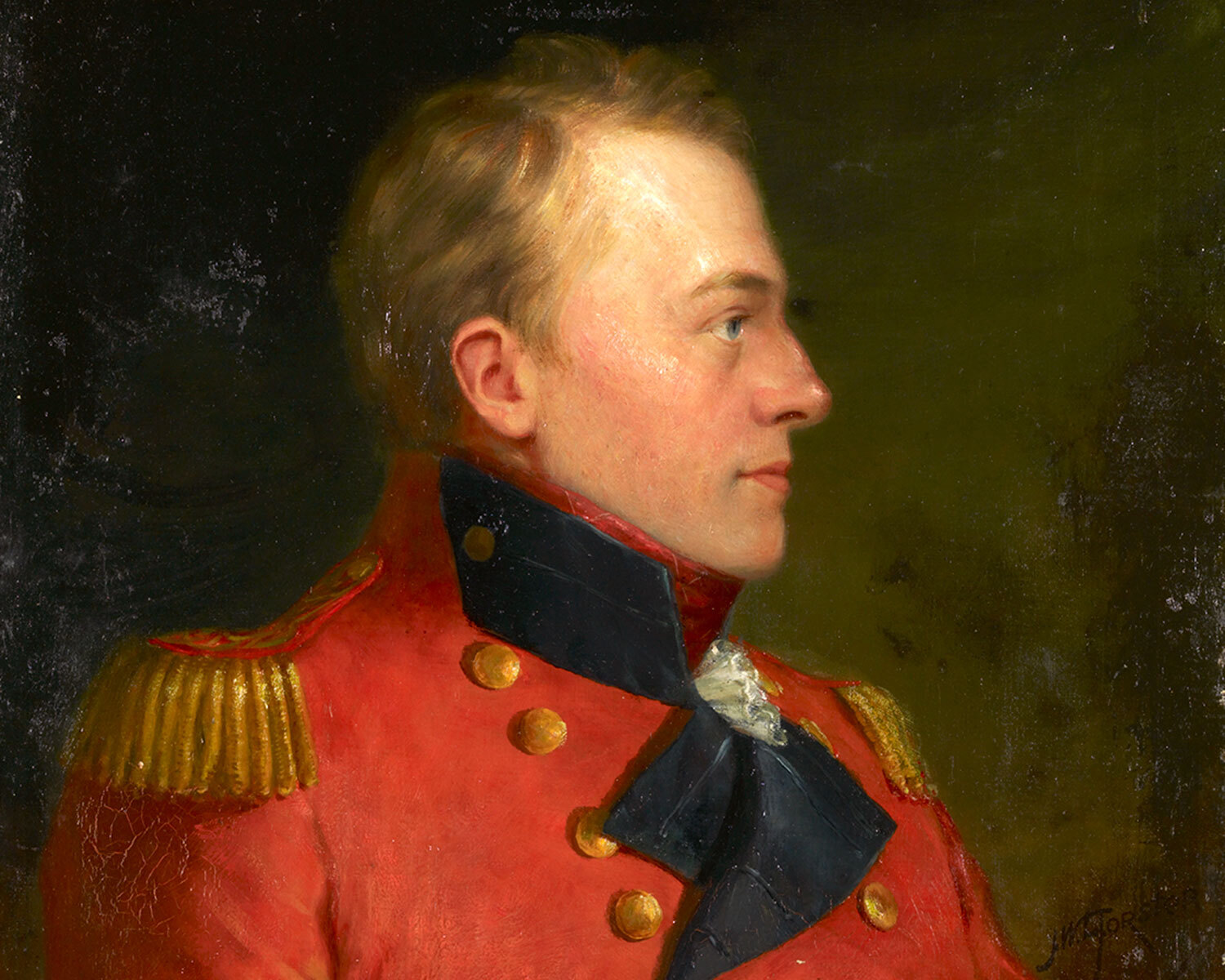
Ontario's military heritage — 1. War of 1812
On June 1, 1812, American President James Madison requested authorization from the United States Congress to declare war on the United Kingdom. Accompanying his request, Madison issued a war message outlining why he and his political supporters, known as the War Hawks, believed that war was necessary.
Learn more
About
online exhibit
Ontario's military heritage — 1. War of 1812 in war and conflictOntario's military heritage — 1. War of 1812 (Battles in Upper Canada and the Great Lakes)
The British regulars, Canadian militia and Indigenous warriors won several battles in the summer of 1812. Their victories proved to the Americans that if they wanted to conquer Upper Canada, it would require a long and bitter struggle. The sections below explore the key battles in Upper Canada and the surrounding Great Lakes.
Learn more
About
online exhibit
Ontario's military heritage — 1. War of 1812 (Battles in Upper Canada and the Great Lakes) in war and conflictOntario's military heritage — 1. War of 1812 (Life in a war zone)
Before the War of 1812, the lives of most of Upper Canada’s inhabitants involved hard work and offered few comforts. Even for the most skilled homesteaders, subsistence was precarious; bad harvests could bring a family to the brink of starvation. Unfortunately for these residents, life would become even more difficult with the onset of the War of 1812.
Learn more
About
online exhibit
Ontario's military heritage — 1. War of 1812 (Life in a war zone) in war and conflict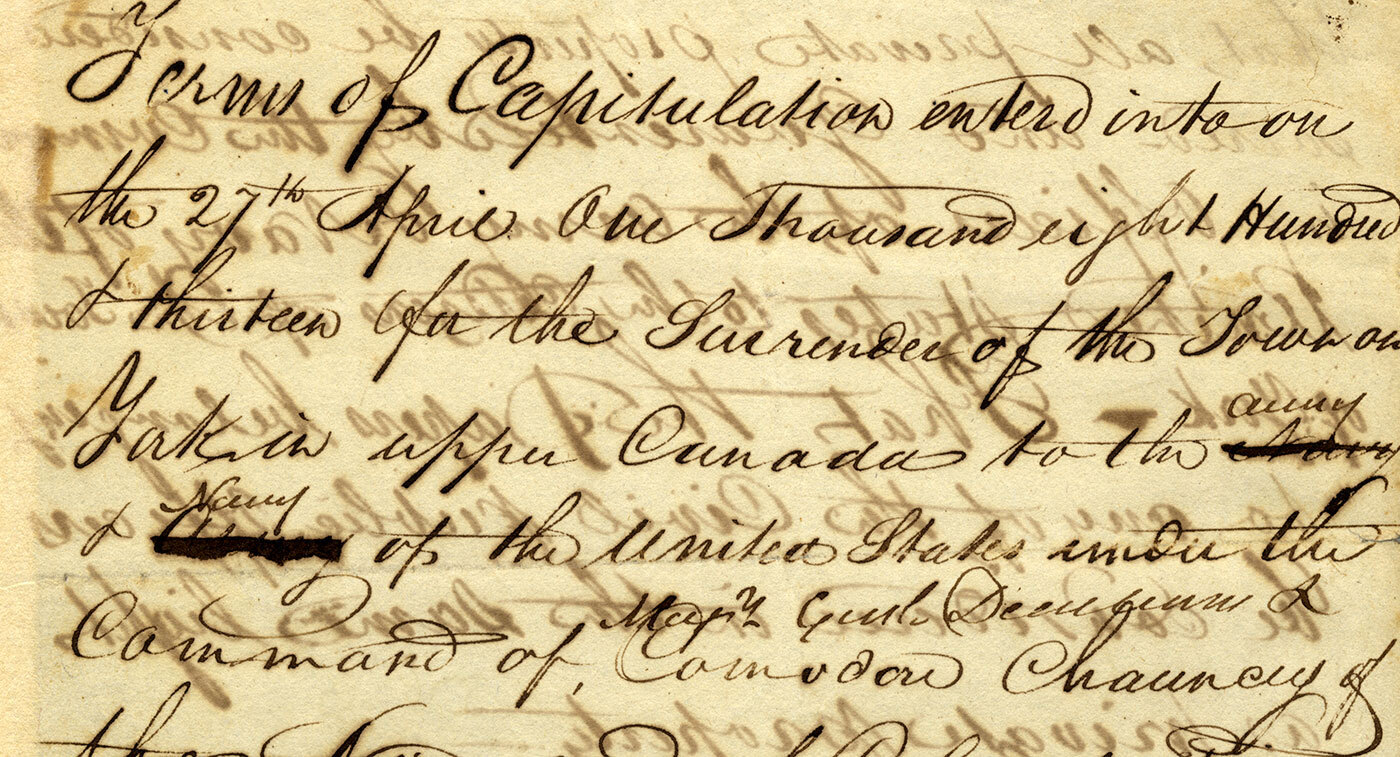
Ontario's military heritage — 1. War of 1812 (Resources)
On June 1, 1812, American President James Madison requested authorization from the United States Congress to declare war on the United Kingdom. Accompanying his request, Madison issued a war message outlining why he and his political supporters, known as the War Hawks, believed that war was necessary.
Learn more
About
online exhibit
Ontario's military heritage — 1. War of 1812 (Resources) in war and conflictOntario's military heritage — 1. War of 1812 (Upper Canada's soldiers)
In 1811, Major-General Isaac Brock was appointed as the senior military commander and senior member of Upper Canada’s executive council. It was Brock’s responsibility to manage the defences of Upper Canada. On taking office, Brock quickly recognized the province’s vulnerability.
Learn more
About
online exhibit
Ontario's military heritage — 1. War of 1812 (Upper Canada's soldiers) in war and conflict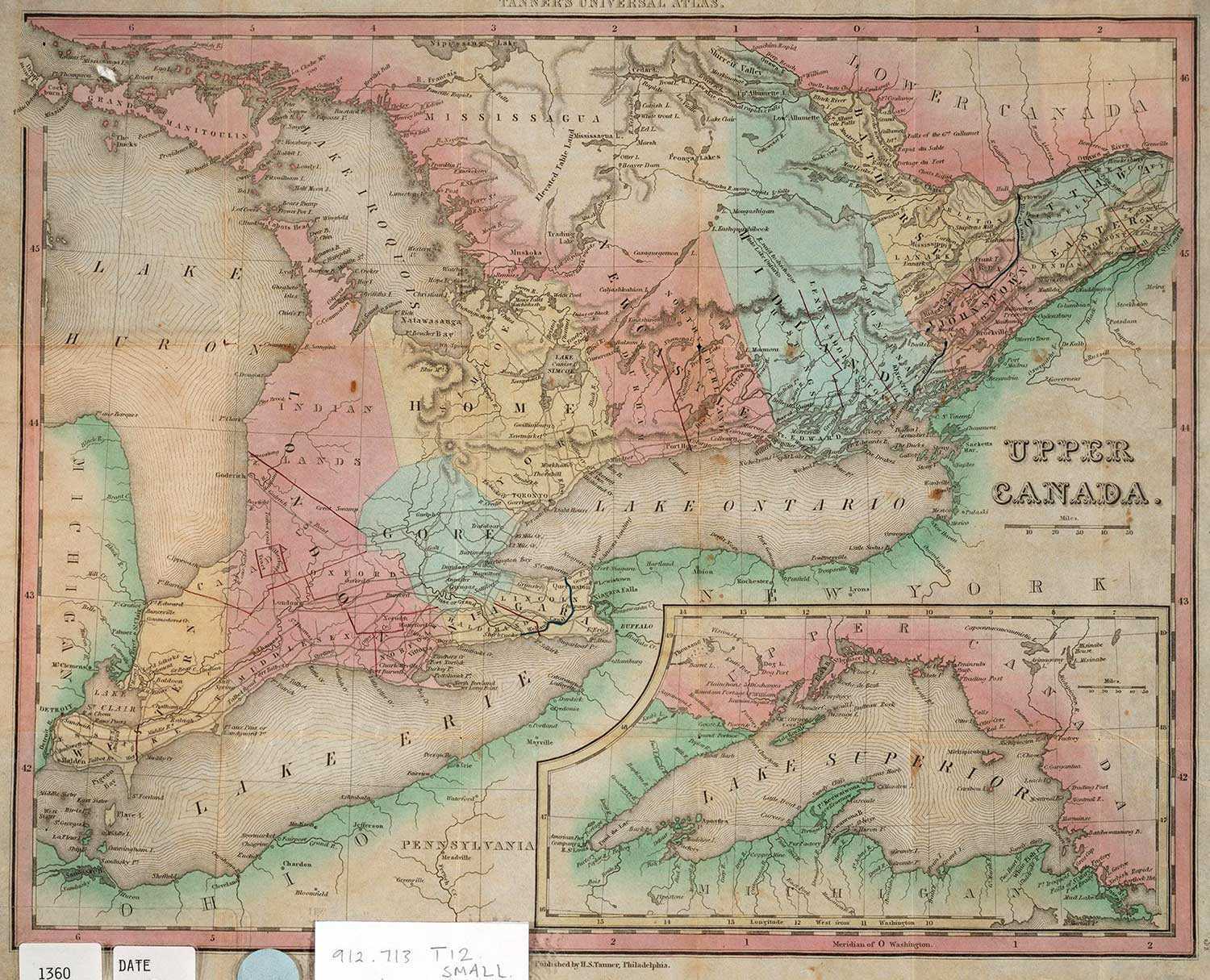
Ontario's military heritage — 2. Rebellions and incursions
During the War of 1812, the inhabitants of Upper Canada and its neighbouring Indigenous territories witnessed large-scale battles, sieges of towns and forts, raiding and pillaging, and naval warfare on the Great Lakes. Upper Canada survived the American invasion, but the colony continued to face military threats throughout the early to mid-19th century.
Learn more
About
online exhibit
Ontario's military heritage — 2. Rebellions and incursions in war and conflict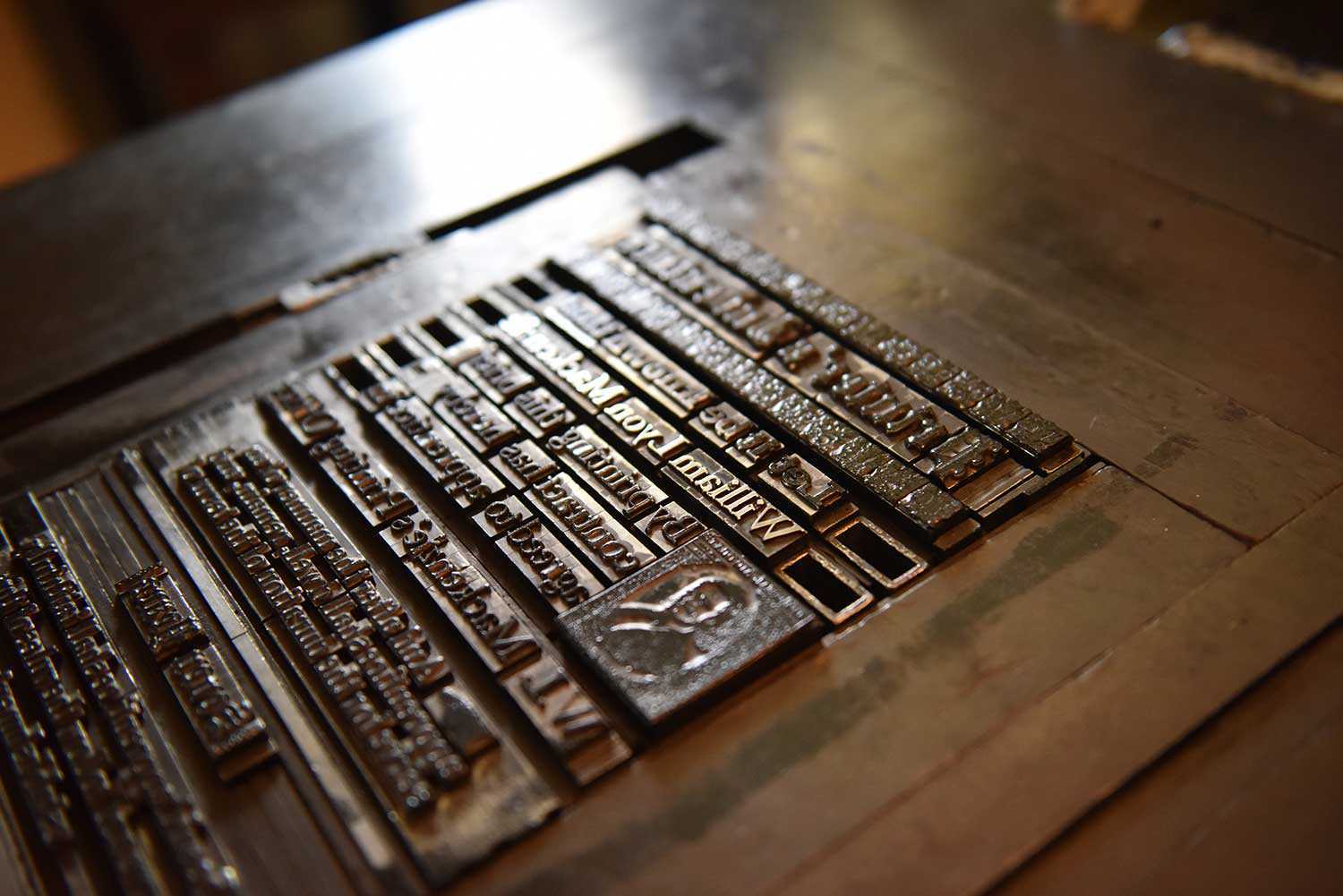
Ontario's military heritage — 2. Rebellions and incursions (Resources)
Explore these resources to learn more about this fascinating part of Canada’s and Ontario’s history.
Learn more
About
online exhibit
Ontario's military heritage — 2. Rebellions and incursions (Resources) in war and conflict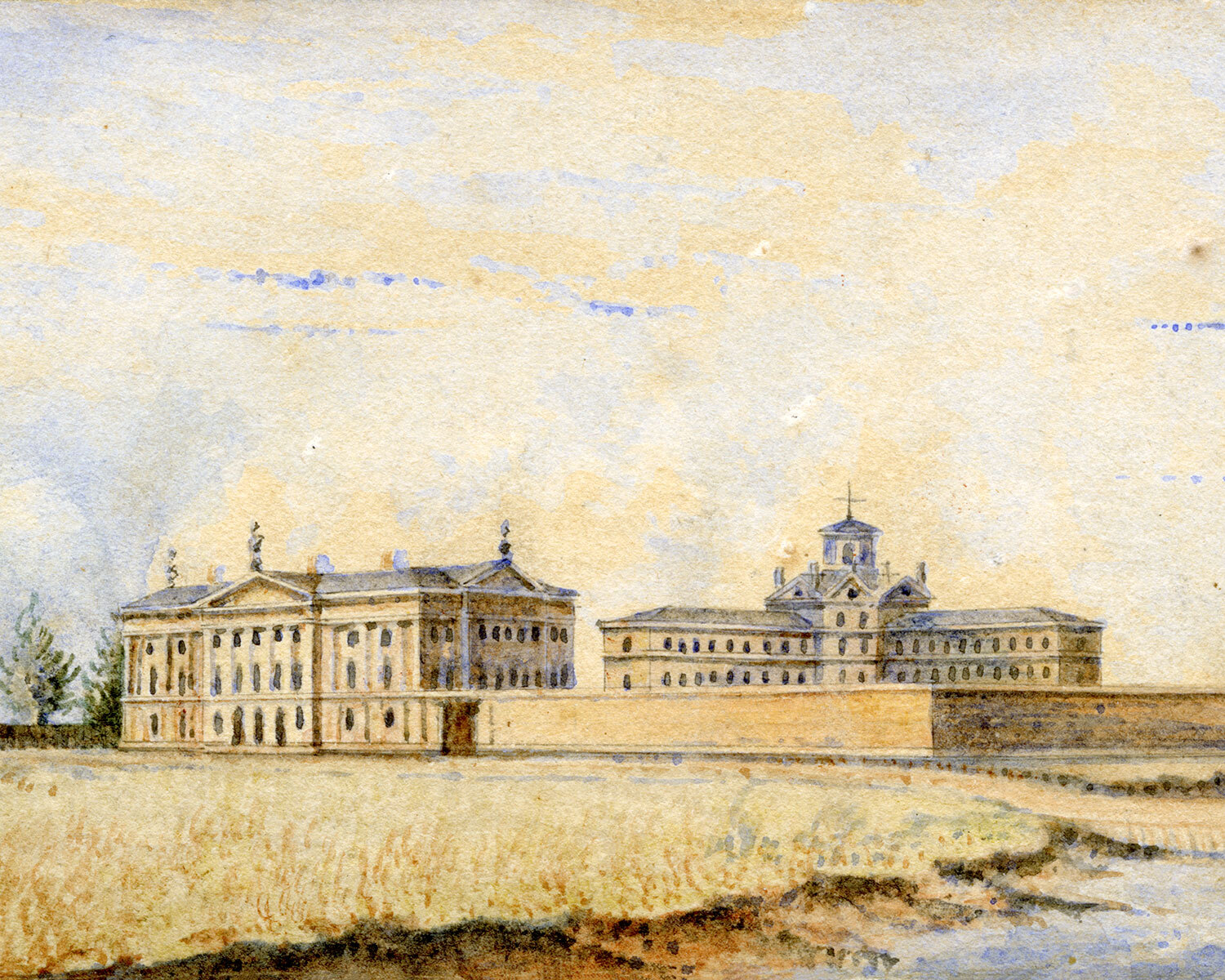
Ontario's military heritage — 2. Rebellions and incursions (The Fenian Raids in Canada West)
The Fenian threat heightened public support for the Canadian militia as the British Colonial Office sought to reduce its military commitments in the colonies. It also reinforced support for Canadian Confederation in 1867. In these and other ways, the Fenian raids were significant in Ontario’s military and political development.
Learn more
About
online exhibit
Ontario's military heritage — 2. Rebellions and incursions (The Fenian Raids in Canada West) in war and conflictOntario's military heritage — 2. Rebellions and incursions (The Upper Canada Rebellion of 1837-38)
Few anticipated that demands for political reform in Upper Canada would culminate in an armed rebellion. And yet, contextual factors, combined with the fateful decisions of those who represented the Crown and the Reform movement, made a rebellion possible.
Learn more
About
online exhibit
Ontario's military heritage — 2. Rebellions and incursions (The Upper Canada Rebellion of 1837-38) in war and conflict![Norman James holds the first shell manufactured in Toronto. (Photo: City of Toronto Archives, Fonds 1244, Item 852 Date: [1914?])](https://www.heritagetrust.on.ca/uploads/Exhibits/WW1-Munitions-factory-1500px.jpg)
Ontario's military heritage — 3. The Great War
With the war against Germany now a reality, Canada’s federal parliamentarians assembled for an emergency session. Politicians on both sides of the House rallied to the cause and professed their wholehearted commitment to the Allied war effort. As they proclaimed in their speeches, the war was a noble struggle to defend peace and democracy against German autocracy and militaristic culture.
Learn more
About
online exhibit
Ontario's military heritage — 3. The Great War in war and conflict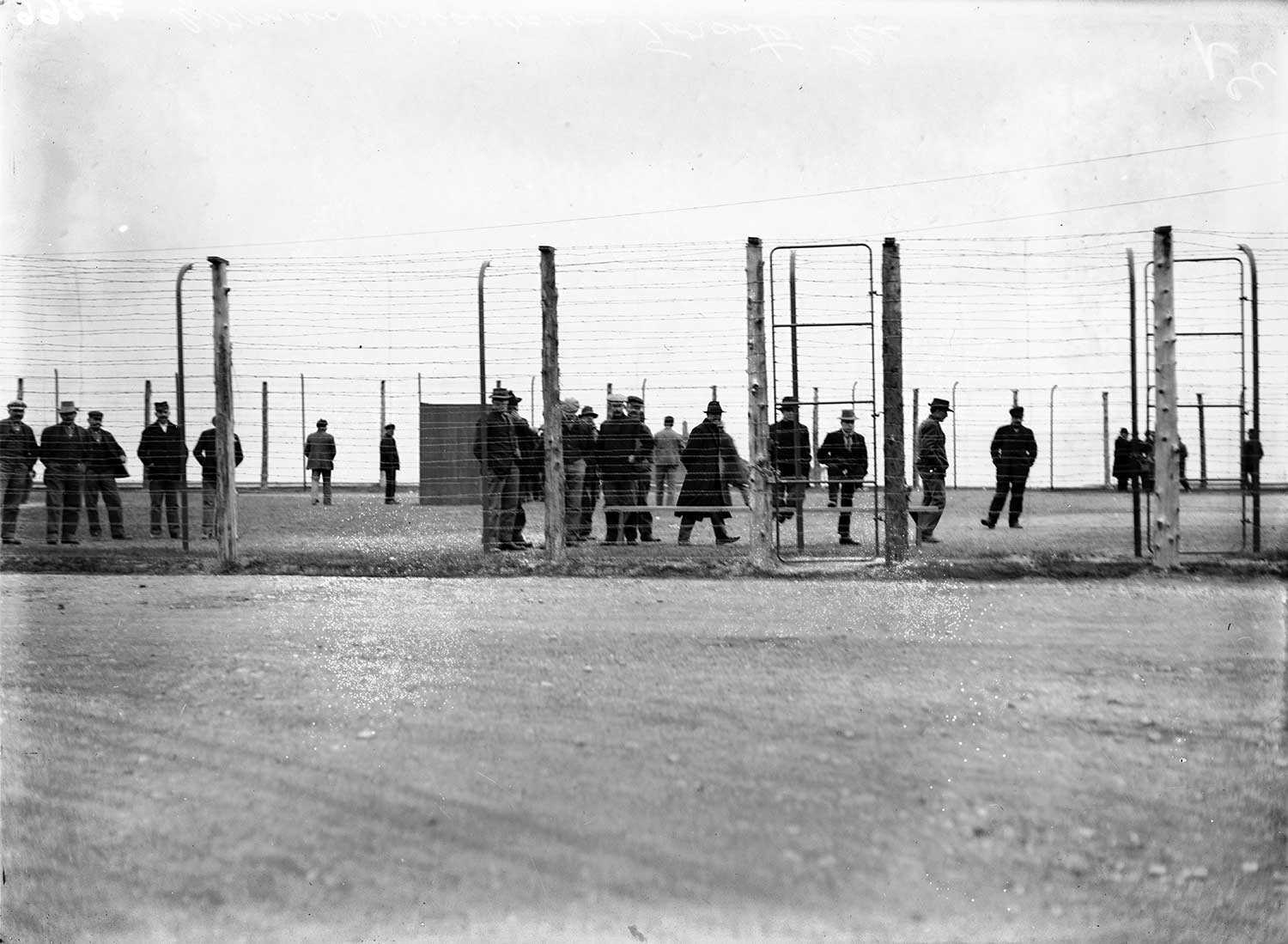
Ontario's military heritage — 3. The Great War (Anti-alien hostility)
During the war, the term “enemy aliens” was used to draw attention to the threat posed by these non-naturalized residents of so-called enemy origin. Often the use of this designation ignored ethnic particularities, such as how Ukrainian immigrants refuted association with the Austro-Hungarian empire.
Learn more
About
online exhibit
Ontario's military heritage — 3. The Great War (Anti-alien hostility) in war and conflictOntario's military heritage — 3. The Great War (Donning the khaki)
The soldiers who fought overseas in the Canadian Expeditionary Force (CEF) experienced a war like no other before it. The ingenuity of the modern industrial age was used to construct international war machines designed for efficient and brutal destruction. And yet, all the sophisticated machinery, tools and weaponry still required flesh and blood to operate.
Learn more
About
online exhibit
Ontario's military heritage — 3. The Great War (Donning the khaki) in war and conflictOntario's military heritage — 3. The Great War (Ontario's wartime economy)
In August 1914, the people of Ontario were coping with a major recession. The onset of the Great War further compounded pre-existing hardships because access to British credit was suspended, stock exchanges closed, Atlantic shipping ceased and public fears led to a rush of gold withdrawals. Gradually, international and national efforts restored economic stability, and the financial shock of going to war dissipated.
Learn more
About
online exhibit
Ontario's military heritage — 3. The Great War (Ontario's wartime economy) in war and conflict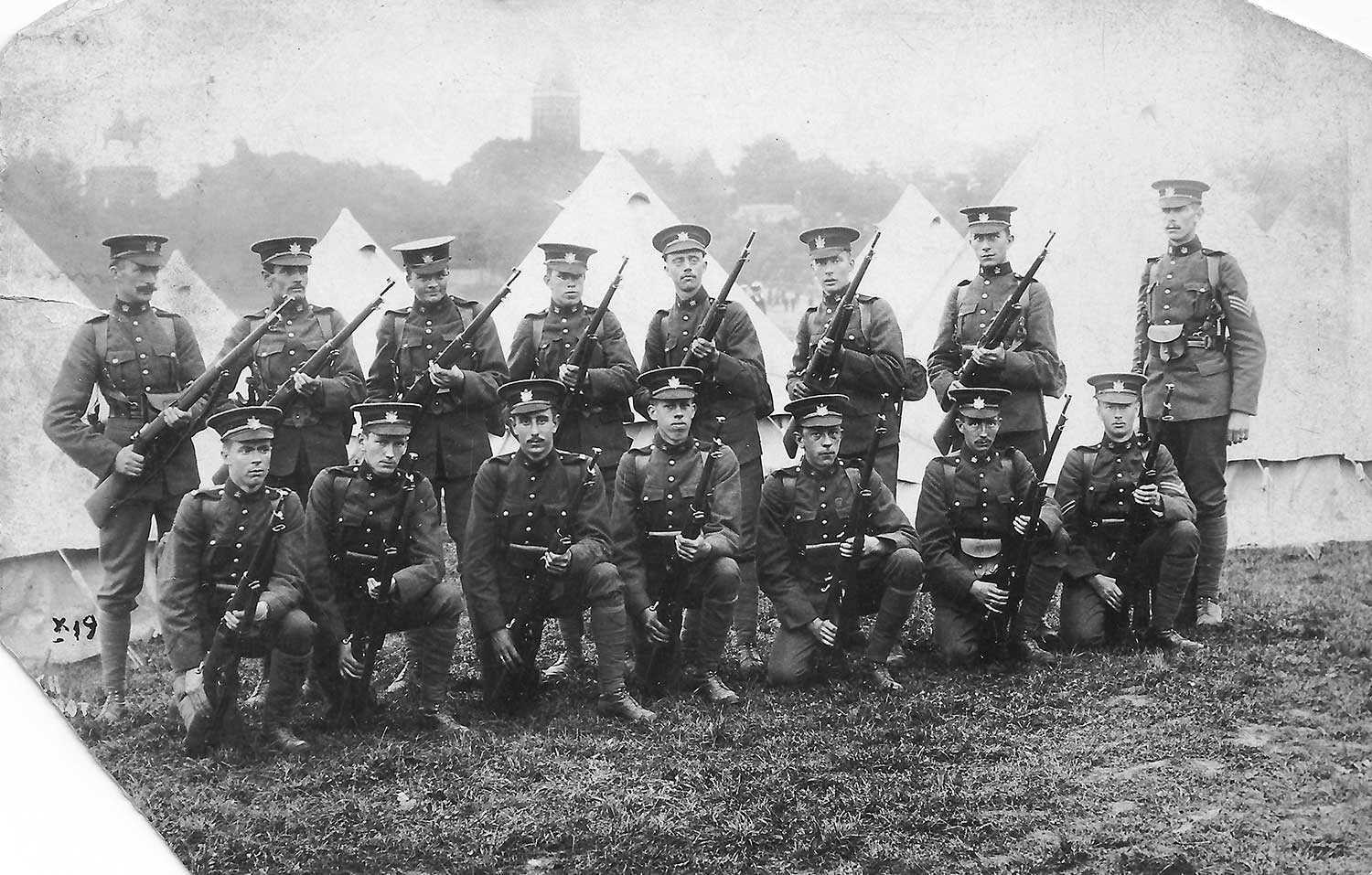
Ontario's military heritage — 3. The Great War (Resources)
Learn more about the Great War through these additional sources.
Learn more
About
online exhibit
Ontario's military heritage — 3. The Great War (Resources) in war and conflictOntario's military heritage — 3. The Great War (Schools and students at war)
Public schools, colleges and universities are widely recognized as establishments of learning and accreditation. During the Great War, however, schools in Ontario were mobilized for the war effort. School grounds were repurposed as sites for drills, military experiments and rehabilitation centres for returned soldiers. Some schools also incentivized their students to enlist and allowed their campuses to become recruitment grounds.
Learn more
About
online exhibit
Ontario's military heritage — 3. The Great War (Schools and students at war) in war and conflictOntario's military heritage — 4. Second World War
On September 1, 1939, Adolf Hitler invaded Poland and demonstrated to Western leaders that their policy of appeasement would not deter large-scale conflict. Drawing on their diplomatic guarantees of Polish independence, the United Kingdom and France declared war against Nazi Germany on September 3. Canada, which was a self-governing colony under the Statute of Westminster, made its own declaration of war a week later.
Learn more
About
online exhibit
Ontario's military heritage — 4. Second World War in war and conflict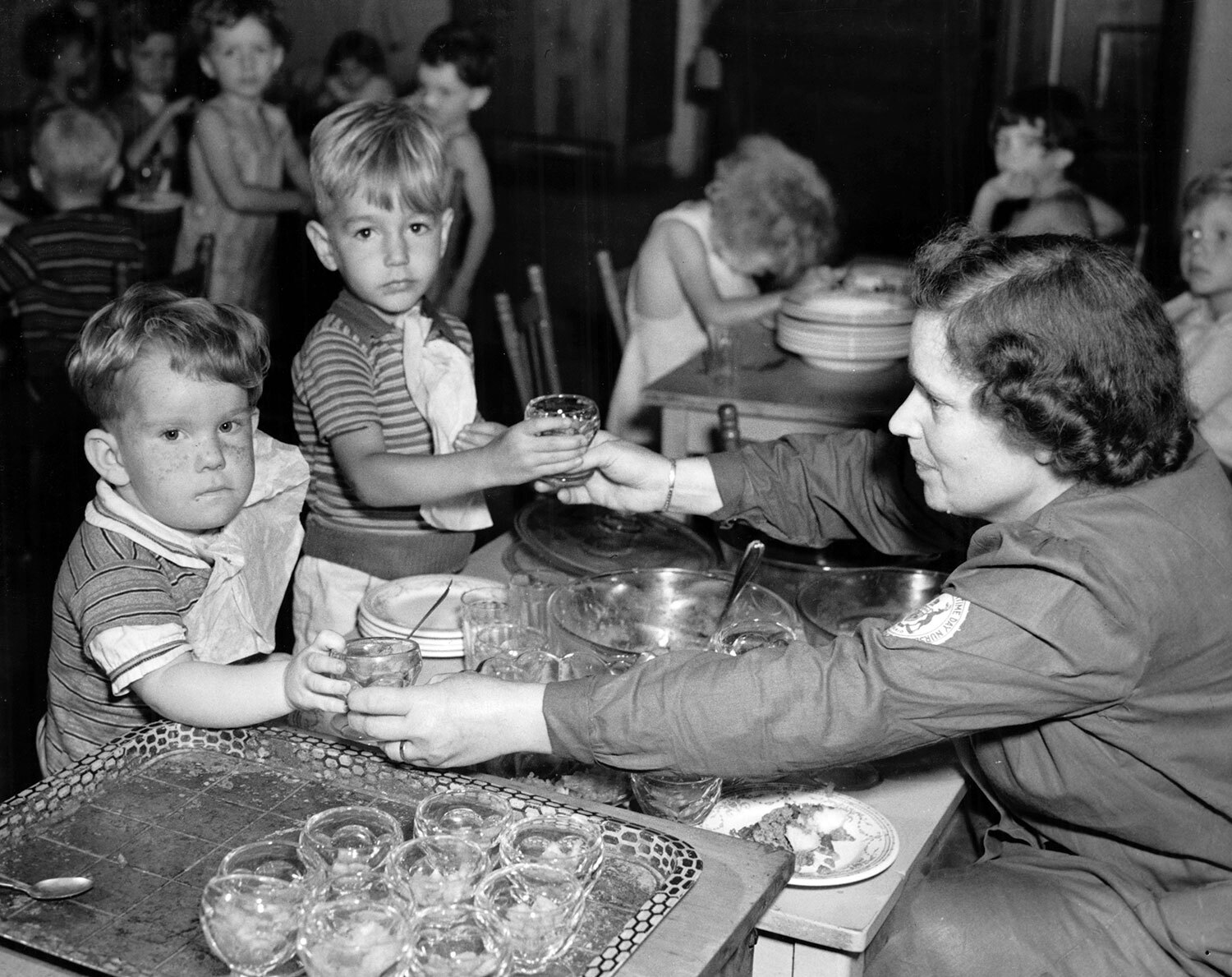
Ontario's military heritage — 4. Second World War (Civilian victims of war)
Throughout the war, thousands of so-called “guest children” from the United Kingdom were brought to Ontario and other provinces until they could be reunited with their families under more stable and peaceful circumstances. Ontario, however, was not a refuge for everyone. The selection and screening of guest children were marked by racial and religious barriers. Social discrimination was also evident in Ontario’s internment camps.
Learn more
About
online exhibit
Ontario's military heritage — 4. Second World War (Civilian victims of war) in war and conflictOntario's military heritage — 4. Second World War (Industry and research)
Ontario was a mineral-rich province that offered many strategic resources for military production. It also had a large population. According to the 1941 census, Ontario had 3.8 million residents, of which 62 per cent lived in urban areas. The combination of Ontario’s large population and mineral-rich land made it an ideal industrial hub for war production.
Learn more
About
online exhibit
Ontario's military heritage — 4. Second World War (Industry and research) in war and conflictOntario's military heritage — 4. Second World War (Military operations and experiences)
By the summer of 1940, Nazi Germany had conquered most of continental Europe, and the United Kingdom was defending itself against the German Luftwaffe during the Battle of Britain. During these trying times, Canada became the United Kingdom’s most important ally. To make a meaningful difference in the war, Canada’s military would require expansion and modernization.
Learn more
About
online exhibit
Ontario's military heritage — 4. Second World War (Military operations and experiences) in war and conflict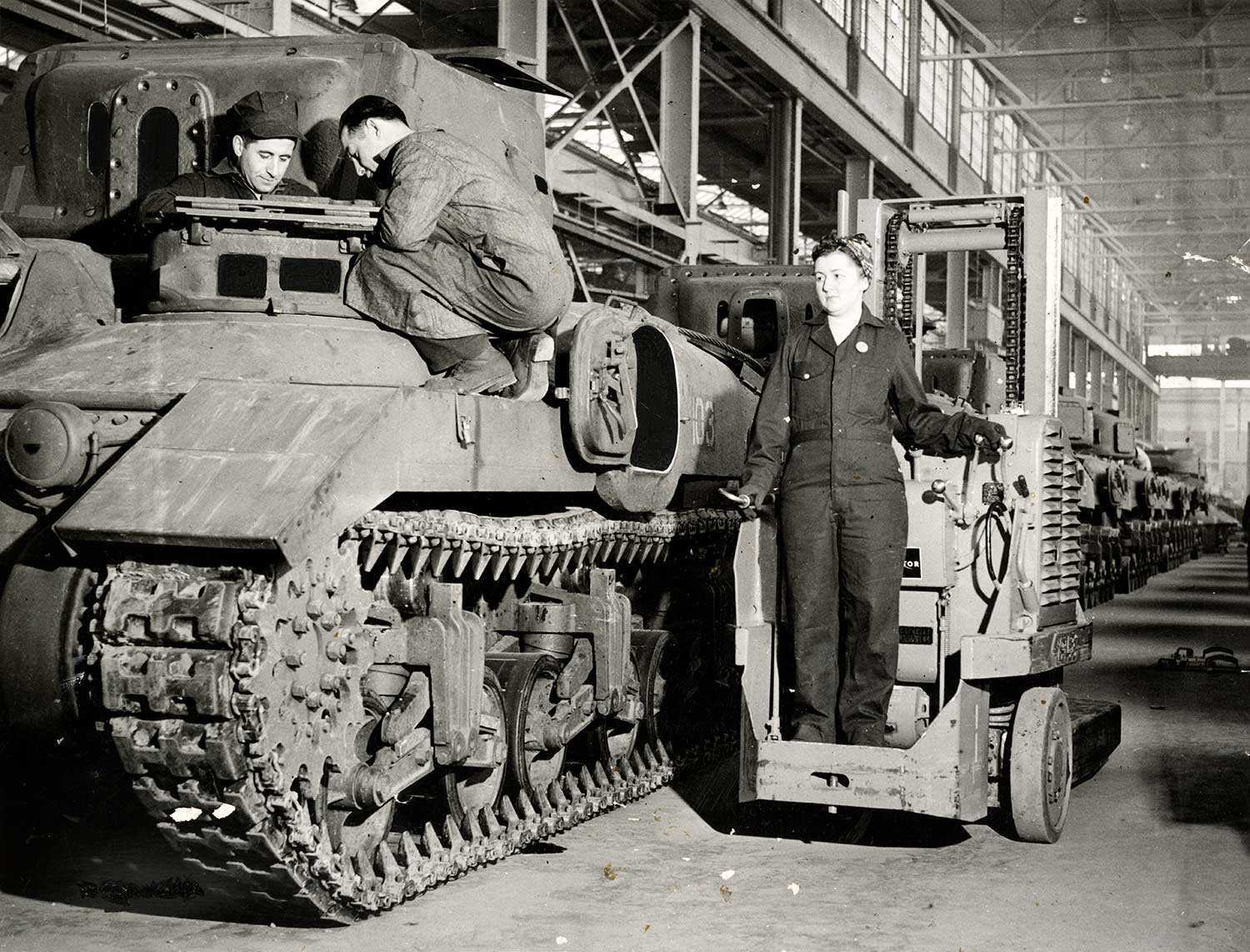
Ontario's military heritage — 4. Second World War (Resources)
This narrative cannot possibly tell every story about the Second World War. Explore these resources for more information.
Learn more
About
online exhibit
Ontario's military heritage — 4. Second World War (Resources) in war and conflict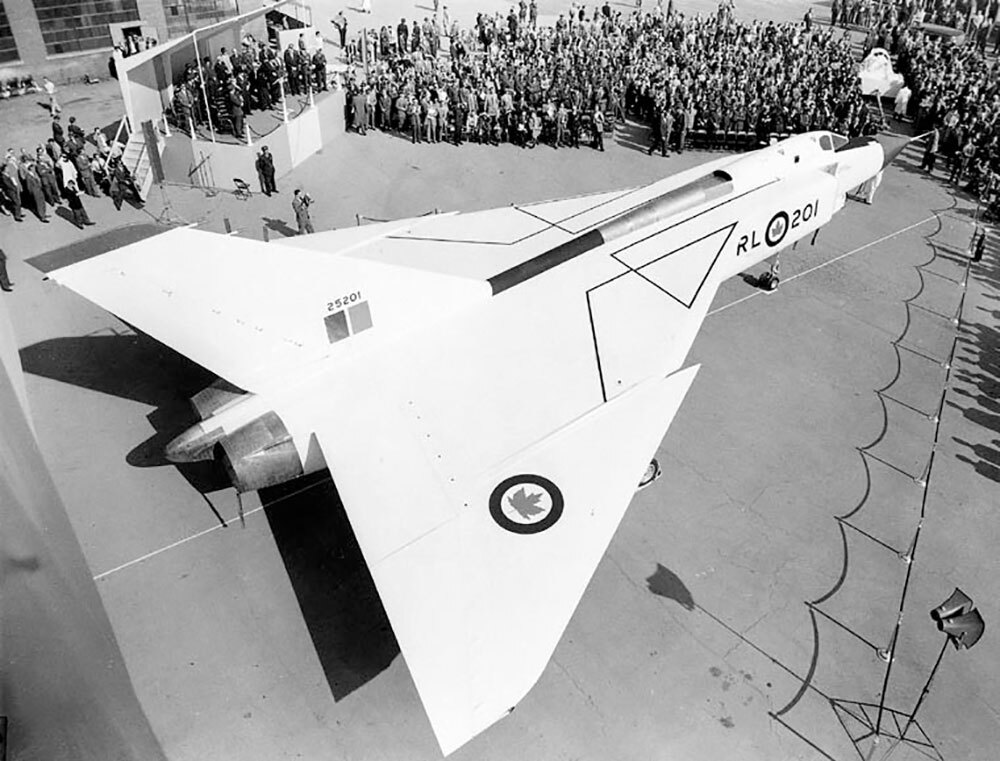
Ontario's military heritage — 5. Cold War and military restructuring (Cold War air defence)
On July 27, 1953, an armistice brought an uneasy end to three years of fighting on the Korean peninsula. Among the 26,000 Canadians who served, 312 were killed in combat. The end of the Korean War was an important turning point in Canadian military history because it was followed by a shift away from conventional warfare. Instead, Canadian military strategy focused on addressing the threat of nuclear war with the Soviet Union.
Learn more
About
online exhibit
Ontario's military heritage — 5. Cold War and military restructuring (Cold War air defence) in war and conflict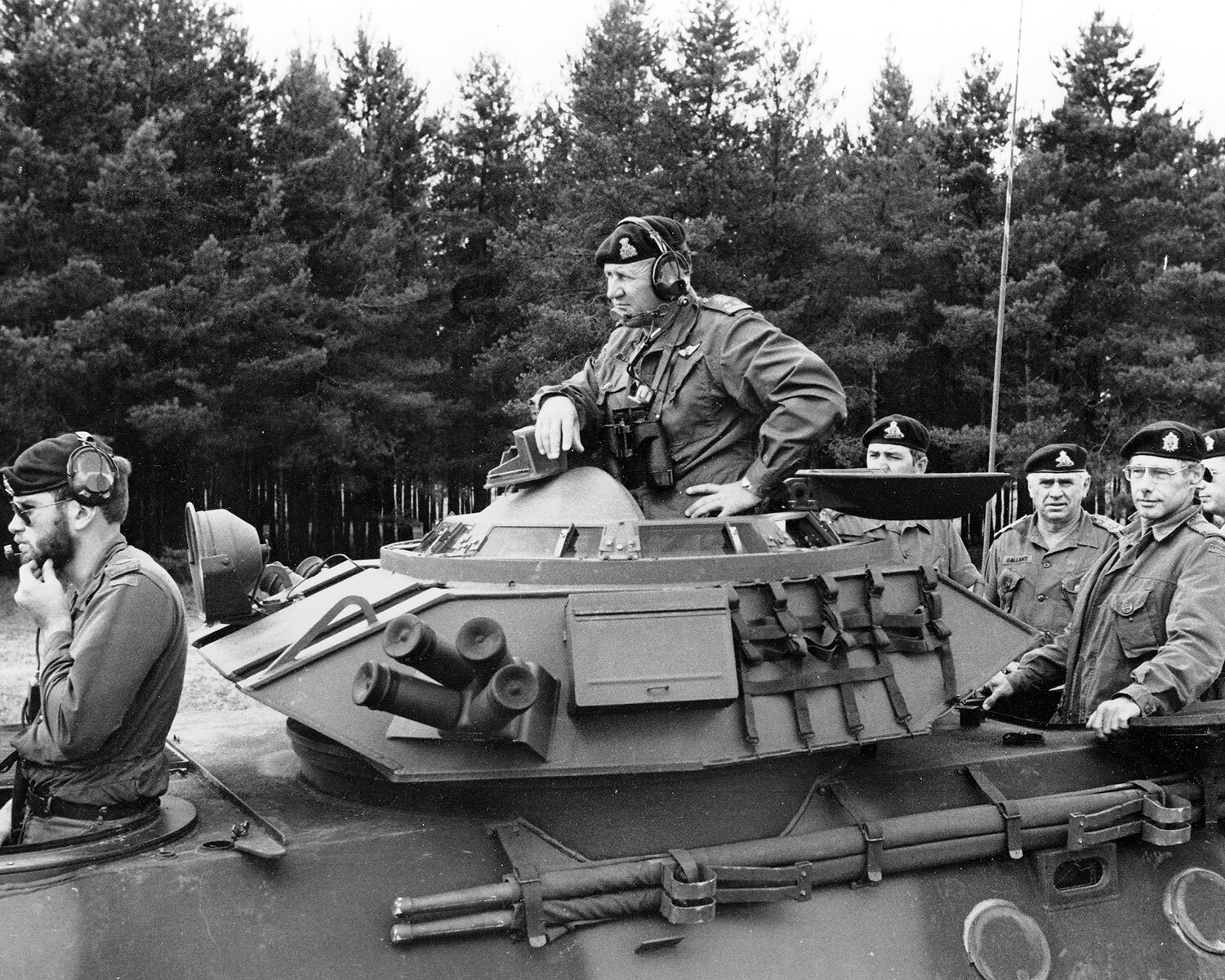
Ontario's military heritage — 5. Cold War and military restructuring (Modernizing the Canadian Forces)
Since the end of the Second World War, the Canadian military has developed new capabilities, structures and roles for its domestic and international operations. Some of these dynamics have been discussed in the section on Cold War air defence, which examines the development of Ontario’s aviation industry and Ontario’s integration into NORAD.
Learn more
About
online exhibit
Ontario's military heritage — 5. Cold War and military restructuring (Modernizing the Canadian Forces) in war and conflict
Ontario's military heritage — 5. Cold War defence and military restructuring
Many historians trace the origin of the Cold War to one of the most unlikely places — Ontario. Three days after the surrender of Japan, a cipher clerk named Igor Gouzenko defected from the Soviet Embassy in Ottawa. He brought with him documents revealing the existence of a Soviet espionage network in Canada.
Learn more
About
online exhibit
Ontario's military heritage — 5. Cold War defence and military restructuring in war and conflict
Ontario's military heritage — 5. Cold War defence and military restructuring (Resources)
Explore these resources about the Cold War to learn more about this fascinating time in our history.
Learn more
About
online exhibit
Ontario's military heritage — 5. Cold War defence and military restructuring (Resources) in war and conflictPoint Frederick
This strategic location was established for the defence of the loyalist settlement at Cataraqui (now Kingston).
Learn more
About
Plaque
Point Frederick in war and conflictQueen's Rangers, The
This plaque honours the first British regiment raised specifically for service in Upper Canada (now Ontario).
Learn more
About
Plaque
Queen's Rangers, The in war and conflictRideau Canal 1826-1832, The
This UNESCO World Heritage Site opened on May 24, 1832 to provide a secure military route between Upper and Lower Canada.
Learn more
About
Plaque
Rideau Canal 1826-1832, The in war and conflictRush-Bagot Agreement, The
This plaque commemorates the agreement that officially ended the War of 1812. It is still technically in force today.
Learn more
About
Plaque
Rush-Bagot Agreement, The in war and conflictSecond Invasion of York 1813, The
This plaque in Coronation Park commemorates a key battle in the War of 1812 on the shores of Toronto (then York).
Learn more
About
Plaque
Second Invasion of York 1813, The in war and conflictSir Richard Bonnycastle 1791-1847
While at Fort Henry, check out the plaque to Bonnycastle, who played a significant role in the defence and economic development of the province.
Learn more
About
Plaque
Sir Richard Bonnycastle 1791-1847 in war and conflictStanley Barracks
Named in honour of Governor General Lord Stanley (also of hockey fame), the Stanley Barracks have been here since the 1840s. Today, all that remains is this building, the Officers’ Quarters.
Learn more
About
Plaque
Stanley Barracks in war and conflictStone Frigate, The
This building was constructed as a naval warehouse. By 1876, it was refitted to house the newly established Royal Military College of Canada.
Learn more
About
Plaque
Stone Frigate, The in war and conflictWarriors' Day Parade, The
Near the entrance to the Exhibition grounds is this plaque that honours war veterans.
Learn more
About
Plaque
Warriors' Day Parade, The in war and conflictYonge Street 1796
The longest street in the world was built by Ontario’s first lieutenant governor, John Graves Simcoe, to connect his recently founded Town of York with the naval base at Penetanguishene on Georgian Bay.
Learn more
About
Plaque
Yonge Street 1796 in war and conflictWomen's history (18)
Almanda Walker-Marchand and the Fédération des femmes canadiennes-françaises
Walker-Marchand moved to Ottawa where she established this organization dedicated to helping French-Canadian soldiers and their families during and after the First World War. The organization expanded beyond Ottawa to form chapters in Francophone communities across Canada.
Learn more
About
Plaque
Almanda Walker-Marchand and the Fédération des femmes canadiennes-françaises in women's historyCharlotte Elizabeth Whitton, O.C., C.B.E. 1896-1975
Whitton was the first woman mayor of Ottawa. Throughout her lifetime, she worked fiercely and energetically to improve social conditions.
Learn more
About
Plaque
Charlotte Elizabeth Whitton, O.C., C.B.E. 1896-1975 in women's historyChloe Cooley and the 1793 Act to Limit Slavery in Upper Canada
Learn more About Plaque Chloe Cooley and the 1793 Act to Limit Slavery in Upper Canada in women's historyCol. Elizabeth Smellie 1884-1968
This celebrated Canadian army nurse and public health authority served during the First and Second World Wars. She was the first woman to attain the rank of colonel in Canada’s Armed Forces.
Learn more
About
Plaque
Col. Elizabeth Smellie 1884-1968 in women's historyElisabeth Bruyère 1818-1876
Ottawa in the 1840s (still Bytown then) was a growing timber-trade village with a substantial French-Canadian population but no Catholic schools and few social services. In 1845, four nuns, led by Bruyère, arrived and establish a school, hospital and orphanage, as well as established many social services.
Learn more
About
Plaque
Elisabeth Bruyère 1818-1876 in women's historyMargarette Rae Morrison Luckock 1893-1972
Raised in Arthur, Ontario, and commonly known as Rae Luckock, she was instrumental in transforming the social and political landscape of the province in the 1940s and 1950s. She paved the way for a more equal Ontario, expanding opportunities for women and working-class families.
Learn more
About
Plaque
Margarette Rae Morrison Luckock 1893-1972 in women's historyMarie Dressler 1868-1934
Born in this house as Leila Maria Koerber, Marie Dressler became the stage name of this actress who became successful in silent and talking films — including alongside Charlie Chaplin and Greta Garbo. Dressler won an Academy Award in 1931.
Learn more
About
Plaque
Marie Dressler 1868-1934 in women's historyMarie-Rose Turcot 1887-1977
Turcot moved to Ottawa at the age of 20 to take a job in the civil service. Later, she became a journalist and writer, and also worked in broadcast journalism. She was active in several French-Canadian cultural organizations as well as a collector of Franco-Ontarian folk tales.
Learn more
About
Plaque
Marie-Rose Turcot 1887-1977 in women's historyMother Marie Thomas d’Aquin 1877-1963
Originally from near Bordeaux, France, Jeanne Branda felt a calling to become a nun and a teacher. In 1899, she joined the Dominican Sisters of Nancy, where she took on the name Sister Marie Thomas d’Aquin. She moved to the United States and then, while visiting Ottawa in 1914, agreed to head the Jeanne d’Arc Institute.
Learn more
About
Plaque
Mother Marie Thomas d’Aquin 1877-1963 in women's historyOntario's military heritage — 1. War of 1812 (Battles in Upper Canada and the Great Lakes)
The British regulars, Canadian militia and Indigenous warriors won several battles in the summer of 1812. Their victories proved to the Americans that if they wanted to conquer Upper Canada, it would require a long and bitter struggle. The sections below explore the key battles in Upper Canada and the surrounding Great Lakes.
Learn more
About
online exhibit
Ontario's military heritage — 1. War of 1812 (Battles in Upper Canada and the Great Lakes) in women's historyOntario's military heritage — 1. War of 1812 (Life in a war zone)
Before the War of 1812, the lives of most of Upper Canada’s inhabitants involved hard work and offered few comforts. Even for the most skilled homesteaders, subsistence was precarious; bad harvests could bring a family to the brink of starvation. Unfortunately for these residents, life would become even more difficult with the onset of the War of 1812.
Learn more
About
online exhibit
Ontario's military heritage — 1. War of 1812 (Life in a war zone) in women's historyOntario's military heritage — 1. War of 1812 (Upper Canada's soldiers)
In 1811, Major-General Isaac Brock was appointed as the senior military commander and senior member of Upper Canada’s executive council. It was Brock’s responsibility to manage the defences of Upper Canada. On taking office, Brock quickly recognized the province’s vulnerability.
Learn more
About
online exhibit
Ontario's military heritage — 1. War of 1812 (Upper Canada's soldiers) in women's historyOntario's military heritage — 3. The Great War (Donning the khaki)
The soldiers who fought overseas in the Canadian Expeditionary Force (CEF) experienced a war like no other before it. The ingenuity of the modern industrial age was used to construct international war machines designed for efficient and brutal destruction. And yet, all the sophisticated machinery, tools and weaponry still required flesh and blood to operate.
Learn more
About
online exhibit
Ontario's military heritage — 3. The Great War (Donning the khaki) in women's historyOntario's military heritage — 3. The Great War (Ontario's wartime economy)
In August 1914, the people of Ontario were coping with a major recession. The onset of the Great War further compounded pre-existing hardships because access to British credit was suspended, stock exchanges closed, Atlantic shipping ceased and public fears led to a rush of gold withdrawals. Gradually, international and national efforts restored economic stability, and the financial shock of going to war dissipated.
Learn more
About
online exhibit
Ontario's military heritage — 3. The Great War (Ontario's wartime economy) in women's historyOntario's military heritage — 3. The Great War (Schools and students at war)
Public schools, colleges and universities are widely recognized as establishments of learning and accreditation. During the Great War, however, schools in Ontario were mobilized for the war effort. School grounds were repurposed as sites for drills, military experiments and rehabilitation centres for returned soldiers. Some schools also incentivized their students to enlist and allowed their campuses to become recruitment grounds.
Learn more
About
online exhibit
Ontario's military heritage — 3. The Great War (Schools and students at war) in women's historyOntario's military heritage — 4. Second World War (Industry and research)
Ontario was a mineral-rich province that offered many strategic resources for military production. It also had a large population. According to the 1941 census, Ontario had 3.8 million residents, of which 62 per cent lived in urban areas. The combination of Ontario’s large population and mineral-rich land made it an ideal industrial hub for war production.
Learn more
About
online exhibit
Ontario's military heritage — 4. Second World War (Industry and research) in women's historyOntario's military heritage — 4. Second World War (Military operations and experiences)
By the summer of 1940, Nazi Germany had conquered most of continental Europe, and the United Kingdom was defending itself against the German Luftwaffe during the Battle of Britain. During these trying times, Canada became the United Kingdom’s most important ally. To make a meaningful difference in the war, Canada’s military would require expansion and modernization.
Learn more
About
online exhibit
Ontario's military heritage — 4. Second World War (Military operations and experiences) in women's history